Alishan Hotels: In-Park vs Fenqihu vs Chiayi — The Complete Accommodation Guide for Every Kind of Visitor
If you’re planning a trip to Alishan and hitting a wall trying to figure out where to sleep, you’re in the right place. Choosing between Alishan hotels inside the park, the old-street guesthouses of Fenqihu, or a comfortable city stay in Chiayi is the single decision that shapes your entire mountain trip — and almost every guide out there only shows you one slice of the picture.
This is the complete decision guide. We’ll walk through what actually differs between the three accommodation zones, name the specific in-park hotels worth booking, cover the Fenqihu play that halves your bill without ruining your sunrise, explain when a Chiayi base actually makes more sense, and dig into the booking tactics that save first-timers from the classic mistakes. By the end, you’ll know exactly which Alishan hotel to book — and just as importantly, which zone deserves your money.
In-Park vs Fenqihu vs Chiayi: Which Alishan Hotels Zone Actually Fits Your Trip

Almost every disappointment we’ve heard from Alishan first-timers traces back to the same mistake: they booked the wrong zone, not the wrong hotel. Before you compare rooms or star ratings, you need to pick which of the three accommodation belts fits the trip you’re actually planning.
Zone 1: Inside the Alishan National Forest Recreation Area
These are the hotels sitting inside the park gate at roughly 2,200 meters elevation, walking distance from the train station and visitor center. This is the premium zone — you pay park admission every night you stay, prices skew high, and rooms book up months ahead. But you also step out your door onto trails, walk to the sunrise train platform in 5 minutes, and eat breakfast in the mist with the cypress giants looming outside. If your goal is the classic Alishan experience — sunrise on Zhushan, misty forest hikes, that quiet dawn nobody else on your Taiwan itinerary will have — this zone earns the premium.
Zone 2: Fenqihu (Fenchihu) old street town
Fenqihu sits about 45 minutes down the mountain by car or forest train, roughly 1,400 meters up. It’s a preserved wooden old-street town famous for its railway lunch boxes and a completely different character from the manicured park at the top. Rooms cost roughly half what you’d pay inside the park, the food scene is genuinely exciting, and if you catch the early Forest Railway to Alishan you still make sunrise. The tradeoff: you’re not sleeping in the park itself, and you need to nail your morning train logistics.
Zone 3: Chiayi city
Chiayi is at sea level in Taiwan’s western plains — the transport hub where the High Speed Rail drops you off and where the Alishan buses and forest railway originate. Modern boutique hotels, endless food options, and prices closer to what you’d expect in any Taiwan city. But you’re a full 2–2.5 hours from Alishan itself, which usually rules out sunrise unless you’re willing to leave your hotel at 3 a.m. Chiayi as a base makes sense for travelers doing Alishan as one day trip inside a broader itinerary, or for anyone who prefers a comfortable city sleep and doesn’t need the dawn photo.
Quick decision framework
- Sunrise is non-negotiable + budget can flex → In-Park. Book Chinshan, Alishan Hotel, or Alishan Gou months ahead.
- Sunrise matters + you’re watching cost → Fenqihu. Catch the 4:00 or 5:00 Forest Railway up.
- Sunrise is nice-to-have + you want comfort → Chiayi. Do a day trip via bus 7322 or a hired driver.
- Zero interest in dawn photos → Chiayi. Save the money for better food and a comfier bed.
Need help picking between the transport options that connect these zones? We break down all of them in our Chiayi to Alishan transport guide.
Staying Inside the Park: The Alishan Hotels You Can Walk to Sunrise From
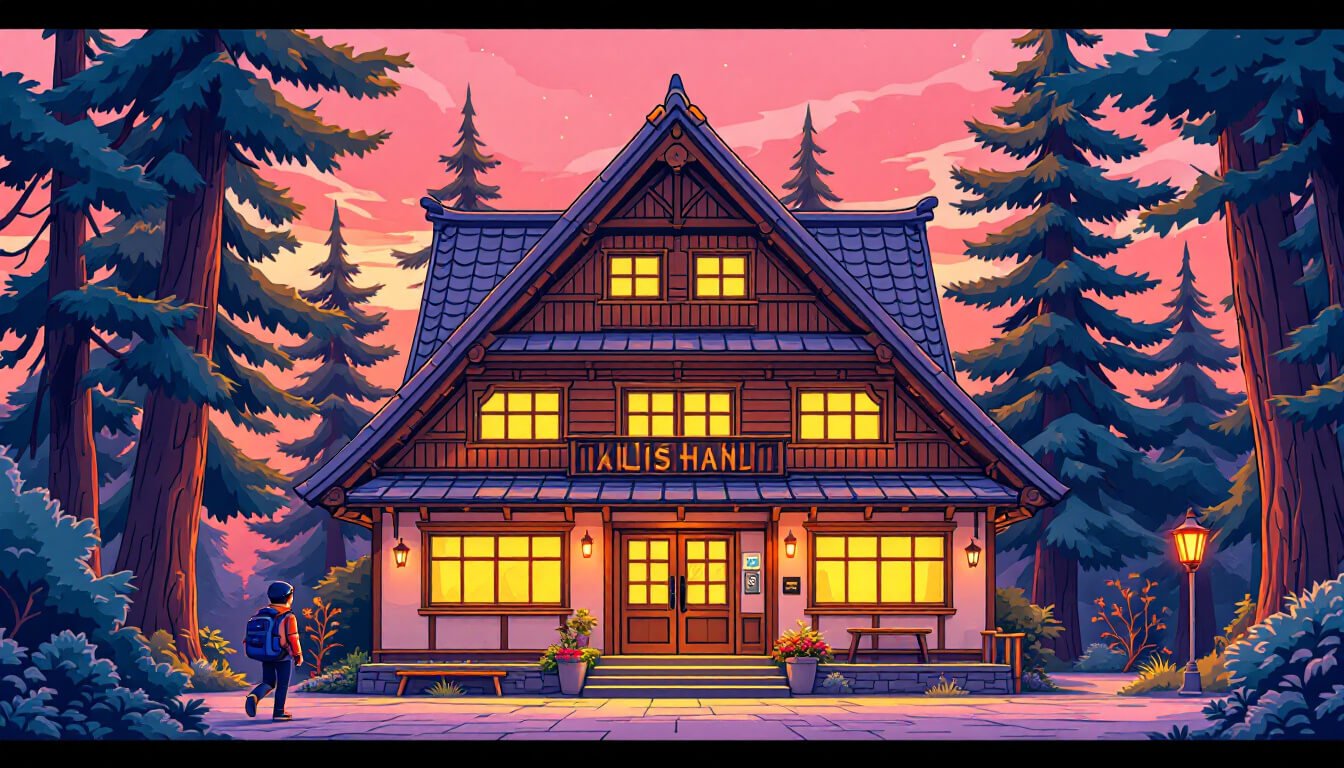
There are seven properties operating inside the recreation area, and they cluster into three tiers: the flagship 4-star option, the mid-range guesthouses grouped around the transport center, and the older forest lodges tucked deeper in. Here’s how they actually compare.
Alishan Hotel (阿里山賓館) — the splurge pick
The 4-star original. Two wings: a historic building dating to the Japanese colonial era and a modern extension. Spacious rooms, dark wood, valley-view balconies on the higher floors, and a proper restaurant. It’s a 14-minute walk from the train station and slightly removed from the shops and restaurant clusters near the transport center — which is either a peaceful feature or an annoying bug depending on your energy. Expect roughly NT$8,000–15,000 per night for two, more in peak season. Free shuttles to the station soften the walk problem in practice.
Chinshan Hotel (青山別館) — the smart-money pick
Consistently the choice we recommend to friends doing Alishan for the first time. It’s a 5-minute walk to the train station, 3 minutes to the transport center, and among the more affordable in-park stays — usually NT$3,500–5,500 for a double in shoulder season. Rooms are bright with valley views, breakfast is a voucher system for local restaurants (which is more fun than a hotel buffet), and the informal hotel shuttle to the bus terminal is a quiet perk nobody puts on their booking page.
Alishan Gou Hotel (阿里山閣大飯店) — closest to Zhushan
This is the hotel physically closest to Zhushan, where sunrise is watched. If you don’t want to catch the 4:30 sunrise train and would rather walk the trail up, this shaves 25–30 minutes off your morning. Rooms are dated but functional. Roughly NT$4,000–6,500 per night. Book directly on Alishan Gou’s website — third-party booking sites often don’t show every room type.
Ying Shan Hotel (櫻山大飯店) and Gau Shan Ching (阿里山高山青大飯店) — the mid-range clusters
Both sit right by the transport center and shops, both are family-run mid-range operations, and both hit the NT$3,500–5,000 sweet spot in low season. Ying Shan tends to have the better views; Gau Shan Ching typically has the newer bathrooms. Between them, availability is usually the real deciding factor — one is almost always open when the other isn’t.
Dafeng Villa (大峯山莊) and Shermuh Hotel (神木賓館) — the forest-lodge feel
These are the older lodges deeper into the forest, closer to the giant sacred trees and the trail system. Rooms are simpler, the walk into “town” is longer, but you sleep in an active cypress forest and the atmosphere is unmatched. Ideal for photographers and repeat visitors who already know the park. Expect NT$3,500–5,000 per double.
Whichever hotel you pick, book it early. In-park stays sell out 2–3 months ahead for weekends year-round and 4–6 months ahead for the March–April cherry blossom season and Golden Week holidays.
The Fenqihu Alternative: A 30-Minute Downhill Train Ride That Halves Your Bill
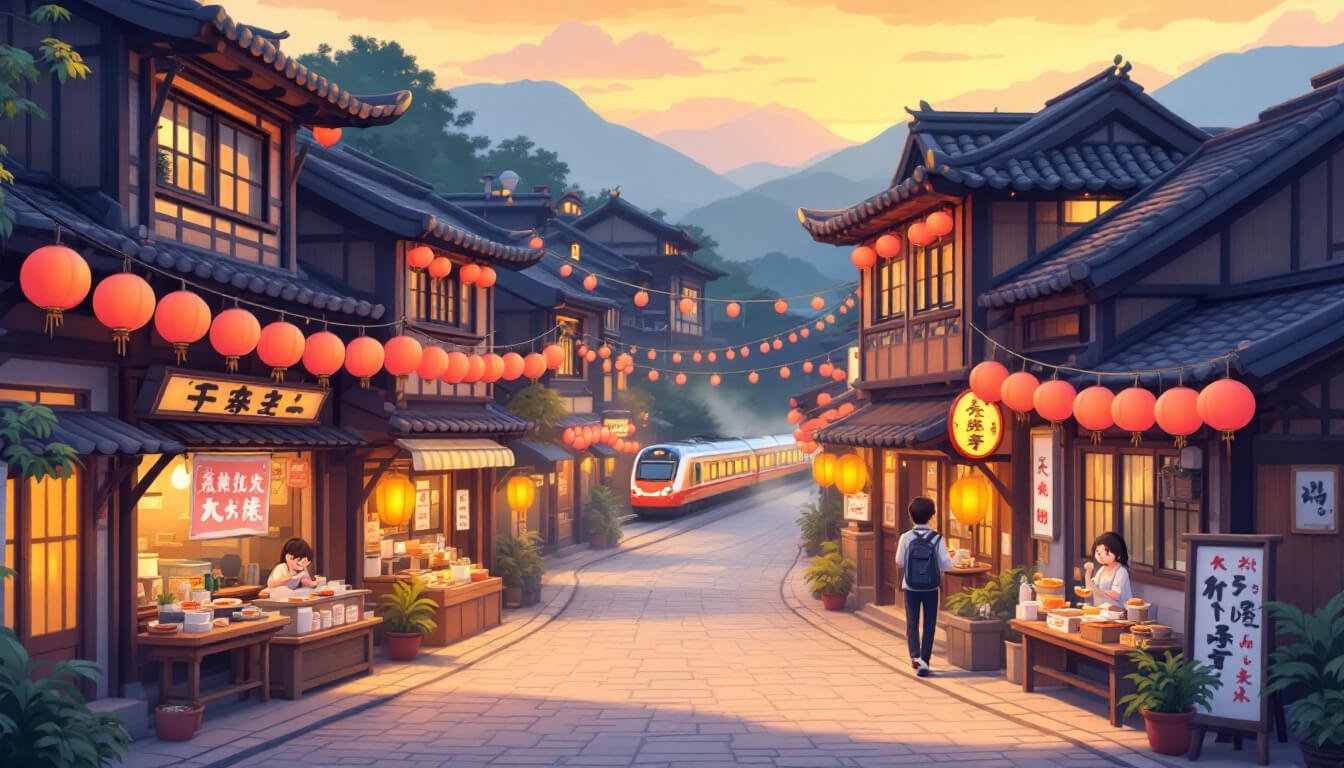
If the in-park prices made you wince, Fenqihu is the play most guides skip. This preserved railway town sits along the mid-section of the Alishan Forest Railway, and staying here can cut your accommodation cost by 40–60% while keeping the mountain experience mostly intact.
Why Fenqihu works
The Forest Railway runs an early morning service (typically the 4:00–5:00 range in the peak sunrise season, adjusted seasonally by the Forestry Bureau) that gets you to Alishan station about 45 minutes before dawn. That’s enough time to catch the sunrise train onward to Zhushan or hike the last stretch on foot. On the way back down that evening, you’ve got the full sleepy old-street scene to yourself after the day-trippers have cleared out — that’s arguably the best time to be here.
Where to stay in Fenqihu
Options cluster around the old street and the railway station. The town is small enough that “which one” matters less than “which one has availability.” Look for keywords like homestay or 民宿 when searching Agoda or Booking; the family-run guesthouses in the old street proper are the atmospheric picks. Newer minimalist B&Bs a 5–10 minute walk from the station are usually cheaper and quieter, and totally fine if you’re just sleeping and railway-boarding.
The tradeoffs to know
- Train seats sell out. The early sunrise-connection train from Fenqihu is heavily booked. Reserve online through the Forest Railway system the moment your dates open up (typically 15 days ahead).
- Weather-related closures. The Alishan Forest Railway is famously vulnerable to landslides and typhoon damage. If your travel is in the July–October typhoon window, confirm the railway is operating before you commit to a Fenqihu-based itinerary.
- You lose the “wake up in the forest” moment. Fenqihu is beautiful but it’s not the same as opening your window into the cypress canopy. If that particular experience is why you’re going, don’t optimize it away.
The Fenqihu food advantage
Nobody plans a trip around railway lunch boxes, but you should probably plan a meal around them. Fenqihu’s tiebian biandang (railway lunch box) is genuinely famous in Taiwan — pork chop, tea egg, pickled vegetables, and rice served in a metal tin. The Fenqihu Hotel’s original box is the classic, and there are 4–5 competing shops along the old street. This alone justifies an evening in town.
Chiayi as a Base: Why Some Travelers Actually Choose to Sleep at the Bottom
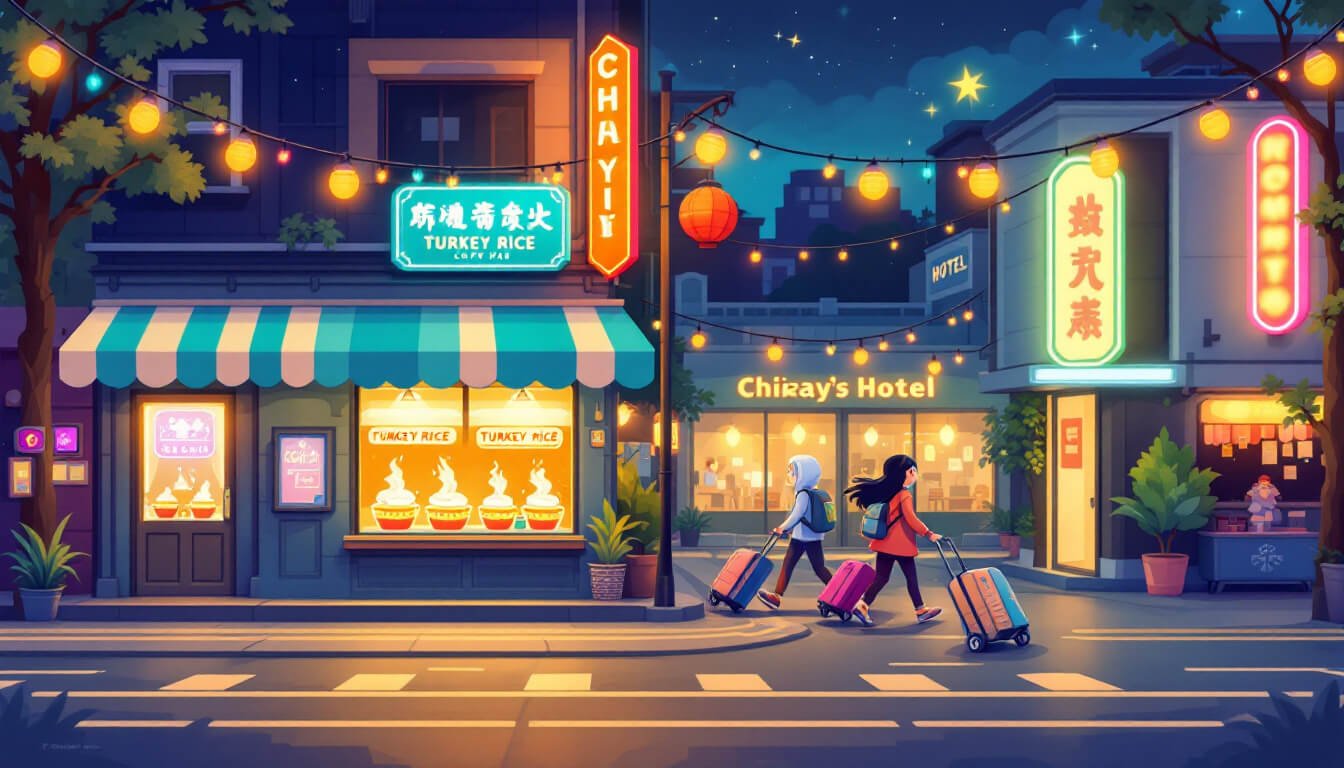
The default advice — “you have to sleep in the park” — is bad advice for a specific type of traveler. If you’re a family with young kids, a couple who values proper hotel comfort, or someone doing Alishan as one day inside a broader Taiwan itinerary, a Chiayi base can be genuinely the better call.
When Chiayi actually makes sense
- You’re on a wider Taiwan loop. Chiayi is a natural HSR overnight anyway if you’re moving between Taipei and Tainan or Kaohsiung. Add a day trip up to Alishan and you avoid the awkward park-lodge sleep in the middle of a city-hopping trip.
- You want a proper hotel. Some of the in-park mid-range rooms are dated. If you care about a good shower, air conditioning that actually cools the room, and reliable Wi-Fi, Chiayi hotels are simply better on those axes.
- You have kids or elderly parents. Elevation, cold mornings, and the walking Alishan requires can be rough. Sleeping at sea level and doing a single guided day trip up is often the humane version.
- You’re not chasing sunrise. Alishan is beautiful in daylight too. The forest trails, the sacred trees, the tea-plantation viewpoints — none of that requires a 4:30 a.m. wake-up.
Where to sleep in Chiayi
Chiayi’s hotel cluster sits between the HSR station (Taibao) and the downtown train station. The downtown area is where the food actually is, so we lean that way. Look at the Hotel Discover (design-forward mid-range), the Maison de Chine Chiayi (business-hotel comfort with good breakfast), or one of the smaller boutique guesthouses in the Wenhua Road night market district. If you want to be next to the HSR for a fast getaway, the Hotel Indigo Chiayi and a handful of newer chain hotels sit right on that side.
Chiayi to Alishan without staying at the top
Two paths. The public bus 7322 leaves from Chiayi station and reaches Alishan in about 2.5 hours — cheap, scenic, and requires zero planning beyond buying the ticket at 7-Eleven the day before. The Forest Railway is the more romantic option but requires advance reservation. Some Chiayi travelers also hire a private driver for the day, which lets you stop at the tea plantations of Shizhuo on the way and dodge the tourist coach rush.
And of course — the food. Chiayi is home to turkey rice, one of Taiwan’s most beloved comfort dishes. Any evening spent in Chiayi should include a bowl.
Booking Tactics: When to Book, Where to Book, and the Fees Nobody Warns You About

Alishan is one of Taiwan’s most seasonal and most overbooked destinations, and the booking mechanics genuinely matter. Get these three things right and you’ll spend less, get better rooms, and skip the classic first-timer regrets.
How far ahead to book
- Weekends and public holidays (all year): 8–12 weeks minimum. In-park rooms disappear fast.
- Cherry blossom season (mid-March to mid-April): 4–6 months ahead. This is the peak. Prices spike 40–60%.
- Weekday shoulder season (May, June, September, October outside typhoon weekends): 3–4 weeks is usually fine, and rates are the softest of the year.
- Deep winter weekdays (mid-December to late January, excluding Lunar New Year): Same-week booking is often possible. It’s cold and quiet but the forest is stunning.
Where to actually book
For the in-park hotels, direct booking on the hotel’s own site or by phone is often cheaper than Agoda or Booking, and gets you the room types that don’t appear on third-party inventory. The tradeoff is that some of the older properties have basic English on their sites. Use the third-party sites to confirm the hotel exists and see photos, then compare with the direct rate before you book.
Fenqihu and Chiayi hotels are the reverse — third-party OTAs (Agoda, Booking.com, Klook, Trip.com) tend to have the best rates thanks to inventory competition. If you’re a Klook or Trip user, you’ll often find sub-total-of-taxes rates that beat direct.
Bring some Taiwan spirit with you on the trip too — the Taiwan Black Bear Jiayou T-Shirt from our shop makes a great layer under a jacket for the cold Alishan mornings, and it’s just a friendly bit of Taiwan flair to pack.
The three hidden costs
- Park admission is per person, per entry. If you’re staying inside the park, you pay NT$300 (weekday) or NT$400 (weekend) per adult on the day you arrive. Some hotels bundle this; most don’t. Check.
- Sunrise train tickets are separate. NT$150 round-trip. Buy at the Alishan station kiosk the evening before. Don’t wait until morning-of; the queue is brutal.
- Peak-season surcharges appear on the reservation. Many hotels add a 20–30% weekend surcharge that doesn’t show in the base rate until checkout. Always view the final total before hitting confirm.
Peak Seasons & Weather: The Alishan Booking Windows You Can’t Miss

Alishan is a completely different mountain in different seasons, and knowing the seasonal rhythm changes both your booking strategy and your packing list. Here’s how the year actually plays out.
Cherry blossom season (mid-March to mid-April)
The single busiest window of the year. Yoshino and Formosan cherry trees line the paths near the recreation area, and the park hits its Instagram peak. Prices are at their highest, availability is tightest, and if you don’t book by early January you’ll be scrapping for whatever’s left. If you can flex your dates, target the last week of March — the blossoms are usually near peak and the crowds thin slightly compared to the April public-holiday weekend.
Summer (May to August)
Cool refuge from the lowland heat, but afternoon rain is near-daily. The forest smells amazing after a shower, and the sea of clouds shows up more reliably in summer than any other season. Book 4–6 weeks out. Watch the typhoon forecast if you’re traveling July–October, because a direct hit can close the Forest Railway and even the mountain roads.
Autumn (September to November)
The underrated season. Cooler temperatures, drier weather, and the maples in late November turn the park into a red-orange painting. Weekends still book up, but weekdays are the sweetest deal of the year — you can score in-park rooms for 20–30% less than spring rates. Combine with a broader autumn Taiwan itinerary and you get lowland warmth by day and mountain cool by night.
Winter (December to February)
Genuinely cold — temperatures drop to 0–8°C, and frost is normal above 2,000 meters. The park is at its quietest outside Lunar New Year, and the sea of clouds sits below your window most mornings. Bring proper layers (thermal, fleece, waterproof shell) because in-park heating is basic. Lunar New Year itself is a peak-price mini-window; book 3–4 months ahead if you want to travel then.
What to pack no matter when you go
Layers, always. The 2,200-meter elevation means it can be 20°C during the day and 4°C at dawn on the same trip. A waterproof shell handles both the afternoon rain and the pre-sunrise chill. And unless you’re staying in the newer wing of the flagship hotel, don’t count on plush amenities — bring your own toiletries and be ready for basic setups. For a broader climate rundown, our Taiwan weather guide covers month-by-month patterns for the whole country.
Alishan Hotels FAQ: Answers to the Questions Every First-Timer Asks

How much do Alishan hotels cost?
In-park doubles run NT$3,500–15,000 depending on hotel and season. Fenqihu doubles are typically NT$1,800–4,000. Chiayi hotels span NT$2,000 for basic to NT$6,000+ for boutique. Add park admission (NT$300–400 per adult per entry) for in-park stays.
Do I need to book Alishan hotels in advance?
For in-park stays, yes — always. 8–12 weeks minimum for weekends, 4–6 months for cherry blossom season. Fenqihu and Chiayi are more forgiving; 2–4 weeks is usually enough outside peak windows.
Which Alishan hotel is best for sunrise?
Alishan Gou Hotel is closest to Zhushan (the sunrise viewpoint) on foot. But if you’re taking the sunrise train, any in-park hotel within a 10-minute walk of the station works — Chinshan, Alishan Hotel, and Ying Shan all fit that description.
Can I stay in Chiayi and still catch the Alishan sunrise?
Technically yes — hire a private driver for a 3:00 a.m. departure — but it’s brutal and expensive. Most travelers who prioritize sunrise choose an in-park or Fenqihu stay. Chiayi is better paired with a daytime Alishan trip.
Is Fenqihu really as good as staying in the park?
It’s not quite the same experience. You lose the “wake up in the cypress forest” moment. But if budget is the deciding factor and you can nail the morning train timing, Fenqihu delivers 80% of the Alishan trip for closer to 50% of the accommodation cost. That’s a genuinely good trade for a lot of travelers.
Are there hostels or dorm options in Alishan?
Not really inside the park proper. A handful of budget guesthouses in Fenqihu and a broader hostel scene in Chiayi are your best bets for shoestring travel. Alishan itself is not a backpacker destination in the way that other Taiwan spots are.
Do Alishan hotels accept international credit cards?
Mid-range and higher: yes. Older family-run guesthouses inside the park and in Fenqihu: often cash only or Taiwan-domestic card only. Bring NT$5,000–10,000 in cash to be safe, especially for smaller properties.
What if the weather ruins the sunrise?
It happens. Cloud cover can obscure the sunrise even in ideal seasons. Two hedges: book 2 nights instead of 1 to give yourself two morning attempts, and remember that Alishan’s forest trails, giant cypresses, and tea plantations are worth the trip even without a clear dawn.
Final Thoughts: Booking Your Alishan Hotel Is Booking the Whole Trip
The Alishan hotel you book decides most of the trip that follows — the sunrise experience, the food you eat, the trails you can actually walk to, even how much energy you have left for the rest of Taiwan. That’s why the zone-first framework matters. Get the zone right and any hotel within it will likely satisfy. Get the zone wrong and even a beautiful room feels like a compromise.
Our honest read: if it’s your first Alishan trip and you can flex the budget, sleep inside the park at Chinshan or the Alishan Hotel and don’t overthink it. If cost is tighter, Fenqihu with an early Forest Railway ticket is the smart move. And if Alishan is one stop inside a larger Taiwan loop, Chiayi with a day trip up is a completely valid trade. Whatever you choose, book early, pack layers, and don’t miss the sunrise train — the mist over the sea of clouds is why people come here in the first place.
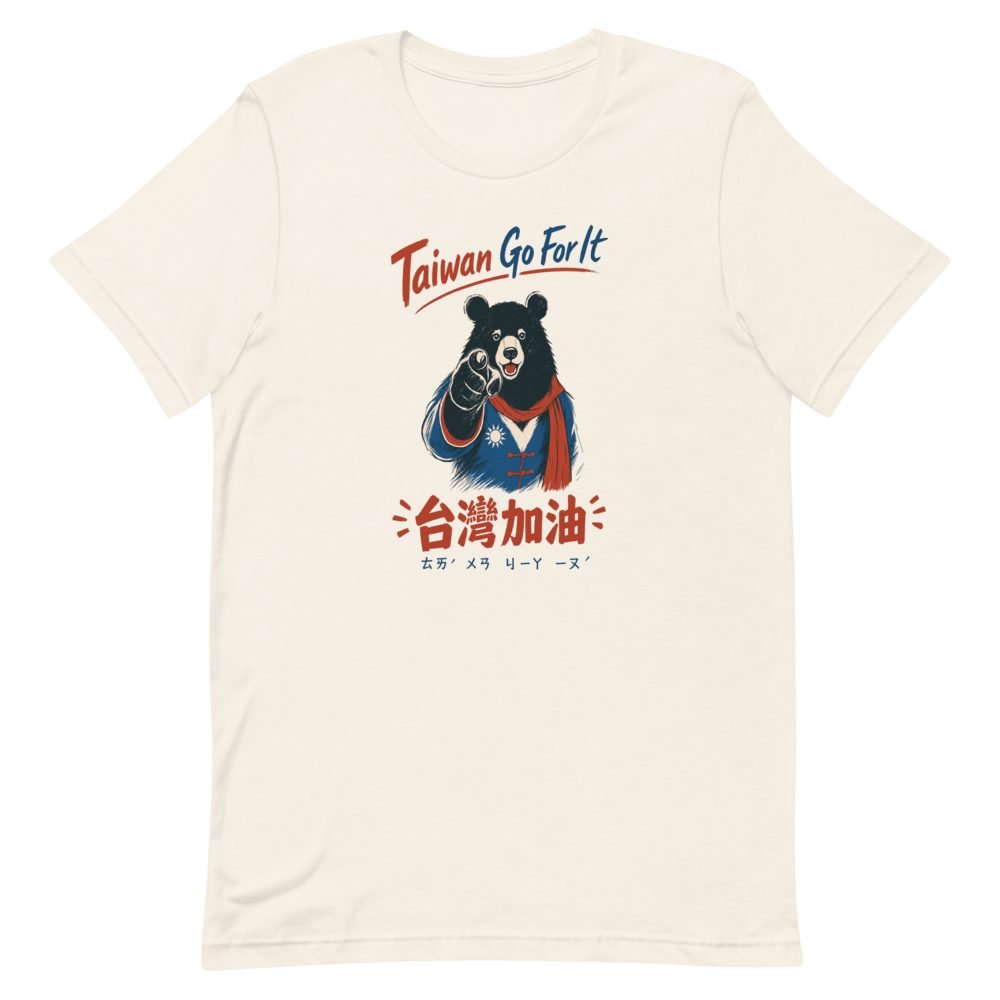
Wear Your Taiwan Trip Home
Cozy layer for cold Alishan mornings and a fun souvenir once you’re home — our Taiwan Black Bear “Jiayou” tee is exactly what a mountain trip deserves.

Get Taiwan in Your Inbox
Weekly Taiwan travel tips, food finds, culture deep-dives, and first dibs on new merch drops. No spam, ever.

Grab a Free Taiwan Sticker!
Drop your email and we’ll send you a limited-edition Taiwan sticker — plus insider access to new merch drops and island vibes.
No spam. Unsubscribe anytime.