Things to Do in Taipei: The 2026 Guide for Every Type of Traveler
Most lists of things to do in Taipei hand you the same 15 stops in the same order: Taipei 101, Elephant Mountain, Shilin Night Market, one temple, done. They’re not wrong — those places deserve the hype. But Taipei is one of the most layered, surprising cities in Asia, and what makes it stick with you depends almost entirely on how you travel.
This guide is organized differently. Instead of a numbered checklist, we’ve sorted Taipei’s best experiences by traveler type — because a hardcore foodie and a sunrise hiker and a design-obsessed coffee-shop wanderer all need different maps. Taipei delivers for every single one of them. You just need to know where to point yourself.
Here’s exactly what to do in Taipei in 2026, organized by what actually drives you.
For the Food Lover: Night Markets, Dumplings, and the Real Taiwan Kitchen
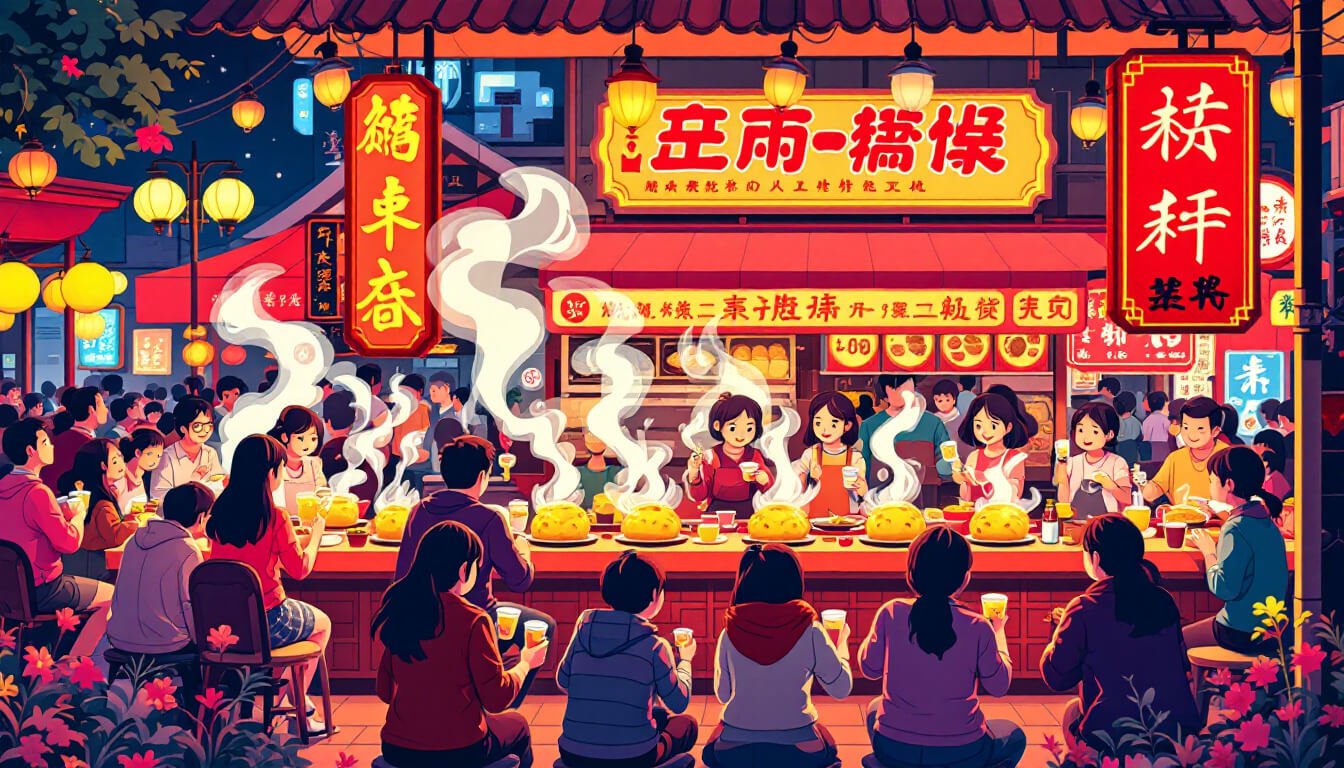
Taipei’s food scene is not a side dish — it is the main event. The city has a Michelin-starred restaurant for every night you could spend here, a night market for every craving you could have, and a dumpling situation that will rearrange your entire personality.
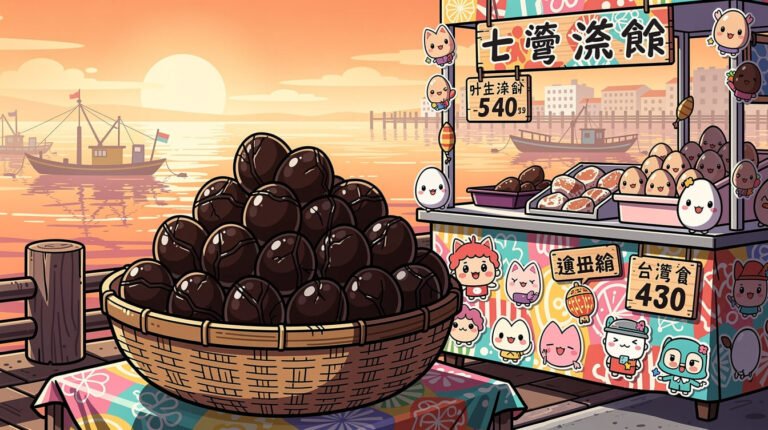
Night markets to know: Shilin is the most famous (and for good reason — the scale of it at 9pm on a Friday is genuinely overwhelming), but the real regulars prefer Raohe Street Night Market in Songshan District. It’s smaller, more manageable, and the black pepper bun stall near the entrance — a giant wood-fired oven, pork and scallions stuffed into a blistered sesame bun — has been running the same recipe for decades. Ningxia Night Market in Datong is the foodie pick: stinky tofu, oyster vermicelli, peanut soup, and taro balls done properly, all within 150 meters.
Dumpling moment: Din Tai Fung’s Taipei 101 branch is a rite of passage (yes, there’s a wait, yes it’s worth it, no the pork chop rice is not what you queue for — it’s the xiao long bao). But for locals-only energy, Yongkang Street’s smaller dumpling shops serve the same tradition with zero Instagram overhead.
Breakfast culture: Taiwanese breakfast is its own category. Fan tuan (sticky rice roll stuffed with pickled radish, floss, and egg) from a street cart at 7am, and a cold cup of soy milk on the side, is one of the most satisfying meals you’ll have anywhere. Look for breakfast shops with the word 早餐 (zǎocān) and a queue outside.
Michelin track: Taipei has 31 starred restaurants in the 2025 guide, ranging from the classic RAW (modern Taiwanese tasting menu) to humble beef noodle shops earning their first bib gourmand. The scene is serious — and surprisingly accessible in price by international standards.
For the View-Seeker: Taipei 101, Elephant Mountain, and the Skylines Locals Love
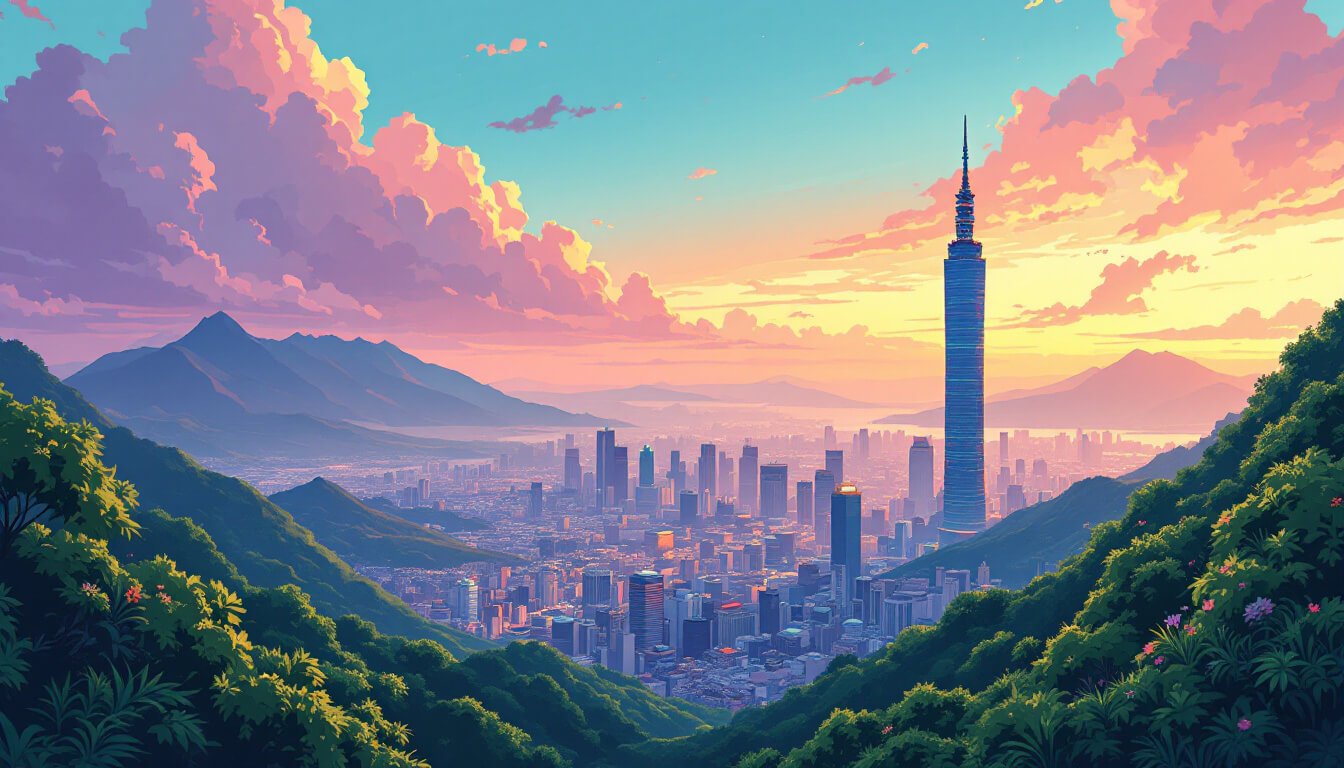
Taipei is a city built inside a ring of green mountains, which means the views here come in two directions: looking up at the peaks from the streets, and looking out over the city from the ridgelines. Both are spectacular.
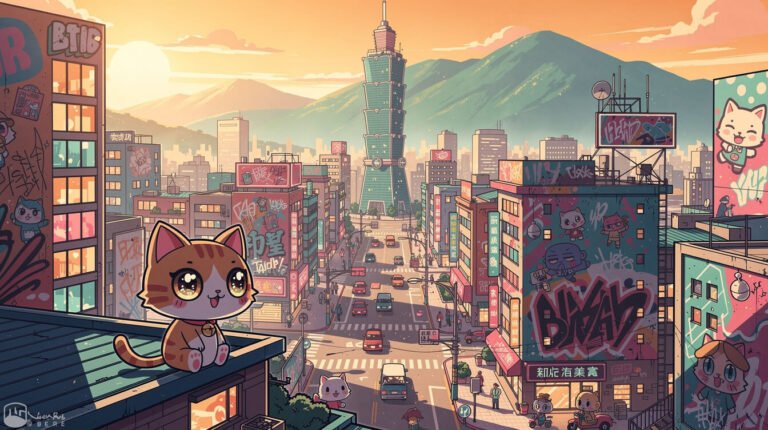
Taipei 101: Until 2010 the world’s tallest building, Taipei 101 is 509 meters of bamboo-inspired steel and glass rising over Xinyi District. The 89th-floor observatory gives you the clearest urban panorama in Taiwan. Don’t miss the 660-ton golden damper ball visible from the observation deck — it’s the largest wind damper in the world, designed to keep the tower stable during typhoons and earthquakes. Here’s the full story on the damper and why Taipei 101 is an engineering marvel.
Elephant Mountain (Xiangshan): The classic counterpoint — hike up to see Taipei 101 from outside. The 183m peak sits directly southeast of the tower, and the 600-step trail to the main viewpoint takes 20–30 minutes from the Xiangshan MRT exit. The shot of Taipei 101 framed between jungle ridges is the most-photographed image in the city. Go at dusk for the light transition; go at dawn if you want silence.
The undiscovered viewpoints: Locals know that Jianguo Elevated Road on weekends becomes a temporary flower market — but the real hidden view is the rooftop of any night market parking garage. Ningxia Night Market has one that looks down the lane at 10pm and it’s pure cinema. Also: Maokong Gondola, a 4km cable car system over the southern hills, delivers a slow-motion aerial view of Taipei with a tea house at the summit.
For the Culture Seeker: Temples, Museums, and Living Taiwanese History
Taipei holds centuries of layered history — indigenous Taiwanese roots, Qing dynasty settlement, fifty years of Japanese colonial architecture, and the Republic of China government’s arrival in 1949 bringing a tranche of mainland Chinese culture and artifacts. The result is a city where every district tells a different story.
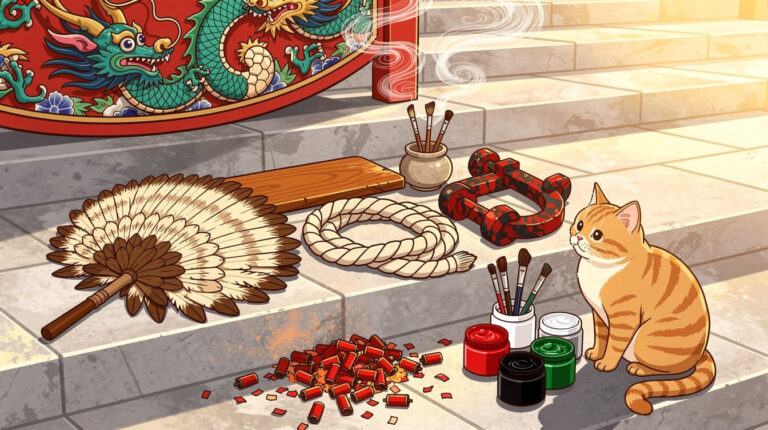
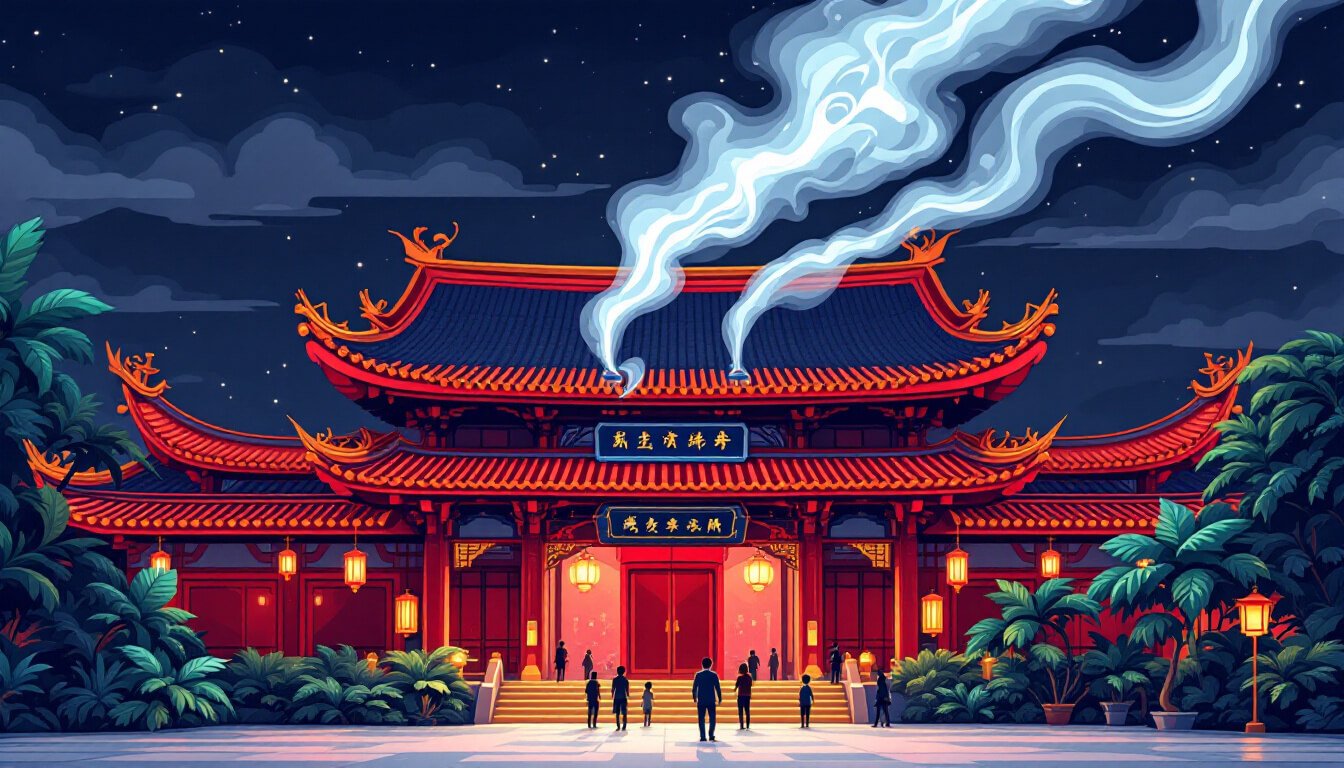
Longshan Temple (Wanhua District): Founded in 1738 and rebuilt multiple times after WWII bombings, Longshan is the spiritual heart of old Taipei. It operates 24/7 — you can arrive at midnight and find worshippers. The incense smoke, the sound of prayers, the layered pantheon of Buddhist and Taoist deities under one ornate roof — it’s unlike anywhere else in Asia. Free to enter.
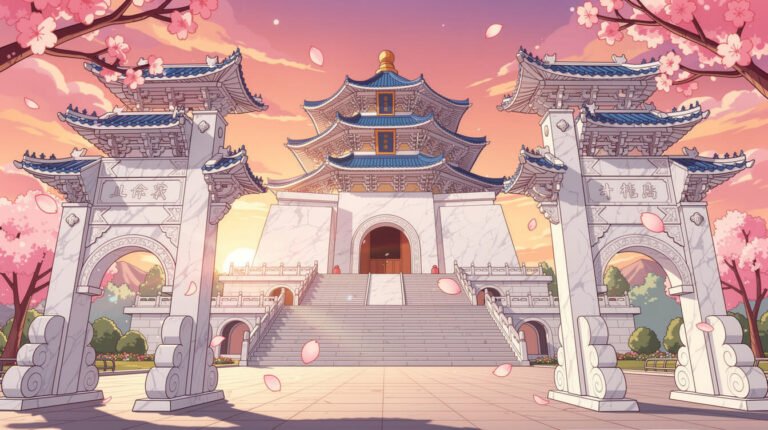
Chiang Kai-shek Memorial Hall and Liberty Square: The 70-meter white marble structure dominates a 240,000 square meter plaza in the middle of the city. The changing of the guard ceremony (hourly, on the hour) is hypnotic in its precision. The surrounding buildings include the National Theatre and Concert Hall. The politics of the memorial are complicated and debated — which makes it worth understanding and visiting.
National Palace Museum: Houses the world’s largest collection of Chinese imperial artifacts — 700,000 pieces, of which roughly 10,000 are on display at any time. The collection was brought from Beijing during the Chinese Civil War. The jade cabbage alone is worth a visit. Book in advance; weekend lines are real.
Dadaocheng: Taipei’s oldest commercial district, built when the city was a Qing dynasty port. The 19th-century redbrick facades now house tea merchants, herbal medicine dealers, traditional fabric shops, and a growing cluster of young designers who’ve moved in precisely because the district looks and feels like nothing else in Taipei. For a full breakdown by neighborhood including Dadaocheng, see our neighborhood-by-neighborhood guide to Taipei attractions.
For the Nature Lover: Day Hikes, Hot Springs, and Yangmingshan
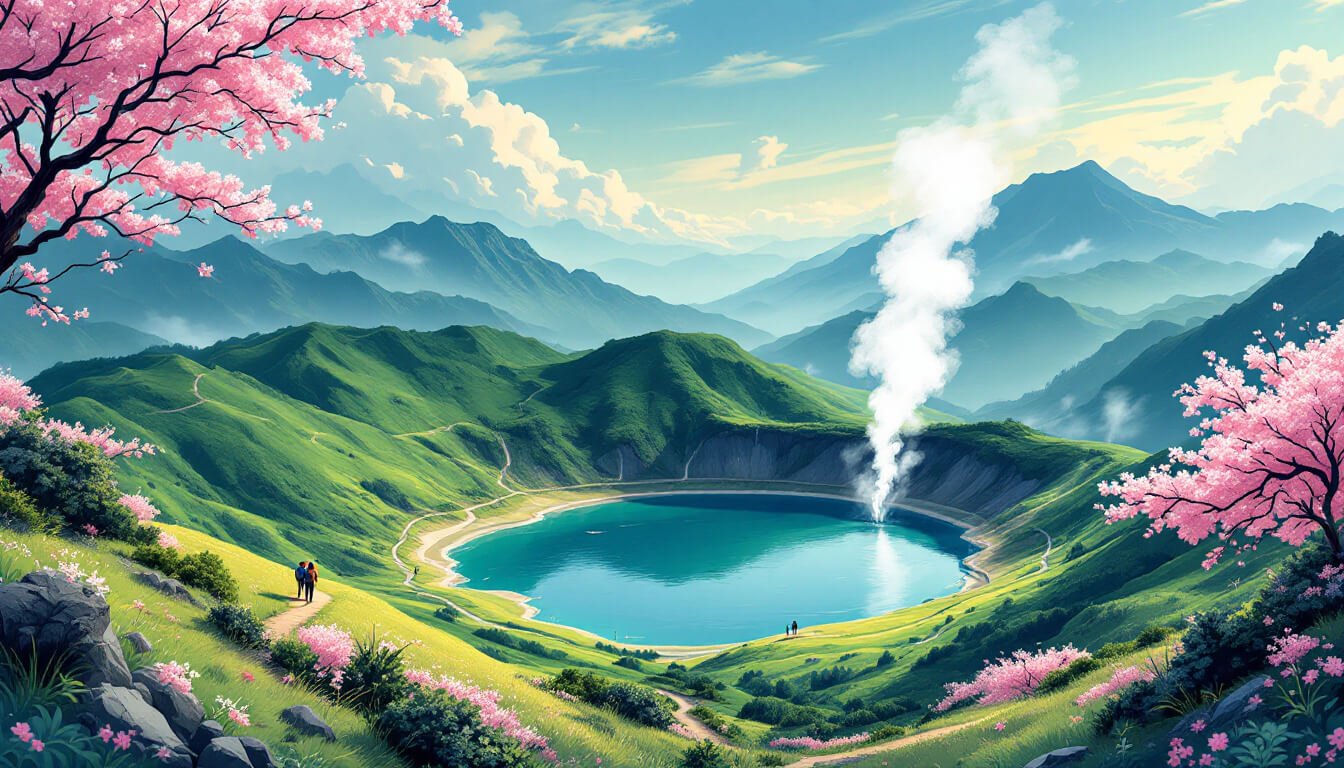
One of Taipei’s underappreciated facts: you can be in a national park within 40 minutes of the city center. Yangmingshan, the volcano-formed national park directly north of Taipei, has crater lakes, fumaroles, hot spring rivers, and hiking trails ranging from 30-minute loops to full-day ridge walks. In February and March, the cherry blossoms around Xiaoyoukeng crater are spectacular. In summer, the elevation keeps it 5°C cooler than the city below.
Yangmingshan highlights: Qingtiangang grassland (a former grazing plateau with views across the park and down to the city), Seven Star Peak (the highest point in Taipei City at 1,120m), and Siaoyoukeng — an active volcanic area with sulfurous vents and a stark lunar landscape. Bus 260 from Jiantan MRT station takes you directly into the park.
Beitou Hot Springs: The geothermal waters of Beitou have been drawing visitors since the Japanese colonial era. The water runs genuinely green in the most sulfurous pools, or milky white in the sodium bicarbonate springs. Taiwan has over 130 hot spring resort areas, but Beitou is the most accessible from Taipei — it’s literally one MRT stop from Xinbeitou Station, and the public hot spring baths start at NT$90. Here’s everything you need to know about Taiwan’s hot spring culture before you go.
Maokong Tea Mountains: South of the city, the Maokong area produces some of the most prized Tieguanyin oolong in Taiwan. Take the gondola up, drink tea with valley views, stay until the city lights come on below you. It’s the most unhurried thing to do in Taipei.
Tamsui Riverside: The northwestern suburb of Tamsui sits where the Tamsui River meets the sea. An old Dutch fort, a Japanese colonial-era school, seafood stalls, and a long waterfront promenade make it a solid half-day escape. The sunset from the riverside is one of the most photographed in northern Taiwan.
For the Creative Soul: Art, Coffee Culture, and Local Design
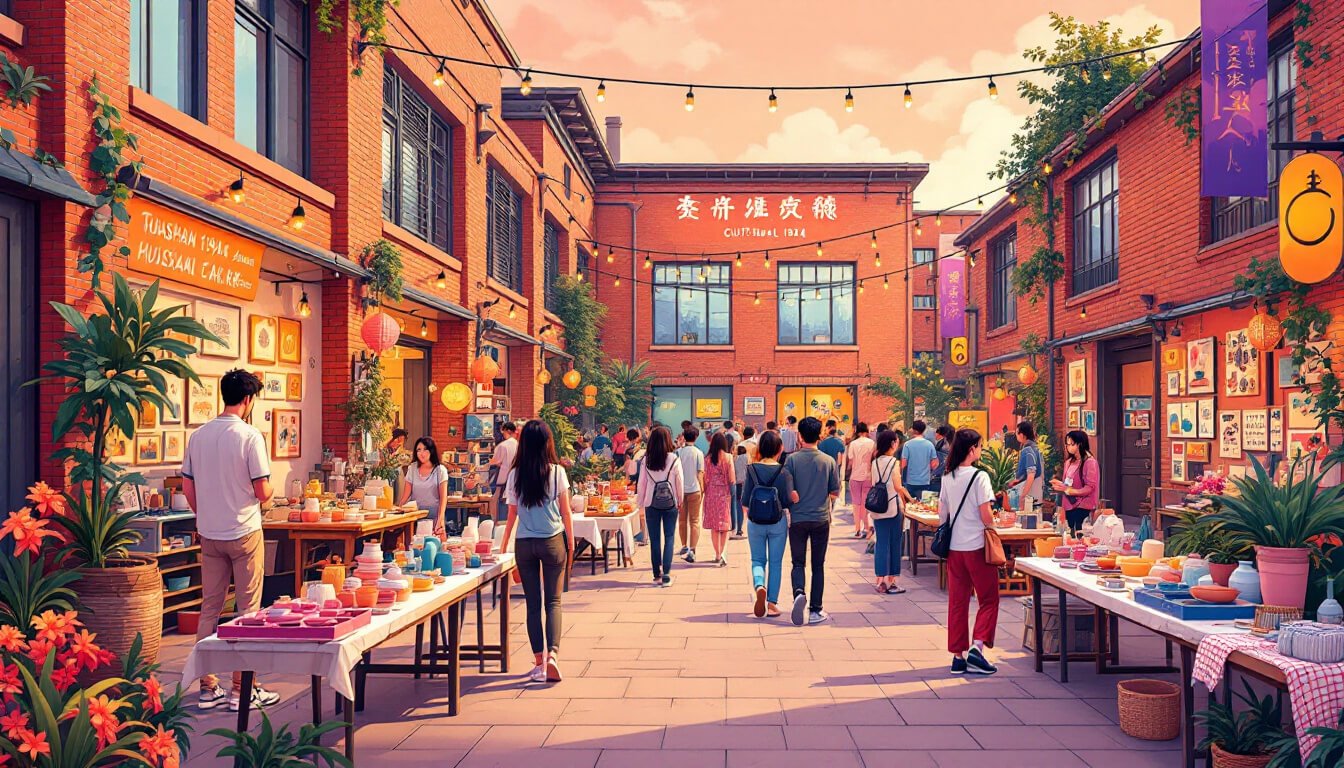
Taipei has quietly become one of Asia’s best cities for creative culture. The design scene here is deeply serious — Taipei Design City runs annually, the creative park system (Huashan, Songshan, Treasure Hill) has turned former factories and military villages into living art installations, and the independent coffee shop culture rivals anything in Seoul or Tokyo.
Huashan 1914 Creative Park: A former wine factory from the Japanese colonial era, repurposed into a sprawling complex of independent boutiques, galleries, pop-up markets, and one of Taipei’s best bookshops. The main event is the rotating calendar of events — design fairs, film screenings, art installations. It’s free to walk around.
Songshan Cultural and Creative Park: Adjacent to the Sun Yat-sen Memorial, this former tobacco factory now houses the Taiwan Design Museum, a curated cluster of design-forward shops, and regular markets where local ceramics, stationery, and textile makers sell direct. The architecture alone — orderly 1930s Japanese industrial brick — is worth the trip.
Zhongshan Station coffee culture: The underground passage between Zhongshan and Shuanglian MRT stations has become a gallery-slash-corridor, with small exhibitions installed in the walkway. Above ground, the Zhongshan neighborhood is Taipei’s most concentrated area for specialty coffee shops, independent bookstores, and concept stores. A good afternoon starts here.
If you’re looking for something to bring home that captures the Taiwan creative spirit — not a generic souvenir but something with genuine cultural DNA — check out our Taiwan-themed merch collection: graphic tees and accessories designed around Taiwanese culture, from boba culture to Taipei streetscapes. It’s what you’d wear to tell people where you’ve been without the airport gift-shop energy.
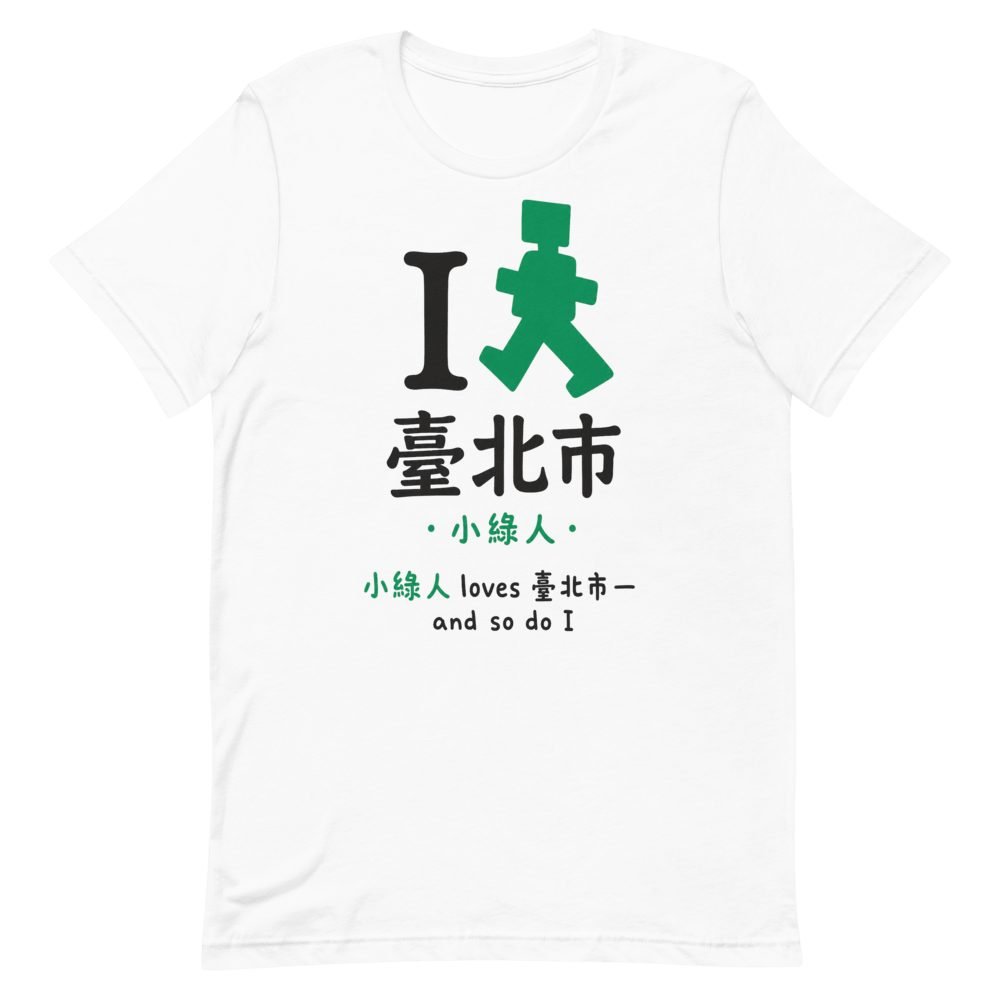
Wear Your Taiwan Obsession
Taiwan-themed graphic tees and accessories designed to celebrate the culture — from night market scenes to bubble tea icons. Designed for Taiwan fans who want more than a plastic keychain.
For the Slow Traveler: Day Trips, Hidden Corners, and a Different Taipei Clock
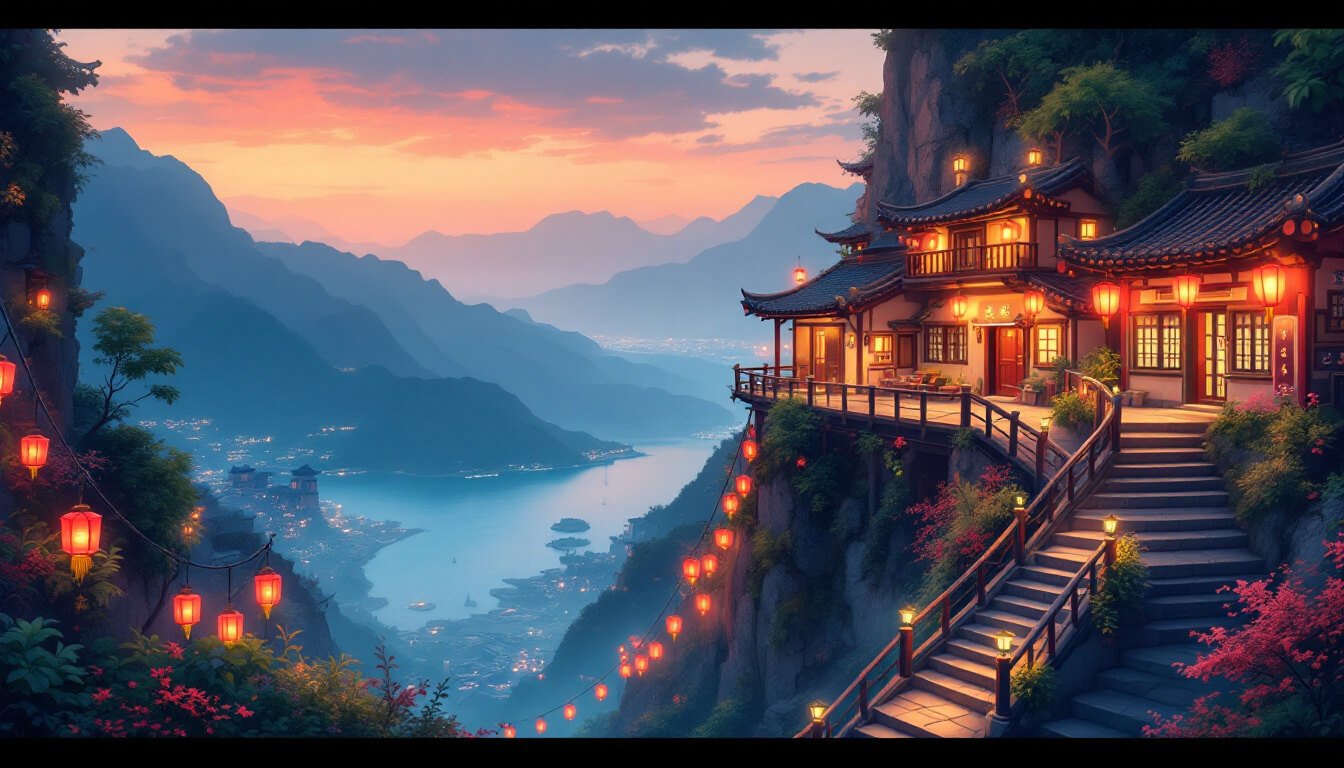
Some of the best things to do in Taipei don’t technically happen in Taipei. The city sits at the hub of one of the most rewarding day-trip networks in Asia — within 90 minutes, you’re in mountain villages, coal-mining towns turned lantern festivals, and fishing harbors where the seafood price is determined by the morning’s catch.
Jiufen: The mountainside village that partly inspired Studio Ghibli’s Spirited Away aesthetic (the debate continues, but the visual resemblance is undeniable). Red lanterns over steep stone stairs, tea houses clinging to cliff edges, and harbor views over Keelung Bay. It’s 50 minutes by bus from Taipei Main Station. Go on a weekday; weekends belong to the tour groups.
Pingxi and the Sky Lanterns: The Pingxi branch railway line runs through a valley known for its sky lantern tradition. You write wishes on the lanterns, light them, and release them into the valley sky. The Pingxi Sky Lantern Festival happens annually on the 15th day of Lunar New Year, but individual lanterns fly every evening at the dedicated release area. The valley itself — old coal-mining infrastructure, stone bridges, and dramatic cliffs — is worth the trip regardless.
Houtong Cat Village: Between Jiufen and Taipei, the former coal-mining village of Houtong has been colonized by cats. Dozens of them, well-fed and photogenic, going about their business on the pedestrian bridge over the old mining tracks. It’s absurd and delightful and takes about three hours round trip from Taipei.
Slow Taipei: If you prefer to stay in the city, the slow traveler’s Taipei is found in: Shida Night Market on a Tuesday (local prices, student crowds, no tourist energy), the antique shops along Guangzhou Street in Wanhua, or the early morning Dihua Street before the crowds arrive, when the tea merchants are restocking and the light is golden through the old arcade facades.
Getting Around Taipei Like a Local
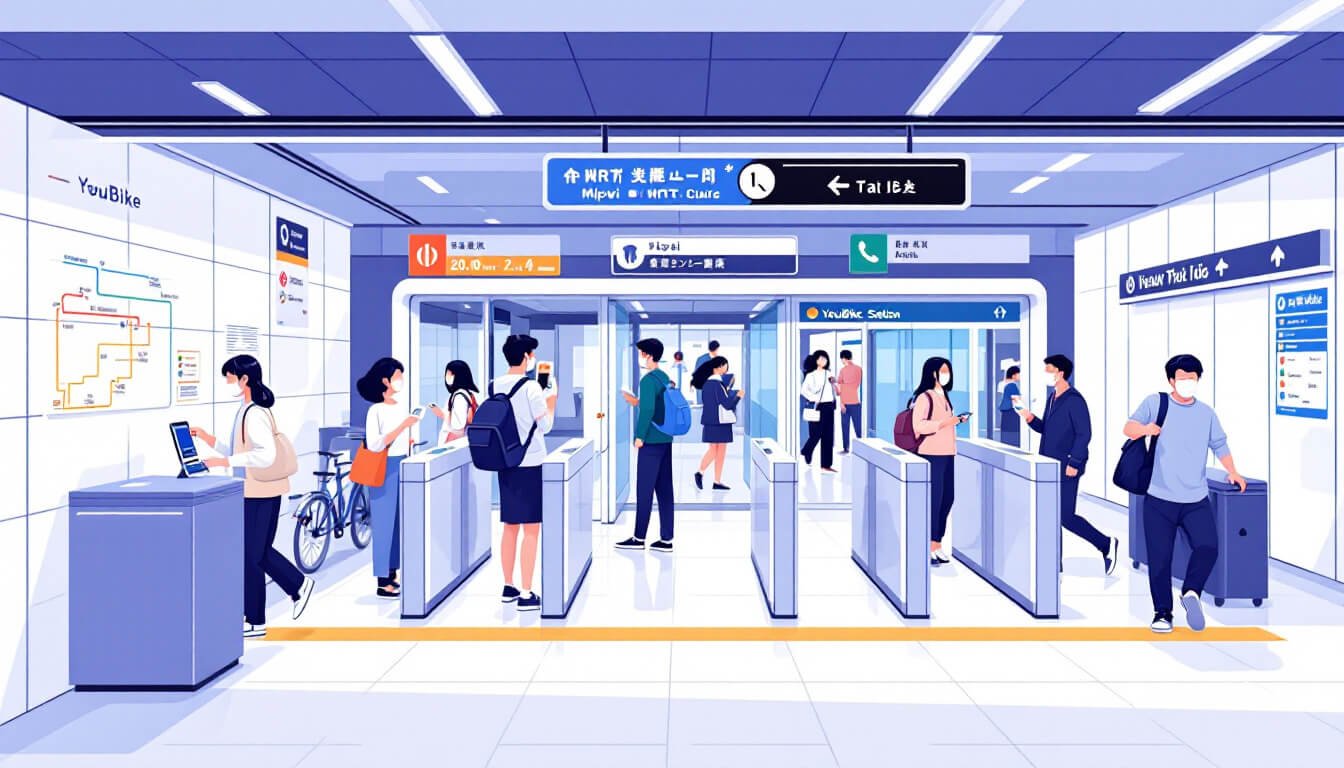
Taipei has one of the cleanest, most efficient metro systems in Asia. The MRT network covers all the major tourist areas — you can get to Elephant Mountain, Beitou, Xinbeitou, Tamsui, Shilin Night Market, and the National Palace Museum without a single taxi. Fares start at NT$20 (under US$0.65), and an EasyCard (rechargeable transit card) saves 20% on every trip.
For a complete breakdown of every MRT line, which stations serve which neighborhoods, and how to navigate the network without stress, read our complete Taipei MRT guide — it covers every line with practical notes on what’s accessible from each station.
YouBike: Taipei’s public bike-sharing system has 400+ stations across the city. At NT$10 per 30 minutes (less than NT$1 per mile), it’s the best way to cover the riverside parks and cross-district routes between MRT stops. App sign-up works with a foreign credit card.
Scooter reality: Taipei has an extraordinary scooter density — Taiwan as a whole has 14 million registered scooters, and a lot of them park in Taipei. Foreigners can legally ride with an international license, but the traffic patterns (especially the two-stage left turn rule) require real acclimatization. Not recommended for first-time visitors.
Walking: More neighborhoods than you’d expect are fully walkable. Xinyi, Daan, and Zhongshan districts in particular reward walking — the side streets are where the city actually lives.
Frequently Asked Questions About Things to Do in Taipei
How many days do I need in Taipei?
Three days is the minimum to get a real feel for the city — you can hit the major landmarks, eat well, and take one day trip. Five days lets you go slower, explore neighborhoods properly, and have a few wandering afternoons with no agenda. A week is better.
What’s the best time to visit Taipei?
October through December is the sweet spot: mild temperatures (18–25°C), low humidity, minimal rainfall, and clear skies for hiking. Spring (March–May) brings cherry blossoms but also rain. July and August are hot, humid, and typhoon-adjacent — still worth it if you plan around potential storm days.
Is Taipei safe for solo travelers?
Consistently rated one of the safest cities in Asia. Street crime is rare, the MRT is safe at any hour, and the local culture skews strongly toward helping lost-looking tourists. Solo female travelers report very comfortable experiences across the board.
Do I need cash in Taipei?
Less and less. Major restaurants, shops, and convenience stores (7-Eleven, FamilyMart) accept cards and mobile payment. Night market stalls are still largely cash-only. Bring NT$2,000–3,000 in cash for markets; the rest can run on card.
Is the tap water safe to drink?
Technically treated to safe standards, but locals universally filter or boil it. Every 7-Eleven sells NT$15 water bottles; hotels provide filtered water. Don’t drink straight from the tap unless you’ve confirmed the building’s filtration.
What’s one thing most tourists miss?
The 24-hour cultural life. Taipei doesn’t really sleep — bookshops stay open until midnight, ramen spots run until 3am, temples operate all night. The city after midnight, when the tourist layer lifts, is one of the most interesting places to be in Asia.
Final Thoughts: Why Things to Do in Taipei Are Different Every Time
Taipei is one of those cities that reveals itself in layers. The first visit you get the greatest hits — Taipei 101, night markets, Elephant Mountain — and they’re everything the photos promised. The second visit you start eating breakfast at street carts and taking the bus up Yangmingshan. By the third, you have a favorite tea house, an opinion on which night market is actually better, and a neighborhood you head back to on every trip just to walk through it again.
The things to do in Taipei aren’t finite. They expand with every trip you take. Start with what fits your personality — food, views, culture, nature, creativity, wandering. Let the city add the rest.
More Taiwan, In Your Inbox
Get the best of Taiwanese culture, travel tips, food guides, and new merch drops — delivered weekly to people who genuinely love this island.
Grab a Free Taiwan Sticker!
Drop your email and we’ll send you a limited-edition Taiwan sticker — plus insider access to new merch drops and island vibes.
No spam. Unsubscribe anytime.