Did You Know? Taiwan’s Almond Tea Isn’t Made From Almonds
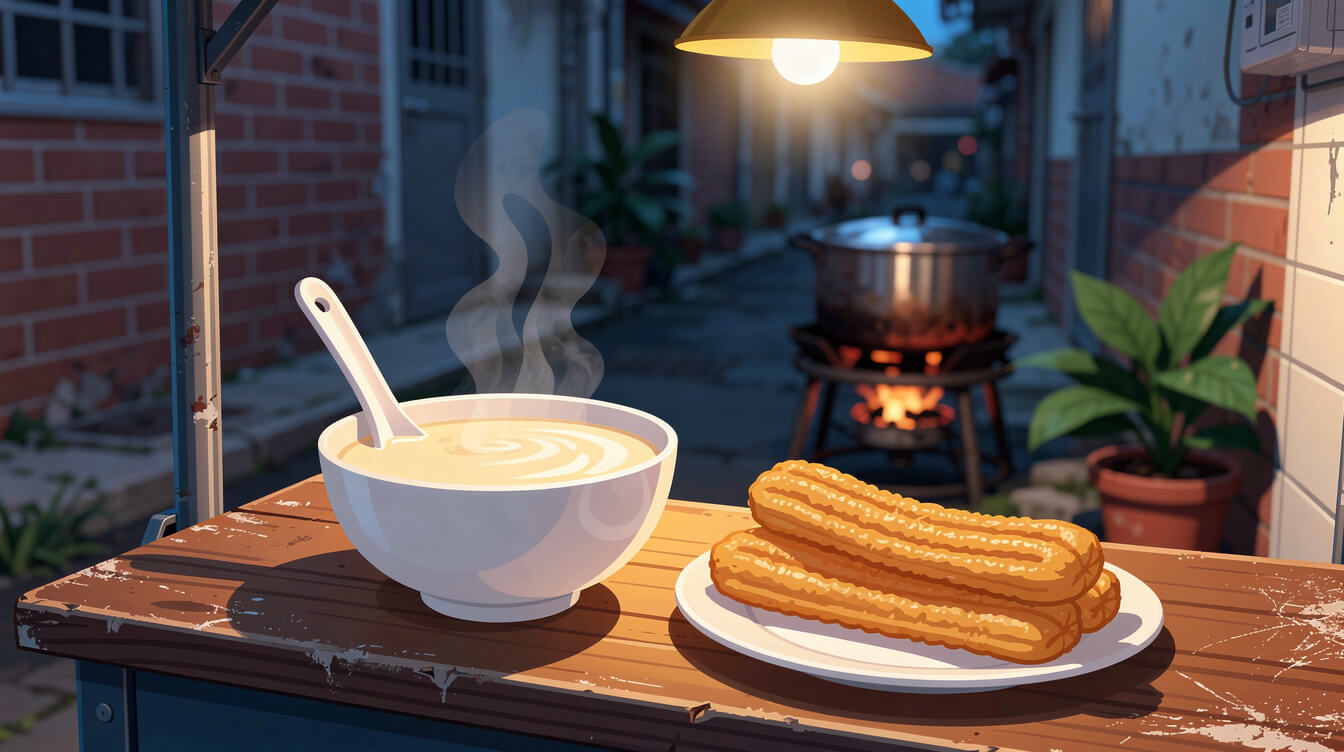
Order a steaming bowl of “almond tea” at a Taiwanese breakfast stall and you’ll get something creamy, sweet and deeply fragrant. You won’t get almonds, though. Taiwan’s beloved 杏仁茶 (xìngrén chá) is made from apricot kernels, and the “almond” on the English menu comes from a translation mix-up that never went away.
Wait, what’s in the bowl?
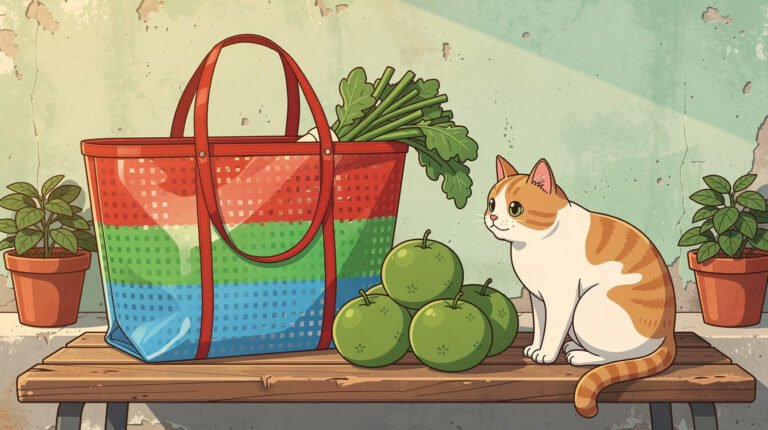
杏仁 literally means the kernel inside an apricot pit. The crunchy almond you snack on is a different plant altogether. Its proper Chinese name is 扁桃仁, but it was sold under the 杏仁 label anyway, and the confusion stuck in both languages. Taiwanese food-science site foodNEXT and the traditional Chinese medicine doctors quoted by UDN’s health desk make the same point: the real 杏仁 comes in two kinds.
- 南杏 (southern apricot kernel): sweet, larger and mild. This is the main ingredient in almond tea and almond tofu.
- 北杏 (northern apricot kernel): bitter, smaller and used mostly as a medicinal herb. Many almond teas add a small amount of it to boost the aroma. That perfume-like, marzipan-ish smell is what people either love or can’t stand.
A classic home recipe grinds the kernels with soaked rice, rock sugar and water into a smooth slurry. You then heat it to a boil, stirring the whole time, because the rice is what thickens the tea and it will happily stick to the bottom of the pot.
Why the boiling matters
Bitter apricot kernels contain far more amygdalin than sweet ones. When raw kernels are crushed or chewed, amygdalin can break down into cyanide. That’s why Chinese medicine practitioners insist that bitter kernels be thoroughly cooked and never eaten raw. A properly boiled bowl from a stall is a cozy treat. A handful of raw bitter kernels is not a snack.
A dessert with a long history
Almond tea has been part of Taiwanese cuisine for a long time. When Taipei’s top restaurants of the day, such as Jiangshan Lou (江山樓), cooked the formal Taiwanese banquet for a royal visit in 1923, the meal closed with eight-treasure rice and almond tea. Food historians call that last course the “finishing dish,” because seeing it arrive told guests the feast was over.
Today it’s very much street food. The classic pairing is almond tea with a youtiao (fried dough stick) for dunking, either for breakfast or as a late-night snack. If that sounds like your kind of morning, our Taiwanese breakfast guide has the rest of the menu.
Winter is almond tea season
Stalls and pushcarts come out once the weather turns cool, which makes late November the perfect time to look for one. In Tainan, some stalls will add a raw egg (or just the yolk) to your cup and pour the hot tea over it. The heat cooks the egg as you stir, and the tea turns even thicker and silkier. It’s an old-school winter warmer you won’t find in most guidebooks.
The takeaway: The next time you see 杏仁茶 on a menu, think “apricot kernel tea.” Order it hot, grab a youtiao, and dunk away. Want more cozy sips? Our guide to Taiwanese drinks and our Taiwanese desserts guide have plenty.
Dreaming of a Tainan breakfast run? Our I Love Tainan tee brings that old-capital pride along. Shop Taiwan Merch.

Grab a Free Taiwan Sticker!
Drop your email and we’ll send you a limited-edition Taiwan sticker — plus insider access to new merch drops and island vibes.
No spam. Unsubscribe anytime.