Did You Know? Taiwan Once Supplied 80% of the World’s Camphor
Before bubble tea, before semiconductors, before most of the world could find the island on a map, Taiwan had a near-monopoly on something you can smell from across a room.
At the turn of the twentieth century, Taiwan supplied roughly 70 to 80 percent of the world’s camphor. Not a healthy share of the market — most of the market, for decades.
Why the world wanted a smell
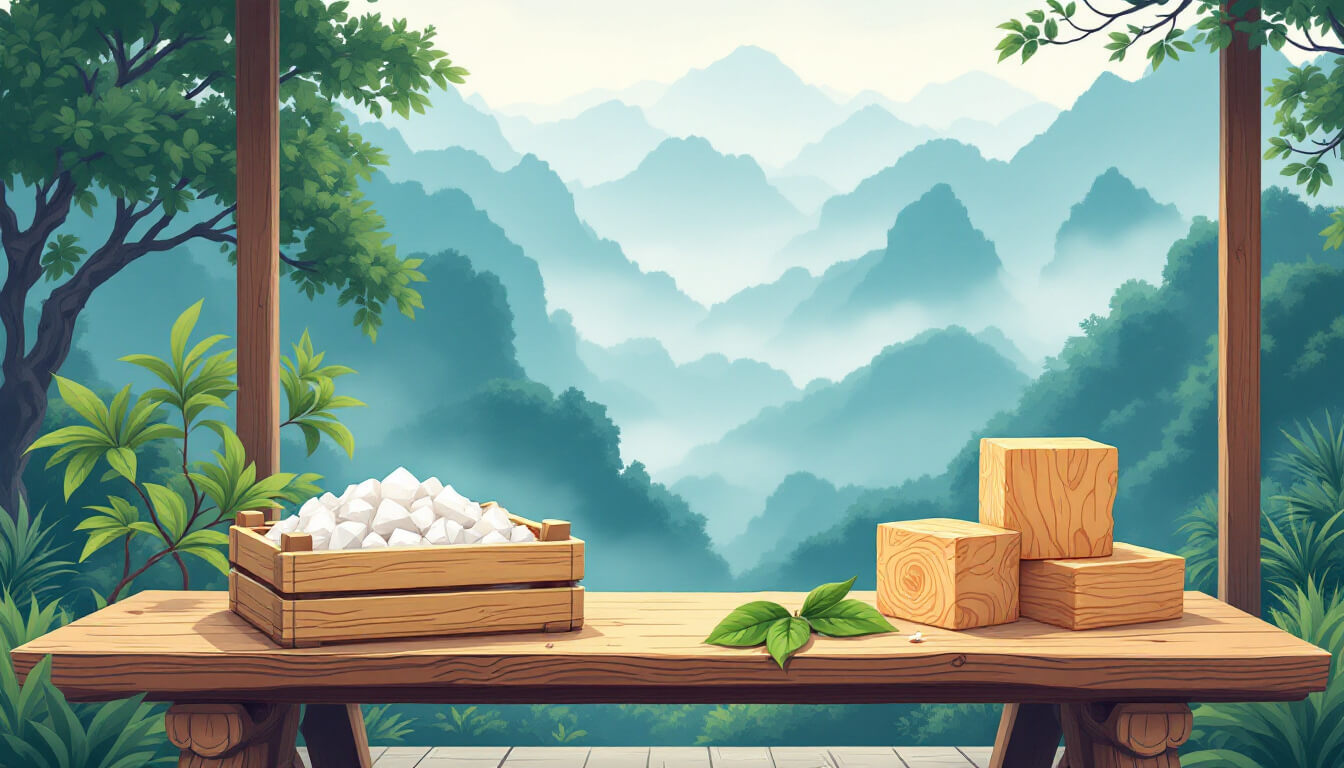
Camphor (樟腦, zhāngnǎo) is the waxy white crystal you get by steam-distilling the wood of the camphor laurel, 樟樹 (zhāngshù). Today most people know it as a medicine-cabinet smell — mothballs, chest rubs, muscle balm. In 1900 it was an industrial raw material, and an urgent one.
Camphor was the plasticiser that made celluloid work, the first commercially successful plastic. Celluloid was photographic film and movie film, combs, collars, cutlery handles, billiard balls. A great deal of early cinema ran on film that owed its flexibility to trees growing on Taiwanese mountainsides. Camphor also stabilised smokeless gunpowder, which meant armies wanted it as badly as film studios did.
The mountains were the factory
Taiwan’s low mountains are close to perfect camphor laurel country: warm, wet, and steep enough that the forests were never cleared for farming. Crews worked up in the hills, chipping camphor wood into shavings and steaming it in rough stills built on the spot, then carrying the crystals back down.
Camphor became one of the island’s “three treasures” of nineteenth-century export trade, alongside tea and sugar — and if you want the tea half of that story, our complete guide to Taiwan tea picks it up from there. Both the Qing administration and, from 1895, the Japanese colonial government ran camphor as a state monopoly. That much of a world supply was never going to be left alone.
It came at a real cost, and it’s worth saying plainly. The richest camphor stands grew deep in the interior, in the homelands of Taiwan’s Indigenous peoples, and the hunt for camphor pushed the logging frontier further into those mountains than any crop ever had. The export figures and that history belong in the same paragraph.
How the monopoly ended
Chemistry ended it. Once synthetic camphor could be produced from turpentine in the early twentieth century, an industry built on one island’s trees stopped needing that island. Natural camphor went from strategic commodity to specialty product in about a generation.
What’s left
More than you’d expect. Camphor laurels are still everywhere in Taiwan — park trees, school trees, street trees, the big shady ones outside temples — and place names across the island still carry the 樟 character. Around a century ago, carvers in Sanyi, up in Miaoli County, began working the weathered camphor stumps and roots the industry had left behind. Sanyi is still Taiwan’s woodcarving capital, and one more thread in the island’s long tradition of handmade craft. Walk into a workshop there and the air smells exactly like the thing that once made Taiwan indispensable.
The takeaway: Taiwan’s first global export boom wasn’t food and it wasn’t electronics. It was a tree. Next time you open an old wooden wardrobe and catch that sharp, clean, slightly medicinal hit, that’s the smell of an island that spent half a century supplying the planet.
Want more of the long view? Our Taiwan culture guide covers the traditions the export ledgers never recorded, and the Alishan Forest Railway guide heads up into the same mountains that made all this possible.
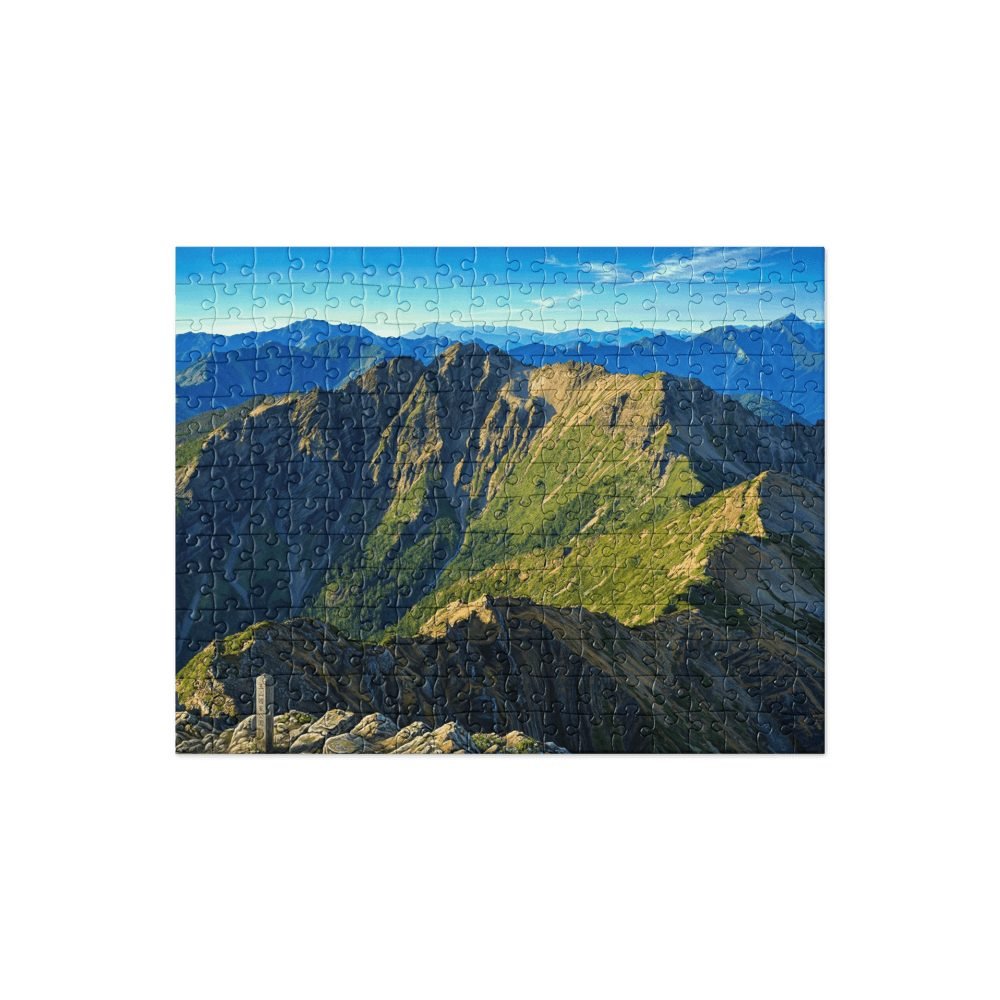
If Taiwan’s high country is your favourite part of the island, the Jade Mountain landscape puzzle is a good way to spend a rainy afternoon with it. Shop Taiwan Merch for the rest of the collection.

Grab a Free Taiwan Sticker!
Drop your email and we’ll send you a limited-edition Taiwan sticker — plus insider access to new merch drops and island vibes.
No spam. Unsubscribe anytime.