Kenting National Park: Coral Reefs, Folk Music, and When to Actually Go
Almost every guide to Kenting National Park is a list of beaches. Which sand is whitest, which bay lets you swim, which resort has the best pool. That list is useful for about one day, and then you run out of guide — which is roughly when most visitors decide Kenting was “fine” and drive back to Kaohsiung slightly underwhelmed.
Here is the thing nobody puts in the listicles: Kenting National Park in Taiwan is not really a beach destination that happens to have culture attached. It is a 320-square-kilometre chunk of tropical peninsula that contains a Qing dynasty walled city, a lighthouse that was built with cannons, a folk-song tradition old enough to have its own repertoire of named melodies, the country’s longest-running rock festival, an annual land crab migration that closes roads at night, and the great majority of Taiwan’s coral species. The beaches are the part that photographs well. They are not the part that makes the place worth three days.
This guide covers what the other guides skip — the Hengchun folk music tradition and its unlikely blockbuster movie connection, the reef ecology under Houbihu, the walled town twenty minutes inland, and the honest seasonal calculus of when to actually go. Beaches included, of course. Just not first.
Why Kenting National Park Is More Than a Beach
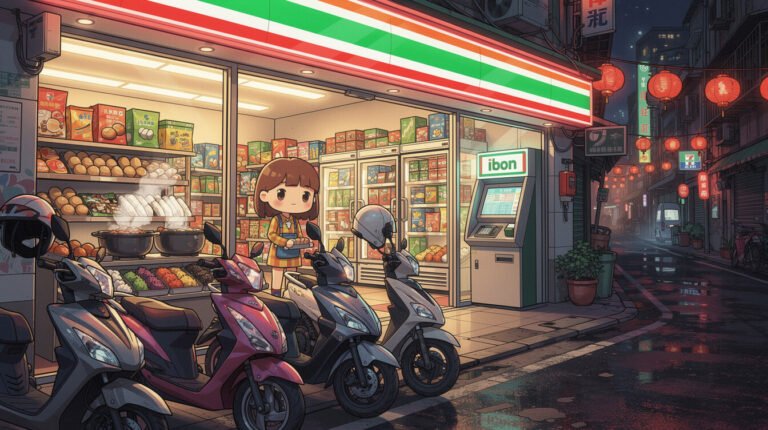
Kenting was Taiwan’s first national park, established in 1984 at the southern tip of the Hengchun Peninsula in Pingtung County. That “first” matters, because the boundary was drawn before Taiwan had settled on what a national park was supposed to be. The result is unusual: the park includes a marine zone, farmland, a couple of actual towns, a nuclear power plant, a night market, and a stretch of uplifted coral limestone grassland that looks like nowhere else in East Asia. It is a national park with a 7-Eleven in the middle of it.
Purists find this offensive. It is also the reason Kenting works as a trip. You are not visiting a wilderness preserve with a gate and an entry fee — you are visiting a lived-in tropical peninsula where a Qing-era town, a fishing harbour, a scuba economy, a surf scene, and a protected reef all overlap on the same map. Nothing about it is curated.
The geography that explains everything else
The Hengchun Peninsula is where the Central Mountain Range finally runs out of island. The land drops from forested ridge to sea in a few kilometres, which produces three things that shape every visit: sheltered west-facing bays with calm water and good visibility, an exposed east coast that gets Pacific swell and wind, and a narrow waist of land in the middle where every road, bus, and person converges on the town of Hengchun.
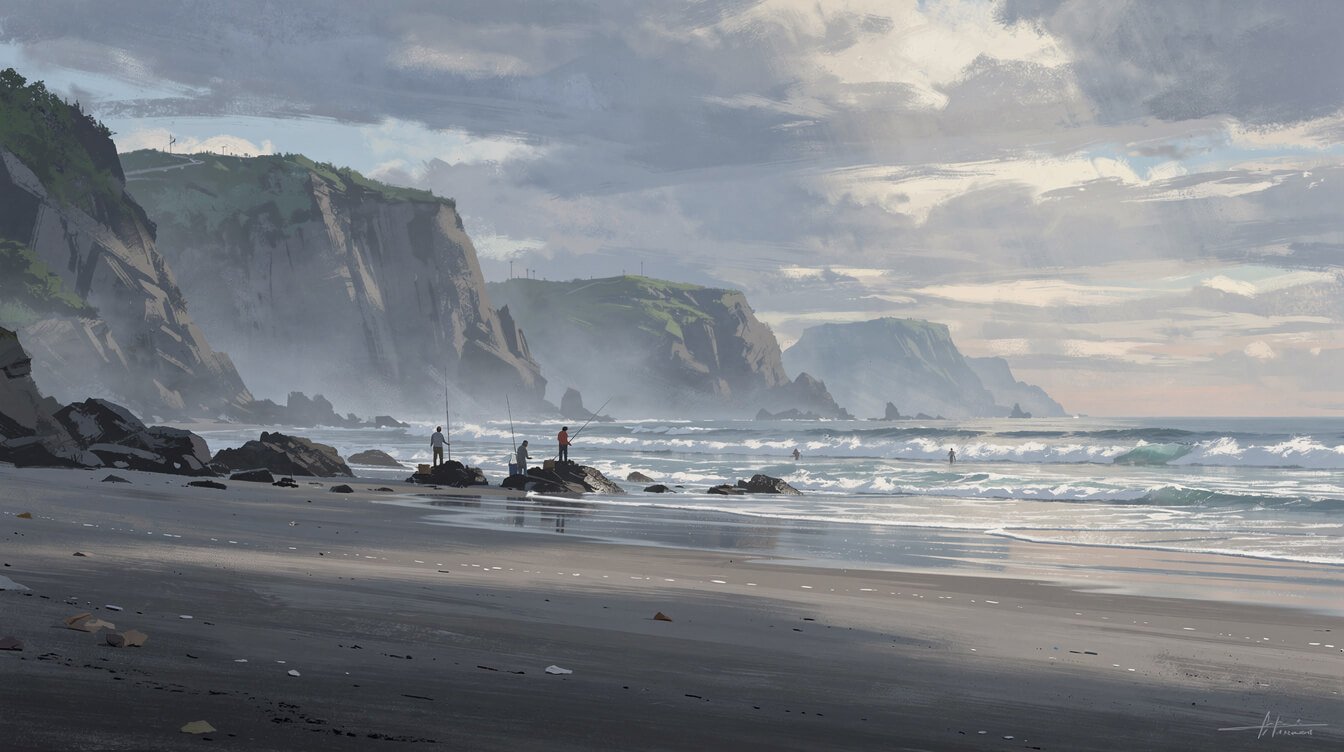
Geologically, most of what you walk on is uplifted coral reef. The Kenting National Forest Recreation Area sits on a limestone plateau full of caves, fissures, and stone pillars that were seabed within the last few hundred thousand years. Longpan Park, on the east side, is grassland on top of coral cliffs falling straight into the Pacific — the single most dramatic view in the park, and one with no beach anywhere in the frame.
The wildlife hardly anyone plans around
Two ecological events run on their own calendar here. The first is the autumn raptor migration: every October, tens of thousands of grey-faced buzzards and Chinese goshawks funnel down the peninsula and cross the strait, and Manzhou and Sheding fill up with people holding very serious binoculars. The second is the land crab migration. Kenting’s coastal forest holds one of the densest land crab populations anywhere in Taiwan, and on summer and early-autumn nights around the full moon, gravid females walk from the forest to the sea to release their larvae. Park staff close lanes of the coastal road and escort them across. If your visit lands on one of those nights, drop everything and go watch.
For a sense of how differently Taiwan’s protected landscapes can behave, it is worth comparing Kenting against Yangmingshan National Park up north — volcanic, misty, and reachable on a city bus. Same country, opposite weather.
The Beaches of Kenting: Which One Actually Matches Your Vibe

Let us do the beaches properly, then move on. Kenting has roughly five that matter, and they are not interchangeable. Picking wrong is the single most common way people waste a day here.
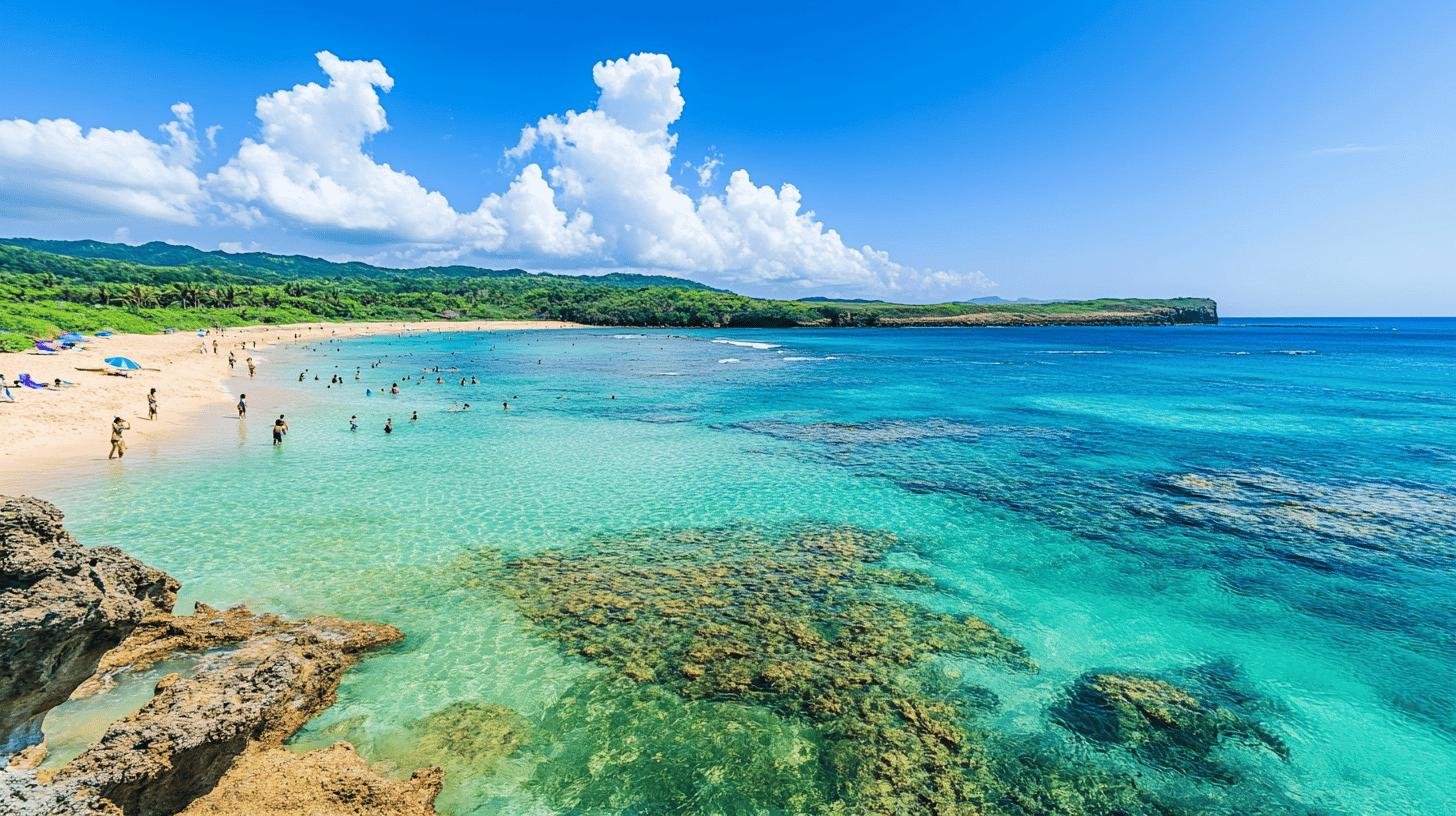
Baishawan (White Sand Bay) is the postcard: a genuine white-sand crescent on the calm west coast, shallow and swimmable, with the clearest water of the main beaches. It is also where the Life of Pi beach scenes were shot. Go early — by 11am on a weekend it is umbrellas end to end.
Nanwan (South Bay) is the loudest. Wide, sandy, swimmable, and completely given over to banana boats, jet skis, and parasails. If you want water sports and a party atmosphere, this is your beach. If you want to hear the ocean, it is not.
Kenting Main Beach, in front of the main strip, is where everyone stays and almost nobody swims — swimming is not permitted along much of it. Treat it as scenery attached to your hotel and to the night market.
Xiaowan (Little Bay) is the compromise: small, sheltered, swimmable, walking distance from Kenting town. Crowded, but the water is good and you do not need a scooter to reach it.
Chuanfanshi (Sail Rock) is quieter, with the park’s most recognisable landmark — a 50-metre coral boulder offshore that looks like a ship under sail, or a former US president in profile, depending on who is pointing.
An honest expectation check
Kenting has the best beaches on Taiwan’s main island. It does not have the best beaches in Asia, and pretending otherwise sets you up for disappointment. The sand is good, the water is warm year-round, and on a weekday in the off-season a bay like Baishawan is genuinely lovely. On a summer Saturday it is a car park with a sea view. The offshore islands do it better — Penghu in particular has emptier, whiter, more spectacular sand. Come to Kenting for the whole peninsula, not for a single stretch of shoreline.
Snorkelling and Diving the Coral Reefs

This is the part of Kenting National Park that is genuinely world-class, and it is the part the beach listicles reduce to a sentence. The park’s marine zone protects reef systems that hold the overwhelming majority of the hard-coral species recorded anywhere in Taiwanese waters — several hundred of them, in a country whose entire coastline you could drive in two days.
Houbihu: the protected patch
Houbihu (後壁湖) is the base for almost all of it. The harbour is the park’s dive hub, and just along the shore sits a designated marine conservation zone where fishing has been banned long enough for the fish to have completely forgotten to be afraid of people. Wade in from the shore with a mask and you are immediately in a wall of parrotfish, sergeant majors, and butterflyfish. No boat, no certification, no expensive package. It is the highest reward-per-effort snorkel in Taiwan.
One request, because it matters: do not feed the fish, do not buy bread to feed the fish, and do not stand on the coral. The density you are enjoying exists because the zone is protected. Bring reef-safe sunscreen, or better, wear a rash guard and skip the chemicals entirely — a long-sleeve top is also the only thing that reliably saves your back from a tropical afternoon. Our Taiwan Flag Design Geometric Men’s Rash Guard was made more or less exactly for this kind of morning.
Wanlitong and the west-coast advantage
Wanlitong (萬里桐), further up the sheltered west coast, is the local favourite: a rocky shoreline rather than a beach, calm water, excellent visibility, and a fraction of Houbihu’s crowds. It is also where most Kenting dive schools run their open-water training, which tells you what the conditions are like.
The west coast is protected from the northeast monsoon, so it stays diveable when the east side is unusable. That single fact should drive your itinerary far more than which beach has whiter sand. Visibility is generally best from late spring through early autumn, and the water is warm enough for a shorty year-round.
If you would rather stay dry
The National Museum of Marine Biology and Aquarium at Checheng, on the northern edge of the park, is one of the largest aquariums in Asia and unusually good — the coral reef and polar tanks are the highlights, and the walk-through underwater tunnel is a genuine set piece. It is also the obvious rainy-day plan, which is worth knowing before you need it.
Hengchun Folk Music and the Cape No. 7 Connection

Here is the thing no Kenting guide tells you. The Hengchun Peninsula has its own folk song tradition — 恆春民謠, Hengchun folk songs — and it is not a tourist reconstruction. It is a living regional repertoire of named melodies that farmers, fishermen, and travelling singers set improvised lyrics to, accompanied on the yueqin (月琴), the two-stringed moon lute.
The tunes have names and histories. Su Siang Ki (思想起) is the most famous — a homesick, drawn-out melody that turns up in Taiwanese films and school textbooks alike. Others in the core repertoire include Sijichun (四季春), Niuweiban (牛尾絆), and Pingpu Diao (平埔調), the last of which carries the name of the plains indigenous communities of the region in its title. The words were never fixed. A singer took a melody everyone knew and improvised verses about the harvest, the road, a lost love, or whoever was sitting in front of them.
Chen Da, the singer who nearly got missed
The tradition survived largely because of one man and a well-timed accident. Chen Da (陳達, 1906–1981) was a poor, half-blind itinerant singer from Hengchun who played the moon lute and improvised for whoever would listen. In the late 1960s, two musicologists came through the peninsula collecting folk material and recorded him. The recordings landed in Taipei’s intellectual circles and detonated: here was a living, improvising oral tradition, in Taiwanese, from the far south, at a moment when the island was starting to ask hard questions about its own cultural identity. Chen Da became a figure of the folk revival, played concerts in the capital, and died poor anyway. Hengchun folk song is now recognised as national intangible cultural heritage, and there are still yueqin classes running in Hengchun today.
Cape No. 7 and the movie that changed the town
In 2008, director Wei Te-sheng shot Cape No. 7 (海角七號) in and around Hengchun. It is a shaggy, warm-hearted film about a failed rock musician who comes home to the south, becomes a postman, and is roped into assembling a hopeless local band to open for a beach concert. One of the band members is Grandpa Mao — an elderly postman and yueqin player, unmistakably a Hengchun folk singer, cast into a rock band and refusing to be embarrassed about it.
The film became the highest-grossing Taiwanese-made movie in the island’s history and is generally credited with reviving the domestic film industry. It also changed Hengchun. The postman’s house became a stop on every tour itinerary, the beach concert scene sent a wave of visitors to Kenting, and the moon lute — an instrument that had been sliding toward museum status — turned up in the hands of people under thirty. If you want to understand what Taiwanese cinema does with its own small towns, this is the film to start with, and our guide to Taiwanese film and drama picks up from there.
Practical version: watch Cape No. 7 before you go. You will recognise half of Hengchun, and the folk-music thread running through the town will stop being invisible.
Spring Scream and Kenting’s Festival Calendar
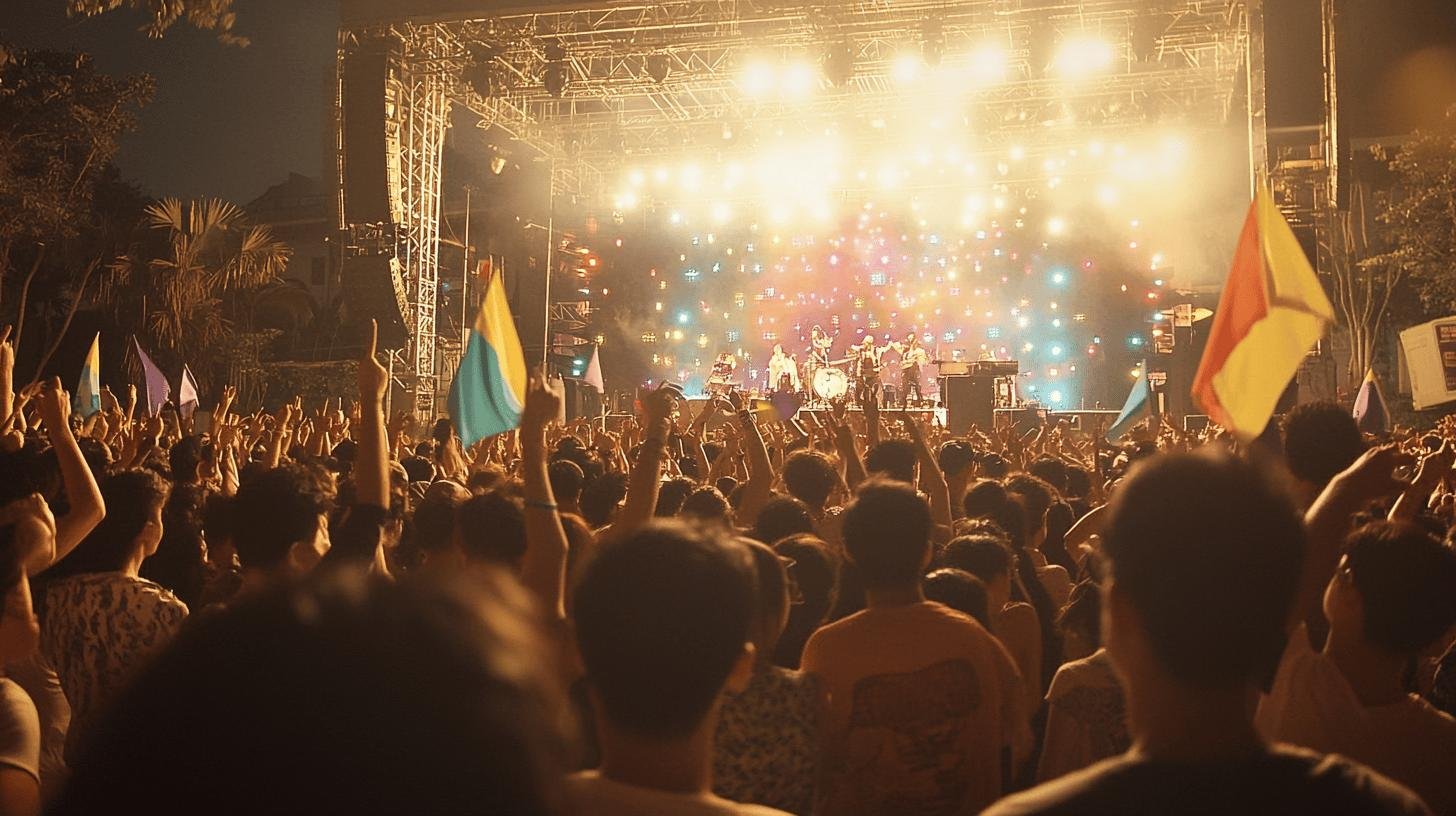
Kenting’s other musical identity is much louder. Spring Scream (春天吶喊) was started in 1995 by two American musicians living in Taiwan who wanted a place for independent bands to play without a label, a booker, or permission. It became Taiwan’s longest-running international music festival and, for a generation of Taiwanese indie bands, the first stage they ever stood on.
It runs around Easter, at the start of April, and over the years it has been imitated, competed with, and occasionally swamped — a cluster of rival events now piles into the same weekend, and the town has spent two decades negotiating between the festival crowd, the residents, and the park authority. Line-ups, venues, and sometimes the existence of a given year’s edition change, so check official channels rather than a three-year-old blog post before you book anything around it.
What this means for your trip
Two clean scenarios. If you want the festival, go for the festival, book accommodation months out, accept that you will pay peak rates, and do not expect a quiet beach at any point. If you do not want the festival, avoid the first two weeks of April entirely. This period collides with Tomb Sweeping Day, one of Taiwan’s big domestic travel holidays, and the peninsula fills to capacity — traffic on the single road from Kaohsiung backs up for hours, room rates double or worse, and Baishawan disappears under people.
There is no middle option. Early April in Kenting is either the reason you came or the reason you had a bad time.
Hengchun Old Town: The Walled City 20 Minutes from the Beach
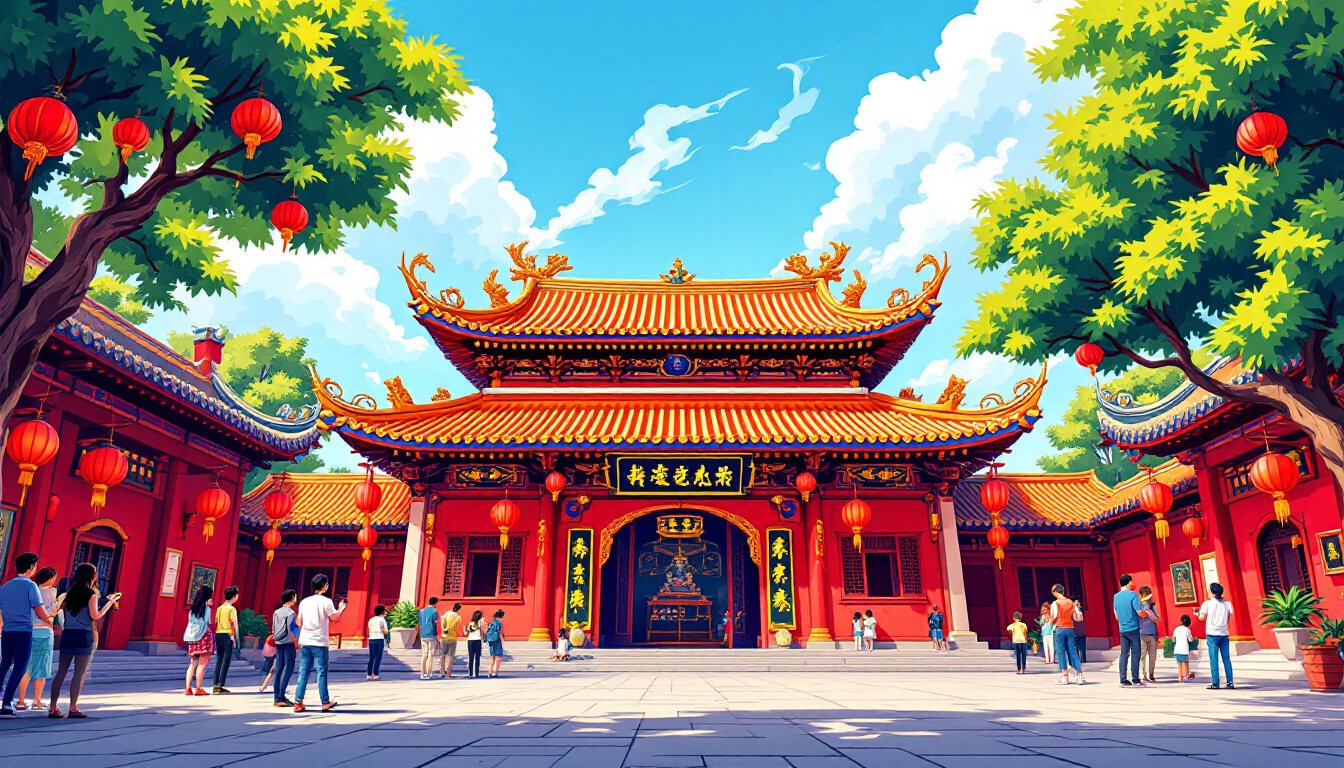
Twenty minutes inland from Kenting’s main strip sits one of the best-preserved Qing dynasty walled towns in Taiwan, and most visitors drive straight past it on the way to a beach.
Hengchun Old Town (恆春古城) was built between 1875 and 1879, and it exists because of a diplomatic disaster. In 1871, a Ryukyuan ship wrecked on the peninsula and most of its crew were killed by Paiwan people inland. Japan used the incident as the pretext for a punitive military expedition in 1874 — its first overseas deployment of the modern era — and the Qing court, which had been treating the southern tip of Taiwan as somebody else’s problem, abruptly discovered it needed a garrison there. The official Shen Baozhen was dispatched south, chose the site, ordered the walls, and gave the new town its name: Hengchun, 恆春, “eternal spring”, for a climate that never really gets cold.
What is still standing
All four gates survive — East, West, South, and North — along with substantial stretches of the wall between them, and it is a designated national historic site. What makes it strange and wonderful rather than merely old is that the town never moved out of its own walls. The West Gate is embedded in a working street. Scooters ride through gaps in a Qing military fortification on the way to buy breakfast. You can climb sections of the rampart and look down at people going about a completely ordinary Tuesday.
Give it two hours. Walk a stretch of wall, work through the gates, then spend the rest of the time in the streets — Hengchun has the food, the markets, and the temples that Kenting’s resort strip does not, and prices drop noticeably the moment you leave the coast. It is also where a lot of Cape No. 7 was shot, so the two halves of this guide meet here.
The southernmost point and a lighthouse with cannons
While you are collecting history: Eluanbi Lighthouse, at the southeastern tip, was completed in 1883 and is the only lighthouse in the world designed as a fort. After repeated attacks on shipwrecked sailors along this coast, the Qing built the light with a surrounding wall, gun emplacements, and a trench. It still works, it is still white, and the park around it is an easy stroll. A short walk further brings you to the marker for the southernmost point of Taiwan — a low platform over the sea where the Pacific, the Taiwan Strait, and the Bashi Channel all meet.
When to Go to Kenting National Park (and When to Absolutely Avoid It)

Kenting is warm enough to swim in year-round. That means the real seasonal question is not temperature — it is crowds, typhoons, and one local wind that nobody warns you about.
The genuinely good window: October to December
This is the answer for most people. Typhoon season is winding down, the summer domestic crowds have gone home, the water is still warm, room rates fall off a cliff, and the raptor migration passes through in October. Midweek in November, Baishawan can be close to empty. If you are reading this in early autumn, you are looking at the best few weeks of the Kenting year.
The wind nobody mentions: 落山風
From roughly October through March, the Hengchun Peninsula gets hit by the luoshanfeng (落山風) — literally “the wind that falls down the mountain.” The northeast monsoon piles up against the Central Mountain Range and spills over the low southern end of it, accelerating on the way down. On bad days it is genuinely fierce: enough to make riding a scooter unpleasant, blow sand across the east-coast roads, and shut down the exposed beaches entirely.
This is why the local advice is to keep to the west coast in winter. Baishawan, Wanlitong, and Houbihu sit in the lee; Longpan, Jialeshui, and the east side take the full force. Nobody puts this in a beach listicle, and it is the single most useful piece of Kenting timing knowledge there is.
Summer, and the rest of the calendar
- July to October — typhoon season. Hot, humid, and the beaches are at their best when the weather cooperates, but a direct hit will cost you your trip. Build slack into your itinerary and watch the forecasts; our Taiwan typhoon guide explains how warnings and closures actually work.
- Early April — avoid unless you came for it. Spring Scream plus the Tomb Sweeping Day holiday. Maximum crowds, maximum prices.
- Summer weekends and school holidays — busy. Kenting is the domestic beach holiday, so the peninsula fills whenever Taiwan has time off.
- Weekdays, always. The gap between a Kenting Saturday and a Kenting Tuesday is bigger than the gap between seasons. If you have any flexibility at all, spend it here.
How many nights?
One night is not worth the journey. Two nights buys you one full beach day. Three nights is the sweet spot — a beach day, a snorkel-and-Hengchun day, and a day for the lighthouse, Longpan, and the forest recreation area without rushing any of it. Anything beyond that is holiday rather than sightseeing, which is a perfectly good reason to stay.
Getting to Kenting and Getting Around Without a Scooter
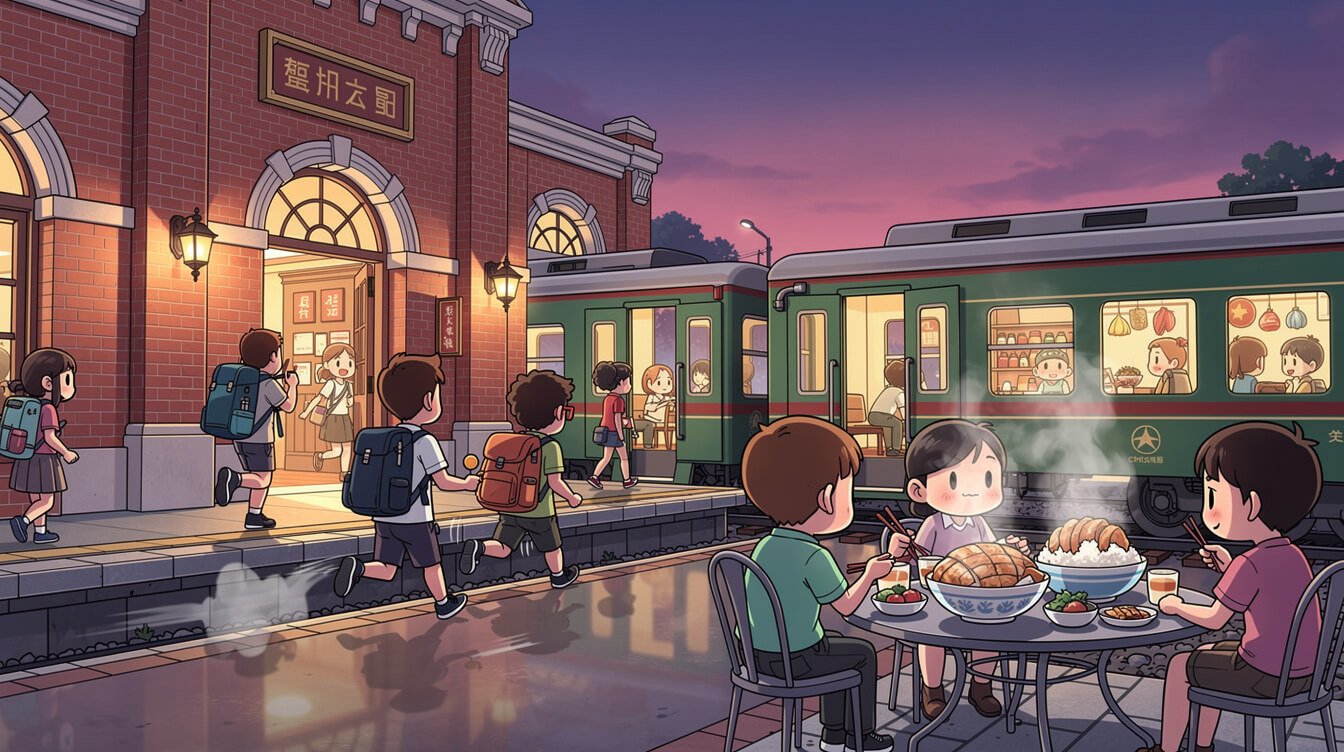
Kenting is not on Taiwan’s rail loop. There is no train station in the park and no airport nearby, which is exactly why it stays less overrun than it might otherwise be. Everyone arrives through Kaohsiung.
The standard route
Take the High Speed Rail to Zuoying in Kaohsiung — roughly 90 minutes from Taipei — then the Kenting Express shuttle bus (route 9189) from the station down to the peninsula. The bus takes about two hours in normal traffic and considerably longer on holiday weekends. Tickets are sold at a counter inside the HSR station, and the bus stops at Hengchun, Nanwan, Kenting Main Beach, Xiaowan, Sail Rock, and Eluanbi, so you can usually get dropped close to your accommodation.
Shared taxis tout at Zuoying for roughly double the bus fare per seat. If the next bus is an hour out, it is not a bad trade. If you are flying in domestically or connecting internationally, our Kaohsiung Airport guide covers the transfer into the city, and the Kaohsiung city guide is worth a night on either side of the beach.
Driving from Kaohsiung takes about 90 minutes on a good day and up to three hours on a bad one. Coming from Taitung on the east coast, take the train to Fangliao and pick up the Kenting shuttle there.
Getting around once you arrive
The received wisdom is that you need a scooter. You do not, and for most foreign visitors renting one is more trouble than it is worth — a regular scooter requires an International Driving Permit with a motorcycle endorsement, and plenty of shops will refuse you without one.
The alternative is the Kenting shuttle bus network: four colour-coded routes (Orange, Blue, Green, Yellow) radiating out from Hengchun, covering Baishawan, Maobitou, Houbihu, the main beaches, Eluanbi, the aquarium, and Jialeshui. You can tap on with an EasyCard or buy a one- or two-day pass. Between the shuttles and the occasional taxi, you can see everything in this guide without ever holding a set of handlebars.
If you do want your own wheels, electric scooters and bicycles rent freely on Kenting Main Street without a licence — they are perfect for hopping between nearby beaches and hopeless for the climb up to the forest recreation area. And the coastal road really is one of Taiwan’s great rides, which is why it turns up on so many round-island cycling itineraries. Planning a longer loop? Our Taiwan trip planner has the costs and routing.
Eating in Kenting
Kenting Night Market sets up along the main street every evening and is a different animal from a city market — smaller, beachier, more grilled squid and fresh fruit, and priced for a resort strip. It is fun, and it is not the best food on the peninsula. That is at Houbihu’s seafood market, where you pick from the boats and have it cooked, and in Hengchun town, where local prices resume. For the wider context, see our Taiwan night market guide and the city-by-city street food guide.
Sun’s Out Down South
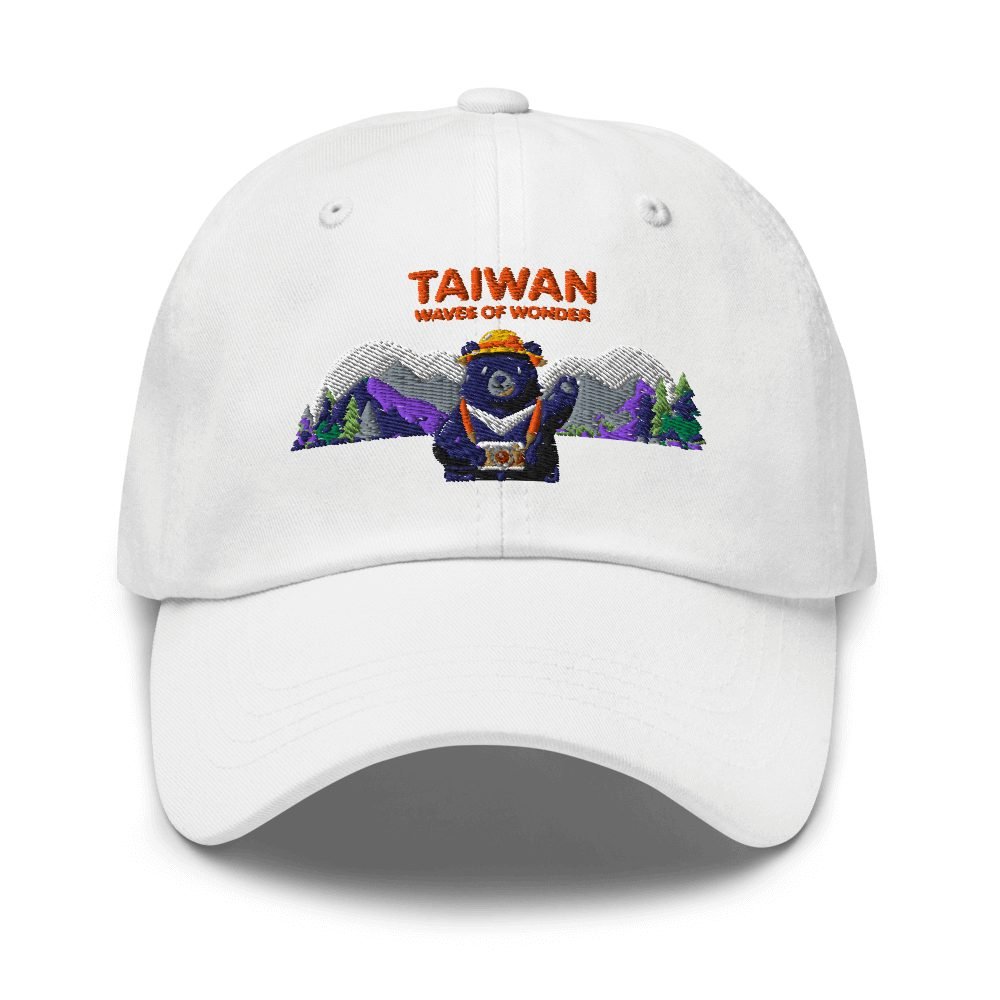
Our “Waves of Wonder” Bear Dad Hat is built for exactly this kind of day — Formosan black bear on the front, brim low, salt in the air. Pack it for Kenting, wear it everywhere else.
Kenting National Park FAQ

Is there an entrance fee for Kenting National Park?
No. The park itself is free and open — roads, beaches, and coastline cost nothing. Individual sites inside it charge small fees: the Kenting National Forest Recreation Area, Eluanbi Lighthouse park, and the National Museum of Marine Biology and Aquarium all have tickets, and some beaches charge for umbrella and lounger rental.
How many days do I need in Kenting?
Three nights is ideal. Two nights is workable if you only want beach time. One night is not worth the four-hour round trip from Kaohsiung.
What is the best time of year to visit Kenting National Park?
October to December. Typhoon season has passed, the crowds have thinned, the water is still warm, and rates drop. Avoid early April, which combines Spring Scream with a national holiday weekend.
Can I swim at Kenting Main Beach?
Largely no — swimming is restricted along much of it. Head to Baishawan, Nanwan, Xiaowan, or Sail Rock instead. Always check the flags; the currents on the exposed coast are serious.
Do I need a scooter to get around Kenting?
No. Four shuttle bus lines cover the whole peninsula and accept EasyCard. Foreign visitors need an International Driving Permit with a motorcycle endorsement for a regular scooter, and many rental shops enforce it.
Is the snorkelling in Kenting any good?
The protected zone at Houbihu is excellent and accessible straight from shore — it is one of the easiest good snorkels in Taiwan. Wanlitong on the west coast is calmer and quieter. Conditions are best from late spring through early autumn, and the west coast stays usable in winter when the east side does not.
What is Kenting like in winter?
Warm enough to swim, largely empty, and windy. The luoshanfeng blows from October to March and hammers the exposed east coast, so stick to the sheltered west side — Baishawan, Wanlitong, Houbihu — and winter becomes one of the best times to be there.
Is Kenting good for families?
Very. Shallow swimmable bays, the aquarium at Checheng, easy walks at Eluanbi and in the forest recreation area, and a night market within stroller distance of most hotels. The shuttle buses make it all doable without driving.
Final Thoughts: Go South, Stay Longer
Kenting National Park rewards the people who treat it as a place rather than a beach. Spend one day in the water and the other two on the parts nobody photographs — the reef at Houbihu, the walls at Hengchun, the moon lute in a town that produced a national musical tradition and then a national film about it, the coral cliffs at Longpan with the Pacific 50 metres below.
Then time it properly. Come on a weekday between October and December, stay three nights, keep to the west coast if the wind is up, and skip early April unless you specifically want ten thousand people and a PA stack on the sand.
Taiwan is very good at this — putting something layered and slightly strange at the end of a road and then letting everyone describe it as a beach. Kenting is the southernmost example. Go find the rest of it.
Love Everything Taiwan?
Get Taiwan culture highlights, travel tips, and exclusive merch drops delivered to your inbox. Join thousands of Taiwan fans worldwide.

Grab a Free Taiwan Sticker!
Drop your email and we’ll send you a limited-edition Taiwan sticker — plus insider access to new merch drops and island vibes.
No spam. Unsubscribe anytime.