Penghu County, Taiwan: The Complete 2026 Guide to Beaches, Fireworks & the Dragon Ball Z Show
Ask any Taiwanese person where they take their family for the perfect summer escape, and you’ll hear the same answer more often than not: Penghu County. This scattered archipelago in the Taiwan Strait — 90 islands of coral houses, basalt cliffs, and impossibly turquoise water — is the country’s best-kept beach secret. And right now, as the Penghu Fireworks Festival lights up the sky with a Dragon Ball Z-themed drone show through August 25, 2026, there has never been a better time to go.
This guide covers everything you need to plan a Penghu trip in 2026 — from the exact festival schedule and how to book last-minute flights, to the best snorkeling spots, where to sleep, and what to eat. Whether you have a long weekend or a full week, and whether you want fireworks or fish weirs, this is your complete Penghu county Taiwan playbook.
Why Penghu Is Taiwan’s Best-Kept Summer Secret
Sit down with a Taiwanese local on a hot July afternoon and ask about their favorite domestic vacation, and you’ll get one of two answers: Kenting or Penghu. Kenting is the loud, well-marketed one — the Taiwanese Miami. Penghu is what people actually recommend when they trust you.
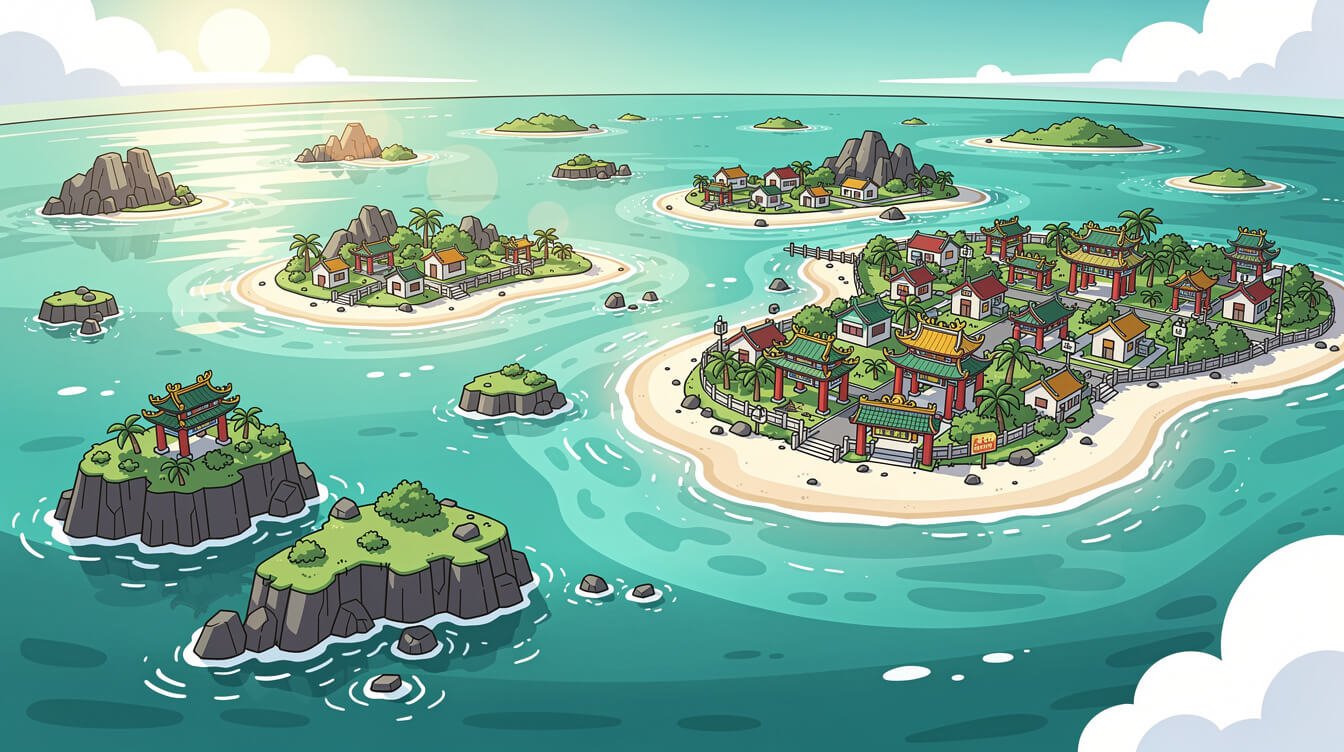
Penghu County, Taiwan (澎湖縣) is a cluster of roughly 90 small islands spread across the Taiwan Strait, halfway between mainland Taiwan and Fujian. Only 19 are inhabited, and the whole archipelago totals just 141 square kilometers — smaller than the city of Taipei. But those 141 square kilometers are ridiculously loaded: the oldest Mazu temple in Taiwan, traditional houses built from bleached coral, heart-shaped fish weirs older than the United States, volcanic basalt columns that look like something out of Iceland, and beaches with sand so fine it squeaks under your feet.
What makes Penghu different from Taiwan’s other offshore islands — the militarized Matsu, the volcanic Green Island, the Cold War frontier of Kinmen — is that it feels genuinely bucolic. There are no high-rises. The pace is slow. Cats sleep on temple steps. The main island of Magong has traffic lights, but the outer islands mostly don’t need them. If your image of Taiwan is bubble tea shops and neon night markets, Penghu will completely reset it.
The catch: Penghu has almost no natural shade, and summer temperatures hover around 30°C with brutal UV. The wind — which powers all those windsurfing competitions — dies down in July and August, which is exactly when the crowds arrive. It’s a trade-off. But if you want blue water, cheap seafood, and the feeling that you’ve escaped modern Taiwan without leaving the country, nothing else compares. For a broader sense of where Penghu fits in the country, our Taiwan map guide lays out every region, city, and offshore cluster.
Penghu Fireworks Festival 2026: Dragon Ball Z, 33 Shows, and Everything You Need to Know
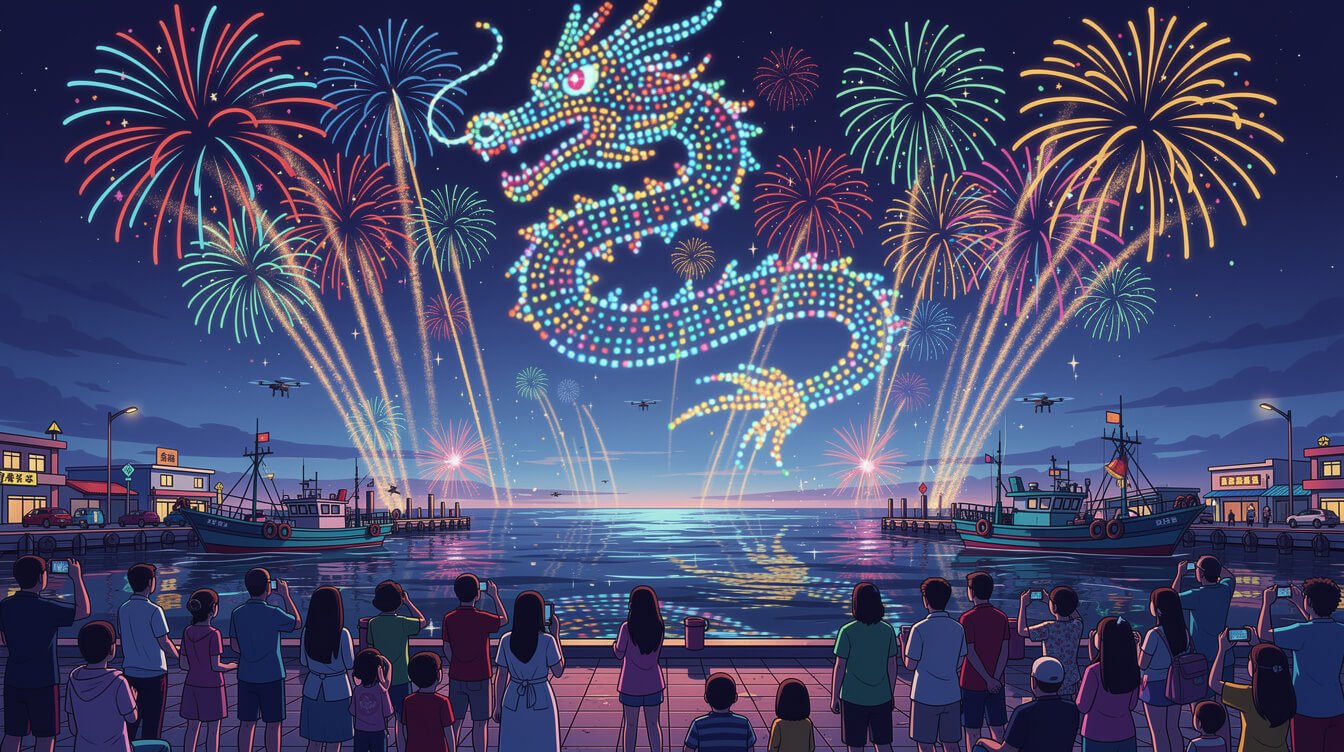
The Penghu International Fireworks Festival is the reason most first-time visitors come to the islands, and the 2026 season is genuinely one of the best in the festival’s 20-year history. Running from May 4 through August 25, 2026 — with roughly 33 individual show nights — this year’s headline gimmick is a licensed Dragon Ball Z drone show, where hundreds of coordinated drones form Goku, Vegeta, Shenron the dragon, and full Kamehameha wave sequences in the night sky above Magong Harbor. It is, unironically, one of the coolest things happening in Asia this summer.
The festival was born back in 2003 as a tourism reboot after SARS gutted travel. It has since evolved into a two-part show every festival night: a fully choreographed fireworks display timed to music (often Mandopop and K-pop hits, with occasional anime themes), plus a drone light show that has grown from a novelty into the main attraction. In 2026, the drone segment is roughly 12 minutes long and precedes the fireworks finale.
2026 festival schedule at a glance
- Opening night: May 4, 2026 — Guanyinting Recreation Area, Magong
- Main run: May through August, generally Monday and Thursday nights, with special weekend editions
- Closing night: August 25, 2026 — Guanyinting Recreation Area, Magong
- Show time: Drones from 20:30, fireworks finale from 21:00. Arrive by 20:00 for a good spot.
- Cost: Free (this is a public festival, not a ticketed event)
How to actually see the show
Almost every visitor watches from Guanyinting Recreation Area on Magong’s north shore. The lawns along the seawall fill up an hour before showtime, and the smart move is to pack a picnic and stake out ground by 19:00. Locals bring stools. Convenience-store beer is not officially allowed but is universally tolerated.
The launch site sits directly across the water from Guanyinting, which means the drones and fireworks read as being right in front of you. Views from Magong city proper are also good — many hotels along Zhongzheng Road have rooftop bars specifically marketed for festival nights, though you’ll pay a small cover.
Off-island fireworks nights (2026’s smartest move)
Something that trips up almost everyone: the festival isn’t only held in Magong. In 2026, four special shows are scheduled on outer islands — one each on Jibei, Qimei, Wangan, and Hujing. Those nights are magical (imagine watching fireworks from a beach on an island with 300 permanent residents), but they require booking a special festival ferry or a chartered speedboat. If you want to experience the more intimate side of the festival, plan your trip around one of those outer-island dates and book the ferry the moment your travel dates are confirmed. The Magong tourist office publishes the full outer-island calendar each March.
How to Get to Penghu: Flights, Ferries, and Package Deals
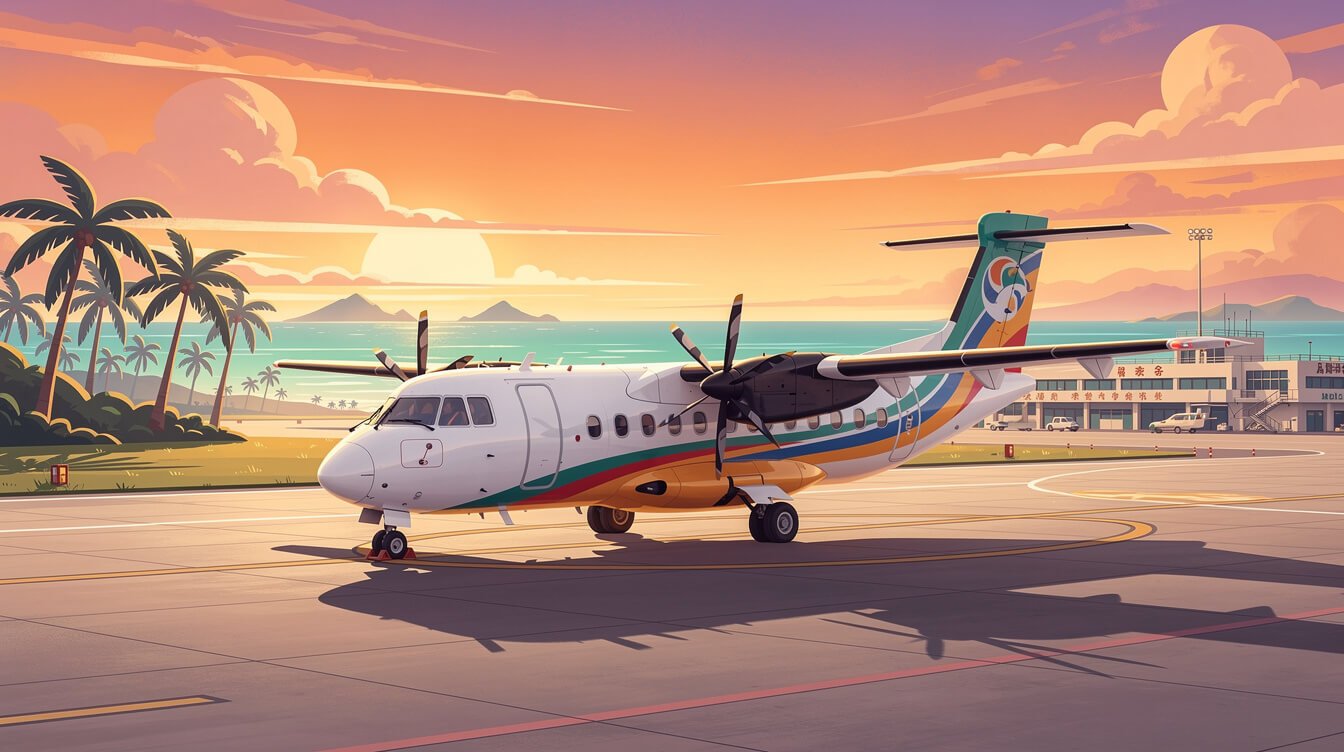
Penghu is one of the easier Taiwanese offshore islands to reach, which is exactly why it draws serious summer crowds. You have two options: fly or ferry. During the fireworks festival, book at least 30 days in advance for either.
By plane (fast, expensive, book early)
Flights to Magong Airport (MZG) are Penghu’s main pipeline. Uni Air and Mandarin Airlines operate multiple daily flights from:
- Taipei Songshan (TSA): 40 minutes, roughly NT$2,400–3,600 one-way
- Taichung (RMQ): 30 minutes, roughly NT$2,000–2,900 one-way
- Chiayi (CYI): 25 minutes, roughly NT$1,900–2,600 one-way
- Tainan (TNN): 30 minutes, roughly NT$2,100–2,800 one-way
- Kaohsiung (KHH): 30 minutes, roughly NT$2,100–2,900 one-way
Flights are notoriously prone to weather cancellations, especially during summer typhoon season. If you’re flying to Penghu on a Friday for a Saturday festival show, build in a buffer day — a rebooked flight during peak season can put you on the next morning’s plane and blow your entire itinerary. See our Taiwan typhoon season guide for how to read the weather and know when to reschedule.
By ferry (slow, cheap, character-building)
The Taiwan Line ferry runs daily between Budai Port in Chiayi County and Magong Harbor. The crossing takes about 90 minutes on the modern high-speed catamaran (roughly NT$1,100 one-way) or three hours on the older overnight boat from Kaohsiung’s Xingang Terminal (roughly NT$900 one-way, cabin extra). The Budai route is what most travelers use — it’s a straightforward hop and the weather-cancellation rate is lower than for flights.
Package deals: the local move
Most Taiwanese don’t book Penghu piecemeal. They buy an all-in-one package from Klook, KKday, or a domestic travel agent that bundles round-trip flights, two or three nights of hotel, a scooter rental, and often one guided day tour — usually for less than the sum of the parts. During off-peak weeks, packages start around NT$5,500 per person for a two-night trip. During fireworks weekends, expect NT$8,000–12,000 per person. Our Taiwan travel packages buyer’s guide walks through the vetting checklist.
Where to Stay in Penghu by Budget and Location
The single biggest decision when planning a Penghu trip is where to base yourself. Most first-timers default to Magong (the county seat, the fireworks host, and the ferry/flight hub), which is the right call for a short trip. For a longer stay, splitting your nights between Magong and one of the outer islands is dramatically more rewarding.
Magong: convenience and nightlife
Magong (馬公) is Penghu’s only real city — population around 60,000. It has the airport, the ferry terminal, the government offices, the night market, the western-brand convenience stores, and 90% of the county’s restaurants and bars. If you want a base camp with reliable Wi-Fi, hot showers, and English-speaking staff, sleep in Magong.
- Budget (NT$1,500–2,500/night): Family-run B&Bs (民宿) in the old town near Tianhou Temple. Rooms are small but immaculate and hosts often deliver breakfast to your door.
- Mid-range (NT$3,000–5,500/night): Chain hotels like Hotel Discover Penghu or Hua Chi Boutique — proper hotel service, harbor views, walkable to Guanyinting for fireworks nights.
- Splurge (NT$7,500+/night): Penghu Grand Hotel and the newer Sunrise Marina Resort. Pools, breakfast buffets, and the ability to walk out of your room straight onto the fireworks lawn.
Baisha and Xiyu: the quieter alternative
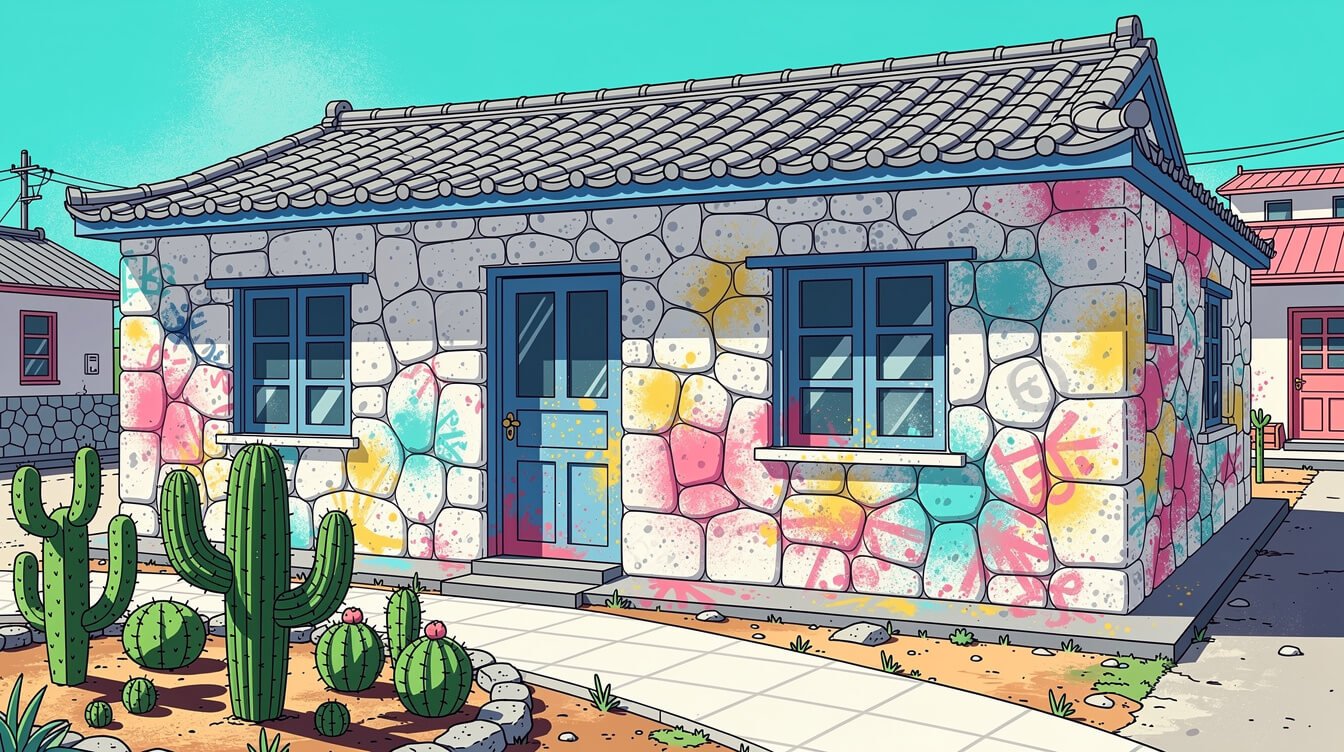
Baisha (白沙) and Xiyu (西嶼) are the two islands north and west of Magong, connected by the famous 2.5 km Great Bridge (Trans-Ocean Bridge). Basing yourself out here — especially in a coral-stone B&B in the fishing village of Zhuwan or near Xiyu’s Erkan Historical Village — trades city convenience for genuine coastal atmosphere. You will need a scooter or car.
Outer islands: for the second half of a longer trip
If you’re staying 5+ nights, add a night on Jibei (北北, day-tripper favorite with a legendary sand tail beach) or Wangan (望安, quieter, better for stargazing). B&Bs on the outer islands run NT$1,800–3,500 and often include a home-cooked seafood dinner — worth the ferry hassle.
Top 10 Things to Do in Penghu Beyond the Fireworks
Even if you don’t come for fireworks, Penghu has enough to fill a week. Here are the 10 experiences worth building an itinerary around — organized roughly by what makes Penghu unmistakably itself.
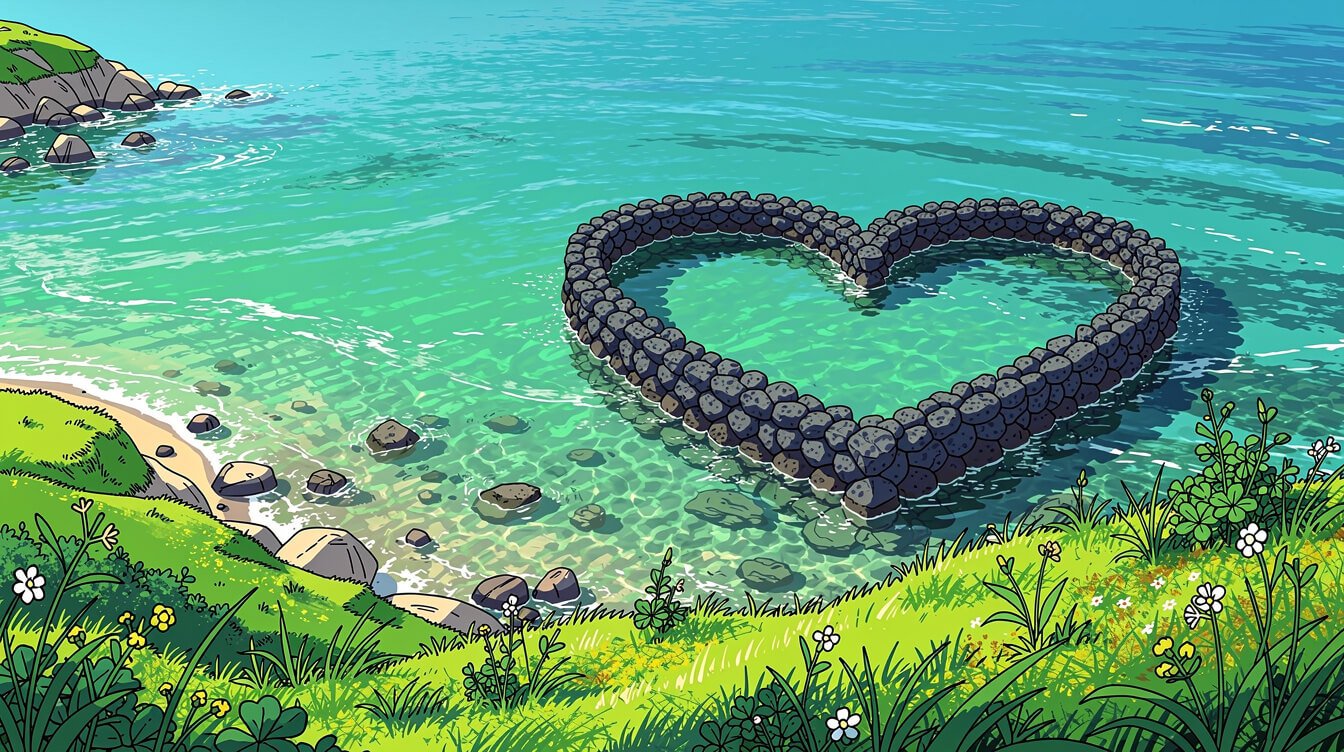
- Twin Heart Stone Weir on Qimei Island. The two conjoined heart-shaped fish traps carved into the reef flats are Penghu’s Instagram magnet, but they’re also a 700-year-old fishing technology. Take the Qimei day-tour ferry from Magong. Photos are best from the hilltop viewpoint at low tide.
- Daguoye Basalt Columns. On Xiyu island, an entire cliff face made of hexagonal volcanic basalt columns — the same geology as Ireland’s Giant’s Causeway. Free, always open, and often empty.
- Erkan Historical Village. A cluster of preserved Qing-era stone houses on Xiyu, restored and inhabited. Walk the alleys, drink cactus juice, and buy hand-pressed peanut candy from the elderly aunties who run the shops.
- Tianhou Temple, Magong. The oldest Mazu temple in all of Taiwan, dating to 1604 — older than Taipei itself. Its carved wooden interior and blackened incense-stained beams feel like stepping back four centuries.
- Zhongyang Old Street. The pedestrianized old lane in Magong is where you snack on almond tofu, buy fried peanut candy, and drink Penghu’s specialty jujube tea.
- Jibei Sand Tail. A 300-meter finger of pure white sand extending into turquoise water, exposed at low tide. Rent a snorkel setup at the beach and float in water so clear you can see coral 6 meters down.
- Kuibishan Geopark. Otherworldly basalt formations at the tip of Baisha, best visited at low tide when hidden reef pools appear. Sunset here is one of the great free experiences in Taiwan.
- Wangan Green Turtle sanctuary. Wangan Island is one of Taiwan’s protected sea turtle nesting sites. Ranger-led tours (April–October) let you observe the nesting beaches from a respectful distance.
- Cactus ice cream in Baisha. Penghu’s dry climate is perfect for cactus, and the locals turn the fruit into a magenta ice cream that tastes like a cross between watermelon and dragon fruit. Try it at the Kuibishan Geopark stall.
- Windsurfing at Guanyin Bay. Penghu’s winter monsoon winds make it one of Asia’s best windsurfing destinations (November through March). Even in summer, several schools offer intro lessons in the calmer bays.
If you’re plotting an entire Taiwan trip and trying to figure out how many days to give Penghu, our places to travel in Taiwan guide lays out how the offshore islands slot into a two-week itinerary.
Best Beaches and Snorkeling Spots in Penghu County, Taiwan
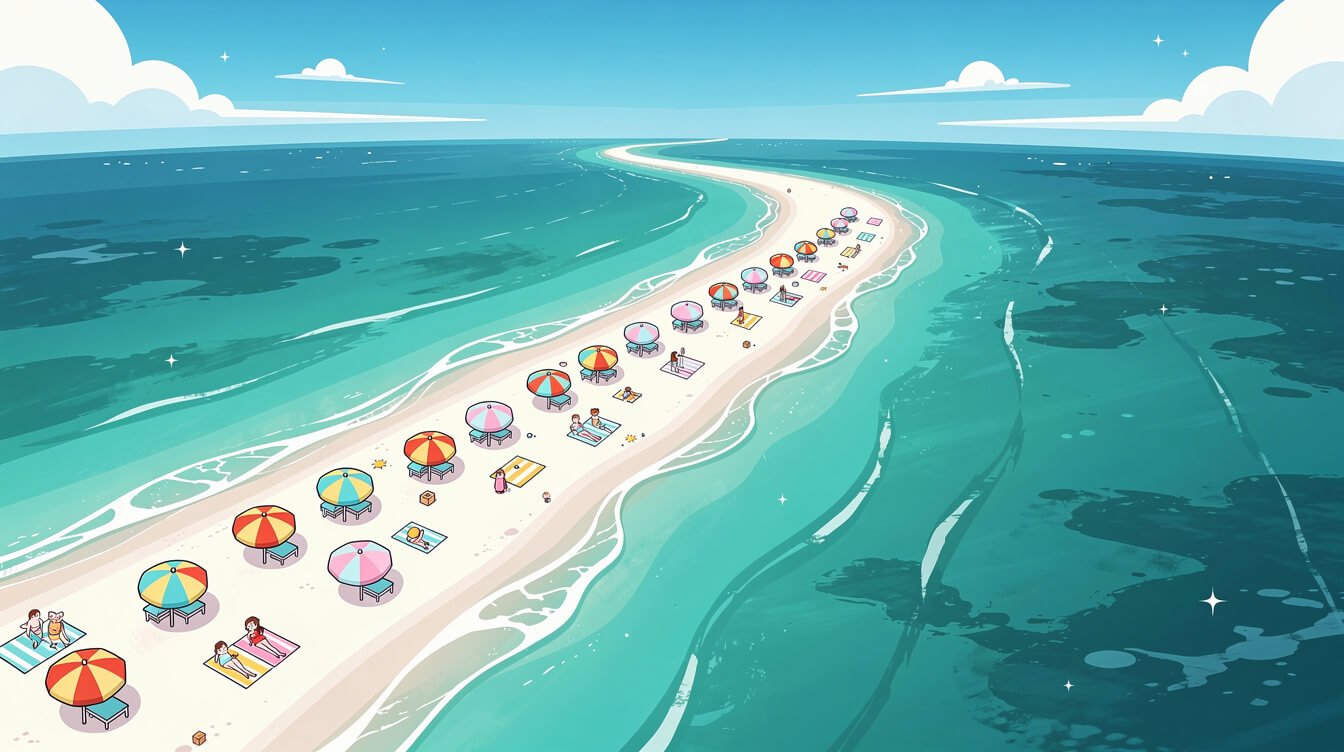
Taiwan has better-known beaches — Kenting in the south, Fulong on the northeast coast — but Penghu’s are quieter, cleaner, and often empty. Water clarity here rivals Okinawa. Water temperature stays swimmable from May through October. Take a Penghu-based half-day boat trip and you’ll snorkel in fields of lavender-purple coral that are almost impossible to find elsewhere in Taiwan.
Speaking of taking home a piece of the vibe: our Taiwan Merch collection has beach-inspired tees and tanks featuring Taiwan island motifs — perfect memory-anchors for a Penghu trip if you’d rather wear the memory than dust another souvenir on a shelf.
Best beaches for swimming and lounging
- Jibei Sand Tail (吉貝沙尾). The gold standard. White sand, turquoise water, calm swimming, and umbrella rentals from the local beach vendors. Get the earliest possible ferry from Chihkan.
- Shanshui Beach (山水沙灘). The most accessible beach from Magong, just 15 minutes by scooter. Wide, gentle waves, good for beginners on a stand-up paddleboard.
- Aimen Beach (隘門沙灘). Long crescent of coral-white sand on the east coast of the main island. Usually less crowded than Shanshui.
- Longmen Beach (龍門沙灘). A quieter alternative on the way to the airport. Often has the whole beach to yourself on weekdays.
Best snorkeling spots
- Chibei’s inner reef. Book any Jibei day-tour package and you’ll get 90 minutes of snorkeling off the beach in water so shallow you can stand and still see fish.
- Guiwan on Xiyu. A sheltered bay with a soft coral garden and resident schools of parrotfish. Boat access only — book a half-day tour from Magong.
- Little Menhu. Advanced-only. This offshore rock formation has some of the best drift-snorkeling in Taiwan, but currents are serious. Go with a licensed guide.
Bringing gear or renting
Rentals are cheap (NT$150 for a full snorkel/mask/fin set for a day) and available at every beach cluster and outer-island ferry terminal. If you’re bringing your own, note that reef-safe sunscreen isn’t required by law in Penghu yet, but locals increasingly ask visitors to use it — the coral here is exceptional, and it’s worth protecting.
Penghu Food: What to Eat on the Islands
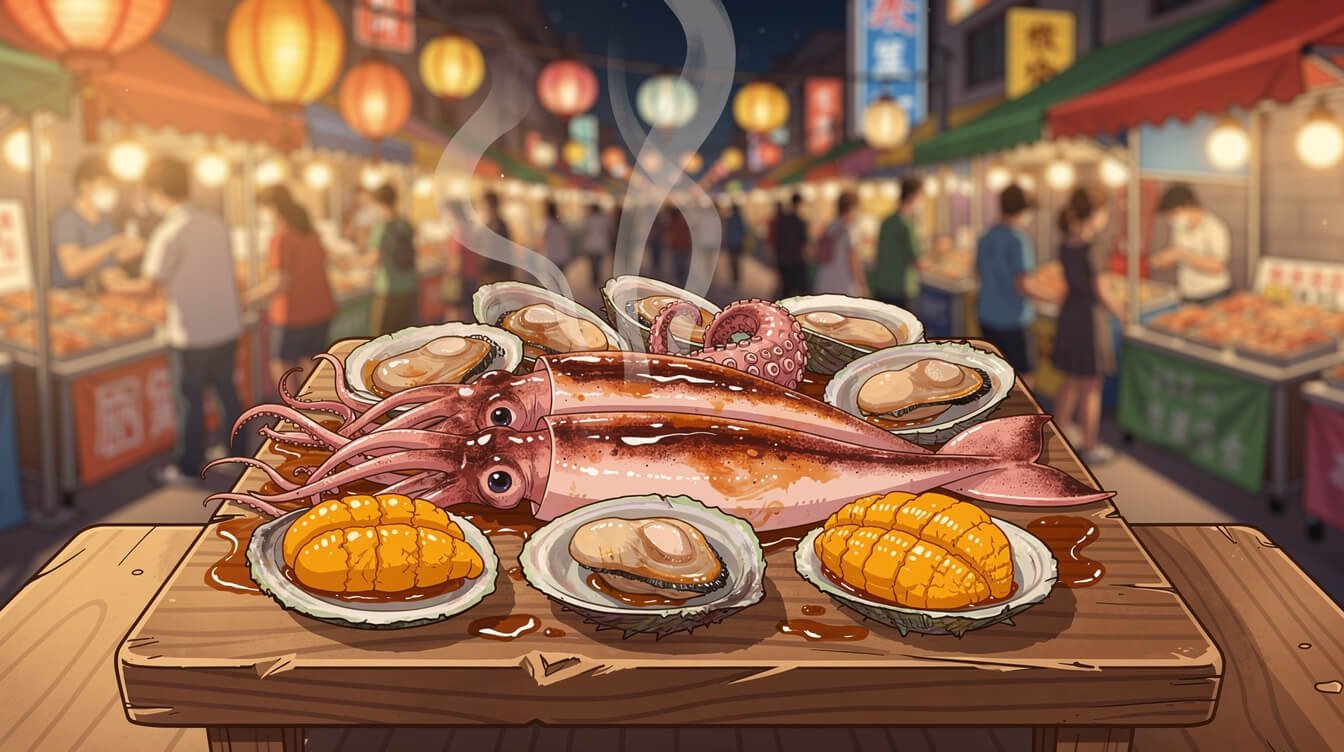
Penghu food is Taiwan food’s more oceanic cousin. Because everything is caught fresh — often that morning, often from the boat you’re eating on — restaurants build menus around whatever the tide brought in. The core rules: everything with a shell is likely local, everything without a shell was probably flown in, and the best meals happen at fisherman-run stalls that have no English menu.
The seven Penghu dishes to try
- Peanut candy (花生糖). Penghu peanuts are famously sweet and the hand-pressed candy from the shops on Zhongyang Old Street is a local obsession. Try both the classic peanut and the sesame variants.
- Cactus juice and cactus ice cream. Made from the prickly-pear fruit that grows wild across the islands. Magenta, tart-sweet, deeply refreshing.
- Almond tofu (杏仁豆腐). Silkier than the Taipei version, served cold in a clear syrup with jujubes. The stall in Magong Old Street has been making it for four generations.
- Grilled squid (烤魷魚). The Magong Night Market at Beichen Market opens each evening from May through September, and every third stall is grilling squid over charcoal. Get the ginger-chili dip.
- Sea urchin sashimi. In-season roughly June through October. A Penghu specialty because the surrounding waters are cold enough in winter for the urchins to develop unusually creamy roe.
- Jujube tea (仙人掌茶). Not actually from a jujube — the character 仙人掌 literally means “cactus.” Cold-brewed and served over ice, this is the drink locals sip through summer.
- Oyster omelette (蚵仔煎). A Taiwan classic elevated in Penghu, where the oysters are farmed on ropes in the surrounding bays. Try it at Beichen Night Market or any waterfront restaurant near Magong Harbor. For the full context on this island-favorite dish, our Taiwan oyster omelette guide covers the history and where to find the best versions across Taiwan.
Where to eat
- Beichen Night Market, Magong. The main after-dark food hub, running roughly 17:00–23:00 nightly during peak season.
- Chang Yi Restaurant. A family-run seafood restaurant on the Magong waterfront that has fed local politicians and tourism ministers. Order the daily catch, whatever it is.
- Erkan Village aunties. Small snack shops in the historical village serve honest, homey Penghu snacks — peanut candy, cactus ice, iced jujube tea. The best mid-afternoon stop on a scooter loop of Xiyu.
Penghu County Taiwan FAQ: Everything Travelers Ask
How many days do I need in Penghu?
For a fireworks-focused trip, three full days (arriving on show day, staying one full day for the outer islands, departing on the third day) is the sweet spot. For a beach-and-basalt trip without the festival, four to five days lets you see Xiyu, Baisha, Jibei, and one of the deeper outer islands without rushing.
Do I need to rent a scooter?
Yes — or a car. Public buses exist on the main island but run infrequently. A 125cc scooter rents for around NT$500 per day, and the main-island loop road connecting Magong, Baisha, and Xiyu is one of the great coastal drives in Taiwan. You’ll need a valid Taiwanese or International Driving Permit that specifically covers motorcycles.
What about typhoons?
Penghu sits directly in typhoon alley. Peak risk is July through September. If a typhoon warning is issued, ferry and flight service stops for 24–72 hours. Always build a buffer day into any Penghu trip during summer and consider trip insurance. Read our Taiwan typhoon season guide for real-time monitoring tools.
Is Penghu good for kids?
Genuinely great. Shallow beaches, easy snorkeling, boat rides, cactus ice cream, and a nightly fireworks show for two months a year. Just book a hotel with a pool for the inevitable “we need to escape the sun” hour and pack more sunscreen than you think you need.
Can I visit Penghu without speaking Mandarin?
Yes. English is spoken at hotels and larger tour operators. Night market stalls and B&B hosts often don’t speak English but are patient with pointing and Google Translate. Cash is still king outside Magong city — ATMs are limited on the outer islands.
When does Penghu shut down for winter?
Roughly November through March. The fireworks festival ends, most B&Bs close, ferries to the outer islands cut back to weekend-only, and the wind picks up to 20-knot averages. Great for windsurfing, terrible for casual tourism.
Final Thoughts: Should You Go to Penghu?
If you have time in Taiwan between May and September, and if you’ve already done the standard Taipei-Taroko-Kaohsiung loop, then Penghu is the single most rewarding side trip you can add. It’s cheap, it’s short, it’s genuinely different from the main island, and the 2026 fireworks festival — with its licensed Dragon Ball Z drone show and 33 total show nights — is one of the most fun free events happening anywhere in Asia this year.
Book flights early. Pack more sunscreen than seems reasonable. Rent a scooter. Eat everything with a shell. And if you’re going for the fireworks, arrive at Guanyinting by 20:00 with a picnic and a stool, and prepare to see Goku throw a Kamehameha over Magong Harbor. It’s a good time. Taiwan does not skimp on drone budgets.
Take Taiwan’s Island Vibes Home
Wearable love-letters to Taiwan’s islands, food, and pop culture — from bubble tea tees to Taipei skyline crewnecks. Every design is playful, thoughtful, and printed on demand.
Postcards From Taiwan, In Your Inbox
Weekly stories on Taiwan’s food, festivals, hidden islands, and pop culture — plus first dibs on new Taiwan Merch drops.

Grab a Free Taiwan Sticker!
Drop your email and we’ll send you a limited-edition Taiwan sticker — plus insider access to new merch drops and island vibes.
No spam. Unsubscribe anytime.