Taiwan Street Food: The City-by-City Guide to What to Eat and Where
Ask any traveler who has been to Taiwan what surprised them most and the answer is almost always the food. Taiwan street food isn’t just good — it’s a complete cultural experience compressed into a few blocks of night market chaos, morning stall rituals, and regional flavors that change the moment you board a train south. Yet almost every guide on the internet treats it the same way: a flat list of dishes you should try, with no thought for where you actually are in the country.
This guide is different. Taiwan is a small island, but its street food landscape varies enormously by city and region. A traveler eating their way through Taipei will have a completely different experience from one wandering through Tainan or Kaohsiung. This is the city-by-city breakdown that actually helps you plan what to eat based on where you’ll be.
Why Taiwan Is Asia’s Street Food Capital
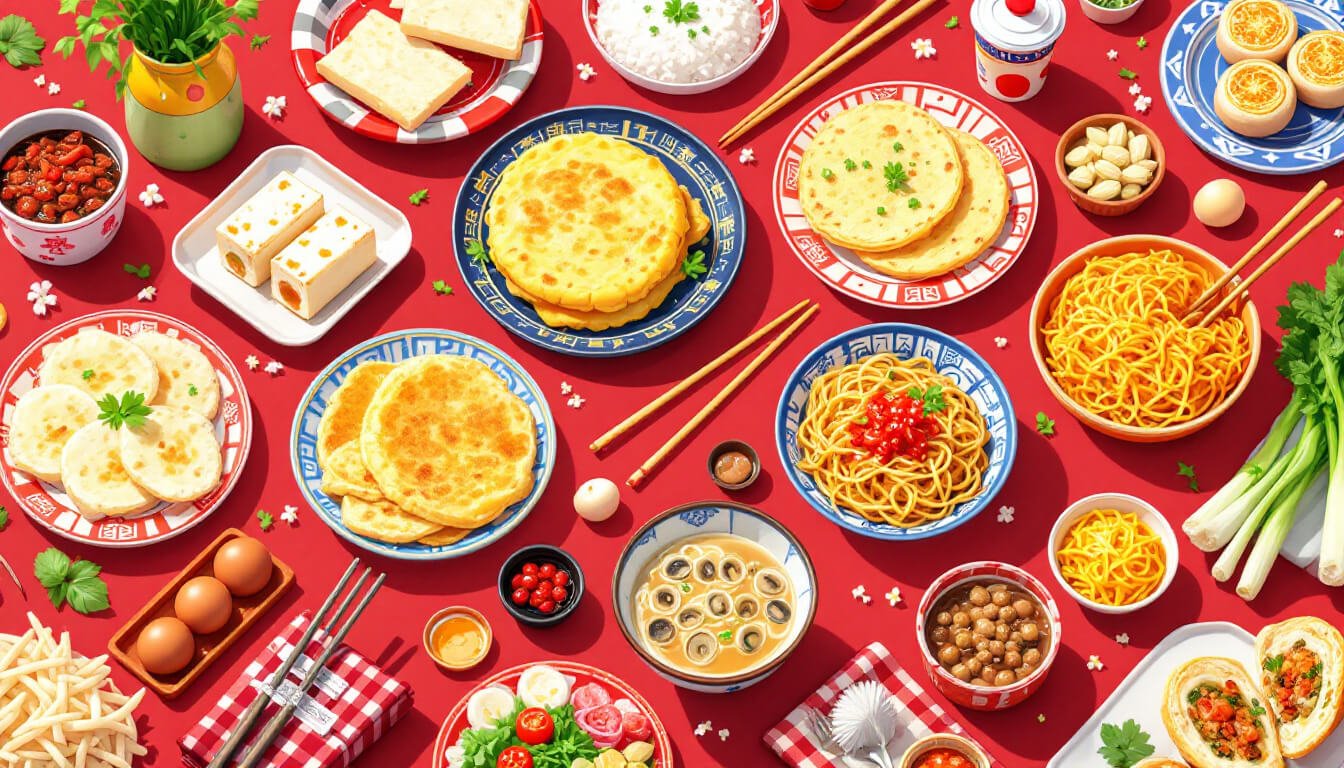
The claim isn’t hyperbole. Taiwan has over 300 night markets, more per capita than any country on earth. Street food here isn’t a tourist attraction — it’s the primary dining mode for millions of people across every age group and income level. Grandmothers, office workers, students, and expats all eat from the same carts. That democratic relationship with street food is exactly why it evolved to be so exceptional.
What makes Taiwan’s street food scene uniquely world-class is its layered culinary heritage. The island absorbed Fujianese and Cantonese cooking traditions from mainland Chinese immigrants, layered in Japanese techniques from 50 years of Japanese colonial rule (which gave Taiwan its obsession with quality ingredients and clean flavors), and blended in Indigenous Taiwanese ingredients from the island’s 16 recognized tribes. The result is a cuisine that doesn’t exist anywhere else on earth.
Then there’s the economics. Street food in Taiwan operates on razor-thin margins with intense competition — which means the vendor who has been making one dish for 30 years has perfected it in a way no restaurant ever could. The pepper bun vendor at Raohe Night Market who’s been at the same spot for three decades isn’t just selling pepper buns — they’re selling mastery.
The Taiwan Night Market ecosystem is vast — over 300 markets ranging from Taipei’s iconic Shilin to tiny village operations — but night markets are only part of the picture. Day markets, traditional wet markets, breakfast stalls, and lunch counters all form part of this remarkable food culture that runs from sunrise to well past midnight.
Taipei Street Food: Night Market Kings and Hidden Day Stalls
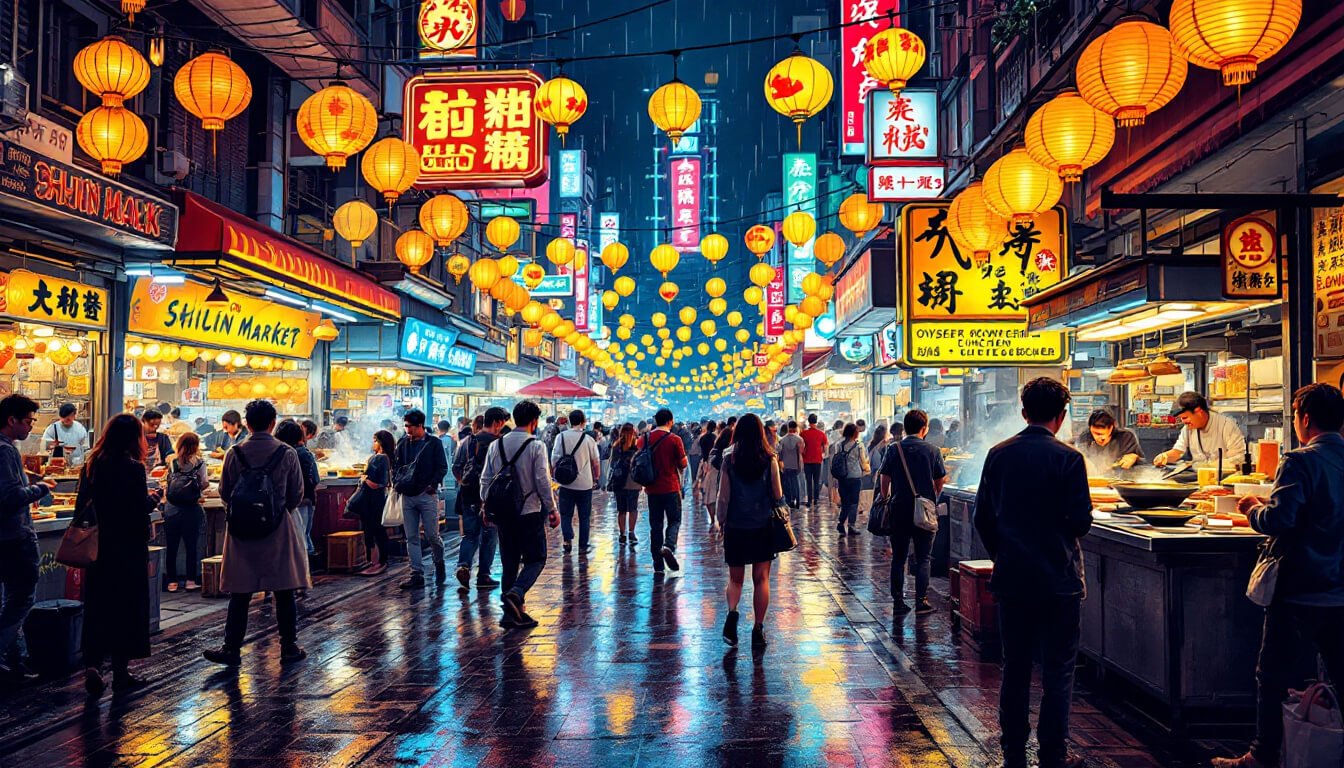
Taipei is where most visitors start, and its street food scene is simultaneously the most accessible and the most overwhelming. The city has six major night markets plus dozens of local markets in every neighborhood. Knowing which to prioritize — and when — makes the difference between a transcendent experience and a sweaty, expensive tourist trap.
Night Markets Worth Your Time
Shilin Night Market is the famous one, and yes, it’s worth doing once — but go weeknight, arrive by 7pm before the crowds peak, and skip the overpriced tourist food in the indoor section. The real action is in the surrounding alleys where locals actually eat. The fried chicken cutlet (雞排, jī pái) stalls here are legendary — each one is a palm-sized slab fried to order with basil and white pepper. NT$70-85.
Raohe Night Market is Taipei’s most food-focused market. It’s shorter and less overwhelming than Shilin, with a stricter curatorial sense — every stall here is serious. Don’t miss the black pepper buns (胡椒餅, hú jiāo bǐng) from the original vendor at the entrance. The queue moves fast, and watching them slap raw dough into a tandoor-style oven is part of the fun.
Tonghua Night Market (also called Linjiang Street) is where Taipei locals actually go. Less English signage, better prices, and a more authentic energy. This is where you’ll find Taiwan’s legendary beef noodle soup at proper prices — NT$120-160 for a bowl that would cost NT$350+ in a restaurant a few blocks away.
Hidden Day Stall Culture
Taipei’s best-kept secret is its morning stall culture. The city runs on breakfast shops (早餐店, zǎocān diàn) that open by 6am and close by noon. These aren’t tourist spots — they’re neighborhood institutions. Look for queues of commuters in business casual: that’s your signal. Dan bing (蛋餅, egg crepes with soy dipping sauce), fan tuan (飯糰, rice rolls stuffed with pork floss), and shao bing (燒餅, sesame flatbreads) are Taipei morning staples.
Dihua Street near Datong District has a completely different energy — a preserved Japanese-era shophouse neighborhood where you can buy dried goods, preserved plums, and traditional Chinese medicine ingredients alongside a growing cluster of very good lunch stalls.
Tainan: Taiwan’s Ancient Food Capital (And Why Locals Eat Breakfast at Noon)
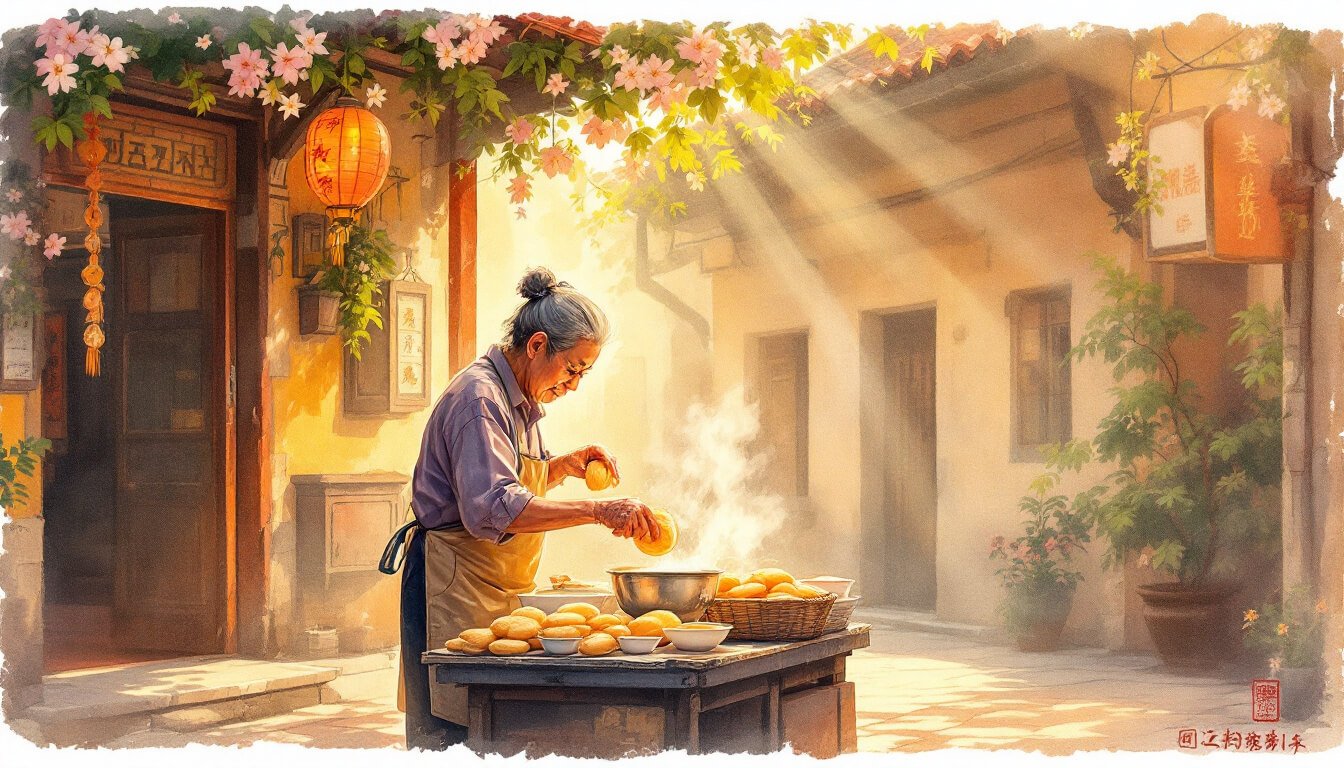
Tainan is Taiwan’s oldest city, its former imperial capital, and the place that all Taiwanese people will tell you has the best food. This isn’t regional pride talking — it’s culinary consensus backed by centuries of refinement. Tainan has been feeding people since 1624, and that institutional memory shows up in every bowl.
What Makes Tainan Different
Tainan food is sweeter than northern Taiwan food — historically because the city was a sugar refining hub during Japanese rule. This shows up in unexpected places: the braised pork (lu rou fan) is sweeter, the soy sauce is richer, even the beef soup has a subtler sweetness. It’s not cloying — it’s layered.
The breakfast culture here is also different. In Tainan, it’s entirely normal to eat breakfast at 11am or noon. The city’s famous beef soup shops (牛肉湯, niúròu tāng) open at 6am and serve beef soup with slices of raw beef that cook in the scalding broth — think Japanese shabu-shabu but for breakfast, served with white rice and a side of pan-fried beef. Many of the best shops sell out by 10am and close for the day.
Essential Tainan Dishes
- Coffin Bread (棺材板, guāncai bǎn) — Tainan’s own invention: thick toast hollowed out and filled with a savory cream sauce of chicken, shrimp, and vegetables. The name comes from the resemblance to a coffin lid. NT$60-80.
- Oyster Vermicelli (蚵仔麵線, ó-á miàn-sòa) — Thick wheat noodles in a glutinous broth with fresh oysters. Tainan’s version uses smaller, sweeter local oysters than Taipei’s. NT$50-60.
- Milkfish Congee (虱目魚粥, shī mù yú zhōu) — Milkfish is Tainan’s sacred protein. Every part is used: the belly braised, the backbone in miso soup, the head in congee. This is genuine regional cooking that doesn’t exist anywhere else in Taiwan the same way.
- Shrimp Rolls (蝦捲, xiā juǎn) — Tainan-style shrimp rolls are wrapped in tofu skin, not spring roll wrapper, and deep-fried to a golden crisp. Incomparable.
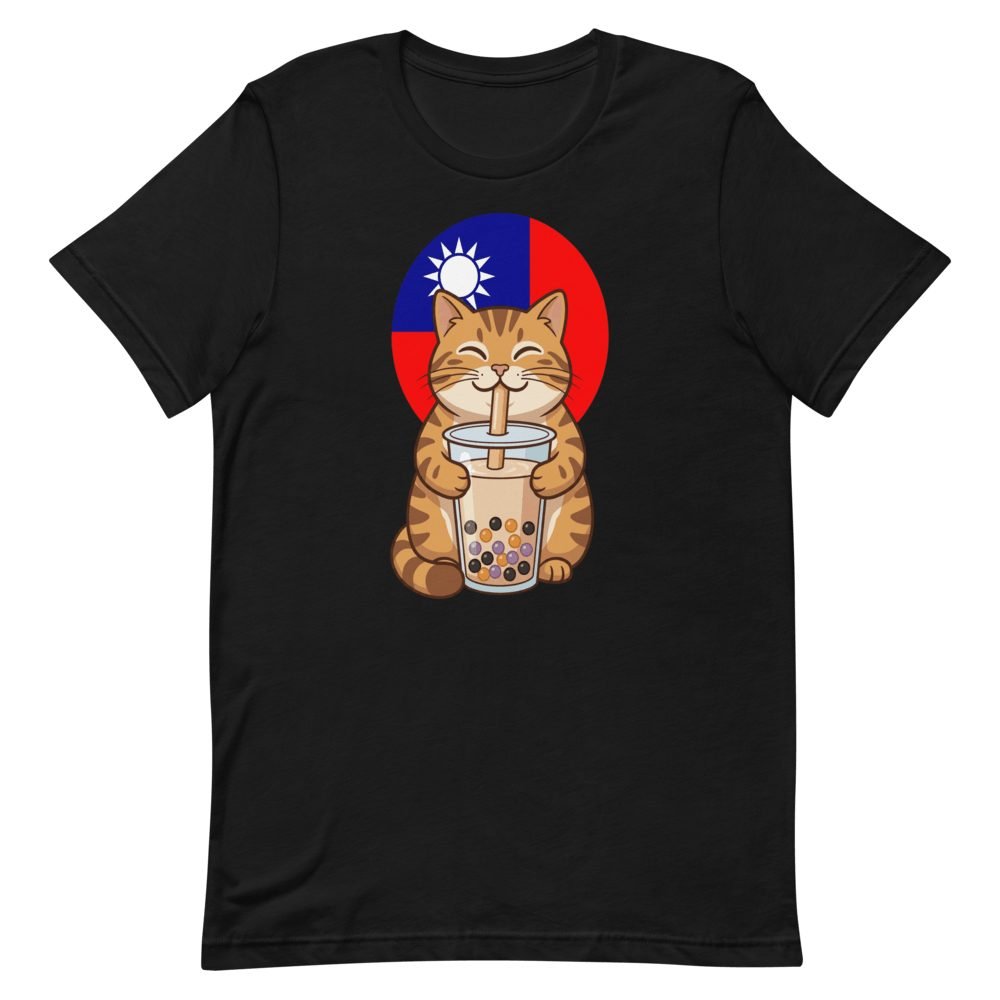
While you’re exploring Tainan’s food scene, you’re also experiencing a culture of genuine pride in craft — which is exactly the energy that inspires Taiwan Merch. Speaking of which, if you want to wear your love of Taiwan food culture on your sleeve, our Taiwan Boba Tea Cat T-Shirt is a playful nod to the drink that captures the whole spirit of Taiwanese street food culture.
Kaohsiung and Southern Taiwan: Flavors That Hit Different
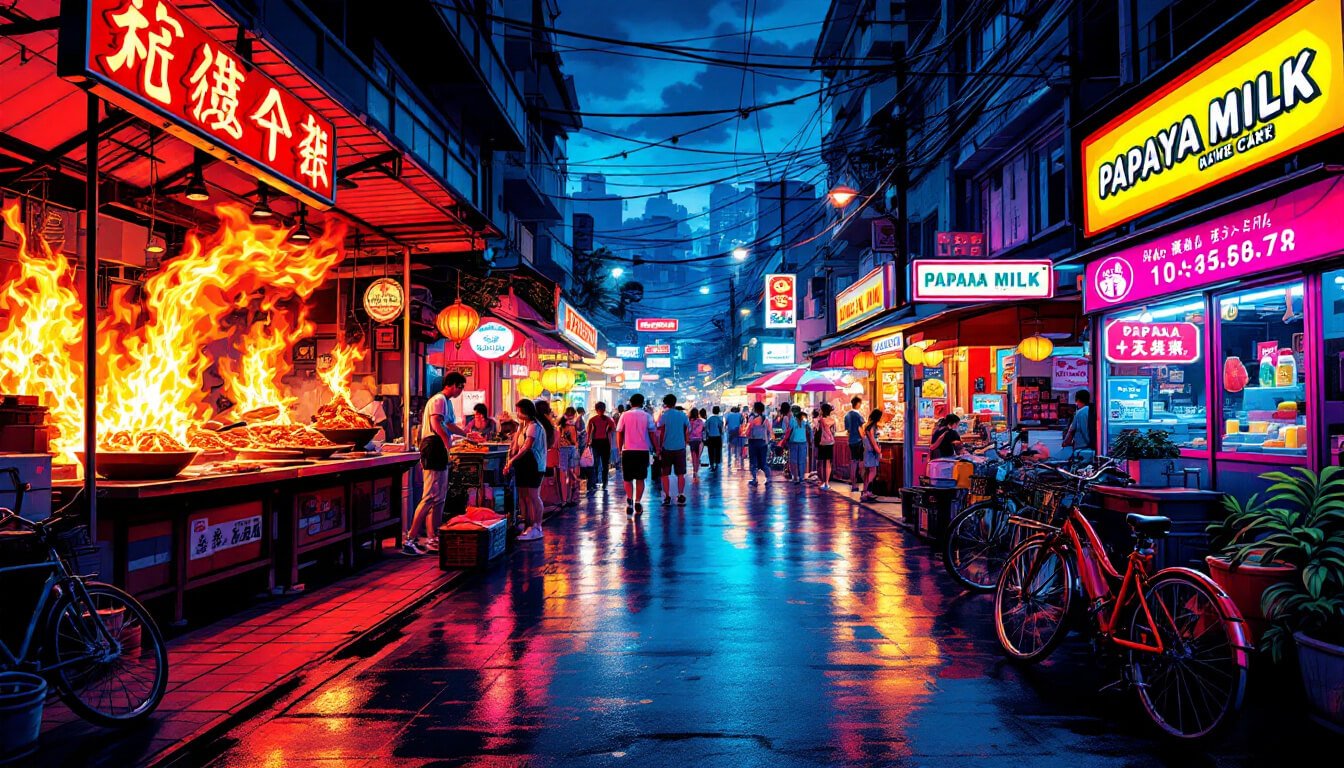
Kaohsiung is Taiwan’s second city and its industrial heart — a port city with a rougher energy than Taipei and an even more seafood-heavy food culture. The city sits at the tropical southern tip of Taiwan, and the food reflects that geography: bigger, more aggressive flavors, more fresh seafood, and a heat tolerance that would alarm visitors from the north.
Liuhe Night Market
Liuhe (六合夜市) is Kaohsiung’s flagship night market, and it operates very differently from Taipei’s markets. The stalls are more spread out, the vibe is calmer, and the seafood is astonishing. This is where you come to eat papaya milk (木瓜牛奶, mù guā niú nǎi) — fresh papaya blended with cold milk, no sugar added, NT$60 — and watch vendors grill whole crab, lobster, and giant tiger prawns over charcoal right in front of you. Prices by weight: expect NT$300-600 for a meaningful seafood feast.
Beyond the Night Market
Qianqian Market (前鎮漁港) — Kaohsiung’s fishing harbor, where tuna boats unload catch at 3am and the wholesale market opens to the public by dawn. The sashimi here is priced at wholesale rates. This is not a tourist attraction; it’s a working harbor that happens to serve some of the best tuna you’ll ever eat at NT$150-200 for a full tuna sashimi plate.
Southern Taiwan also has its own unique street snacks that are harder to find in Taipei. Ba-wan (肉圓, ròu yuán) — a translucent steamed or fried dumpling made from sweet potato starch, stuffed with pork and bamboo shoots — is everywhere here. The southern version is fried (crispier); the central Taiwan version is steamed. The debate over which is better is the kind of fierce regional argument that Taiwanese people take completely seriously.
Hualien and the East Coast: Wild Ingredients, Indigenous Flavors

The East Coast is Taiwan’s most dramatic landscape — Taroko Gorge, Pacific Ocean cliffs, marble mountains — and it’s also home to the highest concentration of Taiwan’s Indigenous peoples, primarily the Amis, Truku, and Bunun tribes. This shapes a food culture that is genuinely unlike anything on the western side of the island.
Indigenous Ingredients You Won’t Find Elsewhere
Hualien’s street food leans heavily on mountain ingredients: wild boar sausages (山豬肉香腸, shān zhū ròu xiāng cháng) are grilled fresh and served with garlic and chili, NT$60-80. Mochi (麻糬, má shǔ) here is legendary — Hualien mochi is made from locally grown glutinous rice and comes in peanut, sesame, and red bean varieties. The texture is genuinely different from what you’ll find in Taipei’s night markets: chewier, more elastic, less sweet.
Look for taro balls (芋圓, yù yuán) sold from roadside stalls near Ruisui and Fuyuan. These chewy taro and sweet potato balls cooked in ginger syrup are a local obsession — sometimes served hot, sometimes over shaved ice. NT$50-80. The same stalls often sell wild fern salads (過貓, guò māo), blanched and dressed with sesame oil, that you won’t easily find anywhere else.
Hualien Night Market (慈濟夜市)
Hualien’s night market is smaller and less polished than Taipei’s, but more adventurous. The mix of Indigenous and Han Chinese food traditions creates unexpected combinations. Amis-style grilled rice cakes (烤飯糰) stuffed with dried fish, flying fish jerky (飛魚乾) from the Orchid Island tradition, and wild ginger flower shoots (花東野薑花) used as seasoning all appear here in ways you won’t encounter in any other Taiwanese market.
Wear Your Love of Taiwan Food Culture
From bubble tea to night market adventures — celebrate the food culture that makes Taiwan unforgettable. Our Boba Tea Cat tee captures that joyful street food energy perfectly.
Price Guide: What Taiwan Street Food Costs in 2026 (NT$ Breakdown)
One of the most underrated things about Taiwan street food is just how cheap it still is relative to food quality. Even as the cost of living in Taipei has climbed significantly since 2020, street food prices have remained remarkably stable — in large part because of fierce competition and cultural expectation that certain foods should stay accessible.
Here’s a realistic price guide for 2026:
Budget Eating (NT$40-120 per item)
- Lu rou fan (braised pork rice bowl) — NT$50-70
- Scallion pancake (蔥抓餅) — NT$40-60
- Stinky tofu (臭豆腐) — NT$60-80 per plate. If you haven’t tried it yet, here’s what makes stinky tofu both challenging and completely worth it
- Oyster omelet (蚵仔煎) — NT$60-80
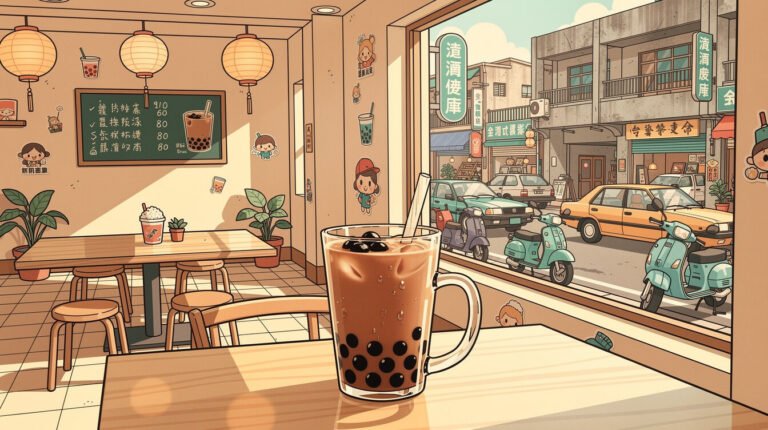
- Bubble tea / boba — NT$50-80 at street stalls. Bubble tea was invented in Taiwan — and the originals here are still the best
- Beef noodle soup — NT$100-180 at street stalls and local restaurants
- Fried chicken cutlet — NT$70-90
Mid-Range Eating (NT$120-300 per item)
- Grilled seafood at Kaohsiung markets — NT$150-250 per plate
- Tainan beef soup — NT$120-180
- Coffin bread (Tainan) — NT$80-120
- Full seafood grill plate at Hualien harbor — NT$200-300
Total Day Budget
A realistic street food day in Taiwan — breakfast at a morning stall, lunch from a local market, afternoon snacks at NT$60-80 each, and a full night market dinner — costs NT$400-600 (approximately USD $12-19). That’s comprehensive. Taiwan remains one of the best food-to-cost ratios in all of Asia.
For packaged snacks and souvenirs to bring home, check out our guide to the best Taiwan snacks worth packing in your luggage.
Day Markets vs. Night Markets: When and Where to Go
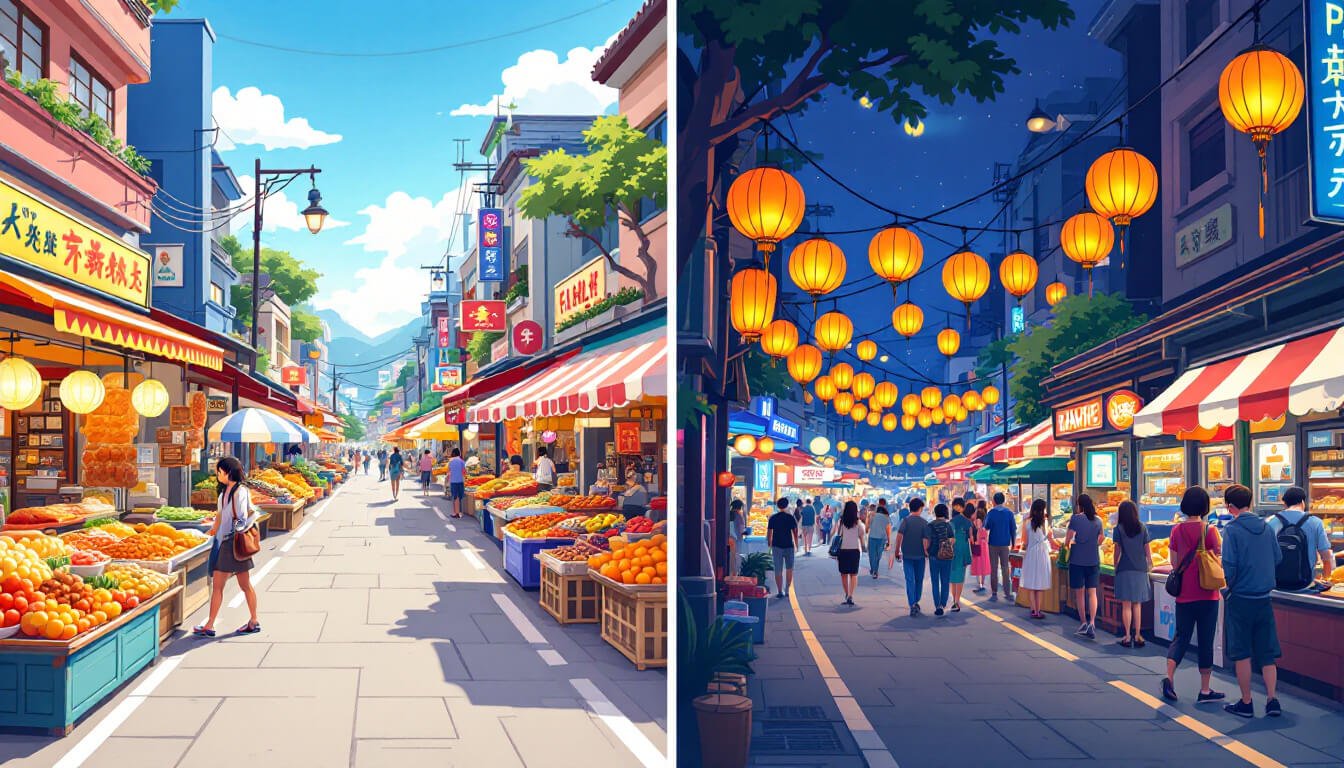
Most visitors default entirely to night markets — and they’re missing half the picture. Taiwan’s daytime food culture is just as rich, just structured differently.
Day Markets: The Real Local Experience
Traditional wet markets (傳統市場, chuántǒng shìchǎng) operate in every neighborhood from roughly 6am-noon. These are primarily where local residents shop for fresh produce, seafood, and meat — but many have small cooked food sections where vendors sell breakfast and lunch. The food is invariably cheaper and less touristy than anything in a night market. Taipei’s Dongmen Market, Dihua Street area, and Nanmen Market are worth exploring for this reason.
Morning stalls around temple areas are another hidden gem. Taiwanese temple complexes often have small permanent food vendors who’ve been serving the same neighborhood for decades. Near Longshan Temple in Taipei’s Wanhua district, you’ll find a cluster of traditional breakfast and lunch vendors that haven’t changed their menus (or prices) in 20 years.
Night Markets: The Social Experience
Night markets serve a different function. They’re not just about the food — they’re social infrastructure. In the absence of large parks or public plazas in dense Taiwanese cities, night markets are where communities gather. Teenagers on dates, families with strollers, elderly couples walking after dinner — everyone converges at around 7-10pm. The food is designed for eating while walking, socializing, and browsing.
Best night market timing: Arrive at 6:30-7pm (before peak crowds), eat the “main” items first while energy is high, then shop or browse for snacks. Most markets reach maximum crowd density between 8-10pm. Weeknights are significantly less crowded than weekends.
Best night markets by city:
- Taipei: Raohe (food-focused), Tonghua (local vibe), Shilin (largest)
- Taichung: Fengjia (massive, worth the trip)
- Tainan: Huayuan Night Market, Dadong Night Market (rotating location)
- Kaohsiung: Liuhe (most accessible), Ruifeng (local favorite)
- Hualien: Ziqiang Night Market (small but authentic)
Frequently Asked Questions About Taiwan Street Food
Is Taiwan street food safe to eat?
Yes, overwhelmingly so. Taiwan has strict food safety regulations and an intensely competitive food culture that punishes vendors who cut corners. The general rule travelers use: look for the longest queue. A stall with 20 people waiting has passed the community’s quality test. Traveler’s stomach issues in Taiwan are uncommon compared to other Southeast Asian destinations.
What’s the must-eat dish in Taiwan?
Every Taiwanese person will give you a different answer, but the universal consensus among food writers is lu rou fan (braised pork rice). It’s simple, it’s everywhere, and the difference between a mediocre version and a great one is immediately obvious. Ordering lu rou fan at a random lunch counter is the fastest way to understand what Taiwanese cooking is about.
Can vegetarians eat well at night markets?
Yes, better than in most Asian countries. Taiwan has a significant Buddhist vegetarian culture, and dedicated sù shí (素食, vegetarian) stalls appear at most night markets. Scallion pancakes, taro balls, tang yuan, mochi, sweet potato balls, and many tofu dishes are naturally vegetarian. Stinky tofu, despite its strong flavor, is usually vegetarian (fried in vegetable oil at dedicated stalls).
Do I need to speak Mandarin?
No. Most vendors at tourist-facing markets have picture menus or food samples on display. Pointing and holding up fingers works perfectly. If you’re venturing into local markets away from tourist areas, a translation app with camera mode is useful for reading Chinese characters on menus. Google Translate’s camera function handles traditional Chinese (used in Taiwan) very well.
What’s the best time of year for Taiwan street food?
Fall and winter (October-February) are the most comfortable for outdoor eating — pleasant temperatures, lower humidity, and the added bonus of seasonal specialties like oysters (best in winter), persimmons, and pineapple cakes. Summer brings its own excellent foods (mango shaved ice, cold boba, fresh lychee) but the heat makes prolonged night market wandering sweaty work. Avoid major holiday periods (Lunar New Year, Dragon Boat Festival) when markets can become intensely crowded or temporarily closed.
Final Thoughts: Taiwan Street Food Is the Point of Coming
There’s a reason that every traveler who has spent time in Taiwan talks about the food first. Taiwan street food represents something rare: a living, constantly evolving culinary culture that takes itself seriously without being precious about it. The same dish can cost NT$60 at a roadside stall or NT$600 at a restaurant with a Michelin star — and the stall version is often better.
Eat regionally. Go beyond Taipei. Find the breakfast stalls open before 7am. Accept that something smells like it might kill you but eat it anyway. Taiwan’s food culture rewards adventurousness with some of the most memorable meals of your life.

More Taiwan Delivered to Your Inbox
Street food guides, cultural deep dives, and Taiwan stories — straight from someone who can’t stop thinking about beef noodle soup at 2am. Join the community.

Grab a Free Taiwan Sticker!
Drop your email and we’ll send you a limited-edition Taiwan sticker — plus insider access to new merch drops and island vibes.
No spam. Unsubscribe anytime.