Taiwan Oolong Tea: The Complete Buying Guide to the Best Varieties, Flavors, and Where to Shop
Taiwan oolong tea might be the most underrated luxury on the planet. A few dollars for a tin of premium Alishan buys you one of the finest tea experiences in the world — complex, layered, and deeply rooted in centuries of island tradition. Yet most shoppers standing in front of a wall of tea tins have no idea which variety to choose, how to spot the real thing, or what they’re actually paying for.
This guide fixes that. Whether you’re shopping for the first time, trying to bring home the perfect souvenir, or seriously leveling up your home tea ritual, here’s everything you need to know about taiwan oolong tea — the varieties, the price tiers, the red flags, and where the good stuff actually comes from.
Why Taiwan Oolong Tea Is in a Class of Its Own
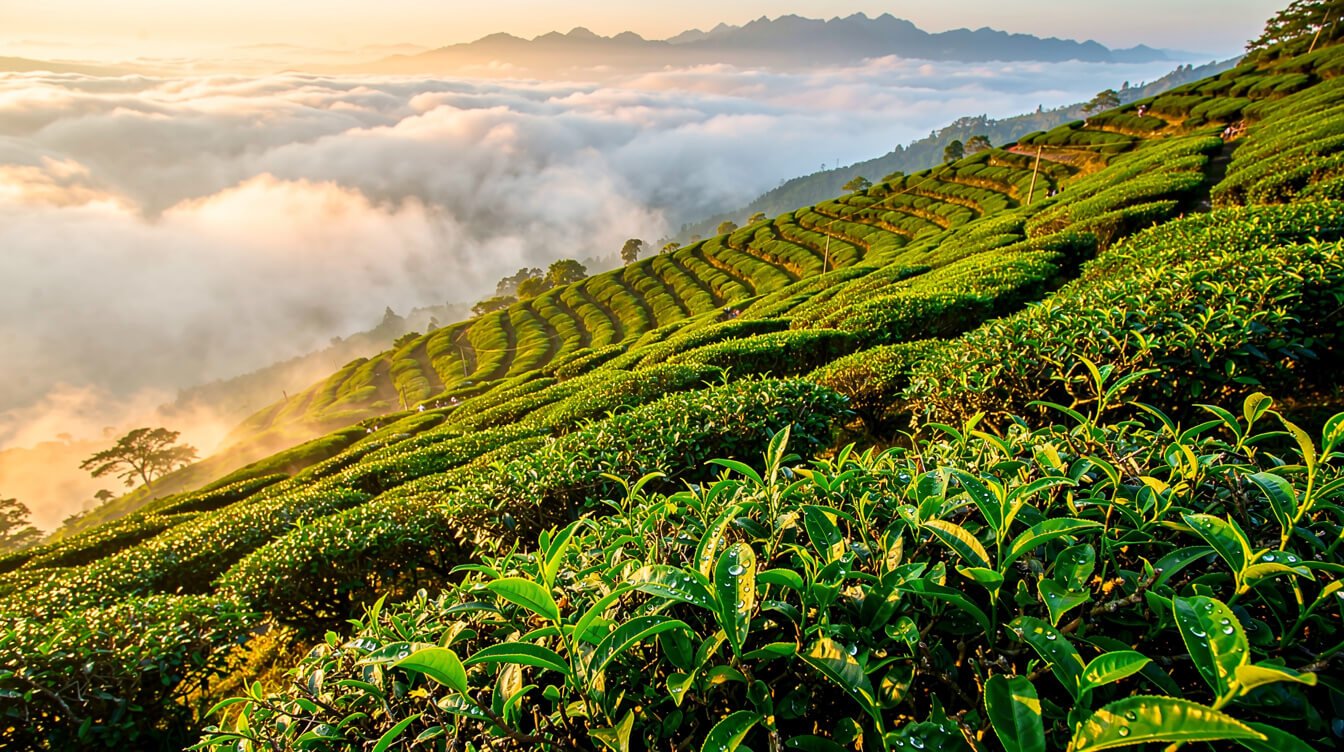
Taiwan is a relatively small island — about the size of the Netherlands — but it punches wildly above its weight in the tea world. The combination of subtropical warmth, dramatic mountain elevation, rich volcanic soils, and persistent cloud cover creates growing conditions that are almost comically perfect for tea production.
Tea has been cultivated in Taiwan since the early 1800s, when seedlings were brought over from Fujian Province in mainland China. What happened next was a slow, meticulous refinement over generations: island farmers developed their own cultivars, processing techniques, and regional specialties, eventually producing teas distinct enough that even seasoned tea experts can immediately identify a Taiwanese oolong from any other origin in the world.
What makes Taiwan’s tea culture special isn’t just the geography. It’s the infrastructure of excellence built around tea production. The Taiwan Tea Research Extension Station (TRES) conducts ongoing agricultural research to support farmers. Seasonal competitions are held across growing regions, where teamakers submit their finest batches for blind evaluation. Children visit tea museums on school trips. Entire mountain communities have oriented their economies around producing the finest possible leaves.
The result is a tea island with a shared commitment to quality that’s baked into the culture — and that shows up, cup after cup, in what you brew at home.
If you’re curious about how Taiwan’s high-altitude conditions specifically shape the tea, our deep dive into Taiwan’s high mountain tea tradition covers the science behind gaoshan cha in detail.
The 5 Essential Taiwan Oolong Varieties You Need to Know
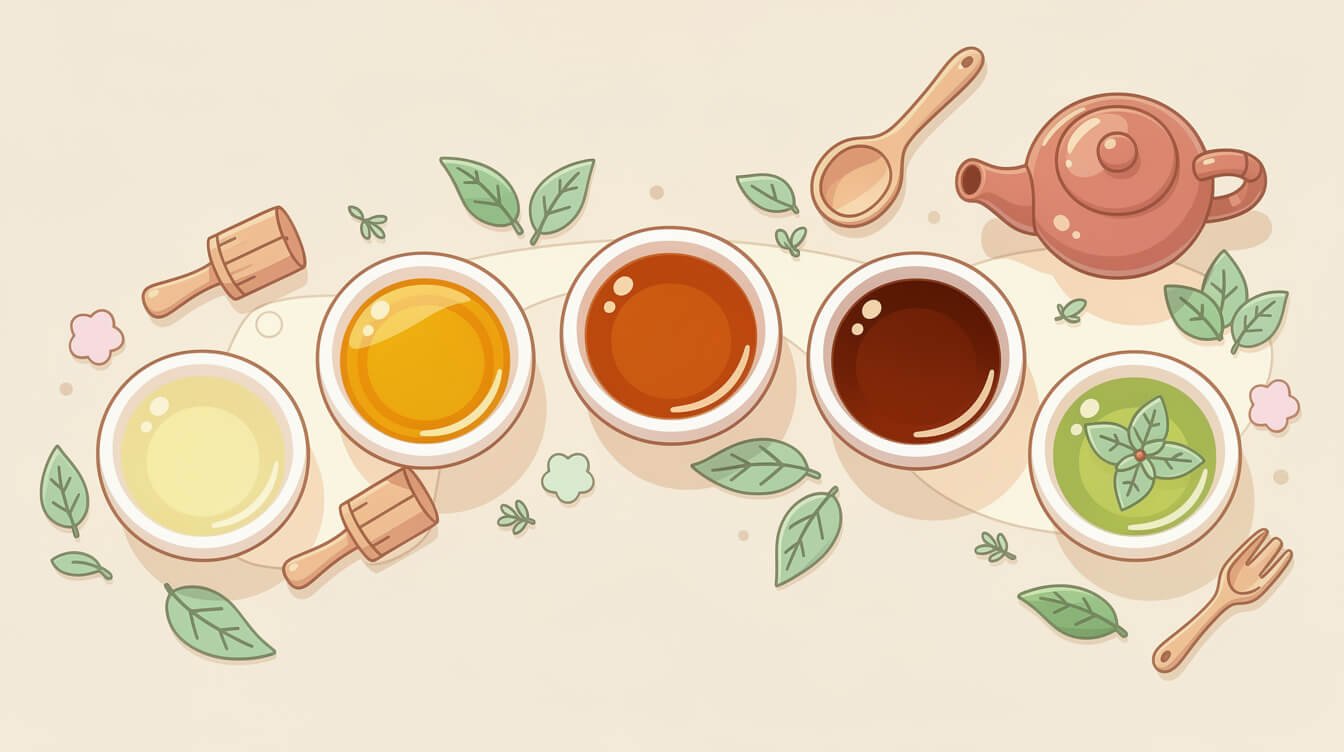
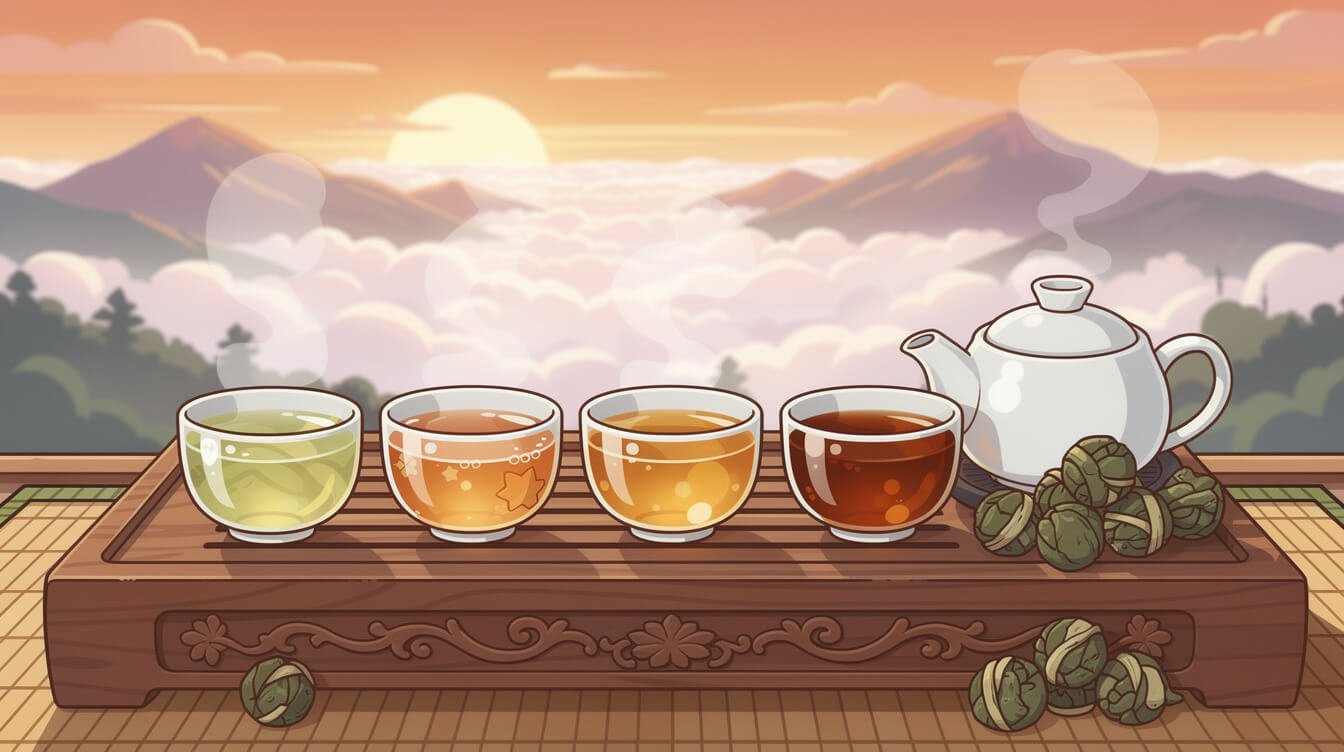
Oolong tea occupies the spectrum between green tea and black tea — it’s partially oxidized, meaning the processing is stopped somewhere in the middle, creating a huge range of flavors depending on how far oxidation goes. Taiwan’s oolongs run the full length of that spectrum, from barely-oxidized greens to richly dark, honeyed varieties that taste almost like wine.
Baozhong (Pouchong) — The Everyday Floral Gem
Baozhong is Taiwan’s lightest oolong, sitting at just 15-20% oxidation. The flavor is delicate and floral — think fresh gardenia, light melon, and a clean, refreshing finish. If you enjoy green tea but want something more interesting and forgiving to brew, Baozhong is your gateway. It’s affordable, hard to over-brew into bitterness, and excellent cold-brewed in summer. Look for it labeled as either “Baozhong” or “Pouchong” — same tea, different romanization of the same Chinese characters.
High Mountain Oolong (Gaoshan) — The Prestige Pick
High mountain oolong is what most people picture when they think of premium Taiwanese tea. To qualify as “gaoshan,” the tea must be grown above 1,000 meters — in reality, the best examples come from 1,500-2,500 meters, from regions like Alishan, Lishan, and Shan Lin Xi. At these elevations, slow growth creates thick, tender leaves packed with complexity. The flavors are buttery and creamy with layers of fruit and flowers, a natural sweetness that lingers on the palate, and a satisfying, silky body. These are the teas that spoil you for anything else.
Dong Ding (Tung Ting / Frozen Peak) — The Classic Worth Rediscovering
Dong Ding was once the most celebrated tea in Taiwan, before high mountain oolong took center stage. It comes from the Lugu area of Nantou County, grown at a modest 600-800 meters in thick, persistent mist. The processing typically includes roasting, which gives Dong Ding a warm, nutty character — think hazelnuts, toasted grain, orchid, and honey. Because the market has shifted toward lighter teas, Dong Ding is currently exceptional value. You can find outstanding examples at prices that would seem implausible for the quality level.
Oriental Beauty (Dong Fang Mei Ren) — Taiwan’s Most Unusual Tea
Oriental Beauty is one of the most unique teas produced anywhere in the world, thanks to a specific insect: the tea leafhopper. When leafhoppers bite the tea leaves, the plants release compounds as a stress response — and those compounds transform into an extraordinary “muscatel” note during processing. The result is a deeply oxidized oolong (70-80%) with rich honey, ripe stone fruit, and a sweet fragrance that smells almost like dessert. It goes by many names (Champagne Oolong, Bai Hao Oolong, White Tip Oolong) but they’re all the same tea. Be aware that non-bug-bitten versions, while still good, won’t have that signature muscatel sparkle.
Si Ji Chun (Four Seasons Spring) — The Beginner-Friendly Bargain
Si Ji Chun is the unsung hero of Taiwanese oolong — not as famous as the others, but incredibly useful. This cultivar produces tea four times a year (hence “Four Seasons”), keeping supply high and prices low. The flavor is approachable: floral, a little creamy, with a light body and pleasant sweetness. It’s the perfect entry point for anyone new to taiwan oolong tea, and an excellent everyday tea for experienced drinkers who don’t want to spend premium prices every morning. If you see it in a shop or market, grab a bag — it consistently overdelivers for its price.
How to Spot Authentic Taiwan Oolong — Red Flags Every Buyer Should Know
Here’s the uncomfortable truth about shopping for Taiwan oolong: counterfeit and mislabeled tea is genuinely common. Because demand for Taiwan’s finest teas — especially high mountain oolong — significantly outstrips supply, it’s not unusual for tea grown in Vietnam, Thailand, or even China to be packaged and sold as “Taiwan High Mountain.” The economics make it almost inevitable.
Watch for these red flags:
- Price that seems too good to be true: Authentic Alishan high mountain oolong costs at least $30-50 per 100g from reputable vendors. If you’re seeing it for $8-12, it’s almost certainly not what it claims to be.
- No specific origin information: Legitimate vendors will tell you the growing region, altitude, season, and often the farmer. Generic “Taiwan oolong” with no specifics is a yellow flag.
- Unlabeled or tourist-destination packaging: Tea sold in souvenir-shop tins near major attractions (Taipei 101, Sun Moon Lake ferry piers) often trades on location rather than quality.
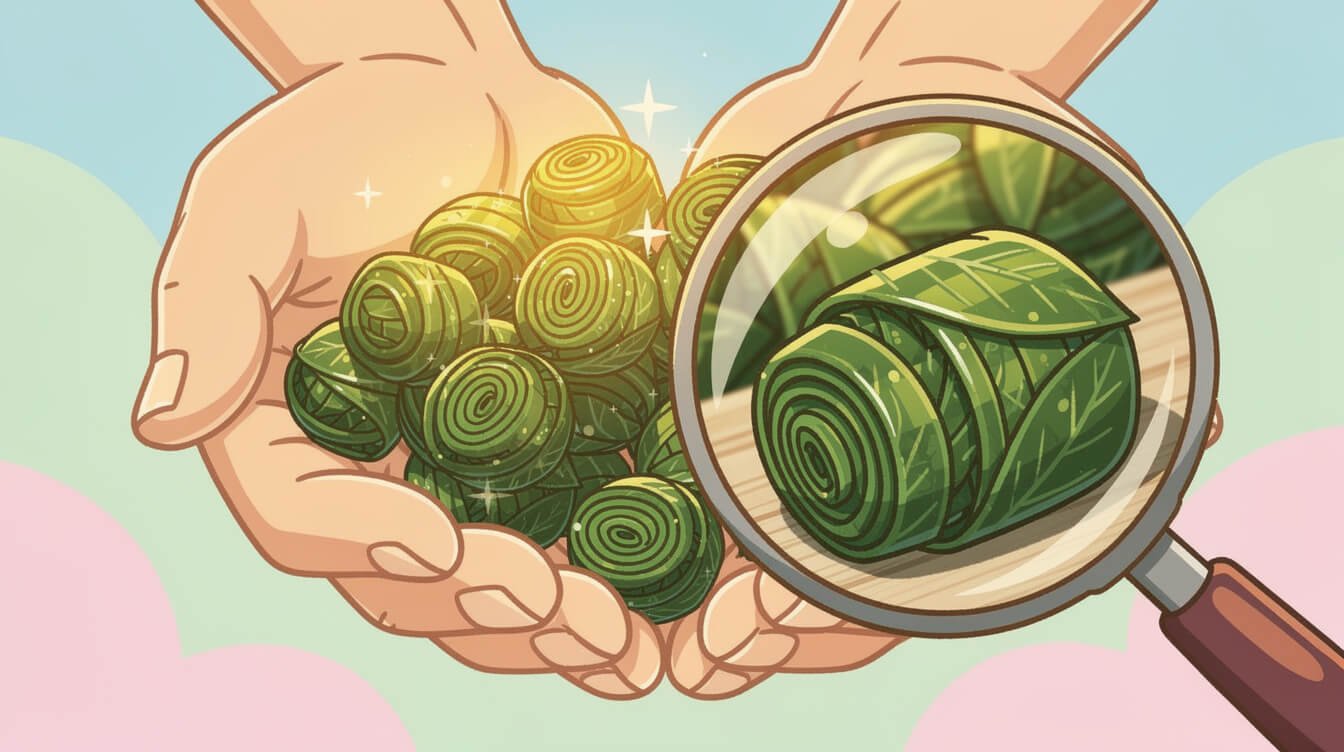
- Broken or dusty leaves: Quality Taiwan oolong, especially high mountain, is made from whole leaves rolled into tight, uniform balls. Broken leaves indicate lower quality processing or rough handling.
- Flat, one-dimensional flavor: Real high mountain oolong has complexity that evolves across multiple steepings. A tea that tastes the same on every steep (or turns bitter fast) is likely low-grade or mislabeled.
Positive signs of quality: Tightly rolled, consistent balls with no broken pieces. A fragrant, complex aroma from dry leaves. Natural sweetness that lingers after swallowing. Leaves that continue to give interesting flavor for 5+ steepings.
Your safest strategy is to buy from vendors who are transparent about their sourcing — ideally ones who visit the farms they source from and can tell you the specific harvest and elevation of what you’re buying.
Where to Buy Taiwan Oolong Tea — Online and In Person
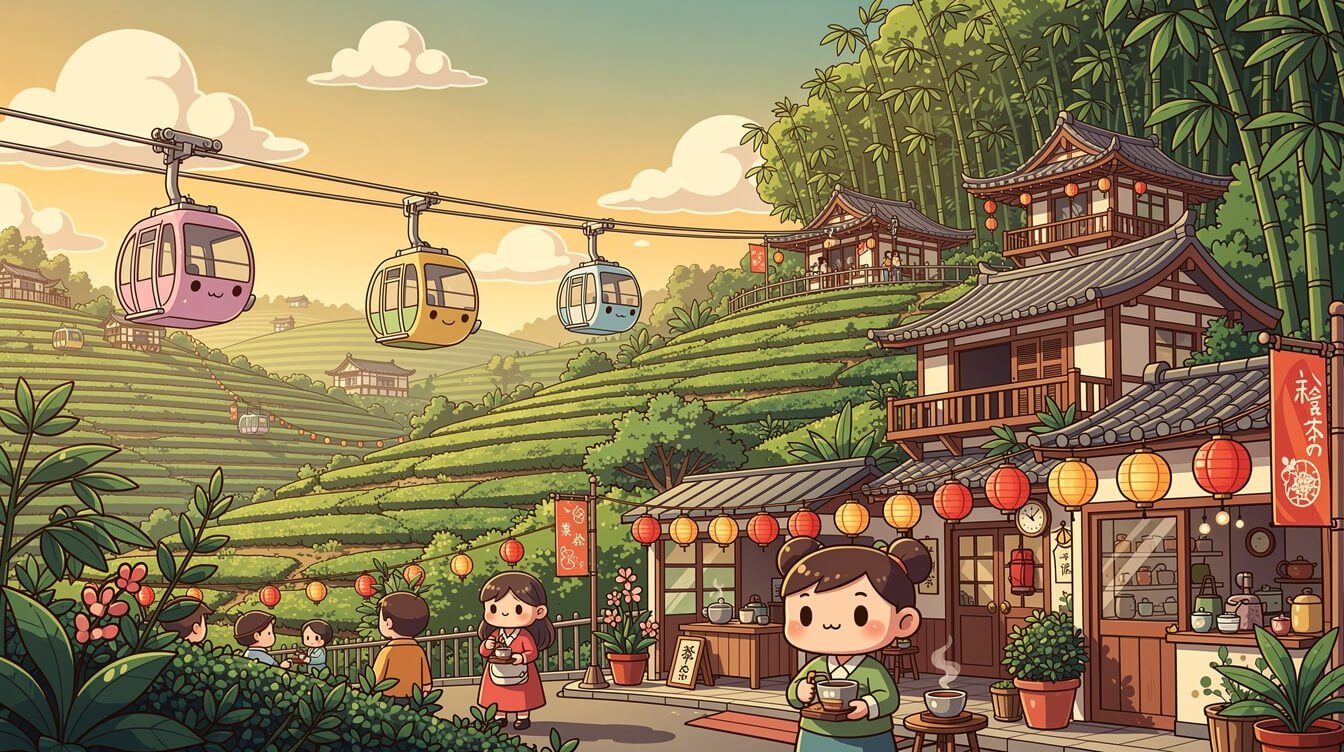
Knowing what to buy is only half the equation. Here’s where to actually find good Taiwan oolong, whether you’re visiting the island or shopping from home.
In Taiwan: Where the Good Stuff Lives
Maokong Tea District, Taipei: Take the Maokong Gondola up from the Taipei Zoo MRT station and you’ll find yourself in a hillside community of tea plantations, tea houses, and family farms — many of which have been producing Muzha Tieguanyin and Baozhong for generations. This is a genuinely excellent place to taste before you buy, and prices are fair because you’re close to the source. Many tea houses offer gongfu tea ceremonies where you can try multiple varieties side by side.
Dihua Street, Taipei: This historic commercial street is Taiwan’s best spot for traditional goods, and that includes exceptional tea. The tea shops here are old-school, family-operated, and primarily catering to Taiwanese buyers rather than tourists — which means quality is high and prices are honest. Budget at least an hour to wander and sample.
Department store food halls: Places like Breeze Center, SOGO, and Far Eastern department stores carry curated selections from certified regional producers. It’s more expensive than buying at source, but the quality is reliable and the packaging is beautiful for gifting.
Night markets (with caveats): You can find tea at some night markets, but quality is highly variable. The Taiwan night market ecosystem is excellent for food culture, but for tea, treat markets as a curiosity rather than your primary source. If you’re shopping a night market, look for vendors who clearly label their origins and let you smell/taste before buying.
Direct from tea farms: If your Taiwan itinerary takes you to tea-growing regions like Alishan, Nantou, or Miaoli, buying direct from the farmer is the gold standard for quality and price. Many farms have small shops and welcome visitors during harvest seasons (spring: April-May, winter: October-November).
Online: Trusted International Vendors
For those shopping from outside Taiwan, a small number of vendors specialize in authentic Taiwanese sourcing:
- Eco-Cha (eco-cha.com): Taiwan-based, farm-direct, excellent transparency about sourcing. One of the most respected Taiwanese oolong retailers for international buyers.
- Tea From Taiwan (teafromtaiwan.com): Another Taiwan-based specialist with a strong focus on authenticity and farmer relationships.
- Harney & Sons: Their Taiwanese oolong selections are a reliable mass-market option, though less specialized than the above.
Avoid buying Taiwanese oolong from generic marketplace sellers on Amazon or eBay without verified reviews and specific origin documentation — that’s where the most confusion and mislabeling happens.
Taiwan Oolong Tea Price Guide: What to Expect at Every Budget
Understanding price tiers helps you shop smarter and spot suspicious deals. Here’s a realistic breakdown of what authentic Taiwan oolong costs:
- $8-15 per 100g — Entry level: Si Ji Chun, basic Baozhong, general “Taiwan oolong” blends. Good everyday teas; expect pleasant flavor without complexity. Appropriate for beginners and casual drinkers.
- $15-35 per 100g — Mid-range: Better Baozhong, standard Dong Ding, basic Oriental Beauty. This tier offers genuine quality and variety. Good value for most home drinkers.
- $30-80 per 100g — Premium: Alishan and Shan Lin Xi high mountain oolongs, competition-grade Dong Ding, better Oriental Beauty. You’re now in the range where multiple steepings reveal real complexity.
- $60-150 per 100g — Ultra-premium: Lishan and Dayuling (Taiwan’s highest altitude growing regions), award-winning competition teas. These are destination teas — brewed deliberately and savored.
- $150+ per 100g — Collector grade: Competition-winning vintages, rare aged oolongs, and single-harvest single-farm lots. Reserved for the seriously enthusiastic.
One practical note: because Taiwan oolong can be steeped multiple times (5-7+ steepings from a single portion), the cost-per-cup is much lower than the sticker price suggests. A $50 tin of Alishan that lasts 15-20 brewing sessions is genuinely affordable when you do the math.
For more context on Taiwan’s tea production culture and what altitude does to flavor complexity, see our guide to Taiwan’s high mountain gaoshan cha tradition.
How to Brew Taiwan Oolong Tea at Home
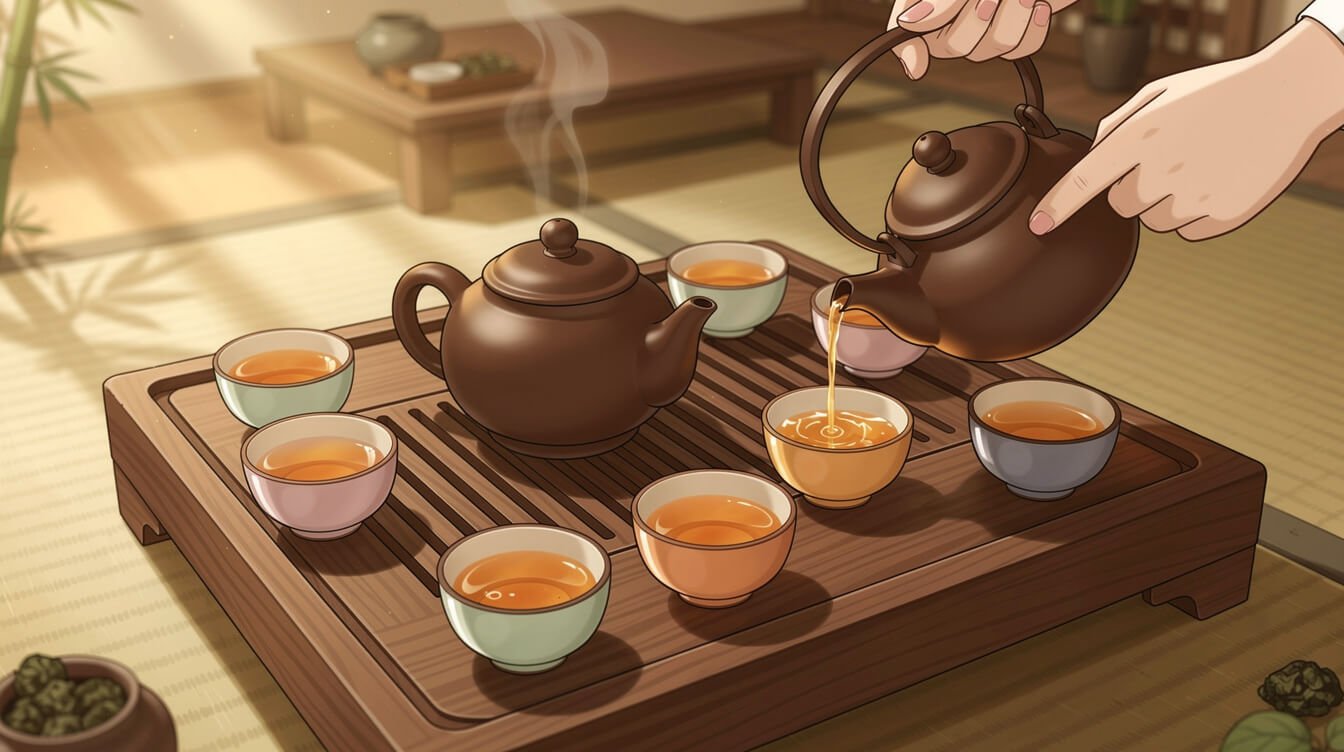
Taiwan oolong rewards good brewing — and the good news is that it’s more forgiving than green tea and more interesting than most black teas. Here are two approaches:
Western Method (Simple and Accessible)
Use about 1 teaspoon (3-4 grams) per 8 ounces of water. Temperature depends on the variety:
- Baozhong and Si Ji Chun (light oolongs): 185°F / 85°C
- High Mountain Oolong and Dong Ding: 195°F / 90°C
- Oriental Beauty: 200-205°F / 93-96°C
Steep for 3-4 minutes for your first brew. You can re-steep the same leaves 2-3 more times, adding 30-60 seconds to each subsequent steep. This is where even budget Taiwan oolong starts to outperform most teas in the world.
Gongfu Method (The Traditional Taiwanese Way)
Gongfu brewing uses a small teapot or gaiwan (about 100-150ml) with a much higher leaf-to-water ratio — roughly 1 gram of tea per 15ml of water. Each steep is very short: 10-20 seconds for the first pour, adding 5-10 seconds for each subsequent steep.
This method extracts the tea’s flavors in layers across 6-10 steepings, letting you experience how the tea evolves as the leaves open. It’s a genuinely meditative practice, and it reveals dimension in high mountain oolongs that the western method barely touches.
Pro tip: always do a brief rinse steep (pour hot water over leaves, swirl for 5 seconds, discard) before your first drinking steep. This wakes up the rolled leaves, removes any dust, and gives you a cleaner first cup.
And yes, there’s something deeply satisfying about watching tightly rolled Alishan balls slowly unfurl over the course of a session — each steep slightly different from the last. It’s one of the reasons tea people become tea enthusiasts.
Taiwan Oolong Makes the Perfect Cultural Gift — Here’s How to Give It Right
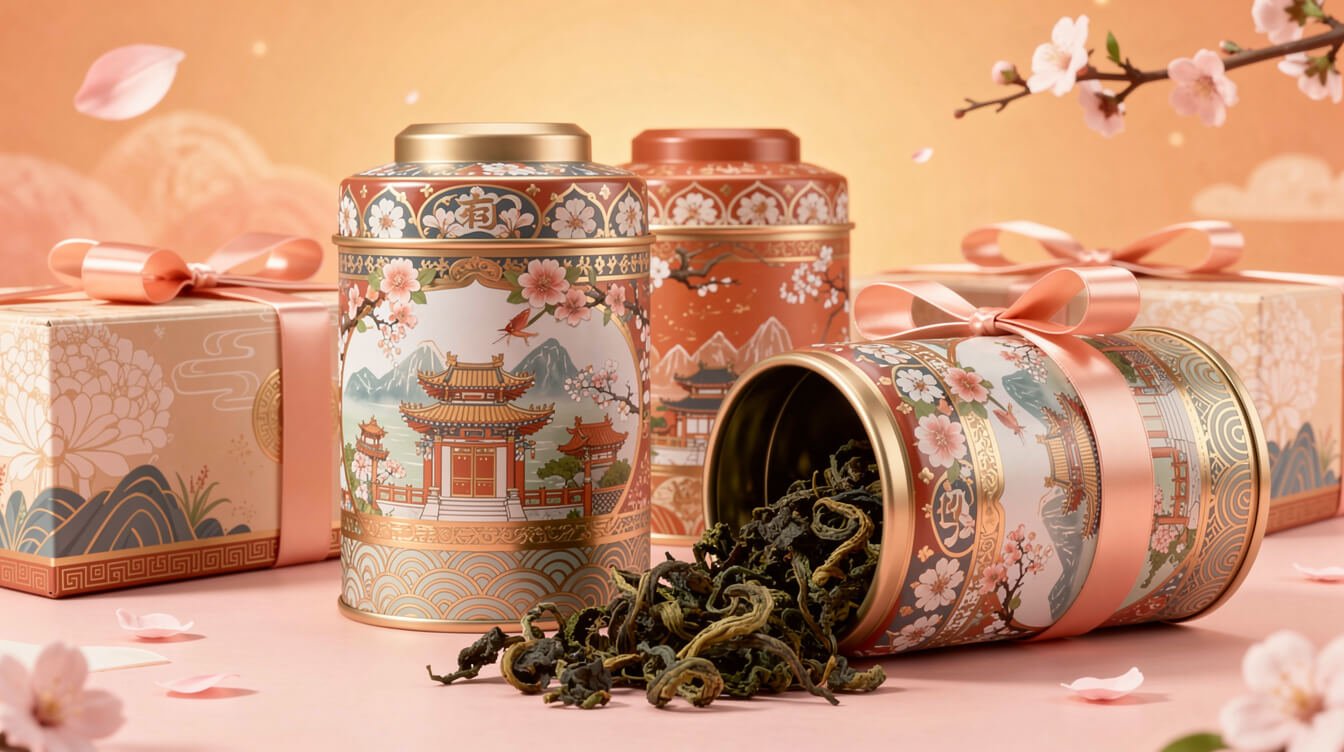
If you’re buying Taiwan oolong as a gift — for someone who visited Taiwan, a tea enthusiast in your life, or yourself post-trip — here’s how to choose well:
- For the curious beginner: Si Ji Chun or a mixed sampler of 3-4 varieties. Approachable flavors, low stakes if they’re not into it.
- For someone who already drinks tea: A good Alishan high mountain — it’s prestigious enough to feel like a real gift, accessible enough to be enjoyed without a ceremony setup.
- For the serious tea person: A premium Lishan or Oriental Beauty with clear provenance information. They’ll appreciate that you did your research.
- For gifting aesthetics: Look for tea packaged in traditional tins or wooden boxes. Many Taiwanese producers package their best teas beautifully — the packaging itself signals care.
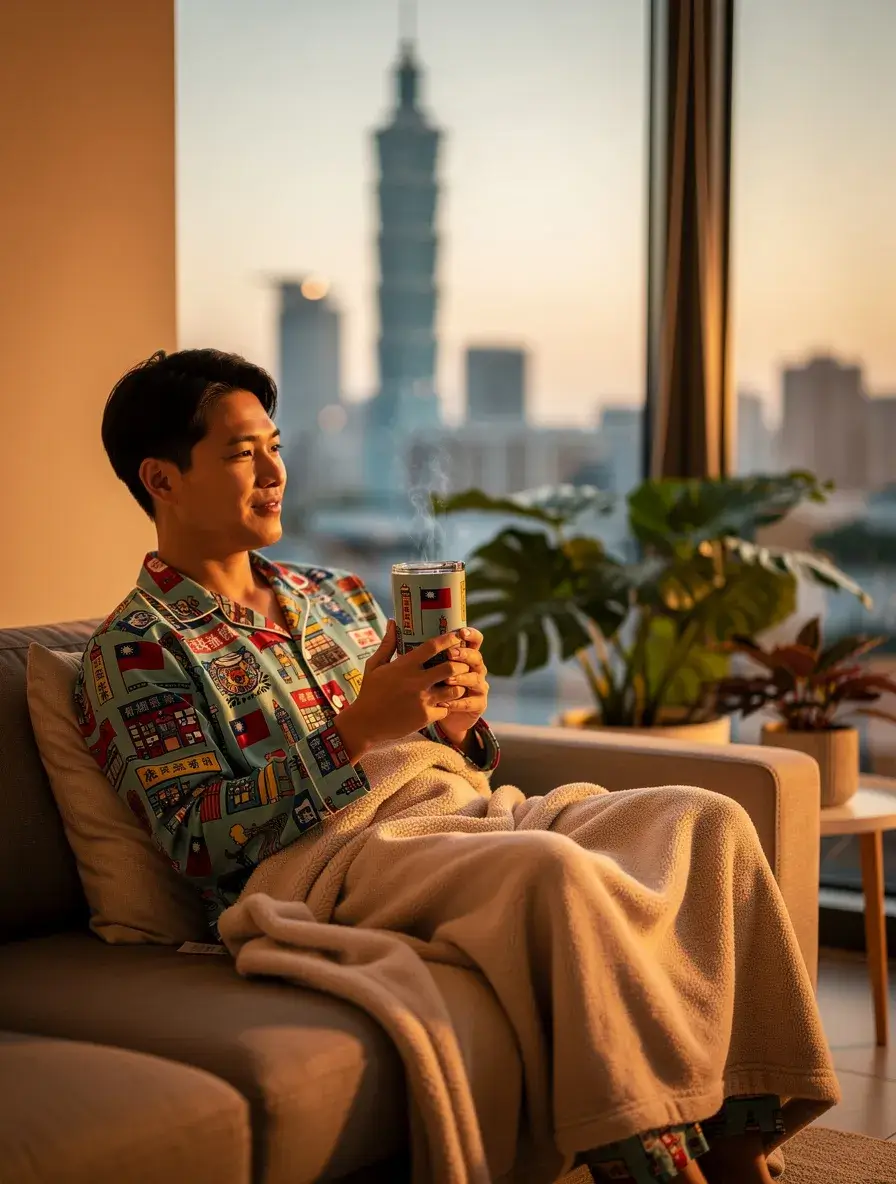
Want to complete the Taiwan culture gift experience? Pair a tin of Alishan oolong with a piece of Taiwan-themed merch. Our Taiwan Boba Tea Cat T-Shirt captures the playful tea culture of the island — a fun, wearable conversation starter that pairs perfectly with a tea gift for any Taiwan fan in your life.
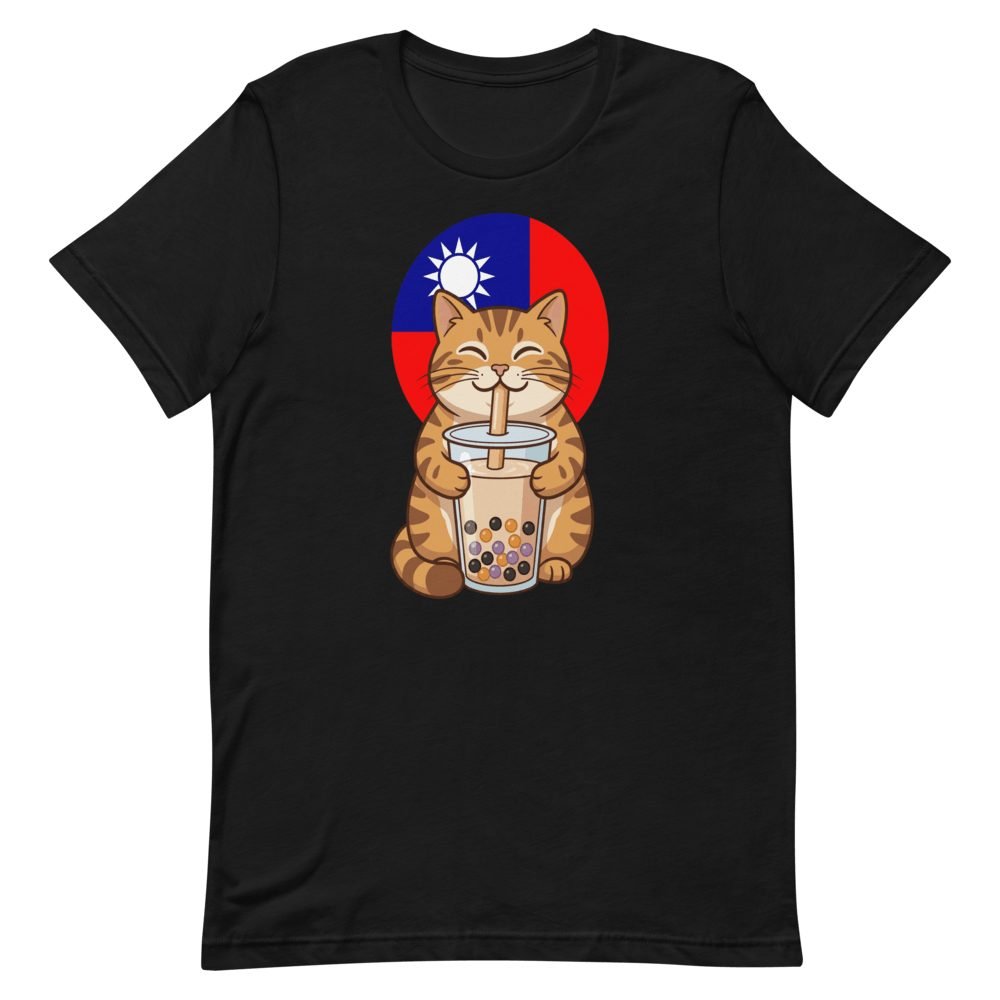
Wear Your Taiwan Tea Love Proudly
Taiwan’s boba tea culture and its oolong heritage share the same roots — a deep, island-wide love of tea in every form. Our Boba Tea Cat tee brings that energy to your wardrobe.
Frequently Asked Questions About Taiwan Oolong Tea
What’s the difference between Taiwan oolong and Chinese oolong?
Both originate from the same tea plant (Camellia sinensis), but the geography and processing traditions are distinct. Chinese oolongs like Wuyi Rock oolong (Da Hong Pao) tend toward heavier roasting and earthy, mineral flavors. Taiwan oolongs are typically lighter and more floral, with a clean sweetness that reflects the island’s specific terroir. Some Taiwanese cultivars — like the one used for Oriental Beauty — exist nowhere else in the world.
What is the best Taiwan oolong for beginners?
Si Ji Chun (Four Seasons Spring) is ideal for beginners: affordable, forgiving to brew, and reliably pleasant. Baozhong is also an excellent first oolong for anyone who already enjoys green tea. If you want to jump straight to the “oh, this is what the fuss is about” experience, start with an accessible Alishan high mountain from a trusted vendor.
Can I bring Taiwan oolong tea home in my luggage?
Yes, generally. Loose leaf tea in sealed packaging is permitted in carry-on and checked luggage for most countries. The US, EU, UK, and Australia all allow it. Note that some countries have restrictions on bringing agricultural products through customs, so check your destination country’s rules before packing multiple kilos. For reference, our Taiwan tea eggs guide explores another side of island tea culture if you’re planning a trip.
Does Taiwan oolong tea contain caffeine?
Yes — all true tea (from the Camellia sinensis plant) contains caffeine. Oolong tea has moderate caffeine content, typically less than black tea but more than green tea. Light oolongs like Baozhong have less caffeine; darker oolongs like Oriental Beauty have more. The gongfu method, with multiple short steeps, distributes the caffeine across many cups rather than front-loading it in one big brew.
How long does Taiwan oolong tea keep?
Stored properly (in an airtight container, away from light and strong odors, at room temperature or cooler), Taiwan oolong will stay fresh for 1-2 years. Roasted oolongs like Dong Ding actually age well and can develop interesting depth over 3-5 years. High mountain green oolongs are best within a year of harvest for peak freshness. Some premium aged oolongs are intentionally cellared for decades — but that’s a rabbit hole best saved for when you’re already hooked.
Start Somewhere, Taste Everything
The best advice for anyone new to taiwan oolong tea is simple: just start. Order one variety, brew it carefully, and pay attention to what you taste. The rabbit hole is deep and rewarding, but you don’t need to map it all at once.
Start with a Si Ji Chun if you’re budget-conscious, a Baozhong if you like floral and light, or an Alishan if you want to understand what all the excitement is about. From there, let your palate lead you — toward the darker, roasted intensity of Dong Ding, the mysterious honey notes of Oriental Beauty, or the cloud-kissed complexity of a Lishan grown so high the tea bushes live in permanent mist.
Taiwan’s tea culture is one of the most refined in the world, built over 200 years by generations of farmers, roasters, and tasters who took this craft seriously. Every tin of authentic Taiwan oolong is a product of that tradition — and a really good reason to slow down and taste it.
More Taiwan Culture in Your Inbox
Get the best of Taiwan’s food, culture, and lifestyle delivered weekly — plus early access to new Taiwan Merch drops.
Grab a Free Taiwan Sticker!
Drop your email and we’ll send you a limited-edition Taiwan sticker — plus insider access to new merch drops and island vibes.
No spam. Unsubscribe anytime.