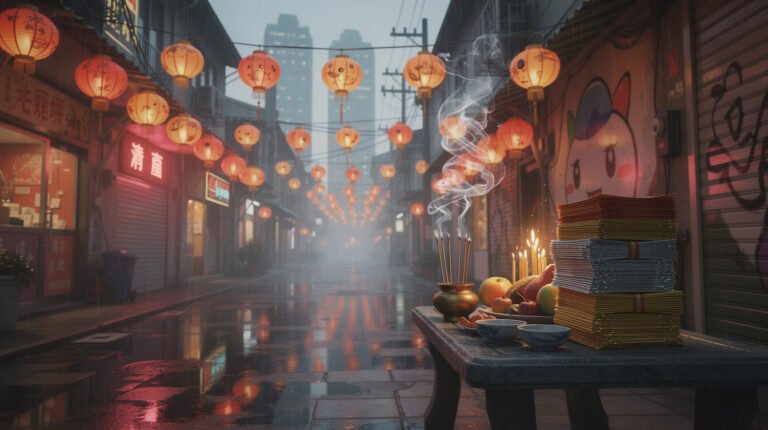
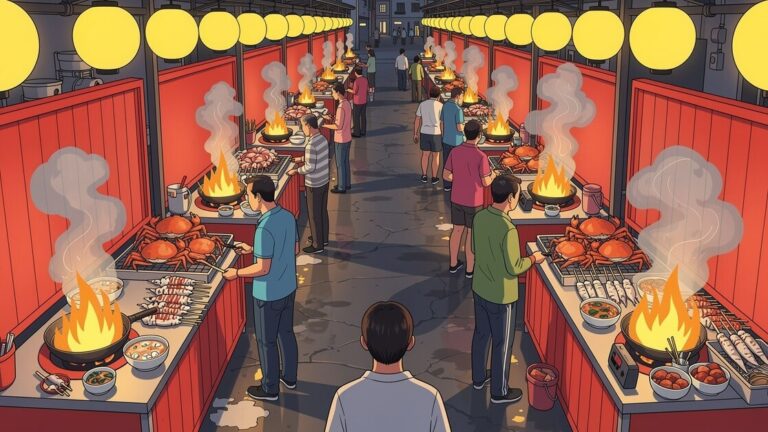
Nanjichang Night Market Guide (2026): What to Eat, Michelin Picks and the Redevelopment
Most visitors to Taipei eat their way through Shilin, Raohe and Ningxia and never hear about the market that locals argue is better than all three. Nanjichang Night Market (南機場夜市) sits a short walk from Longshan Temple and the Botanical Garden, wrapped around a 1960s housing estate in Zhongzheng District. It’s small, a little scruffy and packed with family-run stalls, some of which have been cooking the same dish for decades.
This guide covers what the other English guides miss. We explain where the odd name comes from (it’s an airfield story), which stalls are actually on the 2026 Michelin Bib Gourmand list (fewer than you’ll read elsewhere), how to plan around the afternoon-only stalls, and what the redevelopment deal signed in October 2026 means for the lanes you’ll be walking.
What Is Nanjichang Night Market? From Army Drill Ground to Dinner Lane
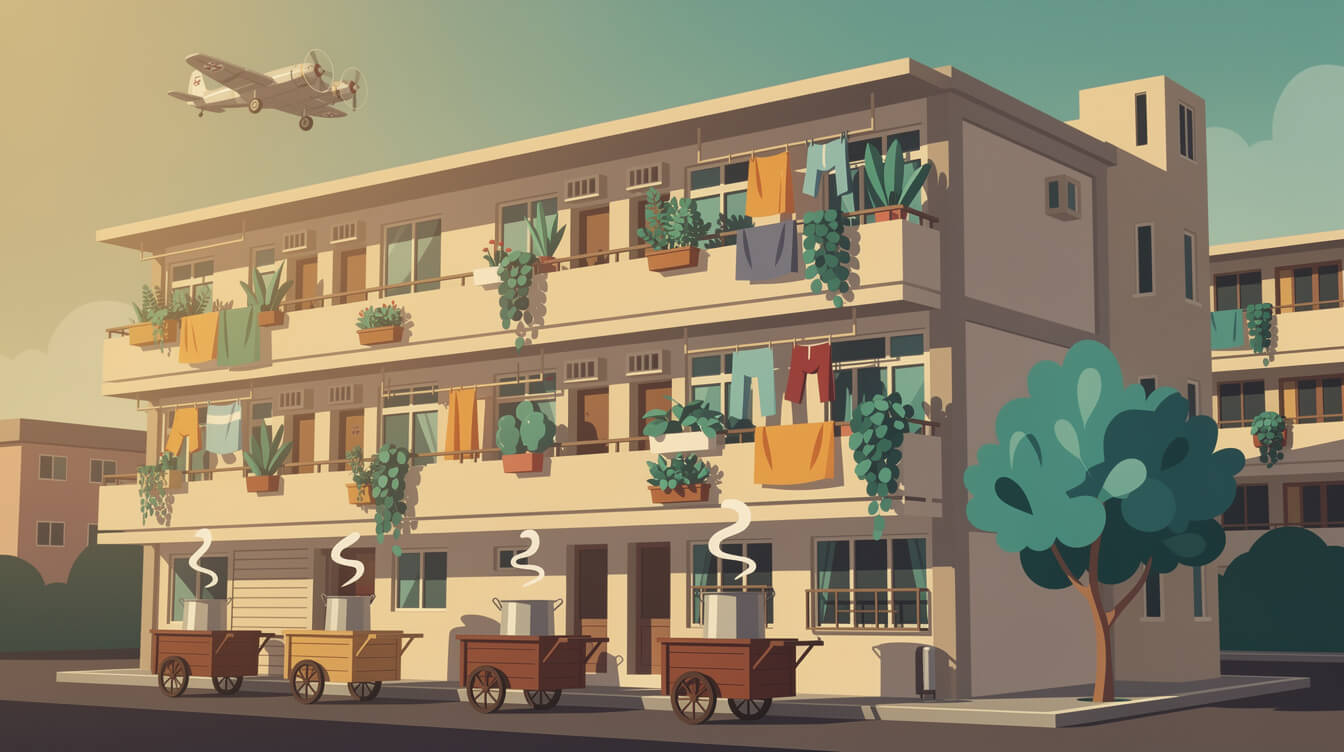
Nanjichang means “South Airfield,” and the name is literal. According to the market’s own history page, the Japanese colonial army set up a drill ground here, in what was then Guting, in 1909. Planes later started using the open field for takeoffs and landings, and it came to be called the Taipei South Airfield (臺北南飛行場). The “south” sets it apart from the northern field that opened in 1936 and is still in use today as Songshan Airport.
After 1949, military dependents’ villages grew up on and around the old airfield. In 1964 the city finished the Nanjichang Apartments (南機場公寓). At the time they were among the most modern housing blocks in Taipei, and many of the first residents were military families. Thousands of people moving into one estate meant thousands of people who needed dinner, so vendors with carts and pots set up in the lanes between the buildings.
The stalls weren’t legal at first. The market’s official timeline says they were legalized where they stood in 1986, and the market was formally established in 1987. Some English guides give 1986 as the founding year, but that’s the legalization date. A rain canopy went up over the main lane in 1991, and multilingual signs arrived in 2020.
Why It Feels Different From Shilin
Nanjichang Night Market was built to feed its neighbors, and it still does. You’ll see residents carrying home bags of dumplings, office workers eating chicken rice at plastic tables, and grandparents queuing next to food bloggers. Most stalls are food vendors, and many have a few tables tucked behind the counter or inside a ground-floor shop, so you can sit down. Prices and portions are set for regulars, not tourists.
Its international profile goes back to 2012. On May 30 of that year, CNN Travel’s “Around the world in 30 dumplings” listed Taiwanese ba-wan (肉圓) and named Changhua Ba-wan at Nanjichang as the place to try it. Michelin’s Taipei guide arrived in 2018 and added a run of Bib Gourmand stalls. Today the market is a fixture on Taipei food-lover lists but is still mostly a neighborhood place.
What’s Next: The 2026 Redevelopment
The apartment blocks that created the market are now more than 60 years old. They were damaged in the April 3, 2024 Hualien earthquake. On October 13, 2026, the Taipei City Government signed a public urban-renewal contract for Nanjichang Integrated Housing Unit 4. The contract is worth about NT$3.887 billion and covers two 24-story towers next to the future Wanda MRT line’s LG03 station.
Taiwanese media report that the site covers Lanes 307 to 311 of Zhonghua Road Section 2, which is the busy northern end of the market. Shan Nei Chicken’s original shop plans to close and move business to its branches, A-Liang Dumplings plans to pause trading, and the owner of one long-running pig’s blood cake stall has said she may retire. The city says it’s looking for nearby land for a temporary relocation market, but the location and timing haven’t been announced, and no demolition date has been set.
So, Nanjichang Night Market is open and isn’t being demolished as a whole. Part of it is going to change, though. If you’ve been meaning to go, the next year or so is a good time.
How to Get to Nanjichang Night Market (and Find Your Way Around)
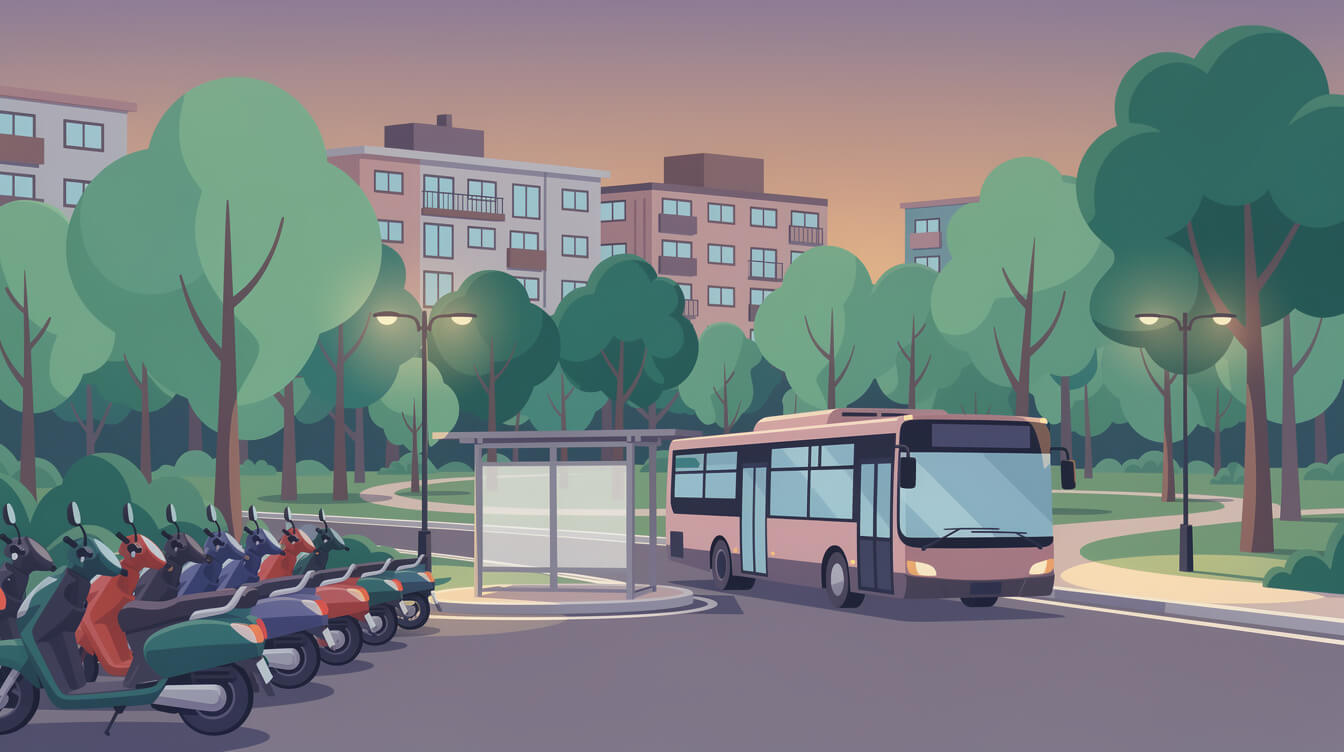
There’s no MRT station at the market yet, which is a big reason it’s stayed local. You have three easy options.
By MRT, Then on Foot
- Longshan Temple Station (Blue Line): take Exit 3 and walk about 16 minutes southeast. This is the obvious combo if you’re visiting Longshan Temple first.
- Xiaonanmen Station (Green Line): take Exit 3 and walk about 15 minutes. The nicest route cuts through the Taipei Botanical Garden.
By Bus
The stop to look for is Nanjichang Apartments (南機場公寓). The market’s official site lists routes 12, 204, 205, 212, 223, 249, 250, 670, 671 and 673, among others, and a second stop called Guosheng Public Housing (國盛國宅) is also close. Google Maps transit directions work well here. Just tap your EasyCard when you board.
The MRT Is Coming in 2027
The first phase of the Wanda–Zhonghe–Shulin line will run from Chiang Kai-shek Memorial Hall through Botanical Garden to Xiaan Station (廈安站, LG03). The Department of Rapid Transit Systems describes LG03 as next to Nanjichang Night Market. Opening is currently expected in 2027. Some English guides call it “Nanjichang Station,” but the official name is Xiaan. Until it opens, our Taipei MRT map guide covers the lines you’ll actually use.
The Layout in One Paragraph
The market’s spine is Lane 315, Alley 5, Zhonghua Road Section 2 (中華路二段315巷5弄), which runs roughly north to south under the canopy. Five lanes branch off it: 307, 309, 311, 313 and 315. The main entrance with the big overhead sign is at Lane 307, behind Zhongyi Elementary School. Some of the best stalls are down the side lanes rather than on the main strip, so don’t just walk the spine and leave. Lane 309 is known locally as “Dumpling Street” (水餃一條街).
When to Go: Hours, Afternoon Stalls and Timing Your Visit
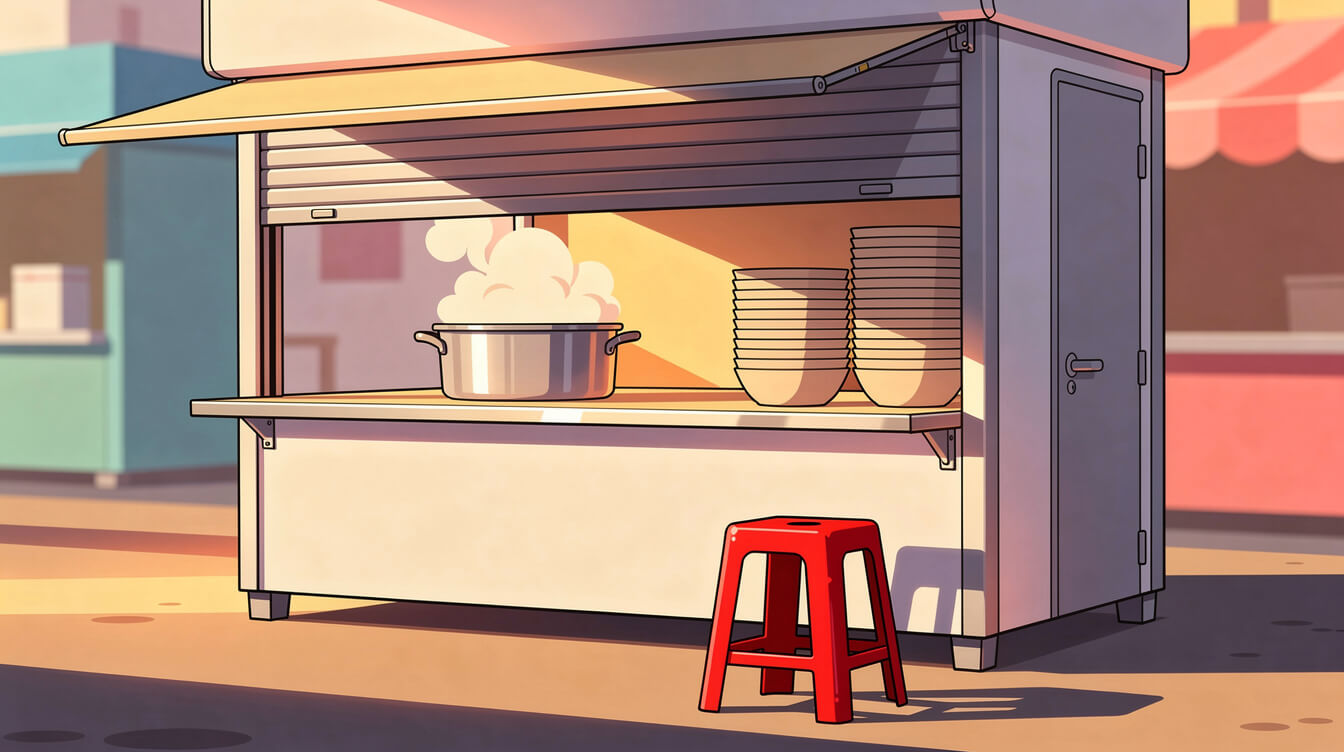
The market’s official hours are 5 pm to midnight, Monday through Sunday. There’s no market-wide closing day. That doesn’t mean every stall is open every night, though. Most vendors are small family businesses that take one regular day off, and the days vary from stall to stall. If there’s one dish you’re crossing town for, check that stall’s Google Maps listing (or its Facebook page) on the day.
Three Timing Rules That Matter
- Some stalls are daytime only. Nanjichang isn’t strictly a night market. Several vendors trade from late morning or afternoon, and the famous ba-wan stall is only open from about 1:30 to 4:30 pm. If you want it, arrive in the afternoon and stay for dinner.
- The headliners sell out. The clay-oven flatbread cart and the spring-roll shop both stop when they run out. Get to them early in your visit, not at the end.
- Early evening is the sweet spot. Between about 5 and 7 pm the night stalls are up and running and the after-work crowd hasn’t fully arrived. After 8 pm it gets busier and some popular items start disappearing.
Cash or Card?
Mobile payment has spread fast here. In September 2025 the market ran a promotion with LINE Pay, JKOPay, EasyWallet, Taiwan Pay and Apple Pay. But plenty of older stalls still prefer cash, and payment apps can be refused when something goes wrong (some stalls stopped taking JKOPay during that company’s troubles in July 2025). Bring a stack of NT$100 notes and coins, and you’ll never have a problem.
Weather
The canopy over the main lane means a rainy night isn’t a disaster, which counts for a lot in Taipei. The side lanes are more open. If a typhoon is coming, many stalls simply won’t open.
What to Eat at Nanjichang Night Market: The Savory Classics
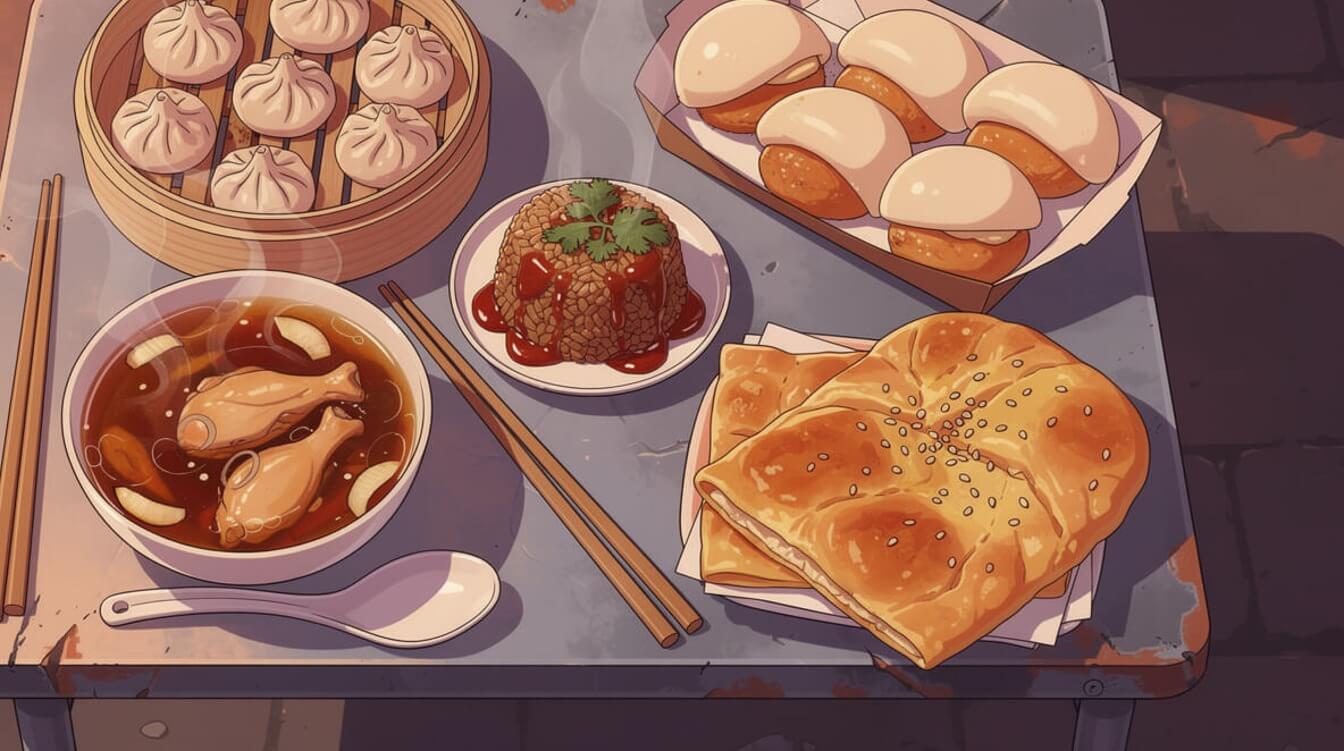
Here’s the honest Michelin picture first, because it’s where most guides go wrong. Nanjichang has had as many as seven stalls recommended over the years, and the market’s own Michelin page still lists six. The 2026 Bib Gourmand list, announced in July 2026, includes just two Nanjichang stalls. Other stalls dropped off in earlier years, and that doesn’t make their food worse. Bib Gourmand is the inspectors’ good-value shortlist, not a ranking of every great stall.
Unnamed Clay Oven Roll (無名推車燒餅) — 2026 Bib Gourmand
This pushcart has the longest queue in the market most evenings. Its name literally means “no-name cart flatbread.” It makes shaobing, flaky layered flatbreads that are cooked in oil and then baked against the wall of a clay oven, so they come out crisp, blistered and very hot. Michelin suggests the minced pork or the sugar filling. There are also scallion versions. You’ll find the cart toward the southern end of the main lane, around Lanes 311 to 315. Get there early, because it closes when the dough runs out. If you like flaky Taiwanese breads, our guide to Taiwan scallion pancakes explains how this whole family of layered pastries works.
Wu Wang Tsai Chi (吾旺再季) — 2026 Bib Gourmand
Wu Wang Tsai Chi makes runbing (潤餅), Taiwan’s fresh spring roll, at No. 29, Lane 313. It’s a thin wheat crepe wrapped around a pile of cooked vegetables, egg, pork and a generous shower of sweet peanut powder. It used to trade as Sung Ching (松青潤餅) and moved after the pandemic. The Bib went with it. It’s a cold, fresh, crunchy contrast to everything fried around it. Some guides list it as closed on Mondays and Tuesdays, so check before you go.
A-Nan Sesame Oil Chicken (阿男麻油雞)
A-Nan (No. 34, Lane 311) was on the Bib list in 2018 and 2019, and it’s still one of the market’s best-loved stalls. Its sesame oil chicken (麻油雞) is a dark, gingery broth made with toasted sesame oil and rice wine. You can order it with chicken, pork or offal. Taiwanese families eat it to warm up as the weather cools, which is exactly what our post on Lidong and sesame oil chicken covers.
Stinky Tofu Boss (臭老闆現蒸臭豆腐)
Stinky Tofu Boss held a Bib from 2018 to 2021 and has two shops, at No. 6, Lane 313 and No. 46, Lane 309. It serves steamed, spicy stinky tofu in a numbing broth rather than the deep-fried kind, and the whole menu is vegetarian. You choose your spice level on a paper order sheet, from not spicy up to very hot. If the smell is half the fun for you, our Stinky Tofu Stink King sticker is a cheerful tribute to Taiwan’s most divisive snack.
Changhua Ba-wan (南機場彰化肉圓)
This is the stall CNN made famous in 2012. Ba-wan are translucent, chewy dumplings made from a starch dough, filled with pork and bamboo shoots and served in a sweet-savory sauce. The stall is at No. 36, Lane 313 and is an afternoon operation (roughly 1:30 to 4:30 pm), and it often sells out before closing. For the dish’s backstory, see our ba-wan explainer.
Shan Nei Chicken (山內雞肉) and Dumpling Street
Shan Nei’s chicken rice, with whole slices of poached chicken over rice, has been Michelin-recognized in past years and is one of the busiest stalls near the Lane 307 entrance. Its original shop is inside the redevelopment site and plans to close, with business moving to its branches. Go soon if it’s on your list.
On Lane 309, three dumpling shops sit within a few doors of each other: A-Liang (阿亮水餃, No. 15), Hsiu Chang (秀昌水餃, No. 20) and Lai Lai (徠徠水餃). Locals call them the dumpling “three musketeers.” A-Liang plans to pause trading because of the redevelopment. The other two are quick, cheap and perfect for sharing.
Also Worth a Stop
Near the entrance, Xiaodi (曉迪筒仔米糕) makes tube rice pudding, sticky rice steamed in a tube and turned out under a sweet-savory sauce. It goes well with a bowl of lu rou fan. Master Yu (鈺師傅上海生煎包) does pan-fried buns with crunchy bottoms, and the pork-and-corn filling has a loyal following.
Sweets, Soups and Why Vegetarians Love Nanjichang
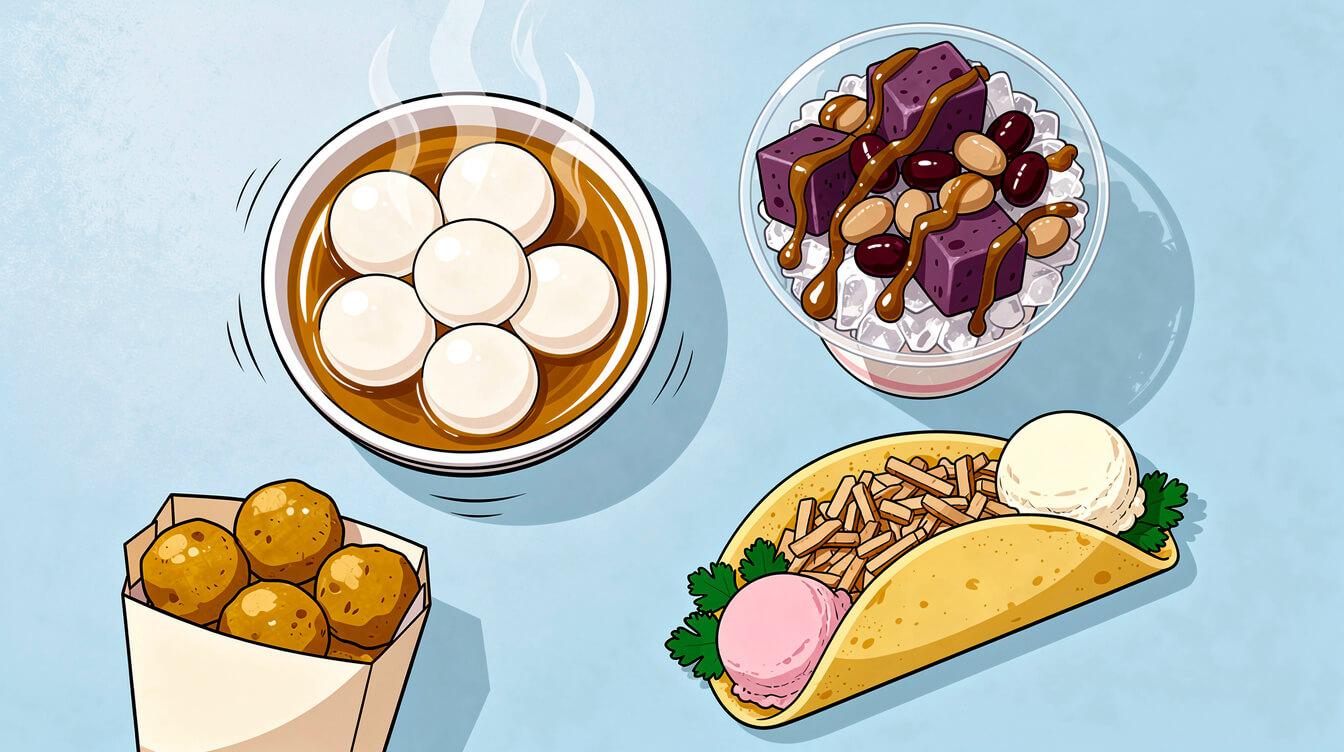
Save room, because the dessert stalls here are some of the oldest in the market.
Badong Tangyuan Soup (八棟圓仔湯)
Badong has been making sweet soups near the market entrance for around half a century. Its specialty is tangyuan, glutinous rice balls, served hot or iced in red bean soup, with sweet fermented rice wine and egg, or in lighter longan and snow-fungus soups. It’s especially busy around the winter solstice. Our tangyuan guide explains why Taiwanese families eat rice balls on that night.
Taro Shaved Ice and Peanut Ice Cream Rolls
Nanjichang Taro King (南機場芋頭大王) is a classic shaved-ice shop. Pile on soft taro, red beans, peanuts, jellies and tangyuan, and ask for ban tang (半糖, half sugar) if the brown sugar syrup is too much. A few stalls along the main lane make the northern Taiwan favorite peanut ice cream roll (花生捲冰淇淋): ice cream, shaved peanut brittle and a few sprigs of cilantro wrapped in a thin crepe. One stall, Roll Roll Village (捲捲村), swaps in a tiramisu-flavored version. It sounds strange and usually ends up being a group favorite.
Small Fried Things
Look for sweet potato balls (地瓜球), which puff up hollow and chewy as they’re pressed in hot oil, and egg cakes (雞蛋糕) poured into iron molds. Both are easy to carry while you walk, and both are on our list of essential night market foods.
A Good Market for Vegetarians
Nanjichang is one of the easiest night markets in Taipei for meat-free eating. Stinky Tofu Boss is fully vegetarian. A Buddhist vegetarian fried-food stall near Lane 313 (鮮菇道) does mushrooms and dozens of other items in a light crispy batter, but expect a long wait at peak times. Just outside the market on Lane 305, there’s a vegetarian mee sua (vermicelli soup) stall and a pay-by-weight vegetarian buffet. For the bigger picture on ordering meat-free in Taiwan, read our guide to vegan Taiwan and 素食 culture.

Wear the Whole Night Market Menu
Our Taiwanese Street Food Guide tee is a vintage-poster tribute to the snacks you’ll queue for at Nanjichang. It’s a great souvenir for anyone who’s eaten their way down a Taipei lane, and it works as a menu cheat sheet too.
A 90-Minute Nanjichang Night Market Plan for First-Timers

Nanjichang is compact enough to cover in an evening, but the queues and sell-outs reward a plan. Bring a friend or two and share everything, because small portions add up fast.
If You Can Arrive in the Afternoon (around 3:30 pm)
- Ba-wan first at Changhua Ba-wan on Lane 313, before it closes around 4:30.
- Walk ten minutes to the Taipei Botanical Garden and its lotus pond, or across to Youth Park, to make room.
- Come back at 5 pm for the evening plan below.
The Evening Plan (start around 5 pm)
- Join the flatbread queue at Unnamed Clay Oven Roll. It’s the most likely to sell out, so it comes first.
- Grab a runbing from Wu Wang Tsai Chi on Lane 313 and eat it while it’s fresh.
- Sit down for something hot. Pick between steamed stinky tofu at Stinky Tofu Boss and a bowl of sesame oil chicken at A-Nan on Lane 311.
- Share ten dumplings on Lane 309.
- Finish sweet with tangyuan at Badong or taro shaved ice at Taro King, then a peanut ice cream roll for the walk out.
That’s two Bib Gourmand stops, two former Bib stalls and two of the market’s oldest dessert shops in about 90 minutes. If you only have time for three, make them the flatbread, the runbing and either the stinky tofu or the sesame oil chicken.
Etiquette Tips
- At stalls with seating, sit down and order there. Don’t take a table at one stall to eat food from another.
- Many stalls use paper order sheets. Tick the boxes, write the quantity and hand it over. A translation app’s camera mode helps.
- Take a number card if you’re given one and circle back. Queues move faster than they look.
- Carry a small bag for your rubbish. Public bins are rare in Taipei, and stalls will usually take back their own bowls.
Nanjichang vs Taipei’s Other Night Markets (and What’s Nearby)

Should Nanjichang replace one of the big names on a short trip? Here’s how it compares.
| Market | Vibe | Best for | Getting there |
|---|---|---|---|
| Nanjichang | Neighborhood market in a housing estate, mostly locals | Sit-down classics, Bib Gourmand stalls, vegetarians | 15–16 min walk from Longshan Temple or Xiaonanmen MRT, or a bus |
| Shilin | Huge, busy, lots of shopping and games | A first-night spectacle | Jiantan MRT |
| Raohe | One long, crowded lane by Ciyou Temple | Pepper buns and a temple at the end | Songshan MRT |
| Ningxia | Compact and food-focused, central | A quick food crawl near Taipei Main Station | Walk from Zhongshan or Shuanglian MRT |
| Linjiang (Tonghua) | Local feel near Taipei 101 | Pairing with an evening in Xinyi | Xinyi Anhe MRT |
Our verdict: if you have two nights for markets in Taipei, do one big one and make Nanjichang the second. For a ranked overview, see our best night markets in Taipei guide and the island-wide Taiwan night market guide.
Pair It With These Nearby Stops
- Taipei Botanical Garden: a peaceful garden with a lotus pond that’s especially pretty in summer, on the walk from Xiaonanmen.
- Longshan Temple: Taipei’s most famous temple, about 16 minutes away on foot. Go at dusk, then walk to dinner.
- Youth Park (青年公園): a big green park right next to the market, good for walking off a second dessert.
- Ximending and Chiang Kai-shek Memorial Hall: both a short ride away. Our CKS Memorial Hall guide and one day in Taipei itinerary can help you build the rest of the day.
Frequently Asked Questions
Is Nanjichang Night Market open every day?
Yes. The market’s official hours are 5 pm to midnight, Monday to Sunday. Individual stalls take their own days off, and some only open in the afternoon, so check any must-try stall before you go.
Is Nanjichang Night Market being demolished?
Not as a whole. A redevelopment contract was signed on October 13, 2026 for the housing block covering roughly Lanes 307 to 311. Some stalls there plan to close, pause or relocate, and the city is planning a temporary market, but no demolition date has been announced. The rest of the market isn’t part of this project.
Which Nanjichang stalls are Michelin Bib Gourmand in 2026?
Two: Unnamed Clay Oven Roll (無名推車燒餅) and Wu Wang Tsai Chi (吾旺再季) runbing. Stinky Tofu Boss and A-Nan Sesame Oil Chicken were on earlier lists.
What’s the nearest MRT station?
For now it’s Longshan Temple (Exit 3) or Xiaonanmen (Exit 3), each about a 15–16 minute walk. Xiaan Station on the new Wanda line, right next to the market, is expected to open in 2027.
Is Nanjichang good for vegetarians?
Very. Stinky Tofu Boss is fully vegetarian, there’s a Buddhist vegetarian fried-food stall, and there’s a vegetarian mee sua shop and buffet just outside the entrance.
Do I need cash?
Bring some. Many stalls now take LINE Pay, JKOPay, Taiwan Pay or Apple Pay, but older stalls often prefer cash, and coins and NT$100 notes make everything faster.
How long should I spend there?
About 90 minutes to two hours is enough for a good crawl. Add an hour if you want to catch the afternoon ba-wan stall too.
Final Thoughts: Eat Here While the Lanes Still Look Like This
Nanjichang Night Market started as dinner for an airfield turned housing estate, and more than half a century later it still feeds that neighborhood first. That’s what makes it special. You get flatbreads pulled from a clay oven by a cart with no name, spring rolls heavy with peanut powder, stinky tofu that happens to be vegetarian, and sweet soups from a shop that’s been ladling them for decades.
The October 2026 redevelopment means the northern lanes will look different in a few years. Some stalls will move, and a few may not come back. Go hungry, go early, share everything, and say hi to the aunties and uncles who’ve kept this corner of Taipei cooking.
A Postcard From Taiwan, Every Week
Night markets, street food, temple stories and the little Taiwan traditions worth knowing, sent straight to your inbox. No spam, and you can unsubscribe anytime.
Grab a Free Taiwan Sticker!
Drop your email and we’ll send you a limited-edition Taiwan sticker — plus insider access to new merch drops and island vibes.
No spam. Unsubscribe anytime.