Din Tai Fung Taiwan: The Ultimate Visitor Playbook for Every Taipei Location
The line outside Din Tai Fung Taiwan starts forming on Xinyi Road before the doors open, and by 11:30 it curls halfway down the block. Tourists check their LINE tickets. Locals stand shoulder-to-shoulder debating whether the fried rice is really the best in Taipei. Somewhere inside, a chef is folding a xiaolongbao with exactly eighteen pleats — no more, no less. This is the flagship restaurant of a global dumpling empire, and the reason forty million people a year eat here worldwide.
But there is a problem. Nearly every English-language article about Din Tai Fung in Taiwan is either the official brand page (which cannot legally recommend one location over another), a Wikipedia entry (which cannot tell you which branch is least crowded on a Tuesday at 2pm), or a Reddit thread (which will tell you six different things at once). What you actually need is a visitor’s playbook — a locals-informed guide that walks you through the origin story, ranks all six Taipei locations honestly, decodes the menu beyond xiaolongbao, cracks the waitlist system, and answers the only question that really matters: is Din Tai Fung still worth it?
This is that guide. Buckle up.
The Yongkang Street Origin Story: How a Cooking Oil Shop Became a Global Empire
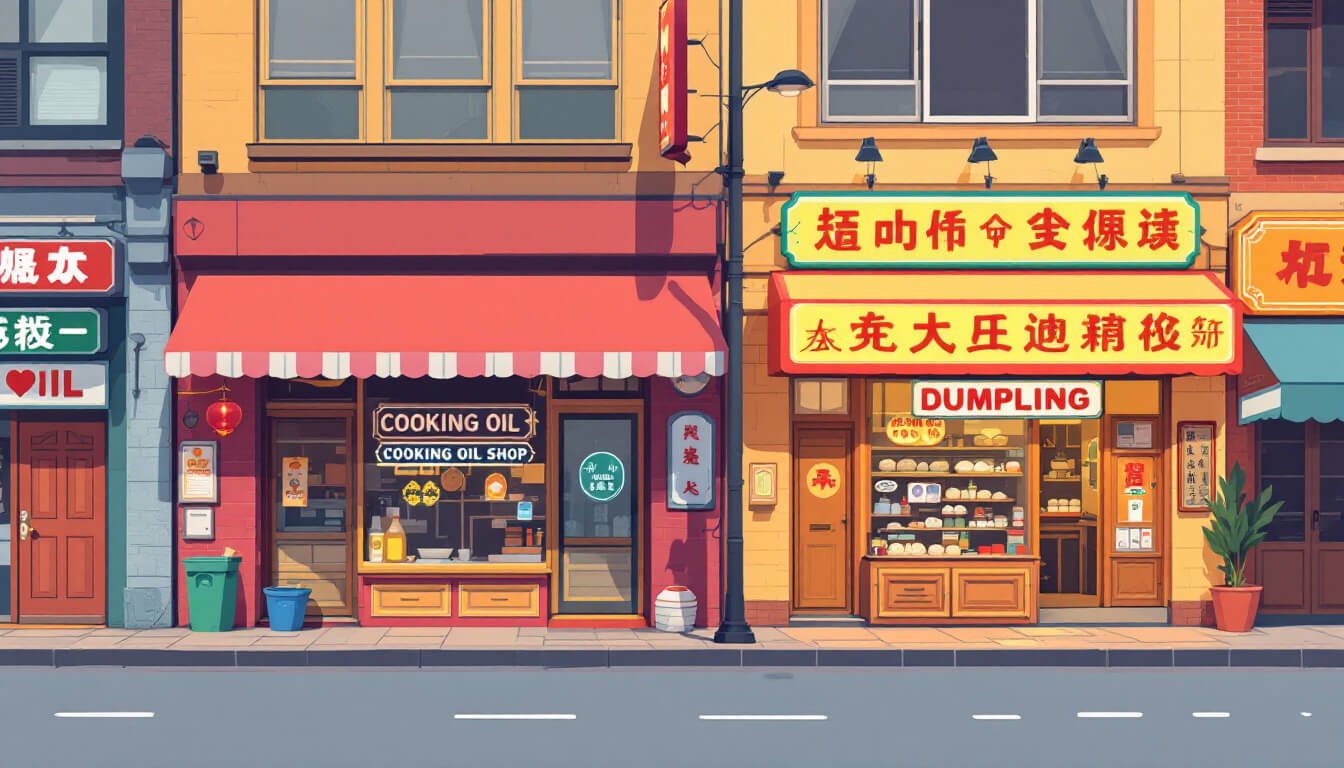
Din Tai Fung did not begin as a restaurant. In 1958, a young immigrant from Shanxi Province named Yang Bingyi opened a small storefront on Xinyi Road selling cooking oil under a brand called Heng Tai Fung. Business was steady until the 1970s, when bottled oil from grocery chains gutted the retail-oil trade almost overnight. Yang had a family to feed and half a shopfront going to waste. His wife suggested they try steamed dumplings on the side. That side hustle would go on to earn a Michelin star.
The name “Din Tai Fung” itself is a fusion — “Din” from Din Mei Oils, Yang’s original distributor, and “Tai Fung” from Heng Tai Fung, his own brand. By 1980 the family had abandoned oil entirely and gone all-in on xiaolongbao, the delicate Shanghai-style soup dumpling that would become their trademark. By 1993 the New York Times had named the Xinyi Road flagship one of the top ten restaurants in the world.
The turning point was not the review, though. It was Yang’s obsession with process. He weighed every dough ball. He counted the pleats. He standardized every step, from broth clarification to steaming time, so that a xiaolongbao made on a Tuesday in Taipei would be indistinguishable from one made on a Saturday in Sydney. That obsessive consistency is why Din Tai Fung has expanded to over 170 locations across 13 countries without ever collapsing under franchise entropy. When you eat here in Taiwan, you are eating at the source — the exact address where the whole thing started, still run by Yang family descendants.
All 6 Taipei Locations Ranked by Wait Time, Vibe, and Menu Access
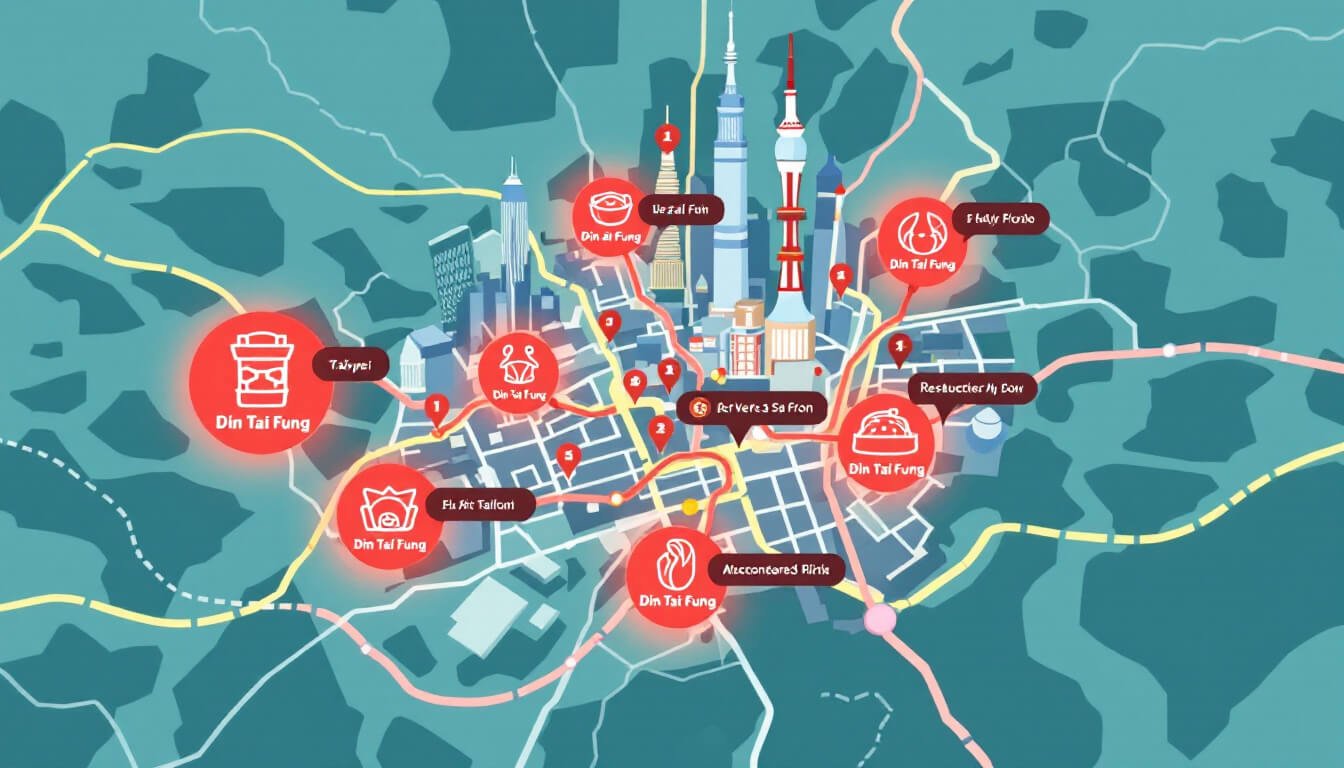
Din Tai Fung has six branches inside Taipei proper, and they are not created equal. Here is the honest breakdown, ranked from most-worth-your-time to least, based on menu availability, wait times, and atmosphere.
1. Xinyi Road (信義路本店) — The Michelin-Starred Original
Address: 194 Xinyi Road Sec 2, Da’an District. Nearest MRT: Dongmen (5 min walk). This is the mothership — the 1958 storefront, still operating on the same block. It holds the Michelin star. It is also the most crowded, especially between 11:45 and 14:00. Waits of 60–90 minutes are normal on weekends. Come for the pilgrimage, not the shortcut.
2. Taipei 101 B1 (台北101店) — The Tourist Trap Done Right
Located in the basement food court of Taipei 101, this branch feeds an unrelenting stream of international visitors. The upside: efficient turnover, English menus with photos, waits are shorter than the flagship (30–45 min at peak). The downside: no natural light, and locals will tell you the flagship has a slightly better texture. Convenient if you are already at the tower.
3. Xinyi A4 (信義A4店) — The Locals’ Pick
Tucked inside the Bellavita luxury mall on Songren Road, this branch has the shortest average wait of any Taipei DTF (often under 30 minutes) and the cleanest, most modern interior. The menu is identical to the flagship. This is the branch to hit if you value your time.
4. Dunhua South Road (敦南店)
A quieter neighborhood location in the leafy Dunhua area, popular with locals doing lunch. Wait times are moderate (20–40 min). Good option if you are already in the area for Eslite Bookstore or the Dunhua design district.
5. Nanxi (南西店)
Inside the Mitsukoshi department store near Zhongshan MRT. Reliable, slightly less-visited than the Xinyi branches, and easier to combine with Zhongshan District shopping. Wait times usually 30 minutes or less on weekdays.
6. Fuxing (復興店)
The newest of the Taipei branches, inside SOGO Fuxing. Fine for what it is, but nothing special — treat this as a backup if the others have runaway waits.
If you can only visit one, pick the Xinyi Road flagship for the history or Xinyi A4 for the sanity. Both serve the exact same food. What differs is the room, the crowd, and how much of your afternoon you are willing to lose to the line.
The Michelin-Starred Flagship: What the Star Actually Means (18 Folds and All)
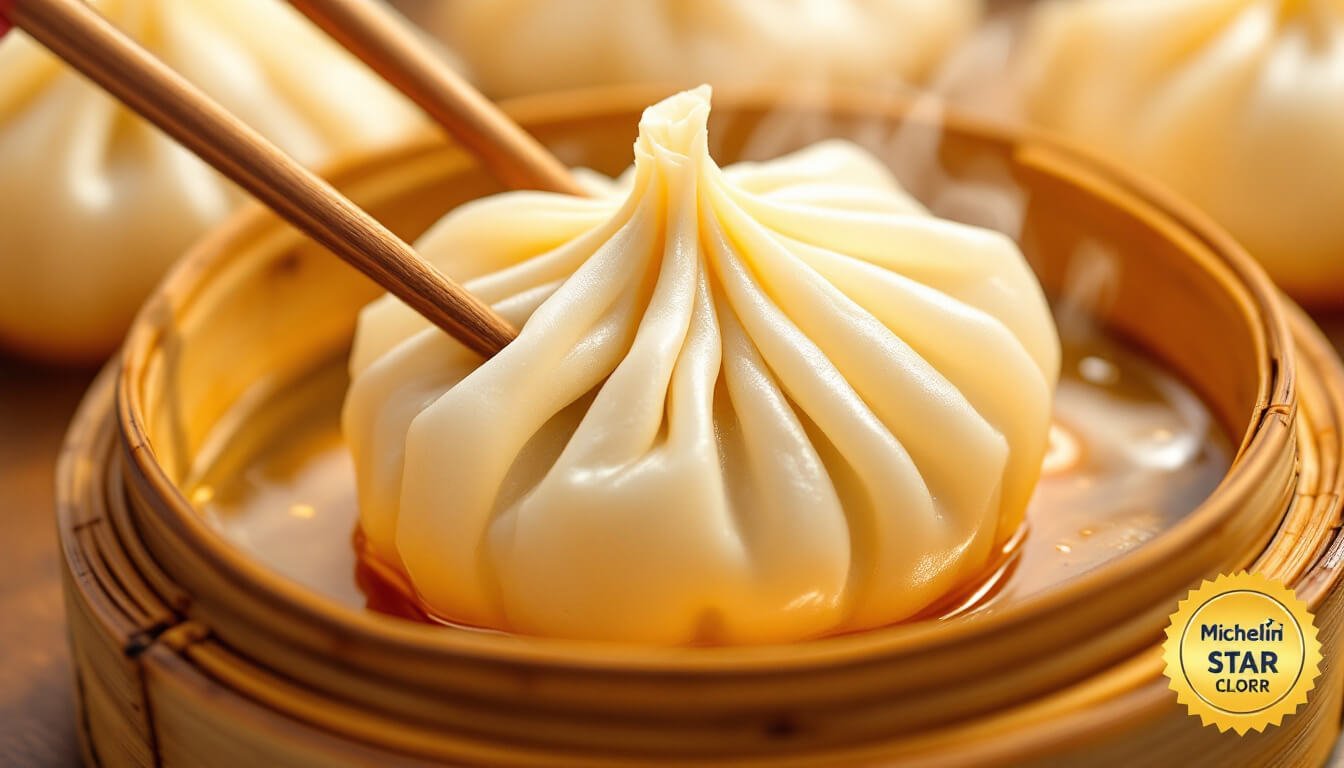
The Michelin Guide first awarded Din Tai Fung Xinyi Road a one-star rating in 2018, and it has retained the star every year since. Understanding what that star signifies — and does not — is key to setting your expectations.
Michelin stars historically go to fine-dining restaurants with elaborate tasting menus, extensive wine lists, and formal service. Din Tai Fung has none of that. It has cafeteria-bright lighting, communal tables, and menus that arrive on plastic order slips you fill out with a pencil. The star is a recognition of something rarer: obsessive craft in a casual setting. The Michelin inspectors specifically praised the consistency, the technique, and the transparency (the dumpling kitchen is visible through a glass wall) as elements normally seen only in top-tier fine dining.
Then there is the eighteen-pleat rule. Every xiaolongbao served at Din Tai Fung must have exactly eighteen folds at the top. Not seventeen. Not nineteen. The number was chosen after years of testing as the optimal count for structural integrity, steam distribution, and appearance. Trainees at DTF spend months learning to hit eighteen consistently before they are allowed to fold for paying customers. Each finished dumpling must also weigh 21 grams (plus or minus 0.2 grams) with a skin no thicker than 2.5 millimeters. There are quality-control staff who weigh finished dumplings at random and reject the whole batch if standards slip.
The star, in other words, is for that engineering. It is not a promise of a life-changing meal — it is a promise that the meal will be exactly what the Yang family intends, every single time. That kind of consistency is its own kind of art, and it is genuinely worth experiencing at least once. For more context on why Taiwan punches so far above its weight in Michelin recognition, see our complete guide to the Taiwan Michelin Guide.
How to Order at Din Tai Fung: Menu Breakdown Beyond Xiaolongbao
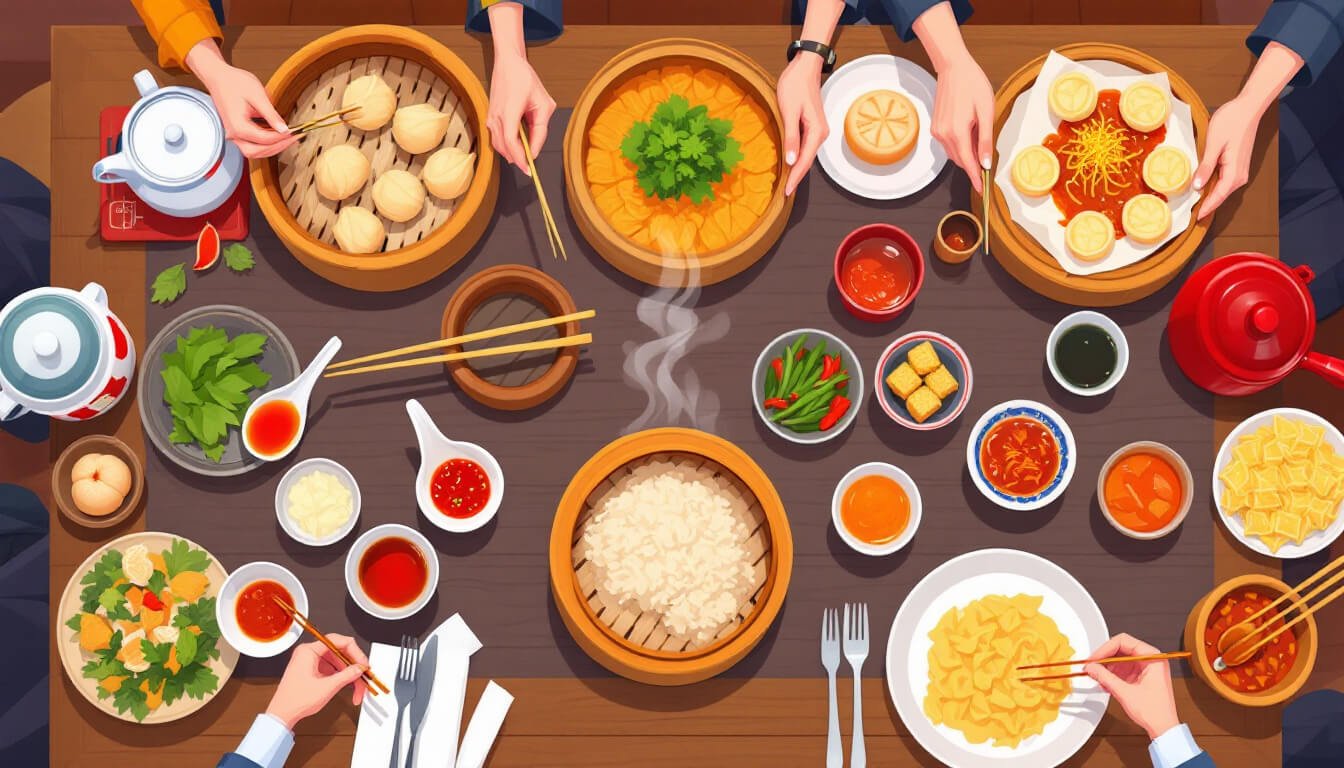
Everyone orders xiaolongbao. Here is what to order alongside them so that your table looks — and eats — like the ones the locals build.
The Non-Negotiables
- Pork Xiaolongbao (小籠包) — the flagship item. Order one steamer per person minimum. Bite a small hole, sip the broth, then eat the dumpling.
- Truffle & Pork Xiaolongbao — the upgrade. Costs about triple, worth it once. The black-truffle version was added in 2010 and is now a signature.
- Shrimp & Pork Wontons in Spicy Sauce (紅油抄手) — DTF’s chili oil is the best-kept secret on the menu. The heat is warm, not aggressive.
The Rice, Noodle, and Side Dishes That Change Everything
- Egg Fried Rice with Shrimp (蝦仁蛋炒飯) — a Cantonese-technique fried rice that locals argue is better than most dedicated fried-rice restaurants in Taipei. Individual grains, wok hei, no clumping.
- Braised Beef Noodle Soup (紅燒牛肉麵) — surprisingly excellent. If you are curious about the dish, our Taiwan beef noodle soup guide explains why the version DTF serves is a respectful nod to the national dish rather than a definitive version.
- Green Vegetables with Garlic (蒜蓉青菜) — usually A-choy or spinach. Balances the pork-heavy rest of the table.
- Cucumber Salad in Sesame Sauce — a cold starter you should order immediately when you sit down.
The Sweet Ending: Red Bean Bun Off-Menu
Save room for the red bean bun (豆沙小包) — a soft, warm dessert bun with sweet red-bean paste that DTF makes better than any traditional Chinese bakery in Taipei. It is on the menu, but you will need to know to ask because it is buried near the bottom under desserts. Locals order it every visit.
Ordering Etiquette
You fill out the order slip yourself at your table with a pencil. Quantities are per steamer, not per piece — one steamer of xiaolongbao is 10 pieces. Servers will bring hot ginger slivers, vinegar, and soy sauce as your dipping condiments; mix 3 parts vinegar to 1 part soy with a pile of ginger for the classic DTF ratio.
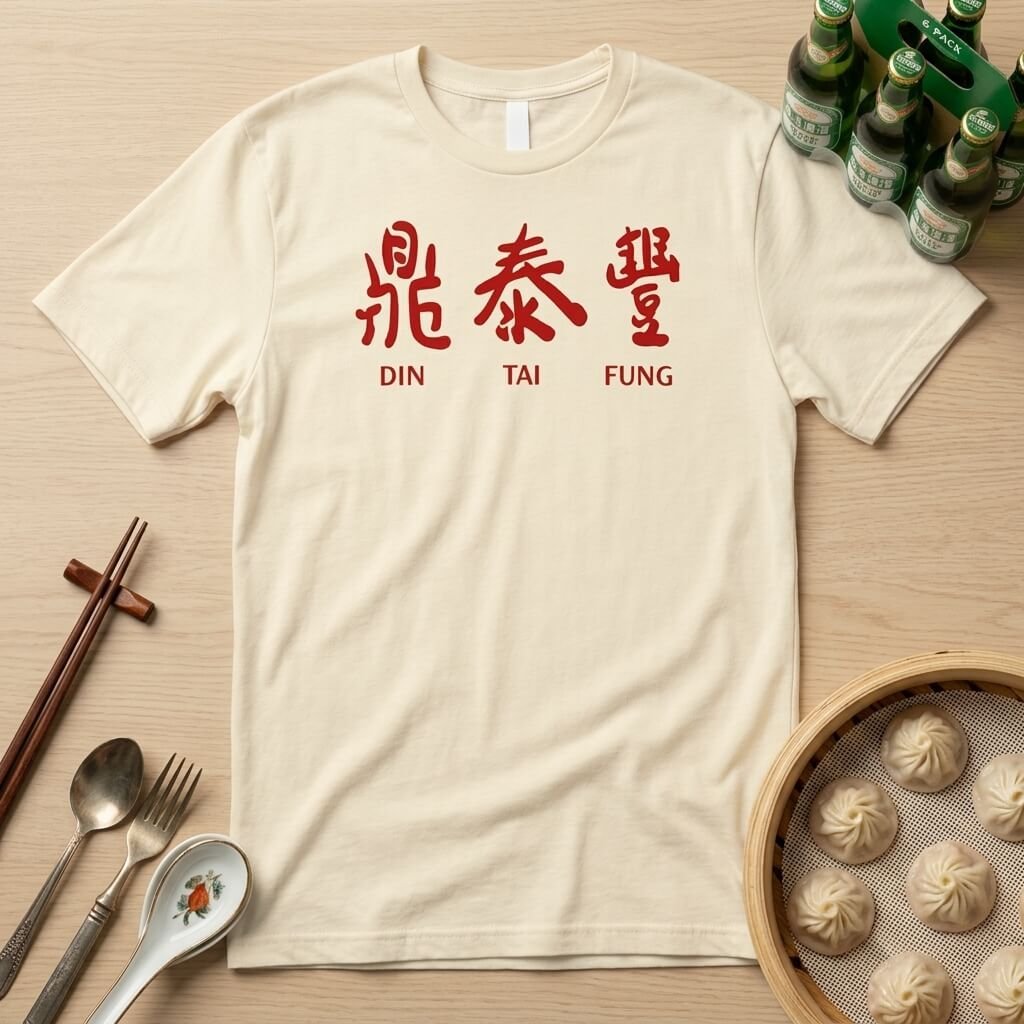
Wear the Legend Home
Bring the Yongkang Street pilgrimage back with you. Our Din Tai Fung Chinese Characters Red Typography Tee is bold Taiwanese street-food pride in wearable form — 24.99 and shipped worldwide.
The Wait List Playbook (LINE App, Best Times, Off-Peak Windows)

The single biggest barrier between you and a xiaolongbao is the wait. Here is how to actually beat it.
Use the LINE App to Book Remotely
The Xinyi Road flagship and the Taipei 101 branch both accept remote queue tickets through the Taiwanese messaging app LINE. Add the “Din Tai Fung” official account (available via QR code on their website) and you can pull a virtual queue number from your hotel before you leave. It usually cuts 30–45 minutes off the physical wait, because you arrive at the restaurant already in line. You still need to check in physically about 15 minutes before your slot, so plan accordingly.
Time Your Visit Like a Local
- Best window: Weekdays 14:30–17:00. This is the dead zone between lunch and dinner. Waits often drop to zero at the Xinyi A4 and Nanxi branches.
- Second-best: Weekdays before 11:15 or after 20:30. The flagship opens at 11:00; if you are the first party in the door, you skip the entire lunch rush.
- Avoid: Weekends between 11:30 and 14:00, and public holidays entirely. Waits regularly exceed 2 hours.
Solo Diners Skip the Line
All Taipei DTF branches have a limited number of single-diner counter seats. If you are eating alone, tell the host — you may be seated in 5–10 minutes even when the standard wait is an hour. Solo diners are unofficially preferred for turnover reasons, and staff will happily seat you at the counter overlooking the dumpling kitchen (which is the best seat in the house anyway).
Prices Then and Now: Is Din Tai Fung Still Worth It for Visitors?

The honest answer: yes, but with caveats. Din Tai Fung is significantly more expensive than a neighborhood dumpling shop in Taipei. A standard basket of ten pork xiaolongbao costs around NT$260 (about US$8.50) in 2026 — roughly triple the price of a comparable dumpling at a hole-in-the-wall like Hangzhou Xiaolongbao a few blocks away. A typical two-person meal (two xiaolongbao steamers, one wonton dish, one fried rice, one vegetable, tea) runs NT$1,100–1,400 (US$36–45).
For comparison, that same NT$1,200 could buy you three sets of the best beef noodle soup in Taipei, or roughly 25 dumplings at a night-market stall. The premium at Din Tai Fung is not for the ingredients — it is for the engineering, the training, the consistency, and the room. It is also for the story: eating at the Xinyi Road flagship is the closest experience Taiwan offers to eating in the exact space where a global culinary institution began.
If you are visiting Taipei for the first time, budget one Din Tai Fung meal into your trip. Skip it entirely and you will always wonder. Eat there three times and you will start noticing you are paying tourist prices for the same technique executed just as well at half the price down the street. One visit, done properly, is the sweet spot. For a broader sense of Taiwan’s most iconic dishes and where to find them, see our Famous Food in Taiwan guide.
Din Tai Fung vs the Taipei Alternatives (When to Skip It)
Din Tai Fung is not the only game in town, and locals happily recommend alternatives when the wait feels unreasonable. Understanding the alternatives helps you decide when DTF is worth the queue and when it is not.
Hangzhou Xiaolongbao (杭州小籠湯包)
Two blocks south of DTF Xinyi Road, on Hangzhou South Road. Local-favorite, cash-only, no reservations. The xiaolongbao are slightly thicker-skinned than DTF’s but the soup is fuller and the price is roughly 60 percent less. Wait times are shorter (15–25 min) because it does not attract the tourist crowd. If you want the neighborhood dumpling experience rather than the Michelin one, come here.
Din Yuan (鼎元豐)
A slightly cheaper, family-run alternative on Yongkang Street itself. Similar Shanghainese menu, more casual room, no Michelin star. Locals debate whether Din Yuan is a legitimate rival or a shameless coattails play — you can decide for yourself.
Local Neighborhood Dumpling Shops
Every neighborhood in Taipei has its own dumpling shop. Ask your hotel front desk for their favorite and you will often eat something excellent for NT$80. This is not a substitute for the DTF experience — it is a different experience entirely, and both belong in a well-rounded Taipei food trip. For more context on planning a food-focused visit, our guide to Things to Do in Taipei covers where the food neighborhoods cluster.
If You Only Have One Meal in Taipei, Should It Be Din Tai Fung?

Probably not — but it deserves to be a close second.
If Taipei were giving you exactly one meal, we would nudge you toward beef noodle soup at a legendary shop like Yong Kang Beef Noodle, or oyster omelette from a proper night-market stall, or the whole 3-hour night-market wander itself. Those are dishes and experiences you cannot get outside Taiwan. Din Tai Fung, by contrast, has 170 locations worldwide. You can eat their food in Sydney, in Seattle, in Seoul.
What you cannot get anywhere else is the Xinyi Road flagship — the actual room where a cooking-oil shop became a global empire, where the Yang family still tests recipes, and where the Michelin star hangs. That specific location, that specific pilgrimage, is worth an hour of your Taipei trip even if you have eaten DTF a dozen times back home. The food will taste the same. The context will not.
Our recommendation for a first-time visitor with three days in Taipei: one Din Tai Fung meal at the flagship (make it lunch, arrive at 11:00 sharp), one beef noodle soup, one night-market grazing session, one bubble tea from where it was invented in Taichung. That set of four meals covers Taiwan’s culinary DNA more honestly than any single restaurant ever could. Din Tai Fung earns its slot in that lineup — not as the summit of Taiwanese food, but as the most polished representation of what happens when Taiwanese hospitality meets obsessive craft.
Now go get in line. Bring a Michelin appetite and a LINE ticket.
Get More Taiwan in Your Inbox
Weekly stories from Taiwan’s food, culture, and design underground — plus early access to limited-edition Taiwan Merch drops. No spam, ever.
Grab a Free Taiwan Sticker!
Drop your email and we’ll send you a limited-edition Taiwan sticker — plus insider access to new merch drops and island vibes.
No spam. Unsubscribe anytime.