Ximending Night Market Taiwan: The Complete Guide to Taipei’s Trendiest Food and Shopping District
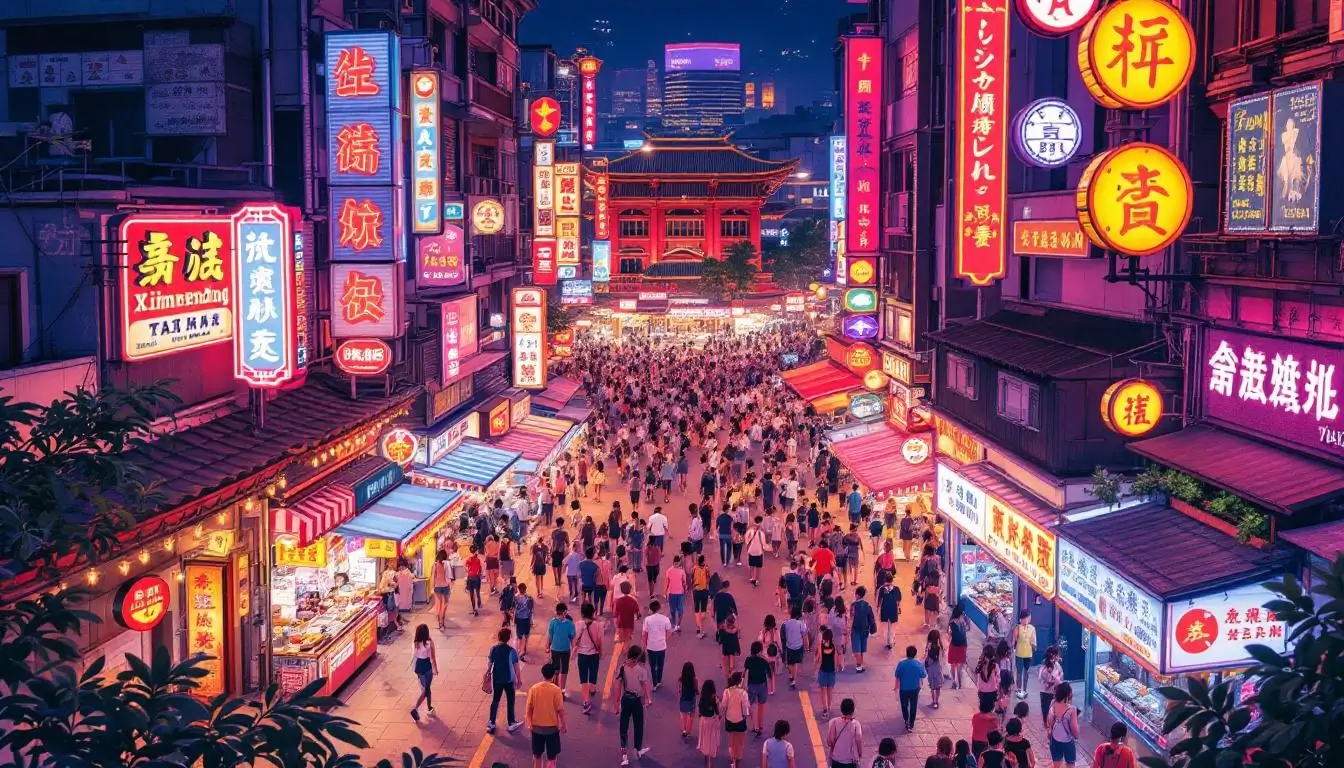
If Taipei had a beating heart of youth culture, neon lights, and sizzling street food, it would be the Ximending night market in Taiwan’s capital city. Tucked into the historic Wanhua District, Ximending isn’t your typical night market — it’s an entire pedestrian neighborhood that transforms into a dazzling open-air food and entertainment wonderland every single evening. And honestly? It might be the most fun you’ll have on two feet anywhere in Taiwan.
While tourists flock to Shilin for its sheer size and Raohe for its concentrated food power, Ximending delivers something entirely different: a mashup of Japanese colonial history, Harajuku-level street fashion, Instagram-worthy graffiti walls, LGBTQ+ nightlife, and some of the most legendary street eats in all of Taipei. Whether you’re hunting for the perfect bowl of mian xian, exploring vintage record shops, or simply soaking in the electric atmosphere, this guide covers everything you need to know about visiting the Ximending night market in Taiwan.
What Makes Ximending Night Market Taiwan’s Trendiest After-Dark Destination
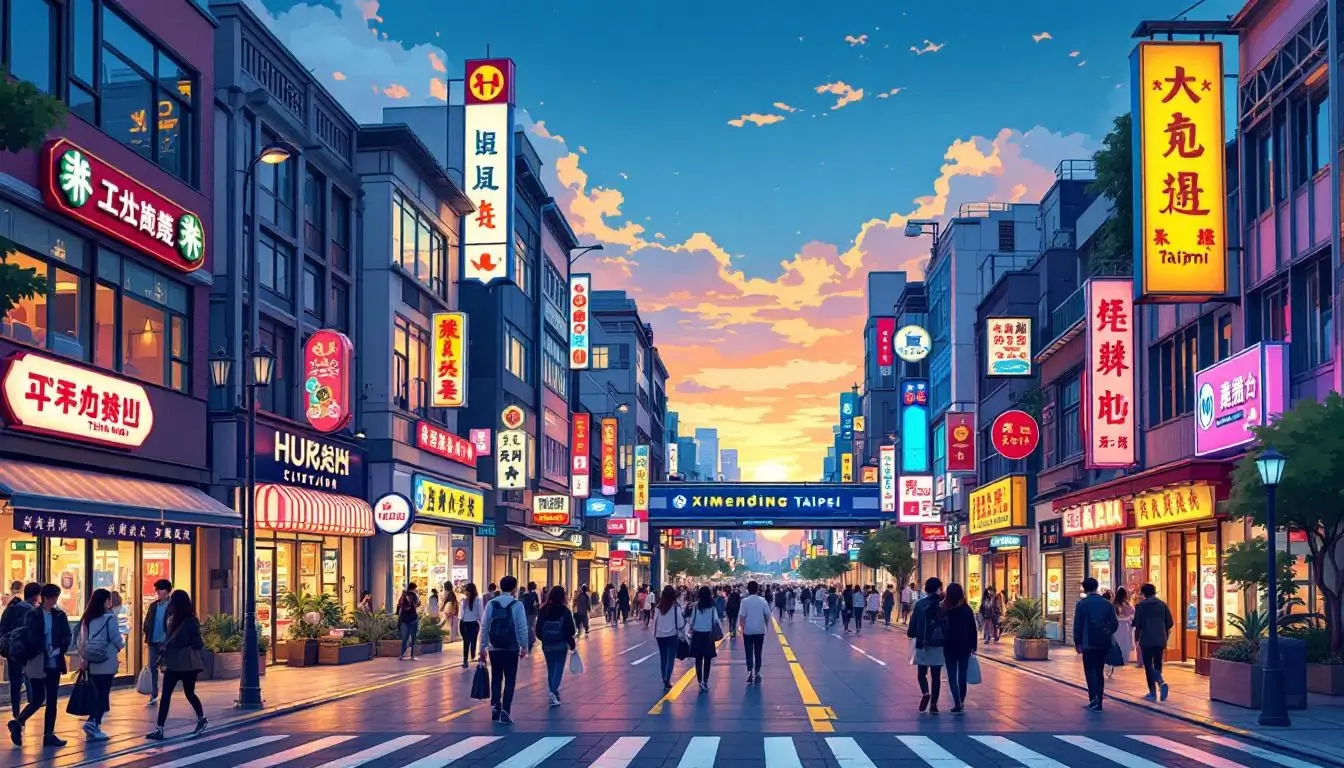
Ximending (西門町, literally “West Gate Town”) has been the center of Taipei’s youth culture for over six decades. Named after the western gate of old Taipei’s city walls during the Qing Dynasty, the area was developed by Japanese colonizers in the early 1900s as a leisure district modeled after Tokyo’s Asakusa entertainment quarter. The Japanese built theaters, tea houses, and public markets here — and that entertainment DNA has never left.
In 1961, Ximending became Taiwan’s very first pedestrian zone, decades before most Asian cities even considered the concept. The car-free streets allowed the area to evolve into a street performer’s paradise and an open-air bazaar that buzzes from mid-afternoon until well past midnight. Today, Ximending spans roughly 20 blocks of pedestrian-friendly lanes packed with over 800 shops, restaurants, street food vendors, and entertainment venues.
What sets the Ximending night market apart from traditional Taiwanese night markets is its hybrid identity. Yes, you’ll find incredible street food here — we’ll get to that — but you’ll also discover indie boutiques, cosplay cafés, vintage vinyl shops, tattoo parlors, Korean-style photo booths (purikura), and one of Asia’s most vibrant LGBTQ+ nightlife scenes centered around the historic Red House. It’s a place where Taipei’s creative class, international tourists, local teenagers, and food obsessives all converge in happy, neon-lit chaos.
The vibe is distinctly younger and more cosmopolitan than markets like Ningxia or Raohe. Think of Ximending as Taipei’s answer to Tokyo’s Shibuya or Seoul’s Hongdae — a neighborhood that happens to have spectacular night market food woven into every block.
The Best Food at Ximending Night Market: 12 Must-Try Street Eats
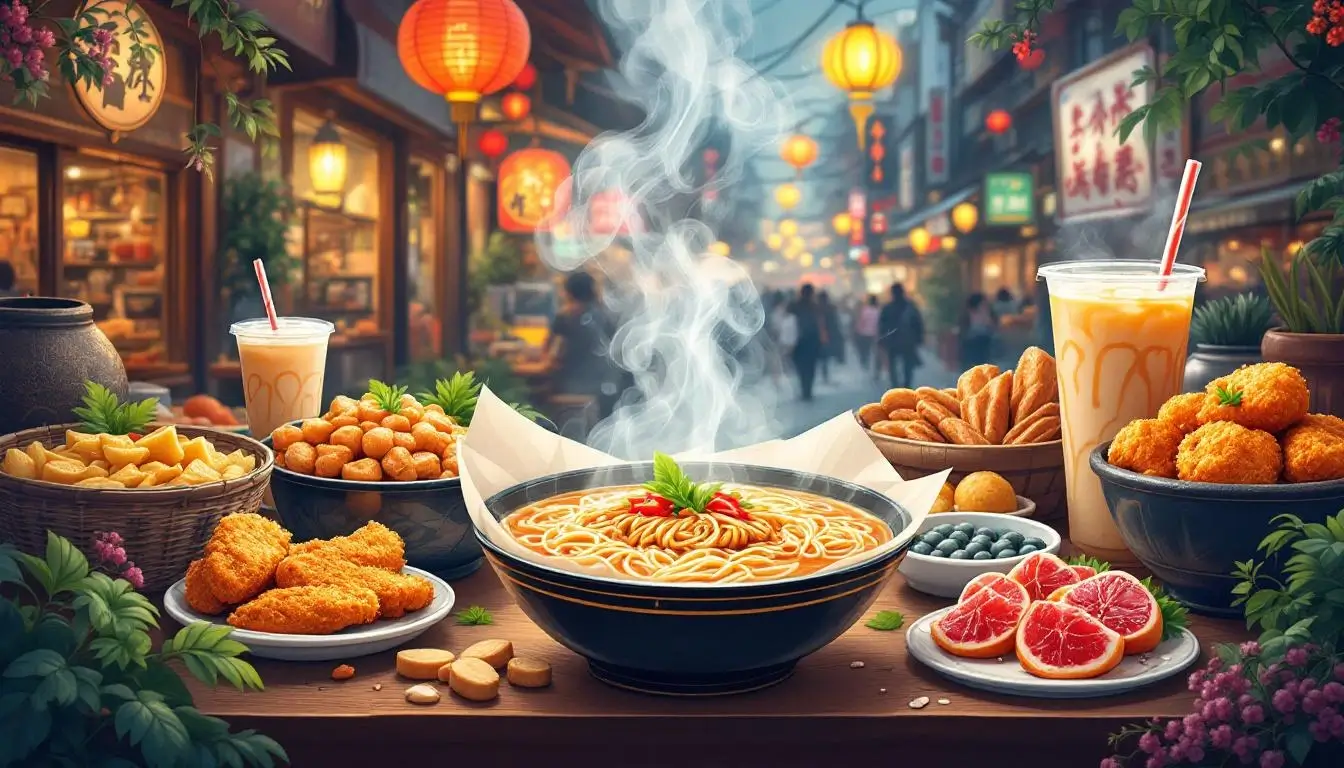
Let’s be real — you’re probably here for the food. The Ximending night market in Taiwan delivers some of Taipei’s most iconic bites alongside creative newcomers you won’t find anywhere else. Here are the essential eats, mapped out so you can maximize your stomach’s capacity.
Ah-Chung Mian Xian (阿宗麵線)
This is Ximending’s single most famous food stall, and for good reason. Ah-Chung has been ladling out bowls of flour rice noodle soup since 1975 — nearly 50 years of perfecting a single dish. The thin vermicelli noodles swim in a thick, savory broth thickened with bonito stock and topped with tender braised pork intestines. A large bowl costs around NT$65, and you eat it standing on the sidewalk alongside dozens of other happy slurpers. The line looks intimidating but moves fast. Pro tip: get the large with extra chili sauce and a splash of black vinegar.
Monga Fried Chicken (艋舺雞排)
After the original Hot-Star Ximending location closed, Monga stepped up as the area’s reigning fried chicken champion. Their cutlets are enormous — easily larger than your face — and come in around ten different flavor dusts including seaweed, plum, pepper, and cheese. The chicken is marinated for hours, double-coated, and fried to a shattering crunch. NT$75-90 depending on the flavor. Come hungry.
Chengdu Starfruit Ice (成都楊桃冰)
Operating since 1966, this corner shop serves exactly one thing: starfruit ice drinks. The sweet-sour-salty starfruit juice is blended with shaved ice into an impossibly refreshing slushie that costs just NT$45. On a humid Taipei evening, this is liquid gold. The shop is easy to spot — just look for the bright yellow signage and the perpetual crowd.
Lao Tian Lu (老天祿)
Ximending’s legendary braised snack shop has been operating near the Red House since 1953. Their specialty is lu wei — braised delicacies simmered in a decades-old spiced soy broth. Duck tongues, chicken feet, tofu, kelp, and pig ears are the classics. It’s the ultimate Taiwanese bar snack and pairs perfectly with a Taiwan Beer from the convenience store next door. Prices start at NT$50 per item.
365 Taiwan Xiao Chi (365台灣小吃)
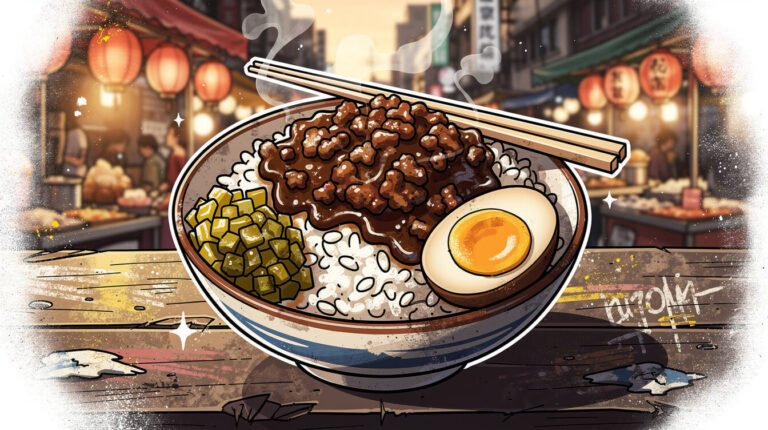
For comfort food that won’t break the bank, this humble spot serves braised pork rice (lu rou fan) for just NT$35 — arguably the cheapest quality bowl in all of Taipei. Add a side of blanched greens and a bowl of miso soup and you’ve got a complete meal for under NT$100. The pork is slow-braised until meltingly tender with the perfect balance of soy, five-spice, and caramelized shallots.
Tiger Sugar and Bubble Tea Alley
Ximending is ground zero for Taipei’s bubble tea scene. Tiger Sugar, 50 Lan, Chen San Ding, and Jen Ju Dan all have outposts here within a few blocks of each other. Tiger Sugar’s brown sugar boba with fresh milk — with those dramatic tiger-stripe swirls down the cup — remains one of the most photographed drinks in Taiwan. Expect to pay NT$65-85 per drink and budget extra time for the inevitable line.
More Essential Bites
Round out your Ximending food crawl with these heavy hitters:
- Ximen Noodle (西門麵店) — Open 24 hours. Handmade wontons in a rich pork broth. Perfect for a post-midnight fuel-up.
- Ay-Chung Stinky Tofu — Deep-fried stinky tofu served with pickled cabbage and sweet chili sauce. The crunch-to-funk ratio is immaculate.
- Modern Toilet Restaurant — Yes, the food comes in toilet-shaped bowls. It’s as ridiculous as it sounds and the curry rice is actually good.
- Pepper Biscuits (胡椒餅) — Flaky clay-oven baked buns filled with seasoned pork and scallions. Similar to what you’d find at Raohe Night Market but with shorter lines.
- Wheel Cake (車輪餅) — Crispy on the outside, filled with red bean, custard, or taro cream. A NT$15 dessert that punches way above its price.
- Grilled Squid on a Stick — Brushed with a sweet soy glaze and grilled over charcoal until slightly charred. The ocean-meets-caramel flavor is addictive.
Shopping, Street Art, and Pop Culture in Ximending
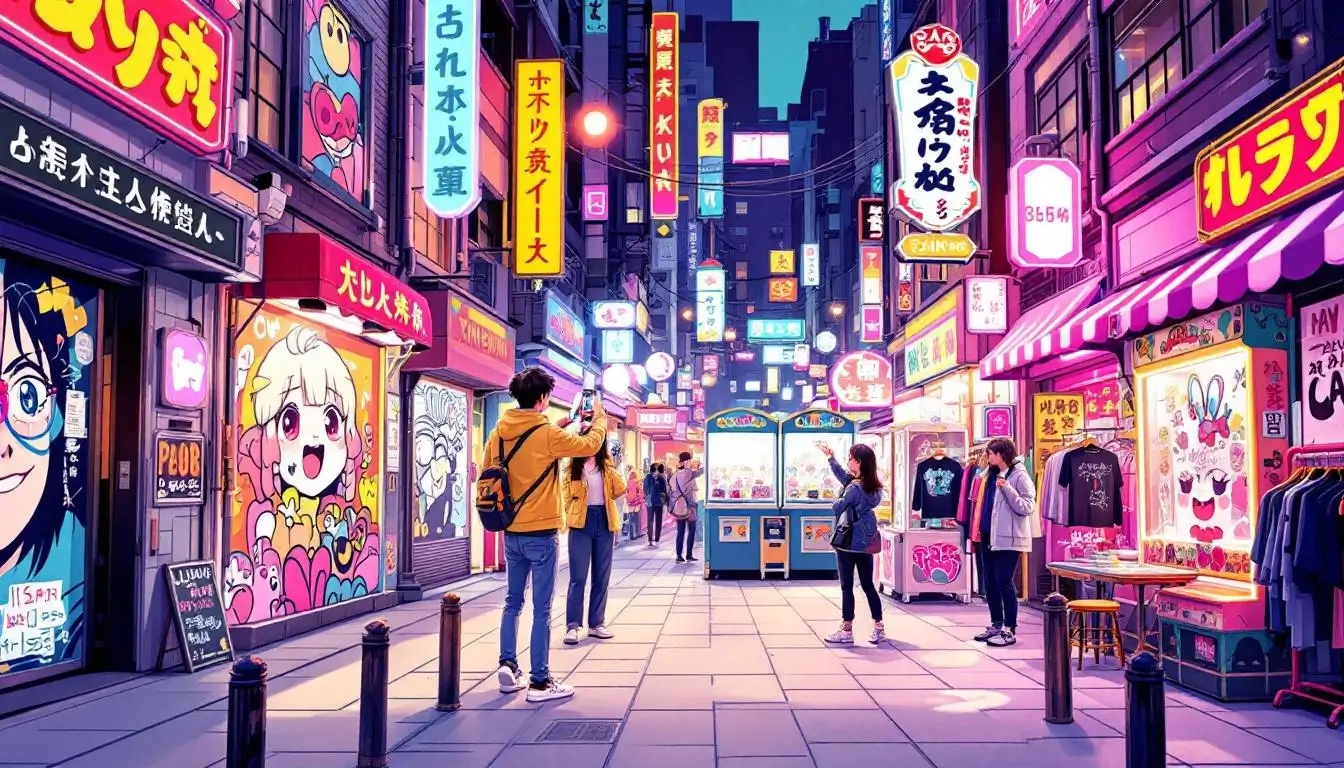
The food is spectacular, but Ximending’s cultural energy is what truly sets it apart from every other night market in Taiwan. This neighborhood is a living canvas of Taiwanese pop culture, and exploring its non-food offerings could easily fill an entire afternoon and evening.
Street Art and Graffiti
Ximending is home to Taipei’s most concentrated street art scene. The alleyways between Kunming Street and Chengdu Road are an ever-rotating gallery of murals, stencils, and large-scale graffiti pieces. International artists regularly contribute alongside local crews, so the walls change constantly. The most Instagram-famous stretch is the “American Street” (美國街) section — look for the giant anime murals and photogenic neon installations. Unlike sanitized “street art” in some cities, Ximending’s murals have genuine grit and creative edge.
Anime, Manga, and Gaming Culture
If you’re into Japanese pop culture, Ximending is paradise. Multiple floors of anime merchandise shops, gashapon (capsule toy) arcades, manga bookstores, and figure collectors’ shops line the streets near Ximen MRT Exit 6. On weekends, you’ll spot cosplayers posing for photos and indie artists selling fan-made zines. The area also has several retro gaming arcades and claw machine palaces — Taiwan’s famous claw machine obsession is alive and well in every Ximending side street.
Fashion and Shopping
Ximending is where Taipei’s fashion-forward teens and twenty-somethings shop. You’ll find a mix of local indie brands, Korean-inspired streetwear boutiques, vintage clothing stores, sneaker shops, and accessories stalls. The pedestrian zone also has several tattoo and piercing parlors — Ximending has long been a hub for Taiwan’s tattoo culture. For budget shoppers, the small stalls and pushcarts along the side lanes offer accessories, phone cases, and quirky souvenirs at very reasonable prices.
Korean Photo Booths and Purikura
The Korean photo booth craze has absolutely taken over Ximending. At least a dozen purikura-style studios line the main pedestrian strips, each offering different backdrops, filters, and props. Groups of friends queue up for elaborate themed shoots that cost NT$200-400 per session. It’s become a ritual for local teens and a surprisingly fun activity for tourists looking for a unique Taipei souvenir.
Ximending’s Historic Landmarks You Shouldn’t Miss
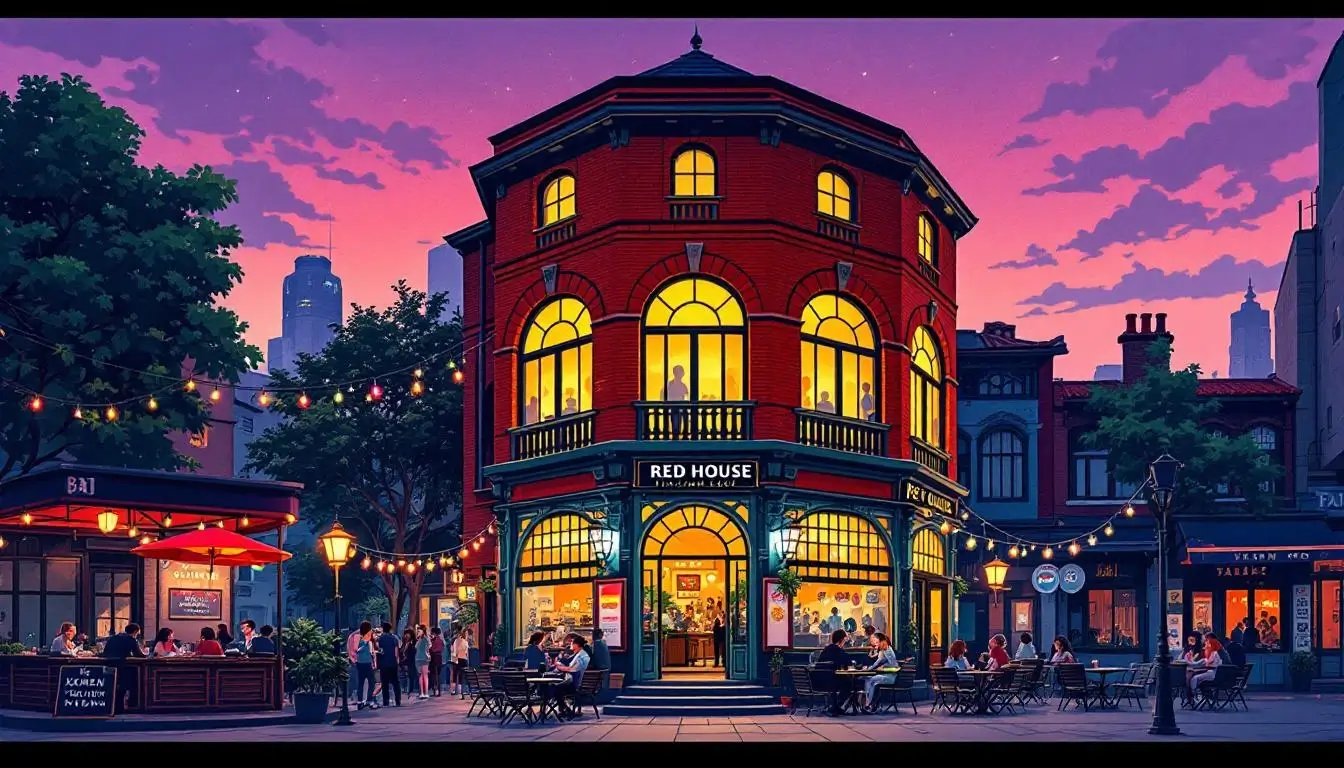
Beneath the neon glow and K-pop soundtracks, Ximending is one of Taipei’s most historically significant neighborhoods. Take time to appreciate these landmarks between bites of fried chicken and scoops of shaved ice.
The Red House (西門紅樓)
Built in 1908 during the Japanese colonial period, the Red House is Taiwan’s first public market building and one of Taipei’s most beautifully preserved historic structures. The distinctive octagonal red-brick building was originally designed by Japanese architect Kondo Juro as a marketplace. Today, it serves a dual purpose: the interior houses indie craft markets, design shops, and rotating art exhibitions, while the outdoor plaza behind the building has become the heart of Taipei’s LGBTQ+ nightlife scene.
On weekend evenings, the Red House’s outdoor terrace fills with a lively mix of locals and visitors enjoying craft cocktails at the dozen-plus bars and cafés that ring the plaza. It’s one of the most welcoming and vibrant scenes in all of Taipei, and a testament to how far Taiwan has come as Asia’s leader in LGBTQ+ rights.
Ximending Cinema District
Ximending has been Taipei’s movie-going hub since the Japanese era, and it still has the highest concentration of cinemas in the city. The area is home to first-run theaters, independent film houses, and the famous Taipei Film House. Movie ticket prices (NT$280-350) are a fraction of what you’d pay in other major Asian capitals, making a post-food-coma film an excellent way to round out your evening.
Ximen MRT Mall and Underground Shopping
The underground passage connecting Ximen MRT station to the pedestrian zone is its own mini shopping district, with affordable clothing stalls, accessories vendors, and snack shops. It’s also a popular spot for buskers and street performers. On rainy evenings, this underground corridor becomes the main artery for foot traffic moving between the station and the night market above.
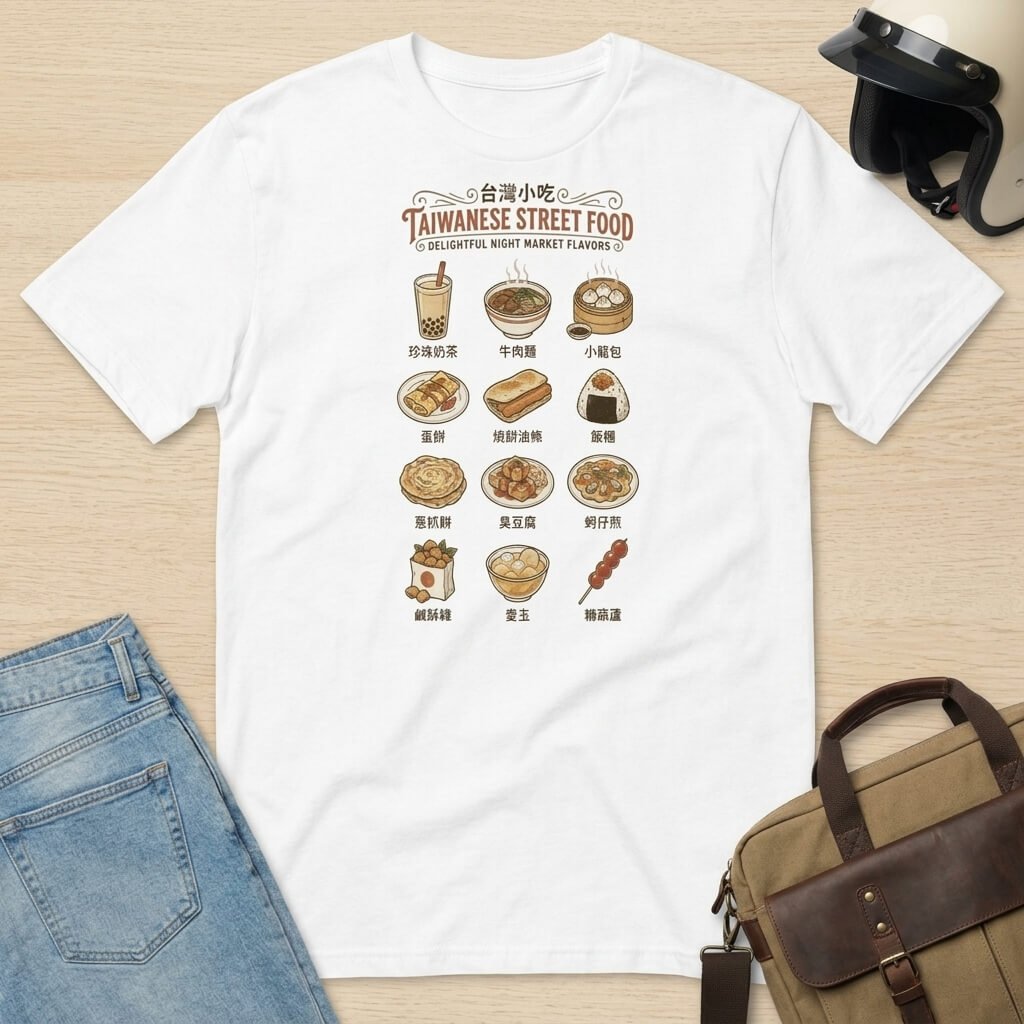
Speaking of street food culture, if you’re the kind of person who wears their love for Taiwan’s food scene on their sleeve — literally — our Taiwanese Street Food Guide T-Shirt features 12 iconic dishes from bubble tea to xiaolongbao, each lovingly illustrated in vintage poster style. It’s the perfect conversation starter for your next night market adventure.
How to Visit Ximending Night Market Taiwan: Practical Tips
Getting There
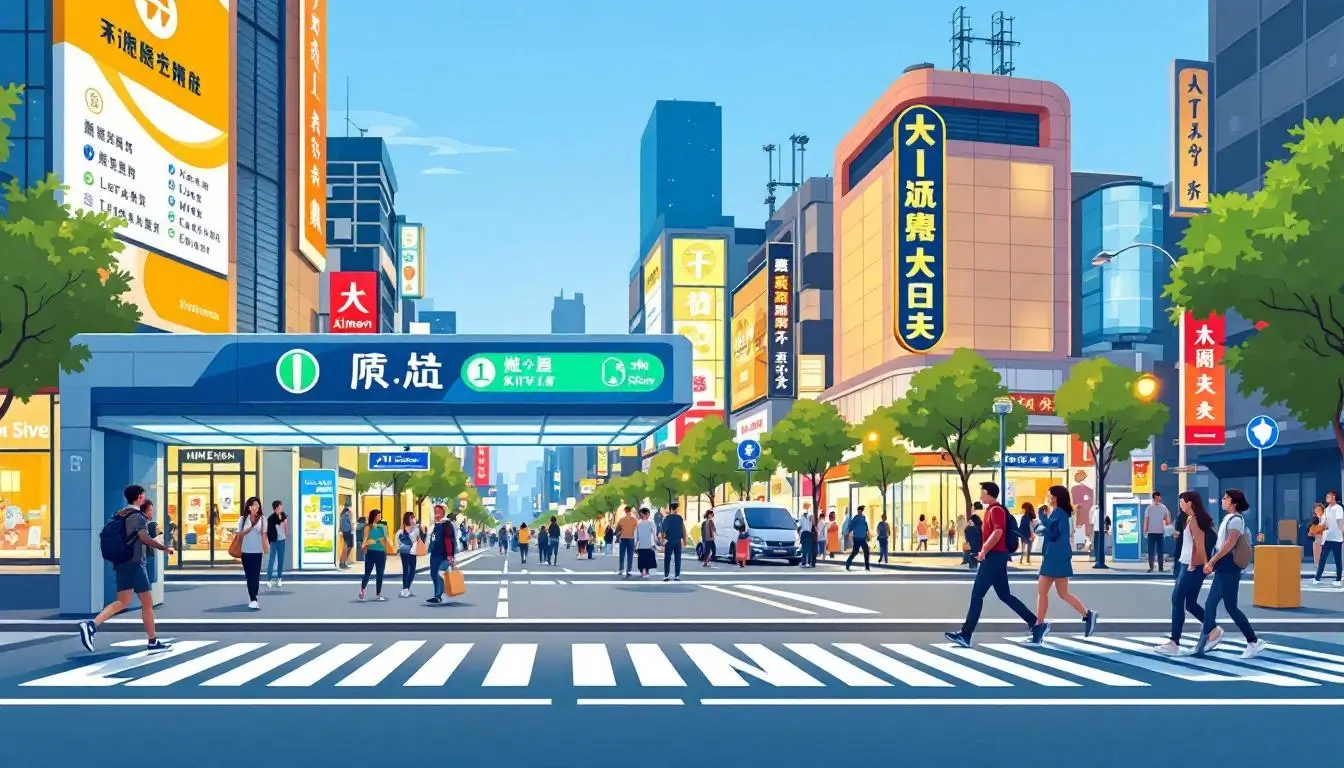
Ximending is incredibly easy to reach. Take the Taipei MRT to Ximen Station (西門站) on the Blue (Bannan) or Green (Songshan-Xindian) lines. Exit 6 drops you right into the pedestrian zone. From Taipei Main Station, it’s just one stop. From most hotels in the Zhongzheng or Da’an districts, you’re looking at a 10-15 minute ride.
Best Times to Visit
The Ximending night market in Taiwan hits its stride between 6:00 PM and midnight, with peak energy around 8-10 PM on weekend nights. However, unlike traditional night markets that only operate after dark, many Ximending shops and restaurants open by noon or early afternoon. For the full experience with manageable crowds, arrive around 5:00 PM on a weekday — you’ll catch the transition from daytime shopping to nighttime market mode.
Money and Payment
Most street food vendors are cash only. Bring plenty of small bills (NT$100 and NT$500) and coins. Some larger restaurants and chain shops accept credit cards and mobile payments (Line Pay, JKoPay), but don’t count on it for the best street food stalls. There are multiple ATMs (7-Eleven, Family Mart) throughout the area. Budget NT$500-800 for a thorough food crawl, or NT$300-400 for a quick hit of the essentials.
Navigation Tips
Ximending’s layout can feel chaotic at first, but it follows a rough grid pattern. The main pedestrian boulevard runs from the MRT exit toward the Red House. Side alleys branch off in all directions, each with their own character — food stalls to the south, fashion to the east, entertainment to the west. Google Maps works perfectly here, and most food stalls have bilingual signage (Chinese and English) thanks to the area’s tourist-friendly reputation.
What to Avoid
Skip the overpriced tourist trap restaurants on the main boulevard that have English menus posted out front and aggressive touts. The best food is always at the small, crowded stalls where locals are lining up. Also avoid buying electronics or phone accessories from the pushcart vendors — quality is inconsistent and there’s no return policy.
Wear Your Night Market Love
Our vintage-inspired Taiwanese Street Food Guide T-Shirt features 12 iconic dishes from bubble tea to xiaolongbao — the perfect souvenir for any night market fanatic.
How Ximending Compares to Taipei’s Other Famous Night Markets
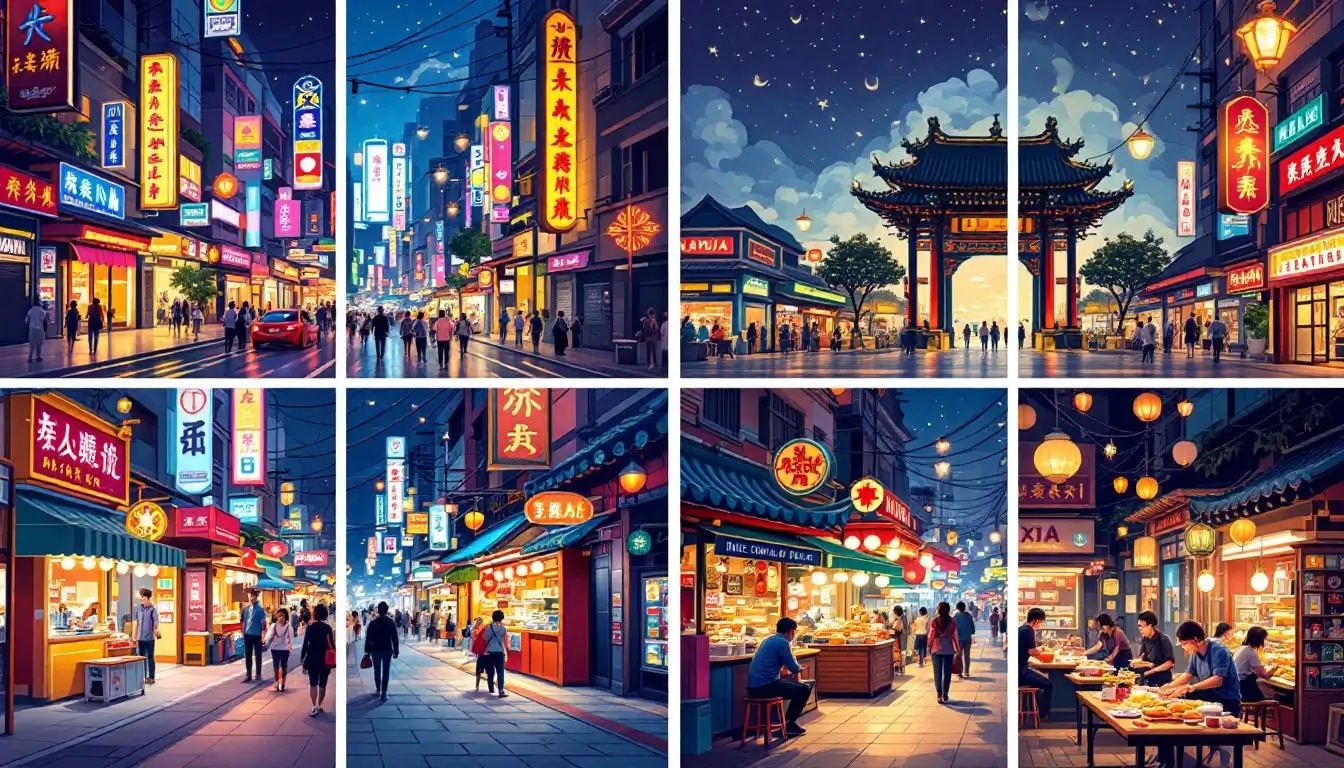
Taipei is blessed with dozens of excellent night markets, but each has a distinct personality. Here’s how Ximending stacks up against the heavy hitters.
Ximending vs. Shilin Night Market
Shilin is Taipei’s largest and most famous night market, sprawling across both above-ground streets and an underground food court. It’s the tourist default — everyone goes to Shilin at least once. Ximending is smaller food-wise but vastly more interesting for shopping, nightlife, and cultural exploration. Shilin wins on food variety and tradition; Ximending wins on atmosphere and things to do beyond eating.
Ximending vs. Raohe Night Market
Raohe is a single straight lane of pure, concentrated food energy. Every stall is about eating, and the quality floor is incredibly high. Ximending spreads its food across a much larger area mixed with non-food attractions. If your only goal is maximum food per minute, Raohe wins. If you want a full evening of diverse entertainment with great food woven in, Ximending is your pick.
Ximending vs. Ningxia Night Market
Ningxia is the Michelin Bib Gourmand darling — a compact, locals-first market with legendary traditional Taiwanese dishes. It’s pure food culture with almost no shopping distractions. Ximending caters to a younger, more international crowd and offers a broader experience. Ningxia for the devoted foodie; Ximending for the curious explorer.
The Verdict
There’s no single “best” night market in Taipei — each serves a different craving. But if you only have one evening and you want the most complete Taipei experience packed into a few hours, Ximending’s unbeatable combination of food, culture, history, and nightlife makes it the strongest all-around pick. For more Taipei street food recommendations beyond Ximending, we’ve got you covered.
Frequently Asked Questions About Ximending Night Market
Is Ximending a real night market?
Ximending is technically a pedestrian shopping and entertainment district rather than a traditional night market with a single lane of food stalls. However, it functions as a night market in every practical sense — hundreds of street food vendors, open-air dining, and peak activity after dark. Locals and tourists alike refer to it as the “Ximending night market” and it delivers the full night market experience alongside shopping and entertainment.
How much should I budget for food at Ximending?
A satisfying food crawl typically costs NT$400-600 (roughly $13-20 USD). That gets you 4-5 different dishes plus a bubble tea. If you want to try everything, budget NT$800-1,000 for an extended grazing session. Individual items range from NT$15 (wheel cake) to NT$90 (fried chicken cutlet).
Is Ximending safe at night?
Yes, extremely safe. Taiwan consistently ranks among the world’s safest countries, and Ximending is heavily pedestrianized with excellent lighting, CCTV coverage, and a constant police presence. Solo travelers, families, and groups all frequent the area well past midnight without issues.
What days is Ximending night market open?
Ximending operates every day of the week, 365 days a year. Individual shops and restaurants have varying hours, but the street food scene is reliably active from about 5:00 PM to midnight daily. Weekend nights (Friday and Saturday) are the busiest and most atmospheric. Some food stalls — like Ximen Noodle — are open 24 hours.
Can I visit Ximending during the day?
Absolutely. Many shops, cafés, and restaurants open by noon. The daytime experience is quieter and more focused on shopping and sightseeing — great for visiting the Red House, browsing vintage shops, and having a leisurely lunch. The night market food stalls start appearing around 4-5 PM.
Final Thoughts: Why Ximending Night Market Belongs on Every Taiwan Itinerary
Ximending isn’t just another night market — it’s the intersection of everything that makes Taipei extraordinary. Where else can you slurp 50-year-old noodle soup, browse anime figures, tour a Japanese colonial landmark, catch an indie film, and end the night at an open-air LGBTQ+ bar plaza — all within a 20-minute walk?
The Ximending night market in Taiwan captures something essential about the island’s spirit: a deep respect for tradition layered with fearless creativity and a relentless appetite for fun. Whether you’re a first-time visitor or a seasoned Taiwan traveler, Ximending delivers something new every visit. Go hungry, stay late, and let the neon-lit streets surprise you.
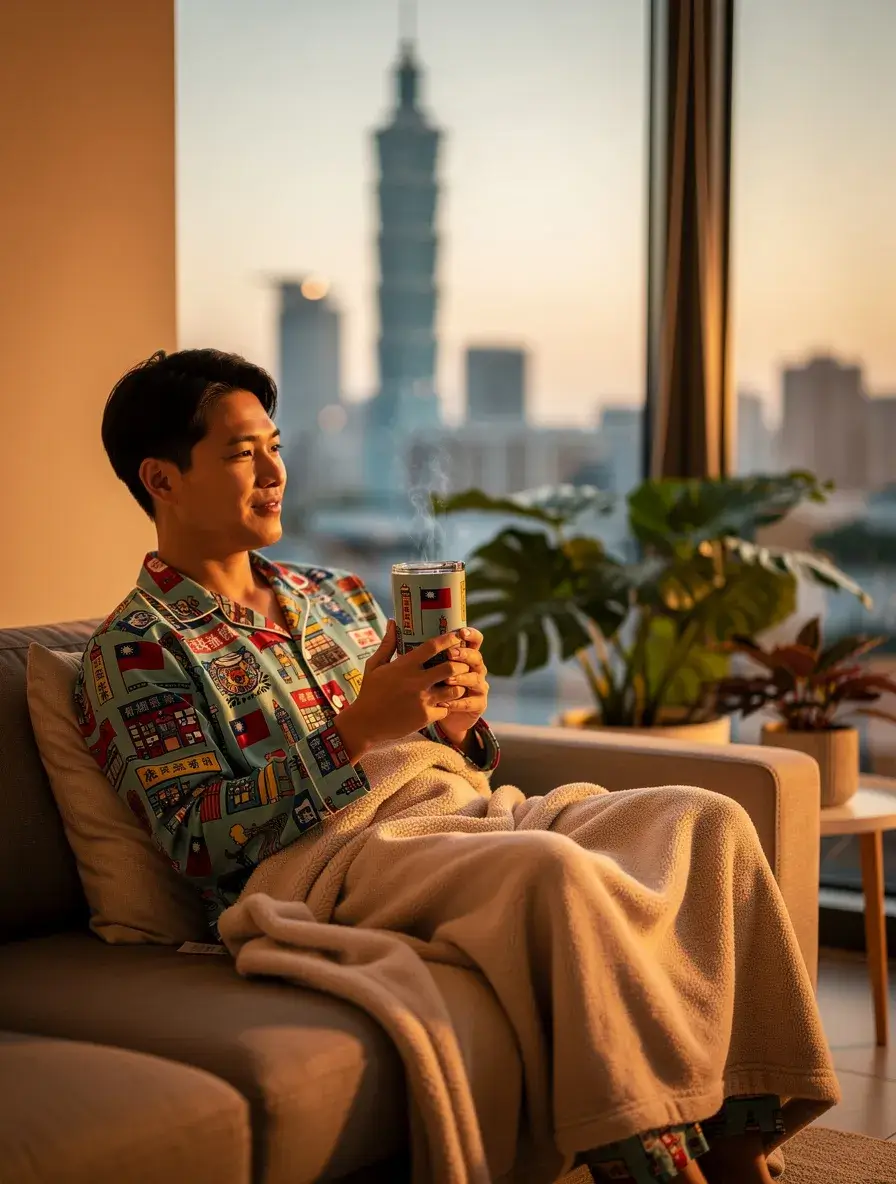
Grab a Free Taiwan Sticker!
Drop your email and we’ll send you a limited-edition Taiwan sticker — plus insider access to new merch drops and island vibes.
No spam. Unsubscribe anytime.