Taiwan Traditional Chinese Characters: Why the Island Kept the Beautiful Writing Everyone Else Simplified
Here’s a fact that surprises a lot of people: Taiwan is one of the last places on earth that still uses traditional Chinese characters (繁體字) in everyday life. While mainland China switched to simplified characters back in the 1950s, Taiwan held on to the originals — and the result is one of the most visually stunning writing systems you’ll encounter anywhere.
Why Taiwan Never Simplified
When the People’s Republic of China introduced simplified characters in 1956, the goal was to boost literacy rates by making characters easier to write. Taiwan’s government, having relocated to the island in 1949, saw things differently. Traditional characters were viewed as a direct link to thousands of years of Chinese cultural heritage — calligraphy, classical literature, philosophy. Simplifying them felt like erasing history.
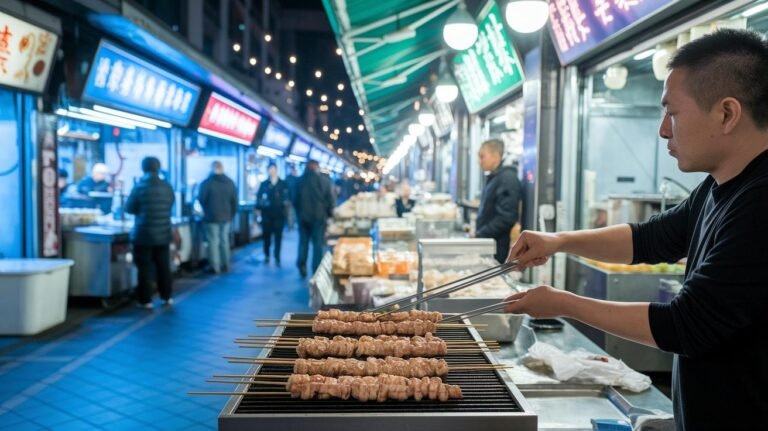
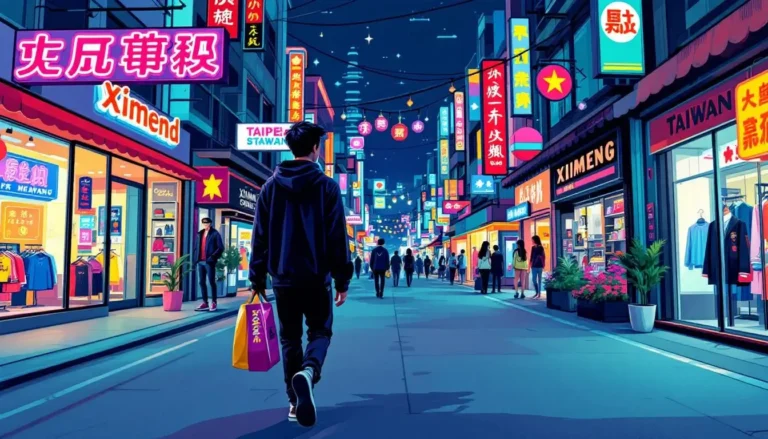
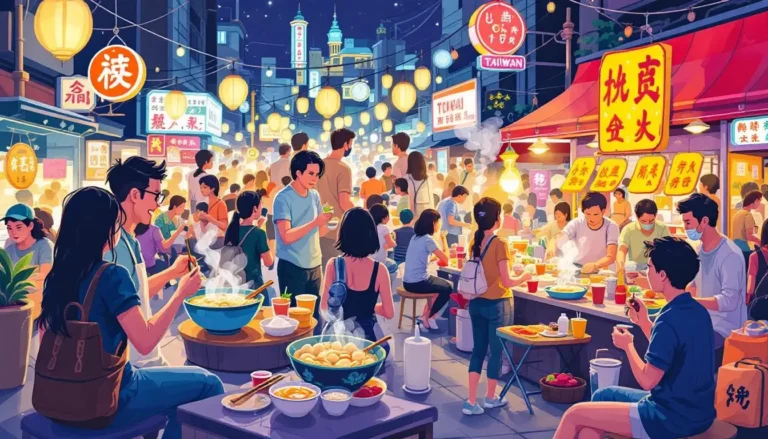
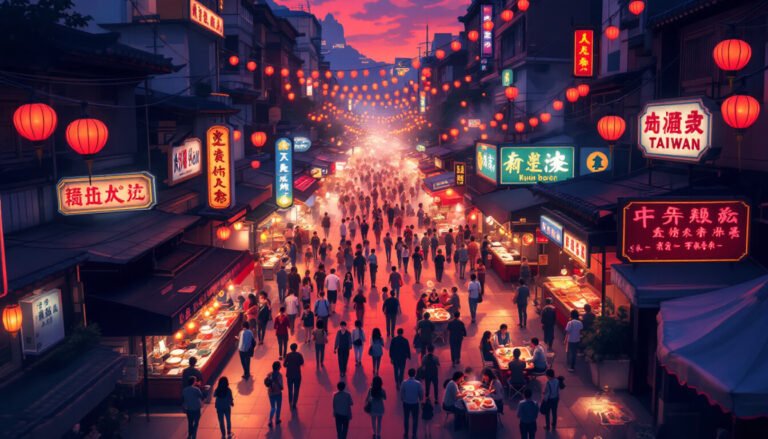
The result? Walk down any street in Taipei today and you’re surrounded by characters that have remained essentially unchanged for over a thousand years. Temple carvings, shop signs, restaurant menus, subway stations — they all use the same elegant script that scholars used during the Tang Dynasty.
What Makes Traditional Characters Special
Traditional characters are more complex, sure — the word for “love” (愛) has a heart (心) embedded inside it, while the simplified version (爱) drops the heart entirely. Fans of the traditional system love pointing this out: “How can you write love without a heart?”
Each character tells a story through its radicals and components. The character for “listen” (聽) contains the radicals for ear (耳), eye (目), and heart (心) — suggesting that true listening involves your whole being. These layers of meaning get lost in simplification.
Where You’ll See It
Beyond Taiwan, traditional characters are also used in Hong Kong and Macau. But Taiwan is arguably where they thrive most vibrantly — from the gorgeous hand-painted signs at traditional temples to the stylish typography on modern packaging. Taiwan’s calligraphy scene is alive and well too, with free public classes popping up in community centers and cultural parks across the island.
If you’re learning Mandarin, studying traditional characters actually gives you a deeper understanding of the language. Many language learners who start with simplified find that switching to traditional unlocks a whole new layer of meaning and beauty.
A Living Connection to the Past
For Taiwanese people, traditional characters aren’t just a writing system — they’re a statement of cultural identity. In a world that often pressures toward simplification and efficiency, Taiwan chose to preserve complexity and beauty. Every handwritten note, every temple inscription, every street sign is a small act of cultural preservation.
Next time you spot a beautifully intricate Chinese character on a Taiwan-themed design, you’re not just looking at text — you’re looking at living history. And honestly? That’s pretty cool.
Want to wear your love for Taiwan’s culture? Check out our Taiwan-themed merch collection — designs inspired by everything that makes the island unforgettable.

Grab a Free Taiwan Sticker!
Drop your email and we’ll send you a limited-edition Taiwan sticker — plus insider access to new merch drops and island vibes.
No spam. Unsubscribe anytime.