Taiwan Food Recipe: 15 Authentic Taiwanese Dishes You Can Make at Home
Every great Taiwan food recipe tells a story. Behind every bowl of beef noodle soup simmered for hours, every plate of three cup chicken fragrant with basil and sesame oil, there’s a grandmother’s kitchen, a night market stall that’s been there for decades, or a family gathering where the table groans under the weight of a dozen small dishes. Taiwanese cuisine is one of the world’s most underrated food traditions — and the best part? You can recreate these incredible flavors at home.
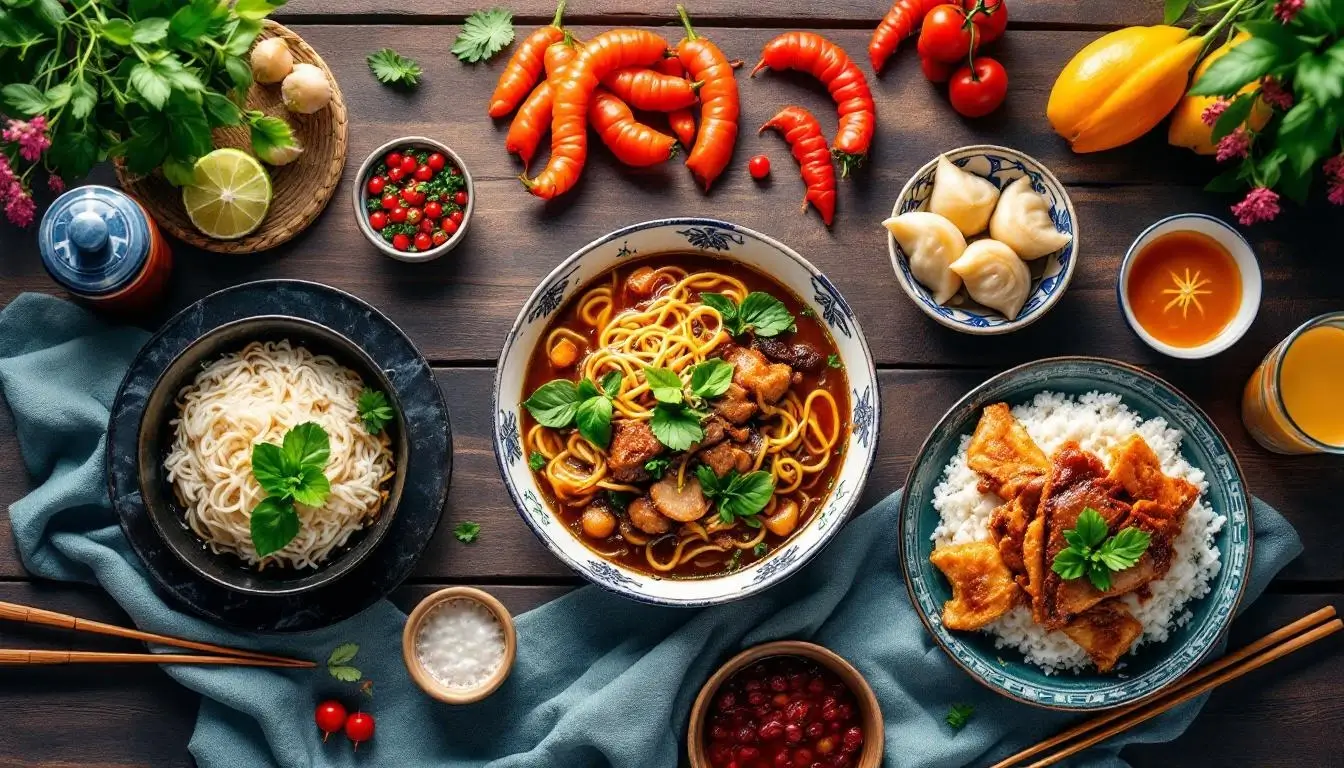
Whether you grew up eating lu rou fan after school or you’ve never set foot on the island, this guide walks you through 15 authentic Taiwanese dishes that belong in every home cook’s rotation. From soul-warming comfort food to crispy street food snacks, each Taiwan food recipe here has been adapted for home kitchens without sacrificing the flavors that make Taiwanese cooking so irresistible.
Taiwan Food Recipe Essentials: The Pantry Staples You Need
Before diving into specific recipes, let’s stock your pantry with the ingredients that make Taiwanese cooking sing. The beauty of a great Taiwan food recipe is that most rely on a handful of core seasonings you’ll use over and over again.
The Must-Have Sauces and Seasonings
- Soy sauce (醬油) — Look for naturally brewed soy sauce. Taiwanese brands like Kimlan or Wan Ja Shan are ideal, but any quality soy sauce works. You’ll use this in virtually every savory recipe.
- Rice wine (米酒) — Taiwanese rice wine (mi jiu) is essential for braising, stir-frying, and marinating. Shaoxing wine is the closest substitute.
- Sesame oil (麻油) — Black sesame oil (not the light toasted kind) is the backbone of dishes like sesame oil chicken and three cup chicken. Its nutty, intense flavor is irreplaceable.
- Five spice powder (五香粉) — This warm blend of star anise, cloves, cinnamon, Sichuan peppercorn, and fennel seed defines the braised flavor profile of dishes like lu rou fan and hong shao rou.
- White pepper (白胡椒) — Taiwanese cooks reach for white pepper far more than black. It adds a subtle heat to soups, stir-fries, and dumplings.
- Doubanjiang (豆瓣醬) — This fermented chili bean paste brings complex heat to mapo tofu and spicy stir-fries.
- Rock sugar (冰糖) — Used in braises for a deep, glossy caramelized finish that regular sugar can’t replicate.
- Sha cha sauce (沙茶醬) — A savory, slightly sweet paste made from dried shrimp, garlic, and spices. Essential for hot pot dipping and stir-fries.
Fresh Ingredients to Keep on Hand
Scallions, garlic, ginger, and fresh Thai basil show up constantly in Taiwanese cooking. If you can find fresh jiucai (garlic chives), water spinach (kong xin cai), or baby bok choy at your local Asian grocery store, you’re already halfway to an authentic Taiwanese home-cooked meal.
If you’re curious about the full landscape of famous food in Taiwan, our comprehensive guide covers every iconic dish from street stalls to Michelin-starred restaurants.
Comfort Food Classics: Braised Dishes and Rice Bowls
If there’s one category that defines Taiwanese home cooking, it’s braised dishes served over steaming white rice. These slow-cooked, deeply flavored comfort foods are what most Taiwanese people think of when they think of “mom’s cooking.”
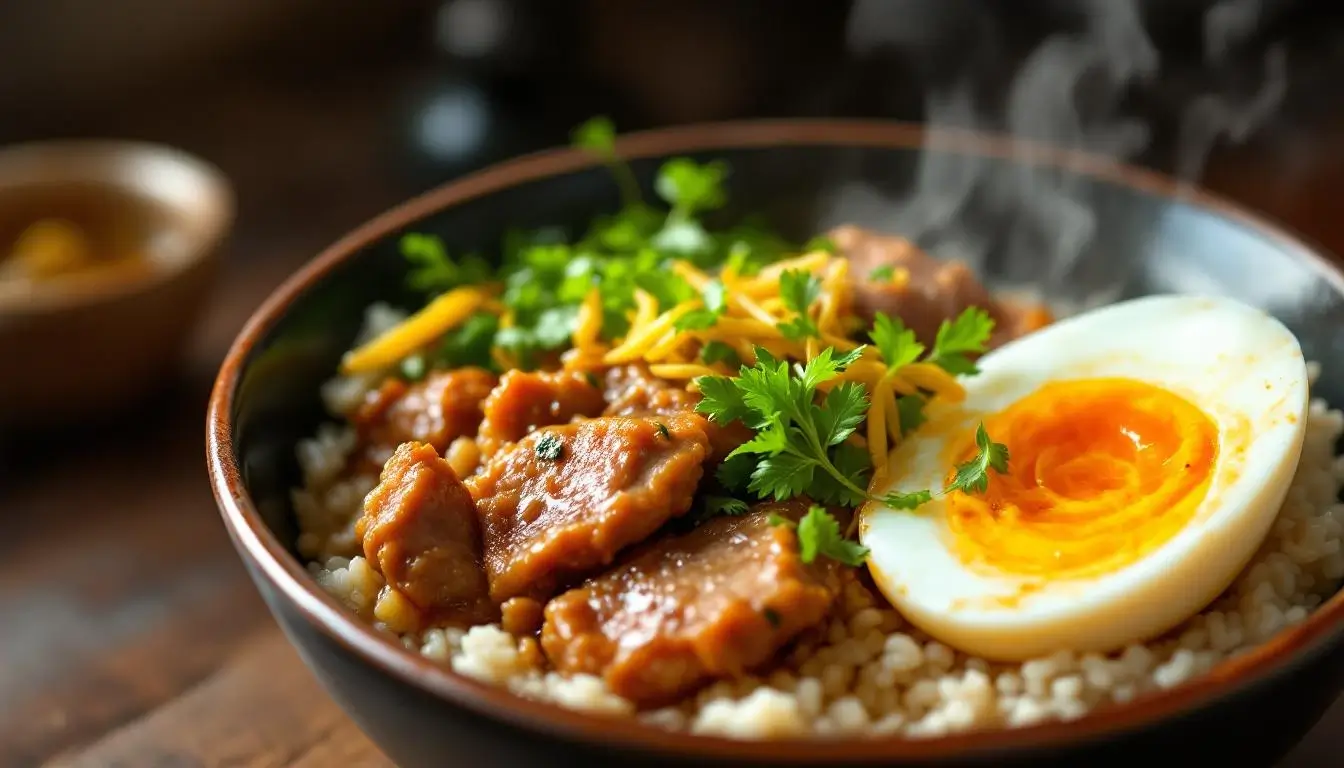
Lu Rou Fan (滷肉飯) — Braised Pork Rice
Lu rou fan might be the single most important Taiwan food recipe in existence. This humble bowl of finely minced pork belly braised in soy sauce, five spice, and fried shallots, ladled over fluffy white rice, is Taiwan’s unofficial national dish. Every family, every night market stall, every lunch shop has their own version.
Key technique: Fry your shallots low and slow until deeply golden — they’re the secret weapon. Use pork belly with a good fat-to-meat ratio (about 30% fat). Braise for at least 90 minutes to let the collagen break down into silky richness. The sauce should be glossy and thick enough to coat each grain of rice.
Pro tip: Add a few hard-boiled eggs and cubes of firm tofu to the braise during the last 30 minutes. The eggs absorb the gorgeous mahogany color and savory flavor, becoming the perfect side dish.
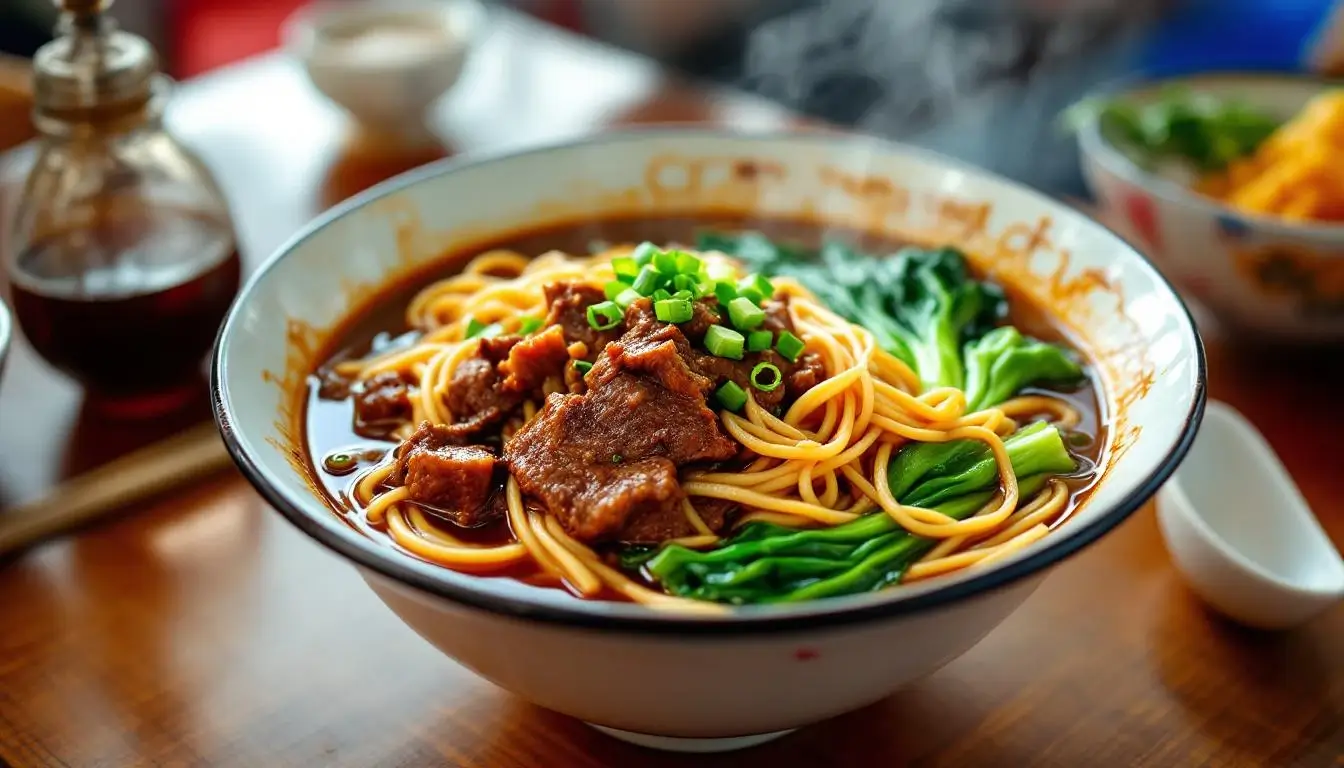
Hong Shao Niu Rou Mian (紅燒牛肉麵) — Beef Noodle Soup
Ask any Taiwanese person what dish best represents Taiwan, and beef noodle soup will be in their top three. This is not a quick weeknight dinner — it’s an event. The broth simmers for hours with beef shank, tomatoes, doubanjiang, and a complex spice bundle until it becomes a deep, rust-colored elixir of pure umami.
Key technique: Use beef shank (not stew meat) for the best texture — it becomes meltingly tender while keeping its structure. Blanch the meat first, then sear it hard. The tomato-doubanjiang base should cook down until jammy before the broth goes in. Thick wheat noodles are traditional.
Pro tip: Make a big batch of broth and freeze portions. It only gets better with time. Top each bowl with pickled mustard greens (suan cai), fresh scallions, and a handful of fresh cilantro.
Kong Rou Fan (控肉飯) — Braised Pork Belly Rice
Think of kong rou fan as lu rou fan’s bigger, more dramatic sibling. Instead of finely minced pork, you get thick, melt-in-your-mouth slabs of pork belly that have been braised until the fat turns translucent and the meat falls apart at the touch of a chopstick.
Key technique: Blanch the whole pork belly slab first, then sear it skin-side down until golden. Braise with soy sauce, rice wine, rock sugar, star anise, and cinnamon for 2-3 hours. The longer it cooks, the more the flavors concentrate.
Taiwan Food Recipe Stars: Stir-Fries and Quick Dishes
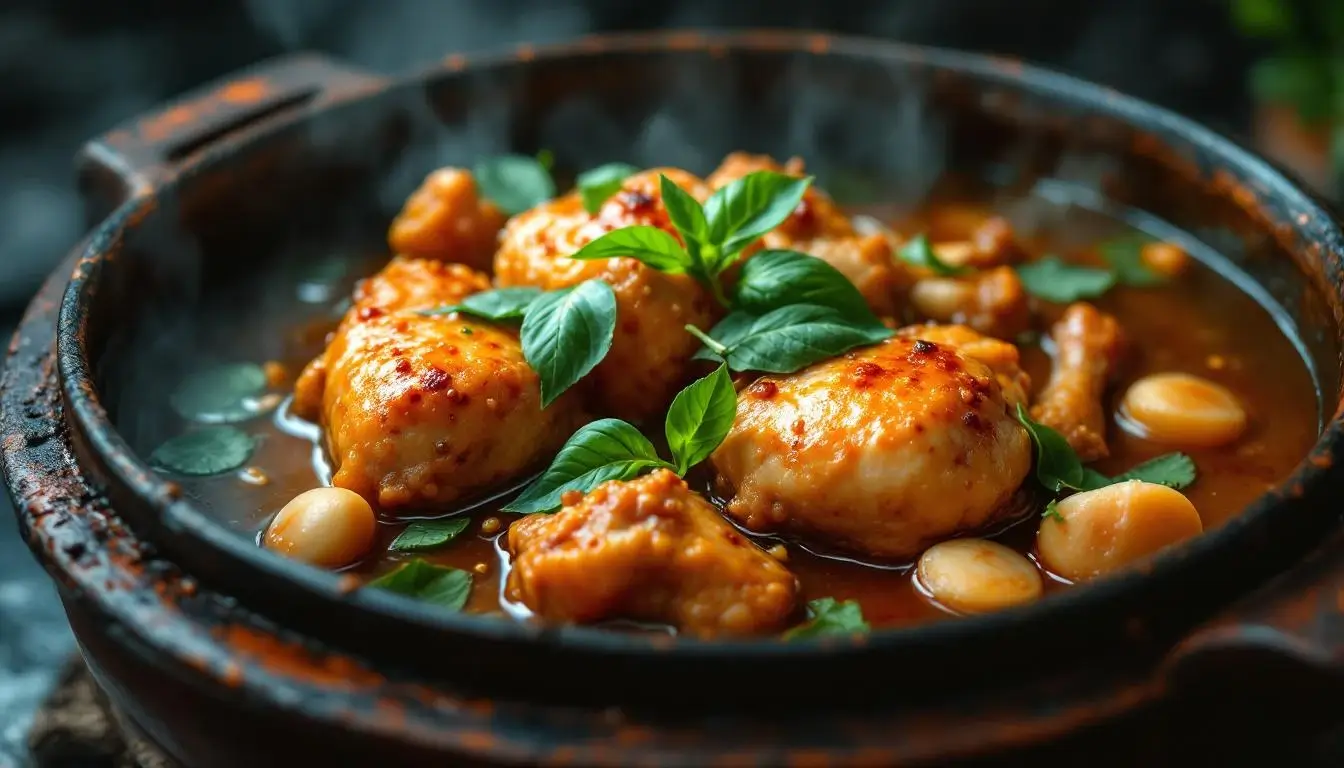
Not every Taiwan food recipe requires hours of patient braising. Some of the island’s most beloved dishes come together in under 30 minutes — perfect for busy weeknights when you still want something spectacular.
San Bei Ji (三杯雞) — Three Cup Chicken
Named for its three key ingredients — one cup each of soy sauce, sesame oil, and rice wine — three cup chicken is aromatic, savory-sweet, and completely addictive. The sauce reduces to a sticky glaze, and the whole dish gets buried under a mountain of fresh Thai basil that wilts into fragrant perfection.
Key technique: Use bone-in chicken pieces for the best flavor. Cook the garlic and ginger in sesame oil first (medium heat — sesame oil burns easily). Add the three cups, bring to a boil, then simmer until the sauce reduces by half. Throw in the basil right at the end, just until it wilts.
Fan Qie Chao Dan (番茄炒蛋) — Tomato Egg Stir-Fry
This is the dish every Taiwanese kid grew up eating. Five ingredients, ten minutes, and you’ve got one of the most comforting Taiwan food recipe options in existence. Silky scrambled eggs meet juicy tomato wedges in a slightly sweet, slightly tangy sauce that’s pure magic over rice.
Key technique: Scramble the eggs first over high heat until just set (still slightly runny), then remove. Cook the tomatoes separately until they break down, add a pinch of sugar and ketchup (yes, ketchup — this is the Taiwanese secret), then fold the eggs back in.
Cong You Bing (蔥油餅) — Scallion Pancakes
Crispy, flaky, and loaded with scallions, these pan-fried pancakes are one of Taiwan’s most popular street foods — and they’re surprisingly easy to make at home. The technique of rolling and coiling the dough creates those irresistible layers.
Key technique: Use hot water for the dough (it makes it more tender). Roll flat, brush with sesame oil, scatter with scallions and salt, then roll into a log and coil into a spiral. Flatten again and pan-fry until golden and crispy on both sides.
For even more street food inspiration, check out our guide to Taiwan night market food — the stalls where many of these recipes were born.
Dumplings, Buns, and Wrapped Favorites
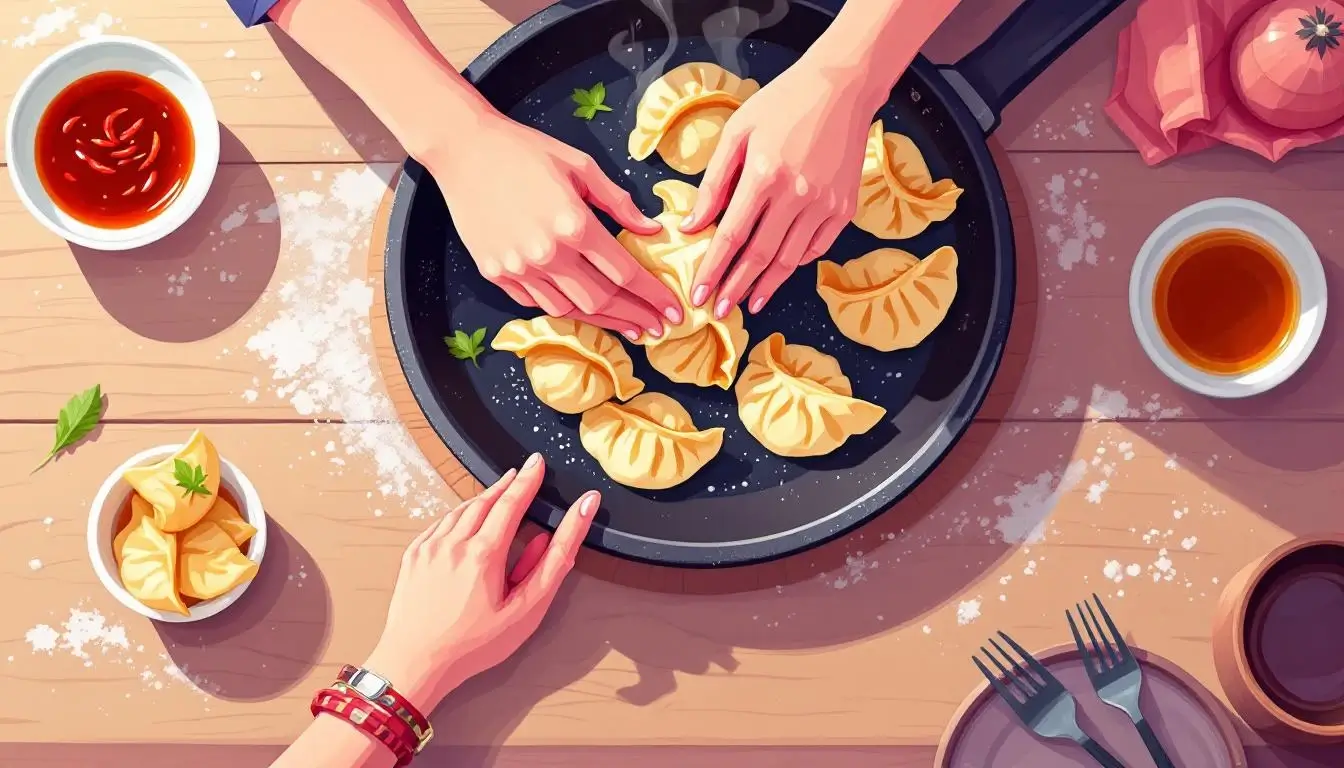
Taiwanese wrapped foods are an art form. From delicate soup dumplings to hearty pot stickers, these recipes reward patience and practice — and there’s nothing quite like the satisfaction of making your own from scratch.
Guo Tie (鍋貼) — Pan-Fried Pot Stickers
Taiwanese-style pot stickers are all about contrast: a crispy, golden bottom giving way to a tender, juicy filling. The filling typically combines ground pork with finely chopped cabbage, garlic chives, ginger, and a splash of sesame oil. The magic happens in the pan, where a slurry of flour and water creates that signature crispy skirt connecting all the dumplings.
Key technique: Don’t overfill — a tablespoon of filling per wrapper is plenty. Pleat one side of the wrapper while keeping the other flat (this gives the pot sticker a stable base for frying). Fry in oil until the bottoms are golden, then add the flour-water slurry and cover to steam.
Xiao Long Bao (小籠包) — Soup Dumplings
Making xiao long bao at home is ambitious, but absolutely achievable. The secret is the aspic — pork or chicken broth that’s been chilled until solid, then mixed into the filling. When steamed, the aspic melts into the famous soup inside the dumpling.
Key technique: Make the aspic by reducing pork stock with gelatin until it sets firm in the fridge. Dice it small and fold into the pork filling. Roll the wrappers thin at the edges, thicker in the center. Eighteen pleats is traditional, but don’t stress — even ugly xiao long bao taste incredible.
Speaking of Taiwanese comfort food, our complete guide to Taiwan’s traditional food dives deep into the history and cultural significance behind every dish.
If you love wearing your food obsession on your sleeve — literally — our Taiwanese Street Food Guide T-Shirt features a vintage poster design showcasing the island’s most iconic street eats. It’s the perfect kitchen companion for your next cooking session.
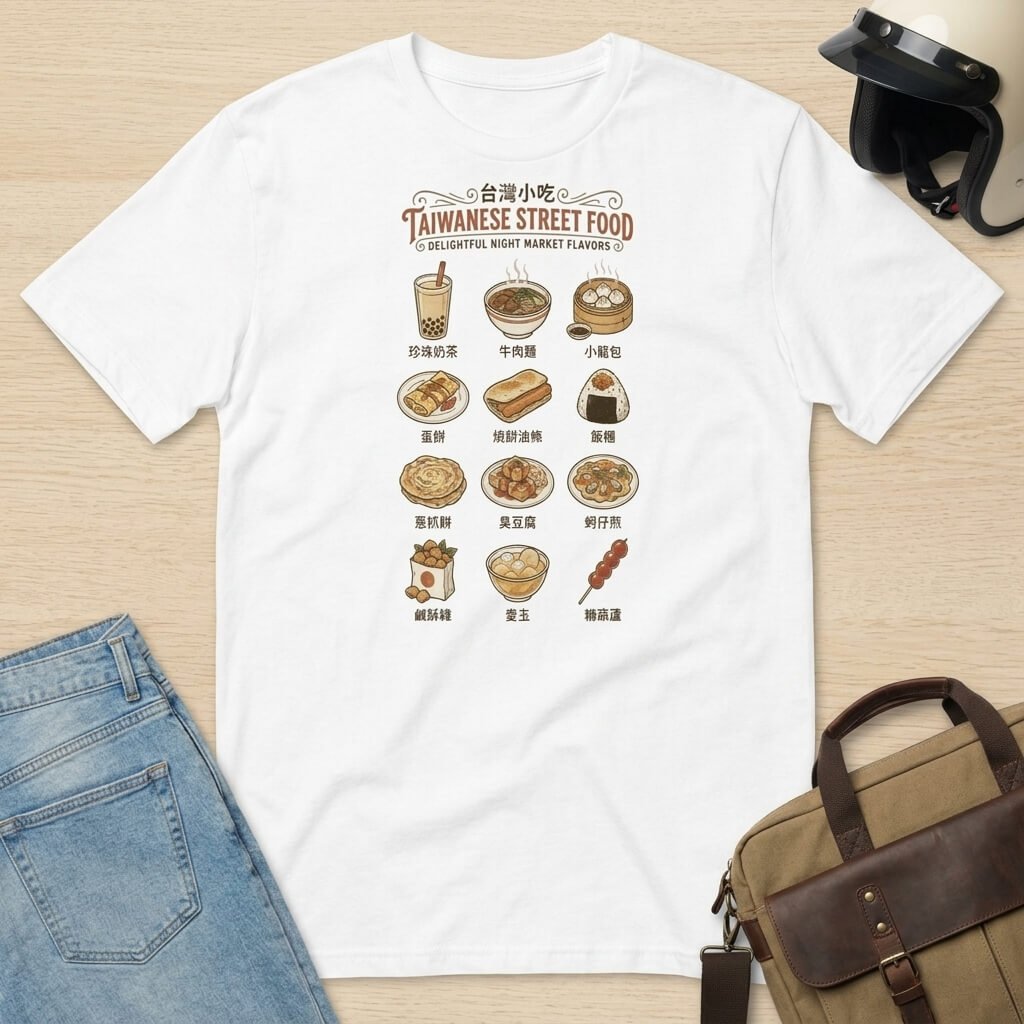
Wear Your Taiwan Food Love
Our Taiwanese Street Food Guide T-Shirt celebrates the night market classics that inspired these recipes. A vintage poster design featuring the island’s most iconic eats.
Taiwanese Breakfast Recipes That Hit Different
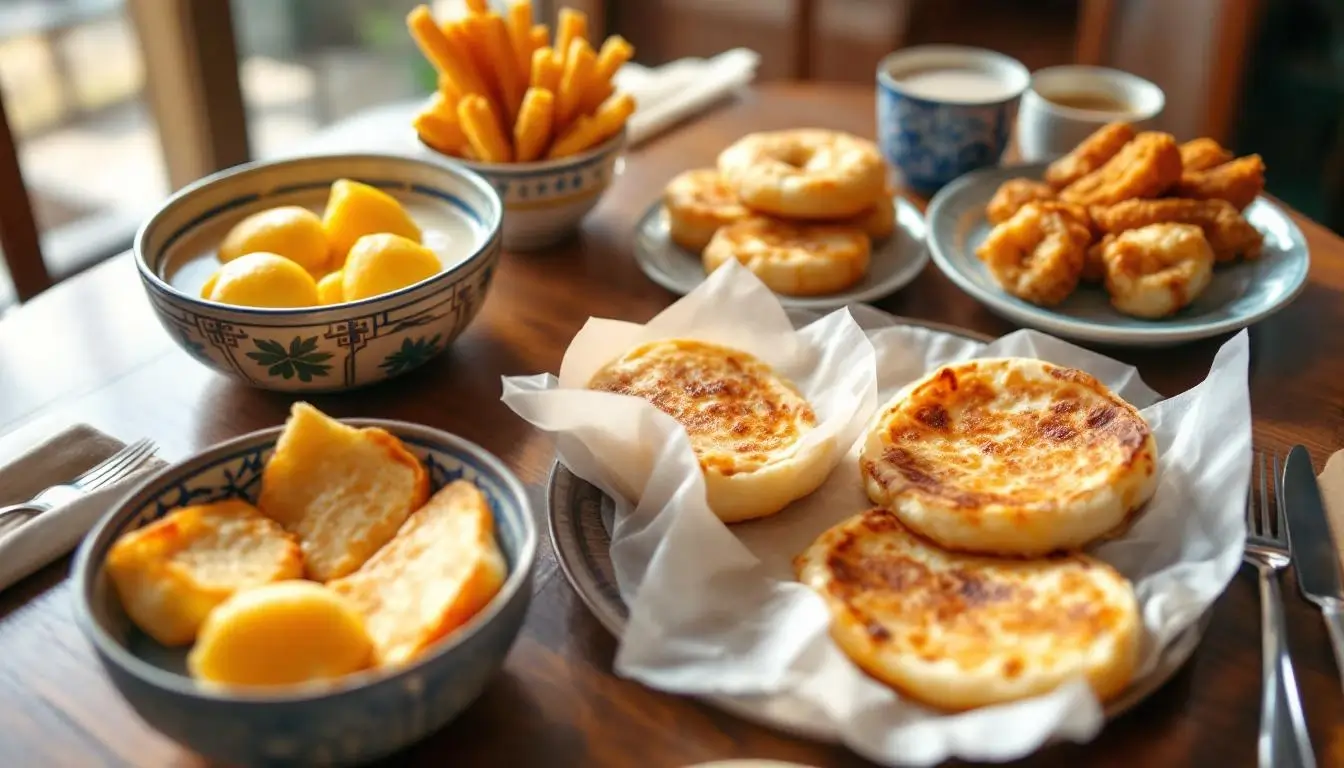
Taiwanese breakfast culture is legendary. While most of the world settles for toast or cereal, Taiwan wakes up to an entire universe of savory, carb-loaded, deeply satisfying morning food. These Taiwan food recipe picks for breakfast will change how you start your day.
Dan Bing (蛋餅) — Egg Crepe
Dan bing is the quintessential Taiwanese breakfast. A thin, chewy crepe wrapped around a beaten egg, sometimes stuffed with corn, cheese, tuna, or ham. It’s rolled up, sliced into bite-sized pieces, and served with soy paste or sweet chili sauce. Making the batter from scratch takes five minutes — just flour, tapioca starch, water, and a pinch of salt.
Key technique: The batter should be thin — thinner than a regular crepe. Pour it onto a lightly oiled flat pan, let it set, crack an egg on top, flip, roll, and cut. The tapioca starch gives it that signature chewiness that regular flour alone can’t achieve.
Fan Tuan (飯糰) — Sticky Rice Roll
Imagine a burrito made of sticky rice. Inside: a crispy you tiao (fried dough stick), pickled vegetables, dried pork floss, and sometimes a salted egg yolk. It’s crunchy, chewy, savory, and slightly sweet all at once. Taiwanese breakfast shops wrap these to order in minutes.
Key technique: Use short-grain glutinous rice, steamed until tender. Spread on a sheet of plastic wrap, add your fillings in a line down the center, then use the wrap to roll tightly. The you tiao must be freshly fried and still crispy — stale ones ruin the texture contrast.
Dou Jiang (豆漿) — Savory Soy Milk Soup
Forget the sweetened soy milk from the carton. Taiwanese xian dou jiang (savory soy milk) is an entirely different experience. Hot, fresh soy milk is curdled tableside with black vinegar, then topped with dried shrimp, scallions, chili oil, pickled mustard greens, and torn pieces of you tiao. It’s like a savory custard soup — delicate, rich, and utterly unique.
Our deep dive into Taiwanese breakfast culture explores why the island’s morning food scene is unlike anything else in the world.
Sweet Treats and Snack Recipes From Taiwan
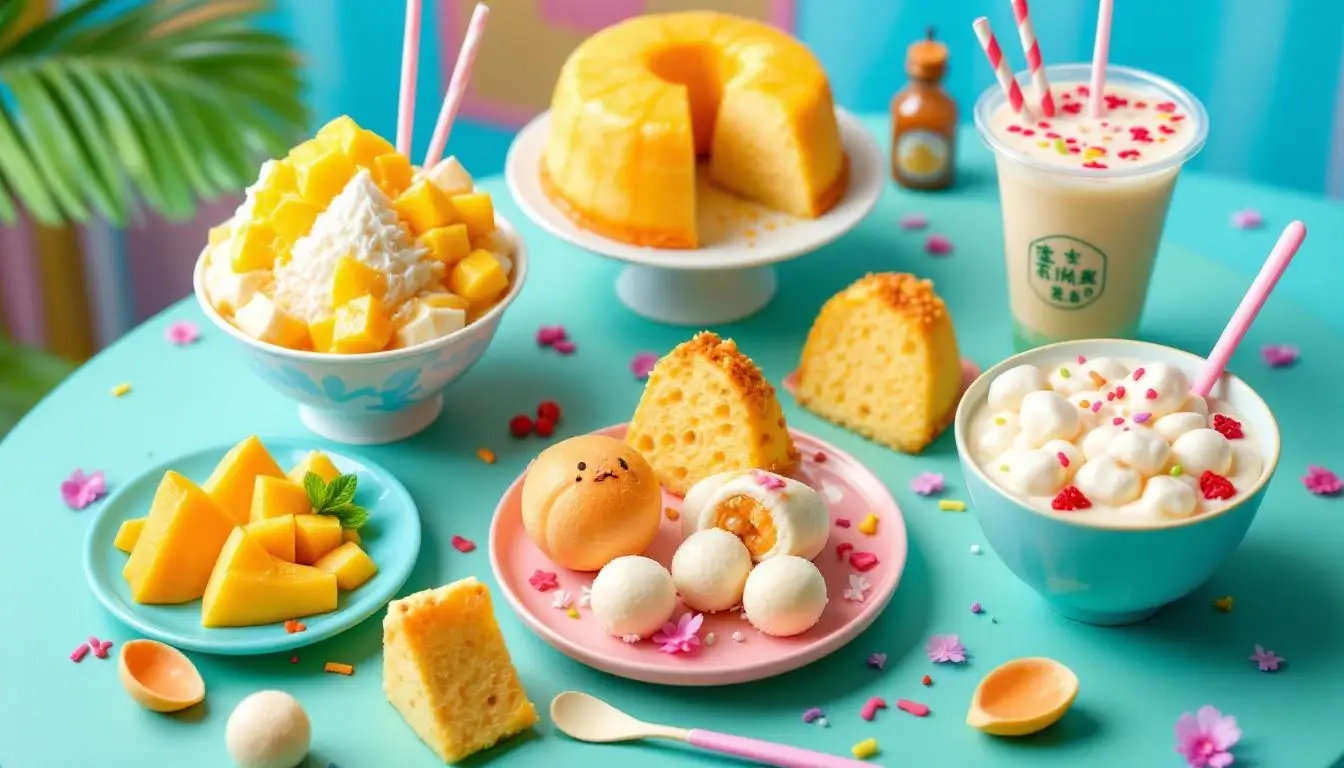
Taiwanese desserts and snacks occupy a magical space between sweet and savory, light and indulgent. These recipes capture the playful, inventive spirit that makes Taiwanese food culture so addictive.
Feng Li Su (鳳梨酥) — Pineapple Cake
Taiwan’s most famous souvenir is also one of its most rewarding home baking projects. The buttery, crumbly shortcrust pastry encases a sweet-tart pineapple filling that can take hours to prepare but is worth every minute. We’ve already written a complete Taiwan pineapple cake recipe with step-by-step instructions if you want the full deep dive.
Bao Bing (刨冰) — Shaved Ice
Taiwan’s answer to summer heat is a mountain of finely shaved ice topped with everything from fresh mango and condensed milk to red bean, grass jelly, taro balls, and peanuts. The key is the ice itself — it should be shaved so fine that it’s almost snow-like, melting on your tongue instantly.
Key technique: Freeze sweetened milk (not plain water) in a shallow container for a creamier, more flavorful ice base. Shave with a dedicated ice shaver or even a strong food processor. Layer your toppings generously — the Taiwanese way is maximum toppings, not a drizzle.
Yan Su Ji (鹽酥雞) — Taiwanese Popcorn Chicken
Bite-sized, crispy, and seasoned with white pepper, five spice, and fresh basil leaves fried until shatteringly crisp, yan su ji is the king of Taiwanese night market snacks. The secret is double-frying: once at a lower temperature to cook through, then a quick blast at high heat for maximum crunch.
Key technique: Marinate the chicken pieces in soy sauce, rice wine, garlic, and five spice for at least 30 minutes. Coat in sweet potato starch (not regular flour — this creates that signature Taiwanese crunch). Fry at 160°C/320°F for 4 minutes, rest, then fry again at 190°C/375°F for 90 seconds. Toss with fried basil, fried garlic, and a heavy dusting of white pepper.
For more snack inspiration, explore our complete guide to Taiwan snacks and our Taiwan desserts guide for the full spectrum of the island’s sweet and savory bites.
Frequently Asked Questions About Taiwan Food Recipes
What makes Taiwanese food different from Chinese food?
Taiwanese cuisine is a unique fusion shaped by the island’s history. It blends Hokkien and Hakka traditions brought by mainland immigrants with Japanese culinary techniques from the colonial period (1895-1945), indigenous Austronesian ingredients, and modern creative innovation. Taiwanese food tends to be sweeter and lighter than many mainland Chinese cuisines, with a heavy emphasis on fresh seafood, pork, soy-based seasonings, and aromatic herbs like basil and cilantro.
Where can I buy Taiwanese ingredients outside of Taiwan?
Most Taiwanese pantry staples are available at any well-stocked Asian grocery store — look for an H Mart, 99 Ranch Market, or local Chinese/Taiwanese supermarket. Online retailers like Yun Hai, Umamicart, and Amazon carry specialty items like sha cha sauce, Taiwanese rice wine, and rock sugar. In a pinch, Japanese grocery stores carry many overlapping ingredients.
What is the easiest Taiwan food recipe for beginners?
Start with fan qie chao dan (tomato egg stir-fry). It requires only five ingredients, takes ten minutes, and is virtually impossible to mess up. From there, graduate to dan bing (egg crepes) for breakfast, then tackle lu rou fan once you’re feeling confident — it’s mostly hands-off braising time.
Can I make Taiwanese food vegetarian or vegan?
Absolutely. Taiwan has one of the world’s most vibrant vegetarian food cultures, partly driven by Buddhist traditions. Mapo tofu goes meatless beautifully, dan bing can be filled with vegetables, and many braised dishes adapt well with mushrooms or firm tofu as the protein. Look for Taiwanese vegetarian (su shi 素食) recipes specifically — the island has been perfecting plant-based cooking for centuries.
What rice should I use for Taiwanese recipes?
Short-grain or medium-grain white rice is standard for everyday Taiwanese meals. Brands like Calrose or any Japanese-style rice work well. For sticky rice dishes like fan tuan or you fan (oil rice), use glutinous rice (also called sweet rice). Always rinse your rice 3-4 times until the water runs clear before cooking.
Final Thoughts: Bringing Taiwan’s Flavors Into Your Kitchen
The heart of every Taiwan food recipe isn’t just the technique or the ingredients — it’s the spirit of sharing. In Taiwan, food is how people show love, build community, and preserve cultural memory. A bubbling pot of beef noodle soup on the stove, a plate of perfectly golden pot stickers, or even a simple bowl of lu rou fan — these dishes connect you to an island whose food culture punches miles above its weight.
You don’t need a professional kitchen or years of training. Start with one recipe that excites you, master it, then move on to the next. Before you know it, you’ll have a full rotation of Taiwanese dishes that’ll impress your family and friends — and maybe even make a Taiwanese grandmother nod in approval.
If you want to dive deeper into what makes the island’s food culture so special, our Taiwan traditional food guide covers the full culinary landscape, from aboriginal mountain cuisine to modern fusion. And for the ultimate street food experience without leaving your couch, browse our Taiwan souvenirs guide for authentic food gifts shipped worldwide.
Now fire up that stove, open a bag of sweet potato starch, and let’s cook some Taiwanese food.

Grab a Free Taiwan Sticker!
Drop your email and we’ll send you a limited-edition Taiwan sticker — plus insider access to new merch drops and island vibes.
No spam. Unsubscribe anytime.