Din Tai Fung Taipei: Which Location Is Actually Worth the Wait (A Local’s Ranking of All 8 + The Ordering Strategy That Saves You $30)
Let’s get something out of the way immediately: the original Din Tai Fung on Xinyi Road is now takeout only. No seating. No tablecloths. No waiter bringing you a steamer basket while you gaze through that famous glass kitchen window. If you’re planning your Din Tai Fung Taipei experience around pilgrimaging to the birthplace and sitting down to a leisurely xiao long bao lunch — you’ll need to adjust your itinerary. But don’t panic. Taiwan’s branches are still the best in the world, and this guide will tell you exactly which one to go to, when to show up, and how to eat like someone who wasn’t born yesterday.
Din Tai Fung started in Taipei. It remains, undeniably, best experienced in Taipei — where the truffle XLB comes as 10 pieces (not 6 like in Hong Kong), where prices are lower, where Taiwan-only seasonal vegetables appear on the menu, and where you can still see the original storefront that launched one of the world’s most recognized restaurant brands. This guide covers all of it: the location ranking, the ordering strategy, the queue hacks, the origin story, the Michelin controversy, the kitchen etiquette, and — for the budget-conscious — the three local alternatives worth knowing.
All 8 Taipei Din Tai Fung Locations, Ranked by Wait Time, Atmosphere, and Menu
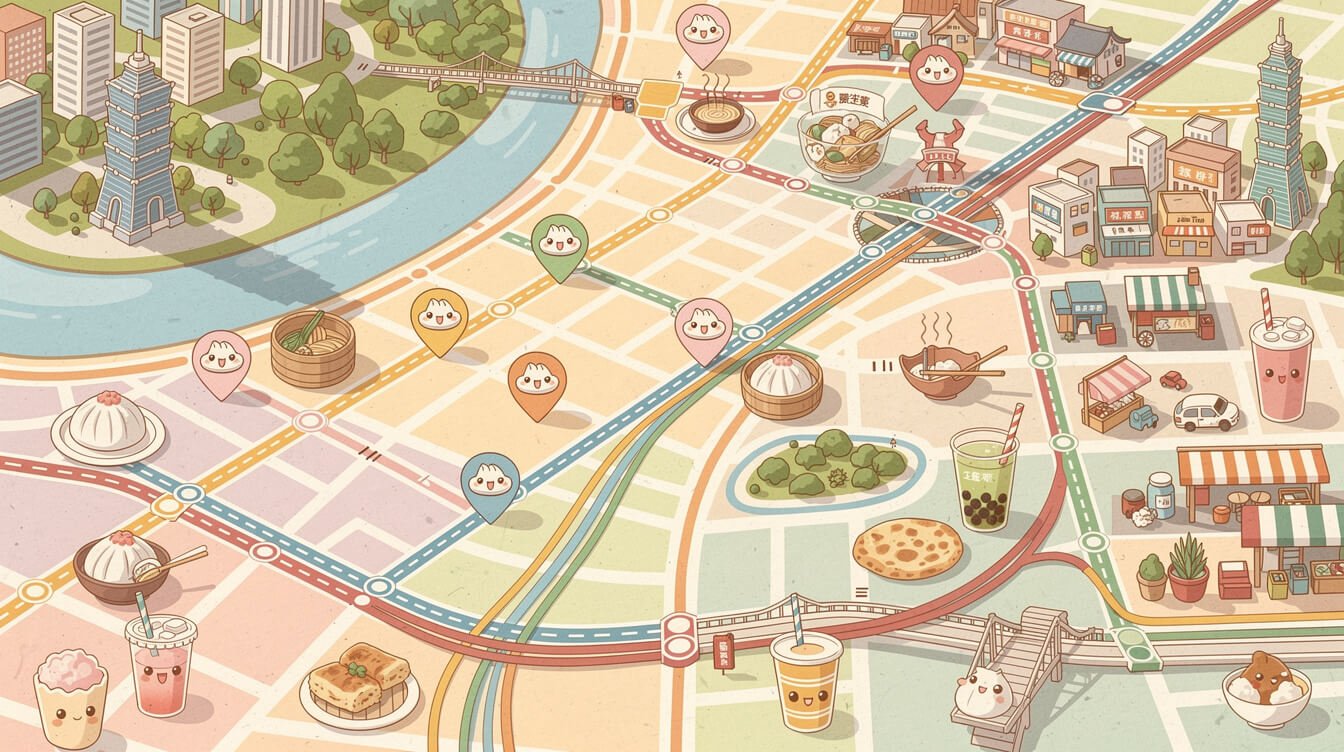
Din Tai Fung operates multiple branches across Taipei, and they are not all created equal. Here’s the honest ranking, based on what matters most to a first-time visitor: wait time, atmosphere, and menu completeness.
1. Xinsheng Branch (Recommended for First-Timers)
Address: No. 277, Section 2, Xinyi Road, Zhongzheng District — about a 10-minute walk from the original Xinyi location.
This is the de facto successor to the original flagship. Multi-floor, elevator-equipped, far more accessibility-friendly than the old location’s steep internal staircases. Wait times are still substantial (expect 45–90 minutes on weekends), but the atmosphere here is the quintessential DTF experience — the full kitchen viewing window is here, the service is immaculate, and the menu is complete including seasonal specials. When DTF’s own staff recommends this location to visitors, they’re not being dismissive. This is their best Taipei expression.
2. Xinyi District / 101 Mall Branch
Inside the Taipei 101 mall complex. Convenient if you’re already in the area. Wait times mirror the Xinsheng branch. The atmosphere feels slightly more corporate (mall setting), but the food quality is identical — DTF’s central commissary ensures every branch gets the same caliber of ingredients and trained staff. Good choice if you’re combining a shopping itinerary with Taipei’s Xinyi attractions.
3. Original Xinyi Road Location (Takeout Pilgrimage Only)
This is where it all started — a small storefront on Xinyi Road, once a cooking oil shop. It is still standing. It is still worth visiting, but strictly for the history and the takeout box. Walk up, order at the window, step aside, watch the chefs work through the glass, and eat your dumplings on the pavement like a true dumpling pilgrim. Zero wait for a seat (because there are no seats). The dumplings taste identical to what you’ll get inside any full-service branch.
4–8. Other Branches (Songgao, Nanjing, Zhonghe, Hsinchu, SOGO Fuxing)
The remaining Taipei-area branches follow the same formula: reliably excellent food, strong service, predictable wait times of 30–90 minutes depending on day and time. The SOGO Fuxing branch is a local’s favorite for slightly shorter waits due to its residential neighborhood location. If you’re staying in Taipei and using the MRT, pick whichever branch is closest to your accommodation for maximum convenience. The food will be the same.
Bottom line on location choice: First-timer? Go to Xinsheng. Want a quick pilgrimage? Walk past the original Xinyi location, grab a takeout box, keep moving. Want a shorter wait? Try SOGO Fuxing on a weekday morning.
The Ordering Strategy: What to Get on Your First Visit (and What to Skip)
The menu is larger than you think, and easy to over-order. Here’s the framework for a first visit that hits every essential without wasting stomach space.
Mandatory Order: Classic Pork Xiao Long Bao
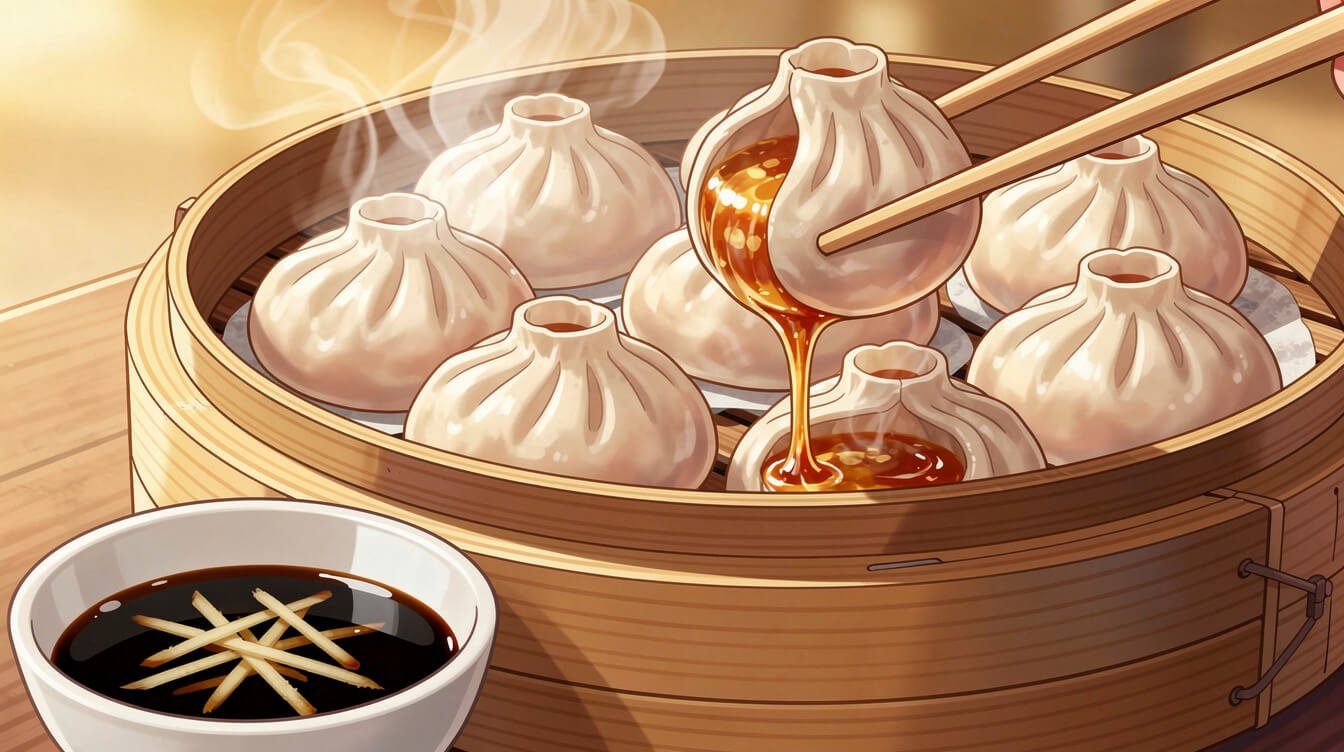
Order this first. Eat it while it’s still scalding hot. The technique: lift with chopsticks, place in spoon, tear a tiny hole in the skin with your teeth, let the broth cool for 3 seconds, drink it, then eat the rest. The broth inside each dumpling is made from aspic — pork-based gelatin that melts into soup during steaming. At DTF, each classic XLB wrapper weighs exactly 5 grams; the filling weighs exactly 16 grams. If you’ve never experienced this precision, the first bite will recalibrate your understanding of what a dumpling can be.
Taiwan Exclusive: Black Truffle Xiao Long Bao
This is why you’re eating at the Taipei branch specifically. In Hong Kong and Singapore DTF locations, you get 6 pieces per steamer. In Taiwan, you get 10. The price differential is significant, and the truffle flavor is genuinely present — not a background suggestion but a forward earthy intensity that transforms the XLB into something special. Order at least one steamer. If you’re splurging, order two.
Smart Additions: Shrimp Fried Rice, Cucumber Salad, Chicken Soup
The shrimp fried rice is criminally underrated and provides a necessary starch base for all the rich dumplings. The marinated cucumber salad cuts the fat beautifully. The chicken soup — a clean, deeply savory broth — is a gentle way to reset your palate between orders.
The Dip Setup
Each table comes with black vinegar and julienned ginger. The official technique: place a small stack of ginger in your spoon, pour vinegar over it, dip the XLB in this mixture. Most locals eyeball the ratio. The vinegar’s acidity cuts through the pork fat; the ginger adds warmth. This is not a sauce you pour over everything — it’s specifically for the XLB.
What to Skip (On a First Visit)
The spring rolls and appetizer selections are competent but not revelatory. The noodle dishes are good but not why you’re there. Desserts (taro and red bean XLB, sesame buns) are worth trying if you have room — but if stomach capacity is finite, prioritize additional savory steamers.
Reservation Hacks: Walk-In Tickets, the DTF App, and Off-Peak Windows

DTF Taipei does not take advance reservations the way a fine-dining restaurant does. The system is queue tickets — and there’s a strategy to navigating it.
The Ticket System
When you arrive, you take a queue number at the host stand. This number tells you approximately when your table will be ready. The brilliant move — popularized by Taipei locals — is to send one person to grab the ticket while the rest of the group explores the neighborhood. The DTF app lets you monitor your queue position in real-time, so you can receive a notification when your table is approaching.
Off-Peak Windows
Weekday openings (typically 11:00am) see the shortest waits — arrive 20 minutes before opening on a Tuesday or Wednesday and you’re often seated within 15–20 minutes. Weekend lunch and dinner service involves the longest queues (1.5 to 2 hours is not unusual in summer). The late lunch window (2:00–4:00pm) is also reliably shorter, though not all branches offer split sittings.
The Dongmen Market Trick
The Xinsheng branch is within walking distance of Dongmen Market — a local wet market with excellent produce, fresh tofu, and interesting Taiwanese snack stalls. Grab your queue ticket, walk to Dongmen Market for 45 minutes of exploration, then return when the app tells you you’re close. This is arguably the optimal use of an inevitable wait.
Getting There via MRT
For both the Xinsheng and original Xinyi branches, Dongmen Station (Red Line) is the nearest stop. The MRT remains the most reliable way to get anywhere in Taipei without worrying about traffic or parking — check the Taipei MRT map guide for full routing tips before your visit.
How a Cooking Oil Shop Became the World’s Most Famous Dumpling House
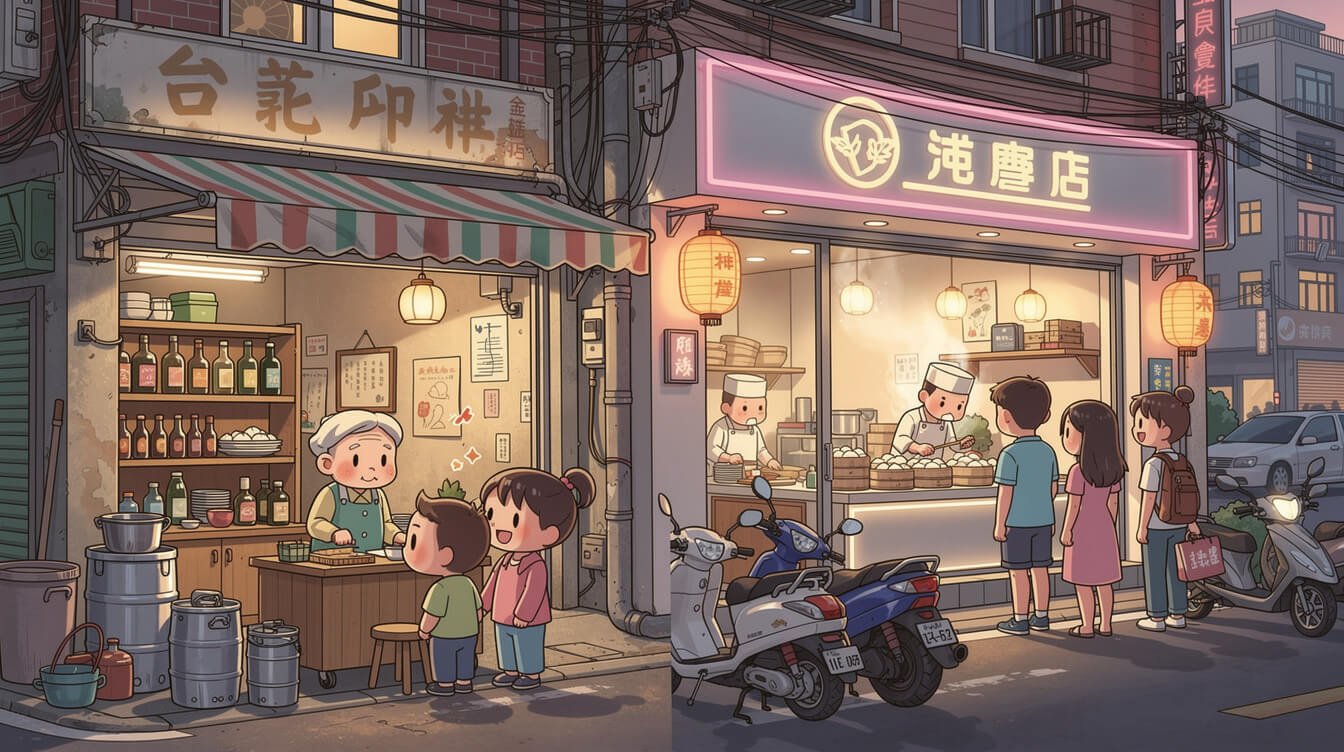
In the 1970s, Yang Bingyi and his wife Lai Penmei ran a modest cooking oil distribution business on Xinyi Road in Taipei. “Din Tai Fung” was the name of the oil company they worked for. Business was declining — the cooking oil market was changing, competition was fierce, and the margins were thin.
Rather than fold, Yang Bingyi pivoted. He transformed half of the oil shop’s floor space into a small dumpling kitchen. The xiao long bao they made were not the product of an ancient family recipe handed down through generations of dumpling masters — they were a practical response to a business problem. Yang Bingyi needed to generate revenue. Dumplings were something he knew, something his wife was skilled at, and something Taipei residents wanted to eat.
What followed is one of food history’s more remarkable stories. The dumplings were good. Very good. Word spread through the neighborhood, then through Taipei, then through the Taiwanese diaspora, and then — after a 1993 New York Times article named Din Tai Fung as one of the world’s top ten restaurants — globally. The cooking oil business ended. The dumpling business became a dynasty.
Today, Din Tai Fung operates in 13 countries, has multiple Michelin-starred branches across Asia, and maintains a level of consistency that food industry professionals study as a case in operational excellence. Every dumpling is made to specification: 5 grams of wrapper, 16 grams of filling, exactly 18 pleats, steamed for precisely the right number of minutes. The oil shop on Xinyi Road is long gone. The storefront that replaced it — the takeout window that still sells those same dumplings — is still there.
When you’re visiting Taipei, understanding this origin story changes how you taste the food. These weren’t always luxury dumplings. They were a family’s survival strategy that became a cultural institution.
The Michelin Star: Why Taiwan’s Most Famous Restaurant Chose Not to Keep It
In 2010, the Michelin Guide awarded a star to Din Tai Fung’s Xinyi Road location — making it one of the first soup dumpling establishments in the world to receive that recognition. The food world took notice.
In 2020, the Xinyi location no longer appeared in the Michelin Guide. Not because it lost the star. Because DTF reportedly chose not to participate in the evaluation process.
Why Would a Restaurant Opt Out of Michelin?
The most credible explanation is that Michelin star status comes with expectations that are incompatible with Din Tai Fung’s business model. Fine dining expectations — quiet rooms, extensive reservation systems, prix fixe menus, reduced seating — would require DTF to fundamentally change what they are. They’re a high-volume, casual-format, queue-management operation. That’s not an insult; that’s what makes them accessible and what makes them beloved. A Michelin star would push them toward becoming something they’ve never wanted to be.
The irony is that DTF’s food arguably still deserves stars by any technical measure. The precision of the xiao long bao production, the consistency across dozens of global locations, the sourcing and freshness standards — these are not casual operations. But the restaurant has chosen to remain, culturally, a place where a family can walk in, wait in line, and eat world-class dumplings for a reasonable price without feeling like they’ve entered a different social register.
That choice is a core part of the brand’s identity. The star is gone. The queues are not.
Speaking of food culture — if you’re the kind of person who appreciates Taiwan’s unique brand of casual excellence, you might enjoy our Taiwan Boba Tea Cat T-Shirt — it captures that same playful-meets-proud energy that makes Taiwan’s food scene so special. Available in multiple styles for $24.99.
The Glass Kitchen: What Those 18 Pleats Actually Mean
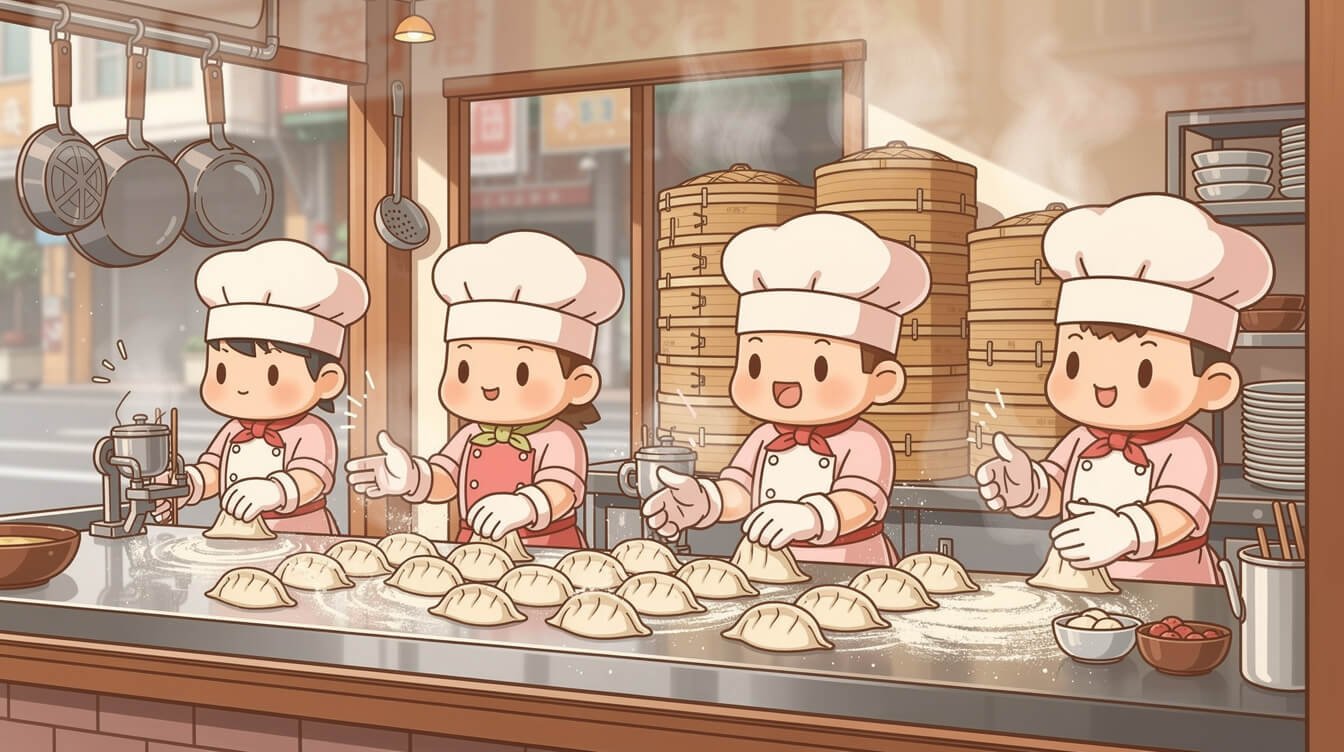
Every Din Tai Fung location with a proper dining room features a glass-walled open kitchen. This is not decorative. It’s a transparency statement — DTF invites you to watch the entire production process, to count the pleats, to verify the weighing, to observe the steam cycles. It’s confidence made architectural.
The 18-Pleat Standard
Authentic Din Tai Fung xiao long bao have exactly 18 pleats (folds) at the top. This is not mythology — it’s a quality standard. Each pleat requires precise hand positioning and consistent pressure. A new DTF employee spends months training before they’re permitted to work on the public-facing production line. The 18-pleat standard ensures even cooking — too few pleats leaves the top too thick and doughy; too many creates thin spots that risk tearing during steaming.
When you’re watching through the glass, you’ll see this in real time. The speed at which the chefs work is remarkable — each XLB takes roughly 30 seconds to complete from wrapper to sealed pleat. The chefs work in synchronized teams, weighing each component on a small scale before assembly. If the wrapper comes in at 4.8 grams or the filling at 15 grams, it goes back. Consistency is the product.
Kitchen Etiquette at the Glass
Don’t knock on the glass. Don’t photograph with flash. The kitchen staff are working at high intensity — respectful observation is welcome, but intrusive behavior (even with good intentions) disrupts the flow. Most DTF locations have a small viewing area adjacent to the kitchen. Spend a few minutes there before or after your meal — it fundamentally changes how you experience the food.
Kid-Friendly Notes
DTF Taipei is genuinely family-friendly. High chairs are available, the ambient noise level is high enough that children’s energy blends in, and the kitchen viewing is a natural entertainment for younger visitors who are fascinated by repetitive precision. The one logistical note: the XLB arrive very hot. For small children, let the dumplings cool in the spoon before serving — the broth inside retains heat significantly longer than it appears to.
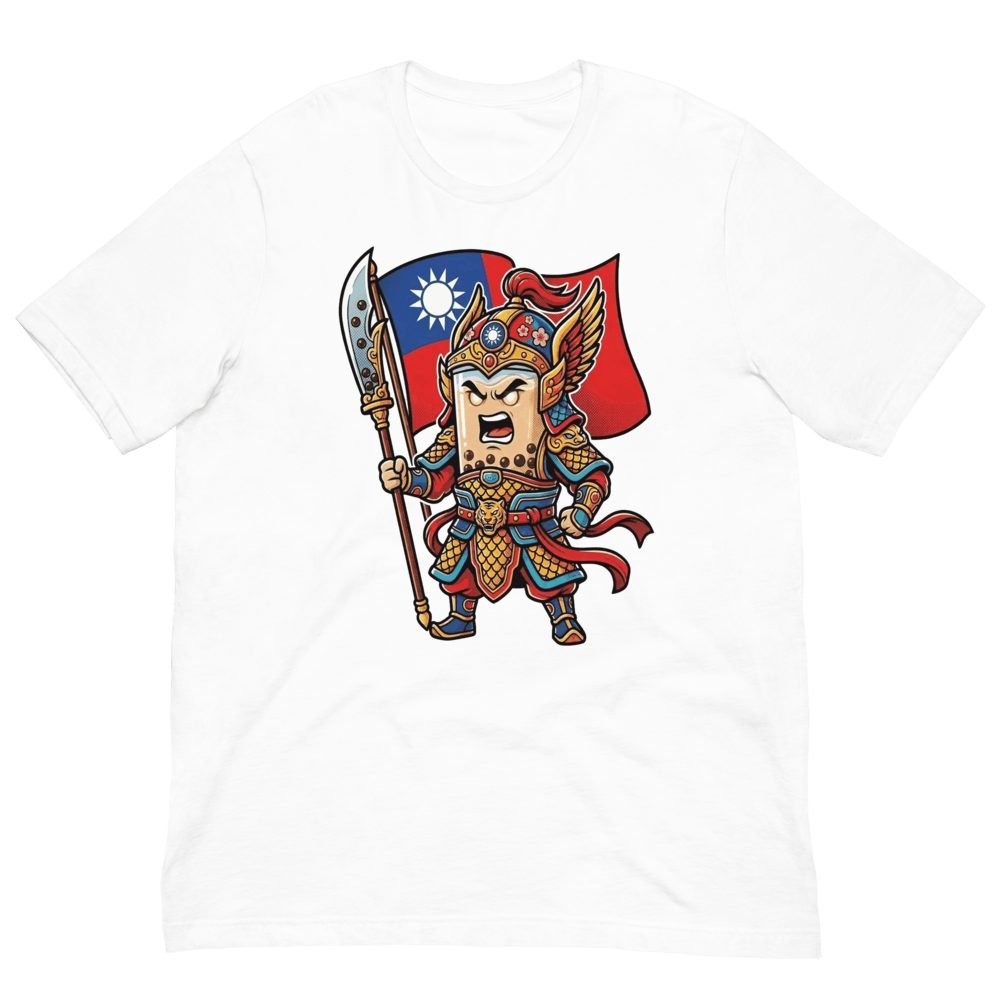
Wear Your Taiwan Pride
Taiwan’s food culture is one of a kind — bold, precise, and deeply proud. Our Taiwan Boba Tea Warrior tee brings that same energy to your wardrobe. $24.99, ships worldwide.
When to Skip Din Tai Fung: 3 Local Alternatives Worth Your XLB Budget
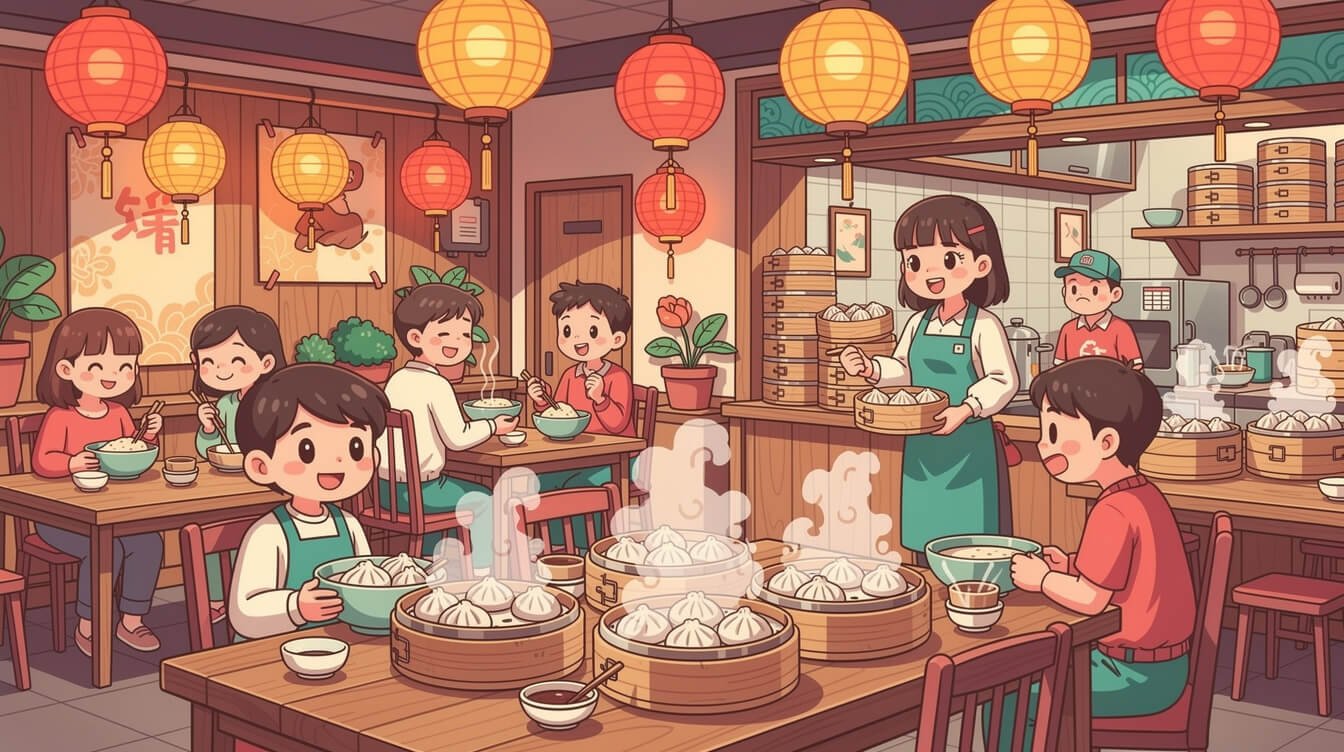
This section will be controversial, but it’s honest: there are situations where you should skip Din Tai Fung entirely on a given Taipei visit. Here’s when, and here’s where to go instead.
Skip DTF When: You’ve Already Been Once and Want Something New
Go to: Kao Chi (高記)
One of Taipei’s oldest and most respected traditional Taiwanese restaurants, Kao Chi has been serving soup dumplings for decades. The atmosphere is old-school — wooden decor, efficient but warmer service, a menu that goes beyond XLB into traditional Taiwanese cooking. The XLB here are different from DTF’s — slightly thicker skin, more pronounced pork flavor, less architectural precision. They cost around NT$300 for a basket. They’re excellent in their own way, and eating here is eating Taipei food culture rather than global restaurant culture.
Skip DTF When: You’re on a Tight Budget and Want Maximum Volume
Go to: Ding Yuan (鼎元豆漿) or local Hangzhou XLB shops
Taipei’s dumpling scene extends well beyond DTF. Small local restaurants in Da’an, Zhongzheng, and Wanhua districts serve very competent xiao long bao for NT$100–200 per basket. They won’t have glass kitchens or 18-pleat guarantees, but they’ll be fresh, hot, and made by people who’ve been doing this their whole lives. Wandering into a neighborhood dumpling shop is one of the more authentically Taipei things you can do — check the Taipei restaurants district guide for neighborhood-by-neighborhood picks.
Skip DTF When: Your Group Has Different Tastes
Go to: Din Tai Fung… just at a different meal.
Realistically, if you’re spending three or more days in Taipei, you have room for one DTF meal and several local dumpling explorations. They’re not mutually exclusive. The question is sequencing — go to DTF early in the trip so you have the benchmark, then spend the rest of your time finding the local equivalent that surprises you.
When DTF Is Genuinely Worth the Wait Every Time
First visit, black truffle XLB, large group wanting a reliable shared experience, or any situation involving someone who has never had a proper soup dumpling. Din Tai Fung is the most consistent, most impressive single XLB experience in the world. That it happens to also be the most famous one is not coincidence — they earned that reputation one perfectly pleated dumpling at a time.
Your Din Tai Fung Taipei Game Plan
Here’s the practical summary: go to the Xinsheng branch, arrive before 11:00am on a weekday for minimal wait, use the DTF app to monitor your queue position, and order the classic pork XLB plus one steamer of black truffle XLB. Watch the kitchen. Appreciate the precision. Understand that you’re eating food from a brand that started as a survival pivot — a family’s cooking oil business that transformed into one of the world’s most technically precise restaurant empires.
The original location on Xinyi Road is 10 minutes away on foot. Walk past it. Grab a takeout XLB from the window if it’s open. Eat it on the pavement. That’s the full Din Tai Fung Taipei experience — both the history and the contemporary version, in one visit.
Planning a longer Taipei itinerary? Our guide to Taipei’s best attractions will help you build a neighborhood-by-neighborhood day plan around your DTF reservation strategy.
More Taiwan Culture, Delivered Weekly
Night market secrets, hidden spots, Taiwan food guides, and new merch drops — straight to your inbox. No spam, just Taiwan goodness.
Grab a Free Taiwan Sticker!
Drop your email and we’ll send you a limited-edition Taiwan sticker — plus insider access to new merch drops and island vibes.
No spam. Unsubscribe anytime.