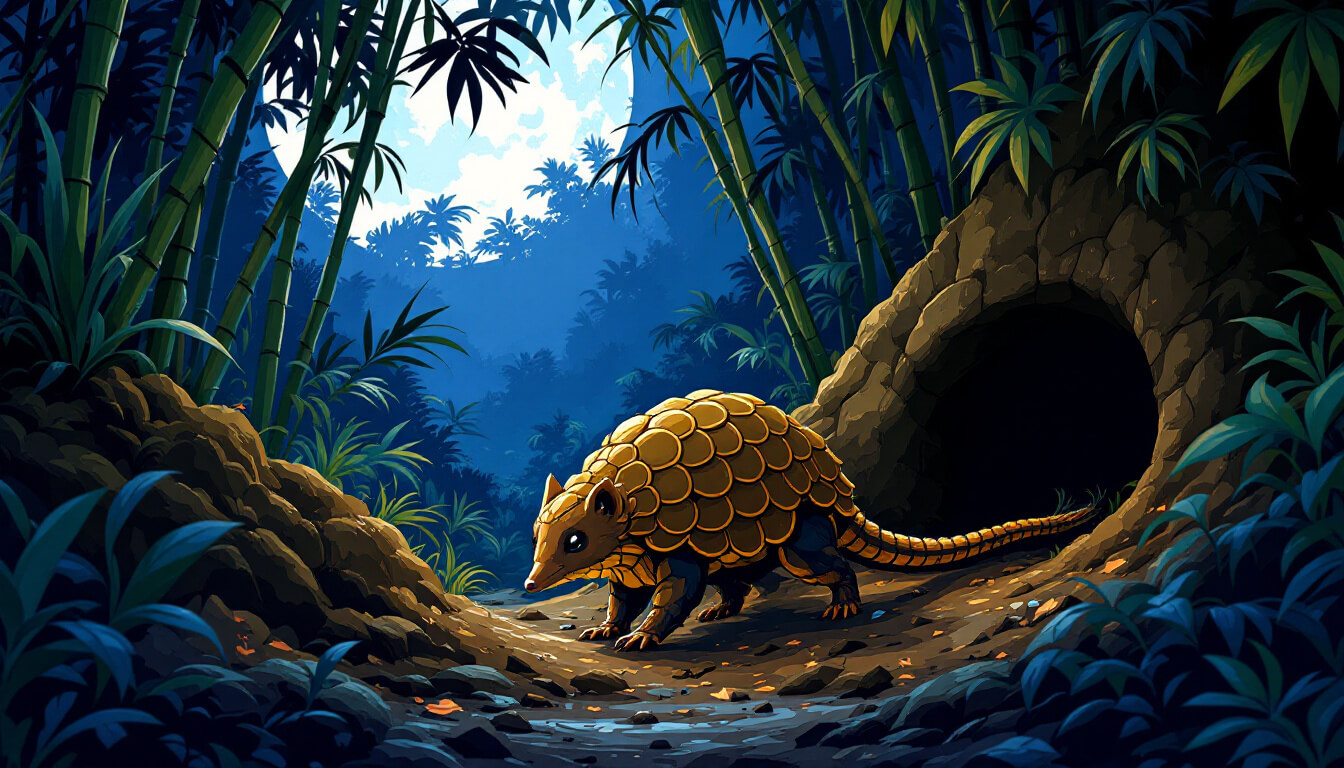
Did You Know? Taiwan Once Shipped 5,000 Pangolin Hides a Month — Now It Has the Densest Pangolins on Earth
Here is a pairing of facts that should not sit together. The pangolin is the most trafficked mammal on Earth, and the species Taiwan has — Manis pentadactyla — is listed as Critically Endangered, with the wild population estimated to have fallen by more than 80% in about three pangolin generations.
And yet one valley in Taitung is carrying roughly 12.8 pangolins per square kilometre, which researchers believe may be the highest density ever recorded in the wild anywhere in the world. Island-wide, rough estimates put the Taiwan pangolin population at around 20,000.
That did not happen by accident. It very nearly went the other way.
The leather years
From the 1950s through the 1970s, pangolin leatherworking was a genuine Taiwanese export industry. At its peak, up to 5,000 hides left the island every month — on the order of 60,000 animals a year — turned into wallets, bags and boots. Pangolin leather was prized for being tough and beautifully textured, and it sold for more than crocodile. The shipments went first to Japan, later to the United States and Australia.
By the end of it, people living alongside the animals told researchers that pangolin numbers had dropped to something like one thousandth of what they had been in the 1950s.
If that arc sounds familiar, it should. Those are the same decades in which Taiwan was the world’s Kingdom of Butterflies, shipping wild-caught wings by the tens of millions. Same window, same global appetite, same reckoning.
1989: the year it stopped
Taiwan passed the Wildlife Conservation Act (野生動物保育法) in 1989, banning the poaching and sale of protected species. It is the same law that gave the Formosan black bear and the landlocked salmon their legal cover. For pangolins it worked quickly — the leather trade simply ended.
In Taitung, the community of Luanshan went further and organised its own patrol group in 2008 to stop hunting on village land. That is the valley now holding the density record, where burrow counts run as high as 110 per hectare. The pangolins dug the place full of holes because nobody was taking them out of it any more.
Then Taiwan taught the world how to keep one alive
Pangolins are notoriously difficult in captivity. They have no teeth, they eat ants and termites, they stress easily in unfamiliar surroundings, and for decades zoos outside Asia could not keep them going at all. Taipei Zoo has spent close to thirty years on the problem — substitute diets, burrow-like enclosures, field observations fed back into husbandry — and recorded its first captive birth in 1997.
That expertise has become an export in its own right. A pair went to Zoo Leipzig in Germany in 2016. Another pair went to Prague Zoo in 2022, and on 2 February 2023 the female there gave birth to a daughter named Šiška — “Pine Cone” — the first pangolin ever bred in Europe. Prague’s own account of it credits the advice and breeding know-how it received from Taipei Zoo.
A footnote for the pedants, affectionately meant: the nominate form of the species, Manis pentadactyla pentadactyla (Linnaeus, 1758), is the Taiwanese one. Every other population was described later.
The danger now isn’t hunters
It is hardware. In a long-running study of wild pangolins admitted to a rescue centre in Taitung between 2009 and 2017, 73% arrived with trauma — and limb injuries from gin traps accounted for 77.8% of those trauma cases. Half of the 117 wild pangolins brought to the Endemic Species Research Institute between 1993 and 2009 were hurt the same way. Another fifth of trauma cases were tail injuries, most likely dog bites; Taiwan has an estimated 160,000 free-roaming dogs in its hills.
The encouraging half of that research: rescue and release now genuinely works. Release rates reached 88.5%, and mortality in care fell from 35.9% to 10.7%.
It makes a neat mirror of the Taiwan leopard cat, which is still losing ground in the low farmed hills. The pangolin is the version of that story where the island already won — and it won by banning a trade, then patiently learning the husbandry nobody else had.
The takeaway: Taiwan went from shipping 5,000 pangolin hides a month to hosting what may be the densest wild pangolin population on the planet, and to being the place other zoos phone when they want their pangolins to survive. Two generations, complete reversal. Walk a forest trail at dusk in Taitung and you are closer to one than you think — they are nocturnal, armoured, and very good at not being seen.
We have a real weakness for Taiwan’s stranger wildlife — the bears, the cats, the blue magpies and the island’s one walking pine cone. You’ll find that affection all over our collection.

Grab a Free Taiwan Sticker!
Drop your email and we’ll send you a limited-edition Taiwan sticker — plus insider access to new merch drops and island vibes.
No spam. Unsubscribe anytime.