Kaohsiung Pier 2 Art Center: The Warehouse-by-Warehouse Guide (2026)
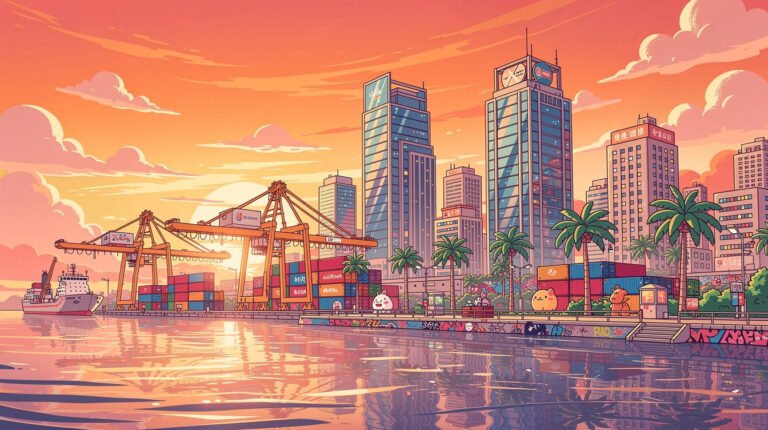
Most people arrive at the Kaohsiung Pier 2 Art Center with a vague plan. They’ll see “the art place by the harbor,” take a photo with the giant robot, and head off to dinner. Then they find out that Pier-2 (駁二藝術特區, Bó’èr Yìshù Tèqū) isn’t one building. It’s 25 converted port warehouses in three separate clusters, strung for more than a kilometer along the old harbor line, with a light-rail track and a bike path running through the middle. Without a map in your head you’ll walk past half of it.
This guide is that map. We’ll cover what the Kaohsiung Pier 2 Art Center actually is (and why a fireworks show saved it), which warehouse cluster holds what, how to get there by light rail or MRT, where the best public art and maker studios are, and the hours, lockers, tours and festival dates that decide how your day goes. If you’re still planning the rest of the city, start with our complete Kaohsiung guide and come back here for the deep dive.
What Is the Kaohsiung Pier 2 Art Center? From Cargo Sheds to Art District
Start with the name, because it explains everything. Bó (駁) means to transfer cargo, as in unloading from ships onto barges. Èr (二) is the number two. So “Pier-2” is really “transfer warehouse No. 2,” a plain label for the 1973-built sheds in Kaohsiung Harbor’s third basin. For years they held ordinary port cargo, and then, as Kaohsiung shifted from a heavy-industry port toward a service city, they stood empty.
The fireworks that found it
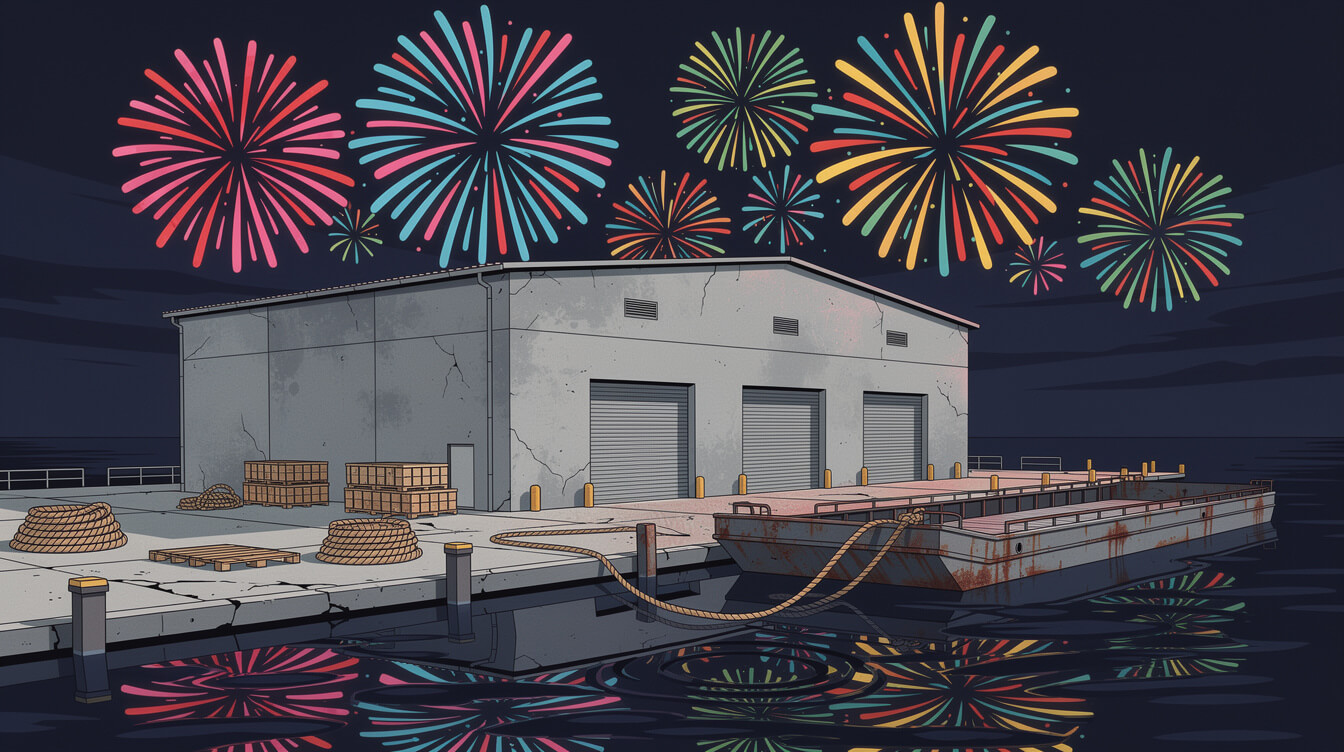
The rescue story is pure Taiwan. In 2000, the national Double Tenth fireworks were held outside Taipei for the first time and came south to Kaohsiung. While city officials were scouting a launch site, they stumbled on these abandoned warehouses and realized they had found something. A group of local artists and cultural workers founded the Pier-2 Art Development Association in 2001, pushed to turn the sheds into a base for southern Taiwan’s arts scene, and finished the first renovations in March 2002.
How it grew to 25 warehouses
The association and Shu-Te University’s arts workshop ran the site in its scrappy early years. In 2006 the Kaohsiung City Government’s Bureau of Cultural Affairs took over, and the festivals started: design festivals, a typography festival, the steel sculpture festival, container art and giant public figures. In 2012 the city began leasing the Penglai warehouses from Taiwan Sugar Corporation, which brought the count to 14 buildings. The Dayi warehouse cluster opened at the end of 2013, taking the total to 25. The Kaohsiung Light Rail started stopping here in 2017, and that’s when Pier-2 stopped being a side trip and became the center of the harbor.
It hasn’t all been smooth. In March 2021 a fire gutted one warehouse building overnight, leaving only its concrete walls and metal frame. Today the Kaohsiung Pier 2 Art Center sits across Yancheng and Gushan districts and does a bit of everything: free outdoor art, paid exhibitions, an art-house cinema, live-music venues, shops, cafés and studio space for working artists.
The Kaohsiung Pier 2 Art Center Map: Three Warehouse Clusters

This is the part most guides skip, and it’s what makes the visit click. Pier-2 is three clusters in a line, roughly east to west along the waterfront: Dayi, then Dayong (the original core), then Penglai. Each has its own light-rail stop. Warehouses carry letter-number codes, and once you know them, the signs start making sense.
| Cluster | Warehouses | What’s there | Nearest stop |
|---|---|---|---|
| Dayong (大勇), the original core | C1–C5, P2, P3, Moonlight Theater, Warehouses 7–9 | The in89 art-house cinema (C1/C2), Eslite bookstore (C4), the C5 information center with lockers and wheelchairs, the Art Plaza and the big outdoor sculptures | LRT C13 Penglai Pier-2 or MRT O2 Yanchengpu |
| Dayi (大義), the maker street | C6–C11 | Small design shops, craft studios, cafés, the Wooderful Life wooden-toy store, the C10 Live Warehouse music venue, and SunnyHills pineapple cakes (C11) | LRT C12 Dayi Pier-2 |
| Penglai (蓬萊), the railway end | B3–B10 | The Hamasen Museum of Taiwan Railway (B7/B8), the Kaohsiung Jhengkang Small Theater (B9), big exhibition halls like B3, and the railway sculpture park | LRT C14 Hamasen or MRT O1 Hamasen |
A few things the table can’t tell you:
- The outdoor spaces are the attraction. The lawns, plazas, bike path and railway park between the clusters are open-air and free. Most of the photos you’ve seen were taken outside, not inside.
- Tenants rotate. Shops and studios in Dayi change every year or two. Treat any shop list, including ours, as a snapshot and check the official site’s map before you go out of your way.
- Beyond Pier-2. East of Dayi you’ll find the Kaohsiung Port Warehouse No. 2 (KW2) complex and the wave-shaped Kaohsiung Music Center. West of Penglai, across the Great Harbor Bridge, is the Penglai harbor area and the Hamasen old town. Neither is technically part of Pier-2, but they share the same waterfront walk.
If you only have three hours, do Dayong and Dayi. If you have a full day, walk the entire strip from the Music Center to the railway park and finish with sunset over the harbor.
How to Get to the Kaohsiung Pier 2 Art Center
Getting here is easy. Choosing a stop is the hard part, because each one drops you at a different cluster. Here are the routes, all checked against the art center’s own transport page.
By Kaohsiung Light Rail (the fun way)
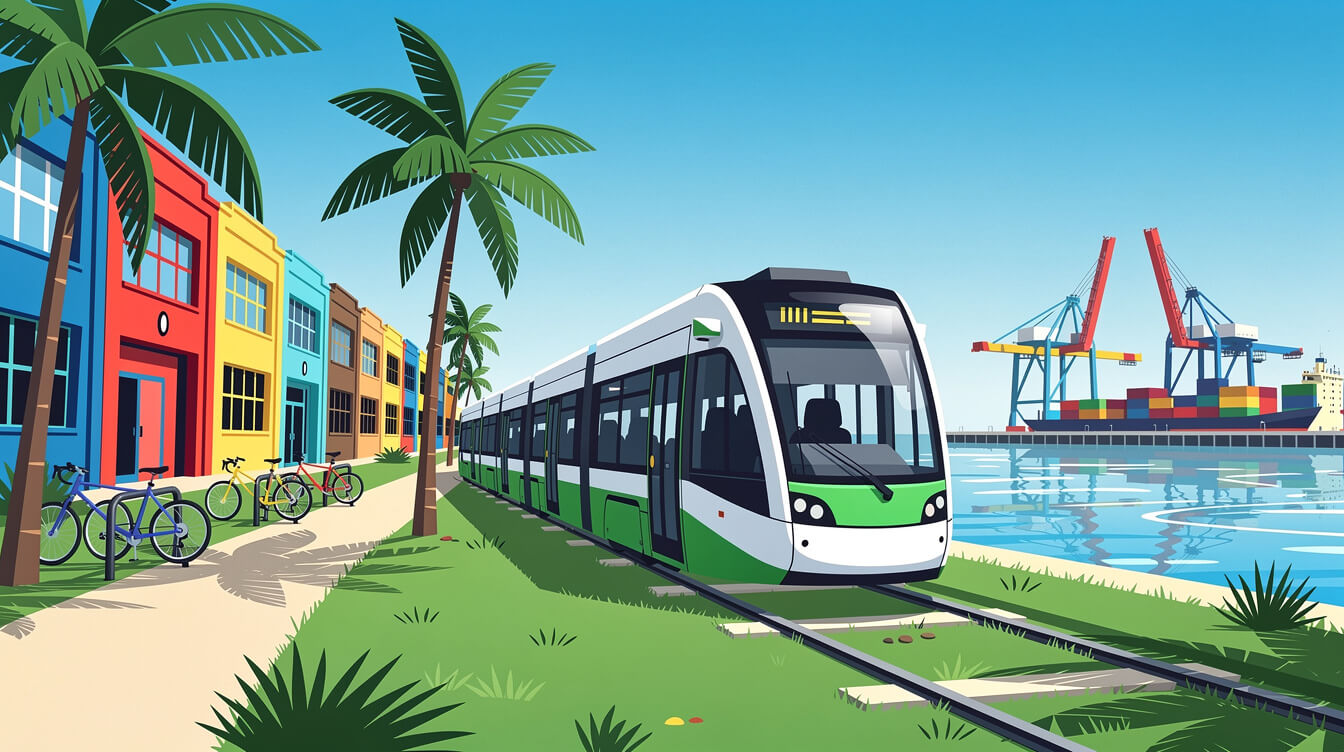
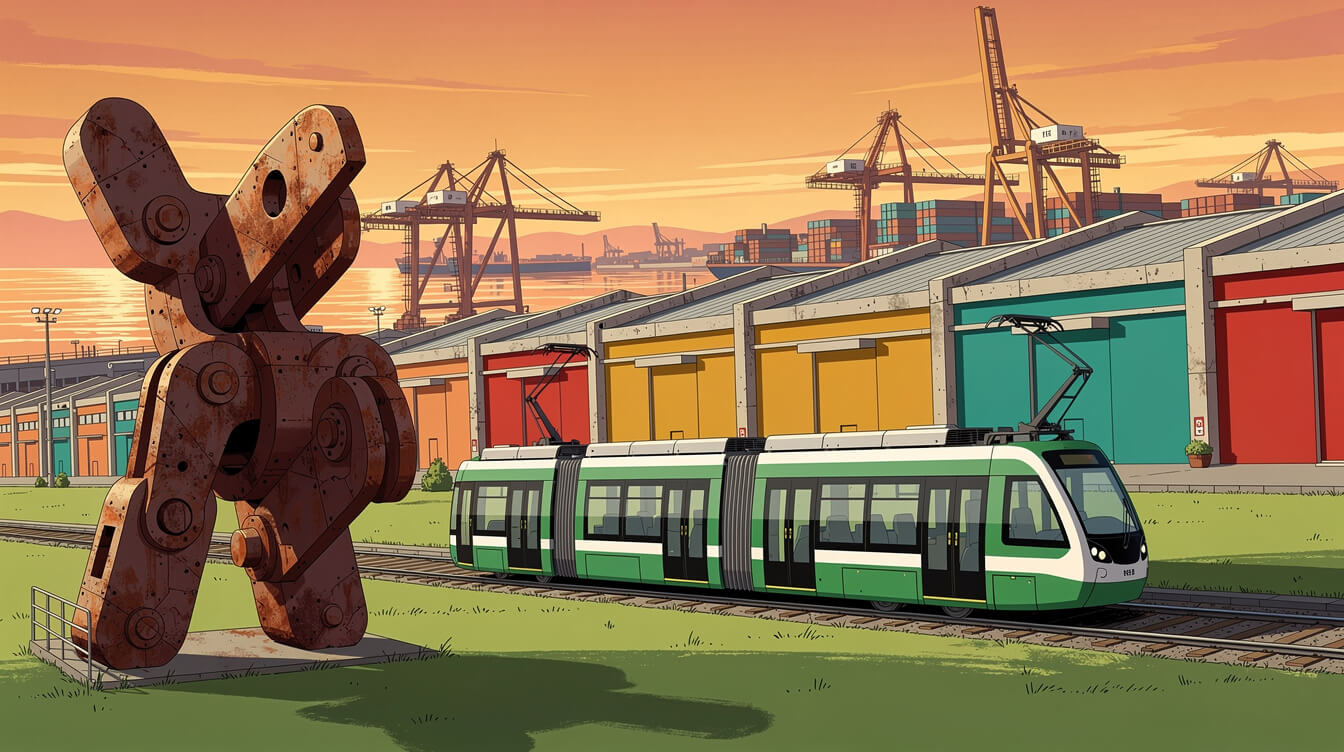
The Circular Light Rail runs right through Pier-2 with three useful stops: C12 Dayi Pier-2 (for the Dayi warehouses, KW2 and the Music Center), C13 Penglai Pier-2 (a two-minute walk to the Dayong core), and C14 Hamasen (for the Penglai warehouses and the railway museum). The tram glides along a grass track past the warehouses, so you get a moving overview of the district before you even step off. Your iPASS or EasyCard works on it.
By MRT
- Orange Line O2 Yanchengpu, Exit 1: walk south on Dayong Road for about five minutes and you’ll reach the Dayong warehouses. This is the best stop if you’re coming from the city center or the Love River.
- Orange Line O1 Hamasen, Exit 2: walk east along the West Side Harbor Line Bike Path for about two minutes to the Penglai warehouses. The station used to be called Sizihwan, and some older guides and signs still use that name.
From the high-speed rail or train station
Coming down on the Taiwan High Speed Rail, you’ll arrive at Zuoying. Take the MRT Red Line to Formosa Boulevard, then change to the Orange Line for O2 or O1. That’s about 30 minutes in all. From Kaohsiung Main Station, the art center suggests buses 2 or 88 to the Wufu 4th Road and Dayong Road stop, then a five-minute walk. Flying in? Our Kaohsiung airport guide covers the MRT link into town.
By bike, and a word on cars
The West Side Harbor Line Bike Path, built on an old freight railway, runs through all three clusters. The official itinerary links Glory Pier, Love Pier, Pier-2, Cisian Road and Fisherman’s Wharf, and there are city bike-share docks at Pier-2 and at both MRT exits. Driving is possible but not worth the trouble. Parking is limited, and the Dayong lot charges NT$30 per half hour on weekends (capped at NT$300).
The Art: Steel Giants, Outdoor Sculpture and the Exhibitions Inside
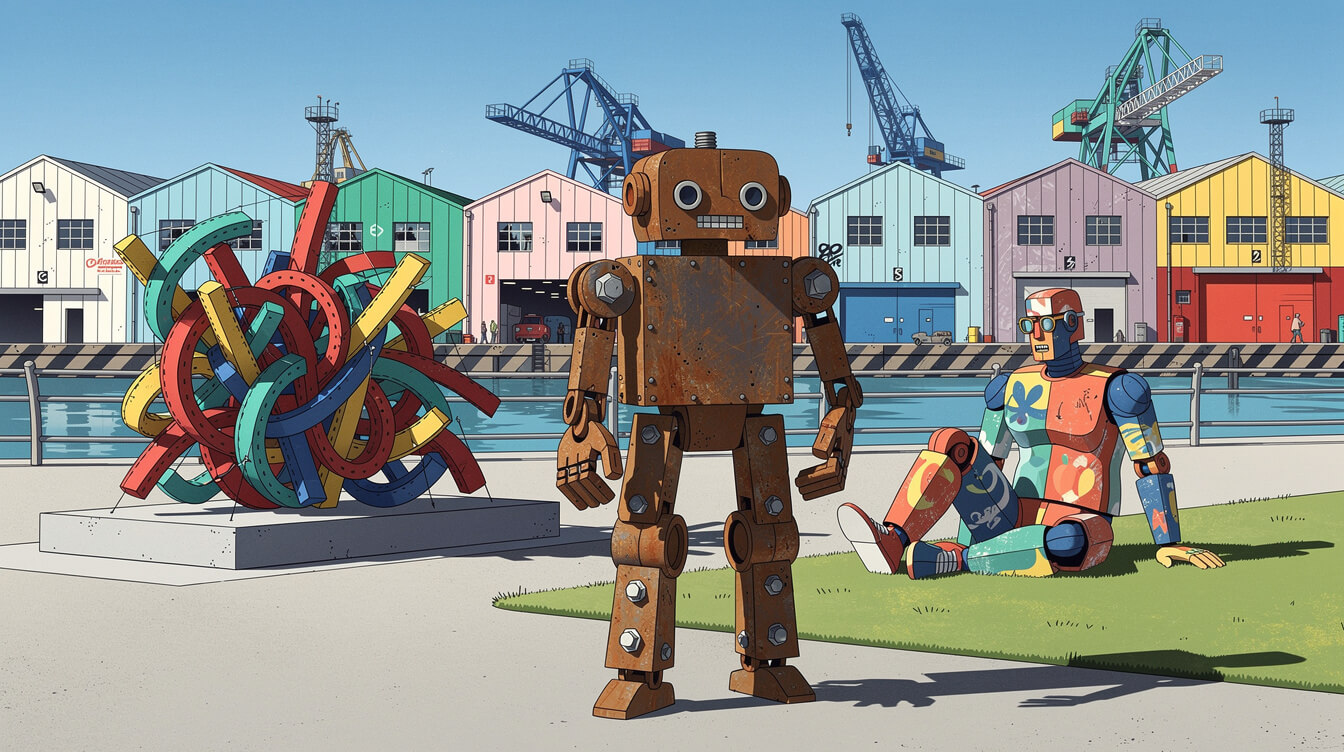
Pier-2’s public art is deliberately oversized and a little cheeky. Think robots welded from scrap plate, giant painted figures sitting on the lawn, old railway equipment turned into sculpture, and murals across whole warehouse walls. It suits a port that built ships and made steel for half a century, and that industrial memory is the thread running through the best work here.
The Kaohsiung International Steel Sculpture Festival
That thread has its own festival. The Kaohsiung International Steel Sculpture Festival is now in its 11th edition, and the 2026 edition, titled SUPER STAGE, ran from October 23 to November 22, 2026, in the Penglai B3 warehouse, the Hamasen railway park and the surrounding Yancheng streets. If you’re reading this just after it closed, don’t worry. Plenty of large outdoor sculpture stays on the grounds year-round, and it’s free to wander any day.
Free vs. ticketed
Walking the grounds costs nothing. Inside the warehouses, it depends on the show. The art center says entry to exhibitions “depends on topics and scales,” so some halls are free and the big special exhibitions are ticketed. Check the official events page before you go, especially if you’re heading for one specific show.
Where to look
- The Art Plaza and the Dayong lawns: the densest cluster of large outdoor pieces, and where the famous robot photos come from.
- The Penglai railway sculpture park: old tracks, turntables and rolling stock as a backdrop, with the Hamasen Museum of Taiwan Railway’s indoor model layout next door. Note that the museum is closed on Tuesdays.
- Warehouse walls and alleys in Dayi: smaller murals, installations and window displays that change with the tenants.
- Exhibition halls (C-series and B3): rotating contemporary art, design, anime and comic shows, plus results exhibitions from Pier-2’s artist-in-residence program.
One more tip: the light changes everything here. The warehouse colors look flat at midday and glow in the hour before sunset, so if photos are your priority, save the sculpture walk for late afternoon.
Makers, Shops and Souvenirs Worth Carrying Home
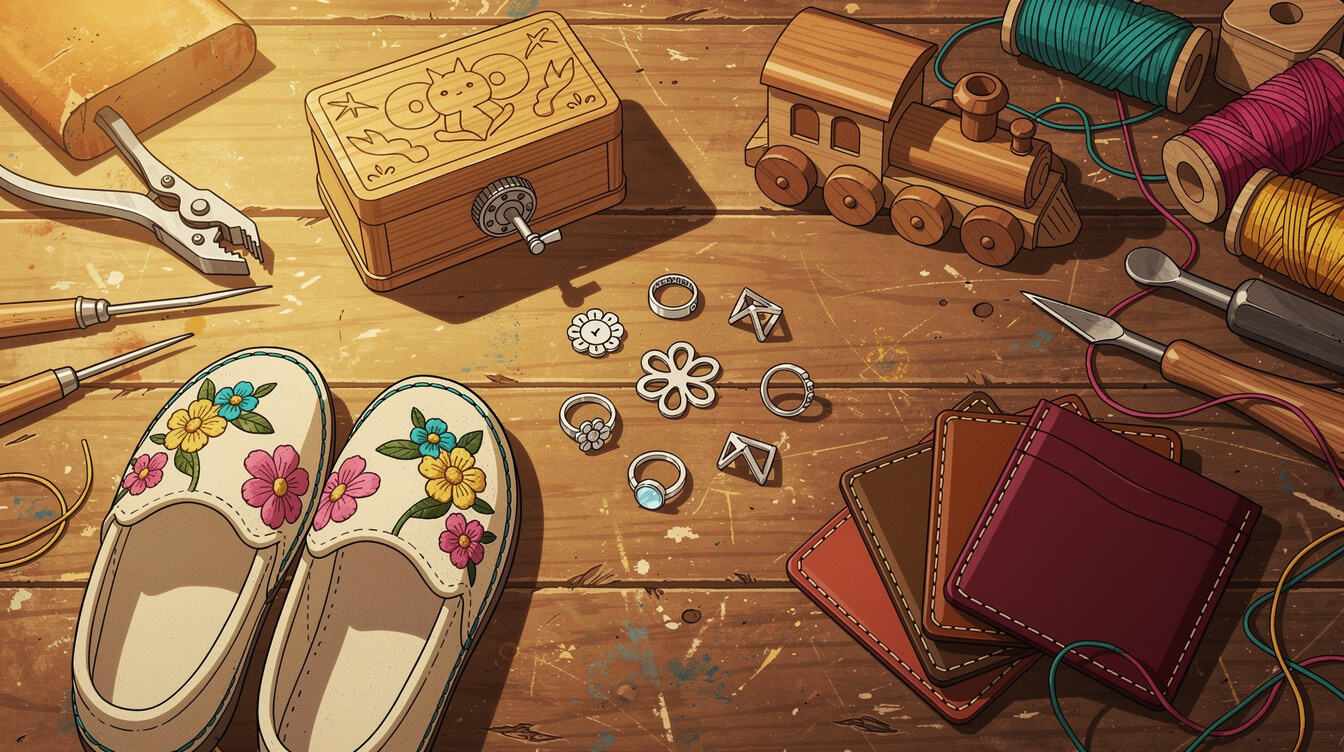
This is where Pier-2 really earns its name as an art district, and where the guides that stop at the robot miss out. The Dayi warehouses (C6 to C11) are home to small, independent makers: studios that make things on site, run workshops and sell work you won’t find in a department store. For a Taiwan Merch reader, this is the best part of Kaohsiung.
The kind of studios you’ll find
The tenants rotate, so think of this as a guide to the types of shop rather than a guaranteed directory. Dayi has had a silver-clay jewelry workshop where you can make your own ring in an afternoon, a studio making hand-embroidered cloth shoes, a metalsmith workshop, hand-stitched leather goods, small galleries and a photography studio doing old-fashioned wet-plate portraits. The big name is Wooderful Life, a Taiwanese wooden-toy and music-box brand that runs a store and workshop space here. Turn one music-box handle and you’ll lose 20 minutes.
Books, snacks and design goods
- Eslite Pier-2 (C4): Taiwan’s beloved bookstore chain, with a strong local-design and stationery section. Good for gifts that fit in a suitcase.
- SunnyHills (C11): the pineapple-cake brand famous for its all-pineapple filling. If you want the backstory on Taiwan’s signature gift, read our guide to Taiwanese pineapple cake before you buy a box.
- Pop-up and weekend markets: Pier-2 regularly hosts maker markets on its lawns and plazas, and the art center recruits vendors for them through its official site. Weekends are the best bet.
Mail it home from the info desk
A lovely, little-known service: the information center in C5 sells stamps, and the staff will post your postcards for you. Write one on the lawn, hand it in, and you’ve got the most Pier-2 souvenir there is.
If you’d rather wear your Kaohsiung memories than mail them, our Shoushan Taiwan Retro Park Poster T-Shirt celebrates the green hill that rises right behind the harbor. It’s the backdrop to every sunset photo you’ll take at Pier-2.
Take the Harbor Home
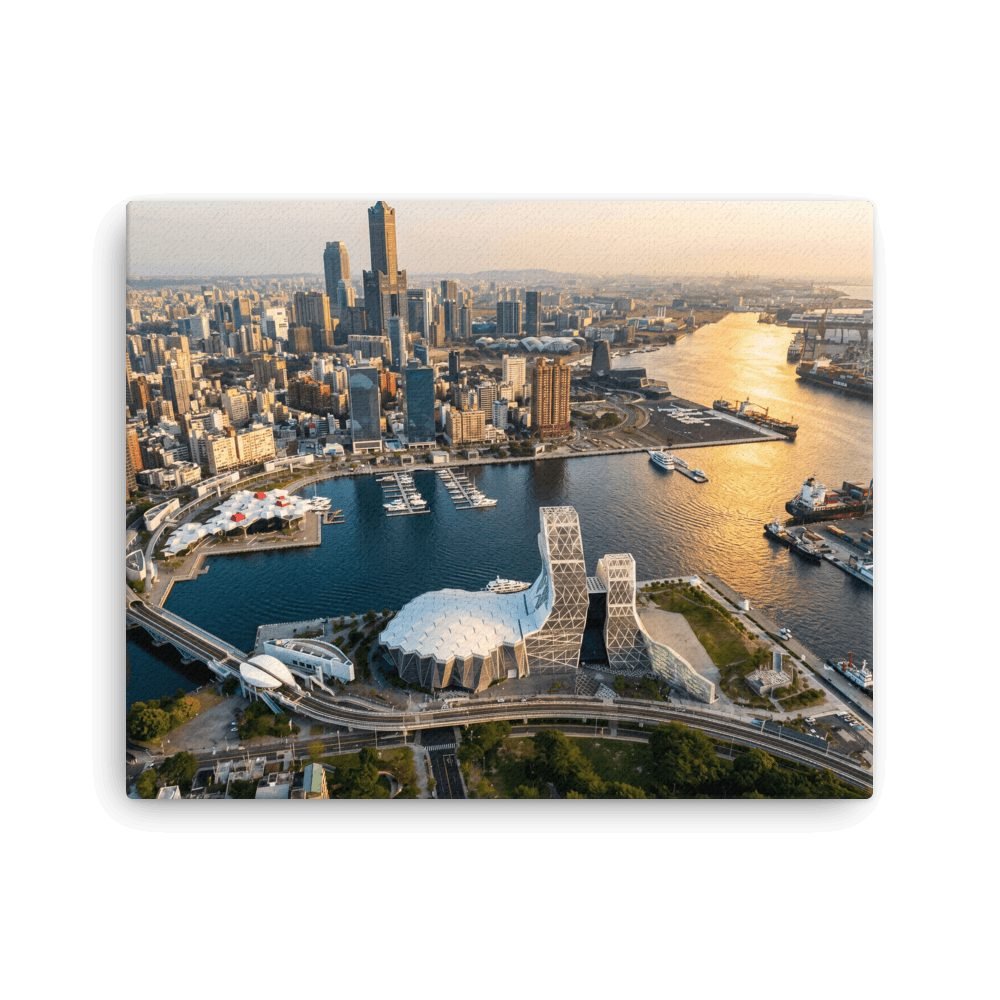
Pier-2 is all about turning a working port into art. Our Kaohsiung Harbor aerial-view print does the same for your wall: the cranes, the water and the city that reinvented itself, framed and ready to hang.
Festivals, Live Music and the Best Time to Visit
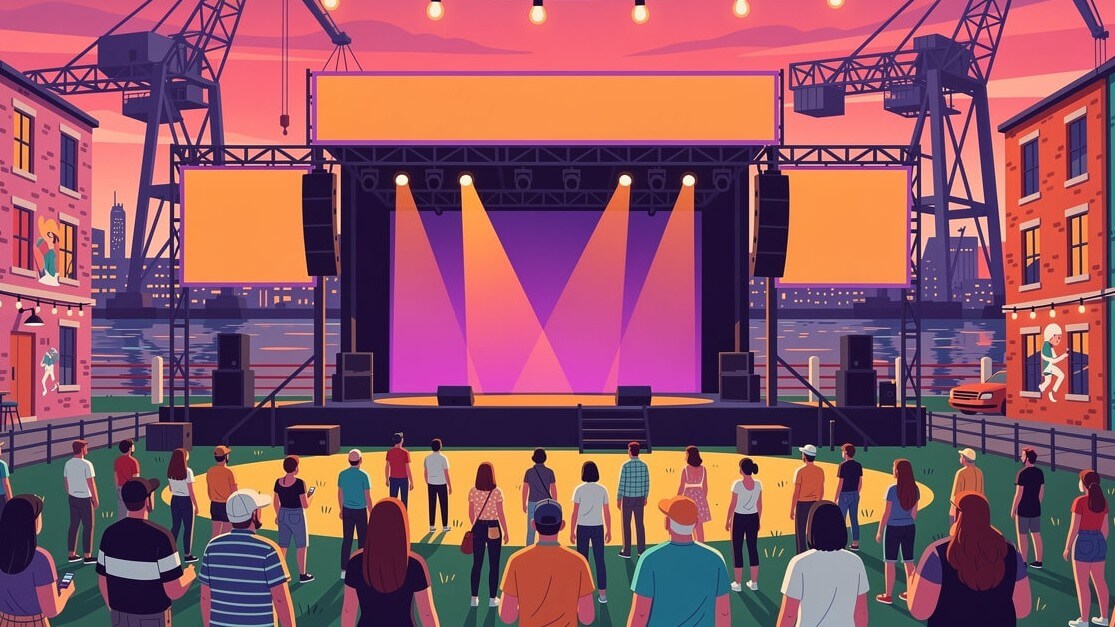
Pier-2 is at its best when something is on, and something is usually on. The city has used the district as its festival ground ever since it took over in 2006.
The festivals to plan around
- Megaport Festival (大港開唱): Kaohsiung’s big indie-rock festival, held along the harbor in spring, usually in March. It’s the loudest, most crowded and most fun weekend of the Pier-2 year. Book a room early.
- Youth Design Festival (青春設計節): a showcase of graduating design students’ work. Its May 2012 edition was the first big show in the newly opened Penglai warehouses.
- Kaohsiung International Steel Sculpture Festival: covered above. The 2026 edition ran from late October to late November.
- Weekend live music: the Moonlight Theater and the C10 Live Warehouse host pop and indie gigs, many of them on weekends. The art center sells tickets for its music events.
Festival dates change every year, and these are patterns, not promises. Check the official Pier-2 events page for the current calendar before you book around one.
The best season
Kaohsiung’s dry season, from roughly November to April, is the sweet spot. You get blue skies, warm afternoons in the mid-20s °C and comfortable evenings. Summer is hot, humid and stormy, and there’s very little shade between the warehouses, so walk early or late and carry water. If Kaohsiung declares a typhoon day off work and school, Pier-2 closes too.
The best time of day
Arrive in the mid-afternoon, explore the warehouses while they’re open, then stay outdoors for sunset over the harbor. On Friday to Sunday the halls stay open until 8 p.m., which gives you time to see the lights come on. Then head inland for dinner at Liuhe Night Market, or grab a cheap snack in Yancheng’s old streets.
Practical Tips: Hours, Tickets, Lockers and Tours
Here’s the small print that saves your day, taken from the art center’s official Q&A wherever possible.
| Item | Details |
|---|---|
| Warehouse hours | Mon–Thu 10:00–18:00; Fri–Sun 10:00–20:00. Closed on Lunar New Year’s Eve (February 5, 2027) and on typhoon days. Outdoor areas are open-air. |
| Entry | Grounds and many halls are free; special exhibitions are ticketed. |
| Lockers (C5) | Three sizes, charged per 3 hours: small NT$30, medium NT$40, large NT$50 (fits a 27-inch suitcase). Available Mon–Thu 10:00–18:00, Fri–Sun and holidays 10:00–21:00. |
| Guided tours | English NT$150 per person; Mandarin NT$100 per person; electric trolley tour NT$2,500 per trolley (up to 12 people). Book through the official reservation form. |
| Food and drink | Nothing but drinking water inside exhibition spaces, and there’s no bag check. Finish your bubble tea outside. |
| Wheelchairs | Borrow one at the C5 information center with one valid ID. |
| Photography | Personal photos are fine. Commercial product shoots aren’t accepted, while non-commercial cosplay or club shoots can apply at the information desk. |
The Great Harbor Bridge
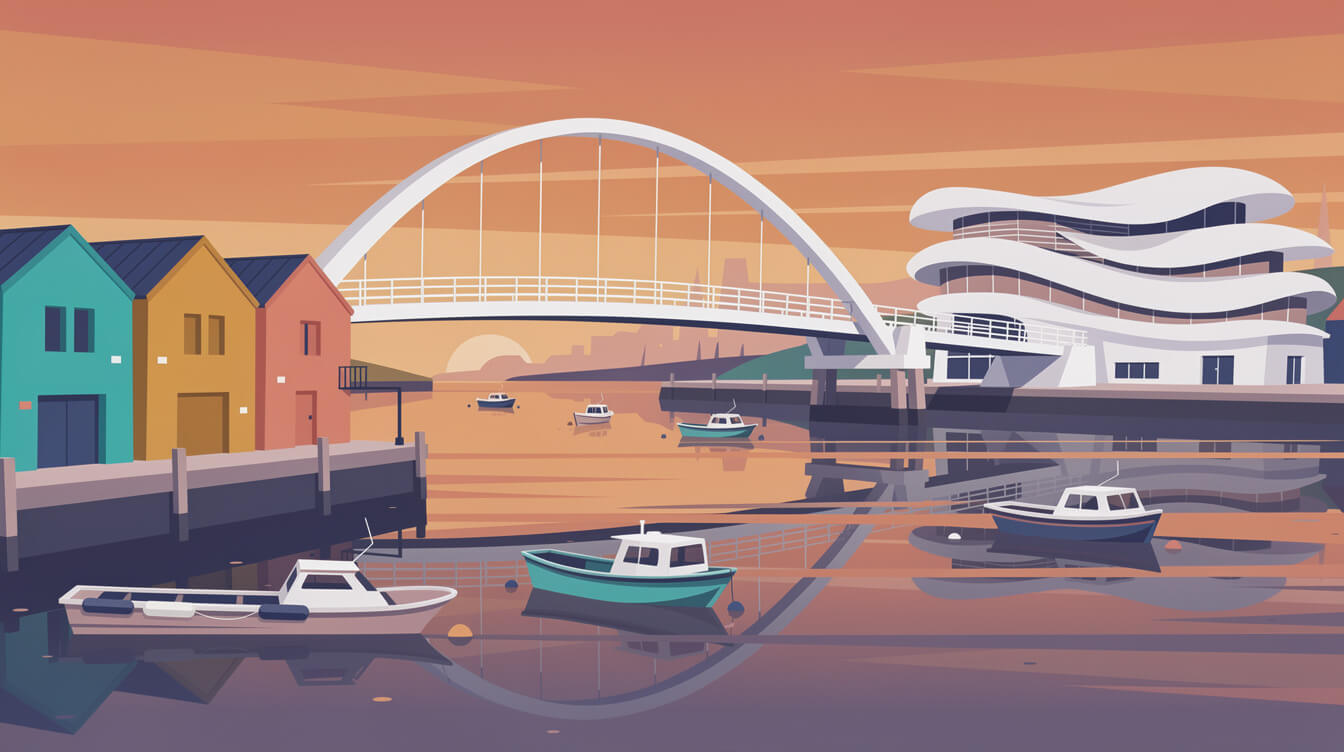
Between the Dayong cluster and the Penglai harbor area is the Great Harbor Bridge (大港橋), a white pedestrian and bike bridge that swings open to let boats through. It’s billed as Taiwan’s first and longest swing bridge. Recent visitor reports put the swings at 3 p.m. daily, with an extra one at 7 p.m. on weekends and holidays. Each takes about half an hour, and the bridge is closed while it turns. It’s worth timing your walk for it, but confirm the schedule on site, since it can change.
Museum days
The nearby railway museums keep their own rest days. The Hamasen Museum of Taiwan Railway is closed on Tuesdays, and the Takao Railway Museum (the old Kaohsiung Port station) is reported closed on Mondays. If either one is your main reason for coming, check before you go.
Combine it with
Pier-2 sits at the start of Kaohsiung’s best harbor day. Walk west through Hamasen to the Gushan ferry pier and cross to Cijin Island for black-sand beaches and seafood. For the city’s port history, read about Hongmaogang, the fishing village Kaohsiung moved to make room for ships. And for a completely different scale of Kaohsiung art, make a separate trip to the Fo Guang Shan Buddha Museum.
Kaohsiung Pier 2 Art Center FAQ
Is the Kaohsiung Pier 2 Art Center free?
Mostly, yes. The outdoor grounds, sculptures and many halls are free. Some special exhibitions and music events are ticketed, so check the official events page.
How long do you need at Pier-2?
Plan on three hours for the Dayong core and the Dayi shops, or a full day if you add the railway museum, the Great Harbor Bridge, KW2 and the Music Center, plus sunset.
Which station is closest to Pier-2?
For the original core, take the light rail to C13 Penglai Pier-2 or the MRT to O2 Yanchengpu (Exit 1). For the maker shops, use C12 Dayi Pier-2. For the railway end, use C14 Hamasen or MRT O1 Hamasen.
What does “Pier-2” mean?
The Chinese name 駁二 means “transfer warehouse No. 2.” 駁 refers to moving cargo between ships and barges, and 二 is the warehouse number.
Is Pier-2 open on Mondays?
Yes. The warehouses open daily from 10:00 (until 18:00 Monday to Thursday), though individual shops and nearby museums keep their own rest days.
Is Pier-2 the same as KW2 or the Kaohsiung Music Center?
No. They’re separate waterfront venues just east of the Dayi warehouses. It’s easy to walk between all three, which is why many guides treat them as one district.
Is Pier-2 good for kids?
Very. Open lawns, giant sculptures, the railway park and model trains, and wooden-toy shops make it one of the most family-friendly spots in Kaohsiung. Just bring sun protection.
Final Thoughts: Give Pier-2 More Time Than You Planned
The Kaohsiung Pier 2 Art Center rewards people who slow down. On a quick visit it’s a robot photo and an ice cream. Given a full afternoon, it’s 25 warehouses of a port city telling its own story. There’s the 1973 cargo sheds, the fireworks scout who found them, the artists who refused to let them go, and the makers who now fill them with silver, leather, wood and thread.
Ride the light rail in, pick your cluster, leave room in your bag for something handmade, and stay for the sunset over the harbor. If you’re building a bigger trip, our neighborhood-by-neighborhood guide to Kaohsiung fills in the rest of the city. And if creative parks are your thing, Taipei has two great counterparts in Huashan 1914 and Songshan Cultural and Creative Park, each a former industrial site with a second life.
A Postcard From Taiwan, Every Week
Art districts, night markets, festivals and the little Taiwan details worth knowing, sent straight to your inbox. No spam, and you can unsubscribe anytime.
Grab a Free Taiwan Sticker!
Drop your email and we’ll send you a limited-edition Taiwan sticker — plus insider access to new merch drops and island vibes.
No spam. Unsubscribe anytime.