Taiwan High-Speed Rail Map: The Complete Guide to Riding the THSR
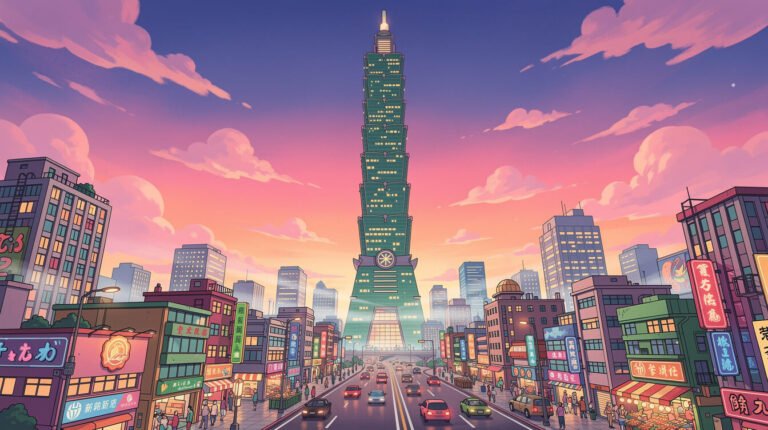
The Taiwan high-speed rail map tells a remarkable story: a single, 350-kilometer line that stitches together the island’s most vibrant cities in under two hours. From Taipei’s neon-lit streets to Kaohsiung’s sun-drenched harbor, the Taiwan High Speed Rail (THSR) has completely transformed how locals and travelers move around this incredible island.
Whether you’re planning your first trip to Taiwan or you’ve been riding the MRT for years but never ventured beyond the capital, understanding the THSR system is essential. This guide breaks down every station, every ticket option, and every insider tip you need to ride Taiwan’s bullet train like a pro.
What Is the Taiwan High-Speed Rail?
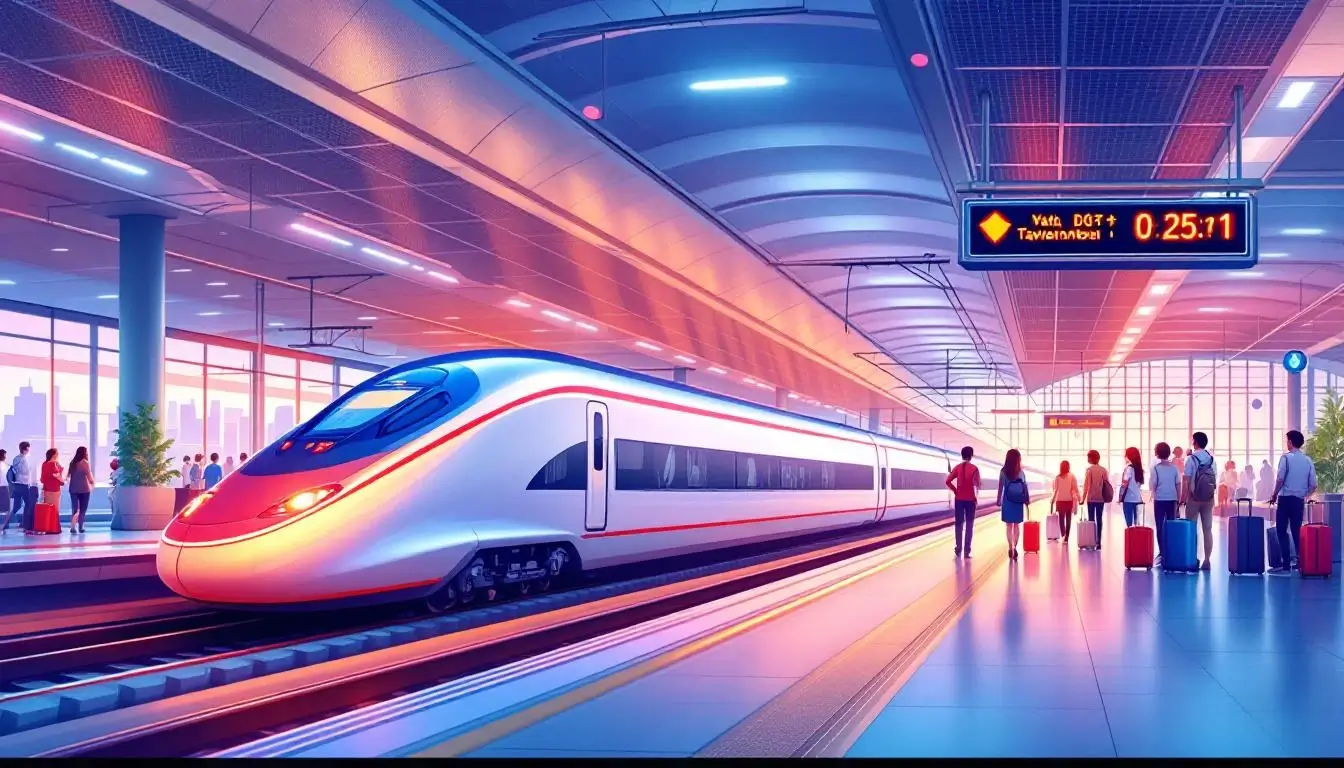
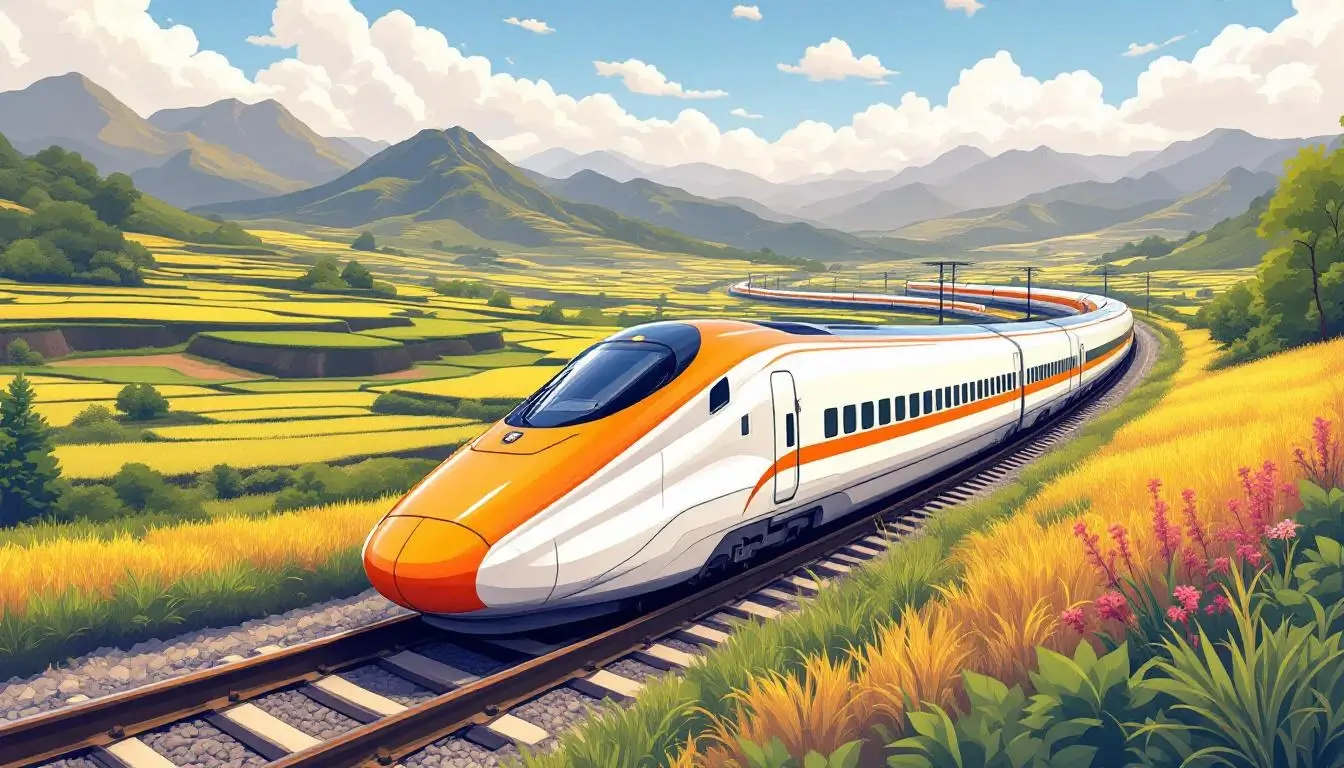
The Taiwan High Speed Rail — known locally as 台灣高鐵 (Táiwān Gāotiě) — is a bullet train system that rockets along Taiwan’s western coast at speeds up to 300 km/h (186 mph). Built using Japanese Shinkansen technology, it’s essentially Japan’s legendary bullet train transplanted onto Taiwanese soil.
The system opened in January 2007 after a massive construction effort that began in 2000. It was one of the largest privately funded infrastructure projects in history, costing roughly NT$515 billion (about USD $18 billion at the time). The operator, Taiwan High Speed Rail Corporation (THSRC), runs the entire western corridor from Nangang in the north to Zuoying (Kaohsiung) in the south.
Before the THSR existed, getting from Taipei to Kaohsiung by conventional train took around 4.5 hours. The bullet train slashed that to just 96 minutes on express services. That single improvement fundamentally changed Taiwan — suddenly, people could live in Taichung and commute to Taipei, or take a day trip from the capital to explore incredible destinations across the island.
The THSR operates approximately 130 trains daily in each direction, running from around 6:00 AM to midnight. During peak hours, trains depart every 10-15 minutes — making it more like a metro system than a long-distance rail service.
Key Stats at a Glance
- Route length: 345 km (214 miles)
- Top speed: 300 km/h (186 mph)
- Stations: 12 total
- Daily ridership: ~180,000+ passengers
- On-time rate: 99.7% (one of the highest in the world)
- Fastest Taipei-Kaohsiung time: 96 minutes (express)
Taiwan High-Speed Rail Map: All 12 Stations Explained
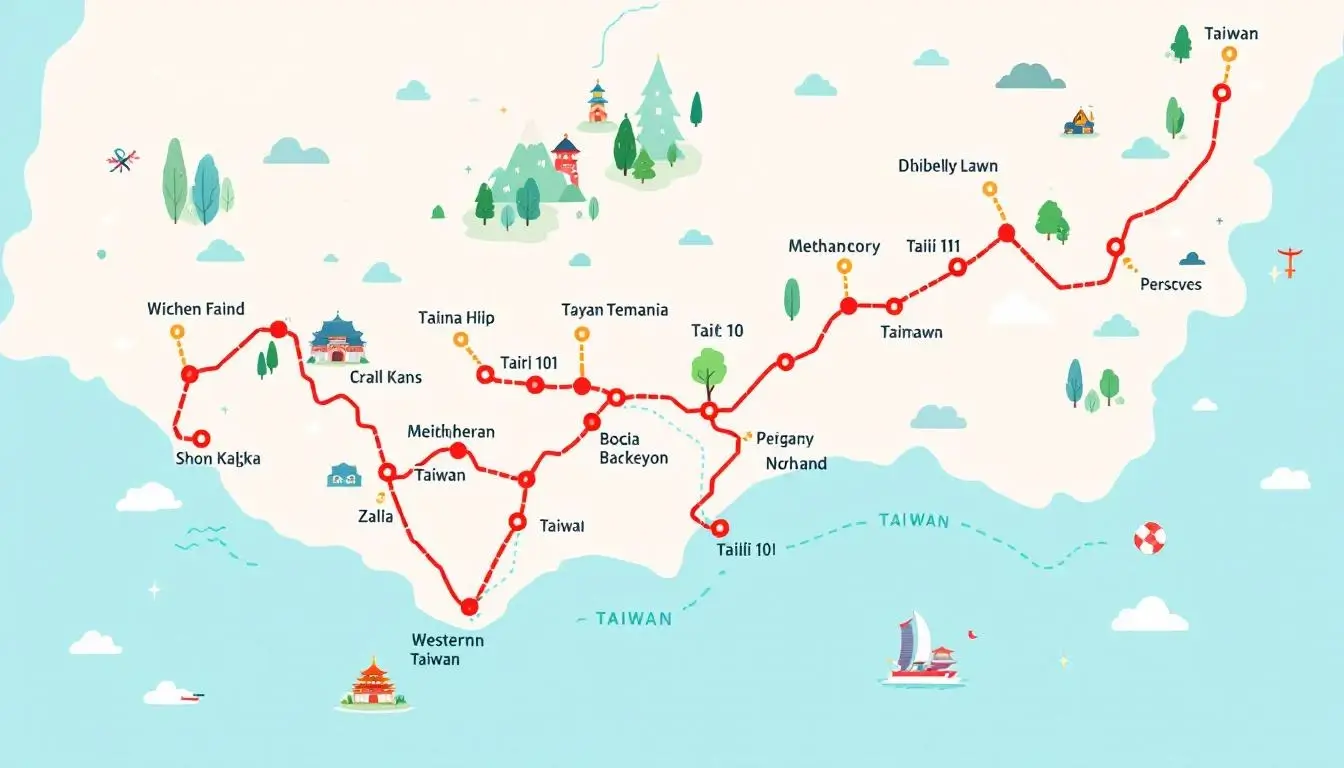
The Taiwan high-speed rail map runs along the western plains of the island, connecting 12 stations from north to south. Here’s every stop, what you’ll find there, and why each one matters for travelers.
Northern Stations
1. Nangang Station (南港站) — The northernmost terminus, located in Taipei’s eastern Nangang district. Connects directly to the Taipei Metro (MRT) Blue Line and Taiwan Railways. This station was added in 2016 as an extension of the original route.
2. Taipei Main Station (台北車站) — The grand central hub. This massive underground complex connects the THSR to the Taipei Metro, Taiwan Railways, and the Taoyuan Airport MRT. If you’re arriving from the airport, this is likely your first HSR connection point.
3. Banqiao Station (板橋站) — Located in New Taipei City, just one stop south of Taipei Main Station. Another underground station with excellent metro connections. Many locals prefer boarding here to avoid the crowds at Taipei Main.
4. Taoyuan Station (桃園站) — Serves the Taoyuan area, including access to Taiwan Taoyuan International Airport. The station is in Zhongli, about 20 minutes from the airport by bus. If you’re building a Taiwan travel itinerary, this is a key transfer point.
Central Stations
5. Hsinchu Station (新竹站) — The gateway to Taiwan’s “Silicon Valley.” Hsinchu Science Park is home to TSMC and other tech giants. The HSR station is in Zhubei, connected to downtown Hsinchu by free shuttle bus.
6. Miaoli Station (苗栗站) — Surrounded by Hakka villages and tea plantations. A quieter stop that’s perfect for exploring rural Taiwan. The station serves as a gateway to Sanyi’s wood carving heritage and the stunning Dragon Kiln pottery villages.
7. Taichung Station (台中站) — One of the busiest HSR stations outside Taipei. Located in Wuri district, it connects to the city center via Taichung’s MRT Green Line. Taichung is bubble tea’s birthplace and home to the incredible Rainbow Village and Miyahara ice cream shop.
8. Changhua Station (彰化站) — Serves the Changhua county area, known for its massive Great Buddha statue and the historic Lukang old street. A smaller station with easy connections to local attractions.
Southern Stations
9. Yunlin Station (雲林站) — Deep in Taiwan’s agricultural heartland. The surrounding area produces much of Taiwan’s rice, and the station is near the scenic Huwei Sugar Factory cultural park.
10. Chiayi Station (嘉義站) — Your launching point for the iconic Alishan Forest Railway, one of the three remaining high-mountain railways in the world. The best time to visit Alishan for cherry blossoms is March through April.
11. Tainan Station (台南站) — Gateway to Taiwan’s oldest city, packed with centuries-old temples, legendary street food, and Dutch colonial history. The HSR station is in Guiren, about 25 minutes from the historic downtown by shuttle bus or taxi.
12. Zuoying Station (左營站) — The southern terminus, located in Kaohsiung. Connects directly to the Kaohsiung Metro Red Line, making it easy to reach the famous Lotus Pond, Liuhe Night Market, and the Pier-2 Art District.
Station Location Note
Important for first-time riders: the northernmost four stations (Nangang, Taipei, Banqiao, Taoyuan) are built underground and integrated into the city center. The remaining eight stations are built in suburban or rural areas outside the main city. Free shuttle buses operate from most stations to downtown areas — just show your THSR ticket to board.
How to Buy THSR Tickets: Every Method Explained
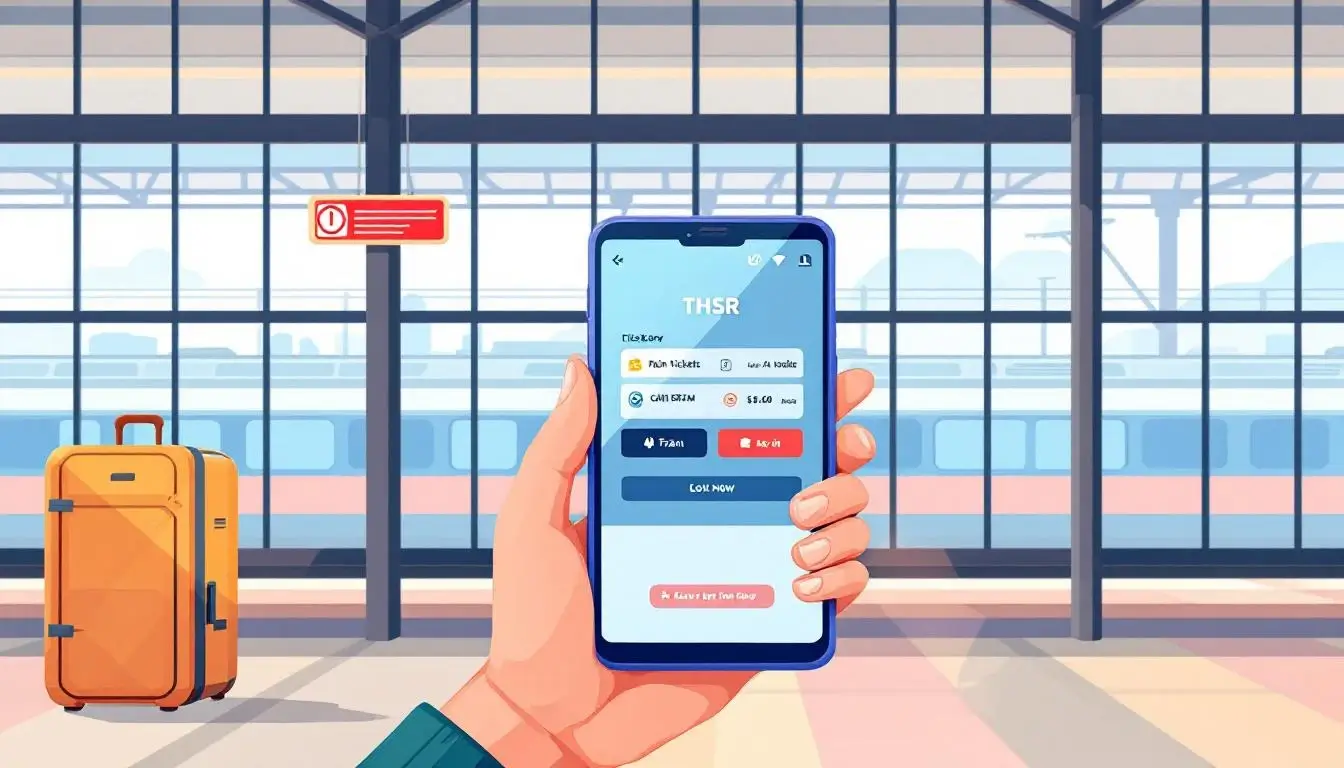
Buying Taiwan high-speed rail tickets is surprisingly easy, even if you don’t speak Mandarin. Here are all the ways to get your hands on a ticket.
T Express Mobile App (Recommended)
The official THSR app is available in English, and it’s by far the most convenient booking method. Download “T Express” from the App Store or Google Play, create an account, and you can book tickets up to 28 days in advance. Your phone becomes your ticket — just scan the QR code at the gate. No paper ticket needed.
Official THSR Website
Book online at the official THSR site up to 28 days before departure. Pay by credit card, then either print your ticket at a station kiosk or pick it up at a 7-Eleven or FamilyMart convenience store using the ibon or FamiPort machine.
Station Ticket Windows and Kiosks
Every THSR station has both staffed ticket windows and self-service kiosks. The kiosks support English and accept credit cards. Lines can be long during peak hours, so arrive at least 30 minutes early if buying at the station.
Convenience Stores
Taiwan’s ubiquitous 7-Eleven and FamilyMart stores can sell THSR tickets through their ibon and FamiPort machines. It’s a uniquely Taiwanese experience — buying a bullet train ticket next to the onigiri and milk tea.
Third-Party Platforms
International travelers often book through platforms like Klook or KKday, which sometimes offer discounted rates for foreign passport holders. These are especially useful for purchasing multi-day THSR passes (more on those below).
THSR Ticket Prices and Discount Passes

The Taiwan high-speed rail map covers a range of distances, so ticket prices vary significantly depending on your route. Here’s a breakdown of what you’ll pay.
Standard Ticket Prices (Key Routes)
- Taipei → Taoyuan: NT$170 (~USD $5)
- Taipei → Hsinchu: NT$300 (~USD $9)
- Taipei → Taichung: NT$700 (~USD $22)
- Taipei → Chiayi: NT$1,080 (~USD $33)
- Taipei → Tainan: NT$1,350 (~USD $42)
- Taipei → Zuoying (Kaohsiung): NT$1,490 (~USD $46)
Discount Options
Early Bird Tickets: Book 5-28 days in advance for 10%, 20%, or 35% off standard fares. These sell out fast — the 35% discount tickets often disappear within minutes of release.
Non-Reserved Seats: Cars 10-12 are non-reserved. Tickets cost the same as standard reserved seats, but you can board any train on your travel date. First-come, first-served seating. Great for flexibility but risky during peak hours when you might have to stand.
Children and Seniors: Kids aged 6-11 and seniors 65+ get 50% off. Children under 6 ride free (no seat).
Tourist Passes
If you’re exploring the full Taiwan map, these multi-ride passes offer incredible value:
- 3-Day THSR Pass: NT$2,200 (~USD $68) — unlimited rides for 3 consecutive days
- Flexible 2-Day Pass: NT$2,500 (~USD $77) — any 2 days within a 7-day window
- Joint THSR + TRA 5-Day Pass: NT$2,800-3,600 (~USD $86-111) — combines high-speed and conventional rail for maximum coverage
Tourist passes are available to foreign passport holders only. Purchase through Klook, KKday, or designated travel agencies before or after arrival in Taiwan.
Standard Class vs Business Class: Which Should You Choose?
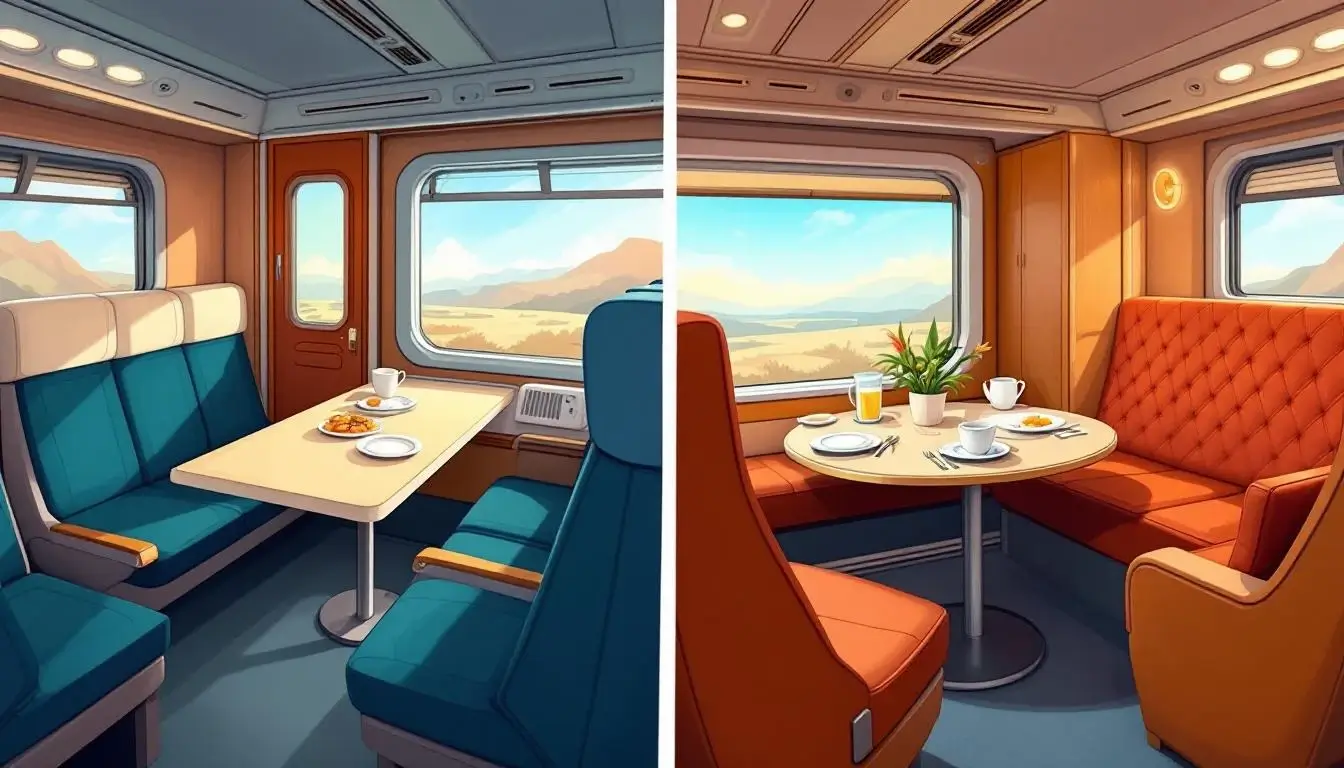
The THSR offers two seating classes, and both are genuinely comfortable. Here’s how they compare.
Standard Class (標準車廂)
Standard Class seats are arranged in a 2+3 configuration (two seats on one side, three on the other). Despite the “standard” label, these seats are spacious by any international standard — generous legroom, reclining capability, and a fold-down tray table. Every seat has a power outlet. Window seats are positions A and E.
Free WiFi is available throughout the train (SSID: THSR_freeWIFI_ALL), and there’s ample overhead luggage storage. For most travelers, Standard Class is more than comfortable enough.
Business Class (商務車廂)
Business Class occupies Car 6 and features a wider 2+2 configuration. The leather seats are larger, with more recline and legroom. The real perk? Complimentary drinks and snacks served at your seat, plus a noticeably quieter cabin (Business Class passengers tend to be working professionals who value silence).
Business Class costs roughly 60-65% more than Standard — for example, Taipei to Kaohsiung runs NT$2,440 (~USD $75) vs. NT$1,490 in Standard. Worth it for a special occasion or if you need to work during the ride.
Quick Comparison
- Standard: NT$1,490 (Taipei-Kaohsiung) | 2+3 seats | Power outlets | Free WiFi | Great value
- Business: NT$2,440 (Taipei-Kaohsiung) | 2+2 seats | Leather | Complimentary refreshments | Quiet car
Speaking of getting the most from your Taiwan travel experience, our Taiwan “Waves of Wonder” 2026 Bear Dad Hat is the perfect travel companion for your THSR adventures — stylish, comfortable, and unmistakably Taiwan.
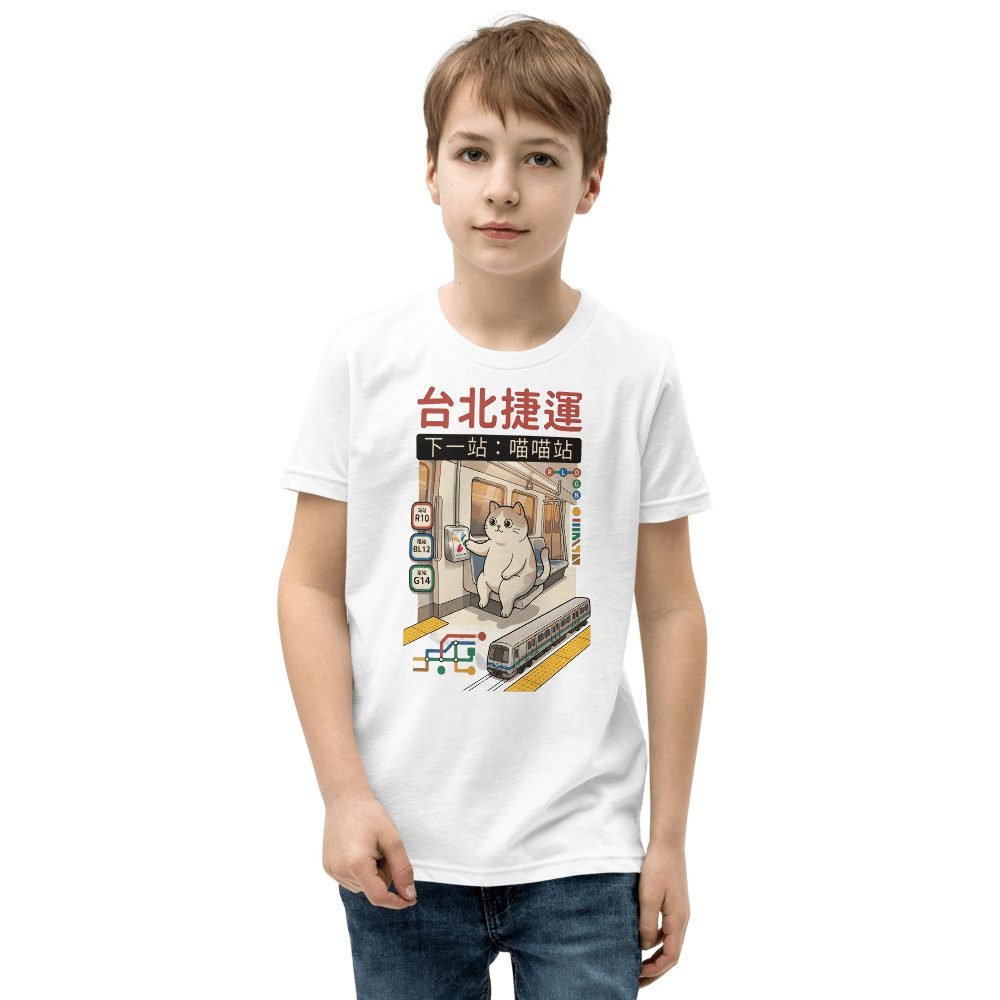
Ride in Style with Our Metro Cat Tee
Love Taiwan’s epic transit system? This adorable kawaii cat T-shirt celebrates Taipei’s MRT culture with playful style. Perfect for train enthusiasts and Taiwan fans alike.
Essential THSR Travel Tips for First-Time Riders

Riding the Taiwan high-speed rail is straightforward, but these tips will make your experience even smoother.
Timing Your Ride
Avoid peak hours if possible: weekday mornings (7-9 AM) and evenings (5-7 PM) are packed with commuters. Friday evenings and Sunday evenings see heavy leisure travel. Mid-morning or early afternoon on weekdays? You might have an entire row to yourself.
Luggage Rules
Each passenger can bring luggage up to 150 cm in length and 220 cm total (length + width + height), with a maximum weight of 40 kg. There’s space behind the last row of each car for larger suitcases, plus overhead racks. Arrive early if you have large bags — the rear-of-car space fills up fast.
Food and Drinks
Eating on board is allowed (unlike some metro systems). A food and beverage cart rolls through Standard Class during longer journeys, offering coffee, tea, bento boxes, and snacks. Business Class receives complimentary refreshments. Pro tip: grab an ekiben-style bento from the station convenience store before boarding — it’s a quintessentially Taiwanese experience.
Last-Mile Connections
Most HSR stations outside of Taipei are in suburban areas. Plan your last-mile connection in advance:
- Free shuttle buses: Available from most stations to city centers (show your THSR ticket)
- Local MRT/metro: Available at Taipei, Banqiao, Taoyuan (airport MRT), Taichung (Green Line), and Zuoying (Kaohsiung Red Line)
- Taxi/ride-hailing: Uber and local taxi services operate from all stations
- Car rental: Available at major stations if you prefer to drive
Money-Saving Hacks
- Book early bird tickets 28 days out for up to 35% off
- Use non-reserved cars (10-12) during off-peak hours
- Buy tourist passes if taking 3+ rides
- Check Klook/KKday for foreign passport holder discounts
- Group tickets (11+ people) get 12% off at station windows
Useful Info
Late train compensation: If your THSR train arrives 30+ minutes late (rare, but it happens during typhoon season), you’re entitled to a partial or full refund.
Cancellation policy: Online bookings can be cancelled up to 30 minutes before departure for a refund minus NT$20 handling fee.
Accessibility: All stations and trains are fully wheelchair accessible, with priority seating, accessible restrooms, and nursing rooms.
Frequently Asked Questions About the Taiwan High-Speed Rail
Here are the most common questions travelers ask about the THSR system.
How fast does the Taiwan high-speed rail go?
The maximum operating speed is 300 km/h (186 mph). The train can technically reach 315 km/h but operates at 300 for safety margins. It uses the same 700T series trainsets based on Japan’s Shinkansen 700 series technology.
Can I use an EasyCard or iPASS on the THSR?
No. Unlike the Taipei MRT and local buses, the THSR does not accept EasyCard, iPASS, or other contactless transit cards. You need a dedicated THSR ticket (paper, mobile QR, or pass).
Does the THSR go to Hualien or Taitung?
No. The THSR only covers Taiwan’s western coast. To reach the eastern side of Taiwan (Hualien, Taitung, Kenting), you’ll need to take Taiwan Railways (TRA) conventional trains or the Puyuma/Taroko express services.
Is there a THSR connection to the airport?
Not directly, but Taoyuan HSR Station connects to Taiwan Taoyuan International Airport (TPE) via the Taoyuan Airport MRT. The MRT ride from the HSR station to the airport takes about 20 minutes. Alternatively, you can take the Airport MRT directly from Taipei Main Station.
Can I bring a bicycle on the THSR?
Folding bicycles are allowed if they’re in a carrying case that fits within luggage dimensions. Standard bicycles are not permitted on board. If you’re cycling around Taiwan, ship your bike separately or rent at your destination.
Is the THSR running new trains?
Yes! THSRC announced that the first set of next-generation trains is expected to arrive in Taiwan in August 2026 for testing. These new trainsets will gradually replace the original 700T fleet over the coming years.
What happens during a typhoon?
The THSR may reduce speeds or suspend services during typhoons. Check the official THSR website or T Express app for real-time service alerts. If your train is cancelled due to weather, you’ll receive a full refund.
Final Thoughts: Why the THSR Is Taiwan’s Best-Kept Travel Secret
The Taiwan high-speed rail isn’t just a way to get from point A to point B — it’s one of the most efficient, comfortable, and affordable bullet train systems in the world. For travelers, it means you can wake up in Taipei, have lunch in Taichung’s legendary traditional food scene, explore Tainan’s ancient temples in the afternoon, and watch the sunset from Kaohsiung’s harbor — all in a single day.
At roughly USD $46 for the full north-to-south journey (less with early bird discounts), the THSR offers incredible value compared to similar high-speed systems in Europe or Japan. And with its near-perfect on-time record of 99.7%, you can plan your Taiwan itinerary with clockwork precision.
Whether you’re a first-time visitor or a Taiwan regular, the high-speed rail map opens up the entire western coast like nothing else can. Download the T Express app, book your tickets, and get ready for the smoothest ride of your Taiwan adventure.

Grab a Free Taiwan Sticker!
Drop your email and we’ll send you a limited-edition Taiwan sticker — plus insider access to new merch drops and island vibes.
No spam. Unsubscribe anytime.