Taiwan Michelin Guide 2026: The Ultimate Food Lover’s Guide to Star-Studded Dining
Taiwan has 61 Michelin-starred restaurants. On an island about the size of Maryland. That’s not an accident — it’s the payoff of a taiwan michelin story that began long before the red guide ever arrived, in night market stalls, grandmother’s kitchens, and the post-war fusion of Japanese technique, Chinese regional tradition, and indigenous Taiwanese ingredients that makes this cuisine utterly unlike anything else in Asia.
The MICHELIN Guide Taiwan 2026 — the ninth edition — was officially announced on July 21, 2026, and it’s the most expansive edition yet: 61 starred restaurants, 146 Bib Gourmand selections, and 9 Green Stars for sustainability-focused dining, across 7 destinations including, for the first time, Tainan and Hsinchu. This guide is your complete roadmap to eating brilliantly in Taiwan, whether you’re booking a three-star tasting menu or hunting down a legendary bowl of beef noodle soup for under $10.
Taiwan’s Michelin Journey — From Night Markets to Michelin Stars
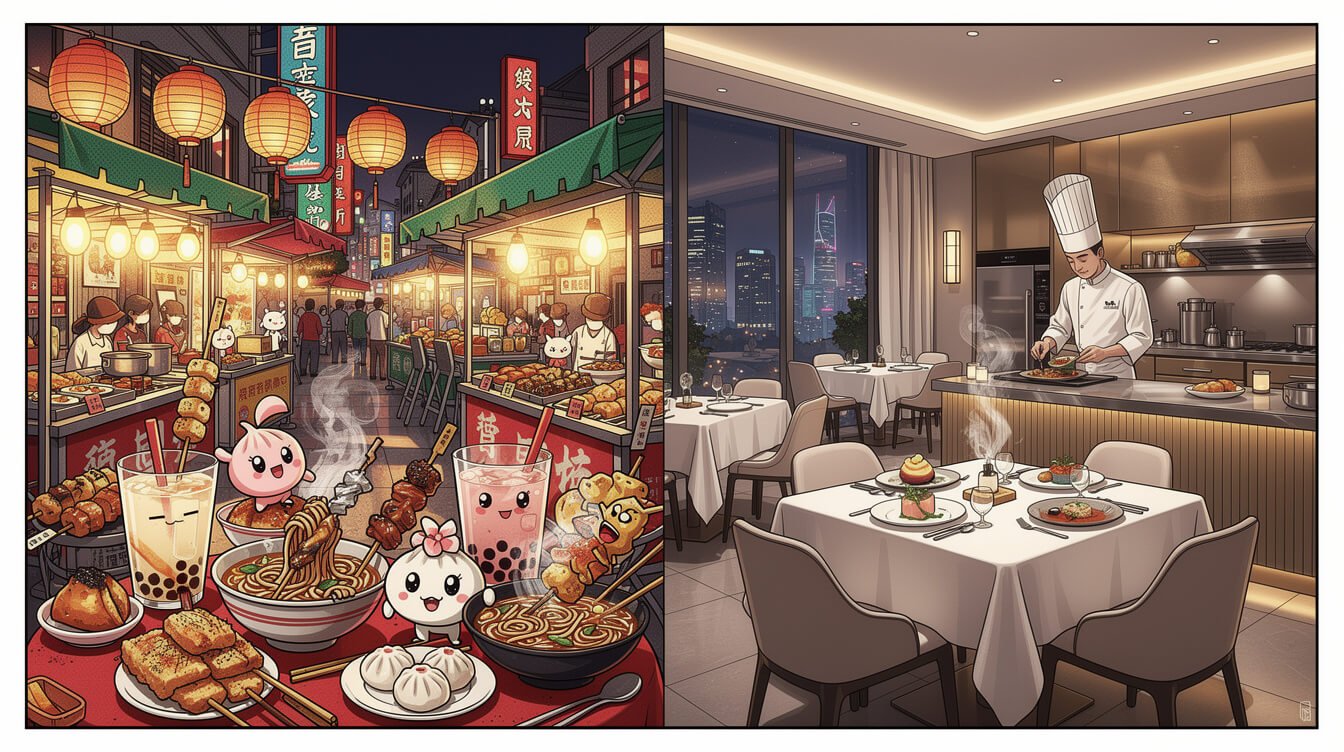
Michelin arrived in Taiwan in 2018, and the island made an immediate statement. The inaugural guide recognized 20 starred restaurants in Taipei alone — and many of them were destinations that long-time food pilgrims had been quietly reverent about for decades. The message was clear: this wasn’t a polite acknowledgment. This was a formal declaration that Taipei belonged in the same conversation as Tokyo, Hong Kong, and Singapore.
What happened next was equally significant. Each subsequent edition expanded geographically, first adding New Taipei City, then Taichung and Kaohsiung, and in 2026, finally crossing south to Tainan — a city often called Taiwan’s culinary capital — and north to Hsinchu. By 2026, the full picture looks like this:
- Three Michelin Stars: 3 restaurants
- Two Michelin Stars: 9 restaurants
- One Michelin Star: 49 restaurants
- Bib Gourmand: 146 restaurants
- Michelin Green Stars: 9 restaurants
- Total restaurants in the guide: 434
What makes the taiwan michelin story different from other Asian guides is its refusal to prioritize European-style fine dining. From the very first edition, the guide honored beef noodle soup shops, hole-in-the-wall dim sum kitchens, and pork chop rice specialists alongside hotel restaurants and celebrity chef tasting menus. That democratic instinct — the willingness to see excellence wherever it lives — is why the guide genuinely reflects how people eat in Taiwan, rather than just how they eat when they’re trying to impress someone.
The Three-Star Kings: Le Palais, JL Studio & Taian Table
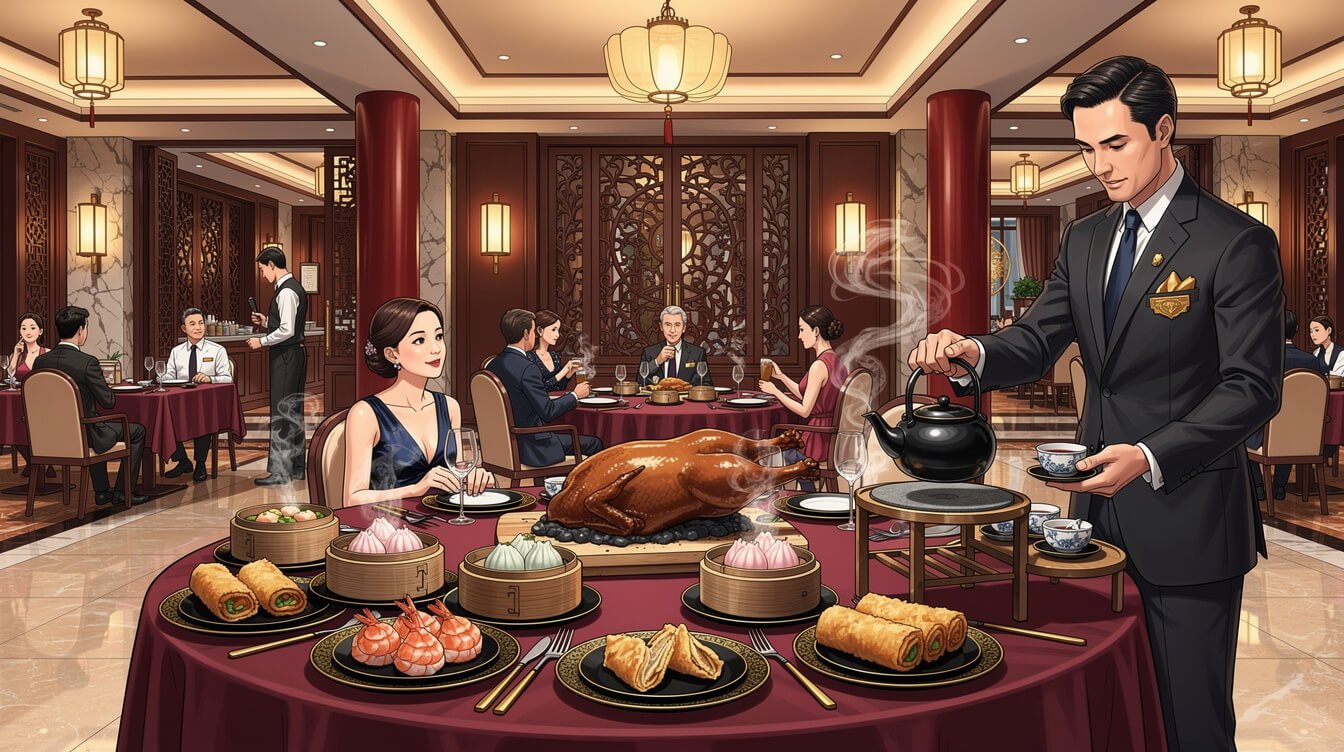
Three restaurants sit at the absolute pinnacle of the Taiwan Michelin universe. Each earns three stars. Each is exceptional. And each represents a completely different vision of what extraordinary dining in Taiwan can look like.
Le Palais — The Classical Standard
Le Palais at the Palais de Chine Hotel in Taipei has been three-starred since the guide’s earliest years, and it shows no sign of ceding that position. Executive Chef Chi Cheng-Pang has spent decades refining the classical Cantonese tradition — bird’s nest soups with decade-old technique, Peking duck carved tableside with theatrical precision, dim sum that manages to be simultaneously delicate and deeply satisfying. The dining room is formal, the service impeccable, the wine list serious. If you want to understand what three-star Cantonese cooking looks like at the highest level, Le Palais is the answer.
JL Studio — The Outlier
JL Studio in Taichung is arguably the most exciting restaurant in Taiwan right now, and certainly the hardest to categorize. Chef Jimmy Lim — Malaysian-born, trained at Noma in Copenhagen — cooks what he calls “Nanyang cuisine”: a creative, rigorous reimagining of Southeast Asian flavors through a modern fine dining lens. Think house-fermented ingredients with complexity that rivals European charcuterie, tropical aromatics deployed with Scandinavian precision, textures that challenge everything you think you know about the region’s cooking. JL Studio is for eaters who want their horizons stretched in the most pleasurable way possible.
Taian Table — The Frontier
Taian Table in Taipei, under Chef Wang Chen-Wei, represents where Taiwanese fine dining is going. The tasting menu is built around indigenous Taiwanese ingredients — native mountain vegetables, heritage grains, foraged herbs — combined with techniques that honor traditional cooking methods while pushing into genuinely new territory. The result is a meal that feels specifically, unmistakably Taiwanese in a way that few restaurants anywhere manage. Reservations are notoriously difficult to secure and the wait list for a weekend table can stretch months.
If you’re planning to visit any of the three-star restaurants, start your reservation attempts at least 6–8 weeks before your arrival date. These are globally sought-after tables, and popularity has only grown since the 2026 guide announcement.
Hidden Gems — Must-Try Bib Gourmand Restaurants Under $50
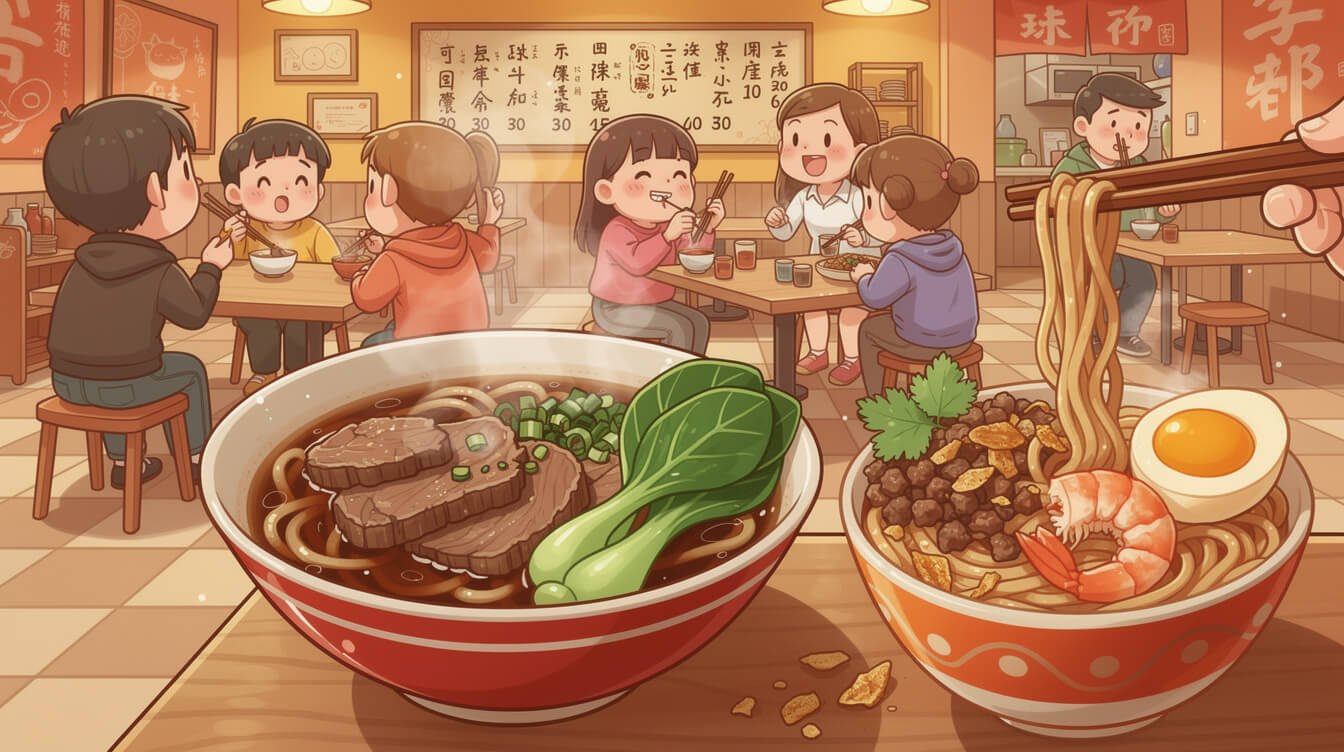
The real democratizing genius of the Taiwan Michelin Guide is the Bib Gourmand category — restaurants that offer exceptional quality at reasonable prices (typically under NT$1,000, or roughly $30–35 USD per person). With 146 Bib Gourmand restaurants across Taiwan, this section of the guide is essentially a curated map of where locals actually eat when they want something genuinely great without the formal occasion.
Some standout Bib Gourmand experiences worth knowing:
Liu Shan Dong Beef Noodles (Taipei)
A decades-old institution in Zhongzheng District, Liu Shan Dong serves some of the most precise beef noodle soup in Taipei. The broth is clear but deeply flavored, the hand-pulled noodles have exactly the right chew, and the braised beef falls apart at the touch of a chopstick. Arrive at 11am or face a queue. This is not optional information.
Du Xiao Yue (Tainan)
The originator of the danzai noodle (擔仔麵) — thin rice noodles in a tiny bowl with minced pork, a shrimp, a halved hard-boiled egg, and a splash of black vinegar — Du Xiao Yue has been serving the same recipe since 1895. The original Tainan location, on Zhongzheng Road, is the one to seek out. It is the rare restaurant where the 130-year-old dish still tastes like the best version of itself.
Fortune Shabu Shabu (Taipei)
Taiwan takes hot pot seriously — it’s a social ritual, not just a meal — and Fortune Shabu Shabu makes the Bib Gourmand list with good reason. The quality of the ingredients (thinly sliced beef, fresh mushrooms, house-made dipping sauces) punches well above the price point, and the broth options — particularly the earthy bonito base — are genuinely memorable.
Taiwan’s food culture is so deeply woven into its identity that it ends up everywhere: on its T-shirts, its tote bags, its cultural exports. Our Taiwan Boba Tea Cat T-Shirt captures that same spirit — a celebration of the drinks and flavors that make Taiwan’s food scene globally beloved, rendered in the playful pop-art style the brand is known for. For a foodie who loves Taiwan, it’s the perfect souvenir of exactly this kind of culinary obsession.
Green Stars — Taiwan’s Sustainable Dining Revolution
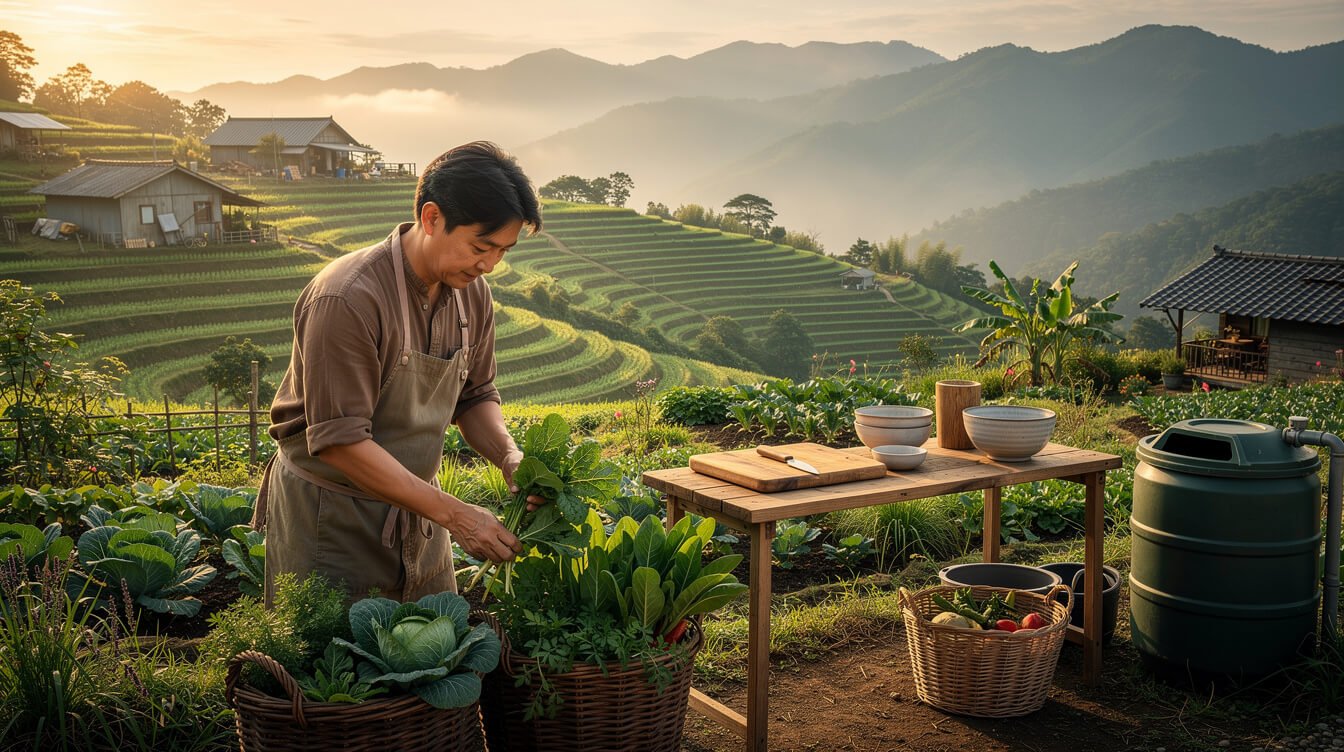
The Michelin Green Star — introduced globally in 2020 — recognizes restaurants that put sustainability at the heart of their operations, not as a marketing exercise, but as a genuine operational commitment. Taiwan’s 2026 guide awards 9 Green Stars, and the honorees collectively represent a growing movement among younger Taiwanese chefs to build meaningful connections with local farmers, foragers, coastal fishers, and indigenous food producers.
What does a Green Star restaurant actually commit to?
- Hyper-local sourcing — menus built around what’s available nearby, from farms and coastlines within the island, prioritizing relationships over supply chain convenience
- Zero-waste or near-zero-waste kitchens — using the whole ingredient, fermenting, pickling, and preserving what would otherwise be discarded
- Direct farmer partnerships — many Green Star chefs work directly with small-scale growers using traditional or organic methods, often featuring the farmer’s name on the menu
- Indigenous ingredient spotlights — bringing visibility to native plants, mountain herbs, heritage grains, and traditional proteins that mainstream Taiwanese cooking has overlooked for generations
The Green Star category is particularly meaningful in Taiwan given the island’s complicated agricultural history. Many small farms and indigenous growing communities have been squeezed by industrial-scale competition for decades. The fact that the island’s most celebrated chefs are now paying a premium for their produce — and naming them on menus — is shifting economic power in genuinely significant ways.
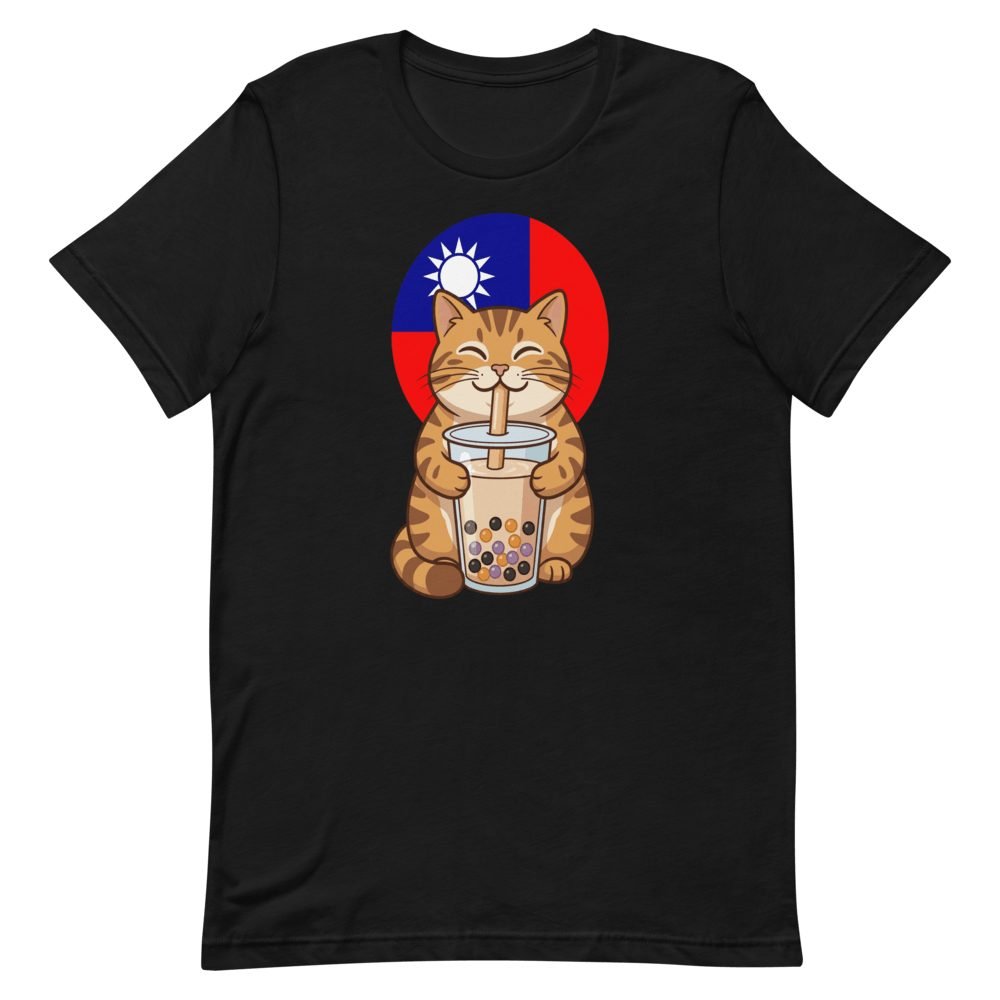
Wear Your Love for Taiwan’s Food Culture
From Michelin stars to night market stalls, Taiwan’s boba culture is one of the island’s most iconic exports. Celebrate it with our Taiwan Boba Tea Cat T-Shirt — playful, culturally proud, and designed for anyone who’s fallen in love with this island through its food.
Beyond the Guide — Why Night Market Food Deserves Stars Too
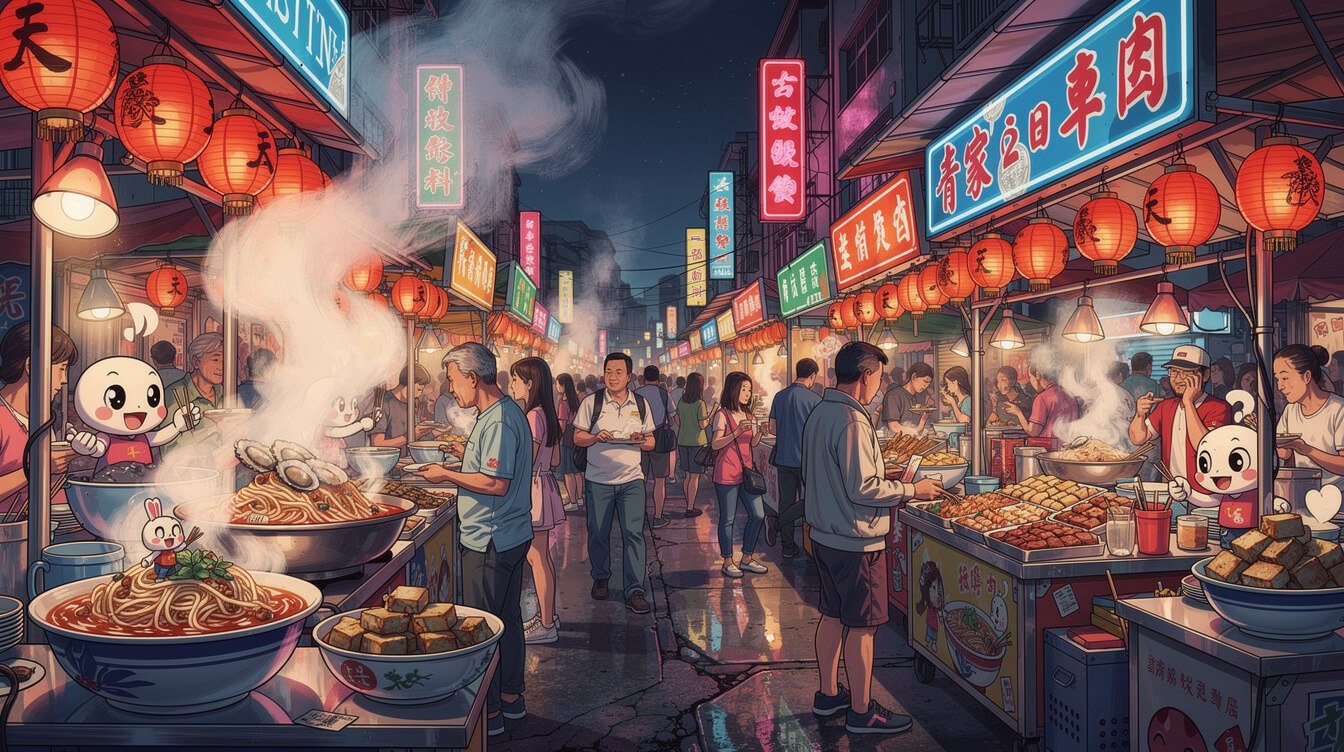
Here’s the quiet truth that every serious Taiwan food lover carries: some of the most extraordinary eating experiences on this island have never appeared in the Michelin Guide and never will. Not because they aren’t exceptional — but because the guide’s framework was built for a different kind of excellence.
The Shilin Night Market oyster vermicelli, a tangle of silky noodles and fresh oysters in a viscous sweet potato starch broth. The pepper pork buns from Raohe Street, baked in a clay oven and handed to you still crackling from the heat. The stinky tofu from that one Tainan stall that has been deep-frying the same batch of fermented squares in the same oil for 40 years — and somehow, impossibly, it tastes better for it. These are not consolation prizes. These are world-class food experiences.
If you want to experience Taiwan’s full street food spectrum — from classic lu rou fan (braised pork rice) to deep-fried sweet potato balls to scallion pancakes folded fresh at the griddle — our complete guide to Taiwan street food maps the best bites city by city. And for the iconic packaged snacks worth bringing home, our Taiwan snacks guide has every airport-bag essential covered.
The Bib Gourmand category is Michelin’s most honest attempt to acknowledge street-level excellence. And it genuinely captures some of it. But the night market food culture runs on a parallel track — one that rewards spontaneity, local knowledge, and a willingness to follow your nose down an alley at 11pm. The best Taiwan food trip moves fluidly between both worlds, and the memory you carry home is never just the three-star tasting menu.
What Taiwan’s Food Scene Says About Its Culture
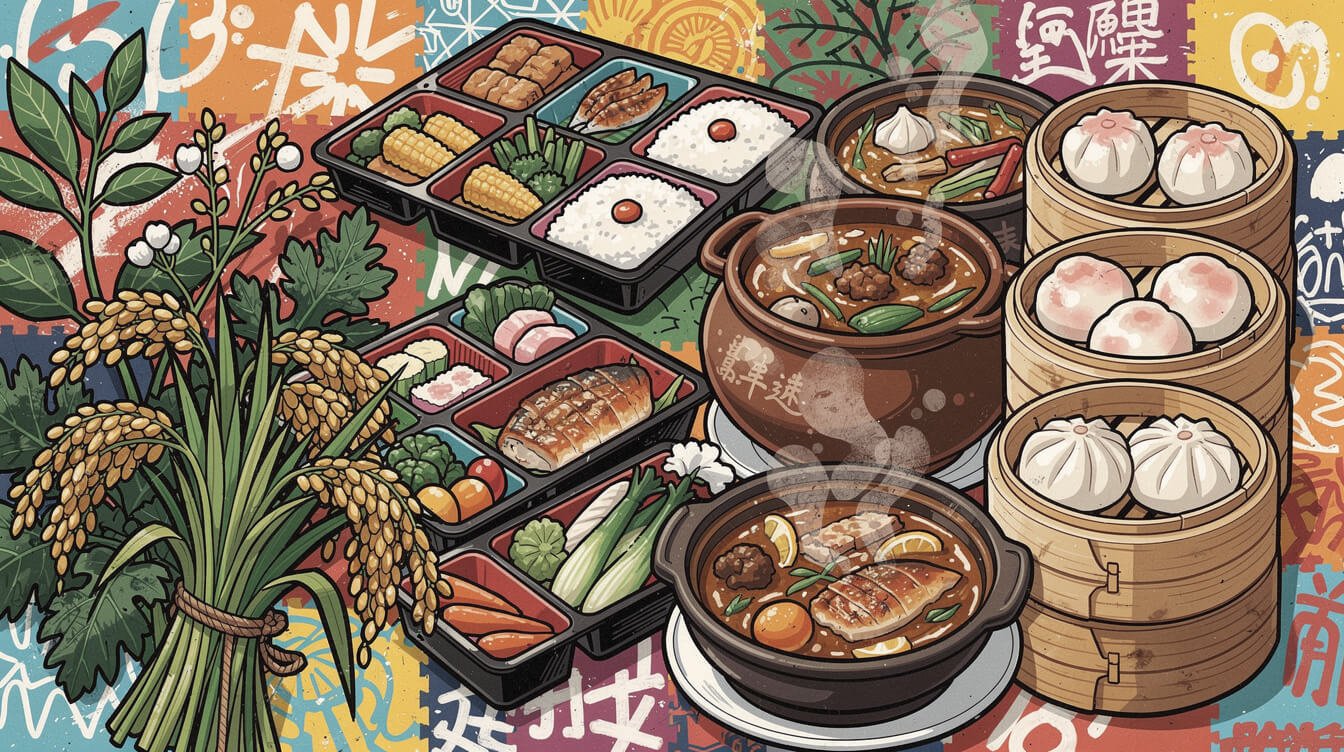
Taiwan’s extraordinary culinary depth didn’t emerge from nowhere. It’s the product of a layered, complex history that most visitors only begin to understand when they sit down to eat.
The indigenous Austronesian peoples of Taiwan were the island’s first cooks — fermenting millet wine, smoking wild boar, developing preparation methods for mountain vegetables and foraged herbs that still influence the most innovative chefs working today. Then came successive waves of Han Chinese migration, bringing the cooking traditions of Fujian’s coastal kitchens, Guangdong’s Cantonese techniques, and the Hakka community’s masterful approach to preservation and fermentation.
Japanese colonization from 1895 to 1945 left a culinary imprint that runs deeper than most people realize. Taiwan’s love of bento culture, the precision of its sushi-adjacent preparations, the reverence for seasonal eating and beautiful plating — all of this has Japanese roots. And then, after 1949, a wave of mainland Chinese migration brought the cooking traditions of every province across China: Shanghainese xiaolongbao, Sichuan mala hotpot, Shandong-style scallion pancakes, Shanghainese red-braised pork belly.
The result is a cuisine that is uniquely, unmistakably Taiwanese. Not a regional Chinese cuisine. Not a Japanese food culture. A living synthesis that belongs entirely to this island and keeps evolving. That’s why you can eat beef noodle soup for breakfast — a Sichuan-rooted dish that Taiwan has made completely its own — have dim sum at lunch in a Cantonese restaurant that rivals Hong Kong’s best, and spend the evening eating indigenous mountain vegetables at a tasting menu restaurant. Each meal is the truest expression of where you are.
Din Tai Fung, Taiwan’s most globally exported restaurant, is perhaps the perfect symbol of this synthesis: a Shanghainese steamed dumpling tradition, elevated by Japanese-influenced precision and operational standards, served with Taiwanese warmth and hospitality. For everything you need to know before visiting, our Din Tai Fung Taipei guide covers every location, the ordering strategy, and exactly which dumplings are worth the wait.
Eat Like a Local — Planning Your Taiwan Food Trip Around the Michelin Guide
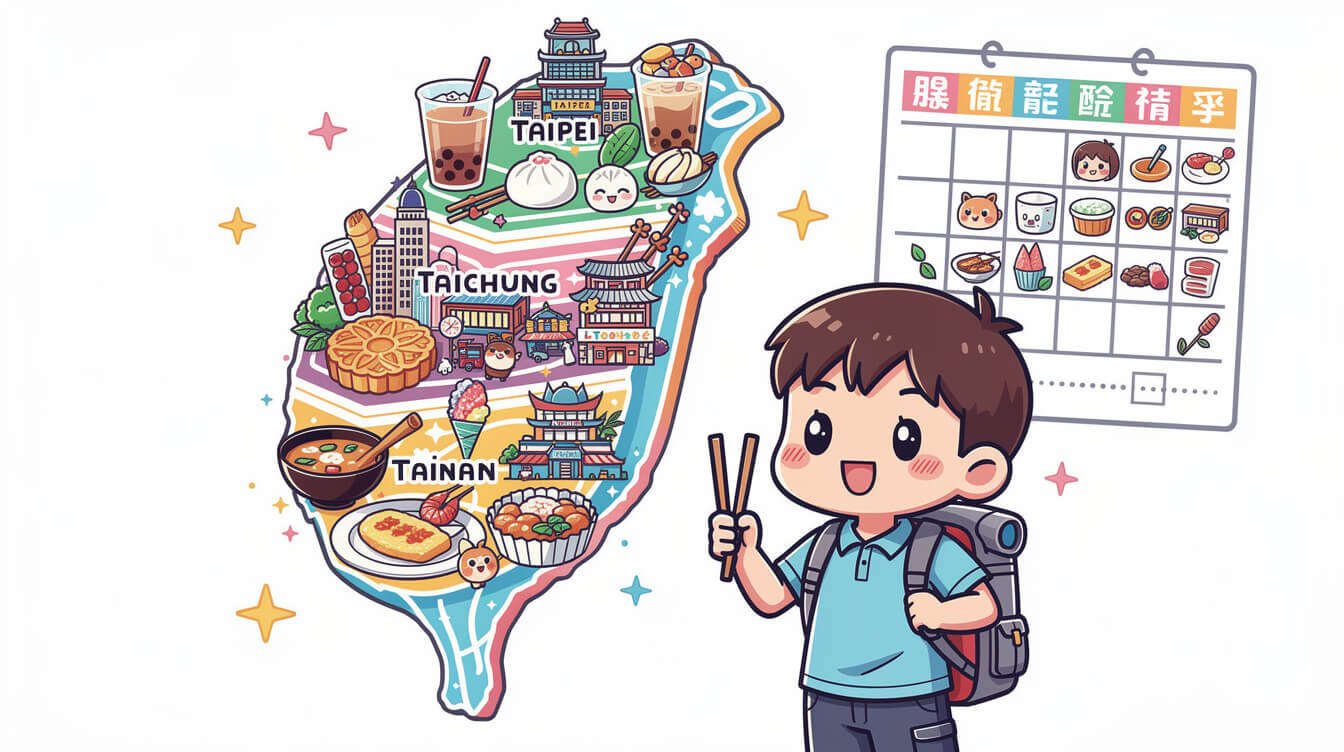
The taiwan michelin guide is an excellent starting point for any food-focused visit. But knowing how to use it — and when to ignore it — is what separates a good food trip from an unforgettable one.
Book Starred Restaurants Early
Reservations for three-star and popular two-star restaurants should be attempted at least 6–8 weeks before your arrival. Le Palais, JL Studio, and Taian Table all operate their own reservation systems — check each restaurant’s official website directly. OpenTable and Inline (訂位), Taiwan’s local restaurant reservation app, cover many one-star and Bib Gourmand restaurants and show real-time availability.
Prioritize Bib Gourmand for Weekday Lunches
Many of Taiwan’s most beloved value restaurants are neighborhood institutions. They fill quickly at lunch and often close when they run out of food (which can happen before 1pm at the most popular spots). Arrive early — by 11:30am at the latest for the most sought-after stalls — or be prepared to wait.
Don’t Skip Tainan
The 2026 guide’s first Michelin stars in Tainan is long-overdue recognition for a city whose food culture is arguably more deeply rooted than Taipei’s. Tainan is older, slower, and more obsessively food-focused. Add at least 2–3 days to any Taiwan food itinerary. Eat danzai noodles, milkfish soup, and coffin bread (棺材板). Visit the markets at dawn. This is Taiwan eating at its most honest.
Cross-Reference with Local Knowledge
The Michelin Guide is a Western lens, brilliantly calibrated but still an outside perspective. For the most current local recommendations — the new chef who opened a month ago, the market stall that just pivoted to extraordinary new dishes — follow Taiwanese food accounts on Instagram and supplement with the restaurant recommendation features in Google Maps Taiwan, which reflects actual local usage patterns.
Use Green Stars for Responsible Food Tourism
Booking at a Green Star restaurant supports the farmers, fishing communities, and indigenous food producers who grow the exceptional ingredients that make Taiwan’s food scene extraordinary. It’s one of the more meaningful ways to spend a meal budget, and the food is invariably excellent.
For those planning a broader Taiwan adventure, our Taiwan oolong tea buying guide is the perfect companion for the tea pilgrimages that belong on every serious food traveler’s list — because the tea culture here is just as remarkable as the food culture, and often found in the same mountains.
Taiwan’s food scene isn’t a supporting character in a trip to Asia — it is the destination. The taiwan michelin guide has done something important: it’s given international travelers a framework for understanding a food culture that rewards deep exploration. But the guide is a starting point, not the whole story. The complete story involves late nights at night market stalls, early mornings at temple breakfast spots, and lunches at beef noodle shops with no English menus and extraordinarily long queues.
Eat your way through Taiwan. You will not regret a single bite.
More Taiwan Culture, Delivered Weekly
From Michelin stars to night market secrets, we cover Taiwan’s culture, food, and lifestyle with the same enthusiasm you bring to the table. Join our newsletter for the best of Taiwan delivered straight to your inbox.

Grab a Free Taiwan Sticker!
Drop your email and we’ll send you a limited-edition Taiwan sticker — plus insider access to new merch drops and island vibes.
No spam. Unsubscribe anytime.