Huashan 1914 Creative Park: Taipei’s Hipster Warehouse District Decoded (2026 Guide)
If Taipei is Taiwan’s beating heart, Huashan 1914 Creative Park is where that heart wears vintage denim, sips a natural wine, and picks up a limited-edition designer keychain on the way out. Tucked into Zhongzheng District between the Zhongxiao Xinsheng MRT and Shandao Temple, this red-brick complex is a former Japanese-era sake distillery that got a full glow-up — and today it’s the single best place in Taipei to feel the country’s design-forward, pop-culture-obsessed creative pulse.
This is the 2026 guide to Huashan creative park Taipei: the history that makes it weirdly special, how to actually get there without wandering half of Zhongzheng, what to eat, what to buy, and how it stacks up against Taipei’s other creative-district darling — Songshan. Bookmark this before your trip. You’ll thank us at the second cafe.
Huashan 1914 at a glance
📍 No. 1, Bade Rd. Sec. 1, Zhongzheng District, Taipei 100
🚇 Zhongxiao Xinsheng MRT (Blue/Orange), Exit 1 — 3-min walk
🎫 Free to enter; individual exhibitions NT$250–500
🕐 Outdoor areas open 24/7; shops & cafes 11:00 a.m.–10:00 p.m.
⏱️ Plan 2–3 hours for browsing, 4–5 with an exhibition and dinner
What Is Huashan 1914 Creative Park?
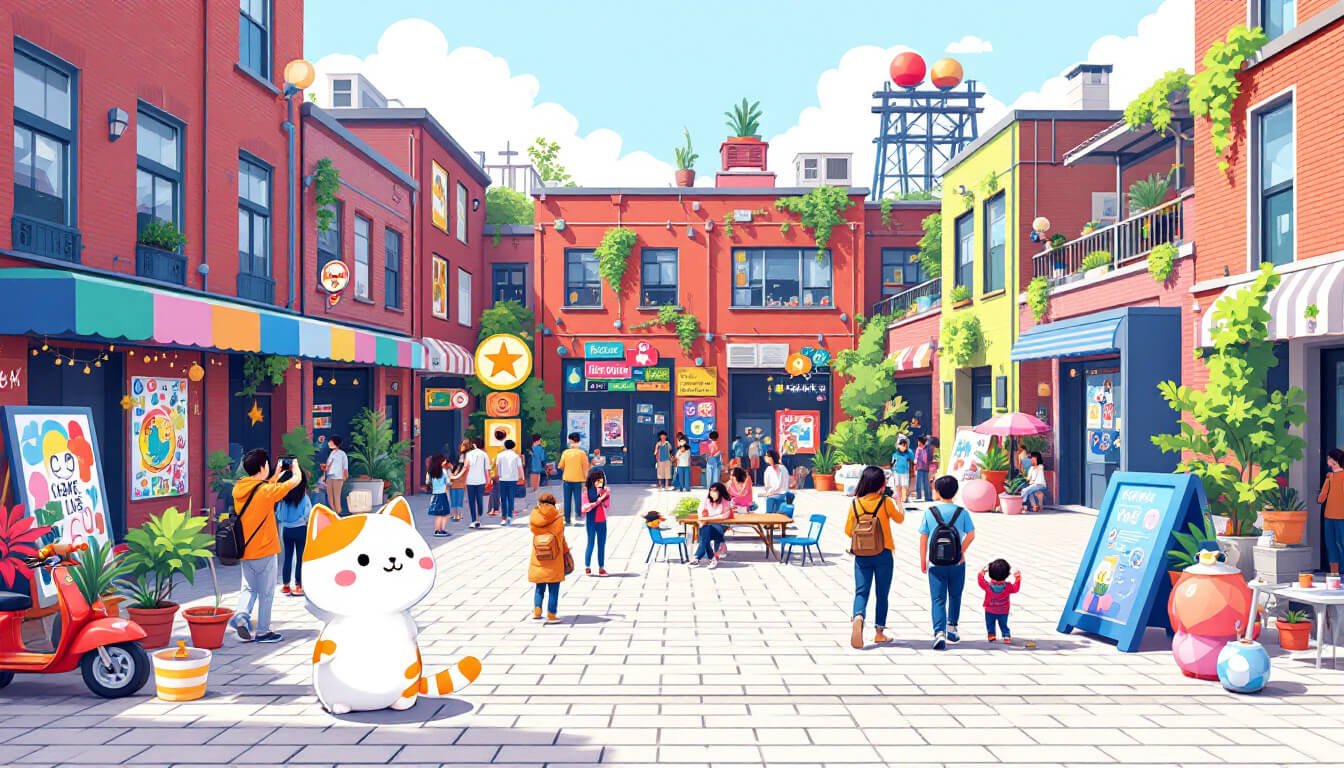
Huashan 1914 Creative Park (華山1914文化創意產業園區) is a 7.2-hectare adaptive-reuse complex where century-old winery warehouses now house indie design shops, ticketed pop-up exhibitions, craft-beer bars, boutique cinemas, and about a dozen cafes that are collectively responsible for a very unhealthy percentage of Taipei’s Instagram output.
The name is a mouthful, so here’s the decode: Huashan is the neighborhood, 1914 is the year the original factory was built, and Creative Park is a Taiwanese government designation for a specific class of preserved industrial-heritage site that gets converted into cultural infrastructure. Locals just call it “Huashan” (華山) and everyone knows what you mean.
What makes Huashan different from a regular museum district or a shopping mall is the density of the mix. You can walk out of a limited-edition Sanrio pop-up, pass a live jazz trio busking in the courtyard, buy a hand-cut Wooderful Life music box, drink a Zhangmen sour ale, catch a documentary at SPOT Huashan, and be back at the MRT in ninety minutes flat. Everything is walkable, everything is photogenic, and — critically for humid Taipei summers — a solid third of it is indoors.
It’s free to enter the park itself. Individual exhibitions charge NT$250–NT$500 (roughly US$8–$16), and most run 8–12 weeks before rotating.
From Sake Distillery to Design District: The Wild 110-Year Story
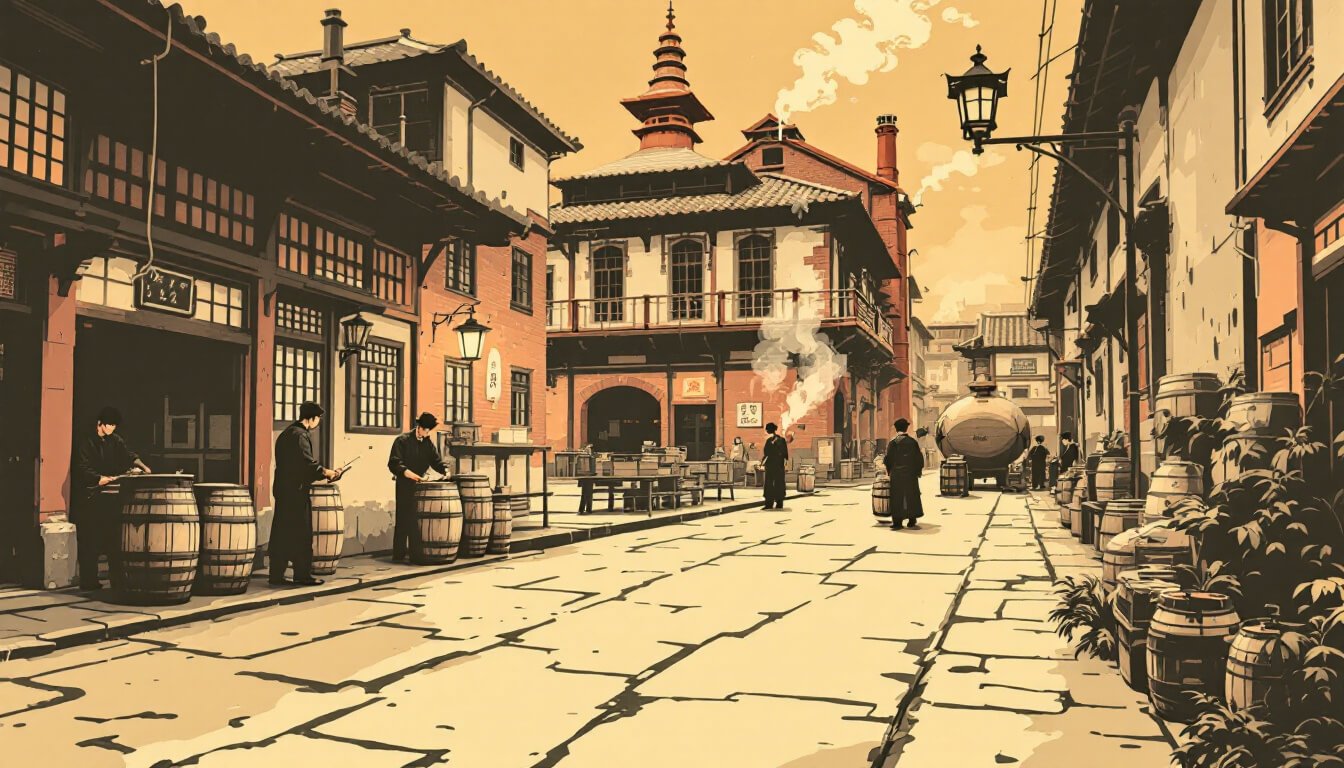
Huashan started life in 1914 as the Taihoku Winery, built during Japan’s colonial administration of Taiwan (1895–1945) to produce sake, plum wine, and camphor products. The red brick that gives the site its unmistakable Instagram texture is Japanese-imported. So are the sawtooth roof profiles on some of the older workshops — a factory-design pattern that lets north-facing skylights flood the interiors with even light, which is why the buildings work so beautifully as gallery spaces now.
After 1945, the ROC government’s Taiwan Tobacco and Wine Monopoly Bureau took over. Production shifted to fruit wines and, briefly, the notoriously undrinkable “Chateau Yushan.” The distillery went silent in 1987 when operations moved to Linkou. For most of the 1990s, the site sat abandoned — a walled-off 7-hectare hole in the middle of a city that was frantically running out of land.
The turning point came in 1997, when a coalition of Taiwanese artists occupied the ruins to protest for cultural workspaces. The government listened. By 1999 the site was designated a temporary arts venue, and in 2007 the current operator (Taiwan Cultural-Creative Development Co.) took over on a long-term contract with a mandate: preserve the historic buildings, keep it public, make it commercially viable, and turn it into a national showcase for Taiwanese design.
That third pillar — commercial viability — is why Huashan today has global pop-ups sitting next to indie ceramicists. It’s a working ecosystem, not a museum. Which, for a first-time visitor, is a very good thing.
How to Get to Huashan 1914 (And When to Actually Show Up)
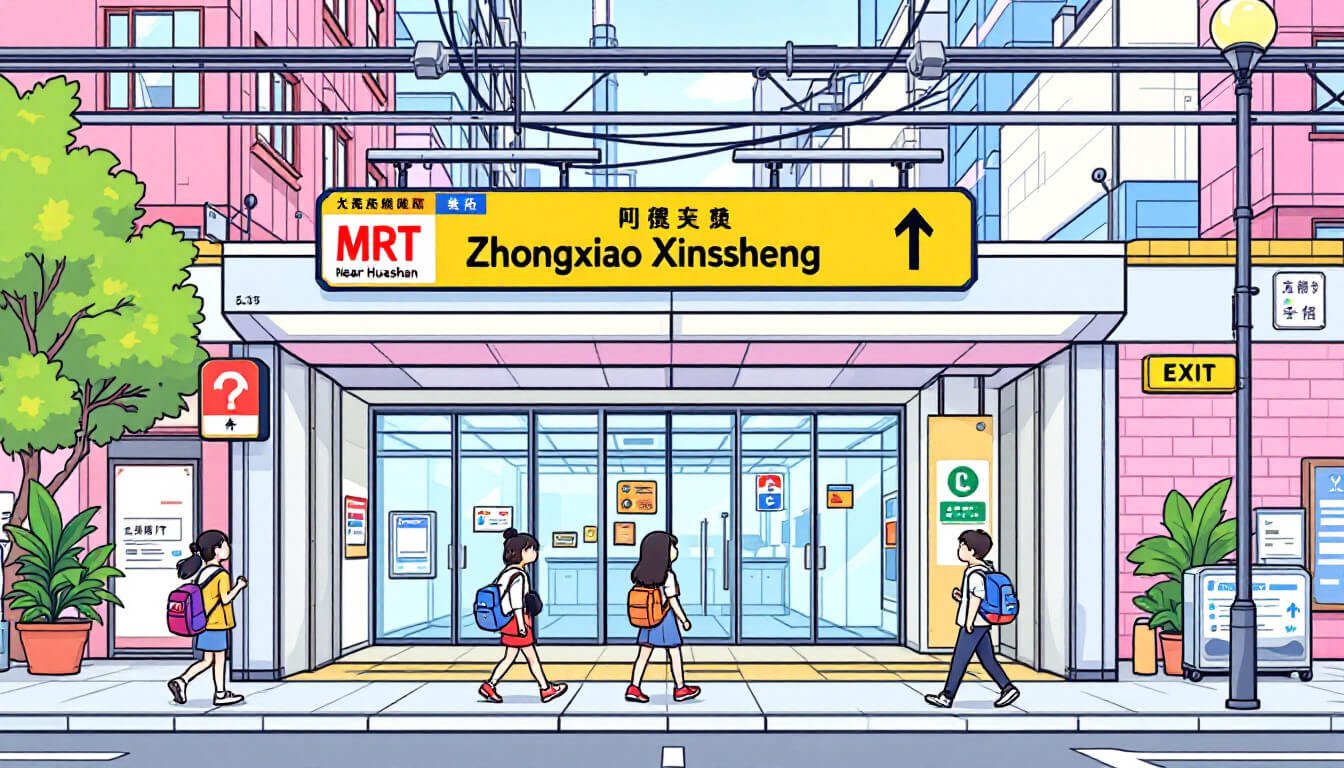
Huashan sits at No. 1, Bade Road Section 1, Zhongzheng District, Taipei 100. The single easiest way in is Zhongxiao Xinsheng MRT station (Blue and Orange lines interchange), Exit 1. From that exit, walk east on Bade Road for about three minutes. You’ll see the red brick before you see the sign.
Alternate arrivals that also work:
- Shandao Temple MRT (Blue line), Exit 5 — about 8 minutes on foot, better if you’re already east of the park.
- YouBike station: There’s a large rack at the north edge of the park by the North Zone entrance. Your EasyCard unlocks bikes here just like the MRT turnstiles.
- Taxi / Uber: Ask for “Huashan 1914” (華山1914) or the Bade Road address. Ten minutes from Taipei Main Station, about NT$150.
Opening hours: The outdoor plazas and pathways are open 24/7 and don’t gate off overnight, which is why you’ll sometimes see photographers shooting the buildings at 5 a.m. Individual shops and cafes typically run 11:00 a.m.–10:00 p.m., with ticketed exhibitions closing an hour earlier. Weekends and public holidays see the biggest pop-up openings and the biggest crowds.
When to actually show up: If you’re chasing a specific hyped exhibition (Sanrio, Peanuts, Studio Ghibli — these move fast), buy a timed ticket online through KKTIX or the exhibition’s official page and arrive within your window. For everything else, weekday afternoons around 2 p.m. are the sweet spot: shops are open, natural light is peak inside the north-facing warehouses, and the courtyard hasn’t filled with the after-work crowd yet. Golden hour (about an hour before sunset) is what you want if the goal is photos of the brickwork itself.
Avoid: Saturday 6–9 p.m. during any pop-up opening weekend, unless waiting in a two-block line is the vibe you’re going for.
What to Do Inside: Shops, Pop-Ups & Exhibitions
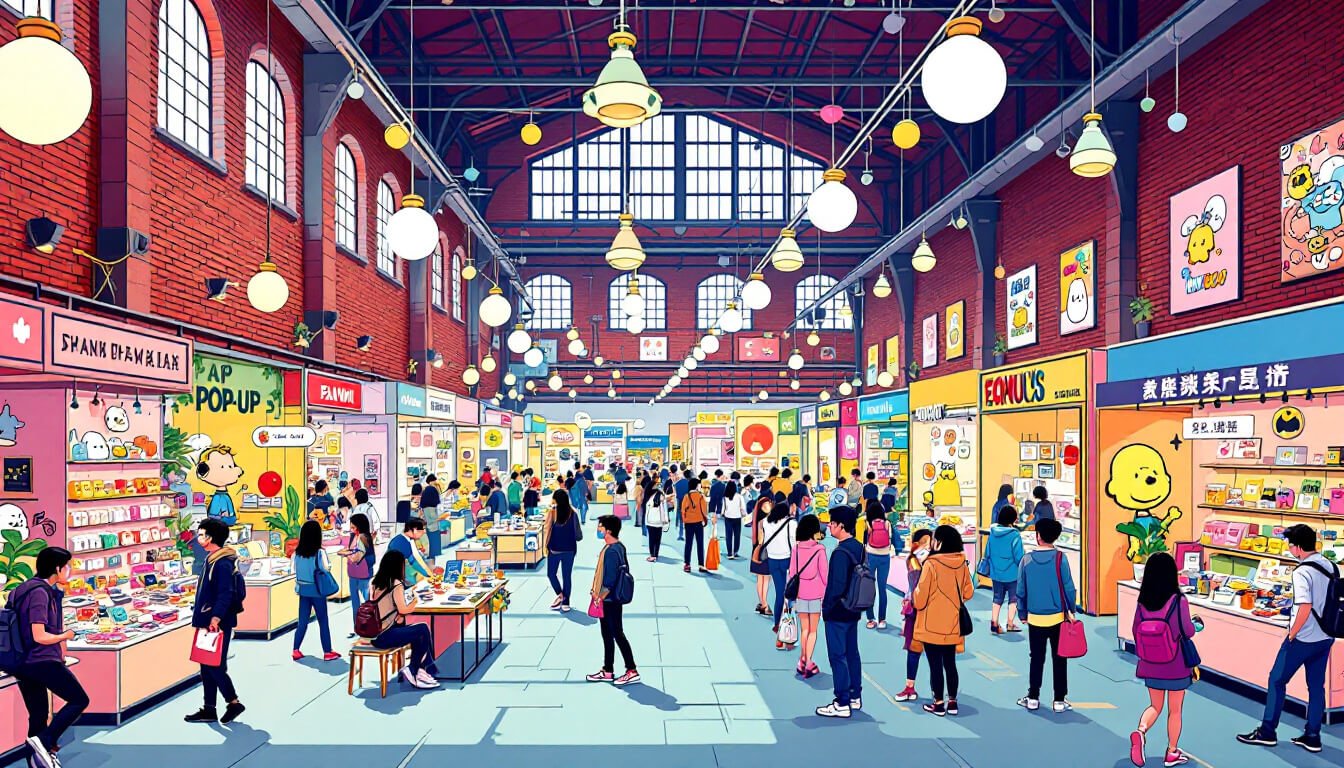
Huashan runs on three parallel tracks: permanent shops (steady tenants you can visit any month), rotating exhibitions (ticketed pop-ups that turn over every 8–12 weeks), and festivals and events (design weeks, film screenings, night markets). Here’s how to read the map.
The permanent anchors worth planning around
Wooderful Life — Anchor tenant in the East Zone, and honestly the reason many visitors first come. This is a Taiwanese wooden-crafts brand that produces hand-cranked music boxes, wooden puzzles, and precision-cut miniatures. The flagship at Huashan runs its own DIY workshop where you can assemble your own music box from a kit. Prices start around NT$450 for a small piece and escalate quickly for the collectible dioramas. Worth an hour on any first visit.
Kuma’s Corner and other indie ceramics — Rotating cluster of small pottery studios in the West Zone. Look for the tiny hand-painted plates and cat-shaped chopstick rests — great gifts, and prices sit around NT$180–NT$800.
Legacy Taipei — Live-music venue built into one of the original warehouses. Check the calendar before your trip; you might catch a Mandopop showcase or an indie-band showcase for the price of two Zhangmen ales.
Rotating pop-ups (the reason to check what’s on right now)
Huashan is the default landing pad in Taiwan for global-IP pop-ups. Recent runs have included Sanrio, Peanuts (with ArtiStory), Line Friends, Rilakkuma’s 20th anniversary tour, The First Slam Dunk, Studio Ghibli traveling exhibits, and multi-week Netflix promo installations tied to shows like Squid Game and The Conjuring. Ticket prices are usually NT$300–NT$500 per adult, and merch inside is often exclusive to that pop-up run.
Because the schedule changes constantly, always check the official Huashan calendar in the week before your visit. What’s featured on the homepage is usually opening within 30 days.
Design weeks and seasonal festivals
The big one is Taiwan Design Week (early October), when Huashan effectively becomes the country’s biggest indie showroom. If your Taipei trip flexes at all, aiming for that week is a legitimate strategy — you’ll see next year’s Taiwanese consumer brands before anyone else does. Chinese New Year and Mid-Autumn Festival also bring themed pop-up markets that are worth the detour.
Cafes, Craft Beer & the Best Places to Refuel
The single biggest reason first-time visitors underestimate how long they’ll spend at Huashan is the food-and-drink density. Every corner of the complex has been colonized by a strong cafe or restaurant, and most of them are actively good.
Chun Shui Tang — The Taichung-based chain that invented bubble tea in the 1980s. The Huashan branch does the pearl milk tea properly and also serves a full menu of Taiwanese small plates. Sit-down, slower pace, roughly NT$180 for a large tea and NT$400 for a proper light meal.
Vinyl Decision — Records on the walls, natural-light pour-overs, one of the most photographed cafes in the complex. Expect NT$200 for a solid single-origin.
CHLIV Taipei Huashan — Craft cocktail bar hiding inside the old boiler house. Good for a golden-hour spritz after a long shopping loop.
Zhangmen Brewing — The taproom for one of Taiwan’s biggest independent craft-beer breweries. Twelve rotating taps, an outdoor patio strung with fairy lights, and Taiwanese-style beer snacks (fried rice cakes, spicy edamame) that pair better with a sour ale than they have any right to. This is where the after-6 p.m. Huashan crowd migrates.
Between cafes, take the ten-minute wander through the East Zone shops. Because Huashan is the natural home of Taiwan’s cute-character design scene, the best souvenirs from a trip here almost always feature some form of kawaii mascot — a cat, a bear, a boba cup with legs. If you love the aesthetic but won’t be in Taipei long enough to shop the entire loop, our Taiwan Boba Tea Cat T-Shirt is basically Huashan’s design DNA condensed onto a wearable — a plump cat hugging a boba cup, drawn in the same soft-lined kawaii style that fills the park’s indie shops.
If you’re picking one cafe: Chun Shui Tang for the story and the tea, Zhangmen if you’re staying into the evening. If you’re picking two: do both.
Huashan 1914 vs Songshan Cultural Park: Which One’s Right for You?
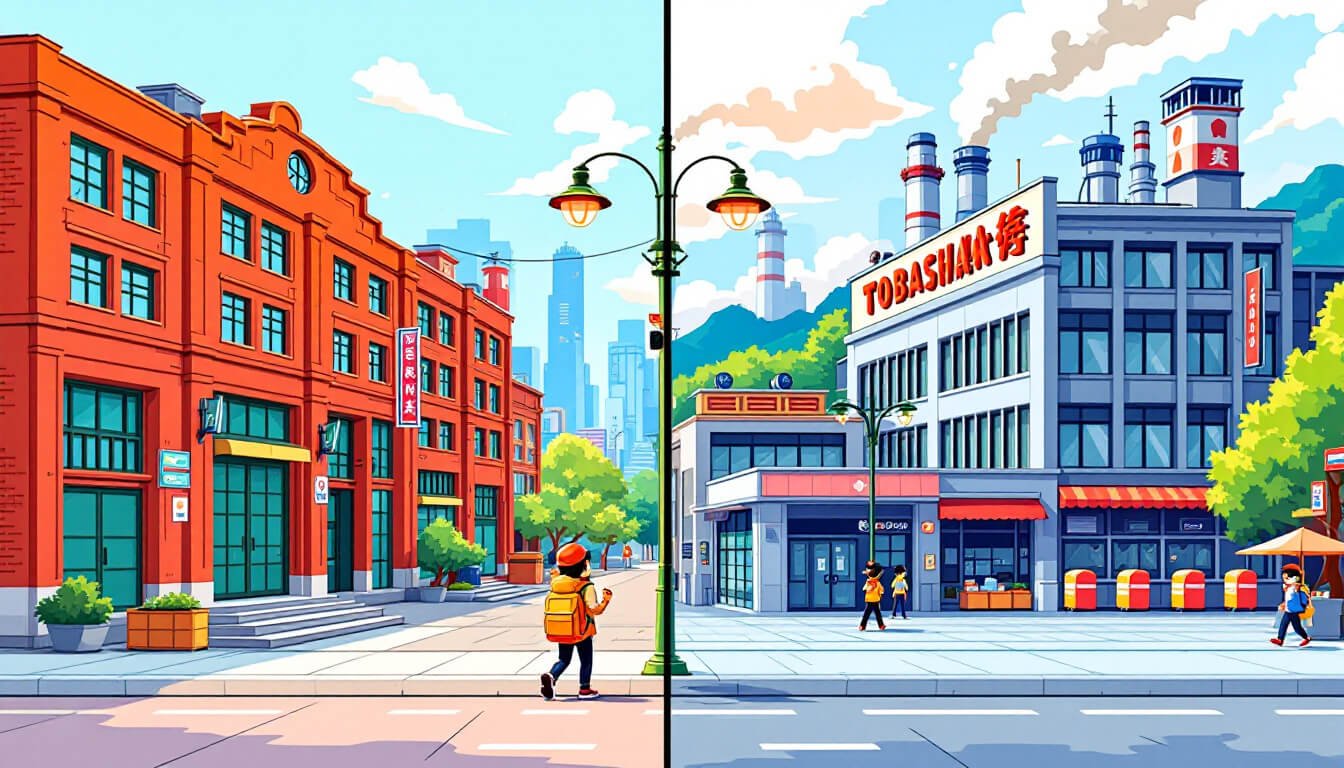
Every Taipei itinerary Reddit thread ends the same way: someone asks whether to visit Huashan or Songshan Cultural and Creative Park, and someone else says “both.” Which is technically correct but not very useful. Here’s the actual decision framework.
Pick Huashan if:
- You want maximum shop density in the shortest walking radius.
- You care about global-IP pop-ups (Sanrio, Ghibli, Peanuts, Netflix collaborations).
- You want a serious craft-beer or natural-wine stop built into the visit.
- You’re staying near Zhongxiao Xinsheng or Taipei Main and don’t want a long MRT ride.
Pick Songshan if:
- You want the Taiwan Design Museum experience with its permanent design collection.
- You want to visit Eslite Spectrum’s flagship (there’s a huge one built into the complex).
- You prefer greener grounds — Songshan’s landscaping is genuinely park-like, with reflecting pools.
- You’re already on the Xinyi/101 side of town.
The real answer: If you have a full day and love design, do both — Huashan in the morning for the shops and pop-ups, Songshan in the afternoon for the museum and Eslite. They’re a fifteen-minute MRT ride apart on the Blue Line — and our full Songshan Cultural and Creative Park guide covers that side in detail, including the NT$100 ticket that gets you into both the Taiwan Design Museum and Not Just Library. If you only have three hours and want the higher energy per minute, pick Huashan.
Huashan 1914 Creative Park FAQ
Is there an entrance fee for Huashan 1914 Creative Park?
No — the park itself is free. Only ticketed pop-up exhibitions charge, typically NT$250–NT$500 per adult depending on the IP and the run length.
How long should I plan to spend at Huashan?
Plan two to three hours for a first visit if you’re browsing shops and grabbing a coffee. If you want to see a full exhibition and stay for dinner or a beer, plan four to five hours. If a design week or festival is running, plan the whole day.
Is Huashan good for kids?
Yes — especially if there’s a family-friendly pop-up on. Wooderful Life’s workshops work for kids over about age six, and the courtyards are stroller-friendly. Most cafes have kid-appropriate menus. The craft-beer venues obviously skew adult.
Can I go at night?
Yes. The park’s outdoor spaces stay open 24/7 and light up beautifully after dark. Individual shops start closing around 10 p.m., and bars run to midnight or later. Night is when Huashan gets its most cinematic look — the red brick against warm string lights is the shot most photographers come for.
Is there anywhere to store luggage?
Coin lockers are available near the North Zone entrance for around NT$50 per use (small size). If you’re arriving straight from Taoyuan Airport, you can also drop bags at Taipei Main Station lockers and MRT one stop to Zhongxiao Xinsheng.
What’s the best souvenir to buy at Huashan?
Wooderful Life’s small music boxes and Taiwanese indie ceramics are the highest-signal picks. If you love the park’s kawaii-meets-street-art aesthetic but want something more wearable, a design-forward Taiwan-themed tee captures the same visual language — see below for a shop stop before you fly home.
Are photos allowed inside Huashan 1914?
In outdoor areas and most shops, yes — Huashan is one of the most photographed spots in Taipei, and the operators lean into it. Ticketed exhibitions usually restrict photography inside the main gallery spaces (each pop-up sets its own policy at the entrance). Tripods are technically prohibited without a permit, though a small handheld gimbal for reels is universally fine.
Where should I stay to be close to Huashan 1914 Creative Park?
Any hotel around Zhongxiao Xinsheng, Taipei Main Station, or Zhongxiao Fuxing MRT stations puts you within a 10-minute ride or a 20-minute walk. The wider Zhongzheng and Da’an neighborhoods are the sweet spots — quieter than Ximen, more central than Xinyi.
Final Thoughts: Why Huashan Belongs on Every Taipei Itinerary
Huashan 1914 Creative Park is the clearest window a first-time visitor has into how modern Taiwan actually thinks about design — irreverent, densely referential, unafraid of a cute mascot, and rooted in a century of adaptive reuse that treats history as a foundation instead of a museum. In three hours you get the whole story: colonial-era brickwork on the outside, indie kawaii merch on the inside, craft beer between the two. That’s Taipei in one walkable square block.
Bring an EasyCard, wear comfortable shoes, and leave room in your bag for whatever you didn’t plan to buy. And if you fell in love with the aesthetic and want to take a piece of it home, we’ve got you covered.
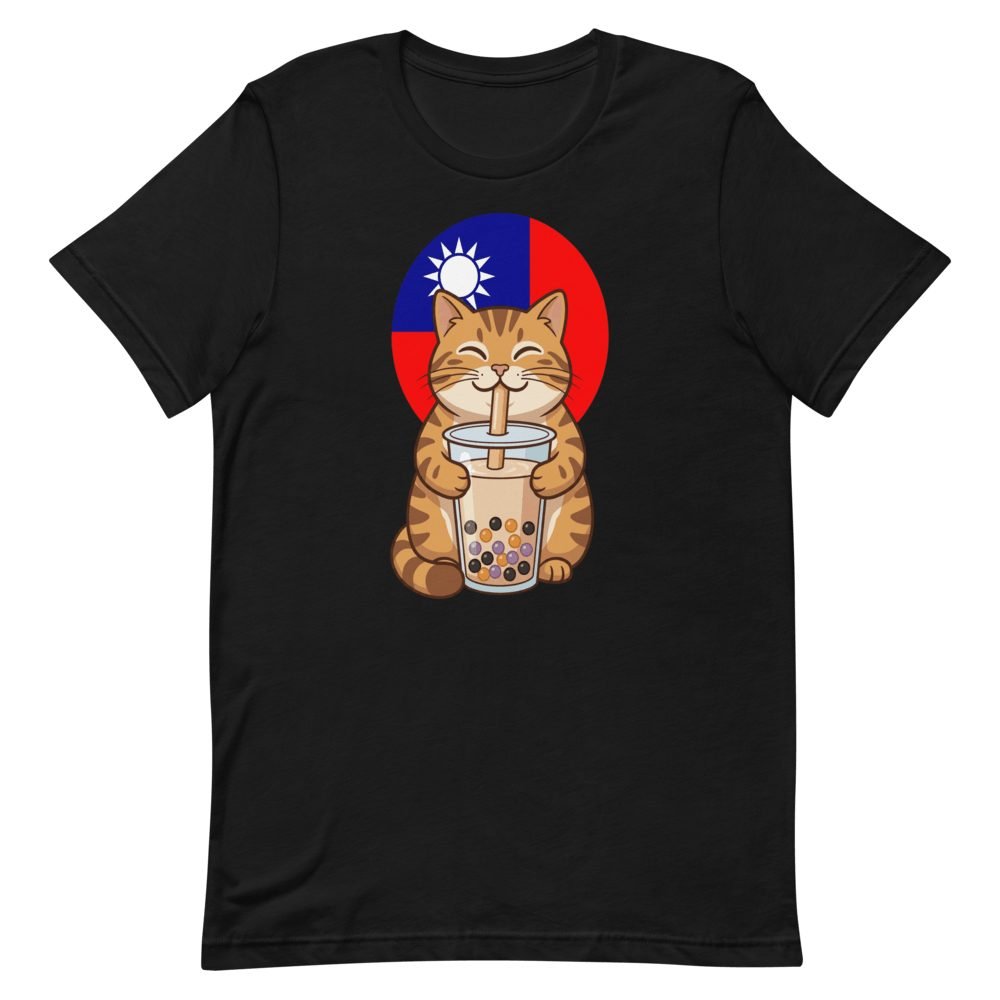
Bring Huashan’s Kawaii Energy Home
Our Boba Tea Cat tee bottles the exact soft-lined, character-forward Taiwanese design language that fills Huashan’s indie shops — worn in Taipei, worn back home, worn wherever bubble tea shows up.
Taiwan Straight to Your Inbox
Get the best of Taiwan — culture, food, design, travel tips — plus exclusive discounts on new drops. One email, once a week, no fluff.
Grab a Free Taiwan Sticker!
Drop your email and we’ll send you a limited-edition Taiwan sticker — plus insider access to new merch drops and island vibes.
No spam. Unsubscribe anytime.