Taipei Restaurants: The District-by-District Local’s Playbook
You booked the hotel in Xinyi. Or maybe Da’an. Or Zhongshan. And now you’re staring at a Google Map dotted with 4.5-star restaurants that all look identical, wondering which ones are actually worth the fifteen-minute LINE reservation dance versus a walk-up. Welcome to the eternal question of taipei restaurants — a scene so dense, so layered, and so wonderfully chaotic that even locals argue about it on Reddit every week.
Here’s what almost every other Taipei food guide gets wrong: they list restaurants by dish or by “top 10” ranking, as if you’re going to fly across the city to try one bowl of beef noodle soup while your hotel breakfast is congealing. Real travelers pick where to eat based on where their hotel is. So this guide is organized the way you’ll actually use it — district by district, with a decision framework for stall vs sit-down, the reservation apps that actually work, and a vegetarian playbook that goes beyond “just show them a card.”
Bookmark this one. It’s the pillar guide we internal-link everything else to. If you want a bird’s-eye view of the city first, our complete Taipei playbook is the sibling post — this one is where you go when it’s 6 PM and you’re hungry.
The Street-Stall vs Restaurant vs Night Market Decision Framework

Before we get to the neighborhoods, we need to settle the biggest mental block first-time visitors have in Taipei: you do not have to eat every meal at a sit-down restaurant. In fact, doing so is how you accidentally spend eighty US dollars a day on food that isn’t the food you came for.
Here’s the framework we use, and the framework almost every Taipei local uses without ever articulating it:
Street stalls (小吃 / xiaochi)
These are the single-item specialists — one family, one dish, sometimes fifty years of practice on a single recipe. Think Ay-Chung Flour-Rice Noodle. Think Fuhang Soy Milk. Think the pork bun cart at the mouth of a lane you’ve never heard of. Rules: cash only (bring NT$500 in coins and small bills), order by pointing, eat standing or on a plastic stool. Meal cost: NT$50–150 (US$1.50–4.50). Best for: breakfast, lunch, and any snack window between them.
Night markets (夜市 / yeshi)
These are the grazing evenings. You are not sitting down for a “dinner” — you are walking three kilometers of alleys eating six small things over two hours. Shilin, Raohe, Ningxia, and Nanjichang each have a distinct vibe (more on Shilin below). Rules: eat as you walk, share everything with your group, always split the last stinky tofu because nobody wants to commit to a full order alone. Meal cost: NT$300–500 (US$9–15) per person, spread across the whole market. Best for: 6:30 PM onward, any night that isn’t Monday (many stalls close).
Sit-down restaurants (餐廳 / canting)
This is the category that includes everything from Din Tai Fung to Le Palais (three Michelin stars) to the ninety-year-old family beef noodle joint with a hostess who runs it like a drill sergeant. Rules: reservations often required (see Section 7), tipping is not expected, service charge (10%) is usually added on the check. Meal cost: NT$400 (bib gourmand) to NT$8,000 (fine dining tasting menu). Best for: birthdays, rainy nights, or any meal where you want to actually sit down and talk.
The most common tourist mistake: booking three “nice” sit-down dinners in a row. You will burn out on Din Tai Fung derivatives by day three and realize the best meal you had was the NT$80 lu rou fan from a stall you can’t find on Google Maps. Balance is the whole game.
Xinyi District Restaurants: Business Lunch, Rooftop Dinner, Michelin (Taipei 101 Zone)

Xinyi is where Taipei’s skyline lives. It’s also where you’ll stay if you booked a Marriott, W, or Grand Hyatt — and it’s where a huge chunk of the city’s Michelin restaurants cluster. If your hotel is here, you can eat every meal within a 15-minute walk and still hit different price tiers and cuisines every day.
The best restaurants in Xinyi (by mood)
Michelin, tasting-menu: Sushi Amamoto (one star, omakase, book 60 days out). Ta Hu Tzuo (two stars, contemporary Taiwanese, one of the hardest tables in the city). Danny’s Steakhouse for wagyu at ATT 4 FUN.
Rooftop with a view: Frank Taipei at W Hotel (37th floor, sunset drinks are the play). The Ukai at Bellavita for teppanyaki with a 101 view.
Business lunch: Din Tai Fung at Taipei 101 B1 — yes, the tourist one, but the food quality is identical to the original branch and the wait is often shorter at lunch. Full breakdown in our Din Tai Fung Taiwan visitor guide.
Underrated: The B1 and B2 food courts at Taipei 101 and Breeze Xinyi are excellent — every major Taiwanese fast-casual chain is here, and you’ll eat better for NT$250 than in any hotel restaurant upstairs.
What Xinyi doesn’t have: soul. The neighborhood was farmland until 1990, so there are almost no old-Taipei institutions here. If that’s what you want, get on the MRT and head to Dadaocheng.
Da’an and Yongkang Street: The Cafe, Bistro, and Michelin Concentration
Da’an is where Taipei’s food scene is at its most European — third-wave coffee shops, natural wine bars, French bistros, and a density of Bib Gourmand picks that rivals any single district in Asia. Yongkang Street, a five-block stretch inside Da’an, is the single most walkable food street in the city. If you have one lunch-and-afternoon window in Taipei, spend it here.
Yongkang Street non-negotiables
Din Tai Fung Original (No. 194 Xinyi Rd Sec 2): The founding branch. Yes, it’s the same menu as every other DTF. No, the vibe is not the same — this one still feels like a family soup dumpling shop that got famous. Show up at 10:30 AM for lunch, or 4:30 PM for dinner, to skip the two-hour wait.
Yongkang Beef Noodle (永康牛肉麵): The Zhongzheng-district institution that put Taiwanese beef noodle soup on the world map. Order the red-braised (紅燒), extra half-tendon (半筋半肉), NT$260. If you want to know why beef noodle became Taiwan’s unofficial national dish, this bowl is why.
Kao Chi (高記): Shanghainese dumpling shop that’s been on the corner since 1949. The pan-fried buns (生煎包) are what you order — Din Tai Fung doesn’t make them.
Smoothie House (思慕昔): Mango shaved ice. The tourist queue is real, and it’s earned. Summer only.
Da’an cafes worth the detour
Fujin Tree 353 Cafe for Nordic-minimalist third wave. Rufous Coffee Roasters for espresso done seriously. All Day Roasting Company for laptop hours (yes, they have Wi-Fi, and yes, locals actually work here).
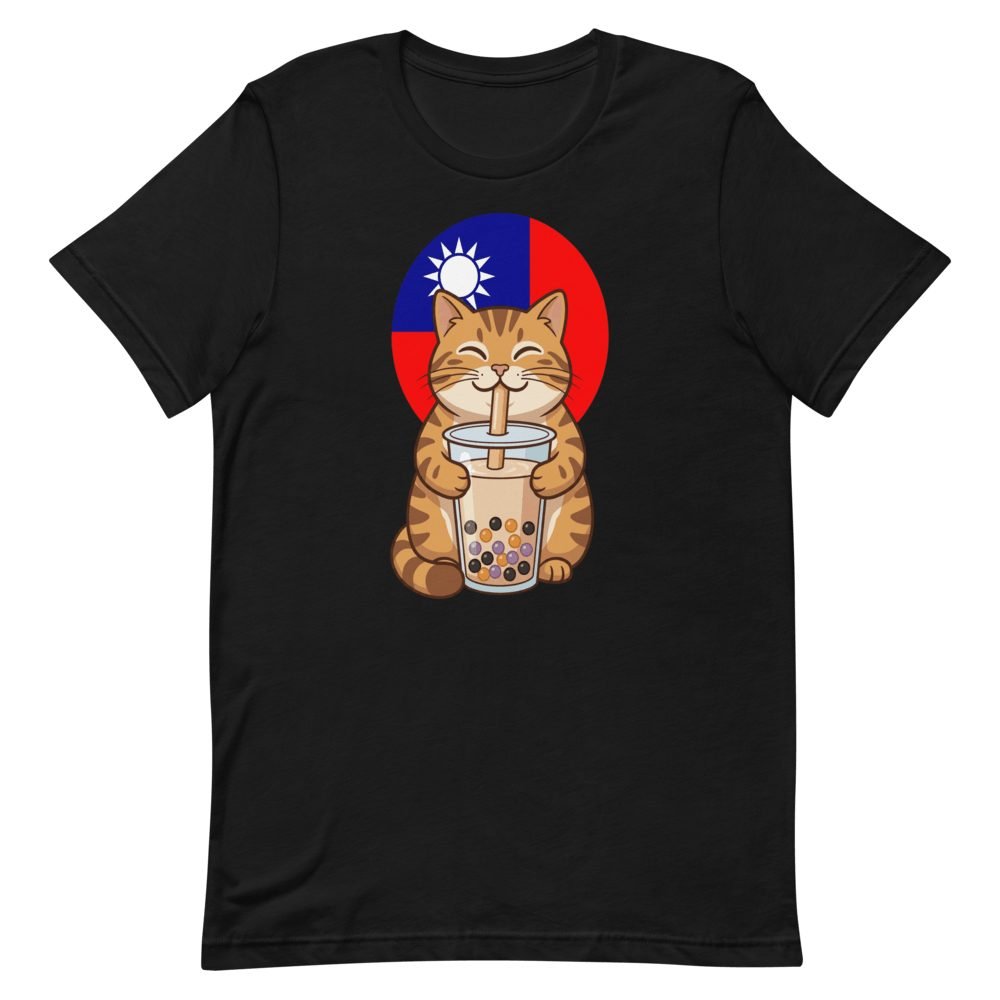
Speaking of Taipei food fandom — if you’re the kind of traveler who wants a wearable souvenir instead of another fridge magnet, our Taiwan Boba Tea Cat T-Shirt is the closest thing we make to a “I ate my way through Taipei” badge — a cute nod to the drink Taiwan gave the world and the neighborhood cafes that keep perfecting it.
Zhongshan and Dadaocheng: Old-Taipei Restaurants Where Locals Still Eat
Cross Zhongshan North Road and you’re in the Taipei that existed before Taipei 101 was even a construction site. Dadaocheng is the tea and textile district that made the city rich in the 19th century, and the restaurants here are the ones with grandmothers still in the kitchen. If Xinyi is business-class Taipei, Dadaocheng is heirloom Taipei.
The Dadaocheng breakfast pilgrimage
Fuhang Soy Milk (阜杭豆漿): The line at 6:45 AM is real and it moves. Order the salty soy milk (鹹豆漿), a fresh youtiao (油條), and one thick shaobing with egg (燒餅加蛋). Total: NT$110. Total travel time before you understand why locals defend this place against every “overrated” take on Reddit: about six minutes.
Yong He Soy Milk King: If Fuhang’s line is too long, this is the honest alternative — 24 hours, same menu, 80% of the quality, zero queue.
Zhongshan dinner picks
Mume: Michelin-starred modern Taiwanese, tasting menu, book two weeks out. Consistently ranked in Asia’s 50 Best.
Xin Ye (欣葉): The old-school Taiwanese banquet restaurant your grandparents’ generation still books for family reunions. Order the crab congee.
Le Palais at Palais de Chine: Three Michelin stars, Cantonese, and the single most expensive dim sum in Taipei. If you’re spending NT$5,000 on one meal, this is where.
Dadaocheng also happens to be a short walk from some of Taipei’s best temples and cultural landmarks — the area pairs beautifully with a morning at Chiang Kai-shek Memorial Hall or a walk through the old streets. Turn a meal into an afternoon.
Ximending and Wanhua: The Working-Class Taipei Playbook

Ximending is Taipei’s Shibuya — neon, teenage energy, K-pop stores, drag bars, and food that’s cheap, fast, and unapologetic. Wanhua, the district it sits inside, is one of the oldest neighborhoods in Taipei, home to Longshan Temple and the old Snake Alley (Huaxi Street Night Market). The food here is not fancy. That’s the point.
Ximending street food non-negotiables
Ay-Chung Flour-Rice Noodle (阿宗麵線): The pilgrimage. Small bowl NT$60, large NT$80, add coriander and vinegar. You will eat it standing on the sidewalk because there is no seating. It’s the most Taipei experience you can have in five minutes.
Modern Toilet Restaurant: The Instagram-only novelty spot where you eat curry out of a mini toilet bowl. Is it good food? No. Is it a rite of passage for anyone under 30? Also no, but also yes.
Fongda Coffee (蜂大咖啡): A 1956 old-school Taipei coffee shop that never got the memo about third wave. Order the Vienna coffee and a walnut pastry. It’s the anti-Da’an, and it’s wonderful.
Wanhua and Snake Alley
Huaxi Street Night Market (aka Snake Alley) is Taipei’s oldest tourist night market. The snake shows are gone (banned in 2007) but the mahjong parlors, betel-nut stands, and 100-year-old family restaurants aren’t. This is where you eat if you want Taipei’s grittier, more honest food scene — the one that doesn’t get an Instagram filter.
Anchor your visit at Longshan Temple — arguably Taipei’s most important temple — then walk two blocks to the night market. If you’re new to the whole Taipei street snack world, our guide to the iconic Da Chang Bao Xiao Chang (big sausage wraps little sausage) is a good five-minute primer before you order.
Shilin and Beitou: Northern Taipei’s Neighborhood Restaurants (Beyond the Night Market)

Everyone visits Shilin Night Market. Almost nobody eats at the actual restaurants in the surrounding neighborhood. That’s a mistake. Northern Taipei is where a lot of locals live, and the food scene reflects that — less tourist-facing, more “this is where I take my mom for her birthday.”
Shilin picks that aren’t the night market
Hai You Beef Noodle (海友): Bib Gourmand beef noodle in Shilin, tucked down a side street that Google Maps will fail on. Worth the hunt.
Ma Hsiang-Hsing (麻辣香鍋): Sichuan hot pot done Taipei-style. This is where you eat if you’re spending a week in the city and finally want something spicy.
Din Tai Fung Shilin: Yes, another one. The Shilin branch is the least-queued of the Taipei DTFs. If you tried and failed at the Xinyi branch, this is your redemption arc.
Beitou for hot springs + a meal
Beitou is the hot spring district — a 30-minute MRT ride from central Taipei. The pairing that works: soak for 90 minutes, then eat at Wenquan Lu where the local Taiwanese-Japanese fusion restaurants cluster (Beitou was developed under Japanese rule and the food scene still reflects it). Sanzhi Bakery for pastries. Yong Xin Su Shi for vegetarian Buddhist food that even meat-eaters swear by.
Full Beitou context — including transport, hot spring etiquette, and the best neighborhood ryokan — is in our Taipei things-to-do guide.
How to Actually Get a Table: Reservations, Apps, and Wait Times
Taipei has an app-heavy reservation culture that trips up almost every first-time visitor. Google Reservations works for maybe 20% of restaurants. The rest are on LINE, inline.app, or a phone-only waitlist. Here’s what you actually need.
The three apps that cover 90% of Taipei restaurants
inline.app: The dominant reservation platform for Taipei’s mid-to-high-end restaurants. Free, English interface, works for most Michelin picks, most Din Tai Fung branches, and hundreds of bistros. Download before you fly.
LINE (with restaurant Official Account): Many independent restaurants take reservations only via LINE message. Add the restaurant’s LINE ID (usually printed on their menu or Instagram), message them in English or Chinese, and wait for a reply. Response times vary from “instant” to “12 hours.” Book at least 2 days ahead.
Google Reservations: Growing, but still spotty. Always confirm the restaurant received the booking — a Google confirmation isn’t always synced to the restaurant’s actual book.
The Din Tai Fung wait-time system
DTF branches don’t take reservations for parties under 6. You pull a paper ticket at the door, get a wait time (usually 30–120 minutes at peak), and either wait in the mall or walk around. The Xinyi 101 branch will text you when your table is 15 minutes out — no need to hover.
Michelin booking windows
Most Taipei Michelin restaurants open reservations 30–60 days ahead. Tasting-menu spots (Ta Hu Tzuo, Sushi Amamoto, Mume) sell out the moment the window opens. Set a calendar reminder for exactly 60 days before your trip.
Peak times to avoid
Lunch: 12:00–1:00 PM. Dinner: 6:30–8:00 PM. Weekends everywhere. If you can shift to lunch at 11:30 or dinner at 5:30, you’ll walk into almost anything. Sunday brunch is quieter than Saturday brunch by a huge margin.
Vegetarian, Vegan, and Allergen Guide: How to Order in Taipei When You Cannot Eat X
Taipei is one of the most vegetarian-friendly cities in Asia — Buddhist vegetarian (素食 / sushi) restaurants are everywhere, and even non-veg restaurants usually have veg options. But allergen navigation is harder than most guides admit. Here’s the honest playbook.
Vegetarian (素食)
Look for the 卍 (Buddhist swastika) or 素 character in a restaurant window — that’s the universal “vegetarian” signal. Lotus Vegetarian in Da’an, Yong Xin Su Shi in Beitou, and the entire buffet chain Chi Fan (吃粉素食) are safe bets. Vegetarian night market picks: fried mushrooms, scallion pancakes (specify no egg — 不要蛋), sweet potato balls, taro balls.
Vegan (全素 / quansu)
Buddhist “vegetarian” often includes egg and dairy. If you’re vegan, ask for 全素 (quansu, “fully vegetarian”) specifically. Vegan-friendly picks: Loving Hut chain (fully vegan, English menus). Vege Creek in Da’an (build-your-own veg noodle bowl).
Gluten-free
Harder. Soy sauce contains wheat and it’s in almost everything. Safer bets: rice noodles (米粉), plain congee (白粥), grilled meat and fish at a Taiwanese BBQ shop where you can watch the seasoning. Bring a printed Chinese allergy card — the “gluten-free traveler” cards from Legal Nomads or similar are what locals recommend.
Nut allergies
Peanuts are common in savory dishes (crushed on rice noodles, in bao filling, in braised sauces). Print a card: 我對花生嚴重過敏 (wo dui huasheng yanzhong guomin — “I have a severe peanut allergy”). Most restaurants will take it seriously.
Shellfish
Dried shrimp (蝦米) is in a lot of Taiwanese stir-fries and lu rou fan garnish. Ask 有蝦米嗎? (you xiami ma — “does this have dried shrimp?”). If yes, request without.
Bookmark this section. It’s the one you’ll actually reference at 8 PM when you’re standing at a stall you can’t read the menu of.
Final Thoughts: Eat Like You Live Here
The best Taipei food advice we can give: don’t front-load your fancy meals. Spend day one wandering, day two doing a night market, day three at one nice sit-down lunch. By day four you’ll have your bearings, your reservations will start hitting, and you’ll be finding the alley soy milk shop that becomes the meal you talk about back home.
Taipei’s food scene rewards curiosity more than planning. The Michelin stars are wonderful. The night markets are essential. But the meal you’ll remember — every time — is the one from the stall you weren’t looking for, in a lane you couldn’t find on Google Maps, on a rainy Tuesday when you gave up on your plan and let the neighborhood decide.
For the wider trip picture (visas, transport, weather windows), our Taiwan trip planner is the parent guide. For the full Michelin breakdown across the island, jump to our Taiwan Michelin guide. If you’re flying in soon, our Taoyuan vs Songshan airport breakdown will save you at least one Uber-and-a-half.
See you in Da’an.
Wear Your Taipei Food Trip Home
Ate your way through Da’an, Ximending, and Shilin? Our Taiwan Boba Tea Cat T-Shirt is the wearable postcard from every bubble tea shop and night market you visited.
Get More Taiwan Food Tips
Weekly emails from Taiwan Merch — new Taipei restaurant guides, night market picks, and the occasional boba discount code. Join the crew.
Grab a Free Taiwan Sticker!
Drop your email and we’ll send you a limited-edition Taiwan sticker — plus insider access to new merch drops and island vibes.
No spam. Unsubscribe anytime.