Taiwan Desserts: The Complete Guide to the Sweetest Treats on the Island
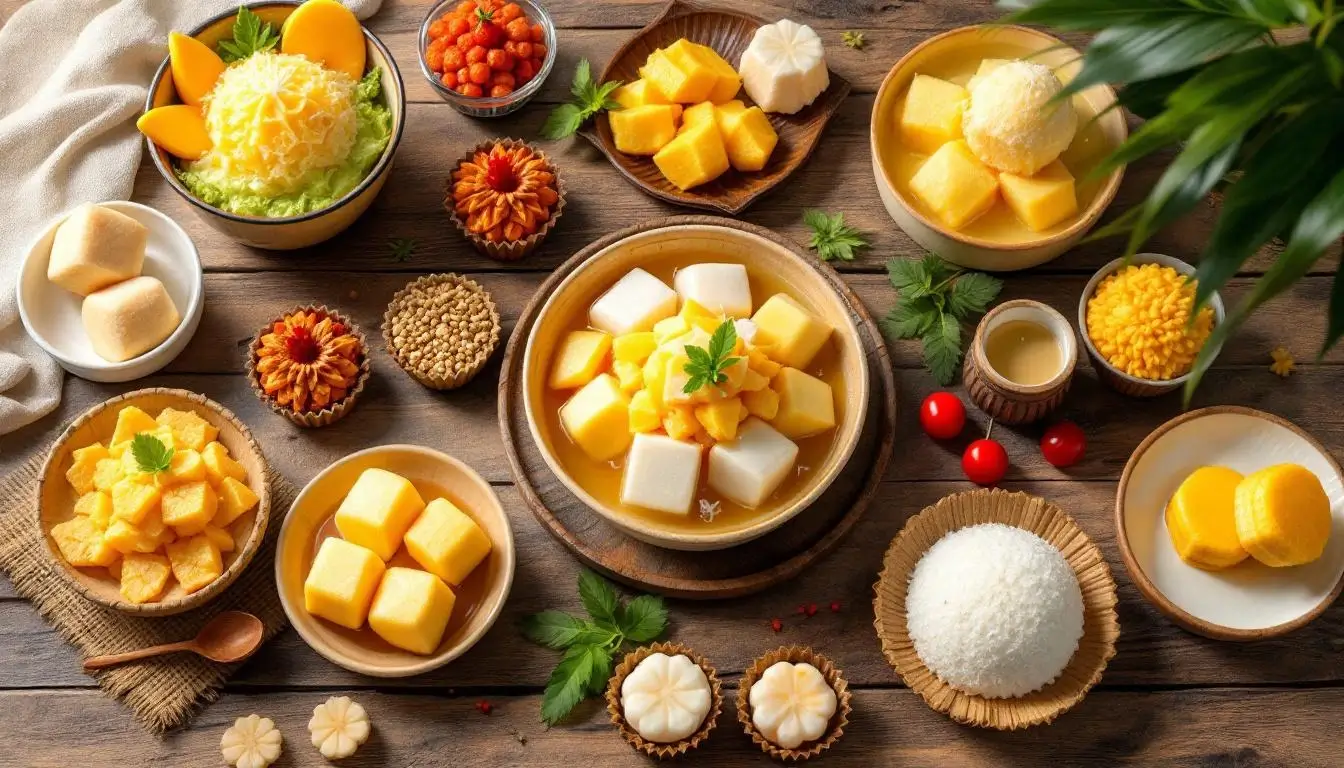
Taiwan desserts are some of the most creative, colorful, and downright addictive sweets you’ll find anywhere in Asia. From towering mountains of mango shaved ice dripping with condensed milk to silky-smooth tofu pudding swimming in ginger syrup, the island’s dessert scene is a sugar-fueled adventure that goes far beyond what most visitors expect. Whether you’re wandering through a Taipei night market at midnight or ducking into a century-old dessert shop in Tainan, Taiwan’s sweet treats tell a story of cultural crossroads — blending Chinese, Japanese, indigenous, and modern influences into something entirely its own.
This guide covers every Taiwan dessert worth knowing — the classics that have been satisfying sweet tooths for generations, the regional specialties you can only find in certain cities, and the modern creations that have taken social media by storm. If you’ve ever had bubble tea and wondered what else Taiwan’s dessert world has to offer, you’re about to fall down a very delicious rabbit hole.
Taiwan Desserts: The Iconic Shaved Ice That Started It All
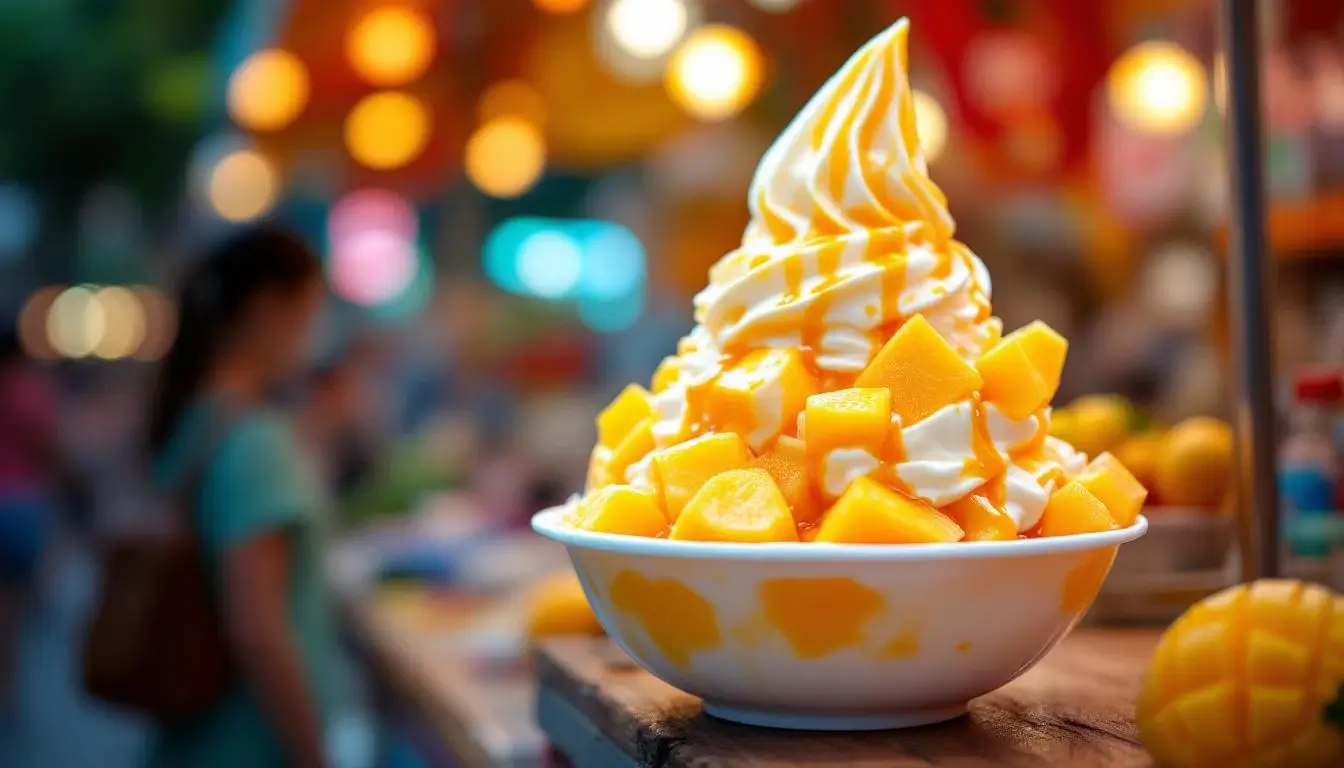
If there’s one Taiwan dessert that defines the island’s sweet scene, it’s baobing (刨冰) — shaved ice. But forget everything you know about snow cones or Italian ice. Taiwanese shaved ice is an entirely different beast. The ice is shaved so fine it has the texture of fresh snow, and it’s piled high with toppings that would make a sundae bar jealous.
Mango Shaved Ice (芒果冰)
The undisputed king of Taiwan desserts during summer months. A proper mango baobing starts with a base of ultra-fine shaved ice, gets blanketed in fresh Taiwanese mango chunks (the Irwin variety from Tainan is the gold standard), then receives generous pours of condensed milk and mango syrup. Many shops crown it with a scoop of mango sorbet or ice cream for good measure. The result is an avalanche of tropical sweetness that’s become one of the most photographed foods in Asia.
Ice Monster in Taipei’s Da’an district is widely credited with popularizing the modern mango ice format, though you’ll find excellent versions at Smoothie House (思慕昔) near Yongkang Street and at virtually every night market on the island. Mango season runs from May through September, and during peak summer, some shops sell over a thousand bowls a day.
Traditional Toppings Shaved Ice (八寶冰)
Before mango ice became an Instagram sensation, Taiwanese locals were already eating babaobing — “eight treasures ice.” This old-school version comes loaded with sweet red beans, mung beans, taro balls, grass jelly, aiyu jelly, peanuts, tapioca pearls, and condensed milk. You pick your toppings, the vendor piles on the shaved ice, and you dig in. It’s less photogenic than the mango version but arguably more satisfying — a textural playground of chewy, crunchy, and silky elements in every spoonful.
The beauty of traditional shaved ice is its customizability. No two bowls need to be the same, and many Taiwanese people have their go-to combination that they’ve been ordering since childhood. If you’re visiting Taiwan for the first time, start with a mix of red beans, taro balls, and grass jelly — it’s the classic combination that locals swear by.
Douhua: Taiwan’s Beloved Tofu Pudding
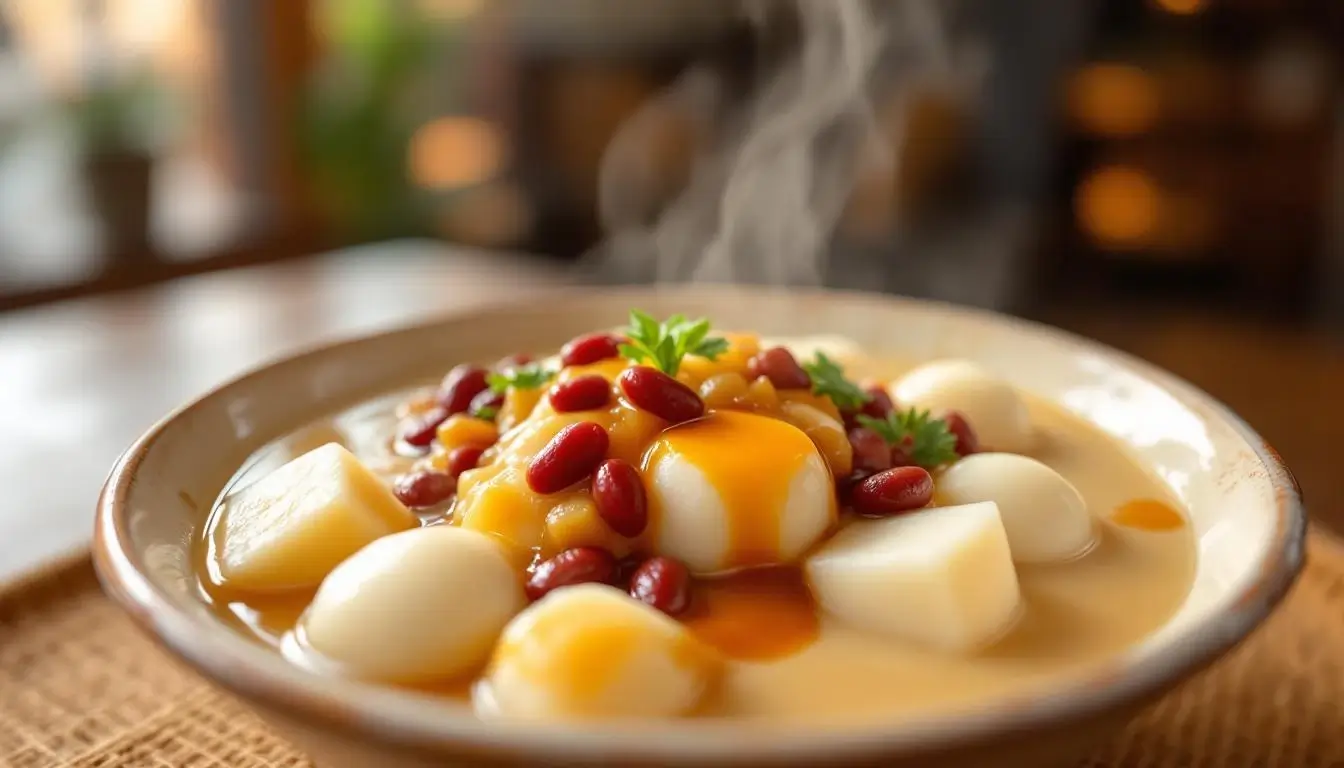
Douhua (豆花) is the Taiwan dessert that locals eat more than any other — and yet most visitors have never heard of it. This silky-smooth tofu pudding has a texture somewhere between panna cotta and Japanese silken tofu, and it’s served in a sweet syrup that varies by region.
In northern Taiwan, douhua typically comes in a clear sugar syrup, sometimes infused with ginger for warmth during winter months. Head south to Tainan or Kaohsiung, and you’ll find it served in a richer, brown sugar-based syrup that adds a caramel-like depth. Some shops serve it cold in summer with crushed ice, while others keep it piping hot year-round.
The Toppings Make the Bowl
Plain douhua is lovely on its own, but the toppings are where things get interesting. Popular additions include sweet peanuts, red beans, mung beans, taro balls, grass jelly (xiancao), tapioca pearls, and — for the truly adventurous — a drizzle of condensed milk. Some modern shops have started adding fresh fruit, matcha powder, and even bubble tea-inspired boba toppings.
A bowl of douhua typically costs between NT$35 and NT$60 (roughly $1-$2 USD), making it one of the most affordable desserts on the island. You’ll find it at dedicated douhua shops, night markets, and traditional morning markets. Some of the most famous douhua shops in Taiwan have been running for three or four generations, with recipes that haven’t changed in decades.
The best douhua has a wobble to it — firm enough to hold its shape on a spoon but soft enough to melt on your tongue. If your first bite doesn’t make you close your eyes in bliss, you’re at the wrong shop.
Pineapple Cake: Taiwan’s Most Famous Edible Souvenir
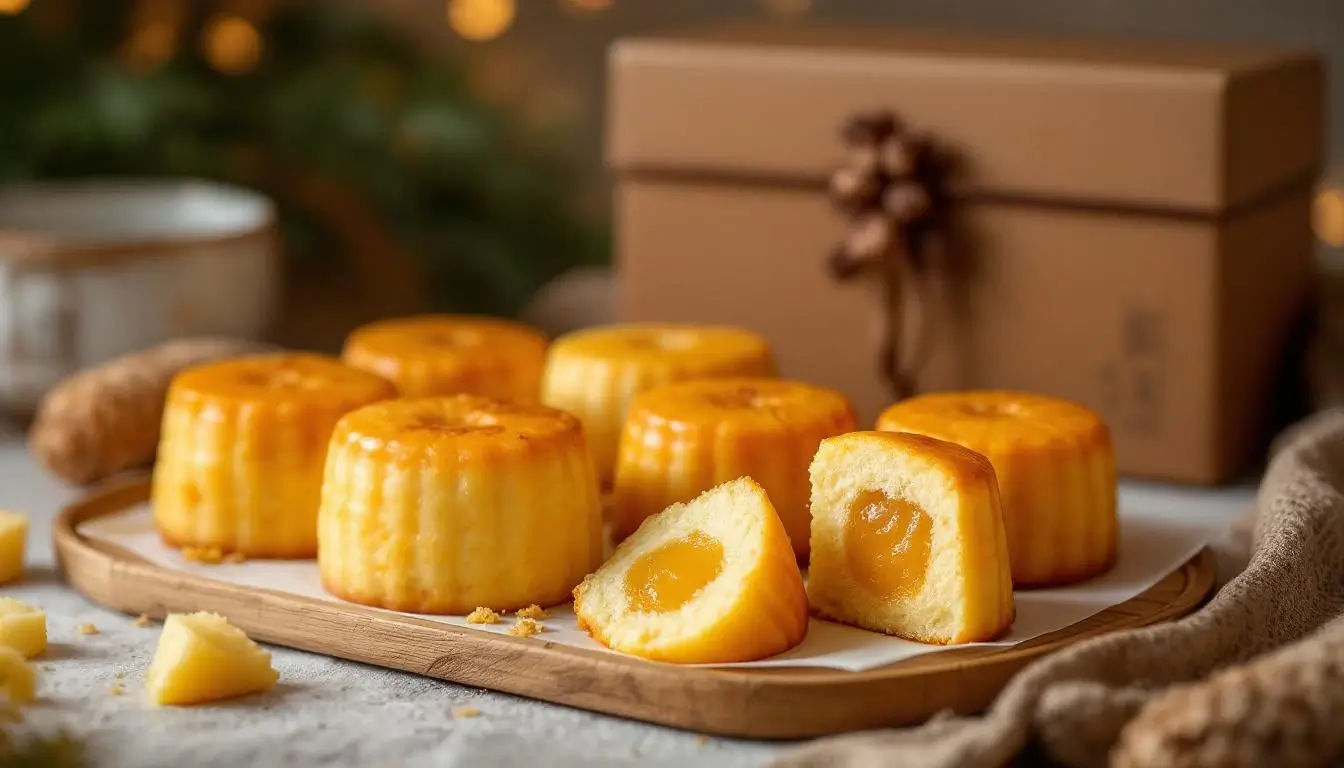
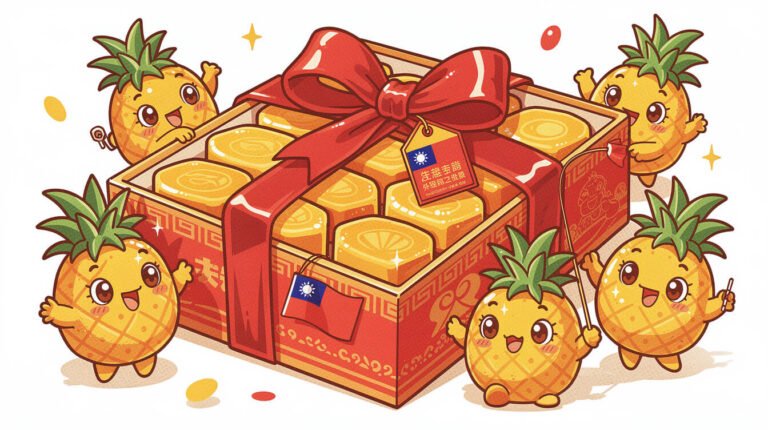
No guide to Taiwan desserts would be complete without fenglisu (鳳梨酥) — the legendary pineapple cake. This buttery, crumbly pastry filled with sweet-tart pineapple jam is Taiwan’s most iconic edible souvenir, generating over NT$45 billion (roughly $1.4 billion USD) in annual sales. Yes, you read that right — pineapple cakes are a billion-dollar business.
The name itself is deeply auspicious. In Taiwanese Hokkien, the word for pineapple is ong-lai (旺來), which sounds identical to a phrase meaning “prosperity arrives.” This linguistic coincidence makes pineapple cakes a go-to gift for weddings, business meetings, and Lunar New Year celebrations. Showing up to someone’s house with a box of high-quality fenglisu is basically the Taiwanese equivalent of bringing a bottle of fine wine.
Traditional vs. Premium Pineapple Cakes
There are two main schools of pineapple cake in Taiwan. Traditional versions use a filling that blends pineapple with winter melon (冬瓜), which gives a smoother, sweeter, and less fibrous texture. Modern premium versions — pioneered by Chia Te Bakery and SunnyHills — use 100% pure pineapple filling, which is more tart, more textured, and more intensely tropical.
Both styles have their die-hard fans. The traditional winter melon blend is what most Taiwanese grew up eating, and it has a nostalgic, homey sweetness. The pure pineapple version is a more recent innovation that appeals to people who want a bolder, more authentic fruit flavor. If you can only try one, go for SunnyHills’ pure pineapple version — it’s widely considered the gold standard. We’ve even put together a complete pineapple cake recipe if you want to try making them at home.
Beyond the classic fenglisu, many bakeries now offer creative variations: mango cakes, longan cakes, passion fruit cakes, and even savory-sweet combinations with cheese or salted egg yolk. Taiwan’s pastry innovation never stops.
Taro Balls and QQ Desserts: Taiwan’s Chewy Obsession
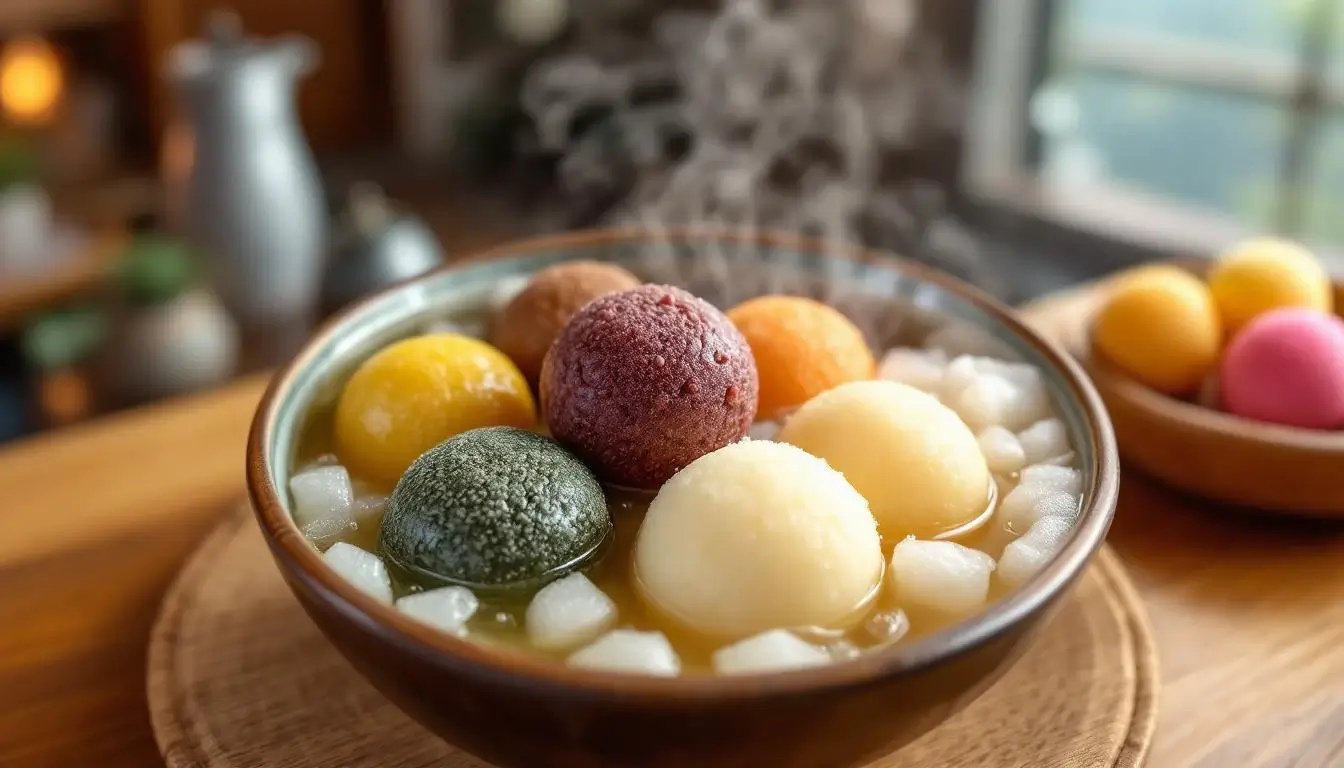
Taiwanese people are obsessed with QQ texture — that satisfying, springy chewiness that’s somewhere between gummy and bouncy. And nowhere is this obsession more visible than in the island’s taro ball desserts.
Jiufen Taro Balls (九份芋圓)
The mountain town of Jiufen — the former gold mining settlement that allegedly inspired the setting of Spirited Away — is ground zero for Taiwan’s taro ball craze. The signature dessert here features plump, chewy balls made from taro, sweet potato, and green tea, served in a sweet soup with red beans, kidney beans, and sometimes tapioca. You can order it hot or cold, and the multicolored balls bobbing in sweet broth are as visually stunning as they are delicious.
The most famous shop in Jiufen is Ah Gan Yi Taro Balls (阿柑姨芋圓), perched on the mountainside with sweeping views of the coast. But honestly, every taro ball shop in Jiufen is excellent — the competition keeps quality absurdly high. Making taro balls from scratch involves steaming and mashing taro root, mixing it with sweet potato starch until the dough reaches the perfect QQ consistency, then rolling and cutting individual balls by hand. It’s labor-intensive, which is why the fresh handmade versions taste so much better than the factory-made ones you’ll find at supermarkets.
Sweet Potato Balls (地瓜球)
While we’re talking QQ, let’s give sweet potato balls their moment. These golden, ping-pong-sized fried balls have a crispy shell and a hollow, chewy interior that’s absolutely addictive. You’ll find them at practically every Taiwan night market, where vendors fry them in huge woks, pressing them with a wire mesh to create that signature hollow center. A bag costs around NT$50-70, and good luck eating just one.
Speaking of night market treats, if you’re a fan of Taiwan’s sweet side, you’ll love our Taiwan Bubble Tea Cat T-Shirt — it captures that playful boba spirit that Taiwan desserts are all about.
Night Market Desserts: The Sweet Side of Taiwan After Dark
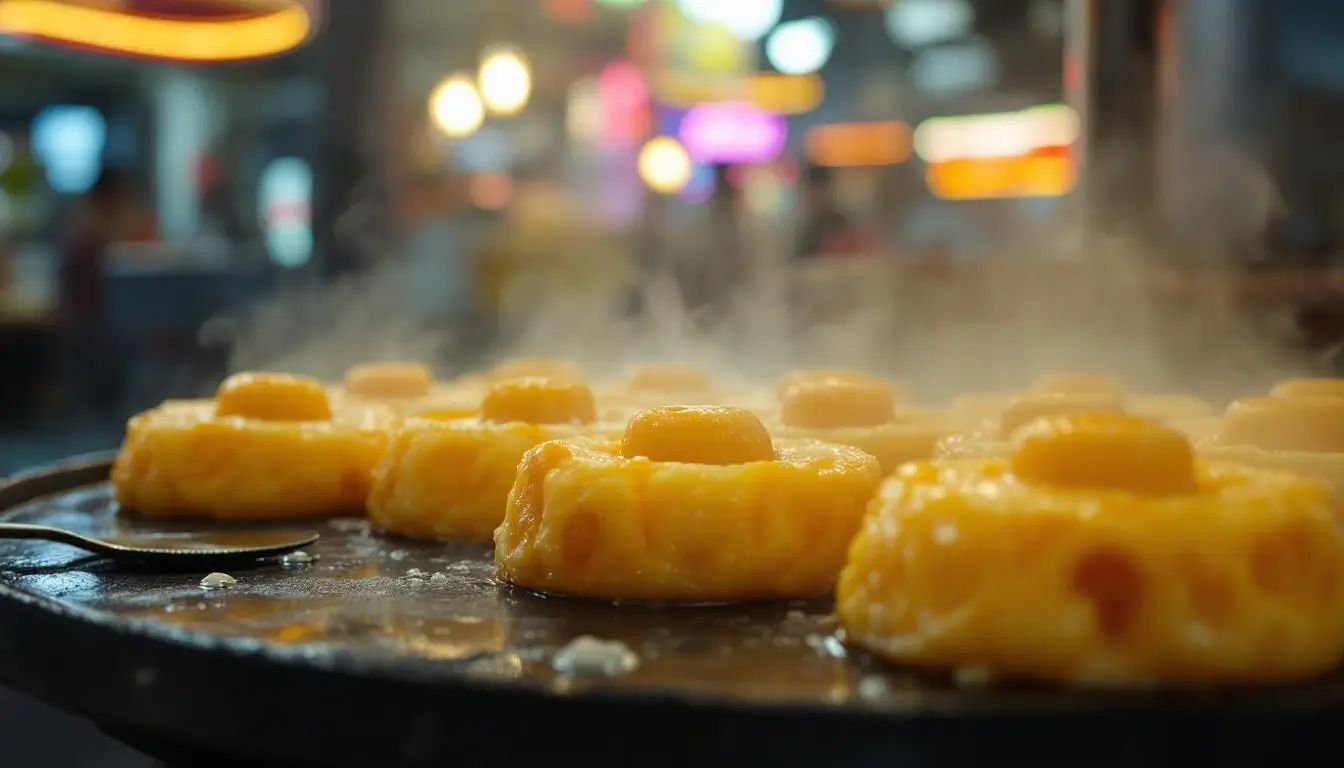
Taiwan’s night markets are legendary for savory street food, but the dessert game is equally strong. Here are the after-dark sweets you need to know about.
Wheel Cakes (車輪餅 / 紅豆餅)
Chehlunbing are the Taiwanese take on imagawayaki — round, griddle-cooked cakes with a soft, pancake-like shell and a piping hot filling. Classic fillings include sweet red bean paste, custard cream, and taro. Modern vendors have expanded the repertoire to include chocolate, matcha, Oreo cream, cheese, peanut butter, and even savory options like bacon and corn.
What makes wheel cakes so beloved is the combination of price, speed, and satisfaction. They cost about NT$15-20 each (roughly $0.50), they’re ready in minutes, and biting into a fresh one — steam escaping from the cracked shell, filling oozing out — is one of life’s simple pleasures. Watch the vendor flip them on the cast-iron griddle and you’ll understand why some wheel cake stalls have lines stretching down the block.
Tanghulu (糖葫蘆)
Originally from northern China, tanghulu has been thoroughly adopted by Taiwan’s night market scene. These skewers of candied fruit — most commonly strawberries, but also cherry tomatoes, grapes, and kiwi — get dipped in a hot sugar syrup that hardens into a glassy, crackling shell. The contrast between the cool, juicy fruit and the shatteringly crisp candy coating is absolutely irresistible.
Tanghulu had a massive resurgence in 2024-2025, driven partly by social media trends that turned the candy-coated skewers into a viral sensation. Some vendors now offer tanghulu with chocolate drizzle, sprinkles, or even cotton candy wrapping — though purists insist the original sugar-coated version is still the best.
Aiyu Jelly (愛玉冰)
Aiyu is a dessert unique to Taiwan — you literally can’t get the real thing anywhere else. This pale golden jelly is made from the seeds of a fig species (Ficus pumila var. awkeotsang) that grows only in Taiwan’s mountains. The seeds are placed in a cloth bag, submerged in water, and rubbed until they release pectin that sets into a delicate, refreshing jelly.
Aiyu jelly is typically served cold with lemon juice and honey or sugar syrup, making it the perfect palate cleanser on a sweltering summer day. It has almost no calories, a wonderfully slippery-smooth texture, and a subtle, almost floral sweetness. Indigenous communities in Taiwan have been making aiyu for centuries, and it remains one of the island’s most treasured culinary traditions. You can learn more about Taiwan’s rich indigenous heritage in our Taiwan culture guide.
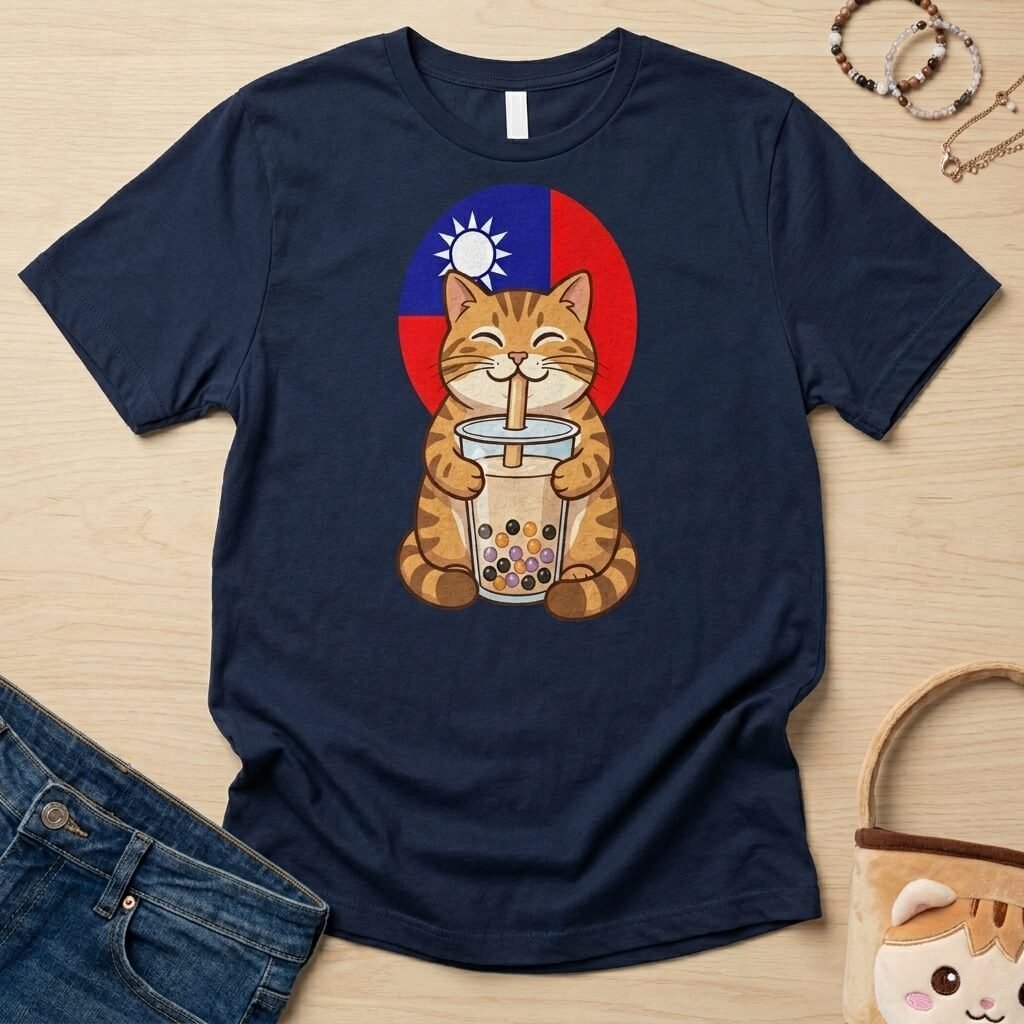
Sweet on Taiwan? Wear It Proud
Our Bubble Tea Cat tee captures the playful, sweet spirit of Taiwan’s dessert culture. Perfect for boba lovers and Taiwan fans alike.
Mochi, Tang Yuan, and Taiwan’s Glutinous Rice Desserts
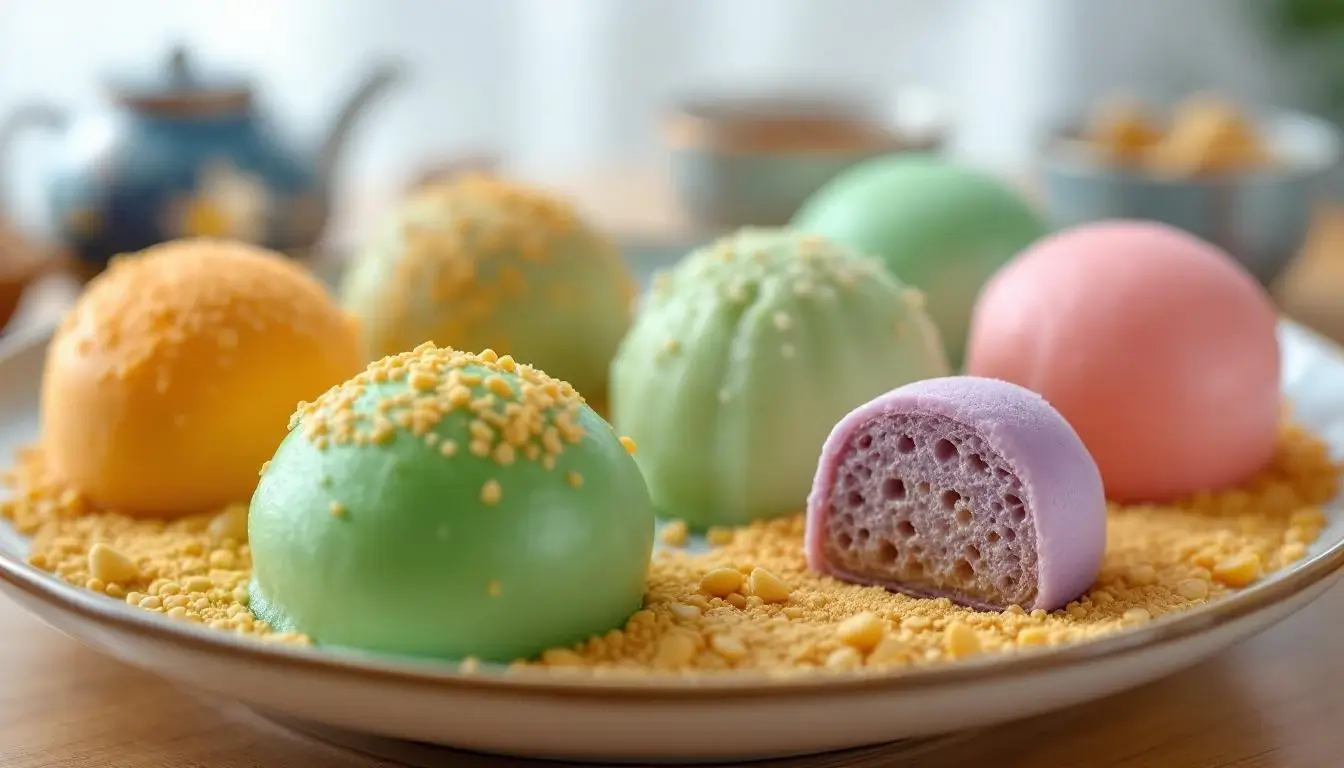
Glutinous rice — nuomi (糯米) — is the backbone of some of Taiwan’s most beloved desserts. The sticky, chewy texture it produces is central to the island’s QQ obsession, and it appears in dozens of different sweet preparations.
Taiwanese Mochi (麻糬)
While mochi originated in Japan, Taiwan has made it entirely its own. Taiwanese mochi tends to be softer and more pillowy than the Japanese version, and the fillings and coatings are distinctly local. The classic combination is a freshly pounded mochi ball rolled in crushed peanut powder mixed with sugar — the nutty, sweet coating clinging to the stretchy rice dough is pure comfort food.
Popular fillings include red bean paste, taro paste, peanut butter, black sesame, and matcha cream. In Hualien — Taiwan’s east coast gem — mochi is a regional specialty, and shops like Zeng Ji Mochi have been hand-pounding the stuff for over 60 years. The Hualien style tends to be larger and softer than what you’ll find elsewhere on the island.
Tang Yuan (湯圓)
These glutinous rice balls served in sweet soup are the quintessential Taiwan dessert for the Lantern Festival and Winter Solstice. Traditional tang yuan come in two styles: small, unfilled balls in a sweet ginger or fermented rice wine broth, and larger filled balls with decadent centers of black sesame paste, peanut paste, or red bean.
The filled variety is where tang yuan really shines. Bite through the soft, chewy exterior and liquid sesame paste comes flooding out — it’s one of those textures that feels almost impossible until you experience it. Modern tea shops and dessert cafes have introduced creative versions with brown sugar, salted egg yolk, and even oolong tea-infused fillings.
Muah Chee (麻糍)
A close cousin of mochi, muah chee is cut into irregular pieces and tossed in a generous coating of peanut powder, sesame powder, or coconut flakes. It’s less structured than mochi — more rustic, more casual — and it’s the kind of thing you’ll find at traditional markets and roadside stands rather than fancy dessert shops. The warm, freshly made version with peanut powder is absolutely heavenly.
Modern Taiwan Desserts: Bubble Tea and Beyond
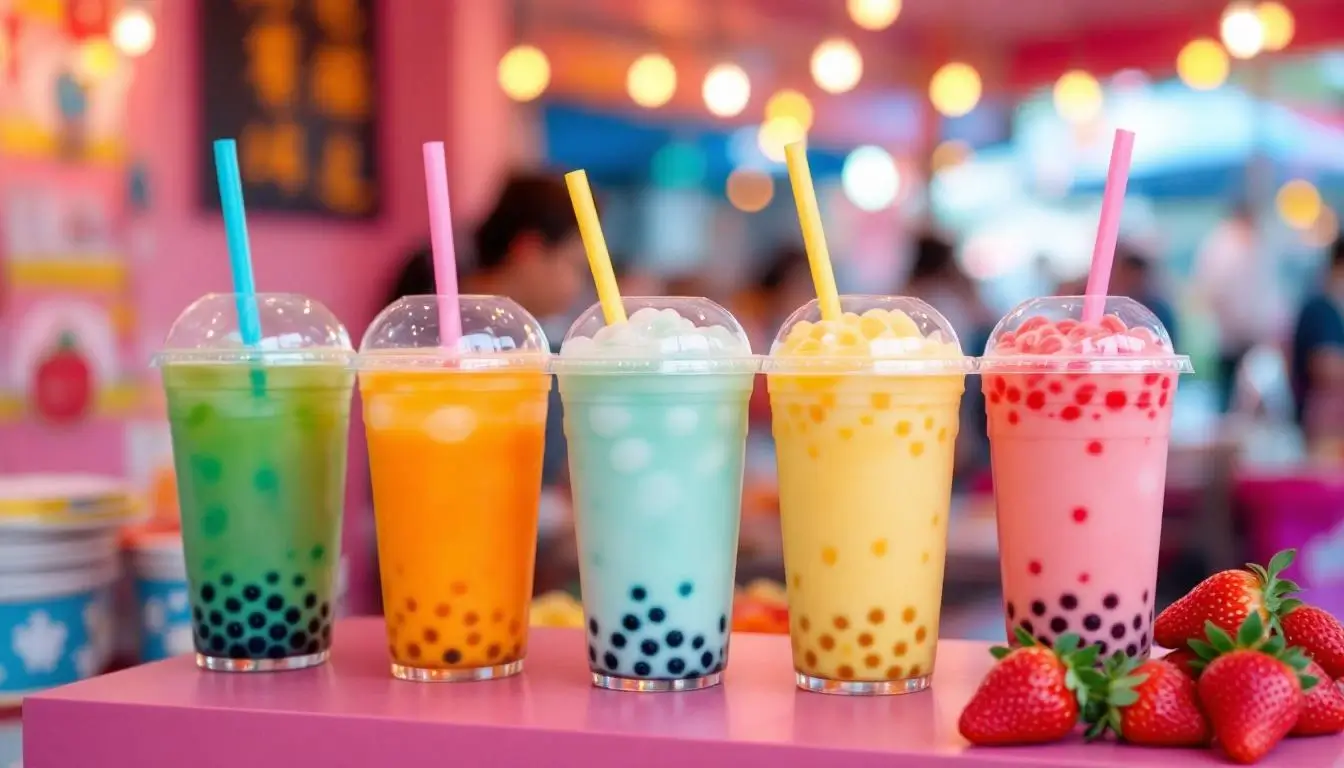
Taiwan’s dessert scene isn’t stuck in the past. The island is one of Asia’s most innovative food cultures, and modern Taiwanese dessert creators are constantly pushing boundaries.
Bubble Tea (珍珠奶茶)
We can’t talk about Taiwan desserts without mentioning the island’s most famous export. Bubble tea was invented in Taichung in the 1980s — the origin story involves either Chun Shui Tang or Hanlin Tea Room, depending on who you ask — and has since conquered the world. The classic formulation of black milk tea with chewy tapioca pearls remains the gold standard, but Taiwan’s bubble tea shops now offer hundreds of variations with fresh fruit, cheese foam, brown sugar, taro, and more.
What many people don’t realize is that bubble tea in Taiwan is genuinely different from what you’ll find abroad. The tea base is stronger and more aromatic, the tapioca pearls are fresher and chewier, and the sweetness level is typically more restrained. If you’ve only had bubble tea outside Taiwan, you’re in for a revelation.
Castella Cake (現烤蛋糕)
Taiwan’s jiggly castella cakes — those impossibly fluffy, bouncy sponge cakes that wobble like jelly — became a global viral sensation. Baked in large rectangular molds and cut into thick slices, these cakes have an almost impossibly light, airy texture. The original plain version tastes like a cloud made of eggs and vanilla, but you’ll also find chocolate, cheese, and matcha flavors.
Taiwanese Crepe Cake (千層蛋糕)
Lady M may have popularized the mille-crepe cake in New York, but Taiwan has taken the concept and run with it. Taipei is home to dozens of crepe cake specialists, each stacking 20+ paper-thin crepes with delicate layers of pastry cream, fruit, or ganache. Flavors range from classic vanilla to Taiwan fruit specials like mango, strawberry, and passion fruit.
Frequently Asked Questions About Taiwan Desserts
What is the most popular dessert in Taiwan?
Douhua (tofu pudding) and shaved ice are the most commonly eaten Taiwan desserts among locals. Mango shaved ice is the most popular among tourists, while pineapple cake is the most purchased dessert overall due to its status as Taiwan’s number one edible souvenir.
Are Taiwan desserts very sweet?
Compared to American or European desserts, most Taiwan desserts are moderately sweet. Taiwanese palates generally favor subtler sweetness that lets ingredient flavors shine through. Most dessert shops let you adjust the sugar level, just like at bubble tea shops.
Where can I find the best Taiwan desserts?
Night markets are the easiest place to sample a wide variety of Taiwan desserts in one go. Shilin Night Market in Taipei, Liuhe Night Market in Kaohsiung, and Feng Chia Night Market in Taichung all have excellent dessert vendors. For specific specialties, dedicated dessert shops in Yongkang Street (Taipei), Jiufen (taro balls), and Tainan (douhua) are worth the trip.
Can I find Taiwan desserts outside of Taiwan?
Bubble tea shops have gone global, and you can find decent versions of mochi, tang yuan, and pineapple cakes in most cities with significant Taiwanese diaspora communities — particularly in the US, Canada, Australia, and Japan. However, some desserts like aiyu jelly and fresh mango shaved ice are nearly impossible to replicate authentically outside Taiwan because the key ingredients are uniquely Taiwanese.
What is QQ texture in Taiwanese desserts?
QQ (pronounced “kyoo-kyoo”) describes the springy, bouncy, chewy texture that Taiwanese people love in their desserts. Think tapioca pearls, taro balls, mochi, and rice cakes. If a food item bounces back when you bite it, it’s QQ — and in Taiwan, that’s the highest textural compliment a dessert can receive.
Are Taiwan desserts gluten-free?
Many traditional Taiwan desserts are naturally gluten-free because they’re based on rice flour, tapioca starch, or fruit rather than wheat flour. Shaved ice, douhua, taro balls, mochi, tang yuan, and aiyu jelly are all typically gluten-free. However, pastries like pineapple cakes and wheel cakes do contain wheat flour. Always confirm with the vendor if you have celiac disease or severe gluten sensitivity.
Final Thoughts: Why Taiwan Desserts Deserve a Spot on Your Bucket List
Taiwan desserts are more than just sweets — they’re a window into the island’s soul. Every bowl of douhua carries generations of tofu-making expertise. Every pineapple cake embodies the Taiwanese belief that sharing food is sharing good fortune. Every mango shaved ice celebrates the tropical abundance of an island that punches far above its weight in the culinary world.
What makes Taiwan’s dessert culture truly special isn’t any single item — it’s the sheer depth and diversity. You could eat a different Taiwan dessert every day for months and still not cover everything. From ancient indigenous aiyu jelly to modern castella cakes that jiggle on TikTok, from NT$15 wheel cakes at a night market stall to exquisite crepe cakes in a Taipei patisserie, the range is extraordinary.
So whether you’re planning a trip to Taiwan, visiting your local Taiwanese bakery, or just dreaming of your next sweet adventure, let this guide be your starting point. Taiwan’s dessert world is waiting — and trust us, it’s even sweeter than you imagine.
For more deep dives into Taiwan’s incredible food culture, check out our guides to Taiwan traditional food and Taiwan stinky tofu — because the island’s culinary story is just getting started.

Grab a Free Taiwan Sticker!
Drop your email and we’ll send you a limited-edition Taiwan sticker — plus insider access to new merch drops and island vibes.
No spam. Unsubscribe anytime.