Alishan Oolong Tea: The Editorial Guide to Taiwan’s Most Prized High-Mountain Tea
Walk into any tea shop in Taipei and ask for the good stuff, and the shopkeeper will almost always reach for a bag with two characters brushed across the front: 阿里山. Alishan oolong tea — grown on Taiwan’s most famous tea mountain — is the tea that Taiwanese people give as wedding gifts, business gifts, and the tea they keep hidden in a drawer for the guests they actually want to impress. It is also one of the most misunderstood teas in the world outside of Taiwan, where “Alishan” gets slapped on shopping-mall canisters that never came within a hundred kilometers of the actual mountain.
This is the editorial guide the internet has been missing. Not a checkout page, not a listicle of “top 10 sellers.” A real explainer for anyone who has ever wondered what exactly makes a tea Alishan oolong, why elevation matters, why spring tea from Shizhuo tastes nothing like autumn tea from Meishan, and how to buy a bag that’s actually the real thing.
By the end, you’ll understand Taiwan’s tea geography the way a Taipei tea sommelier does — and you’ll never be talked into a 200 NTD “Alishan” tin from a night-market stall again.
What Makes Alishan Oolong Special: The 1,000-Meter Rule Explained
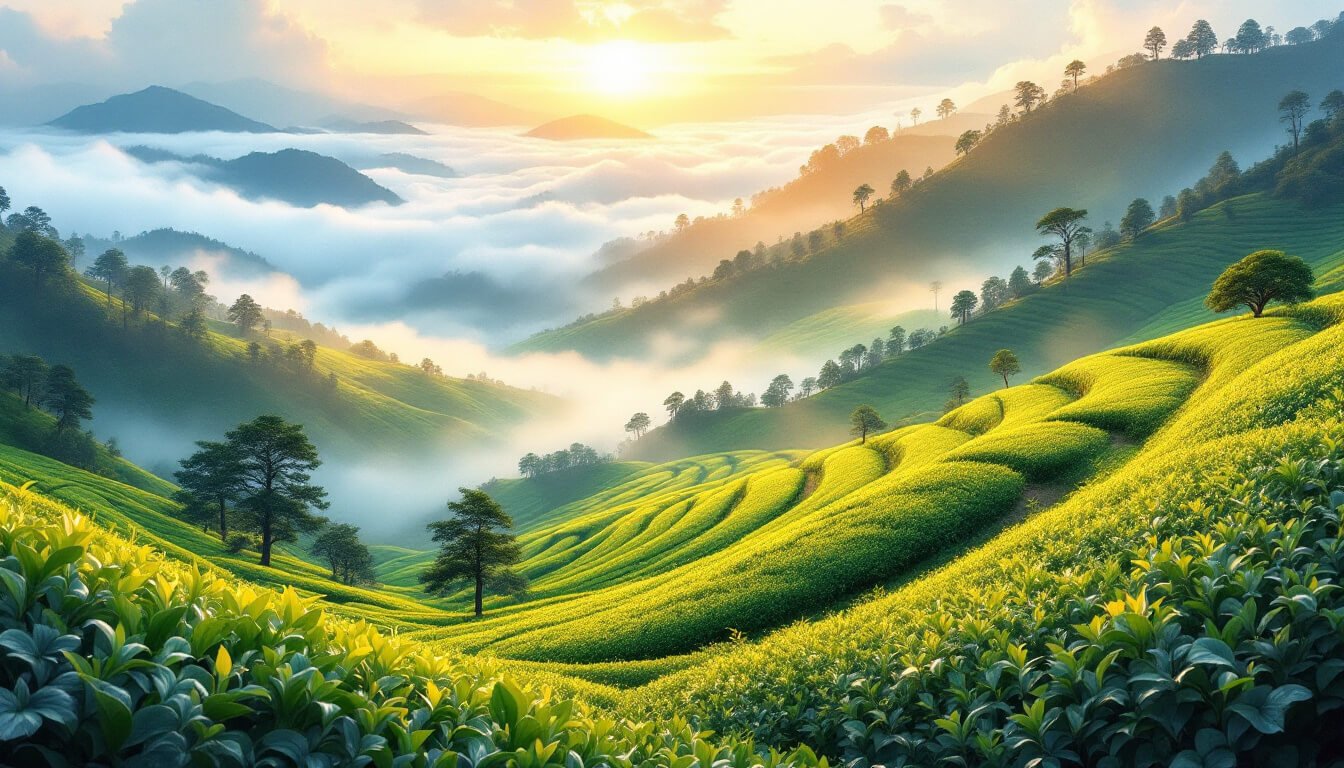
Alishan is not one mountain. It’s a whole range in Chiayi County, central-western Taiwan, cresting at Yushan-adjacent altitudes and dropping into cypress forest and cloud-drenched valleys. The tea gardens sit between roughly 1,000 and 1,400 meters above sea level — the sweet spot that gives high-mountain oolong its legendary softness.
Here’s the rule Taiwanese tea farmers live by: below 1,000 meters, you get a competent tea; above 1,000 meters, you get gao shan cha (高山茶), high mountain tea, which is a category unto itself. Everything above that magic elevation changes how tea plants grow. Nights get colder. Days get shorter because ridge lines and cloud banks block direct sun for hours at a time. Tea leaves grow slowly, sometimes taking 40% longer to reach picking size than lowland leaves. That slow growth is the whole story.
Slow-grown leaves develop less of the bitter polyphenols (catechins) that make ordinary tea astringent. They also concentrate more theanine — the amino acid responsible for umami, sweetness, and that milky, almost dairy-like mouthfeel that first-time drinkers of Alishan oolong always notice. Combined with heavy fog that filters the sunlight and cool nights that lock in aromatics, you get a leaf that brews into a cup with almost no bitterness, a viscous body, and a fragrance that fills the room the moment hot water hits it.
Elevation also changes the aroma compounds. The higher the garden, the more gao shan yun (高山韻) — “high mountain rhyme” — you get. It’s a hard-to-translate term for the sweet, floral, mineral aftertaste that lingers in the throat long after you swallow. Real Alishan oolong has it. Lowland tea does not. Once you’ve tasted the difference, you can’t unfeel it.
The Four Sub-Regions of Alishan Tea and How They Taste Different
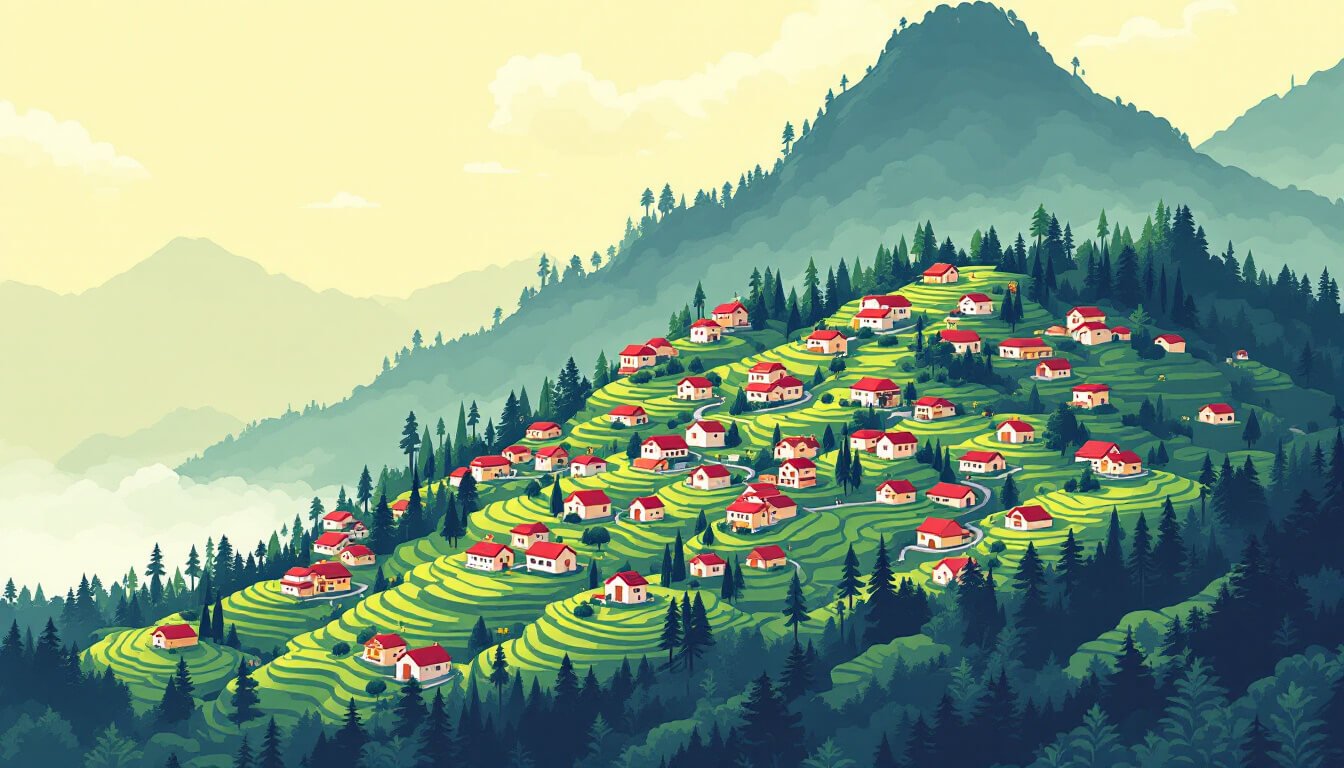
Locals rarely say “Alishan oolong” — they say the village name. That’s because the Alishan range is really four distinct tea sub-regions, each with its own microclimate, soil composition, and character. If you want to buy Alishan tea like a Taiwanese person, learn these four names.
Shizhuo (石棹) is the most famous. Sitting around 1,300 meters just below the main Alishan Forest Recreation Area entrance, it’s the postcard image everyone associates with the mountain — terraced gardens above a sea of clouds, cypress ridges in the distance. Shizhuo tea leans floral, with orchid and lily-of-the-valley notes and a creamy, almost custardy body. It’s the safe, universally loved profile. First-time buyers should start here.
Fen Shou (奮起湖), a little further along the old forest railway, sits slightly lower but catches more afternoon mist. Fen Shou teas taste greener and more herbaceous — hints of snow pea, fresh bamboo shoot, and a subtle mineral finish. If Shizhuo is a warm hug, Fen Shou is a crisp mountain morning.
Zhu Lu (竹崎) and its neighbor Ruili (瑞里) are the sleeper picks. Lower elevation (some plots dip below 1,100 meters), warmer, and often processed with a touch more oxidation. Zhu Lu teas have more body and a rounder, honeyed sweetness — closer to Dong Ding oolong in personality but with the high-mountain finesse still intact.
Meishan (梅山) is the largest producing township in the Alishan National Scenic Area, spanning everything from 800 meters up to premium 1,400-meter plots. Meishan tea is the most variable — cheaper bags from the lower slopes can be borderline lowland tea, while top-plot Meishan competes with the best Shizhuo. This is the sub-region where knowing your seller matters most.
Three cultivars dominate all four sub-regions: Qing Xin (青心, the classic, most nuanced and floral), Jin Xuan (金萱, natural milky-buttery notes without any additives), and Cui Yu (翠玉, grassier and more aromatic). If a bag doesn’t tell you the cultivar, it’s usually Qing Xin. If it does, you’re dealing with a farmer who cares.
Spring vs Winter Harvest: Why Season Matters More Than Grade
Alishan has two premium harvests a year: spring (late April to early May) and winter (late October to early November). The two other harvests — summer and autumn — exist, but no serious tea drinker seeks them out. Skip them.
Spring Alishan is the aromatic showstopper. After a long winter of dormancy, the first flush of leaves is packed with concentrated aroma compounds — the classic orchid-floral bouquet, a bright and lifted finish, and an almost floral perfume that fills your nose before you take the first sip. Spring tea is what wins tea competitions in Taiwan every year. It’s also more expensive: expect to pay 30-50% more per gram than winter tea from the same farm.
Winter Alishan is the connoisseur’s pick. The tea grows even slower in cold weather, so leaves are smaller, denser, and richer. The aroma is quieter but the body is deeper and the aftertaste lingers longer. If spring tea is a soprano singing high notes, winter tea is a cello sustaining a low, warm chord. Many long-time Alishan drinkers actually prefer winter tea for daily brewing.
Here’s the thing most Western tea shops won’t tell you: season matters more than “grade” or “prize-winning” labels. A humble farmer’s spring Shizhuo will beat a “gold prize” summer tea from anywhere in Taiwan. Always ask for the harvest date. If the seller can’t tell you, they don’t know what they’re selling.
Tasting Notes: Alishan Oolong vs Dong Ding vs Li Shan vs Bao Zhong
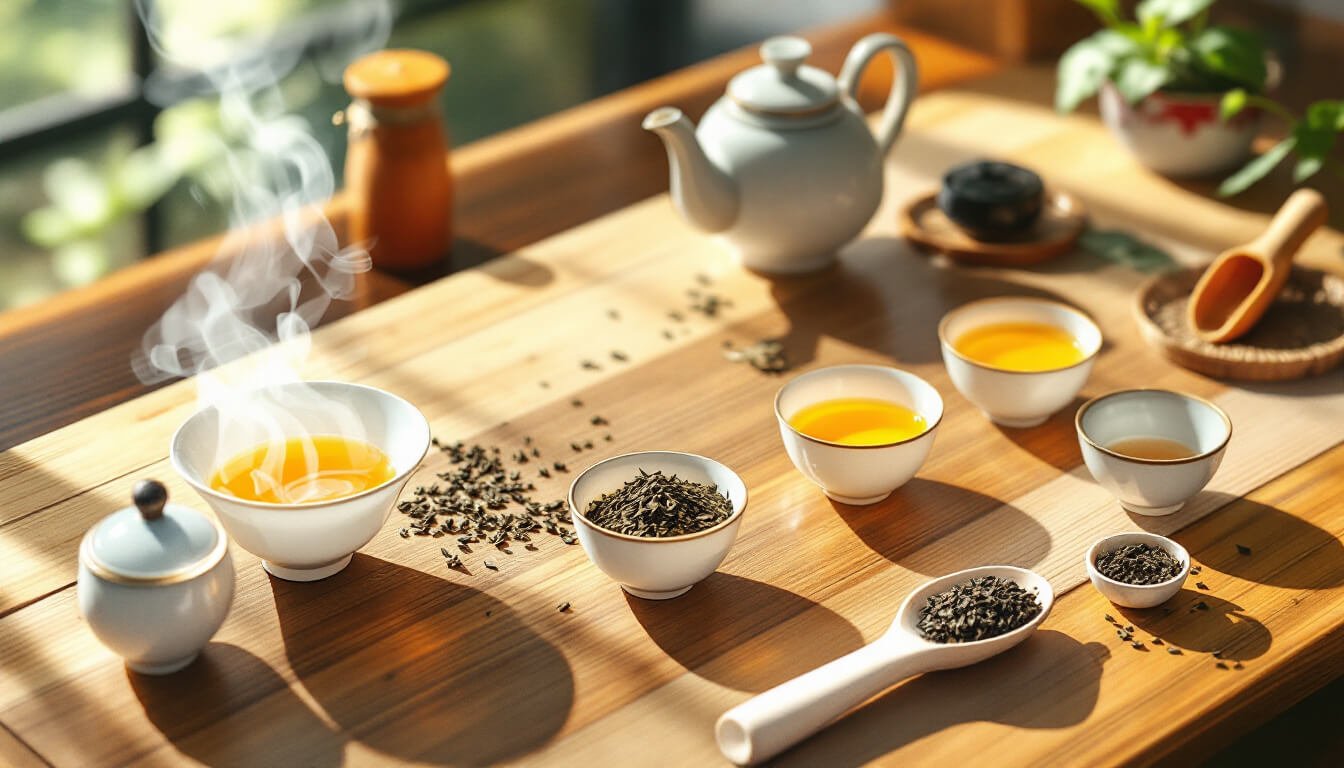
To understand what makes Alishan special, it helps to taste it next to Taiwan’s other famous oolongs. Here’s how the tasting flight breaks down.
Alishan oolong is medium-bodied, lightly oxidized (roughly 15-25%), unroasted or very lightly roasted. The liquor pours pale-gold. Aroma is floral, buttery, with a soft mineral note. Body is smooth and creamy — that’s the “high mountain milk” texture Taiwanese drinkers rave about. Finish is sweet and lingering with almost no astringency.
Dong Ding oolong (凍頂) from lower Nantou County is Alishan’s older cousin. Similar oxidation but with a traditional charcoal roast that gives it a darker liquor (amber-gold) and toasted notes — think caramelized fruit, roasted chestnut, and a deeper mouthfeel. Dong Ding drinks like a wintery version of Alishan. If you like a warm, cozy tea, start there.
Li Shan oolong (梨山) is Alishan’s rival and, at 2,000+ meters, the highest commercially grown tea in Taiwan. Even more delicate than Alishan — lighter body, more overtly floral (jasmine, gardenia), with a cool menthol-like finish some describe as “mountain wind.” Also significantly more expensive. Li Shan is the peak of the pyramid; Alishan is the wide, delicious middle.
Bao Zhong (包種) from Pinglin, near Taipei, is the outlier: barely oxidized (8-15%), unroasted, and closer to green tea in character. Very green, very floral, very grassy. A lovely tea, but a completely different animal from the high-mountain teas above.
The taste vocabulary that will actually help you here: florality (which flower — orchid, lily, gardenia?), body (thin/medium/creamy), mouthfeel (astringent, dry, slick, oily?), aftertaste (does the sweetness stay for one breath or twenty?). Alishan wins on body, mouthfeel, and aftertaste. That’s what you’re paying for.
If you want to nerd out on Taiwan’s full tea landscape, our complete Taiwan oolong tea guide covers all six major categories with brewing recommendations for each.
How to Brew Alishan Oolong (Gaiwan + Gongfu + Cold Brew)
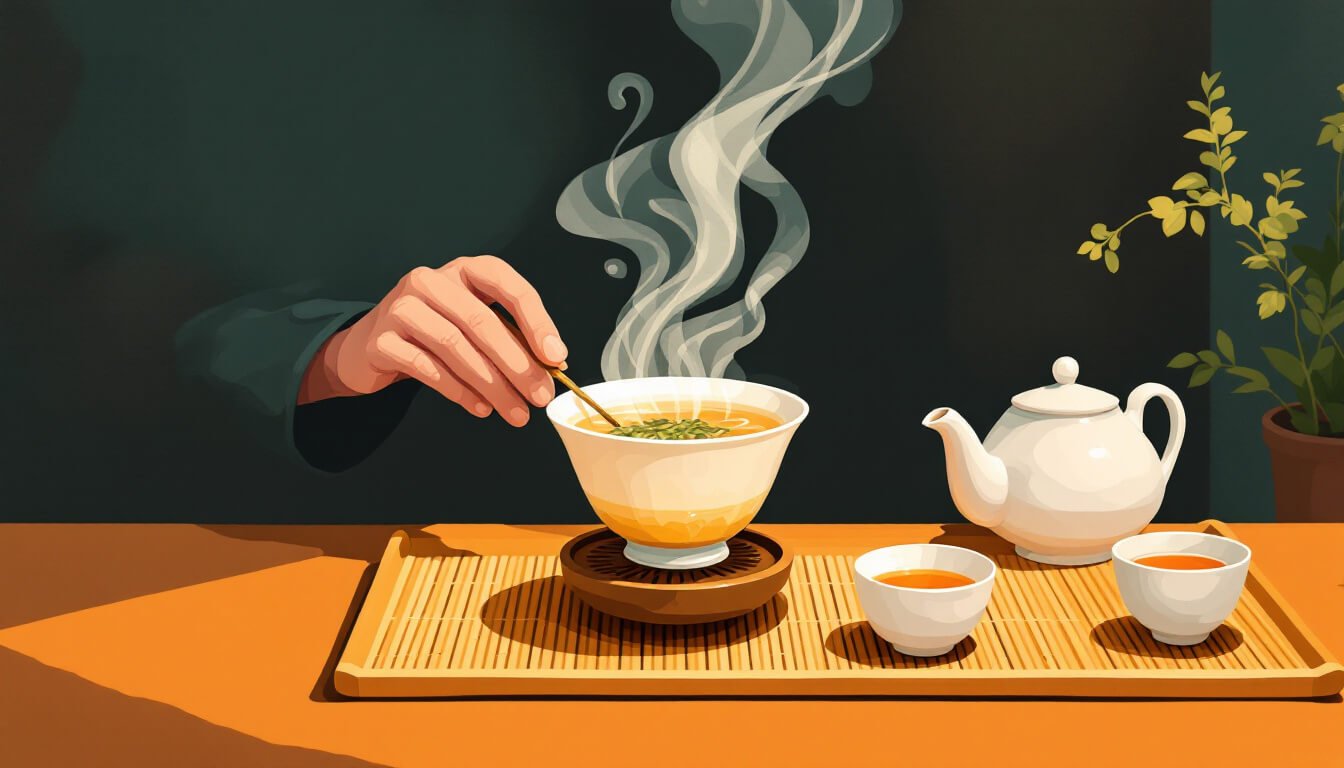
Alishan oolong is one of the most forgiving high-mountain teas to brew. You can drop it in a mug, and it will still be pleasant. But if you want to actually taste what you paid for, use one of these three methods.
Gaiwan method (the Taipei tea shop default): Use a 100-150ml gaiwan. Add 5-6 grams of tea (a heaping teaspoon of the tightly rolled balls). Rinse once with 95°C water — pour in, cover, discard immediately after 5 seconds. This wakes up the leaves. Then brew: 20 seconds, 25 seconds, 35 seconds, 50 seconds, 75 seconds, adding roughly 10-15 seconds per infusion. A good Alishan gives you 6-8 quality infusions, sometimes 10.
Use water at 90-95°C. Not boiling. If your kettle only does 100°C, pour the water into your pitcher first, wait 30 seconds, then use. The lower temperature preserves the delicate florality that boiling water burns off.
Gongfu method (for special occasions): Same tea, higher leaf-to-water ratio. Use a small unglazed clay teapot (100ml or so), fill it about a third full with dry leaves (yes, that much — roughly 7-8 grams for a small pot), and use shorter infusions: 10 seconds, 15, 20, 30, 45. This is how tea competitions taste; the intensity brings out subtleties you’d miss in a Western-style brew.
Cold brew (the underrated summer method): Add 8-10 grams of Alishan oolong to 1 liter of cold or room-temperature filtered water. Refrigerate for 6-12 hours. Strain. The result is a slightly viscous, honey-sweet drink with almost no bitterness, tasting like tea nectar. Perfect for Taipei summer humidity. Try this once and you’ll never buy bottled tea again.
What to avoid: aggressive boiling water, oversteeping, and small tea bags with pre-broken leaves. Whole rolled leaves are the format Alishan is meant to be brewed in — the tight little dark-green balls unfurl over multiple infusions and release aroma in waves.
How to Spot Fake or Diluted Alishan Tea (The 40% Rule)
Here’s the ugly truth. Taiwan produces around 14,000 metric tons of tea per year across all regions. Alishan specifically produces about 2,000 tons. Global demand for tea labeled “Alishan” is more than triple that. The math means the majority of tea sold internationally as “Alishan” oolong is at least partly not from Alishan.
How the fraud usually works: a mid-tier packager buys real Alishan tea from a farm, then blends it with cheaper Vietnamese or Thai high-mountain oolong (which looks visually identical when rolled). The industry has an unofficial “40% rule” — as long as at least 40% of the blend is Taiwanese Alishan tea, some sellers still call the final product Alishan. That is a lie of degree, not kind. What lands in your cup may be 60% Vietnamese oolong.
Six ways to spot a fake or diluted Alishan bag:
- The price is too good. Real spring Alishan from a reputable Taiwanese farm costs at least USD $60-80 per 100 grams (about 3.5 oz), often more. A “premium Alishan” for $15 is almost never real.
- No harvest date or elevation. Real Taiwanese sellers proudly label the harvest month, cultivar, and often the specific elevation. Blends omit all of this.
- No sub-region. Real Alishan is sold as “Shizhuo Alishan” or “Meishan Alishan,” not just “Alishan.”
- Dry leaves look identical. Real Alishan tea balls vary in size (0.5-1cm), have a matte olive-green surface with occasional yellow stems, and smell floral and sweet when you sniff the bag. Machine-processed Vietnamese blends look uniform and perfect, almost too clean.
- Brew tastes bitter or astringent. Real Alishan oolong is famous for having almost no bitterness even when over-steeped. If your first cup dries out your mouth, it’s not real high-mountain tea.
- No origin certificate. Since 2014, the Taiwan Tea Research Extension Station has offered origin verification for premium teas. Serious farms will provide certification numbers or DNA-tested origin traces on request.
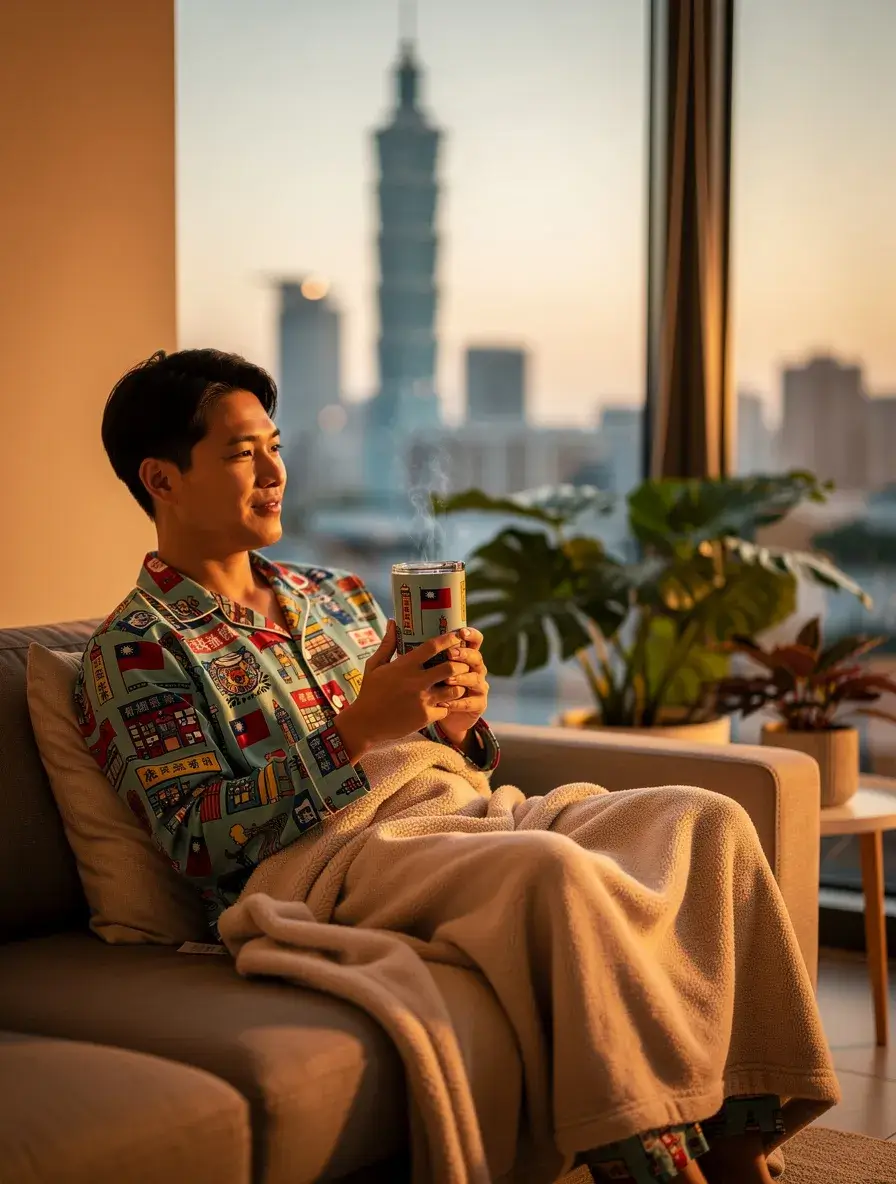
Speaking of tea rituals — if you’re going to invest in real high-mountain oolong, brewing it into a decent cup makes the difference. Our Taiwan Cultural Mosaic Mug is a fitting daily vessel for the tea that Taiwan calls its own — thick-walled ceramic keeps the tea warm through all eight infusions.
Where to Buy Authentic Alishan Oolong
Three tiers of buyers, three different strategies.
Tier 1: Direct from Alishan farms (best price, best quality, hardest to access). If you’re visiting Taiwan, drive up to Shizhuo, Fen Shou, or Meishan and buy directly from the farmers. Many families have B&Bs attached to their tea gardens; you sleep above the tea and buy fresh-processed leaves the next morning. Prices are 40-60% below Taipei retail. Bring cash and be patient — real farmers don’t run websites.
Tier 2: Taipei specialty tea shops (excellent quality, moderate price). Wistaria Tea House, Wang De Chuan, Jing Sheng Yu, Chuenchunyi Tea (all in Taipei) source directly from farms and have staff who can tell you exactly which mountain your tea came from. Expect USD $40-100 per 100 grams for a good Alishan, more for competition-grade.
Tier 3: International online sellers (variable — trust but verify). Buy from Taiwan-based online sellers who ship internationally rather than U.S. or European re-sellers. Look for sellers who list harvest date, elevation, cultivar, and sub-region on every product. Sellers who post video of the actual tea garden are best. Trusted names include Eco-Cha, Beautiful Taiwan Tea, Taiwan Sourcing, and Tea From Taiwan. Avoid Amazon listings unless the seller is one of these direct sources.
Wherever you buy, order a small sample first (25-50 grams). Any seller who won’t sell you a sample doesn’t have confidence in their tea. Real Alishan sellers know that once you taste the real thing, you become a customer for life.
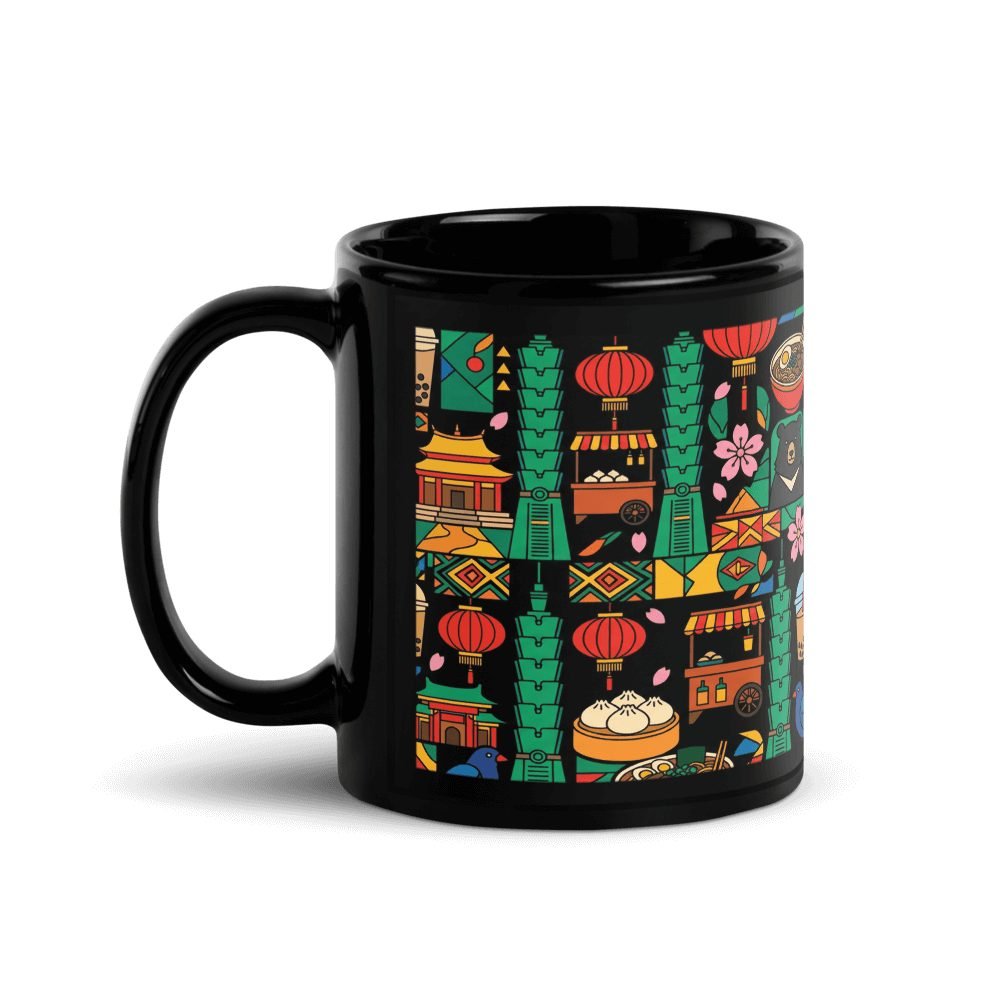
Brew Your Alishan Oolong in Style
Our Taiwan Cultural Mosaic Mug is thick-walled ceramic that holds heat through all eight gaiwan infusions — a fitting daily vessel for the tea Taiwan calls its own.
Visiting Alishan for Tea: Shizhuo Trails, Farm Tours, and Timing
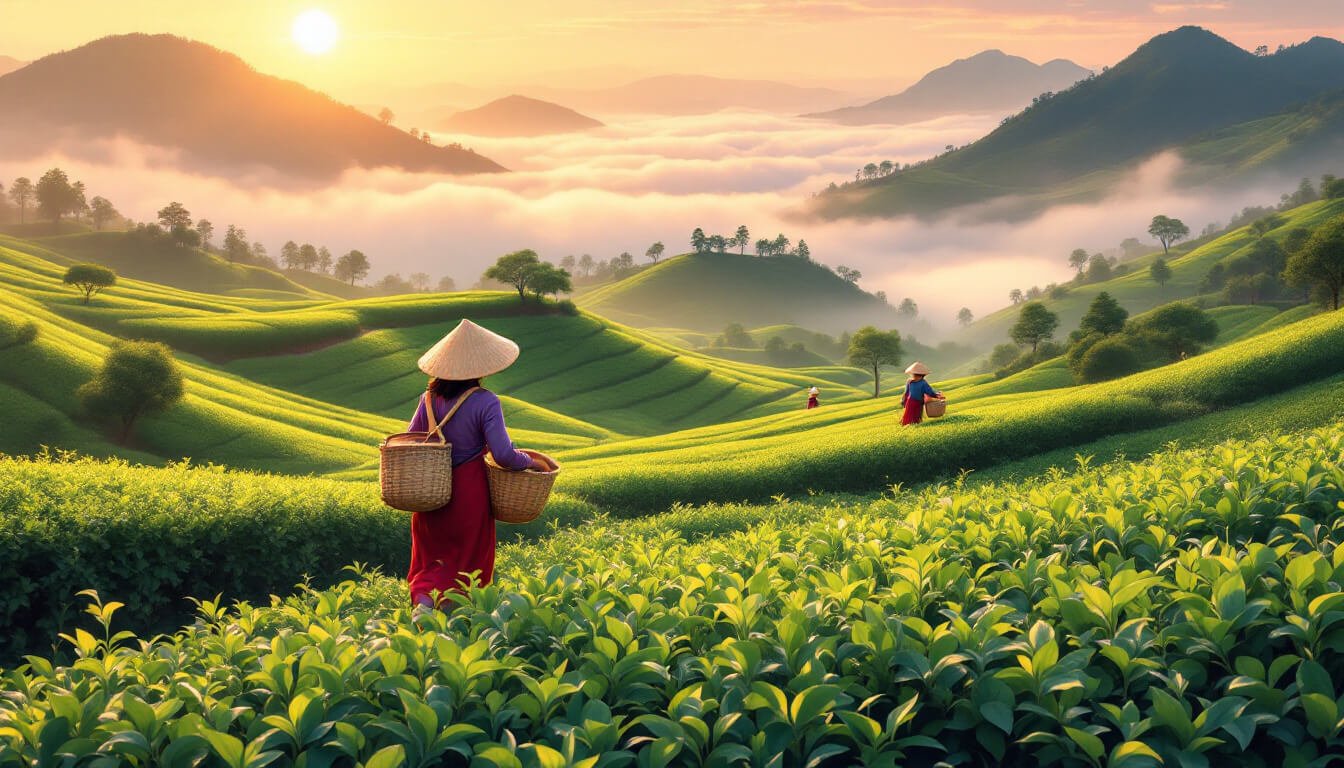
You don’t have to be a professional tea buyer to visit Alishan’s tea country. In fact, going in person is the single best way to understand what you’re drinking. Here’s how to do it.
Base yourself in Shizhuo, not Alishan Forest Recreation Area. Most tourists go straight to the Forest Recreation Area for the sunrise and cherry blossoms — beautiful, but you won’t see much tea there. Shizhuo village, 15 minutes below the main park entrance, is where the tea gardens actually are. Book a farm-stay B&B (search “石棹民宿” on Booking.com or Klook), and you’ll wake up literally in a tea garden.
The Shizhuo Tea Trails (石棹步道群) are a network of easy walking paths through the tea plantations, connecting five color-coded trails: cha (茶 tea), yun (雲 clouds), wu (霧 mist), lu (露 dew), and xia (霞 rosy clouds). None takes more than 90 minutes. All wind through active tea gardens with harvest-season signs pointing to farms open for direct sales.
Timing is everything. Visit in late April or early May for the spring harvest and you’ll see pickers at work, freshly-picked leaves being sun-withered on bamboo trays, and processing happening in every farm shed. Late October to early November brings the winter harvest, quieter but equally magical (and often better weather). December through March is cold and quiet — pretty for photography but the gardens are dormant.
Getting there without a car: the Alishan Forest Railway is currently under partial reconstruction after typhoon damage — check the latest status before booking. Alternative: take the Taiwan High Speed Rail to Chiayi, then Bus 7322A up the mountain. The full route from Taipei takes 4-5 hours. A rental car gives you flexibility to visit multiple sub-regions in a day.
For the full destination guide including the Tsou indigenous story, the forest railway history, and sunrise logistics, see our complete Taiwan Alishan travel guide. For getting to the mountain from Chiayi city, our Taiwan tea master guide covers the tea-region logistics in more depth.
Frequently Asked Questions About Alishan Oolong
Is Alishan oolong caffeinated? Yes, moderately. A gaiwan session of Alishan oolong contains roughly the caffeine of half a cup of coffee, spread across multiple gentle infusions. The theanine content softens the caffeine effect — most people describe it as calm-alert rather than jittery.
How long does Alishan oolong stay fresh? Sealed and stored cool and dry, unroasted Alishan stays at peak for 12-18 months. After that it slowly loses aroma. Vacuum-sealed bags with a nitrogen flush can last 2-3 years. Never refrigerate or freeze — moisture is the enemy.
Can I re-brew the leaves the next day? Yes, if you keep them slightly damp and refrigerated in the gaiwan overnight. Good Alishan gives another 2-3 quality infusions the next morning. Discard after 24 hours.
Is Jin Xuan the same as milk oolong? Not quite. Jin Xuan is a cultivar that naturally has a buttery, milky note without any additives. “Milk oolong” sold cheaply is often lowland Jin Xuan sprayed with artificial milk flavoring. Real high-mountain Jin Xuan from Alishan is the honest version.
What’s the difference between Alishan oolong and Alishan black tea? Same mountain, different processing. Alishan black tea (Ruby #18 and Alishan black are the main types) is fully oxidized rather than partially oxidized, tasting closer to a delicate Yunnan black tea. It’s excellent but a different category. When people say “Alishan tea” without qualifying, they almost always mean the oolong.
Do I need special equipment to brew Alishan oolong? No. A regular teapot and a strainer are fine. But a 150ml gaiwan (about $15-25) is the single upgrade that changes everything — you get proper Western-portion cups but with the multi-infusion character of gongfu style. Best value in tea gear.
Final Thoughts: Why Alishan Oolong Is Worth the Trip Down the Rabbit Hole
Alishan oolong is not just a drink. It’s a full cultural artifact — a marker of Taiwan’s high-altitude agriculture, a language of sub-regions and seasons and cultivars that Taiwanese tea drinkers have been refining for over a century, and a taste that literally cannot be replicated anywhere else on Earth because Taiwan’s specific combination of latitude, altitude, sea influence, and cypress-forest microclimate is one of a kind.
You can start simple. A 50-gram sample of spring Shizhuo Qing Xin from a trusted online seller, a $20 gaiwan, and a kettle you can control. That’s the entire starter kit. In one afternoon you’ll taste what generations of Taiwanese farmers have been quietly perfecting on the slopes of Chiayi County — and you’ll understand why the Taipei tea shopkeepers reach for the Alishan bag first.
The best part: unlike wine, Alishan oolong is affordable enough to drink every day. Even the premium spring teas break down to a few dollars per gaiwan session — a session that gives you 6-10 cups. It’s the most cost-effective luxury in the world.
Welcome to the mountain. The kettle is boiling.
Get More Taiwan Culture in Your Inbox
One short email a week — Taiwan food, culture, tea, travel, and behind-the-scenes stories from Taiwan Merch. No spam, unsubscribe anytime.
Grab a Free Taiwan Sticker!
Drop your email and we’ll send you a limited-edition Taiwan sticker — plus insider access to new merch drops and island vibes.
No spam. Unsubscribe anytime.