Taroko Gorge Taiwan in 2026: What’s Open After the Earthquake, the Truku People’s Story, and How to Visit Right Now
If you’re trying to figure out whether Taroko Gorge Taiwan is even visitable in 2026, the answer is yes — but the gorge you’ll see today is not the one your friends raved about five years ago. On the morning of April 3, 2024, a 7.4-magnitude earthquake tore through the marble cliffs and shut the park’s most famous trails. Then a typhoon hit. Then another. Then a barrier lake formed and almost flooded everything. And yet, slowly, methodically, the gorge is reopening on Taiwan’s terms.
This guide is the honest, current-as-of-spring-2026 picture: what’s still off-limits, what’s quietly come back, the indigenous Truku people whose name the canyon carries, and exactly how the five-time-slot drive-through system works if you decide to go. We’ll cover the geology that makes Taroko one of only three marble river gorges on Earth, the colonial history behind the park, and the practical details — buses, tours, hotels, the works — that actually matter on the ground.
Taroko Gorge is wounded, but it isn’t gone. Here’s everything you need to know before you visit.
The Geology of Wonder: Why Taroko Is One of Only Three Marble River Gorges on Earth
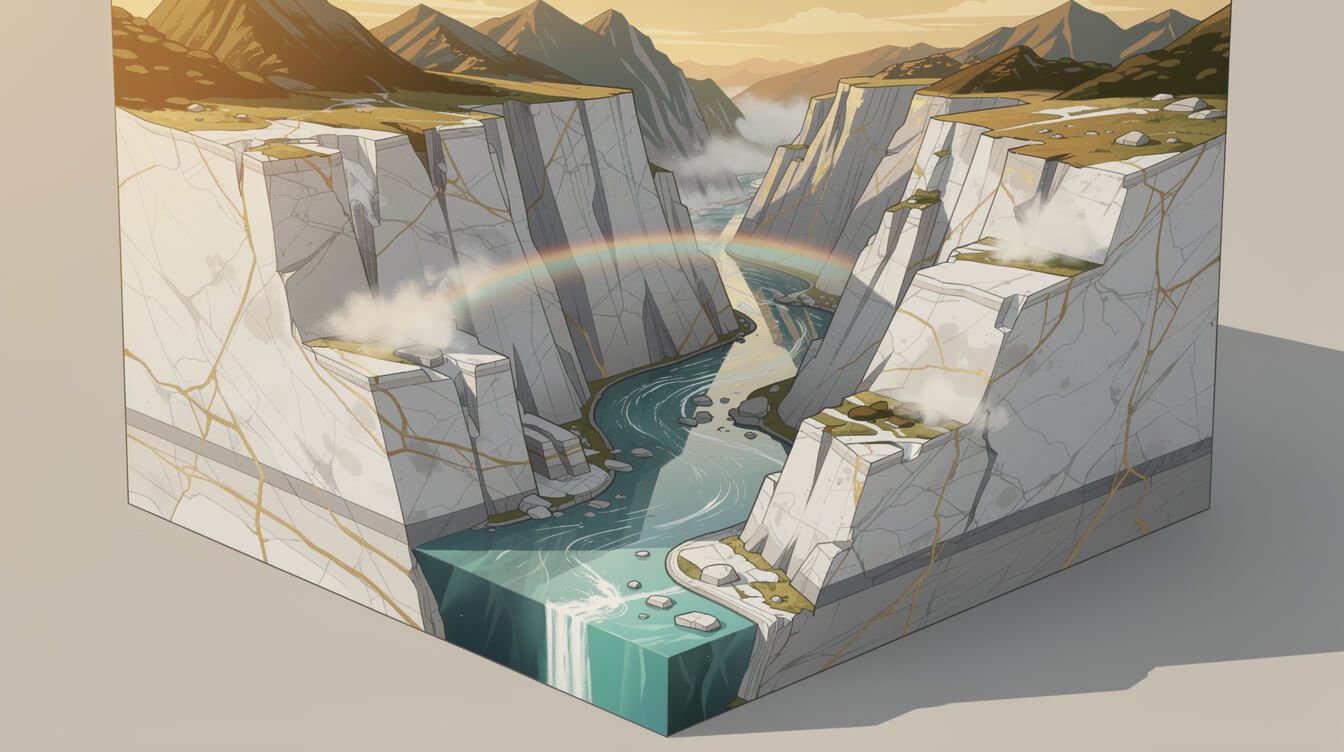
Most river gorges in the world are cut through sandstone, limestone, or granite. Taroko Gorge is cut through pure marble — and that single geological fact puts it in some of the rarest company on the planet. According to geologists, only three river-carved gorges in the world are sculpted entirely through marble: Bhedaghat Gorge in Jabalpur, India; Trigrad Gorge in Bulgaria; and Taroko Gorge in eastern Taiwan. That’s it. Everywhere else, marble shows up in slabs and quarries, not as the canvas of an entire 19-kilometer canyon.
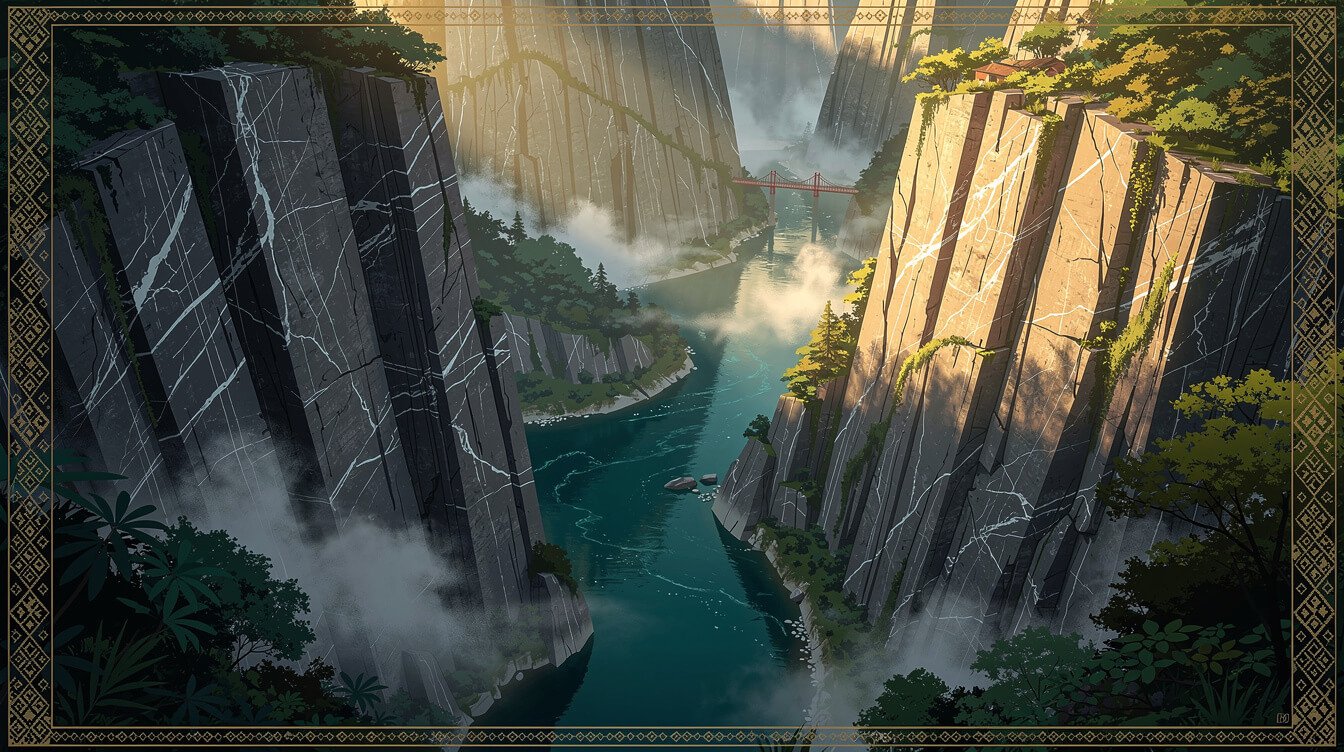
The architect here is the Liwu River (立霧溪), which begins high in Taiwan’s Central Mountain Range and races east to the Pacific. For roughly 4 million years, the river has been slowly grinding through ancient seafloor sediments that were squeezed, baked, and folded upward by the collision of the Philippine Sea Plate and the Eurasian Plate. The result is a vertical landscape of white, grey, and green-veined marble cliffs that rise hundreds of meters above turquoise water — and that’s still actively being carved deeper every year.
That same tectonic collision is also why Taiwan is so geologically restless. The island gains a few millimeters of elevation every year, and earthquakes are part of the deal. The marble cliffs that make Taroko so spectacular are also why landslides are so common — marble fractures along clean planes, and when a 7.4-magnitude jolt hits, slabs the size of houses come down. We’ll get to that part.
The gorge itself is just one feature of the much larger Taroko National Park, which covers 920 square kilometers (roughly 360 square miles) across three counties — Hualien, Taichung, and Nantou. Inside the park boundary you’ll find twenty-seven peaks over 3,000 meters tall, dense subtropical forest at lower elevations, alpine cedar and pine higher up, and a network of trails and roads that the Truku people, the Japanese colonial government, and the Republic of China have each carved into the rock over the last century. Taroko was named a potential UNESCO World Heritage Site back in 2002, and on its 35th anniversary in 2021, Google honored it with a worldwide Doodle on its homepage.
The Truku People: The Indigenous Tribe That Gave Taroko Its Name

The word Taroko (太魯閣) is not Mandarin Chinese. It comes from the language of the Truku people — one of Taiwan’s sixteen officially recognized indigenous tribes, who have lived in the high mountains around the gorge for centuries before any colonial map ever sketched the area. Depending on how it’s transliterated, you’ll see it spelled Taroko, Taroko-Truku, or Truku, but they all refer to the same Austronesian-language community whose ancestral land the national park now encompasses.
The Truku were officially recognized as a distinct tribe by the Taiwanese government in 2004, after decades of being lumped together with the larger Atayal group. Their traditional territory stretched from the highlands around Hehuanshan down through the Liwu River valley to the eastern coast, and their lives were shaped by the same vertical landscape that draws tourists today — hunting trails through the cliffs, sacred mountain peaks, and trade routes carved by hand through marble.
You can see traces of Truku culture throughout the gorge if you know what to look for. The diamond and rhombus motifs woven into traditional Truku textiles — bold red, black, and white geometric patterns — show up on signage, in cultural centers, and on the clothing of Truku people who still live and work in the park. The Buluowan Terrace, before it was damaged in the earthquake, hosted Truku cultural performances, traditional weaving demonstrations, and a small museum that explained how the tribe’s relationship with the mountains shaped its spiritual life, music, and crafts.
Japanese colonial-era policies forced many Truku families down from the high mountains into lowland villages in the early 20th century, and the disruption of that displacement is still being processed today. Several active Truku villages remain inside the national park’s boundaries, and contemporary Truku artists, musicians, and weavers are leading a quiet cultural revival that connects the land’s deep past to its uncertain present. When you visit Taroko Gorge, you’re not just looking at a scenic canyon — you’re standing on land that has a name in a language older than any of the maps you’ll see at the visitor’s center.
From Japanese Colonial Park to UNESCO Contender: A Brief History of Taroko National Park
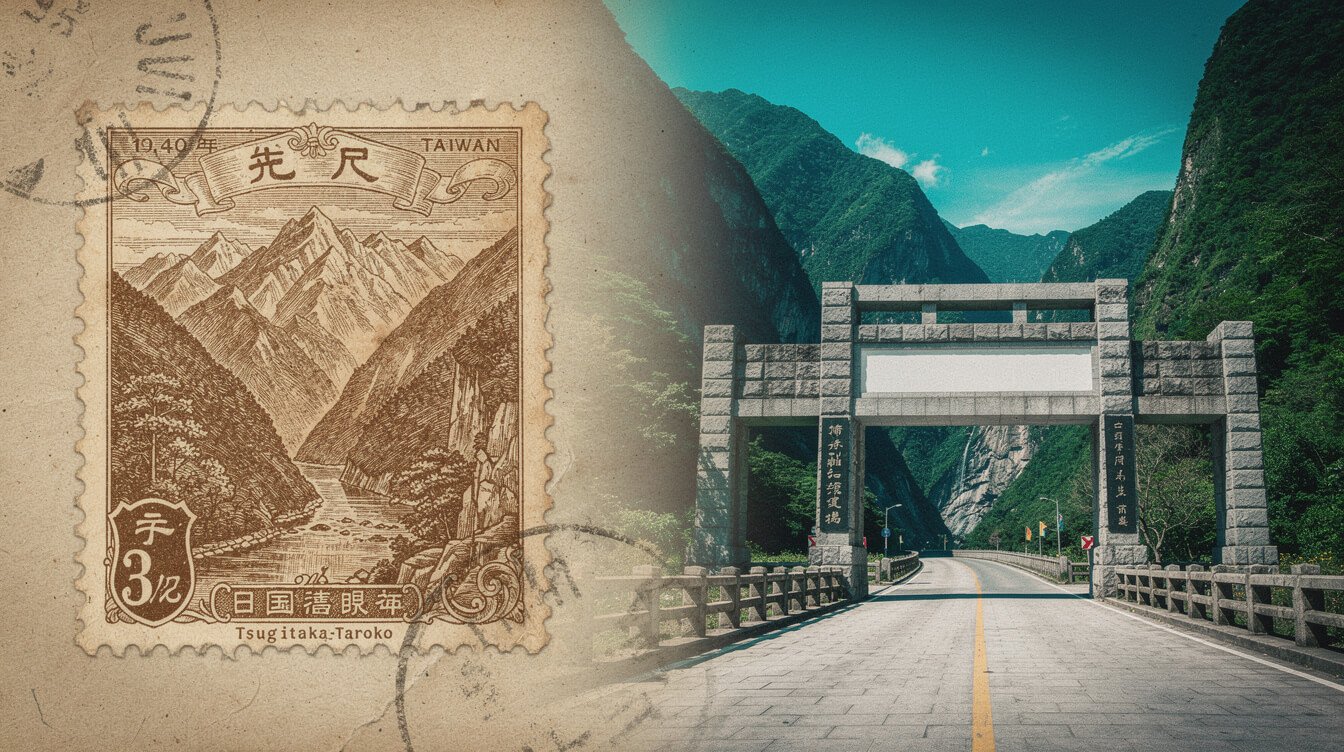
Taroko was Taiwan’s first national park — sort of. The first official version was established on December 12, 1937 by the Japanese colonial Governor-General as “Tsugitaka-Taroko National Park” (次高タロコ國立公園), one of only three national parks created during Japan’s 1895-1945 rule of Taiwan. The Japanese saw the gorge’s scenic and strategic value early — they built the first roads through the cliffs, mapped the peaks, and even put Tsugitaka-Taroko on a postage stamp in 1941.
When the Japanese Empire fell at the end of World War II, the incoming Republic of China government wiped the slate clean. On August 15, 1945, the same day Japan announced its surrender, the ROC formally abolished the colonial-era park. For the next four decades, Taroko had no official protected status. The cliffs and rivers were still there, of course, but the bureaucratic identity was gone.
The modern Taroko National Park was finally re-established on November 28, 1986 — making 2026 the 40th anniversary of the contemporary park. The boundaries were redrawn to include the gorge itself, the high peaks around Hehuanshan, and the entire Liwu River drainage. Construction of the famous Central Cross-Island Highway (Provincial Highway 8) through the gorge had already been completed in 1960 by Republic of China military veterans and indigenous laborers — many of whom died during the brutal cliff-side excavation work, a sacrifice memorialized today at the Eternal Spring Shrine (長春祠).
In 2002, Taroko was added to UNESCO’s list of potential World Heritage Sites in Taiwan. Because of Taiwan’s complicated diplomatic status, the island can’t formally nominate sites for the World Heritage list, but the cultural and natural value of the gorge is internationally recognized regardless. If you compare Taroko’s geological rarity to existing World Heritage sites, it punches well above its weight — and conservation advocates have argued for years that, in any other political universe, it would already be on the list.
The April 2024 Earthquake and the Gorge’s Long, Slow Recovery
At 7:58 a.m. on April 3, 2024, the strongest earthquake to hit Taiwan in 25 years struck just off the coast of Hualien County. The 7.4-magnitude quake’s epicenter was only a few kilometers from the mouth of Taroko Gorge, and the marble cliffs that make the canyon so dramatic became, for a few terrifying minutes, the canyon’s biggest threat. Massive slabs of marble sheared off the walls. Bridges twisted and snapped. Sections of Highway 8 simply vanished beneath landslides. At least 19 people died across the region, including hikers and workers caught inside the gorge.
The damage was immense. The Tunnel of Nine Turns, one of the most photographed stretches of the gorge, was rendered impassable. The Shakadang Trail — a popular flat walk along the river — was buried in places. The Eternal Spring Shrine, perched on a cliff face above the river, was partially destroyed. Buluowan Terrace, where Truku cultural performances were held, was cut off entirely. The Zhuilu Old Road, an iconic high-cliff hike that required a permit and nerves of steel, became a heap of rubble in some sections.
Then 2024 kept hitting Taiwan. Typhoon Gaemi tore through in July. Typhoon Kong-Rey, an unusually late-season storm, swept through at the end of October. Each typhoon caused additional landslides, washed out makeshift repairs, and pushed reopening timelines further into the future. In September 2025, Typhoon Ragasa caused a barrier lake to overflow and flood Guangfu township south of Hualien city. Then on October 17, 2025, a landslide inside Taroko Gorge itself created a barrier lake that threatened to do the same thing to Highway 8 — but in a small miracle of emergency engineering, the lake was successfully drained without flooding.
The recovery is happening, but it’s measured in years, not weeks. Some of the most beloved spots — like the Tunnel of Nine Turns and the Eternal Spring Shrine — are expected to reopen in 2026, possibly even by the end of the year. Others, like Swallow’s Grotto and the Shakadang Trail, will need several more years before they’re safe. And one or two iconic hikes, including the Zhuilu Old Road, may never fully reopen in the form visitors remember. The marble that gave Taroko its beauty made the recovery slower than at any other earthquake-damaged park in Taiwan’s history. You can’t just pour concrete and call it fixed. Every step has to be engineered around the next potential rockfall.
What’s Open and Closed in Taroko Gorge Right Now (Spring 2026)
This is the question we get most often, and it’s the question with the most outdated answers floating around the internet. Here’s the current status, accurate as of May 2026, based on the official park bulletins and recent reports from tour operators inside the gorge. Conditions change after every typhoon and every rainy season, so always check the Taroko National Park official website within a week of your visit.
Open and visitable right now
- Taroko Gorge Entrance Arch (太魯閣牌樓) — Visible as you drive in. You no longer drive under it, but you can stop for the classic photo.
- Taroko National Park Visitor’s Center and Terrace — Fully open. The displays here are the best place in Taiwan to understand the geology, the Truku culture, and the current recovery status.
- Dekalun Trail (德卡倫步道) — A 1.5-hour return hike behind the Visitor’s Center, steep with many stairs. Currently the only trail open near the gorge entrance.
- Lushui Trail (綠水步道) — Partially open. The forested loop around Lushui Campground to a small suspension bridge is back online, about 30 minutes return.
- Lushui-Wenshan Trail (綠水文山步道) — Partially open for the first 450 meters. Steep, about one hour return.
- Tianxiang Recreation Area (天祥) — Most of the Tianxiang area at the upper end of the gorge is open, including the short and beautiful Tabido Trail.
- Xiangde Temple Trail (祥德寺) — Open. The walk from Tianxiang across the long red Pudu Bridge to Xiangde Temple, with its tall white Guanyin statue perched on the hillside, is one of the most rewarding short outings in the gorge.
- Silks Place Taroko Hotel and Tienhsiang Youth Activity Center — Both accepting bookings in 2026.
- Qingshui Cliffs viewpoint (Chongde Recreation Area) — Reopened July 1, 2025. The view of the cliffs plunging straight into the Pacific is unaffected by the gorge closures.
- Qixingtan Beach (七星潭) — Wasn’t affected by the earthquake. Always open.
Closed (some indefinitely)
- Shakadang Trail — Closed. Will need several more years.
- Eternal Spring Shrine (長春祠) — Closed but visible from across the river as you drive out. Possible reopening in 2026.
- Buluowan Terrace, Suspension Bridge, and Taroko Village Hotel — Closed. Terrace and bridge may reopen in 2026; the hotel may never reopen.
- Yanzikou (Swallow’s Grotto, 燕子口) — Closed. Years of recovery needed.
- Tunnel of Nine Turns (九曲洞) — Closed. Possible reopening in 2026 if engineering work stays on schedule.
- Zhuilu Old Road (錐麓古道) — Closed indefinitely. May never reopen.
- Baiyang Trail and Water Curtain Cave — Closed. Status uncertain.
- Wenshan Hot Spring (文山溫泉) — Officially closed, but locals and adventurous hikers still visit it informally. Note: officially off-limits means no rescue if something goes wrong. If wild hot springs interest you, our complete guide to Taiwan’s hot springs covers the legal, family-friendly alternatives elsewhere on the island.
One important clarification: when you read social media posts saying “Taroko is open again,” they usually mean trails in the Hehuanshan area of Taroko National Park, which sits much higher and farther west than the gorge itself. Hehuanshan is technically inside the same national park, but it’s a different drive (most people reach it from Cingjing Farm or Taichung) and it was not damaged the same way the gorge was. Don’t conflate the two — if you want the marble cliffs and the Liwu River, you want Taroko Gorge specifically, and the truth is more complicated than a single yes-or-no answer.
For visitors who want to support Taiwan even when they can’t physically walk the most iconic trails, picking up a piece of Taiwan-themed art is a low-key way to keep the island’s landscapes close. Our Jade Mountain Taiwan Landscape Jigsaw Puzzle captures the same dramatic vertical terrain you’ll see in the gorge — a small, satisfying way to bring a piece of Taiwan’s mountains home while the bigger trails recover.

Wear Your Taiwan Love
Show Taiwan some love while its most iconic landscapes recover. Our Taiwan Heartbeat Flag tee is a quiet, wearable way to keep the island close — and a friendly conversation starter wherever you go.
How to Actually Visit Taroko Gorge in 2026: The Five Time Slots, Buses, and Tours
The single biggest practical thing to know about visiting Taroko Gorge in 2026 is that you cannot just drive in whenever you want. Highway 8, the main road through the canyon, is open to vehicles only at five specific time windows per day, designed to let traffic pass through the most dangerous landslide-prone section in controlled batches. Show up at the wrong time, and you wait — sometimes for hours.
As of spring 2026, the daily opening times for the closure section of Highway 8 (roughly from just past the Visitor’s Center to just before Lushui Recreation Area) are:
- 06:30 – 08:00 (the longest morning window — best for getting in early)
- 10:00 – 10:05 (a five-minute window — arrive early or you’ll miss it)
- 12:00 – 13:00 (the long midday window — most flexible)
- 15:00 – 15:05 (another five-minute window)
- 17:00 – 17:30 (the last chance to head back out)
These windows are updated about once a month by the park authority, so always check the official Highway 8 conditions page a few days before your trip. Once you’re let through the barrier, you simply drive at a reasonable pace — the closure section takes about 30 minutes end to end — and there’s no enforced time limit on when you have to exit the other side.
Getting to Hualien from Taipei
The fastest way to reach the gorge from Taipei is the Puyuma Express or Taroko Express regular train to Hualien Station — roughly 2 hours, 250 NT$ to 450 NT$, with several departures per day. The Taiwan High-Speed Rail does not yet reach the east coast, so the regular TRA trains are your best bet. Book a few days ahead through the Taiwan Railway booking site, especially on weekends or holidays. Once in Hualien, the gorge is about a 30-minute drive north.
Getting from Hualien to the gorge
- Bus 310 from Hualien runs about 10 times per day. It only goes as far as the Taroko Gorge Visitor’s Center, so it’s ideal if you’re planning to do the Dekalun Trail and visit the displays, but it doesn’t take you deeper into the canyon.
- Rental scooter from Hualien city is a popular option — gives you the freedom to also visit Qixingtan Beach and the Qingshui Cliffs on the same day. You’ll still need to respect the highway time slots.
- Rental car from Hualien gives you the most flexibility for accessing Tianxiang, Xiangde Temple, and the upper gorge.
- Organized tour from Hualien city — the most popular post-earthquake option, since the operators know which spots are open day to day. Several local outfits run “reopening tours” that visit every currently accessible attraction plus the Qingshui Cliffs and Qixingtan Beach.
Where to stay
If you want to be inside the gorge itself, the Silks Place Taroko Hotel at Tianxiang and the Tienhsiang Youth Activity Center are both accepting bookings in 2026. Silks Place offers a shuttle from Hualien Station for guests, which sidesteps the time-slot headache entirely. Most travelers, though, base themselves in Hualien city, where there are dozens of hotels at every price point and the food scene (especially the night markets) is excellent. The Liwu River valley is best treated as a day trip from a Hualien base.
If you’re sketching out a broader trip, our Taiwan travel itinerary guide for 7, 10, and 14 days shows you how to slot a day or two in Hualien around stops at Sun Moon Lake, Taipei, and the south. And if you’re still picking dates, our best-time-to-travel guide walks through which months avoid typhoon season in Hualien.
Frequently Asked Questions About Taroko Gorge Right Now
Is Taroko Gorge worth visiting in 2026 if so much is closed?
Yes — but with adjusted expectations. You won’t get the full sweep of trails and shrines that the gorge offered before April 2024. What you do get is the drive through the marble canyon itself, which is still breathtaking, the Visitor’s Center displays, the Dekalun Trail, the Tianxiang area, Xiangde Temple, Qingshui Cliffs, and Qixingtan Beach. That’s enough for a satisfying day trip, especially if you pair it with Hualien’s food scene. If you want every iconic trail open, wait two or three more years.
Do I need to book a tour, or can I drive myself?
Both work. Driving yourself gives you the most flexibility and is fine as long as you respect the five highway time slots. A tour is the path of least resistance — local operators know which trails opened this week, handle the timing, and usually include the Qingshui Cliffs and Qixingtan Beach on the same loop. First-time visitors to Taiwan often find the tour easier; returning visitors usually prefer to drive.
How long should I spend in Taroko Gorge?
One full day is the standard recommendation in 2026, given how much is closed. If you want to hike the Dekalun Trail, see the Tianxiang area and Xiangde Temple, and visit Qingshui Cliffs and Qixingtan Beach in the same trip, plan on a full day from Hualien. Two days lets you take it slowly and add a hot spring stop or a night at Silks Place inside the gorge.
What’s the best time of year to visit Taroko?
Late autumn through early spring (November through March) is the safest window — typhoon risk is low, the weather is cool and dry, and any post-summer landslide damage has usually been repaired. Summer (June through September) is peak typhoon season and the riskiest time for last-minute closures. May is the start of the plum rain season; expect wet mornings.
Is it safe to visit after the earthquake?
Yes — the park authority has been deliberately conservative about which sections to reopen, and the open areas are continuously monitored. The time-slot system itself exists to keep visitors out of the most dangerous landslide zones during the riskiest hours. Aftershocks have largely settled, and the structural engineering work on the reopened bridges and trails has been thorough. The biggest risk on the average visitor day is loose footing on the Dekalun Trail’s stairs.
Can I see the Eternal Spring Shrine even though it’s closed?
Yes, at a distance. As you drive out of the gorge, there’s a viewpoint where you can see the shrine across the river. It’s not the same as walking up to it, but for a place that may not formally reopen for another year, it’s the best look most people will get in 2026.
Are the Truku people still living in the national park?
Yes. Several active Truku villages remain inside the park’s boundaries, and Truku-led cultural and conservation initiatives are an active, ongoing part of the park’s identity — not just a historical footnote. When Buluowan Terrace reopens, expect Truku cultural programming to be at the center of it.
The Long View: Why Taroko Still Belongs on Your Taiwan List
It’s tempting, when a beloved place gets wounded, to wait for it to fully heal before going back. Don’t. Taroko Gorge in 2026 is a different experience than Taroko in 2020 — quieter, more contemplative, with a sharper sense of the geological forces that made the canyon possible in the first place. You’ll see closed signs. You’ll see scaffolding. You’ll see places where the marble cliff is freshly fractured and the river runs over rocks that fell less than two years ago. And in that vulnerability, you’ll also see something honest about the relationship between Taiwan and the land it sits on — beautiful, restless, and constantly remaking itself.
The Truku people have lived through earthquakes, typhoons, colonial governments, and reform after reform for centuries. The gorge has been carving itself for four million years. The current closures are real, but they’re a chapter, not the ending. Go now, with realistic expectations, and you’ll catch the gorge in the middle of a story most visitors will never get to see — the slow, deliberate, marble-grain-by-marble-grain comeback of one of the most extraordinary landscapes on Earth.

Grab a Free Taiwan Sticker!
Drop your email and we’ll send you a limited-edition Taiwan sticker — plus insider access to new merch drops and island vibes.
No spam. Unsubscribe anytime.