台灣鳳梨酥:島上最著名糕點的完整指南
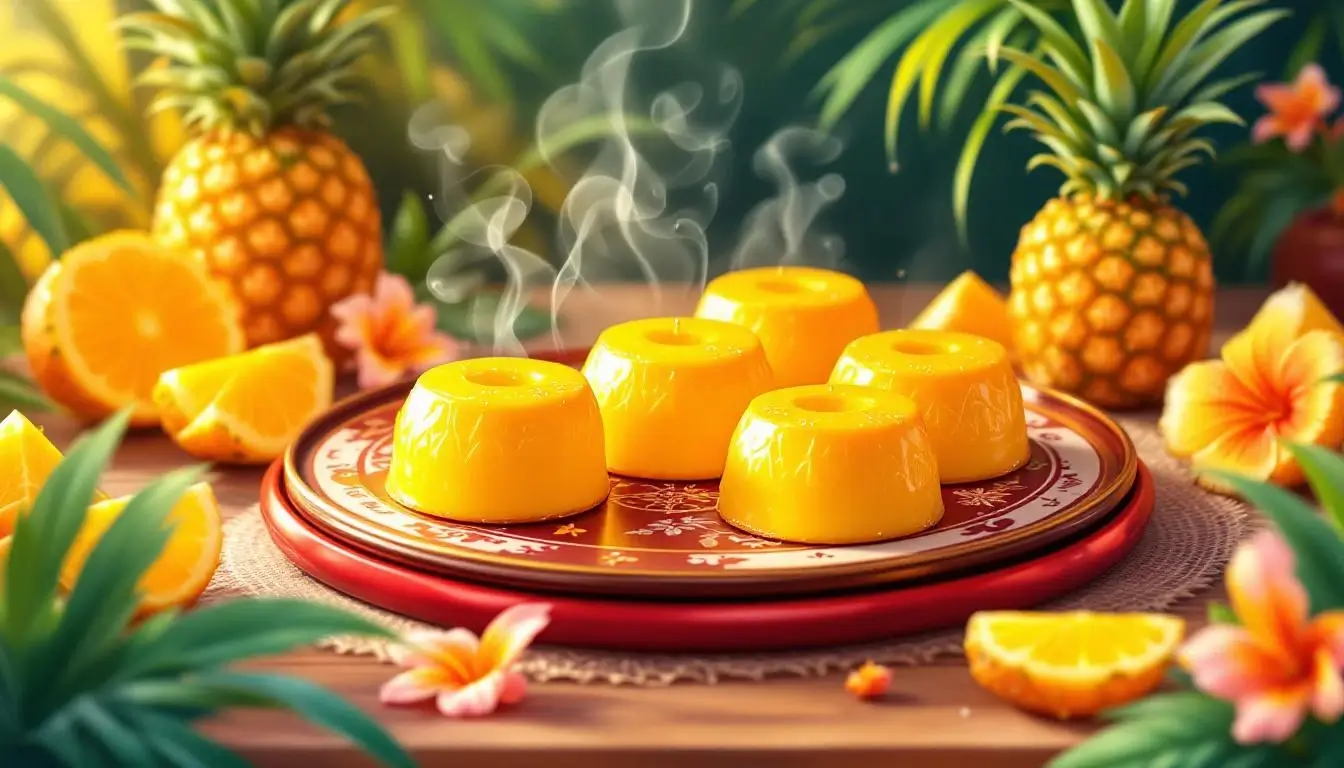
Taiwan pineapple cake might just be the most famous pastry you’ve never tried — a buttery, golden rectangle of shortbread encasing a sweet-tart pineapple filling that somehow captures the entire spirit of Taiwan in a single bite. Known locally as fènglísū (鳳梨酥), this unassuming little cake generates over NT$40 billion (roughly US$1.2 billion) in annual revenue, making it not just a snack but an economic powerhouse and one of the island’s most beloved cultural exports.
Whether you’re planning a trip to Taipei and wondering which bakery deserves your suitcase space, searching for the perfect gift to bring home, or simply curious about why an entire island revolves around a pineapple pastry, this guide covers everything you need to know about Taiwan pineapple cake — from its fascinating history to the best brands, where to buy them online, and even how to make them at home.
The History of Taiwan Pineapple Cake: From Colonial Crop to Cultural Icon
The story of Taiwan pineapple cake begins long before any bakery put filling into dough. Pineapples first arrived in Taiwan via Portuguese traders in the 16th century, and the tropical fruit found the island’s climate irresistible. But it was during the Japanese colonial era (1895–1945) that pineapple production in Taiwan truly exploded.
Japanese industrialists imported dozens of pineapple cultivars and built processing plants across the island. By the late 1930s, Taiwan had become the third-largest pineapple exporter in the world — a remarkable achievement for an island roughly the size of Maryland. Canned pineapple became a major export commodity, and the fruit wove itself into the fabric of Taiwanese agriculture.
After World War II, as Taiwan’s pineapple industry shifted from export to domestic consumption, local bakeries began experimenting with ways to use the abundant fruit. The earliest pineapple cakes were simple affairs — rustic pastries sold at traditional bakeries and temple fairs. But the real transformation came in the 1990s and 2000s, when Taiwanese bakers began refining the recipe into the elegant, precisely engineered treats we know today.
In 2005, the Taipei City Government launched the annual Taipei Pineapple Cake Cultural Festival, a competition that pitted bakeries against each other for the title of best pineapple cake. This festival turbocharged innovation in the industry, pushing bakers to perfect their recipes and packaging. By 2013, the pineapple cake industry had ballooned into a NT$40 billion market — proof that a simple pastry could become a national economic engine.
Why Taiwan Pineapple Cake Is More Than Just a Dessert
To understand why Taiwanese people take pineapple cake so seriously, you need to understand the wordplay. In Taiwanese Hokkien, the word for pineapple — ông-lâi (王梨) — sounds nearly identical to ōng-lâi (旺來), which means “prosperity comes” or “good fortune arrives.” This isn’t just a cute coincidence — it’s the foundation of the cake’s cultural power.
Because of this auspicious pronunciation, pineapple cakes have become essential gifts for some of life’s biggest moments:
- Weddings and engagements: Pineapple cakes are traditional engagement gifts (pìnlǐ), symbolizing wishes for fertility and a prosperous union. Many Taiwanese couples include beautifully boxed pineapple cakes in their wedding favor packages.
- Lunar New Year: Along with other symbolic foods, pineapple cakes appear on holiday tables and in gift boxes exchanged between families, businesses, and friends.
- Business gifts: In Taiwan’s gift-giving culture, a premium box of pineapple cakes from a renowned bakery is a thoughtful, universally appreciated present for clients and partners.
- Souvenirs: For the millions of tourists who visit Taiwan each year, pineapple cakes are the number one souvenir to bring home. Airport shops and downtown bakeries alike are stacked floor to ceiling with beautifully packaged boxes.
If you’re planning to bring gifts to Taiwan, understanding this cultural significance will earn you serious points with your Taiwanese hosts. And if you’re bringing pineapple cakes from Taiwan, you’ll be the most popular person at the office.
Traditional vs. Modern Taiwan Pineapple Cake: The Great Debate
Walk into any Taiwanese bakery and you’ll encounter the great pineapple cake divide — a culinary schism that has bakery owners, food critics, and everyday snackers passionately defending their side.
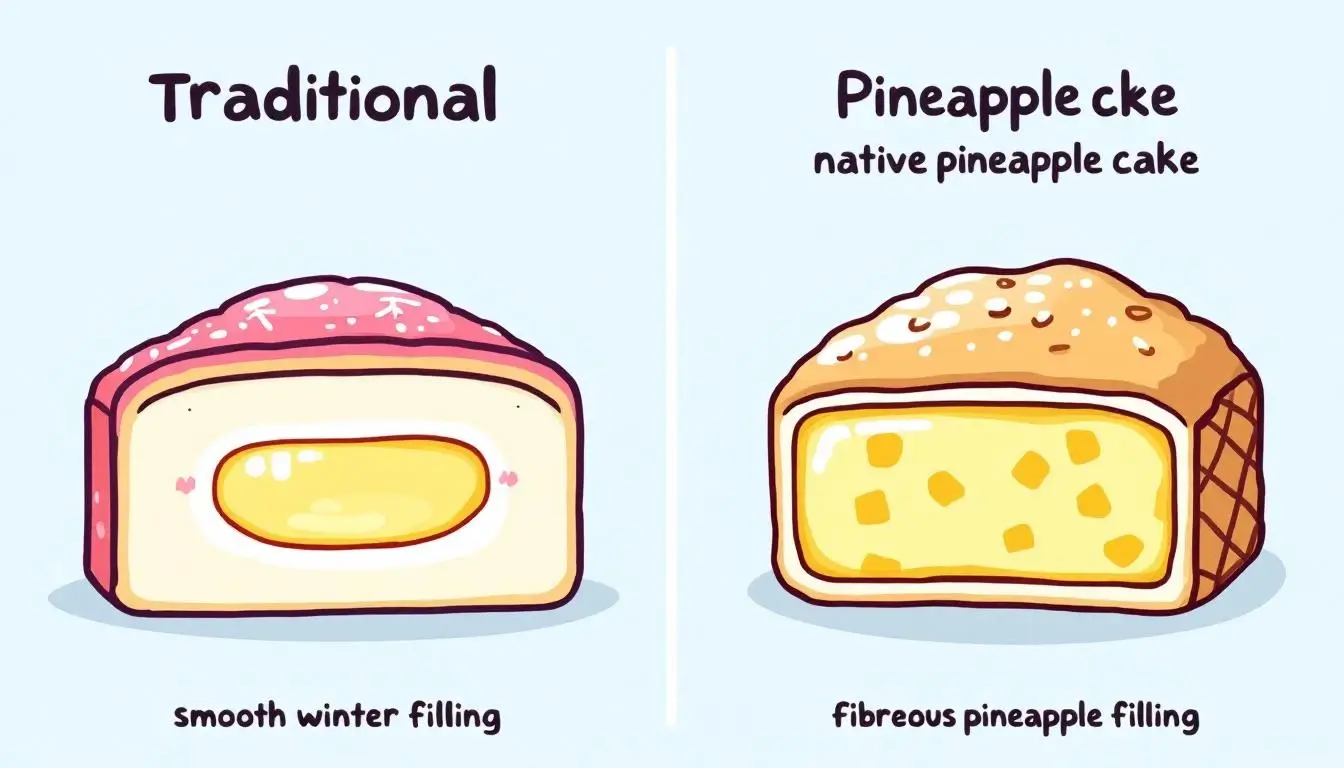
Traditional Style: The Winter Melon Blend
The classic pineapple cake that most people grew up with doesn’t actually contain 100% pineapple. Surprised? The traditional filling is a blend of winter melon (冬瓜) and pineapple, typically in an 80/20 ratio. ChiaTe, arguably the most famous pineapple cake bakery in Taiwan, proudly uses what they call their “golden ratio” of 80% winter melon to 20% pineapple, with a precise 12% moisture content in every cake.
Why winter melon? Pure pineapple filling is intensely tart and fibrous, which can overpower the delicate butter pastry. Winter melon acts as a natural sweetener and texture modifier — it creates a smooth, jammy filling that melts into the buttery crust. For many Taiwanese, this is what pineapple cake should taste like: sweet, mellow, and refined.
Modern Style: The 100% Pineapple Revolution (土鳳梨酥)
In recent years, a new movement has swept the pineapple cake world. Bakeries like SunnyHills (微熱山丘) championed the tǔ fènglísū (土鳳梨酥) — “native pineapple cake” — made with 100% locally grown pineapple and zero winter melon. These cakes are tangier, more intensely fruity, and have visible pineapple fibers in the filling.
Proponents argue that the modern style is more authentic (it’s 鳳梨 cake, after all) and better showcases Taiwan’s excellent native pineapple varieties. The flavor is bolder, with a sweet-sour punch that hits differently than the gentle sweetness of the traditional version.
So Which Is Better?
Neither — and both. It’s genuinely a matter of personal preference:
- If you prefer subtle, sweet, and buttery: Go traditional (ChiaTe, Vigor Kobo)
- If you want bold, tangy, and fruity: Go modern (SunnyHills, LeeChi)
- If you’re buying gifts: Traditional is the safer choice — it appeals to a wider palate
- If you’re a foodie seeking something special: Modern 100% pineapple cakes are a more unique experience
The Best Taiwan Pineapple Cake Brands: A Definitive Guide
With thousands of bakeries producing pineapple cakes across Taiwan, choosing the best can feel overwhelming. Here are the brands that consistently rise to the top — each with their own philosophy and flavor profile.
ChiaTe (佳德鳳梨酥) — The Classic Champion
Founded in 1975, ChiaTe is widely considered the gold standard of traditional pineapple cakes. Their signature product uses the famous 80/20 winter melon-to-pineapple ratio, producing a smooth, sweet filling wrapped in impossibly buttery pastry. ChiaTe has won multiple awards at the Taipei Pineapple Cake Cultural Festival, and the lines outside their flagship Songshan store are legendary — some visitors wait over an hour during peak season.
Best for: First-time buyers, gift-giving, anyone who wants the quintessential Taiwanese pineapple cake experience.
SunnyHills (微熱山丘) — The Modern Pioneer
SunnyHills revolutionized the industry by going all-in on 100% native pineapple filling. Founded in 2008 in Nantou County (the heart of Taiwan’s pineapple-growing region), SunnyHills sources directly from local family farms and uses zero artificial additives. Their minimalist packaging and sleek store designs (including a stunning Kengo Kuma-designed flagship in Tokyo) position them as the Apple of pineapple cakes.
Best for: Foodies, design lovers, anyone who wants a tangy, modern twist on the classic.
LeeChi (李製餅家) — The Artisan Favorite
LeeChi’s native pineapple cake (tǔ fènglísū) has won numerous blind taste tests, including being crowned the unanimous winner in several popular food blog comparisons. Their filling is made from a specific Taiwanese pineapple variety that produces a deeply aromatic, slightly caramelized flavor.
Best for: Pineapple cake connoisseurs, those seeking the most “authentic” pineapple flavor.
Bull Sugar Patisserie (牛軋糖) — The Dark Horse
Less famous internationally but beloved locally, Bull Sugar’s pineapple cakes strike a beautiful middle ground between traditional and modern. They use a higher proportion of real pineapple than ChiaTe but blend it more smoothly than SunnyHills, creating what many consider the most “balanced” pineapple cake available.
Best for: Those who find traditional too sweet and modern too tart.
Vigor Kobo (維格餅家) — The Tourist Favorite
With multiple stores in Taipei’s tourist districts and a popular “Pineapple Cake Dream Factory” experience, Vigor Kobo makes the process accessible and fun. Their cakes are solidly traditional with consistent quality, and they offer pineapple cake-making workshops where visitors can try their hand at the craft.
Best for: Tourists wanting an interactive experience alongside great cakes.
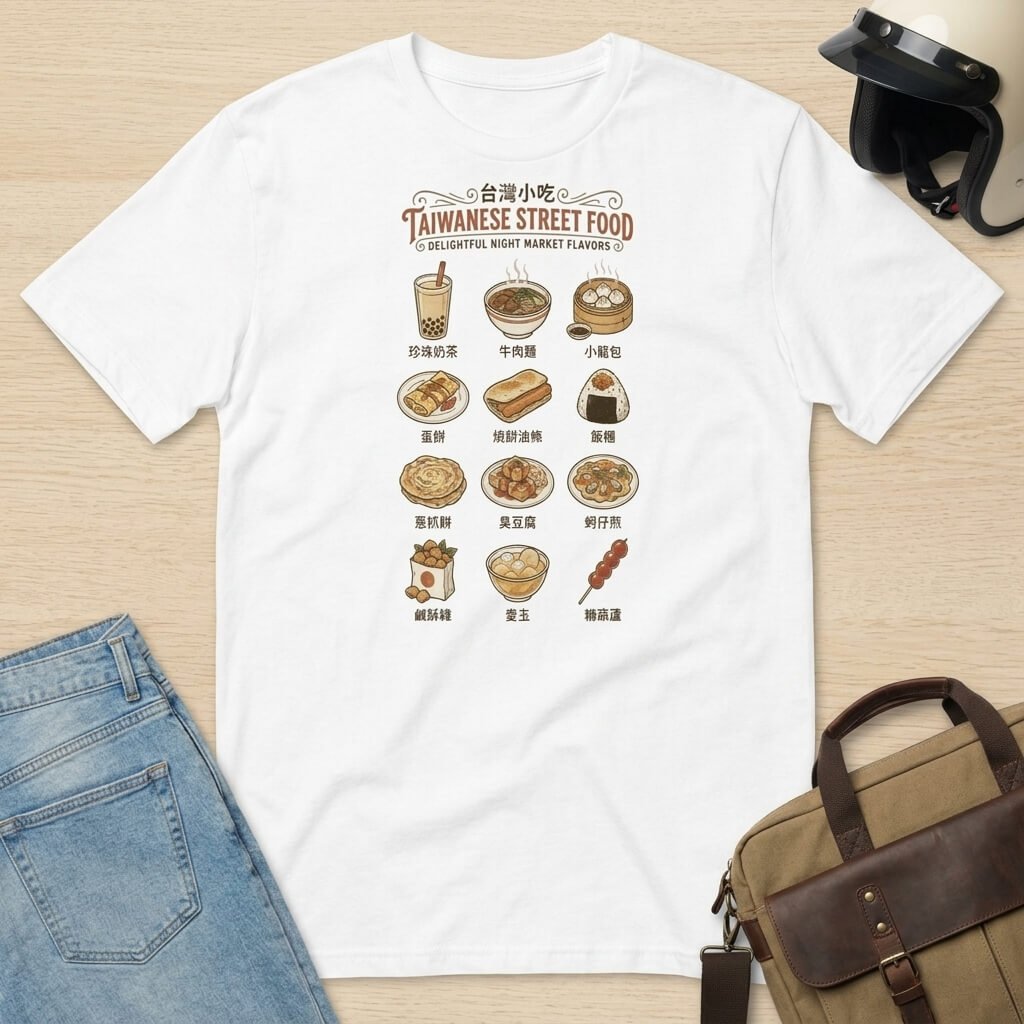
Speaking of Taiwanese food culture, if you’re the kind of person who loves wearing your food obsessions on your sleeve (literally), check out our Taiwanese Street Food Guide T-Shirt — a vintage poster design featuring 12 iconic Taiwanese dishes including, yes, pineapple cake.
Where to Buy Taiwan Pineapple Cake Online
You don’t need a plane ticket to Taipei to get your hands on authentic Taiwan pineapple cake. Here’s where to find the real deal online, no matter where you live.
Amazon
Both ChiaTe and SunnyHills sell official products on Amazon, though availability can fluctuate. SunnyHills offers their signature 10-piece box, while you can often find ChiaTe products from authorized resellers. Pro tip: Check seller ratings carefully, as some listings are third-party resellers with inconsistent freshness.
Specialty Asian Grocery Sites
Platforms like Yami (yamibuy.com) and 99 Ranch Market’s online store regularly stock pineapple cakes from multiple Taiwanese brands. These sites often have better selection and fresher inventory than Amazon because their customer base specifically seeks out Asian products.
Direct from Bakeries
SunnyHills ships internationally from their official website (sunnyhills.com.tw), and their packaging is designed to travel well. Some specialty importers like Buy Taiwan Online also carry curated selections from lesser-known artisan bakeries.
In Taiwan: Where to Buy in Person
If you’re visiting Taiwan, here’s where to stock up:
- Bakery flagships: ChiaTe (Songshan), SunnyHills (Minsheng), LeeChi (Banqiao) — arrive early to beat lines
- Airport duty-free: Taiwan Taoyuan Airport has dedicated pineapple cake sections — convenient but marked up 10-20%
- Department store basements: Taipei’s department stores (Breeze, SOGO, Shin Kong Mitsukoshi) all have bakery floors with multiple brands
- Night markets: Some night market vendors sell fresh-baked pineapple cakes at bargain prices — quality varies but the experience is unbeatable
- Convenience stores: Yes, even Taiwan’s 13,000+ convenience stores carry mass-produced versions. They won’t win any awards, but they’re a fun, cheap introduction to the flavor.
For more budget-friendly Taiwan shopping ideas, don’t miss our guide to cheap things to buy in Taiwan.
Wear Your Love for Taiwan Food
From pineapple cakes to bubble tea, this vintage-style food poster tee celebrates 12 iconic Taiwanese dishes. The perfect gift for any Taiwan food lover.
How to Make Taiwan Pineapple Cake at Home
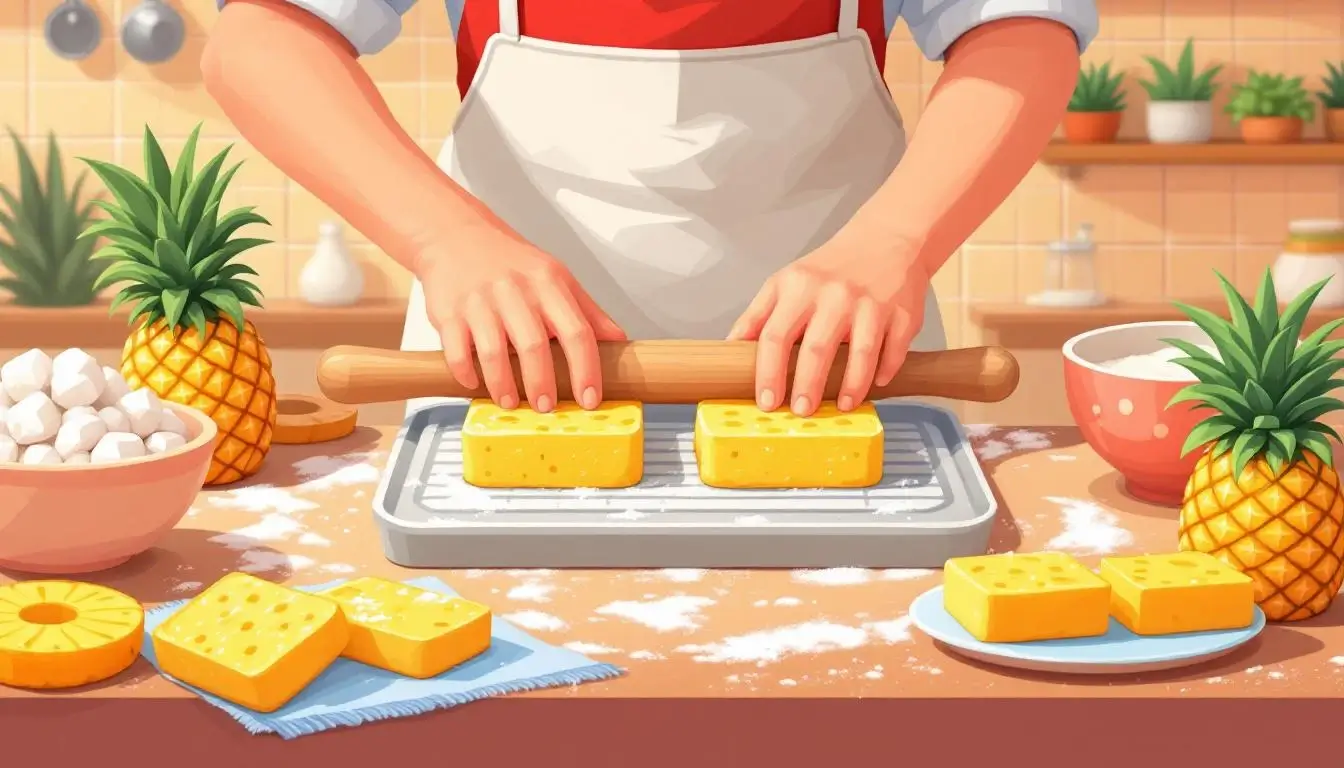
Making pineapple cakes at home is a weekend project that’s absolutely worth the effort. The process is meditative, the kitchen will smell incredible, and homemade pineapple cakes make unforgettable gifts. Here’s a simplified approach that doesn’t require professional molds.
The Filling (Pineapple Jam)
Ingredients:
- 2 fresh pineapples (or 800g canned crushed pineapple, well-drained)
- 150g sugar
- 30g maltose (or honey)
- 15g unsalted butter
- Pinch of salt
Method: If using fresh pineapple, peel, core, and blitz in a food processor until finely chopped (not pureed). Squeeze out as much juice as possible through a cheesecloth — this step is critical. Wet filling makes soggy cakes. Combine the pineapple pulp, sugar, maltose, and butter in a heavy-bottomed pan. Cook over medium-low heat, stirring frequently, for 45–60 minutes until the mixture becomes a thick, jammy paste that holds its shape. Spread on a plate and refrigerate until firm.
The Pastry
Ingredients:
- 225g unsalted butter, softened
- 60g powdered sugar
- 1 egg yolk + 1 whole egg
- 30g full-cream milk powder (the secret ingredient)
- 225g all-purpose flour
- 75g cake flour (or cornstarch)
- Pinch of salt
Method: Cream butter and sugar until light and fluffy. Beat in egg yolk and whole egg. Sift together flours, milk powder, and salt, then fold into the butter mixture until just combined. Don’t overwork the dough. Wrap in plastic and refrigerate for 30 minutes.
Assembly and Baking
Divide the dough and filling into equal portions (about 25g dough and 18g filling each). Flatten each dough ball, place filling in the center, and wrap the dough around it, sealing the seams. If you have rectangular pineapple cake molds, press each ball into the mold. If not, shape them by hand into small rectangles and place on a parchment-lined baking sheet.
Bake at 170°C (340°F) for 12 minutes, then rotate the pan and bake for another 10–12 minutes until golden. Let cool completely before eating — the texture improves as they rest. Store in an airtight container at room temperature for up to 3 days, or refrigerate for a week. They freeze beautifully for up to 3 months.
Taiwan Pineapple Cake FAQ: Everything Else You Want to Know
Are pineapple cakes actually made with pineapple?
It depends on the brand. Traditional pineapple cakes use a blend of winter melon and pineapple (often 80/20). Modern “native pineapple cakes” (tǔ fènglísū) use 100% pineapple. Check the packaging — brands that use pure pineapple are usually proud to advertise it.
How long do pineapple cakes last?
Most commercial pineapple cakes have a shelf life of 2–4 weeks when stored in a cool, dry place (unopened). Homemade versions last 3 days at room temperature, about a week refrigerated, and up to 3 months frozen. Individually wrapped commercial cakes travel well in luggage.
Are pineapple cakes gluten-free or vegan?
Standard pineapple cakes contain wheat flour, butter, eggs, and milk powder — so they’re neither gluten-free nor vegan. However, some specialty bakeries in Taiwan now offer vegan and gluten-free versions using rice flour and plant-based butter. These are still niche products and harder to find online.
What’s the difference between pineapple cake and pineapple tart?
While they share a pineapple filling concept, they’re quite different. Taiwanese pineapple cakes have a shortbread-like pastry that completely encases the filling in a rectangular shape. Malaysian and Singaporean pineapple tarts typically feature an open-faced design with a spiced, crumbly pastry and a ball of pineapple jam on top. Both are delicious — just don’t mix them up in front of a Taiwanese or Malaysian grandmother.
Why are some pineapple cakes so expensive?
Premium pineapple cakes from brands like SunnyHills or ChiaTe can cost NT$30–50 per piece (about US$1–1.70). The price reflects high-quality butter (often imported French butter), locally sourced pineapples, and meticulous production processes. Cheaper versions from convenience stores use margarine and artificial flavoring — the taste difference is noticeable.
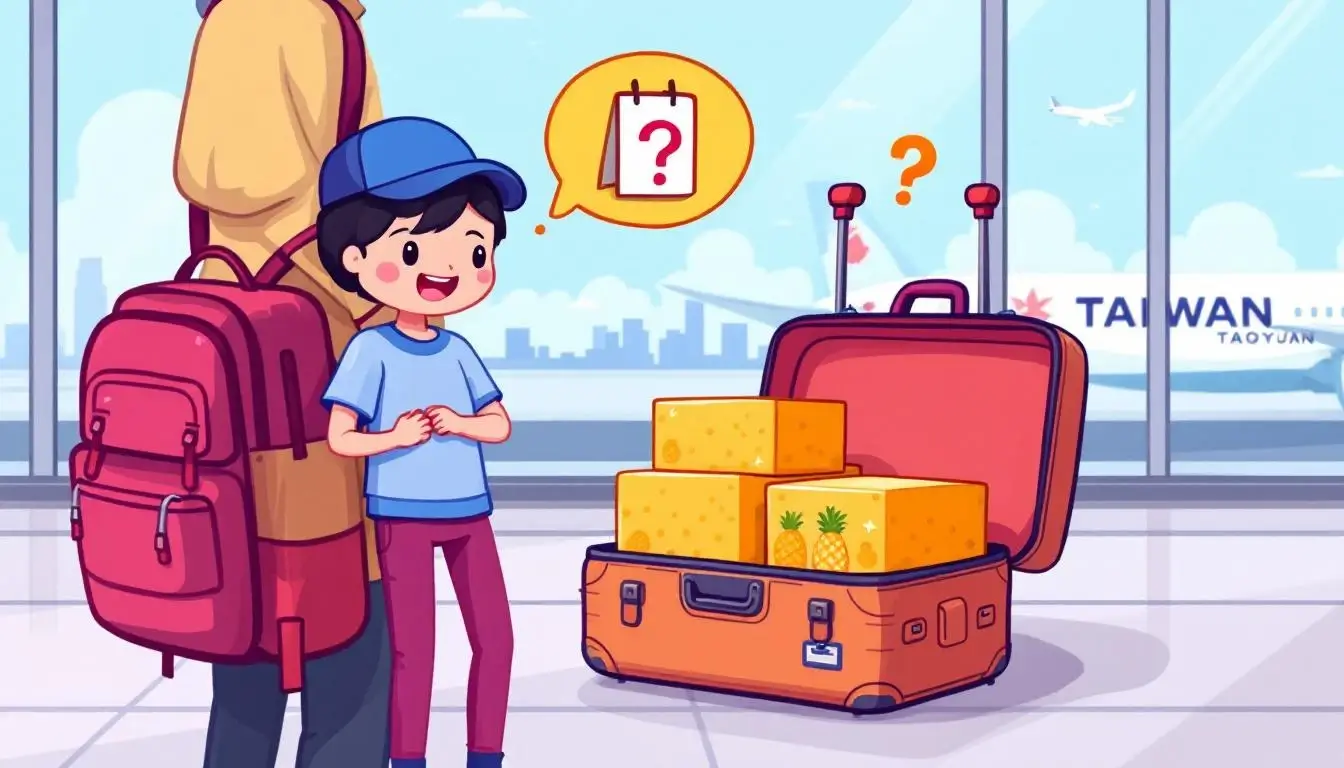
Can I bring pineapple cakes through airport customs?
Yes! Pineapple cakes are commercially packaged baked goods with no fresh fruit, meat, or dairy concerns. They’re one of the easiest Taiwanese foods to bring through international customs. Just declare them on your customs form if required by your destination country.
Final Thoughts: Why Taiwan Pineapple Cake Deserves Its Fame
In a world full of overhyped food trends, Taiwan pineapple cake is the rare pastry that actually lives up to the legend. It’s a perfect encapsulation of what makes Taiwanese food culture so special — the attention to craft, the respect for ingredients, the layers of cultural meaning baked into every bite.
Whether you order a box online, hunt down the best bakery in Taipei, or spend a weekend making them from scratch, pineapple cake is your gateway to understanding why Taiwan’s food scene is one of the most celebrated in the world. And once you’ve had a really good one, you’ll understand why Taiwanese travelers stuff their suitcases with golden boxes before every flight home.
One thing’s for certain — prosperity has definitely arrived for this little cake. Ōng-lâi, indeed.
免費領取台灣貼紙!
留下您的郵箱,我們將向您發送限量版台灣貼紙——以及搶先了解最新商品發售信息和感受海島風情的機會。.
絕不發送垃圾郵件。隨時可以取消訂閱。.