台灣必做之事:從夜市到山間寺廟,30項人生必體驗
So you’ve finally bought the ticket to Taiwan. Or maybe you’re still mid-Google-rabbit-hole, trying to figure out whether this 36,000-square-kilometer island can really fill ten, fourteen, or even twenty-one days. We’ll save you the suspense: yes. The best things to do in Taiwan stretch from neon-soaked night markets in Taipei to misty tea plantations 7,500 feet up in Alishan, from indigenous canoe trips in Lanyu to volcanic hot springs you can soak in while it snows. Even ten days only scratches the surface.
This guide isn’t another bullet list of “Taipei 101 and Sun Moon Lake.” We’ve grouped the island’s experiences by feeling — the views that make your jaw drop, the food that ruins all other street food forever, the festivals that turn ordinary towns into mass pilgrimages, and the quirky-only-in-Taiwan stuff (leaning postboxes, claw machine arcades, garbage trucks that play Beethoven) that no travel guide ever mentions. By the end you’ll have a 30-item bucket list, a sense of when to do each one, and links to the deep-dive guides for every place we mention.
1. Climb to Taiwan’s Most Iconic Views

Taiwan is one of the most vertical countries on Earth — 268 peaks above 3,000 meters squeezed into an island the size of Belgium. So it makes sense that the best things to do in Taiwan tend to involve looking down from somewhere high.
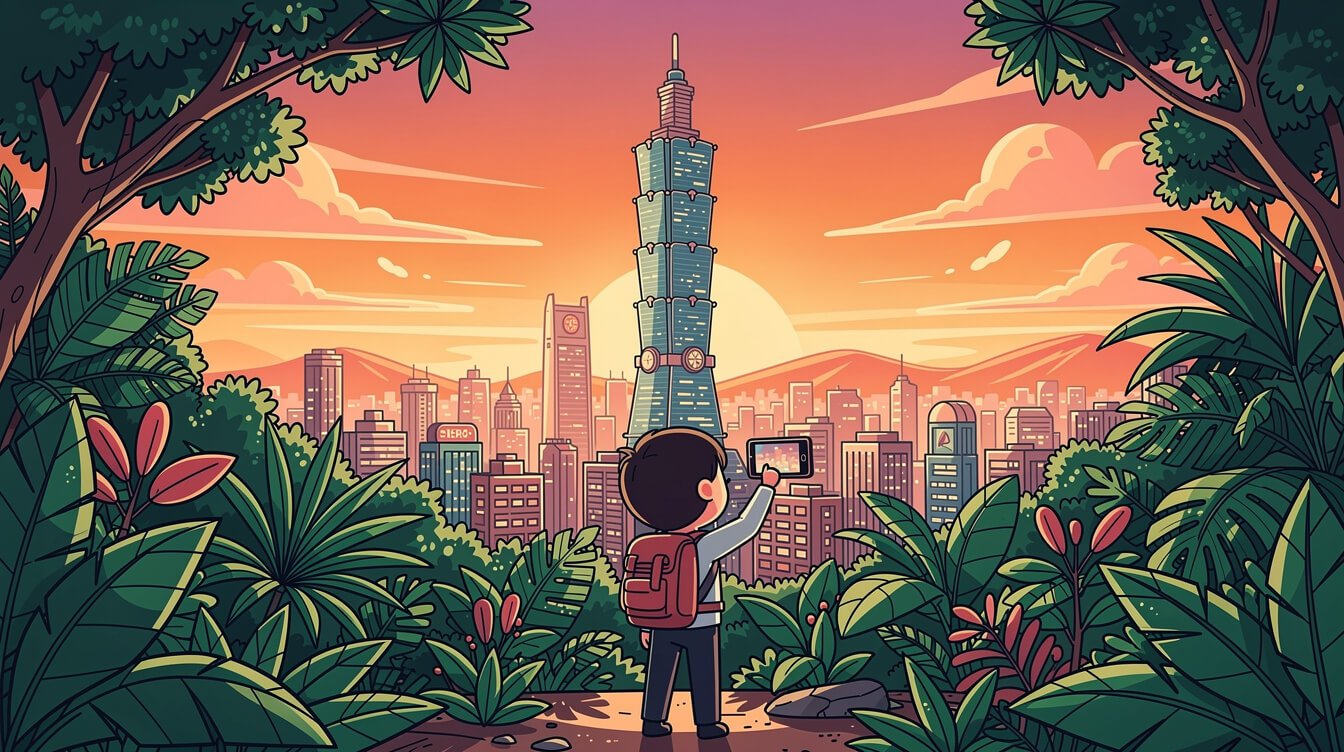
首先 台北101. From 2004 to 2010 it held the title of the world’s tallest building, and at 508 meters it’s still anchored to a 660-ton steel pendulum — a “tuned mass damper” you can actually visit on the 88th floor. The Skyline 460 outdoor platform launched in 2023 lets you stand outside, 460 meters above the city, harnessed in like a window cleaner. If you’d rather earn the view, hike 象山 at golden hour — 20 minutes of stairs to the postcard shot of 101 framed by jungle.
For the real heavyweight, take the Alishan Forest Railway up to Zhushan Sunrise Platform, 2,451 meters above the sea. On a clear morning the sun erupts over Yushan (“Jade Mountain”), Taiwan’s tallest peak at 3,952 m, and a sea of clouds rolls across the valley below. The Tsou indigenous people have farmed tea on these slopes for centuries, and the local oolong — high-mountain Alishan — is some of the best on the planet.
Want to bag Yushan itself? It’s a permit-only two-day hike from Tatajia Saddle, summit at 3,952 m, and one of the few peaks in East Asia where you can watch the Pacific and the Taiwan Strait at once. Easier alternative: drive up to Hehuanshan, 3,275 m, where you can see snow in winter and Milky Way in summer without breaking a sweat.
2. Eat Your Way Through the Night Markets

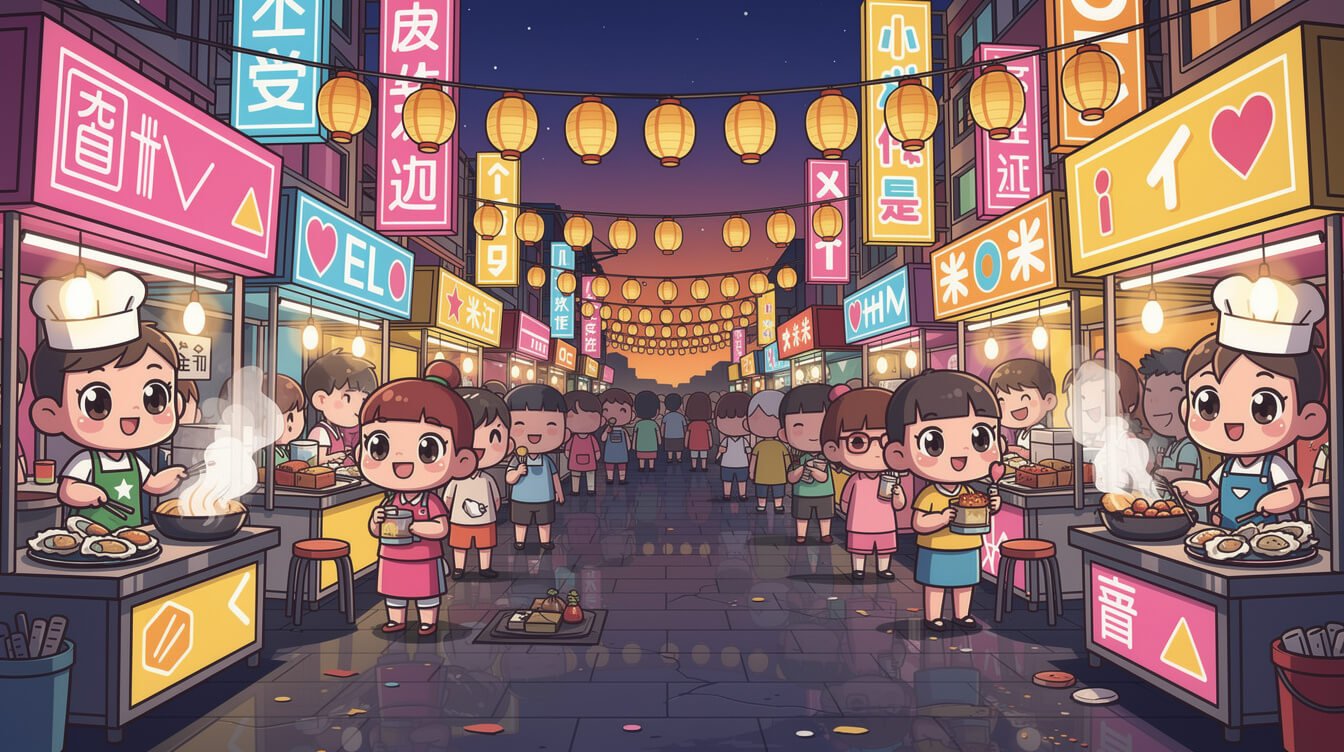
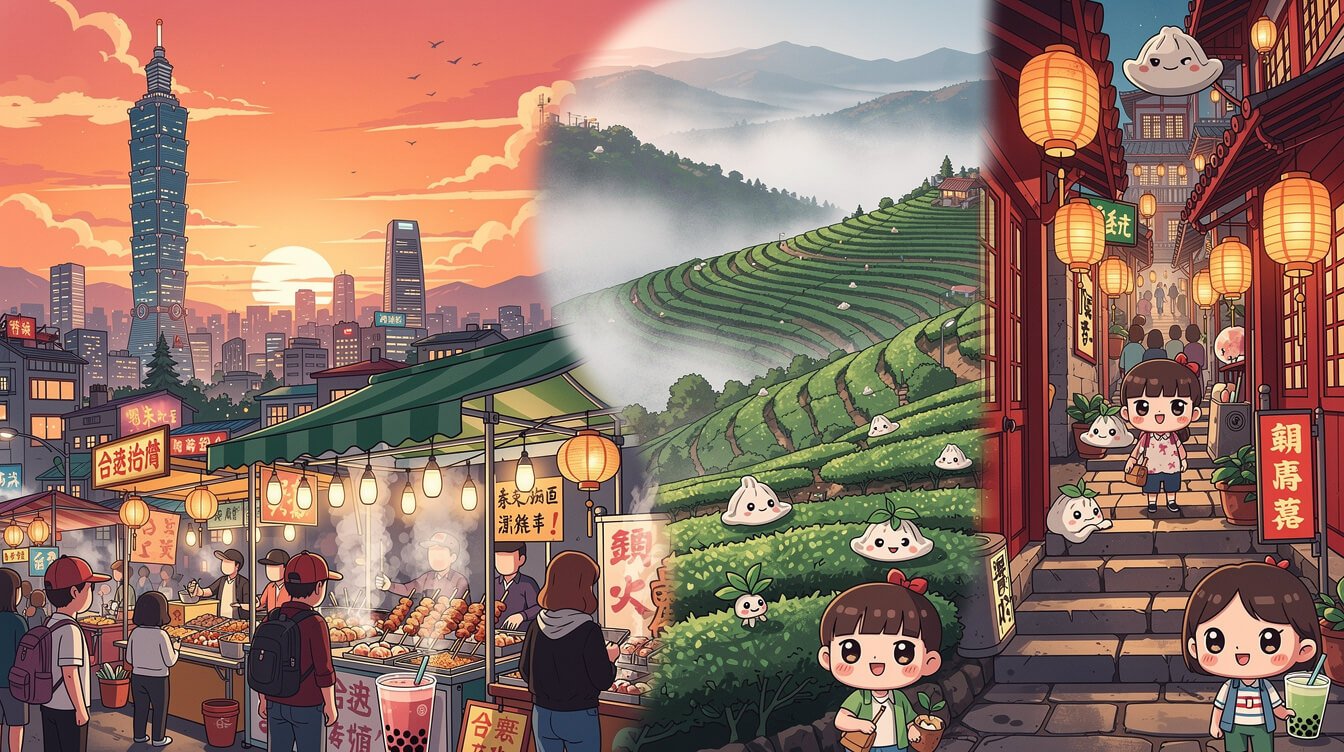
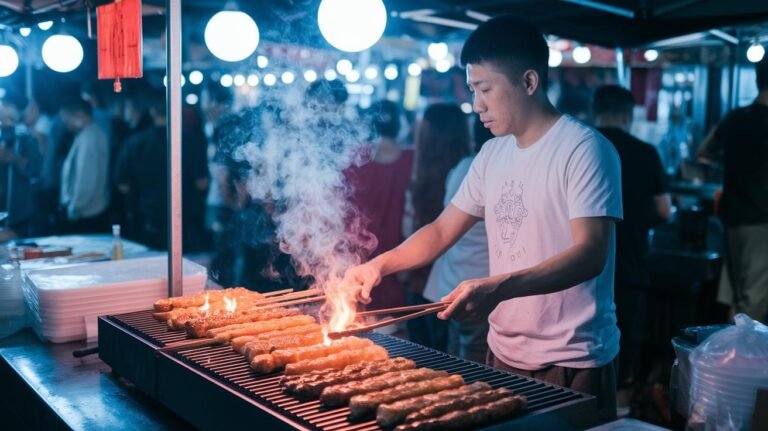
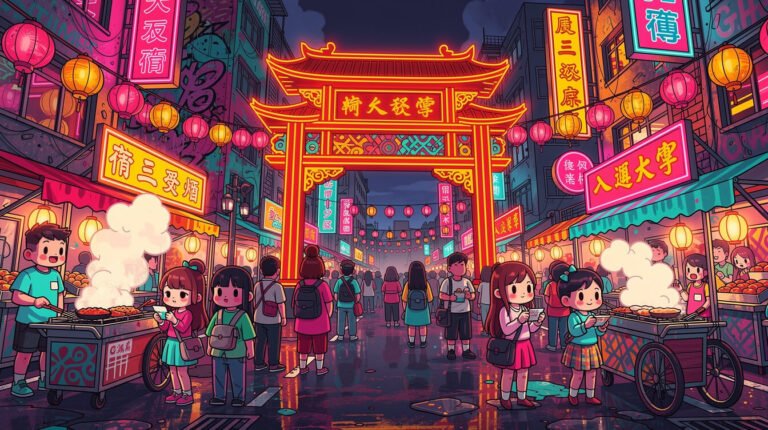
If you only do one thing on this list, do this. Taiwan has more than 300 night markets, and they’re not just rows of food stalls — they’re the country’s living rooms, dating spots, and after-work hangouts. The smell alone (stinky tofu + grilled squid + freshly fried scallion pancake) is half the trip.
The four you can’t miss: 士林 in Taipei (the biggest, with hundreds of stalls underground), 饒河 (the prettiest, one straight line through a temple gate, home of the original black-pepper bun), 寧夏 (the oldest, where locals come for old-school taro balls and meat-glue dumplings), and 逢甲 in Taichung — the largest by area, where students invent half the country’s viral street snacks every semester.
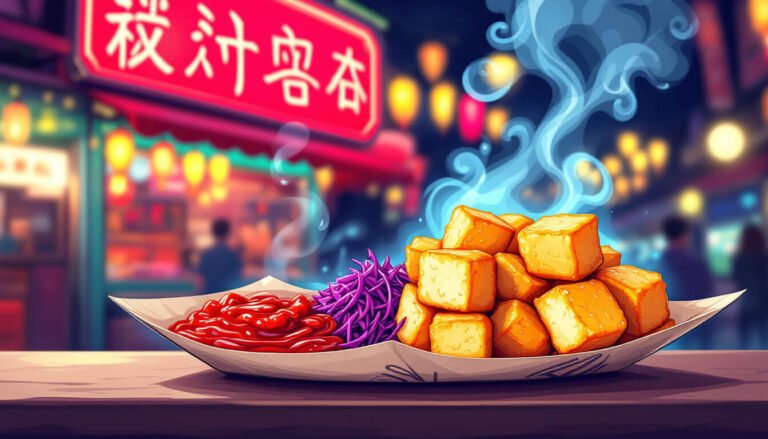
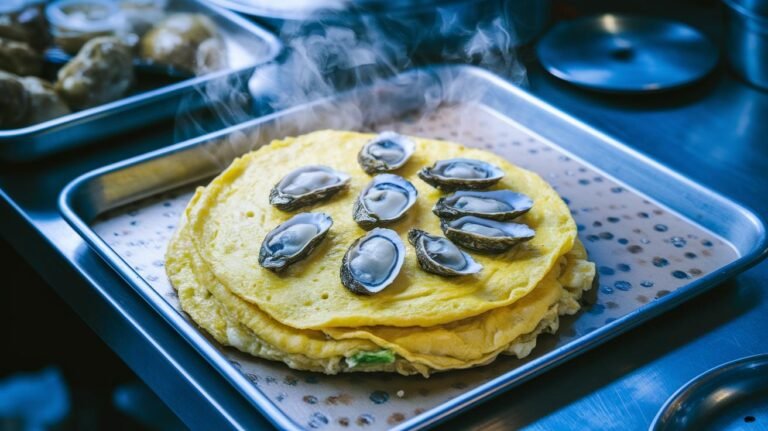
What to actually order: 大良煎蠔餅 (蚵仔煎), 臭豆腐 (臭豆腐) — yes, you’re going to try it — scallion pancake with egg (蔥油餅加蛋), flame-torched beef cubes (火焰骰子牛), large fried chicken cutlet (大雞排) bigger than your face, and a cup of fresh fruit tea 或者 brown sugar bubble milk to wash it down. Budget around NT$300–500 (US$10–17) per person for a full progressive dinner.
Pro tip: arrive hungry around 6:30 PM, when the stalls open but tour groups haven’t landed yet. Cash only at most stalls; ATMs are everywhere. And if you fall in love with the night-market aesthetic on the trip, we made a Taiwan Street Food & Rural Nostalgia watercolor greeting card ($5) for laptops and water bottles — basically a postcard you can stick anywhere.
3. Soak in Taiwan’s Volcanic Hot Springs

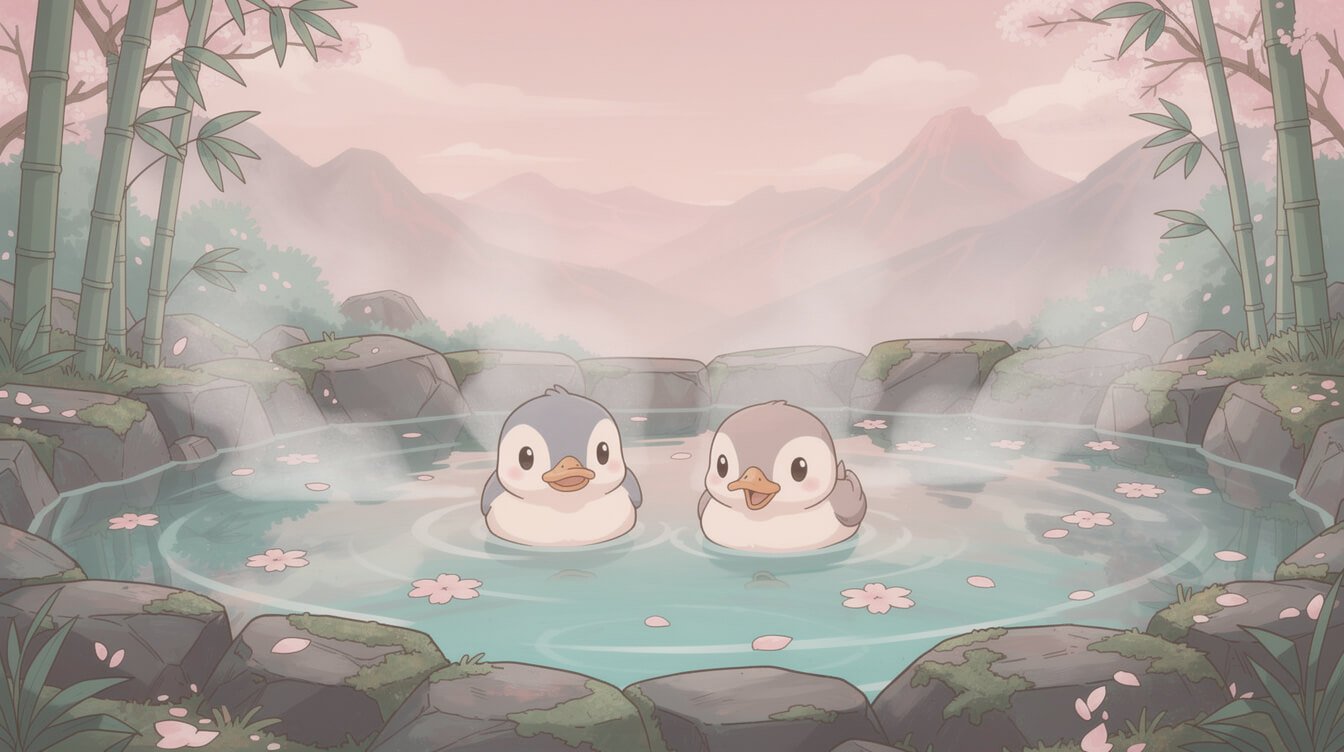
Taiwan sits on the Pacific Ring of Fire, which sounds scary until you realize it means hot springs 到處. There are over 100 developed onsen towns scattered across the island, from sulfur-heavy soaks an MRT ride from Taipei to milky-white “salty” springs on a Pacific volcanic island.
北投, in northern Taipei, is the easiest — 40 minutes from Taipei Main Station on the MRT red line, then a quick walk to Thermal Valley (the steaming source pool) and any of a dozen bathhouses ranging from NT$40 public baths to NT$8,000 luxury suites. The water comes out at 60–90°C and smells faintly of rotten eggs in the best possible way.
Taian, near Miaoli, is the prettiest — bicarbonate hot springs in a tight gorge surrounded by Atayal indigenous villages and persimmon orchards. Guguan, on the Central Cross-Island Highway, sits at the foot of cedar forests and has open-air sex-segregated public pools (NT$250) where elderly Taiwanese will absolutely give you advice on water temperature. And if you’re serious, the wild riverside springs at Lisong in Taitung county require a half-day hike but reward you with a turquoise pool tucked under a 30-meter waterfall.
Best time? October through April, when air temperatures drop and the contrast feels good. For everything you need to know — etiquette, what to wear, which towns to skip — see our complete Taiwan hot springs guide.
4. Hike, Cycle & Cruise the Island’s Wild Side

Around 60% of Taiwan is mountain. The country built infrastructure into all of it, which means even non-hikers can access scenery that would normally require a multi-day expedition.
太魯閣峽谷 in Hualien is the headline act — an 18-kilometer marble canyon carved by the Liwu River, with trails like Shakadang (rated easy) and Zhuilu Old Road (rated “you’ll think you’re going to die”). The 2024 earthquake closed several attractions, but as of spring 2026 most of the headline trails plus the Eternal Spring Shrine and Yanzikou (“Swallow Grotto”) are open via Highway 8 time-slot entry. Stay at the Silks Place inside the gorge so you can hike before tour buses arrive at 9 AM.
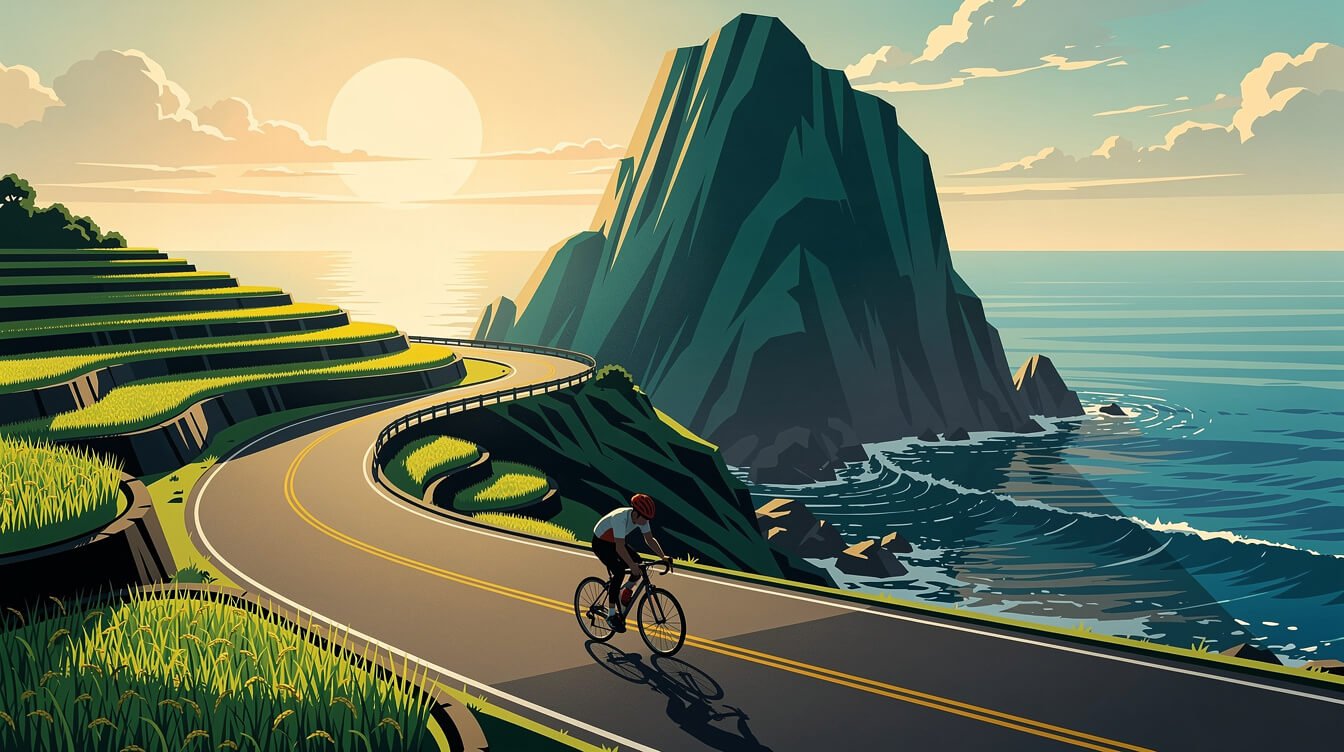
For the cycling crowd, the East Coast bike route — Hualien to Taitung along Highway 11 — is 200 km of Pacific coastline, rice paddies, indigenous villages, and almost no cars. Most riders do it in three to four days. Easier alternative: rent a bike at 日月潭 and ride the 30-km loop — voted one of CNN’s top-10 cycling routes in the world.
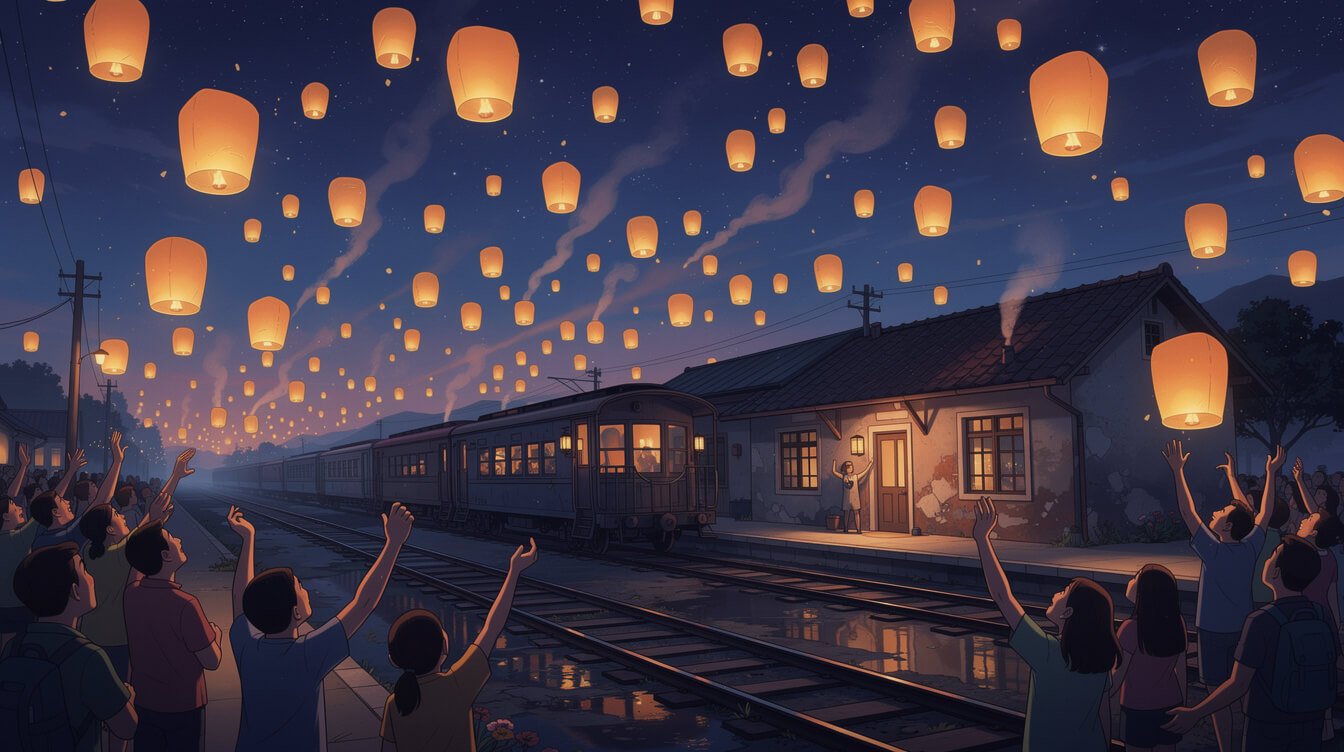
If you want the views without the legwork, ride the Pingxi branch line — a 12-km vintage train through the Keelung River valley with stops at sky lantern villages (Shifen, Jingtong, Pingxi). And the High Speed Rail itself is an experience — 350 km/h from Taipei to Kaohsiung in 96 minutes, which makes south-and-back day trips realistic. Our THSR map guide breaks down every station and how to use the unlimited 3-day passes.
5. Catch a Festival or Pilgrimage

Taiwan’s festival calendar might be the densest in Asia. Time your trip right and you’ll witness ceremonies that haven’t changed in 300 years.
這 平溪天燈節 (Lantern Festival, usually February) sees thousands of paper lanterns float into the night sky above Shifen — the scene Hollywood lifted for Tangled. The 媽祖巡禮 in March-April is the wildest one: a million people walk 340 km over 9 days behind the goddess Mazu’s palanquin from Dajia to Xingang, sleeping on temple floors and eating from village hospitality stalls. UNESCO listed it as an Intangible Cultural Heritage event in 2008.
這 端午節 (June 19, 2026) brings races on every river and harbor in the country, plus a chance to eat homemade zongzi — sticky rice dumplings wrapped in bamboo leaves. 鬼月 (August) is the spooky one — pudu offerings of fruit, beer, and rice piled outside every shop, opera performances in temple squares, and the freaky-but-fun Keelung Mid-Summer Festival that’s been running since 1855.
For a complete month-by-month festival calendar, see our best time to visit Taiwan guide. For Dragon Boat specifically, our 2026 Dragon Boat festival breakdown covers race schedules and zongzi recipes.
6. Find the Quirky, Cinematic, and Only-in-Taiwan

This is the section that separates Taiwan travelers from Taiwan obsessives. The island has accumulated a remarkable inventory of beautifully weird stuff over 400 years, and most of it isn’t in guidebooks.
九份, the gold-rush mining town with red lanterns and stepped lanes — the one everyone says inspired 神隱少女 (Miyazaki himself disputed this, but the vibe is unreal). 侯通貓村 outside Taipei, a former coal town now home to 200+ free-roaming felines maintained by volunteers. Taipei’s leaning postboxes on Longjiang Road, tilted by Typhoon Soudelor in 2015 and now an official tourist attraction with their own commemorative postmark.
Claw machine arcades — Taiwan has more claw machine storefronts than Starbucks, and they’re open 24/7 with stuffed animals, beauty products, even live lobsters as prizes. KTV — Taiwanese karaoke isn’t a bar, it’s a private room with food service where you’ll spend four hours singing power ballads with friends. 7-Eleven deserves a section of its own; the average Taiwanese convenience store sells fresh bento, pulls draft coffee, ships your packages, prints your taxes, and serves as the village social hub.
Add the everyday weird stuff: the garbage truck music (Für Elise and The Maiden’s Prayer play every evening so residents know to bring bags down), scooter culture (14 million motorcycles, choreographed waves of them at every intersection), and the deafening pop of firecrackers at every temple ceremony. Our 7-Eleven culture deep-dive 和 claw machine guide have the full backstories.
7. Island-Hop to Penghu, Green Island & Lanyu

Skip this section if you only have a week. But if you’ve got 10+ days, the outer islands are the best-kept secret in Taiwanese travel — and they each feel like a different country.
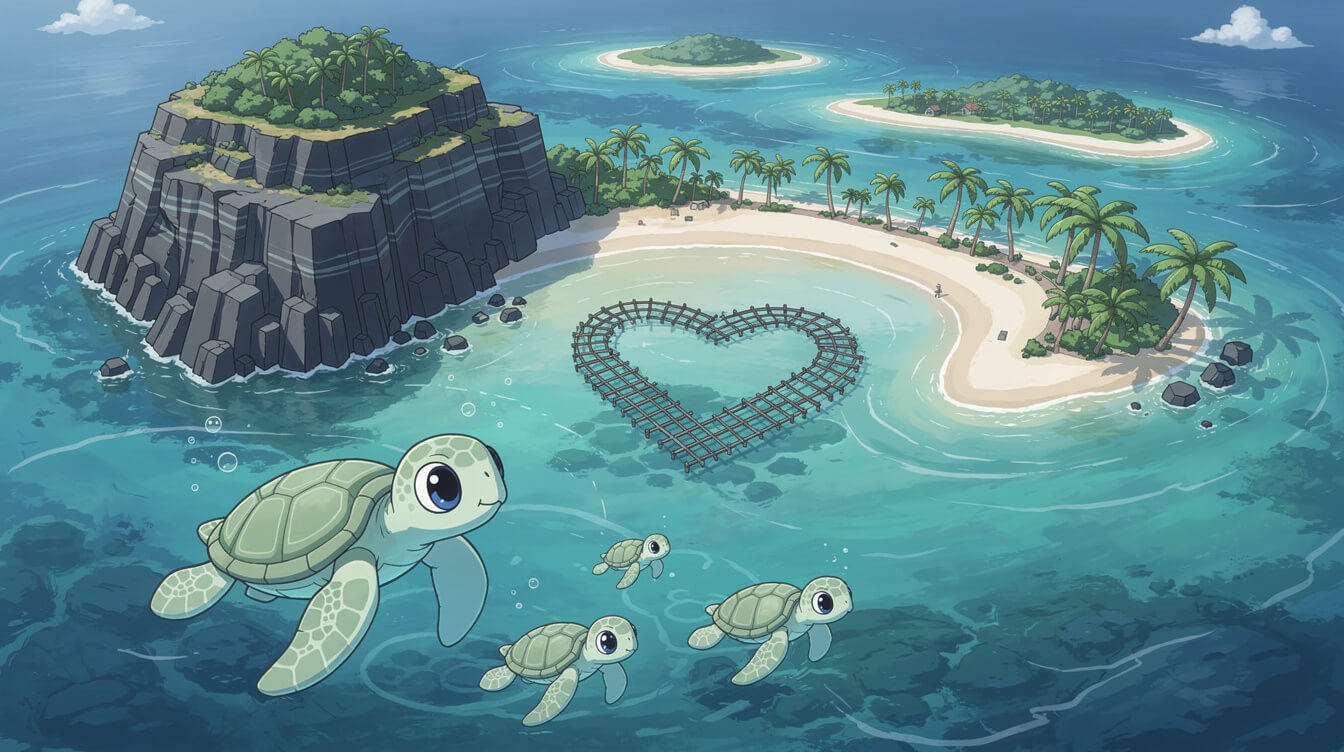
澎湖 (the Pescadores) is a 90-island archipelago in the Taiwan Strait, famous for basalt sea-cliffs, whitewashed Hakka villages, the world’s largest stone fish weir at Qimei, and a summer-only Penghu Fireworks Festival that lights up Magong harbor every weekend in May and June. Ferry from Chiayi or a 35-minute flight from Taipei Songshan.
Green Island (Lyudao), three hours by ferry from Taitung, has one of only three saltwater hot springs in the world (you soak in the Pacific at low tide) plus excellent scuba — coral gardens, hammerhead schools in winter, and the wreck of a Japanese supply ship from WWII. Orchid Island (Lanyu) is wilder still — home of the Tao indigenous people, who fish for flying fish with handmade tatala canoes. It’s a slow island, one road around it, no traffic lights, occasional power outages, and arguably the most rewarding place in Taiwan to disconnect for three or four nights.
Easier outer-island options: 小琉球 (a 25-minute ferry from Kaohsiung area, sea turtles guaranteed on snorkel) and 墾丁 at Taiwan’s southern tip — not technically an island, but its beach culture, surf breaks at Jialeshui, and Spring Scream music festival feel a world away from Taipei.
Already Planning Your Return Trip?
Some travelers leave Taiwan and never get over it. Wear the feeling home with our Taiwan Heartbeat tee — designed in collaboration with the Taipei diaspora community. Soft cotton, vintage feel, 100% Taiwan-themed.
Frequently Asked Questions About Things to Do in Taiwan
How many days do I need to see the best of Taiwan?
For the headline things to do in Taiwan — Taipei, Taroko Gorge, Sun Moon Lake, Alishan, and at least one night market — you need a minimum of seven days. Ten days adds Kaohsiung and Tainan plus breathing room. Two weeks unlocks the East Coast and one outer island. Twenty-one days is the sweet spot: every region, every major hot spring, and time for the festivals you wanted to catch.
What’s the best time of year to visit?
October through April is the dry, cool season — best for hiking, hot springs, and night markets. May through June is plum-rain season (warm, intermittent showers, fewer crowds, lush green mountains). July through September is hot, humid, and typhoon-prone, but also peak festival and beach season. Avoid Chinese New Year (late January or February) unless you’re prepared for closures and packed transit.
Is Taiwan safe to travel?
Yes — Taiwan ranked 4th-safest country in the world on the 2026 Numbeo Safety Index, ahead of Singapore, Japan, and South Korea. Violent crime is extremely rare, scams are essentially nonexistent, and solo female travelers consistently rate it among the easiest countries in Asia. Tap water is potable in most cities (locals still boil it from habit), and the main risk for tourists is sunstroke in summer.
Do I need a visa?
Citizens of the US, UK, Canada, Australia, NZ, EU, Japan, South Korea and about 50 other countries get 90 days visa-free. Some get 30 or 14. Check before booking, but for most Western travelers it’s a passport-stamp situation, no paperwork required.
What’s the language barrier like?
English signage and station announcements are excellent in Taipei and the high-speed rail corridor. Outside Taipei, expect more Mandarin and Taiwanese Hokkien. Younger Taiwanese under 35 speak passable English, the older generation generally doesn’t. Google Translate camera mode is your best friend at family-run restaurants and night-market stalls.
What should I avoid doing in Taiwan?
Don’t tip — service charges are built in and tipping confuses people. Don’t eat or drink on the MRT (it’s a fineable offense). Don’t stick chopsticks vertically into rice (funeral imagery). Don’t take photos inside temple inner sanctums without asking. Don’t loudly debate Taiwan’s political status with strangers — it’s not taboo, but it’s a long, exhausting conversation.
Final Thoughts: Building Your Taiwan Bucket List
The biggest mistake travelers make in Taiwan is treating it like a checklist. The island rewards slow-down moments — a 6 AM walk through a market that’s just waking up, a 2 AM noodle bowl after KTV, the long quiet ride on the Alishan Forest Railway as the temperature drops degree by degree. The things to do in Taiwan that stick with you are rarely the ones that show up on top-10 lists.
Pick three or four headline experiences from this guide — one mountain view, one hot spring, one night market, one festival or quirky-only-in-Taiwan moment — and let the rest of your trip breathe. The island is small enough to surprise you constantly and large enough that no two visits look alike. Whatever you end up doing, save room for the second trip. Almost everyone takes one.
For trip-planning logistics, see our 7, 10, and 14-day itinerary guide. If you want to dig deeper into a specific region, our 台灣旅遊景點 guide goes destination-by-destination, and the 台北旅遊攻略 guide covers the capital in detail.
Get a Weekly Postcard From Taiwan
One short email every Friday — a hidden Taiwan story, a seasonal travel tip, and a new piece of merch we are obsessed with. Free, unsubscribe anytime.
免費領取台灣貼紙!
留下您的郵箱,我們將向您發送限量版台灣貼紙——以及搶先了解最新商品發售信息和感受海島風情的機會。.
絕不發送垃圾郵件。隨時可以取消訂閱。.