台灣澎湖島:台灣絕美群島天堂完整指南
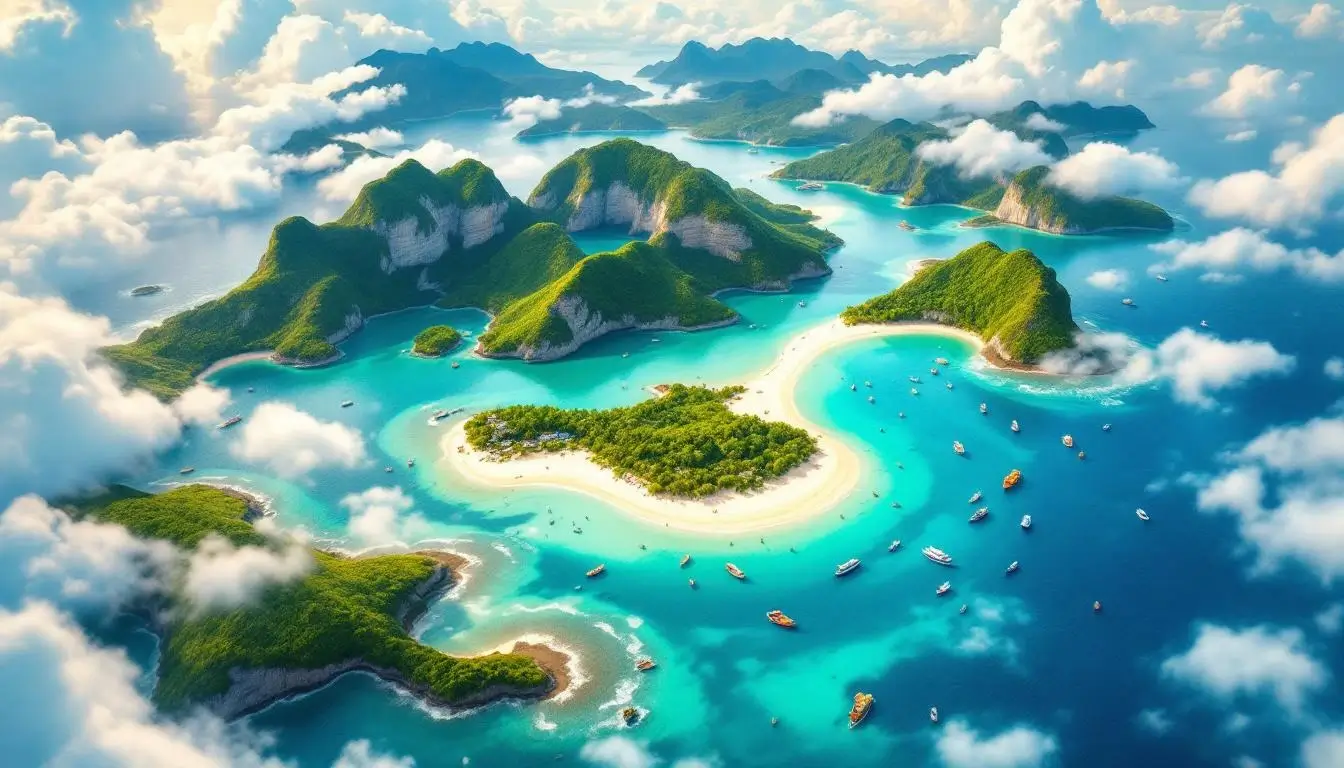
Taiwan Penghu Island is one of the best-kept secrets in East Asian travel — a sun-drenched archipelago of 90 islands floating in the Taiwan Strait, where turquoise waters meet ancient basalt cliffs and centuries-old temples stand guard over fishing villages built from coral stone. While most visitors to Taiwan stick to Taipei’s night markets and Taroko Gorge’s marble canyons, Penghu offers something entirely different: a laid-back island paradise where the pace slows down, the seafood is impossibly fresh, and every sunset feels like it was painted just for you.
Whether you’re chasing the legendary Penghu International Fireworks Festival (which is happening right now with an epic Dragon Ball Z collaboration), plotting a beach-hopping adventure, or simply craving the best cactus ice cream you’ll ever taste, this complete guide to Taiwan Penghu Island covers everything you need to plan the trip of a lifetime.
What and Where Are the Taiwan Penghu Islands?
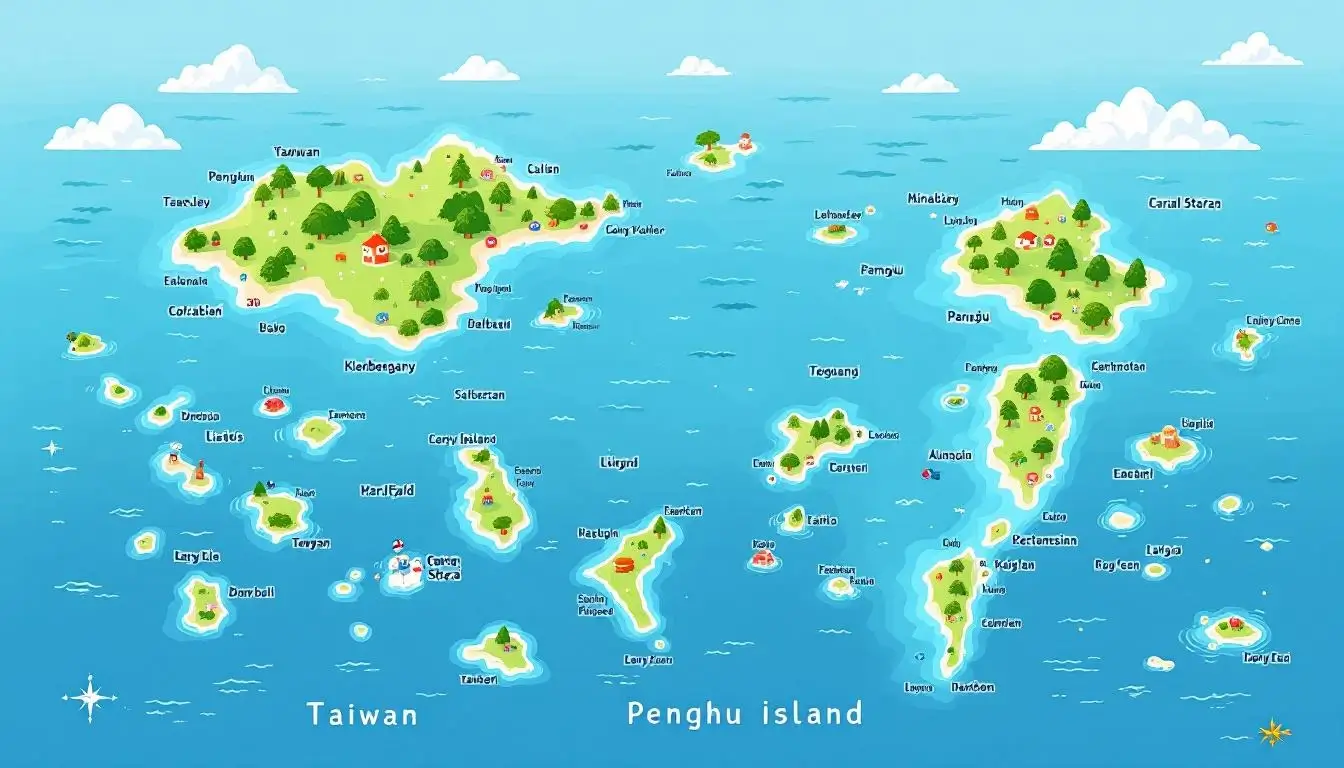
The Penghu archipelago — also known historically as the Pescadores (Portuguese for “fishermen”) — sits roughly 50 kilometers off Taiwan’s western coast in the Taiwan Strait, between Taiwan and mainland China. The island chain comprises 90 islands and islets, though only 19 are inhabited. Together they form Penghu County, one of Taiwan’s smallest counties by land area but arguably its most scenic.
The main island cluster consists of three interconnected islands — Magong (the capital and transportation hub), Baisha, and Xiyu — linked by bridges that make scooter touring a breeze. Beyond these, dozens of smaller outer islands dot the sea like scattered emeralds, each with its own personality and charm.
Geologically, Penghu is fascinating. The islands were formed by volcanic activity millions of years ago, leaving behind dramatic columnar basalt formations that rival Iceland’s famous rock columns. The flat terrain and low elevation (the highest point is just 79 meters) mean wide-open skies, relentless winds, and some of the most spectacular sunsets in all of Asia.
Penghu’s population of roughly 100,000 swells dramatically during summer tourist season, but even at peak times the islands maintain a relaxed, unhurried vibe that feels worlds away from Taiwan’s bustling mainland cities. If you’re looking for incredible places to travel in Taiwan beyond the usual itinerary, Penghu deserves a spot at the very top of your list.
Best Time to Visit Taiwan Penghu Island

Timing your Penghu trip right makes a massive difference. The islands have a distinct seasonal personality that’s quite different from the Taiwan mainland, and the weather can make or break your experience.
Peak Season: April Through September
Summer is Penghu’s golden season. From April through September, the weather is warm and sunny, the seas are calm enough for swimming and snorkeling, and the islands buzz with energy. Water temperatures hover around 25-28°C, perfect for beach days and water sports. This is also when all the tourist infrastructure — boat tours, water activities, rental shops — operates at full capacity.
The Fireworks Festival: May Through August
The absolute highlight of Penghu’s calendar is the Penghu International Fireworks Festival, running this year from May 4 through August 25 with a jaw-dropping Dragon Ball Z collaboration. Shows happen every Monday and Thursday through late June, then every Tuesday through August, with 10-minute fireworks displays and 10-minute drone light shows starting at 9 PM at the Guanyinting Recreation Area in Magong. The opening and closing ceremonies feature extended 12-minute fireworks with 10-minute drone performances — and yes, they’re as spectacular as they sound.
If you can only visit once, aim for festival season. The combination of warm weather, festival energy, Dragon Ball Z themed pop-up shops, and those mind-blowing drone displays makes it an unforgettable experience.
Shoulder Season: October and Early November
Early autumn offers a sweet spot — fewer crowds, still-warm temperatures, and calmer winds than winter. It’s a great time for photography and temple exploration without fighting for space at popular spots.
Off-Season: November Through March
Winter in Penghu is no joke. The famous dongbei ji feng (northeast monsoon winds) blast across the flat islands at speeds that can cancel ferries and ground flights. Many restaurants, hotels, and tour operators shut down entirely. Unless you’re specifically interested in experiencing Penghu’s raw, windswept winter personality, plan your visit between April and October. For help planning your broader Taiwan trip around Penghu, check out our 台灣最佳旅遊時間指南.
How to Get to Penghu Island

Getting to Penghu is easier than you might expect for an offshore island chain. You have two main options: fly or float.
By Air (The Fast Way)
Penghu Airport (MZG) in Magong receives multiple daily flights from Taiwan’s mainland airports. Flight times are short and sweet:
- From Taipei Songshan: approximately 50-60 minutes (UNI Air, Mandarin Airlines)
- From Kaohsiung: approximately 40 minutes (UNI Air, Mandarin Airlines)
- From Tainan: approximately 30 minutes (UNI Air)
- From Taichung: approximately 40 minutes (Mandarin Airlines)
One-way tickets typically run 1,700-2,300 NTD (roughly $55-75 USD). These are small propeller planes with limited capacity, so book early — especially during fireworks festival season when flights sell out weeks in advance.
By Ferry (The Scenic Way)
Ferry service connects Penghu to several mainland ports:
- From Budai Harbor (Chiayi): Fast ferries take about 1 hour 20 minutes — this is the most popular ferry route
- From Kaohsiung: Standard ferries take approximately 4-4.5 hours
- From Tainan: Similar to the Kaohsiung route in duration
Fair warning: Penghu’s winds can cancel ferry service with little notice, especially outside peak summer months. If you’re on a tight schedule, flying is the safer bet. For detailed ferry and flight connections across Taiwan, our 台灣旅遊行程指南 covers the logistics.
Getting Around the Islands
Once you land in Magong, a scooter is king. Most accommodations can arrange scooter rentals, and you’ll need an International Driving Permit to rent one legally. The main three islands (Magong, Baisha, Xiyu) are connected by bridges and can be toured in a day on two wheels. Parking is rarely an issue, and the flat terrain makes riding easy even for scooter newcomers.
For the outer islands, you’ll hop ferries from Magong’s Nanhai Harbor or join organized day-tour packages that typically include boat transport and a scooter rental on the destination island. Taiwan Tourist Shuttle buses also run set routes on the main island if you prefer not to ride.
One essential tip: bring plenty of cash. ATMs are scarce on the outer islands and not always reliable. Withdraw what you need at the airport or in Magong before heading out.
Top Beaches and Natural Wonders on Taiwan Penghu Island

Penghu’s beaches are some of the most beautiful in all of Taiwan — white sand, crystal-clear water, and a fraction of the crowds you’d find at Southeast Asian resort destinations. Here are the ones you absolutely cannot miss.
Shanshui Beach
A wide, sweeping stretch of golden sand on the southern coast of the main island, Shanshui is Penghu’s most popular beach for good reason. The water is shallow and calm, making it ideal for families and casual swimmers. There’s enough space here that even in peak season you can find your own patch of paradise.
Aimen Beach
Often cited as one of the most beautiful beaches in Taiwan, Aimen Beach features pristine white sand and turquoise water that looks like it belongs in the Maldives. The beach has won multiple awards and sits in a protected bay that keeps waves gentle.
Kubishan Geological Park
This isn’t a traditional beach — it’s something wilder. At low tide, a natural basalt causeway emerges from the sea, connecting the shore to a small rocky island. The tidal formations here are otherworldly, creating pools and channels that shimmer in the sunlight. Time your visit with the tides for maximum magic.
Daguoye Columnar Basalt
Penghu’s geological crown jewel. These towering hexagonal basalt columns rise dramatically from the shoreline on Xiyu Island, formed millions of years ago when volcanic lava cooled and fractured into geometric perfection. It’s Taiwan’s answer to the Giant’s Causeway, and standing beneath these ancient columns with the sea crashing nearby is genuinely awe-inspiring.
Twin Hearts Stone Weir
Located on Qimei Island, this iconic double-heart-shaped fish trap is Penghu’s most photographed landmark. Originally built as a traditional fishing weir by local fishermen, its romantic shape has turned it into an Instagram sensation and a symbol of Penghu itself. Best viewed from the clifftop overlook above.
Cultural Sites and Historic Villages
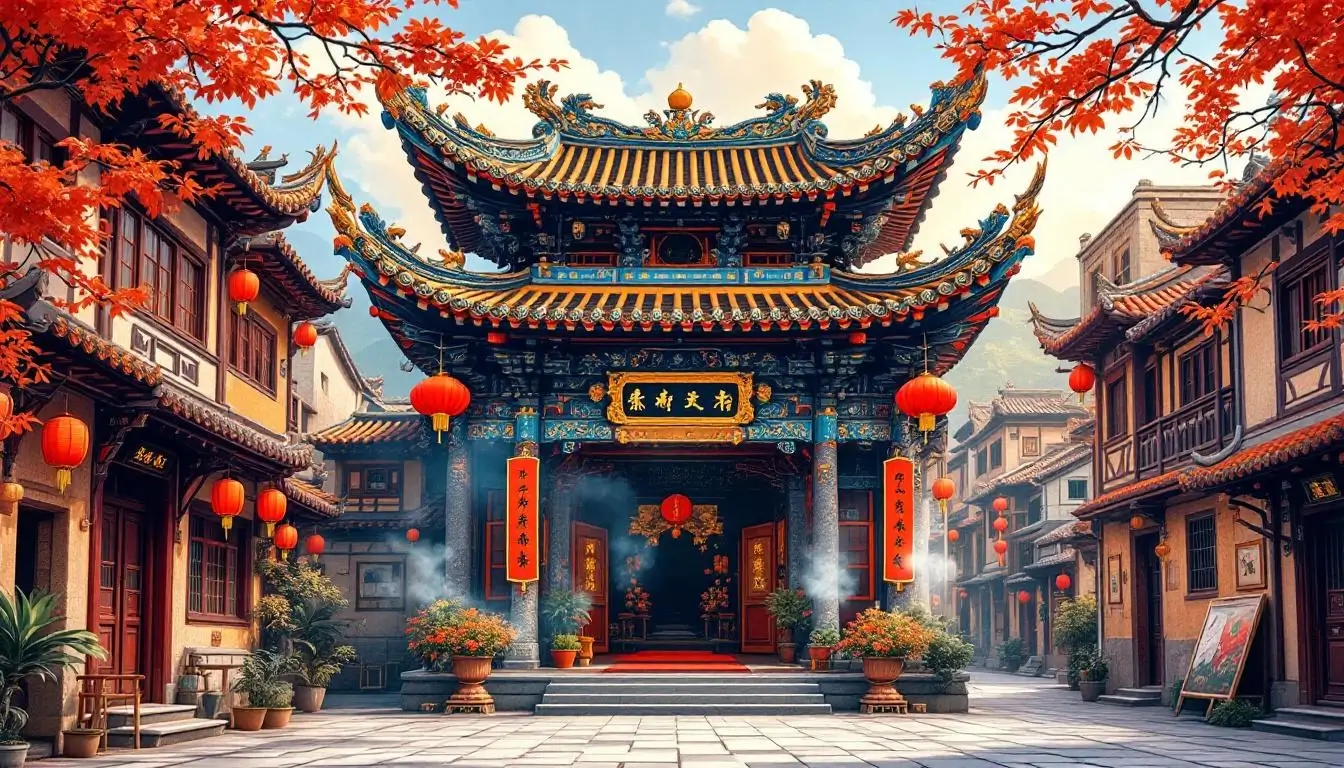
Penghu isn’t just beaches and basalt — the islands have a rich cultural heritage stretching back over 400 years, making them some of the earliest-settled places in Taiwan’s history.
Penghu Tianhou Temple
This is the oldest Mazu temple in all of Taiwan, originally built in 1604 during the Ming Dynasty. As the temple culture across Taiwan runs incredibly deep, Penghu’s Tianhou Temple holds special significance — it’s where Mazu worship in Taiwan essentially began. The wooden carvings, stone dragons, and incense-filled atmosphere are spectacular. Located in central Magong, it’s an easy walk from the harbor area.
Erkan Historic Village
Step through Erkan’s narrow stone lanes and you’ll feel like you’ve walked into a living museum. This beautifully preserved village features traditional Penghu architecture — homes built from coral stone and volcanic basalt, with distinctive wind-deflecting walls and courtyards designed to shelter families from the monsoon winds. Several buildings have been converted into artisan workshops and small cafés where you can watch traditional craftspeople at work.
Nanliao Village
A quieter alternative to Erkan, Nanliao showcases Penghu’s aging fishing village culture. Abandoned coral-stone homes sit alongside still-inhabited traditional houses, and colorful painted fishing buoys serve as cheerful public art along the village paths. It’s photogenic, atmospheric, and refreshingly tourist-free.
Speaking of celebrating Taiwan culture, if you love repping the island’s unique character wherever you go, our 台灣插圖地圖設計T卹 features gorgeous cultural icons from across the island — including the offshore wonders that make Penghu so special.
Penghu Living Museum
For a deeper dive into island history, the Penghu Living Museum documents everything from ancient fishing techniques and traditional coral architecture to the islands’ strategic military history. It’s an excellent rainy-day option and gives real context to the villages and sites you’ll explore outside.
Penghu Food: What to Eat on Taiwan’s Island Paradise

Penghu’s food scene is dominated by one thing: staggeringly fresh seafood. Surrounded by rich fishing waters, the islands serve up some of the best ocean-to-table dining in Taiwan. But the local specialties go way beyond just fish.
Seafood Specialties You Must Try
- Squid noodles (小管麵線): Penghu’s signature dish — tender fresh squid served over thin vermicelli noodles in a savory broth. Almost every restaurant has their own version, and they’re all delicious.
- Grilled squid: Street vendors throughout Magong grill whole squid over charcoal, brushed with sweet soy glaze. Simple, smoky perfection.
- Fried cuttlefish balls: Crispy on the outside, bouncy and ocean-fresh inside. A night market staple.
- Sashimi platters: Local fish caught that morning, sliced and served within hours. The freshness level here rivals Japan.
- Sun-dried fish: A Penghu preservation tradition — you’ll see fish drying on racks throughout the fishing villages. Makes an excellent, very portable Taiwan souvenir to bring home.
Cactus Everything
Here’s something you won’t find anywhere else in Taiwan: prickly pear cactus is everywhere on Penghu, and locals have turned it into a culinary identity. Cactus ice cream is the must-try — bright magenta, mildly sweet, and refreshingly unique. You’ll also find cactus smoothies, cactus beer and mead, and even cactus-infused coffee. It’s delicious, photogenic, and quintessentially Penghu.
Zhongyang Night Market
Magong’s Zhongyang Old Street night market is smaller and more intimate than the massive night markets on mainland Taiwan, but what it lacks in size it makes up for in quality. The seafood stalls are exceptional — think grilled scallops, oyster omelets, and fresh fish soups — and the brown sugar cakes (黑糖糕) are a beloved Penghu specialty you’ll want to stock up on before heading home. If you’re a 台灣小吃 enthusiast, Penghu’s night market offerings add an entirely new chapter to your snacking adventures.
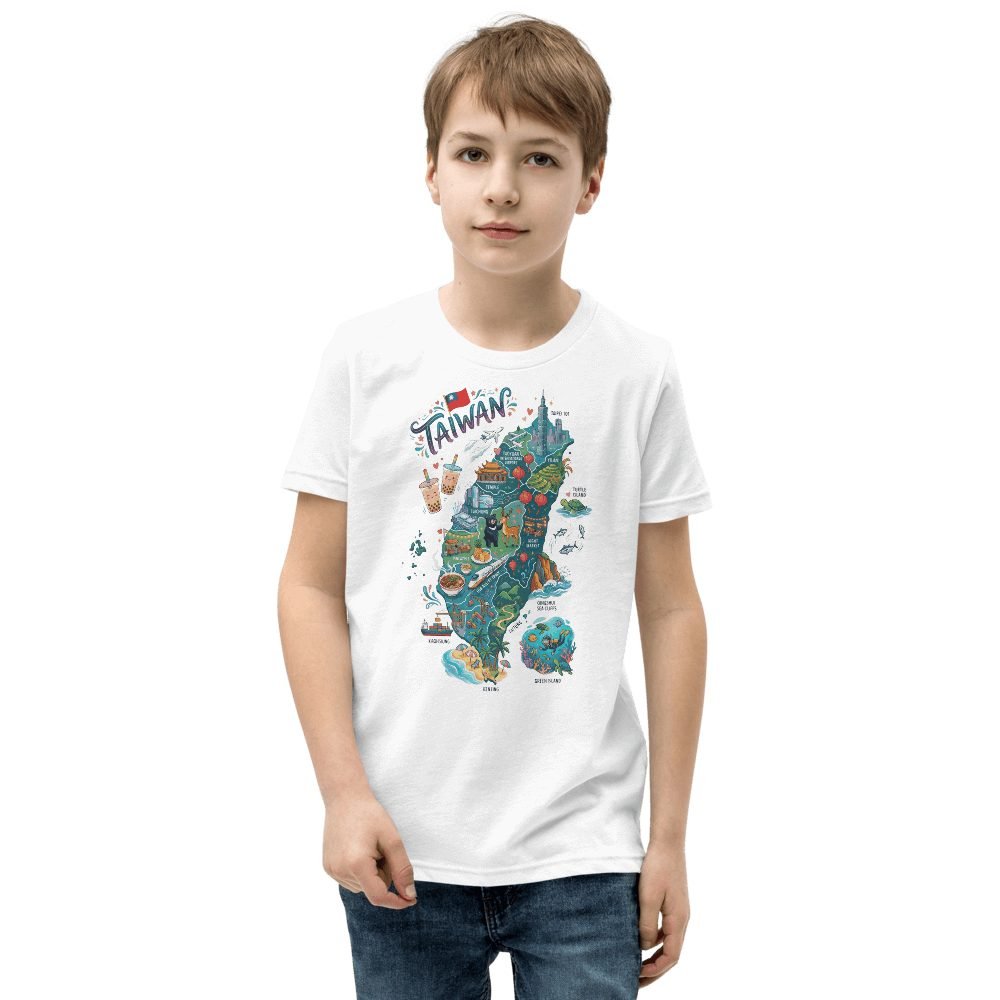
穿上你對台灣的愛
Our Taiwan Illustrated Map T-Shirt celebrates every corner of the island — from Taipei’s skyline to Penghu’s offshore paradise. Perfect for travelers who want to carry a piece of Taiwan everywhere they go.
Island Hopping: Exploring Penghu’s Outer Islands
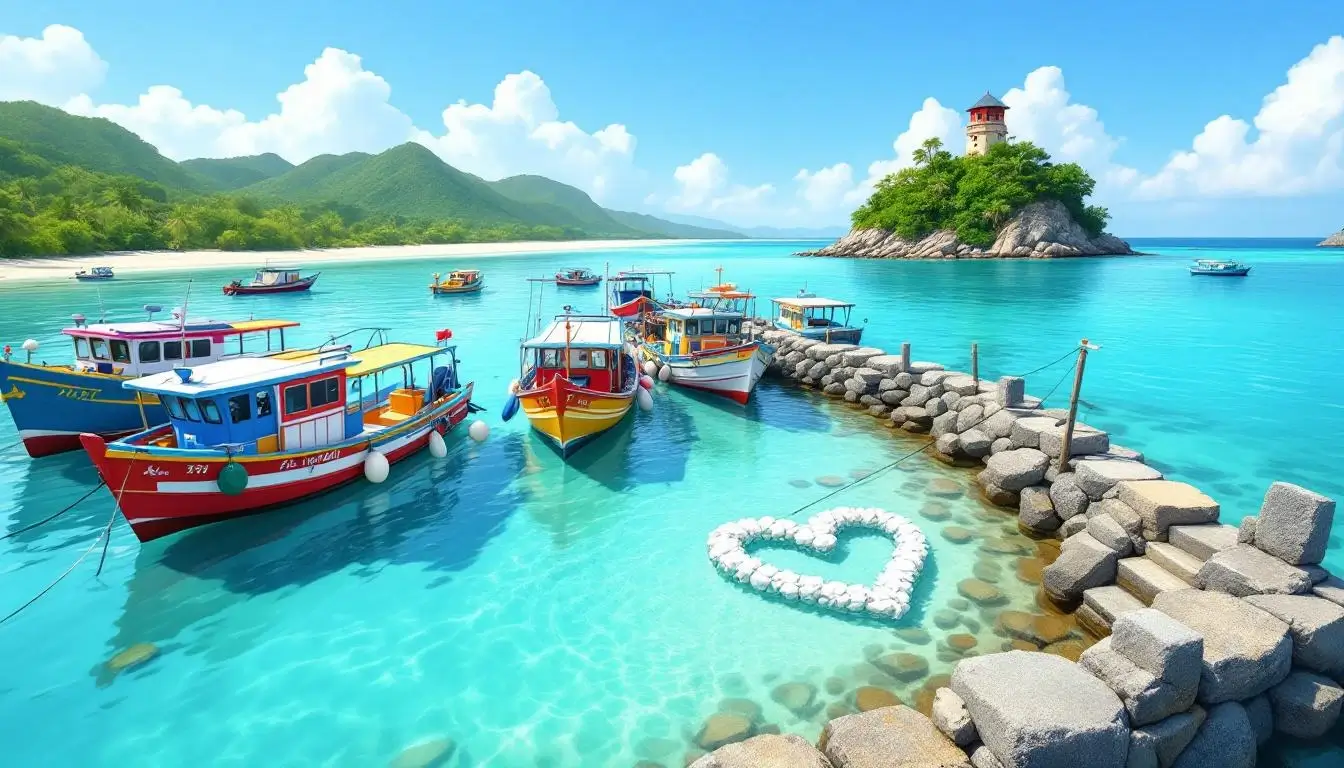
The main three-island cluster is gorgeous, but Penghu’s outer islands are where the real adventure lives. Most visitors explore them via organized day tours departing from Magong’s Nanhai Harbor, though independent travel by local ferry is also possible.
Qimei Island (Seven Beauties Island)
Qimei is an absolute gem and many travelers’ favorite outer island. Beyond the famous Twin Hearts Stone Weir, you’ll find the dramatic “Great Stone Lion” rock formation, the “Little Taiwan” outcrop (a rocky point shaped remarkably like the main island), and cliff-top trails with jaw-dropping ocean views. The island is small enough to tour by scooter in a few hours, and the lack of development gives it a wild, untouched feeling.
Wang’an Island
Wang’an is Penghu’s answer to the question “what does paradise look like?” Cow Bay features literal cows grazing on white sand while turquoise waves lap at their hooves — it’s surreal and beautiful. The traditional village features some of the best-preserved coral and basalt architecture in the entire archipelago. Wangankou Beach offers the kind of empty, stunning shoreline that would cost thousands to access at a resort elsewhere.
Tongpan Island
A tiny basalt island south of Magong, Tongpan is famous for its striking columnar basalt sea cliffs and a small traditional fishing village where time seems to have stopped. Most visitors come as part of a multi-island day tour and spend an hour or two exploring the geological formations and village lanes.
Jibei Island
North of Baisha, Jibei is Penghu’s water sports paradise. The island features an enormous sand spit extending into the sea, and the surrounding shallow, warm waters are ideal for jet skiing, banana boat rides, snorkeling, and parasailing. If you’re traveling with kids or groups who want active beach fun, Jibei delivers.
Frequently Asked Questions About Taiwan Penghu Island
How many days should I spend in Penghu?
Three to four days is the sweet spot. You’ll need one full day for the main island’s cultural sites and beaches, one day for a southern islands boat tour (Qimei and Wang’an), and one day for Jibei or the northern loop. Add a fourth day if you want to slow down and really soak in the beach life. For help fitting Penghu into your broader Taiwan trip, see our 台灣旅遊行程指南.
Is Penghu safe for solo travelers?
Absolutely. Penghu is one of the safest destinations in Taiwan, which is already one of the safest countries in Asia. Solo female travelers report feeling completely comfortable, and the local community is warm and welcoming. The biggest safety concern is honestly sunburn — there’s very little natural shade on the islands.
我需要會說國語嗎?
Mandarin helps, especially at local restaurants and smaller guesthouses on the outer islands. However, Magong’s tourism infrastructure has enough English signage and English-speaking staff to get by. Having Google Translate downloaded for offline use is smart insurance. Many older residents also speak Taiwanese Hokkien as their first language.
Can I visit Penghu in winter?
You can, but expect strong monsoon winds, limited ferry service, closed tourist facilities, and a very different atmosphere. Some travelers enjoy the dramatic, windswept winter landscape, but for most visitors, sticking to April through October ensures the best experience.
What’s the best accommodation area?
Magong City is the most convenient base — close to restaurants, the night market, the ferry harbor, and the airport. For a quieter beach vibe, Shanshui Beach on the southern coast offers several guesthouses steps from the sand. Book early during fireworks festival season.
Is Penghu expensive?
Penghu is very affordable by international standards. Expect to pay 1,000-2,500 NTD per night for guesthouses ($30-80 USD), 100-300 NTD for meals ($3-10 USD), and around 400-500 NTD per day for scooter rental ($13-16 USD). Flights from mainland Taiwan run 1,700-2,300 NTD one-way. The most expensive part of a Penghu trip is usually the inter-island boat tours, which can run 1,500-3,000 NTD per person.
Final Thoughts: Why Taiwan Penghu Island Deserves a Spot on Your Bucket List
Taiwan Penghu Island is the kind of destination that converts casual visitors into lifelong devotees. The combination of jaw-dropping natural beauty, deep cultural heritage, world-class seafood, and genuine island warmth creates an experience that mainland Taiwan — as incredible as it is — simply can’t replicate.
Whether you’re timing your trip around the Dragon Ball Z fireworks spectacle, chasing empty white-sand beaches, or hunting for the perfect bowl of squid noodles, Penghu delivers on every front. And unlike more famous island destinations across Asia, Penghu still feels refreshingly undiscovered — a place where you can genuinely get off the beaten path without sacrificing comfort or accessibility.
Start planning your Penghu adventure now. The islands are calling, the fireworks are launching, and that cactus ice cream isn’t going to eat itself.

免費領取台灣貼紙!
留下您的郵箱,我們將向您發送限量版台灣貼紙——以及搶先了解最新商品發售信息和感受海島風情的機會。.
絕不發送垃圾郵件。隨時可以取消訂閱。.