Exploring the Diverse Languages of Taiwan: A Cultural and Linguistic Journey
Taiwan is a vibrant tapestry of languages, each weaving its own unique cultural thread into the nation's fabric. At the forefront is Mandarin, the official language, vital since 1945 and integral to education and media. Yet, beneath its dominance, a rich array of dialects and languages flourish, showcasing Taiwan's linguistic diversity. From the melodic rhythms of Taiwanese Hokkien echoing in everyday life to the heartfelt preservation efforts for the Hakka tongue, these languages breathe life into Taiwan's cultural narrative. Indigenous languages stand as testaments to the island's heritage, while foreign languages like English and Japanese pave paths for global connectivity. Join us as we explore Taiwan's linguistic landscape, where every word is a window into its complex identity and history.
The Role of Mandarin in Taiwan's Linguistic Landscape
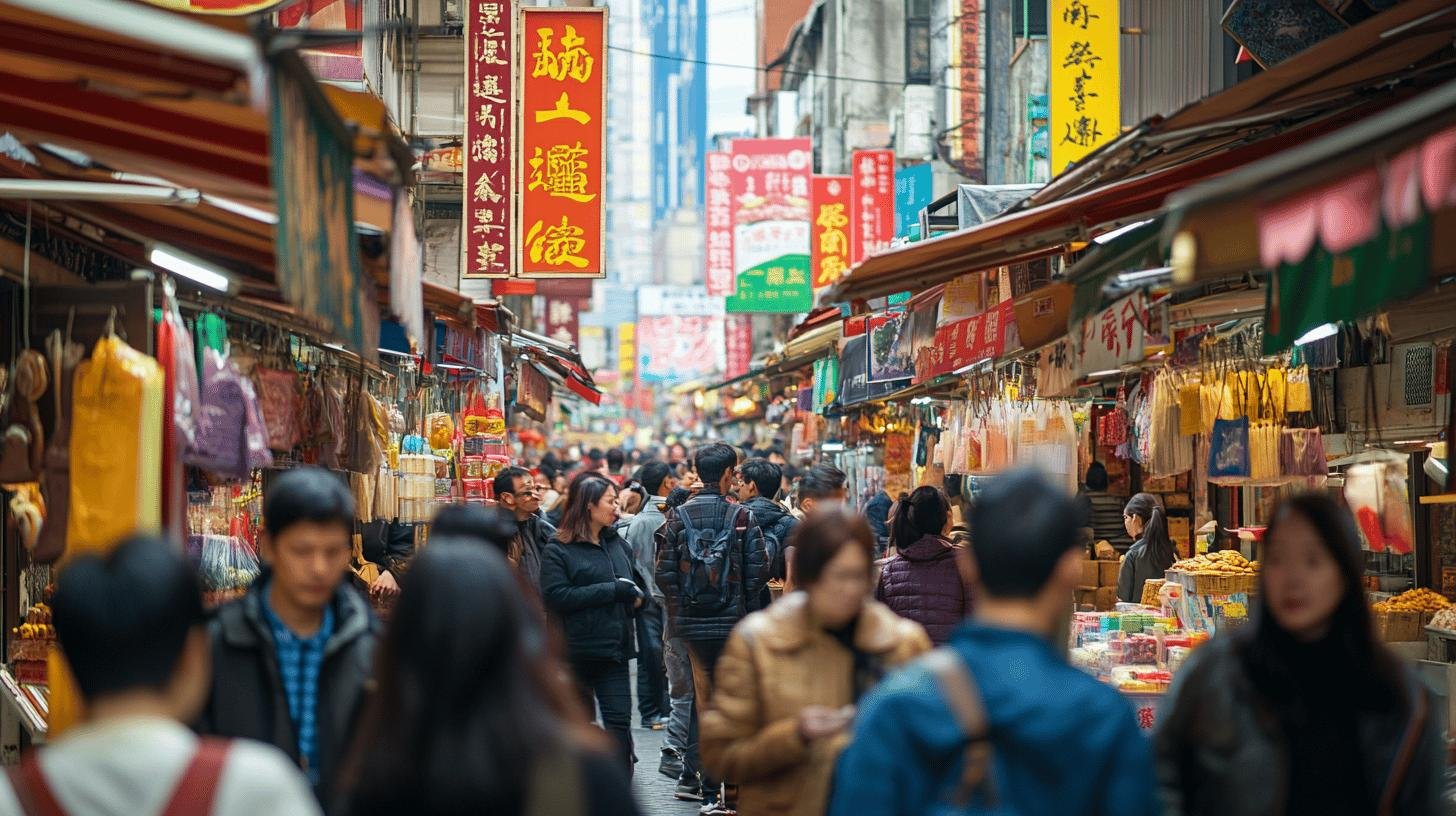
Mandarin Chinese became the official language of Taiwan after 1945, following the Republic of China's retreat to the island post-Chinese Civil War. This change aimed to unify the diverse linguistic groups under a single official language. Mandarin serves as the primary language in education, where it is used as the medium of instruction in schools and universities. In media, Mandarin dominates television, radio, and print, ensuring a cohesive national communication platform. This widespread usage in education and media solidifies its position as a cornerstone of Taiwanese society.
Culturally and historically, Mandarin's dominance in Taiwan is rooted in the political decisions made during the mid-20th century. The influx of mainland Chinese after the Chinese Civil War significantly influenced the linguistic landscape. Mandarin was promoted to create a unified identity amidst Taiwan's diverse ethnic groups, including those speaking Taiwanese Hokkien and Hakka. This strategic choice also aligned Taiwan more closely with the Republic of China's government policies. As a result, Mandarin's prevalence reflects not only a linguistic choice but a cultural and political alignment.
Mandarin is predominantly used in the following sectors:
- Education
- Government
- Media
- Business
- Tourism
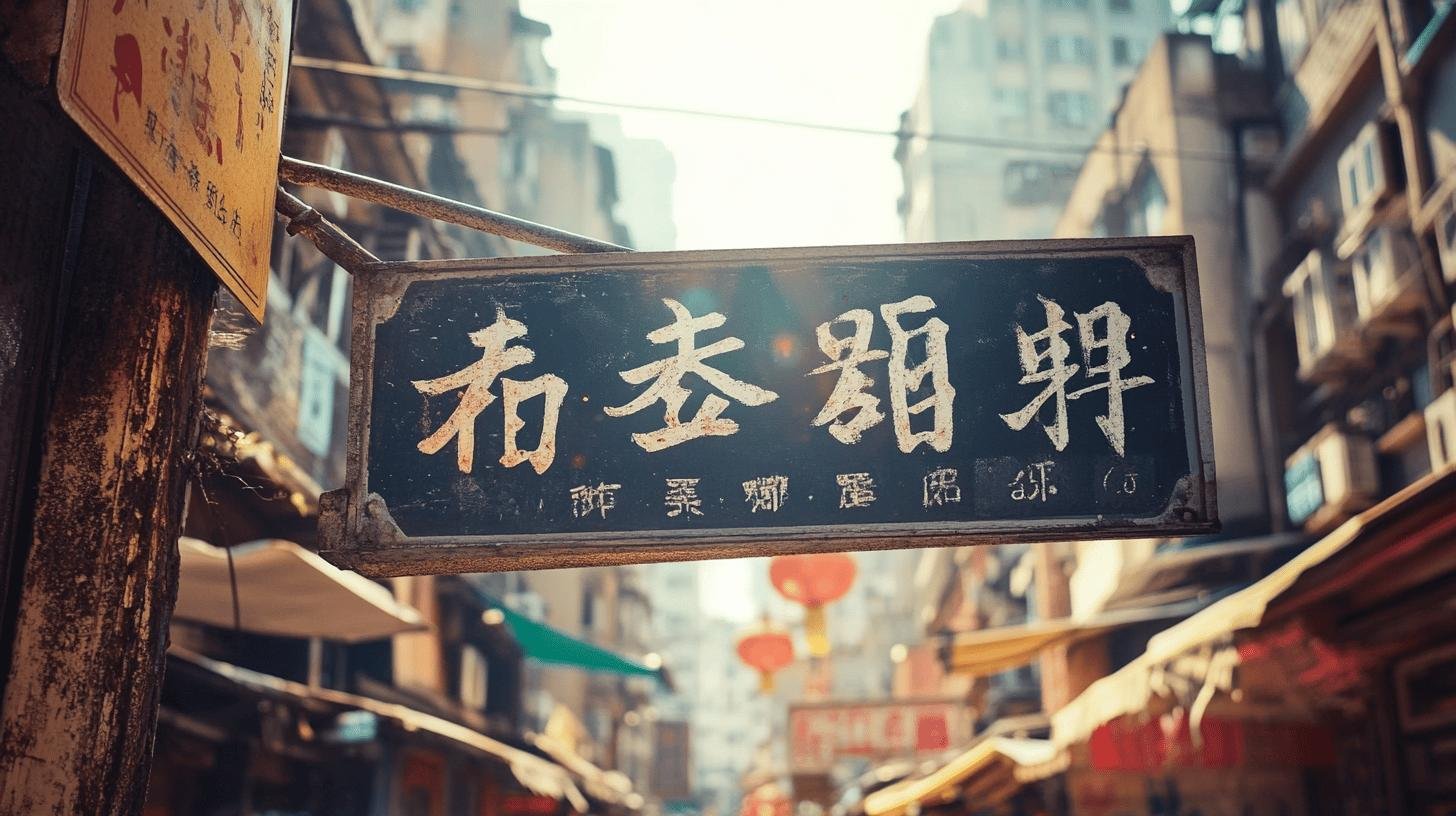
In Taiwan, Mandarin is written using traditional Chinese characters, distinguishing it from the simplified characters used in mainland China. This use of traditional characters preserves a historical and cultural heritage that connects Taiwan to the broader Chinese-speaking world while maintaining a distinct identity. The choice of traditional characters underscores Taiwan's commitment to its cultural roots, even as it navigates its modern identity. This difference is crucial for understanding the unique linguistic identity of Taiwan compared to other Mandarin-speaking regions.
Taiwanese Hokkien: A Cultural Mainstay

Taiwanese Hokkien is spoken by over 70% of Taiwan's population, making it a common language in daily life and informal settings. It thrives in households, marketplaces, and local communities, serving as a primary means of communication for many. Although not an official language, its extensive use among family members and within neighborhoods highlights its role as a vital component of social interaction in Taiwan. This widespread usage underscores its status as a staple in everyday life, contrasting with the more formal application of Mandarin.
Culturally, Taiwanese Hokkien holds significant importance and is deeply embedded in Taiwan's artistic expressions. It features prominently in local media, including television dramas and radio broadcasts, resonating with audiences who appreciate its authenticity and relatability. In literature and music, Hokkien serves as a vehicle for storytelling, preserving traditional narratives and conveying contemporary themes. Its rich body of work in folk songs and operas further exemplifies its influence, offering a unique cultural perspective that enriches Taiwan's diverse heritage.
However, Taiwanese Hokkien faces challenges as Mandarin dominates the official and educational domains. The prioritization of Mandarin in schools and governmental institutions has led to a gradual decline in Hokkien's formal usage. This shift poses a threat to its continued vibrancy, with younger generations less exposed to Hokkien in educational settings. Efforts to preserve its presence are crucial to maintaining its cultural legacy and ensuring that future generations continue to engage with this integral aspect of Taiwan's linguistic and cultural identity.
Preserving the Hakka Language in Taiwan
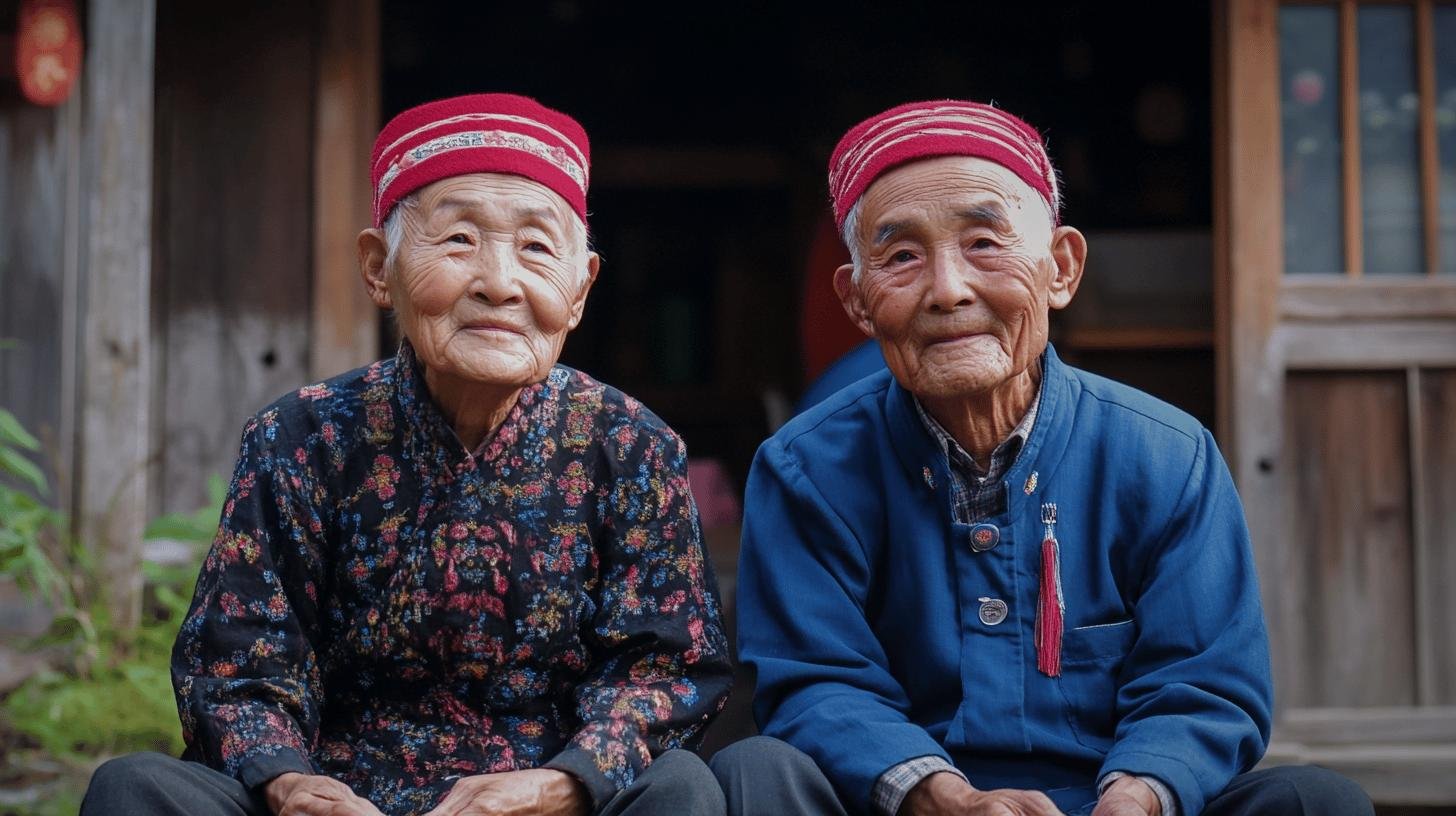
The Hakka language, spoken by about 15% of Taiwan's population, is a vital component of the island's linguistic diversity. Historically, the Hakka people migrated from mainland China, bringing their unique dialect and culture with them. In Taiwan, Hakka has maintained its distinctiveness despite the dominance of Mandarin. However, the language's usage is on the decline as younger generations gravitate towards Mandarin for educational and professional purposes. This shift highlights the challenges facing Hakka, as it struggles to maintain its foothold within Taiwan's rapidly modernizing society.
Efforts to preserve the Hakka language are underway through various cultural practices and community initiatives. These initiatives aim to revitalize the language by integrating it into education, media, and public life. Community organizations are actively promoting Hakka through festivals, language courses, and cultural events that celebrate Hakka heritage. Government support, in the form of funding and policy-making, plays a crucial role in these preservation efforts. By fostering a supportive environment for Hakka, Taiwan underscores its commitment to preserving its native languages and cultural diversity.
| Aspect | Description |
|——————|—————————————————————————–|
| Education | Integration of Hakka into school curricula and language courses |
| Cultural Events | Festivals and events promoting Hakka heritage and community engagement |
| Government Support | Funding and policies aimed at supporting Hakka language preservation efforts |
Indigenous Languages: Voices of Taiwan's Heritage
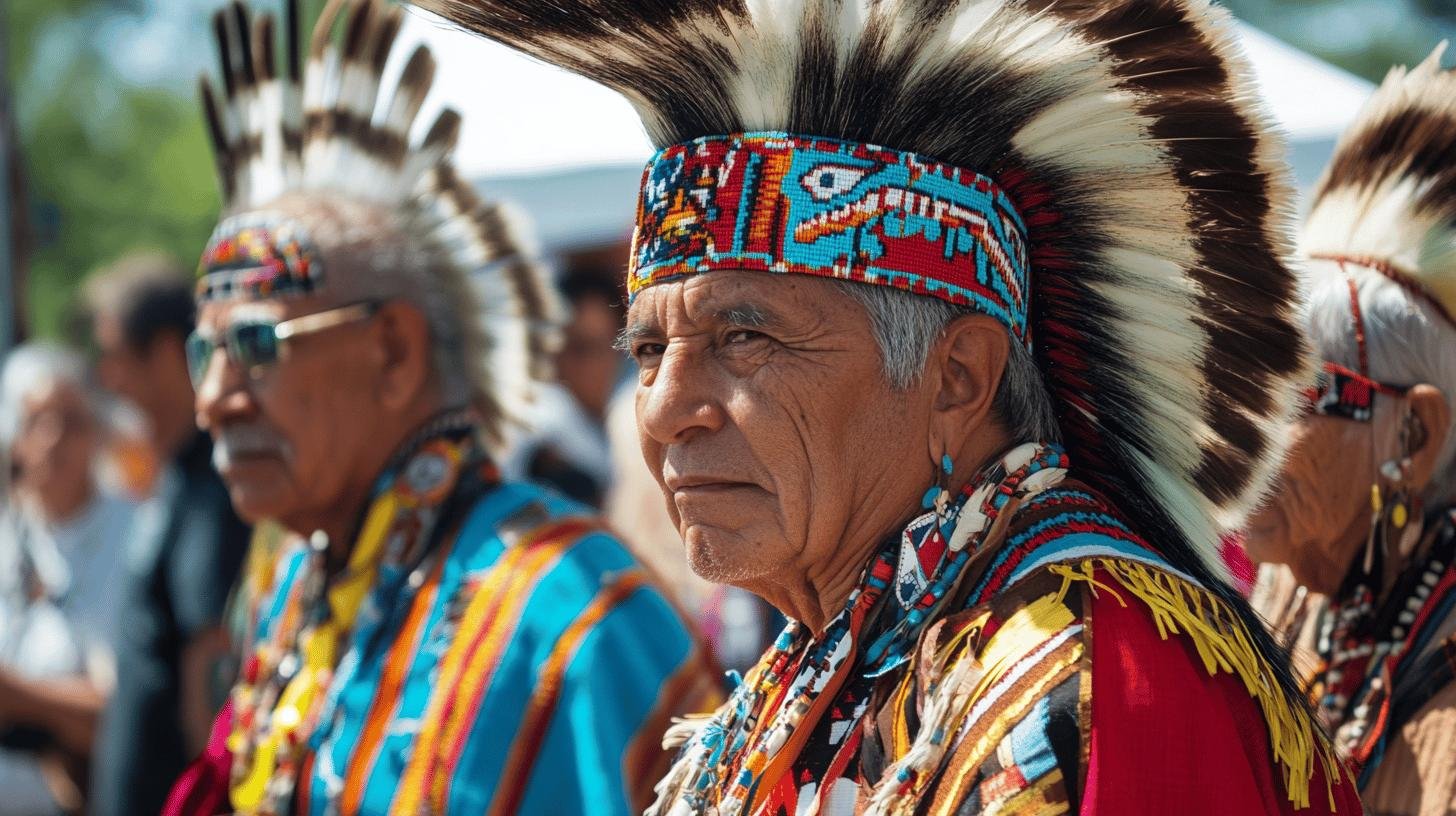
Indigenous languages in Taiwan are spoken by approximately 2.3% of the population, reflecting the rich cultural and ethnic diversity of the island. These languages are integral to the cultural identity and heritage of Taiwan's indigenous communities, each with its own unique linguistic traditions. The recognition and use of indigenous languages contribute significantly to Taiwan's cultural tapestry, offering insights into the island's history and the diverse experiences of its people. They serve as a living testament to the resilience and adaptability of Taiwan's indigenous cultures, preserving ancient traditions and knowledge through oral and written forms.
These languages face significant challenges, primarily the threat of endangerment. The dominance of Mandarin in education and official communication has contributed to the decline in the use of indigenous languages, especially among younger generations who may not learn these languages at home or school. Globalization and urbanization further exacerbate these challenges, as younger members of indigenous communities often migrate to cities, where the use of their native languages diminishes. This situation creates a pressing need for strategies to ensure the survival and revitalization of Taiwan's indigenous linguistic heritage.
- Amis
- Atayal
- Paiwan
- Bunun
- Rukai
- Puyuma
In response to these challenges, both government and community efforts have been mobilized to preserve and revitalize indigenous languages in Taiwan. The government has officially recognized 16 indigenous languages and 42 accents, providing a framework for their preservation and promotion. Educational and cultural programs have been established to encourage the learning and use of these languages among both indigenous and non-indigenous populations. Community initiatives, such as language workshops and cultural festivals, play a crucial role in engaging younger generations and fostering a sense of pride in their linguistic heritage. These combined efforts aim to sustain the vitality of indigenous languages, ensuring they continue to be a vibrant part of Taiwan’s cultural identity.
The Influence of English and Other Foreign Languages

English plays a pivotal role in Taiwan's business, education, and international communication sectors. As the global lingua franca, English proficiency is essential for Taiwanese professionals engaging in international trade and technology exchanges. Educational institutions emphasize English language learning to prepare students for global opportunities and enhance Taiwan's appeal as a hub for international business and investment. This focus on English in education not only supports Taiwan's economic ambitions but also facilitates cultural exchange and understanding on the world stage.
Japanese remains a significant foreign language in Taiwan, deeply rooted in the island's historical context. During the Japanese occupation from 1895 to 1945, Japanese was the official language, a legacy that endures today, particularly among older generations. It continues to influence sectors such as tourism and business, with many Taiwanese fluent in Japanese. The language is also popular among younger generations, who often learn it for cultural appreciation and career advancement, reflecting its ongoing relevance in Taiwanese society.
In addition to English and Japanese, Taiwan's linguistic landscape incorporates languages from Southeast Asia, reflecting the island's growing multiculturalism. The influx of immigrants from countries such as Vietnam, Indonesia, and the Philippines has introduced new languages and cultural influences. This diversity enriches Taiwan's cultural fabric, fostering a more inclusive society that embraces various linguistic and cultural identities. These languages, while not as dominant as English or Japanese, contribute to Taiwan's dynamic and evolving cultural landscape.
Language Education and Media in Taiwan
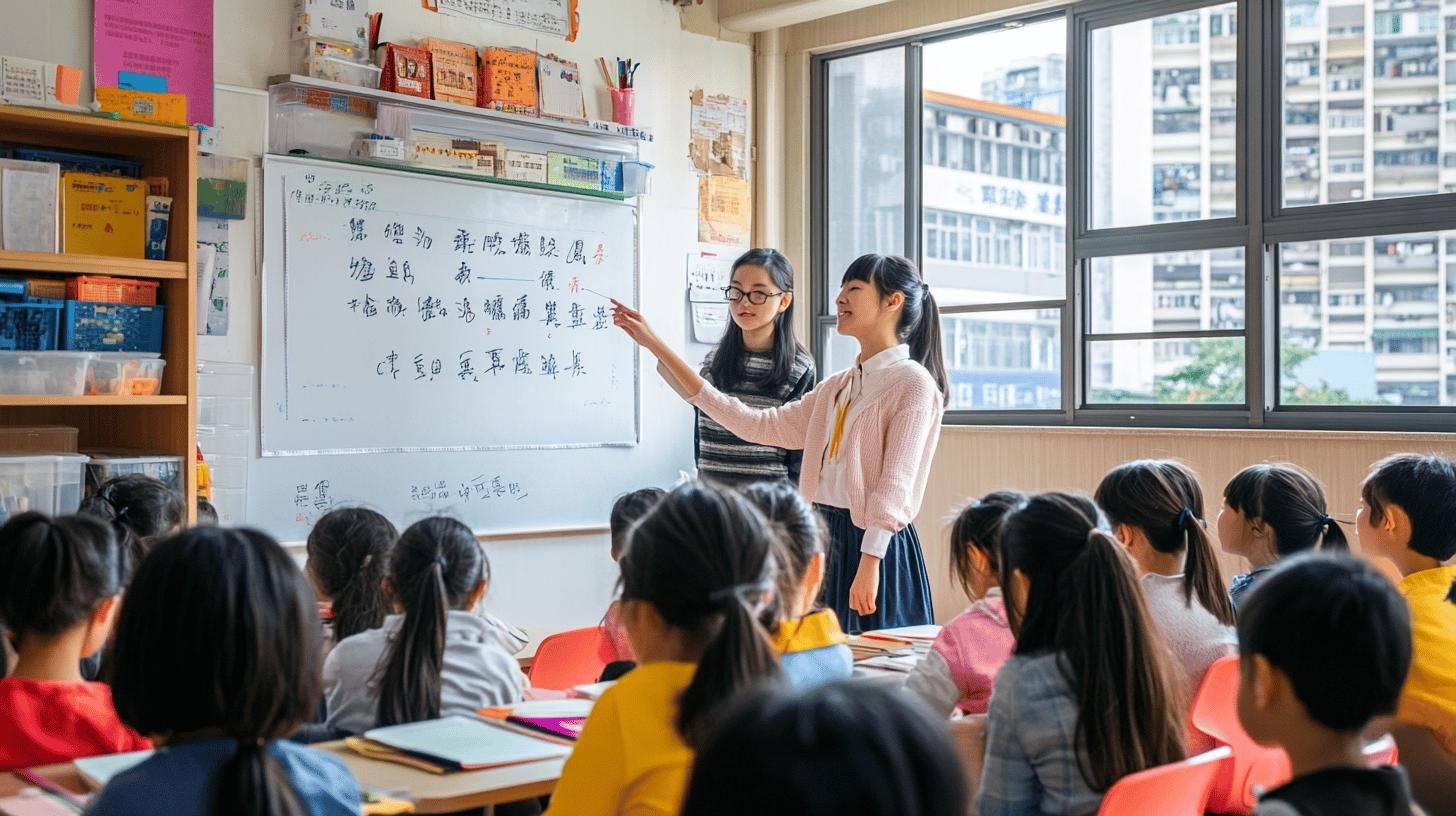
Taiwan's language education policies prioritize Mandarin, reflecting its status as the official language and its extensive use in governmental and educational institutions. Mandarin serves as the primary medium of instruction across schools and universities, ensuring uniformity in communication and education. However, there is a growing emphasis on English proficiency due to its global significance. Educational reforms have increasingly integrated English language learning into curricula to better equip students for international participation. This dual focus on Mandarin and English highlights the strategic importance of these languages in Taiwan's educational landscape, preparing students for both local and global opportunities.
Media in Taiwan showcases the island's linguistic diversity, albeit with a strong dominance of Mandarin across various platforms such as television, radio, and print. Mandarin's prevalence in these media formats ensures wide accessibility and comprehension among the population. Nonetheless, local languages, including Taiwanese Hokkien and Hakka, also find representation in media content, catering to audiences who value cultural and linguistic heritage. This diversity in media reflects Taiwan's commitment to preserving its linguistic culture while embracing the practicalities of Mandarin's widespread use.
- Public Television Service
- Formosa TV
- Taiwan Indigenous Television
- Hakka TV
Ongoing educational reforms in Taiwan continue to impact language use and learning. These reforms aim to balance the preservation of local languages with the need to enhance English proficiency. By incorporating more comprehensive language programs, schools are addressing the challenges of maintaining linguistic diversity amidst globalization. Such initiatives ensure that students not only achieve fluency in Mandarin and English but also gain exposure to Taiwan's rich linguistic heritage. These efforts are crucial in fostering a multilingual population capable of navigating both Taiwan's cultural landscape and international environments.
Taiwan's Linguistic Future: Challenges and Opportunities
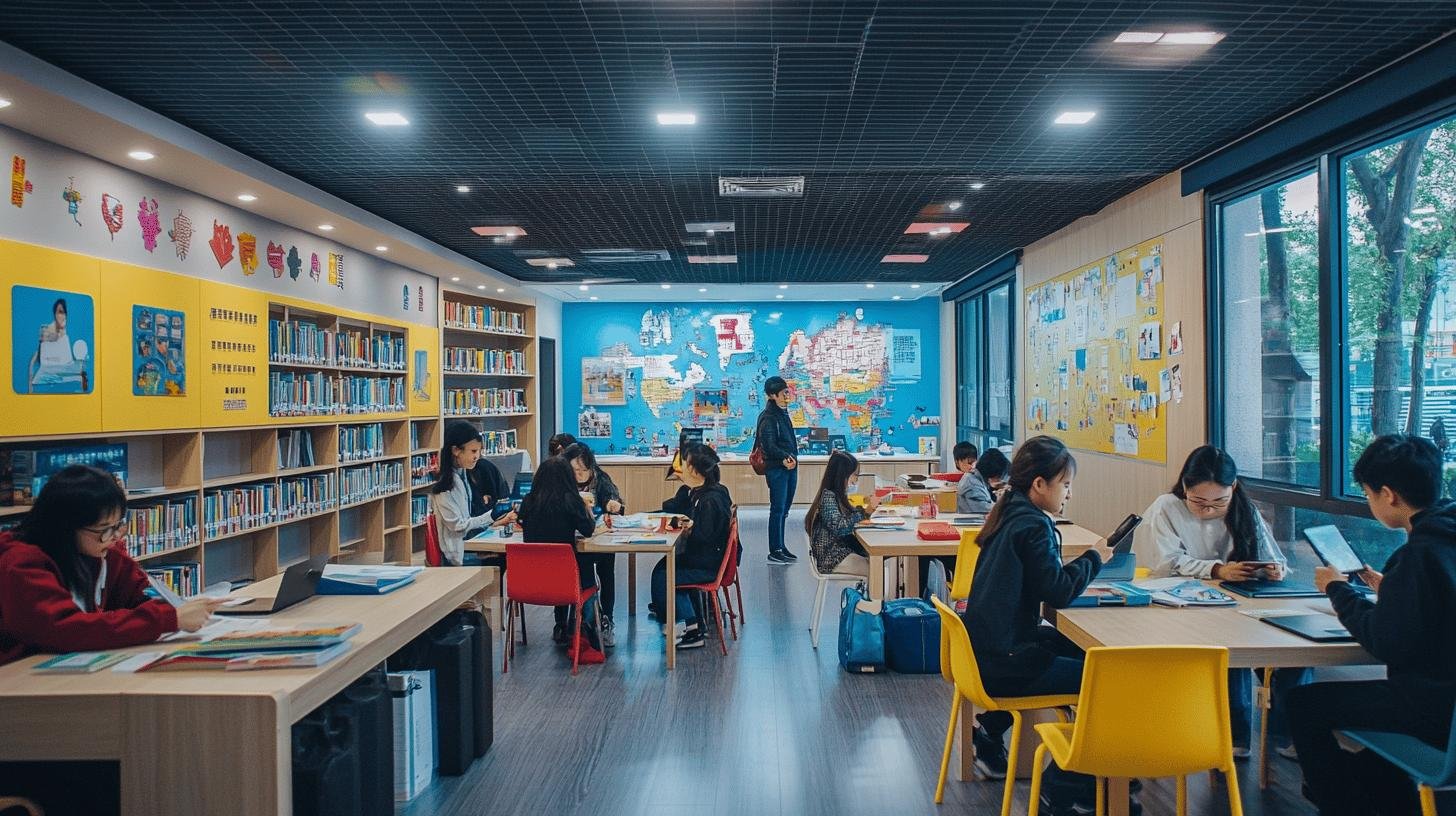
The future of Taiwan's linguistic landscape faces significant challenges, particularly in preserving minority languages against the backdrop of globalization. How are minority languages in Taiwan being threatened? The increasing dominance of Mandarin in official and educational settings is leading to the gradual decline of indigenous and minority languages. These languages are at risk as younger generations prioritize Mandarin and English for their practical benefits in education and career prospects. This trend threatens the rich cultural heritage embedded in Taiwan's diverse linguistic history, making preservation efforts more crucial than ever.
Opportunities arise through the integration of language technology and education reforms. How can technology aid in language preservation? Digital resources, such as online dictionaries and language learning apps, offer innovative ways to document and teach minority languages, making them accessible to a broader audience. Education reforms are also pivotal, incorporating multilingual curricula that include indigenous languages alongside Mandarin and English. These initiatives help to foster a more inclusive educational environment, encouraging the next generation to appreciate and engage with Taiwan's linguistic diversity.
- Digital language resources
- Community language workshops
- Government support programs
- Language exchange initiatives
- Technology-enhanced learning
Multilingualism will play a critical role in shaping Taiwan's future, offering both cultural and economic advantages. How does multilingualism benefit Taiwan? By promoting language diversity, Taiwan can strengthen its cultural identity and enhance its international competitiveness. Multilingual citizens are better equipped to participate in global markets and cultural exchanges, positioning Taiwan as a dynamic hub for innovation and collaboration. This linguistic richness not only preserves cultural heritage but also paves the way for a more interconnected and prosperous future.
In conclusion, the linguistic landscape of Taiwan is richly diverse, with the Mandarin language playing a central role. As the primary medium of communication for education, government, and media, Mandarin's predominance stems from historical factors following World War II. Taiwan also prides itself on preserving a wide array of languages, including Taiwanese Hokkien, Hakka, and indigenous dialects, each contributing to its unique cultural identity.
While Mandarin continues to dominate, initiatives for language preservation reflect Taiwan's commitment to celebrating its multicultural heritage. Efforts in education and media reflect this dynamic diversity, ensuring Taiwanese citizens can engage with their cultural roots while adapting to global trends. The interplay of traditional and modern language practices in Taiwan fosters a living tapestry of communication that acknowledges the past while embracing the future.
Taiwan's approach to multilingualism underscores the importance of balancing modernization with cultural preservation. As the country navigates global influences, it enriches its cultural narrative through language, ensuring a vibrant, inclusive community that celebrates its linguistic heritage.
FAQ
What are the top three languages spoken in Taiwan?
Mandarin Chinese, Taiwanese Hokkien, and Hakka are the top three languages spoken in Taiwan. Mandarin serves official functions, while Hokkien and Hakka hold cultural significance and are used in informal settings.
Is Mandarin or Cantonese spoken in Taiwan?
Mandarin is primarily spoken in Taiwan, functioning as the official language and used in education, government, and media. Cantonese is rarely used in Taiwan, with no significant presence in official contexts.
How many languages are spoken in Taiwan?
Taiwan is home to several languages, including Mandarin, Taiwanese Hokkien, Hakka, and more than 16 recognized indigenous languages.
Is there an official English language status in Taiwan?
English is not an official language in Taiwan. However, it is increasingly important for international communication, tourism, and business sectors.
How is the Mandarin language distinct in Taiwan?
In Taiwan, Mandarin is written using traditional Chinese characters, whereas simplified characters are used in mainland China. This contributes to cultural uniqueness and identity.
What role does the Taiwanese Hokkien language play?
Taiwanese Hokkien, spoken by over 70% of the population, is significant in informal settings and culture, reflected in local media, literature, and music.
How are indigenous languages preserved in Taiwan?
Efforts to preserve Taiwan's indigenous languages include educational programs and cultural initiatives. The government recognizes 16 indigenous languages, supporting their continuation.
Is it acceptable to wear red in Taiwan?
Wearing red in Taiwan is acceptable and often associated with good luck and celebrations such as weddings and festivals.
Is homosexuality accepted in Taiwan?
Taiwan is widely regarded as progressive regarding LGBTQ+ rights, being the first in Asia to legalize same-sex marriage, reflecting societal acceptance.

Grab a Free Taiwan Sticker!
Drop your email and we’ll send you a limited-edition Taiwan sticker — plus insider access to new merch drops and island vibes.
No spam. Unsubscribe anytime.