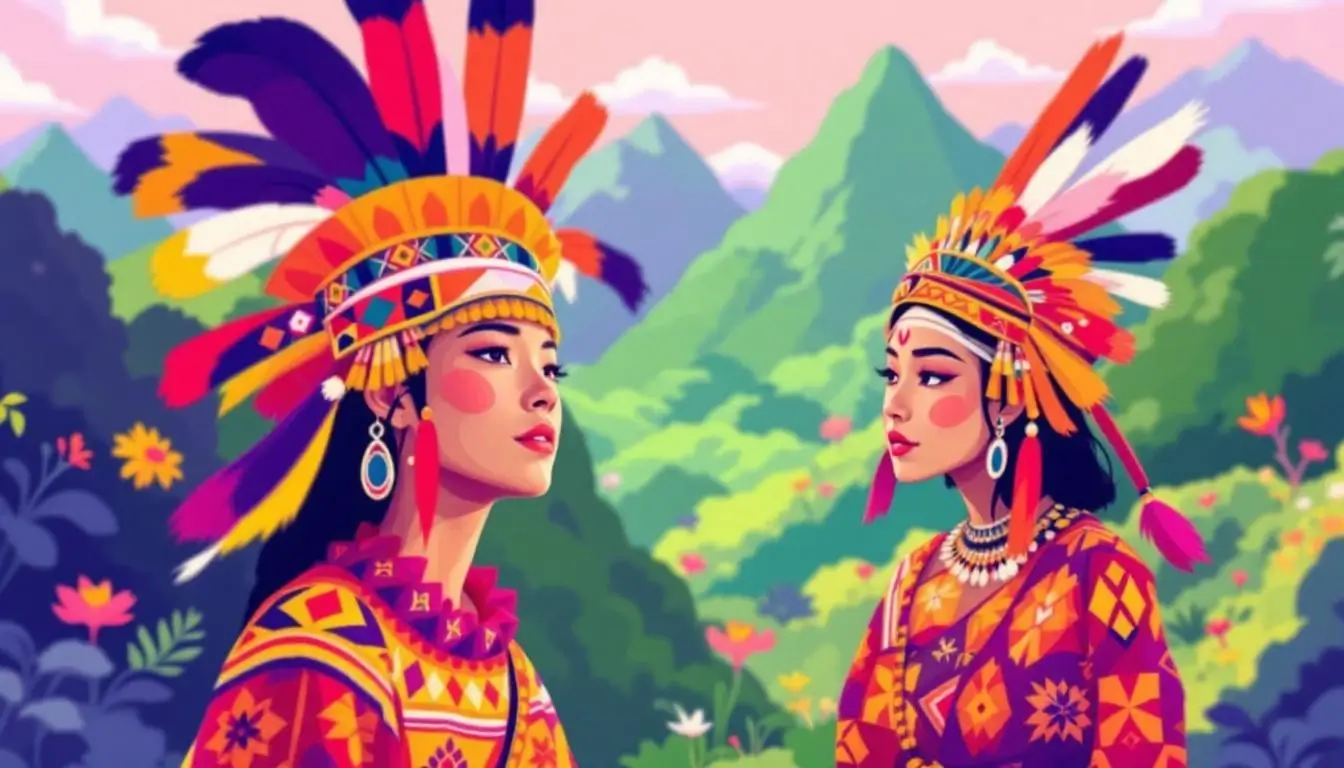
Taiwan Indigenous Peoples: 16 Tribes That Have Called This Island Home for 6,000 Years
Long before the Dutch, the Spanish, or any Chinese dynasty ever set foot on Taiwan, the island’s mountains and coastlines were already home to some of the most culturally rich communities in all of Asia. Taiwan’s indigenous peoples — officially recognized as 16 distinct tribes — are the original Austronesian settlers whose ancestors arrived over 6,000 years ago.
And here’s the mind-blowing part: linguists believe Taiwan may be the origin point of all Austronesian languages, a language family that stretches from Madagascar to Hawaii. That means this tiny island potentially launched the greatest maritime migration in human history.
The 16 Recognized Tribes
Taiwan officially recognizes 16 indigenous tribes, each with distinct languages, customs, and art traditions. The largest groups include the Amis (the biggest tribe, famous for their harvest festival), the Atayal (known for facial tattoos and weaving), the Paiwan (renowned for their glass bead and woodcarving artistry), and the Bunun (famous for their mesmerizing eight-part polyphonic singing — yes, eight parts).
Smaller tribes like the Thao (fewer than 800 people, living around Sun Moon Lake) and the Sakizaya (only re-recognized in 2007 after hiding their identity for over a century) have equally fascinating stories of resilience and cultural preservation.
Where to Experience Indigenous Culture
If you’re planning a trip to Taiwan, indigenous culture is woven into the landscape. Hualien and Taitung on the east coast are heartlands of the Amis and Paiwan peoples. The mountain areas around Alishan and Wulai offer Tsou and Atayal cultural experiences. And every August, the Amis Harvest Festival (豐年祭) in Hualien draws thousands of visitors to experience traditional song, dance, and feasting.
For something truly unforgettable, seek out a Bunun Pasibutbut performance — their polyphonic chant was so extraordinary that a 1943 recording sent to UNESCO shocked ethnomusicologists who couldn’t believe a “primitive” tribe had independently developed such complex vocal harmony.
Indigenous Art and Textiles
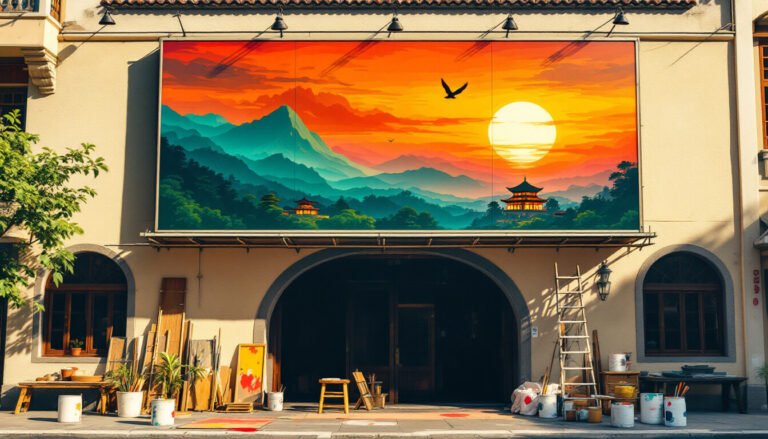
Taiwan’s indigenous art is absolutely stunning. Atayal weaving features intricate geometric diamond patterns in bold reds, whites, and blacks. Paiwan glasswork produces tiny, luminous beads in colors that carry specific social meanings — certain patterns can only be worn by chiefs or nobility. Rukai and Paiwan woodcarvings of the hundred-pacer snake (百步蛇) are iconic symbols you’ll see throughout Taiwanese culture.
These artistic traditions are experiencing a renaissance as younger indigenous Taiwanese blend ancestral techniques with contemporary design — showing up in everything from fashion runways to modern Taiwan streetwear.
Why This Matters
Taiwan’s indigenous peoples represent roughly 2.5% of the island’s population, but their cultural footprint is enormous. From place names (many Taiwanese city names have indigenous origins) to the island’s growing pride in its Austronesian heritage, indigenous culture is increasingly celebrated as a defining part of what makes Taiwan unique.
Next time you see Taiwan’s vibrant textiles, hear its mountain songs, or taste millet wine at a festival — you’re experiencing traditions that are older than most civilizations on Earth. And that’s pretty incredible.
Want to celebrate Taiwan’s cultural diversity? Browse our Taiwan-themed collection for designs inspired by the island’s incredible heritage.

Grab a Free Taiwan Sticker!
Drop your email and we’ll send you a limited-edition Taiwan sticker — plus insider access to new merch drops and island vibes.
No spam. Unsubscribe anytime.