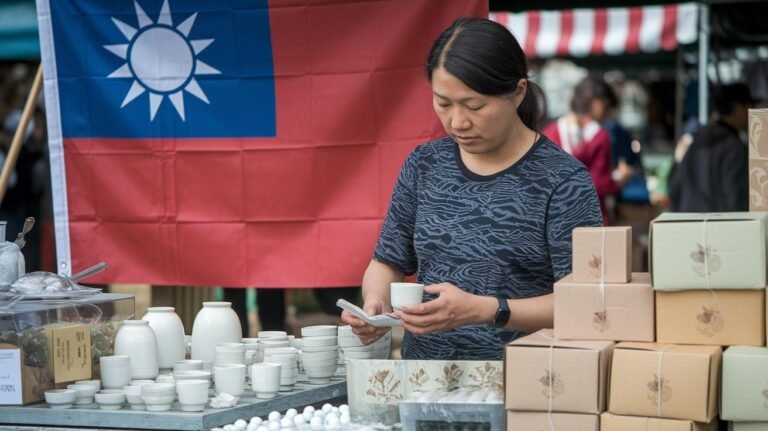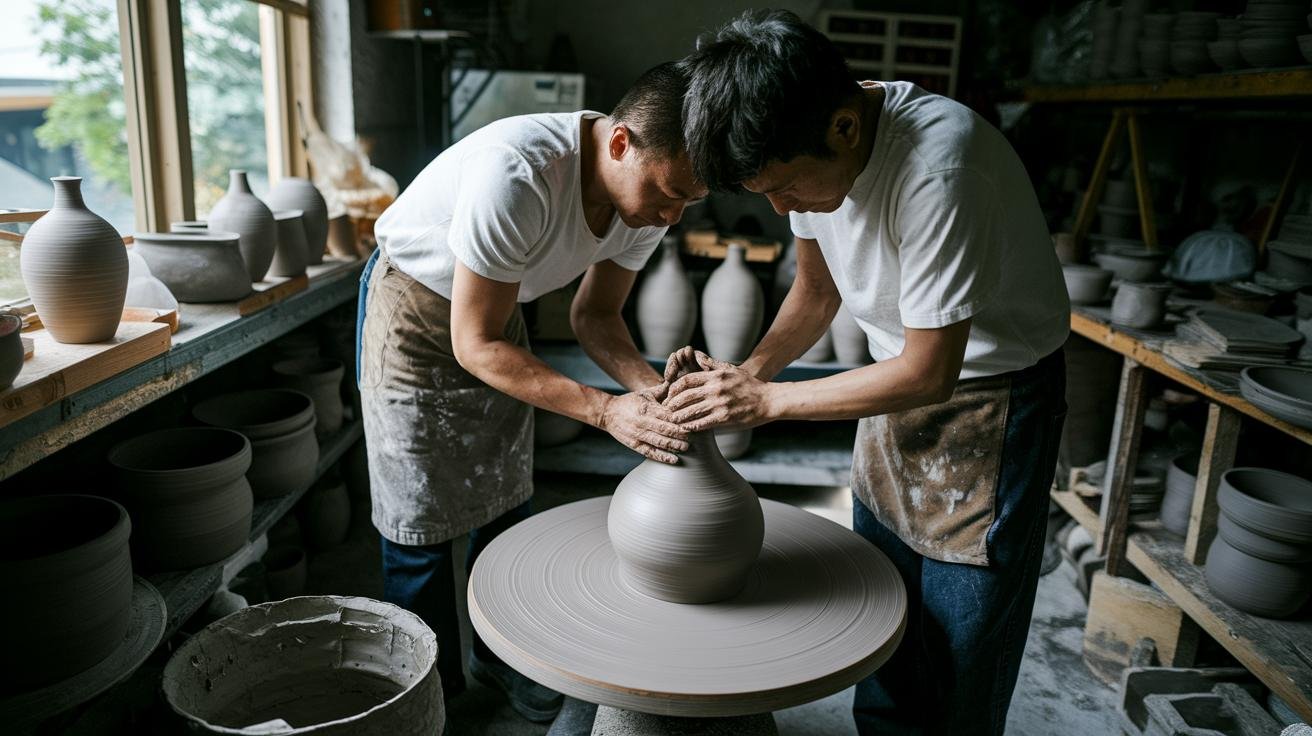
Taiwan Artisan Cooperatives Inspire Local Prosperity
Think handcrafts are just cute souvenirs? Turns out they can raise household income by as much as 30%, you know? That’s real money for families, not just a pretty keepsake.
In Taiwan, artisan cooperatives bring makers together so traditional skills don’t fade away. Co-ops are member-run groups that share tools, split costs, and sell together. They trade tips over steaming cups of tea, teach apprentices, and keep the work moving forward.
You can feel it in the goods: the rough, satisfying weave of handwoven textiles, the cool weight of pottery that warms like a morning tea shop in Tainan (Tainan is a southern city famous for its tea houses). These pieces carry smell, touch, and story, the sizzle of a night market, the mist rolling off Sun Moon Lake, so buying one supports culture and craft.
The cool part? Co-ops help artisans set prices, reach buyers, and keep more profit where it belongs, with their families. In short, Taiwan artisan cooperatives preserve craft, boost local prosperity, and give makers real control over their markets. Pretty nice, right?
Taiwan Artisan Cooperatives Inspire Local Prosperity
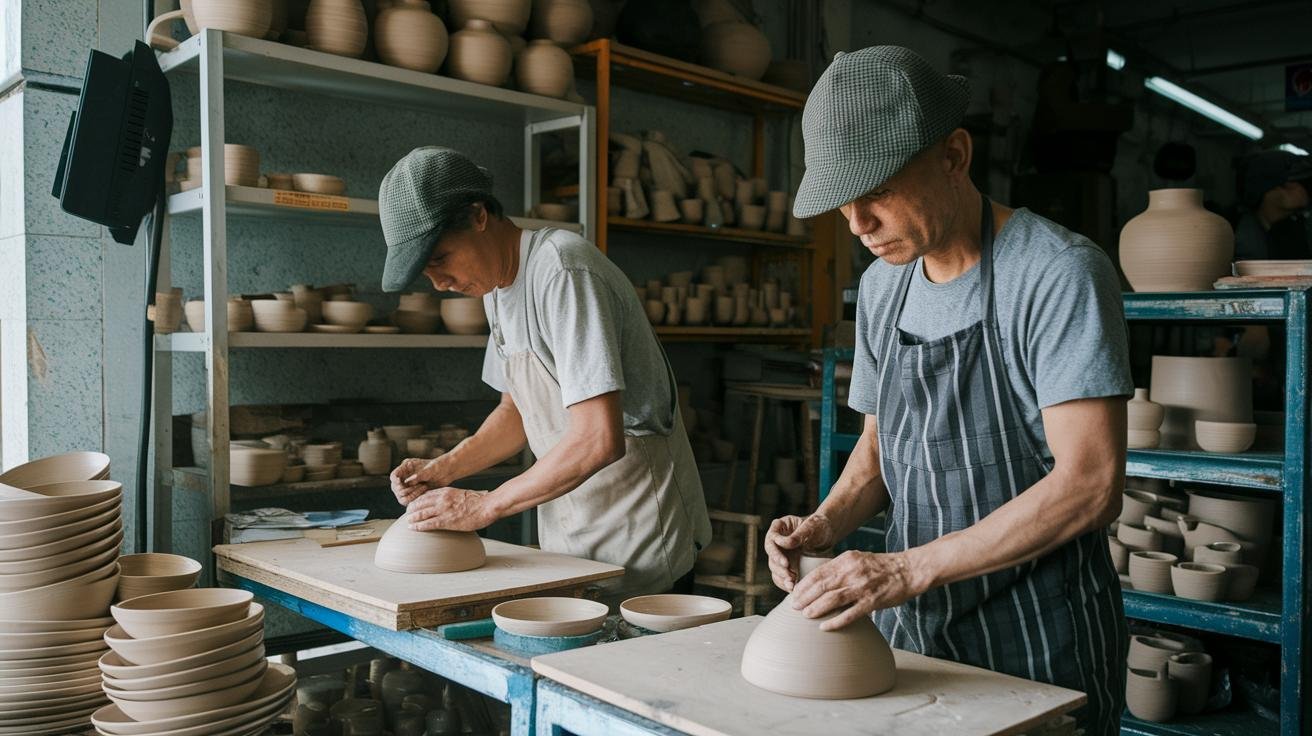
Taiwan artisan cooperatives bring makers together so traditional crafts stick around and families earn more. They’re small groups of active artisans who meet quality standards, show up for meetings and training, and share tools and know-how. It feels like a neighborhood studio where people trade tips over tea, you know?
You’ll find handwoven textiles with rough, satisfying weaves, ceramics with a cool glaze that warms your hands like a morning tea shop in Tainan, and jewelry that tinkles when you move. There’s also indigenous art (work by Taiwan’s Indigenous peoples, like Amis and Paiwan) made in small batches, each piece carrying a quiet story and local care.
Membership usually means you’re an active craftsperson, you submit a portfolio, and you may go through a probation period. Many co-ops use one-member, one-vote governance so everyone gets a say. That community voice helps keep standards high and traditions alive through apprenticeships and community workshops.
Co-ops are common in Nantou, Hualien, Taitung, and Taipei, and many share studios where visitors can watch the sizzle of street snacks and the neon glow of Taipei’s night market in the distance. Co-op activity can raise household incomes by 15 to 30 percent, which is a big deal for families who depend on craft work.
They team up with designers, museums, and tourism groups so co-op shops, markets, and shows actually reach buyers. Some collectives pool marketing, export help, and tools to sell more, online or at festivals. Next, you can buy directly from co-op shops, markets, or online listings from craft cooperatives in Taiwan.
- Mission and cultural preservation – Keep crafts living through apprenticeships, community workshops, and hands-on teaching so skills get passed down.
- Membership requirements and governance – Taiwan artisan cooperatives usually require active practice, a portfolio, a short probation, and follow a one-member, one-vote rule.
- Core handcrafted product categories – Textiles, ceramics, jewelry, woodwork, and indigenous art (see note above), all made in small batches with local materials.
- Key cooperative regions in Taiwan – Nantou, Hualien, Taitung, Taipei; many co-ops share studios and offer visitor experiences.
- Collaboration and purchasing avenues – Partner with designers, cultural institutions, and tourism groups; buy at co-op shops, markets, shows, or online via craft cooperative listings.
If you ever stroll into a co-op studio and smell fresh clay and hear tools tapping, you’ll get why this matters. It’s about keeping stories in the hands that make them.
Historical Evolution of Taiwan Artisan Cooperatives
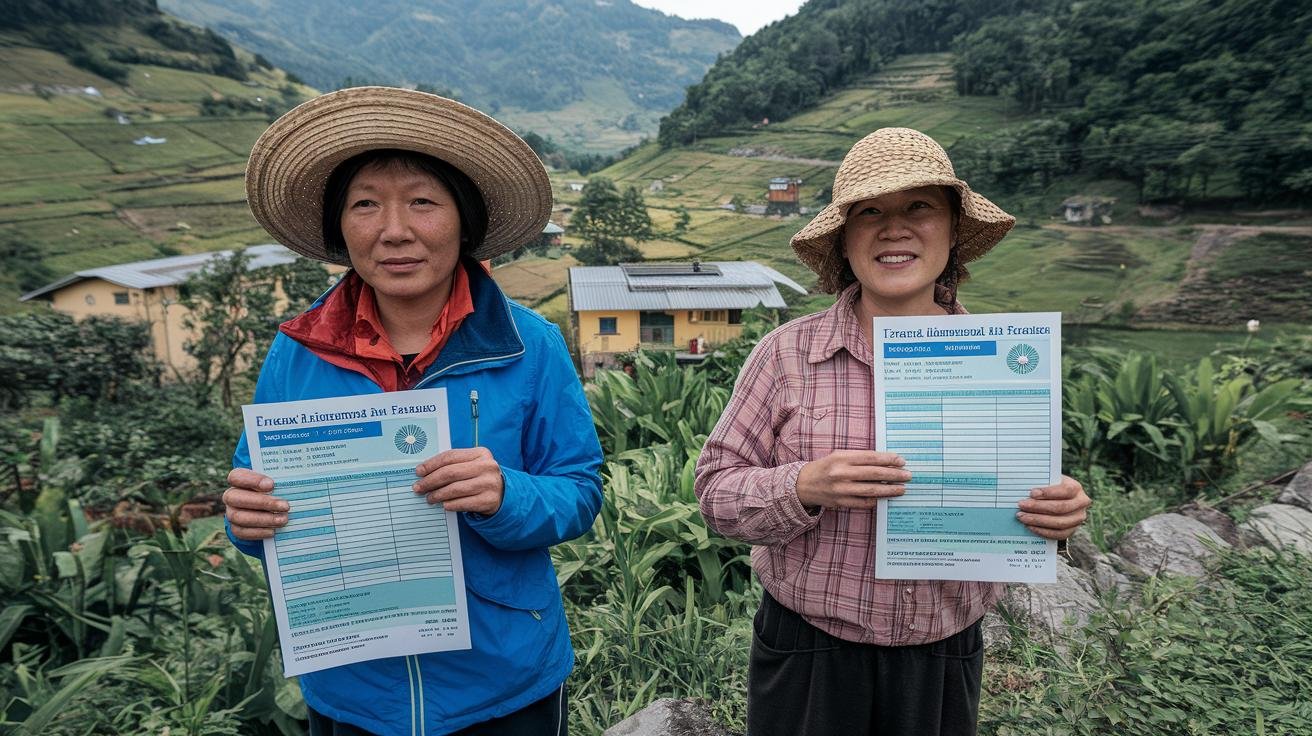
It started to feel different after the 2014 social innovation action plan, when the government began offering co-op grants and hands-on support for small makers. Co-ops (cooperatives) began to form more clearly, especially in rural villages where elders passed on weaving and pottery skills. You could hear the rhythm of looms, smell the warm clay from shared kilns, and see kids stick around to learn. Really, there was more steady work and a quieter confidence in local craft scenes.
From 2018–2022 and then 2023–2026, follow-up funding built on that first push with multi-year support, training programs, and clearer legal rules tied to the UN SDGs (United Nations Sustainable Development Goals). Law updates standardized profit sharing, member rights, and simple governance so co-ops could open bank accounts, apply for grants, and sign export contracts without guesswork. For makers who juggle tiny-batch craft and seasonal orders, that kind of predictable policy support was a huge help. Big deal.
NGOs and incubators filled the practical gaps, marketing help, quality checks, impact reporting, you name it. Impact Hub Taipei (a Taipei-based incubator) incubated more than 180 teams and reached over 400,000 people with mentorship and verification tools, giving sustainable craft networks a shot at buyers beyond local night markets. Microfinance pilots, photo studios for e-commerce, and peer mentoring helped hopeful collectives become organized groups that can sell, train, and keep traditions alive. One kiln, one woven basket at a time.
Governance and Membership Structure of Taiwan Artisan Cooperatives
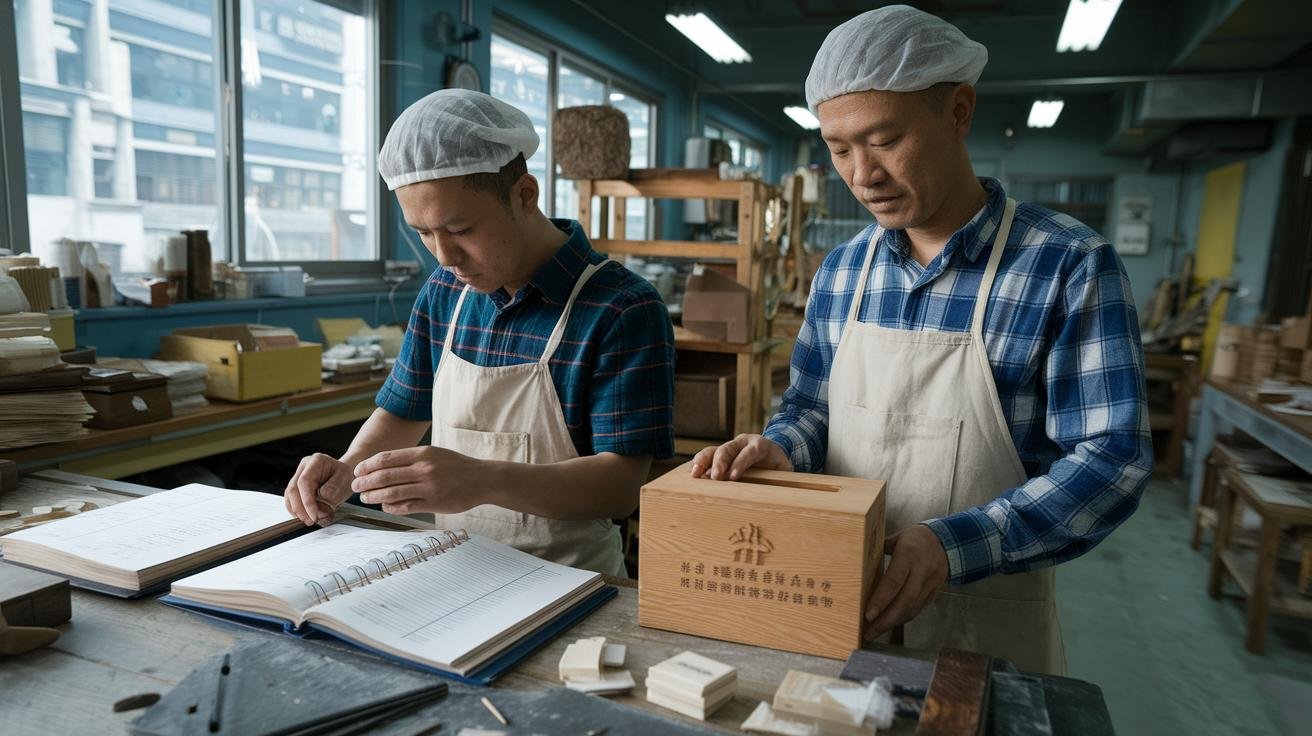
Co-ops are run by the people who make the work. Meetings, votes, and shared decisions keep things simple and open, you know? It’s a hands-on, neighborly way to keep quality steady and money flowing back into the community, like the neon glow of a Taipei night market helping every stall stay busy.
Democratic Governance Framework
One-member, one-vote is the baseline. Every artisan gets the same voice at the annual general meeting where boards and committees are chosen. Committees usually cover production, marketing, and finance, and they meet monthly so choices don’t pile up.
Quorums are clear and simple, often just a majority, so decisions reflect the group, not a few loud voices. Financial transparency gets a lot of attention: shared ledgers, routine cash-flow reports, and budgets members review together. Some co-ops bring in outside auditors when they chase fair trade certification, since that needs traceable pay and safe working records.
There are plain recall rules if a board member isn’t pulling their weight, and bylaws are written plainly to explain how profits get split or reinvested. No mystery. Just clear steps and shared trust.
Member Qualifications and Benefits
To join, artisans usually submit a portfolio, show their craft skills, and do a short probation or shadowing period. Members agree to quality benchmarks and attend regular trainings, think glazing techniques, taking good photos for listings, or basic bookkeeping. Apprenticeships pair elders with newcomers so craft knowledge keeps moving on. I once watched an elder teach a tiny knotting trick that saved so much time, magic, honestly.
Benefits are practical. You get access to shared tools and studio space, pooled marketing and shipping, and sometimes group insurance or microloans. Members also earn a slice of cooperative profits and can tap into markets that value fair trade, which often means better prices. Fair trade helps, but it usually means extra record-keeping and occasional audits, members pitch in for that, too.
Picking your co-op is a bit like choosing a bubble tea flavor, start with the vibe, then check the mix of support, training, and market access. Next, see if the cooperative feels like a place where your craft belongs.
Taiwan Artisan Cooperatives Inspire Local Prosperity
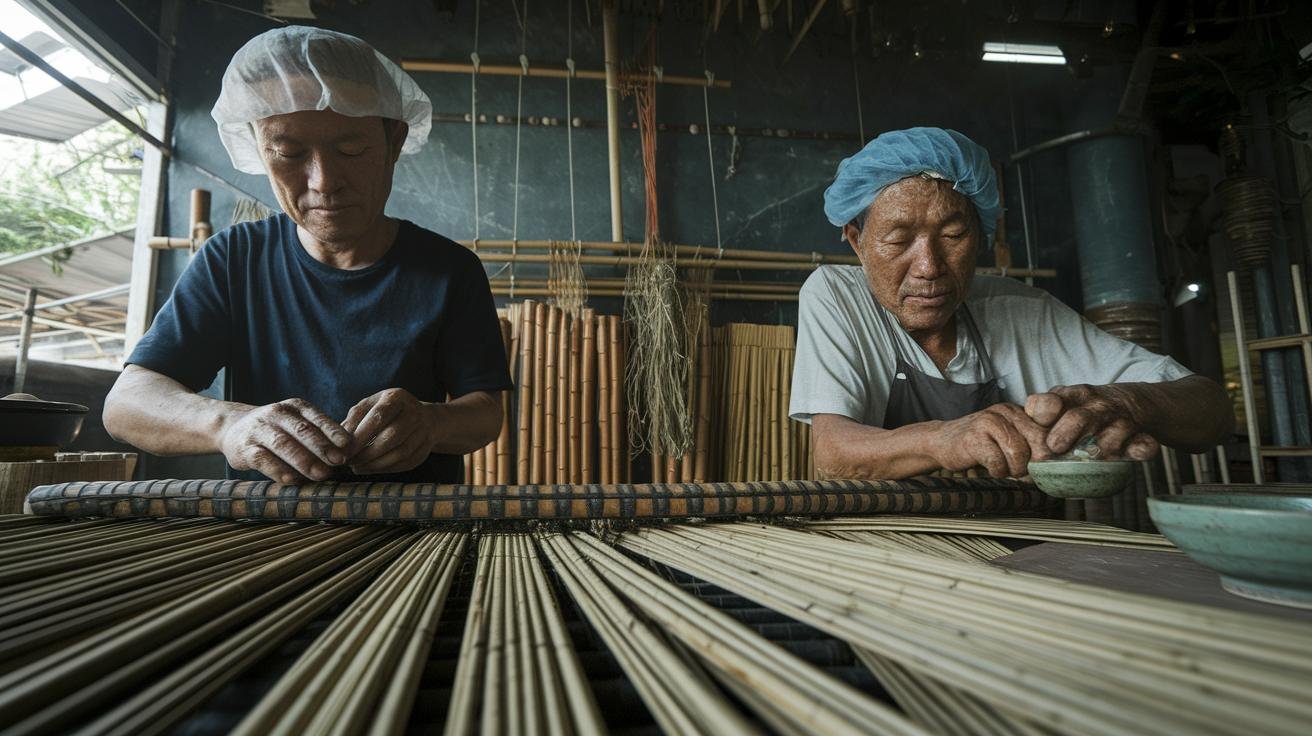
Here are four stories of small craft groups turning hands-on skills into steady income and useful local services. You can almost hear the clack of looms and the soft thud of a potter’s wheel, you know? These are real social enterprises that help neighborhoods thrive.
Read the full case studies: case studies of taiwan artisan cooperatives
Nantou Artisans mixed bamboo weaving with pottery to boost retail sales by about 40% over five years. Nantou (a mountain county in central Taiwan) saw most pieces sell between NTD 500 and 3,000 (NTD = New Taiwan Dollar), so small sales added up fast.
Hualien Pottery Collective opened studio workshops near Taroko Gorge (a famous marble canyon on Taiwan’s east coast), trained 120 new potters, and grew revenue by 35%. Imagine clay dust in the air and the river echoing outside the studio, craft and place working together.
Story Wear is a women-led label in Taipei (the capital) that cut textile waste by 20% in two years by reusing scraps and rethinking patterns. It’s like choosing bubble tea toppings, start with the base fabric, then pick the fun add-ins that don’t go to waste.
Monster BioTech in Kaohsiung (a southern port city) processes roughly 50 tons of food waste a month into organic compost and bio-inputs. Craft meets circular economy in a very practical way, farmers get better soil, co-ops get another income stream.
What ties these groups together? Training, shared equipment, modest loans, and a focus on community. Microfinance and shared tools let co-ops scale without losing local control. Picture elders teaching glaze tricks over tea while younger members take product photos for an online shop, tradition and tech side by side.
These examples aren’t just good stories; they show measurable community impact. Household incomes go up, markets get wider, and skills stay alive. If you’re thinking about starting a co-op, this mix of training, local partnerships, and small loans is a pretty clear roadmap.
| Cooperative | Region | Products | Impact |
|---|---|---|---|
| Nantou Artisans | Nantou (central mountain county) | Bamboo weaving, pottery | 40% sales increase; NTD 500–3,000 price range (NTD = New Taiwan Dollar) |
| Hualien Pottery Collective | Hualien (east coast) | Ceramics | 35% revenue growth; 120 artisans trained; workshops near Taroko Gorge |
| Story Wear | Taipei (capital city) | Zero-waste fashion | 20% waste reduction over two years |
| Monster BioTech | Kaohsiung (southern port city) | Organic compost from food waste | ~50 tons processed per month |
Artisan Product Offerings and Creative Techniques within Taiwan Cooperatives
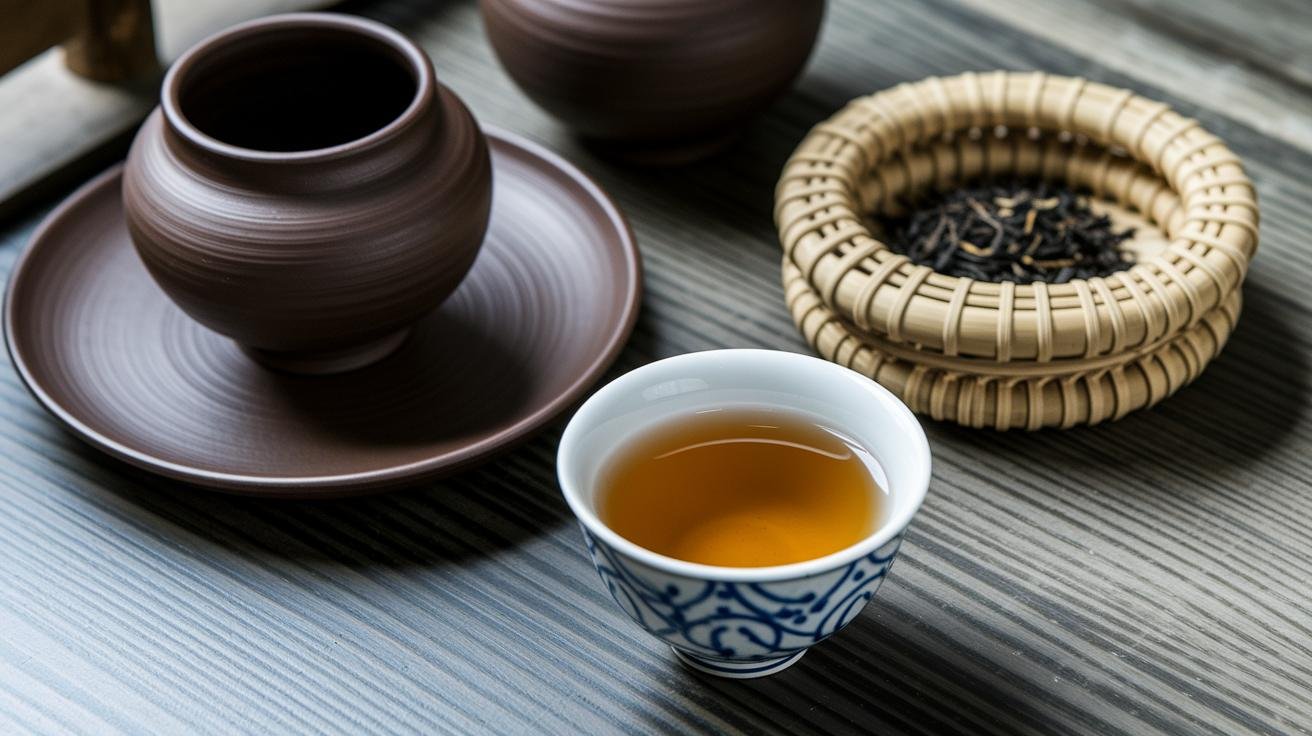
Taiwan’s local craft scene is full of things you can actually touch and use every day. Think Hualien pottery workshops (Hualien is on Taiwan’s east coast), cozy handwoven textiles, carved wooden utensils from Taitung collectives (Taitung is a laid-back county in the southeast), tight bamboo baskets from Nantou (Nantou sits in the island’s central mountains), and small-batch Alishan Oolong tea (Alishan is a high-mountain tea region). They’re the kind of pieces that feel honest, you know?
Materials are mostly local: river clays that make porcelain cool to the touch, native hardwoods with visible grain, thin bamboo strips that snap crisp in your hands, fibers dyed with plants and mud-resist methods (that’s a traditional way to block dye for bold patterns), and mountain-grown tea leaves. Because the materials come from nearby, each item carries a little bit of place in its texture and scent.
You’ll notice the silky weight of a handwoven scarf, the cool rim of a porcelain cup, or the faint tea aroma tucked into a wooden tea box. Little sensory things stick with you, like the soft oil finish on a spoon or the light echo when you set a bamboo basket down.
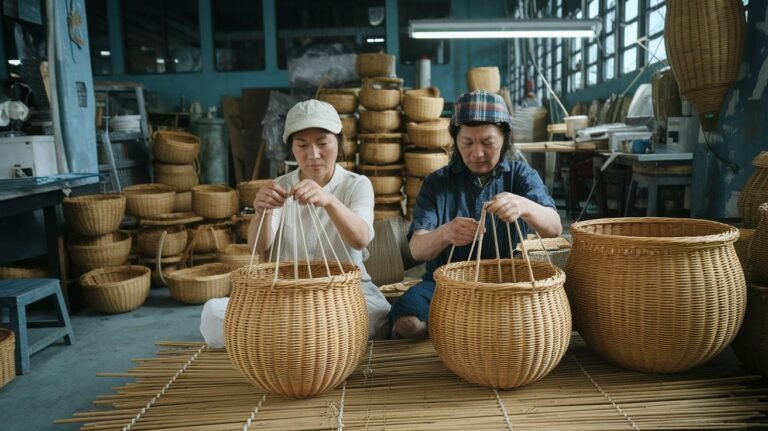
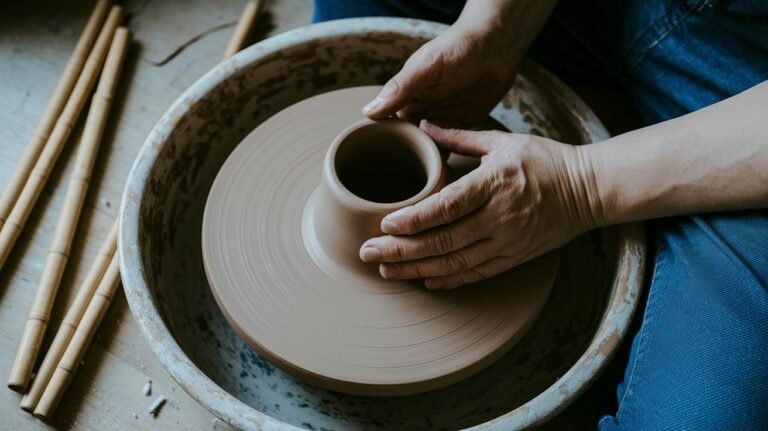
Technique really matters here. Pottery shops still hand-throw forms and fire in wood or gas kilns to chase unpredictable glazes. Nantou weavers keep older bamboo-lacing methods alive, weaving strength into surprisingly light baskets. In Taitung, woodworkers shape local timber with adzes and hand planes, then rub in oil to deepen the grain and bring out a warm sheen.
Indigenous textile groups often use plant-based dyes and mud-resist patterns, making bold prints that feel like stories you can wear. And in Alishan, tea farmers hand-wither, roll, and lightly roast leaves so the mountain mist gets folded into every cup. Small runs, shared studios, and elders teaching younger makers keep these crafts grounded and real.
It’s all about hands-on skill passing. These pieces aren’t mass-produced, each one has tiny variations, a little human mark. That’s the charm. It’s like finding a familiar street food stall that always tastes a bit different, but somehow better for it.
Collaborative Opportunities: Joining and Partnering with Taiwan Artisan Cooperatives

How to Join (add under Governance and Membership Structure)
-
Fill out a short application with your contact info and a quick craft statement, one or two lines.
Example: "I make hand-dyed indigo scarves inspired by the warm glow of Tainan temple lanterns."
(Tainan is a southern city in Taiwan known for historic temples and lantern traditions.) -
Send a portfolio: photos, sketches, or one physical sample so the committee can see your work up close.
-
Do a short skills trial or probation period, think a few shared studio days or a week or two of shift swaps, so everyone gets a feel for workflow and quality.
-
Come to an induction or board meeting. Sign the co-op agreement and go over basics like bookkeeping, shop operations, and fulfillment.
Keep it simple. Small tests first, then settle in.
Partnership Models & Pilot Advice (add under Collaboration and purchasing avenues)
Common partnership types you might try:
- Co-branded limited runs with designers or labels.
- Studio tourism packages: a studio visit plus a local stay, maybe ending with a night market walk.
- Joint exhibitions or pop-ups in a shared retail spot.
- Training partnerships with NGOs to build skills or open new markets.
Start tiny. Run a pilot to test logistics and audience fit, don’t commit to a big batch right away. Try one workshop series or a 20–30 piece limited run and learn fast.
Sample pilot brief: "30-piece co-brand run, revenue split 60/40, 8-week timeline, one pop-up weekend."
That gives you clear roles, a short timeline, and a quick win.
Practical Admin & Funding Checklist (sidebar)
- Microcredit: small loans can cover pilot orders, shared tools, or tiny inventory.
- Induction topics to cover fast: basic bookkeeping, quality checks, packing and fulfillment, and how to list items online.
- Quick MOU checklist for partners: scope, timeline, cost split, IP use, and a simple termination clause.
- Pilot template: goal, timeline, budget, roles, and one success metric (sales or workshop sign-ups).
Have you ever run a tiny test and been surprised by what worked? Try that again, you know, small, messy, useful.
Purchasing Channels and Market Access for Taiwan Artisan Cooperatives
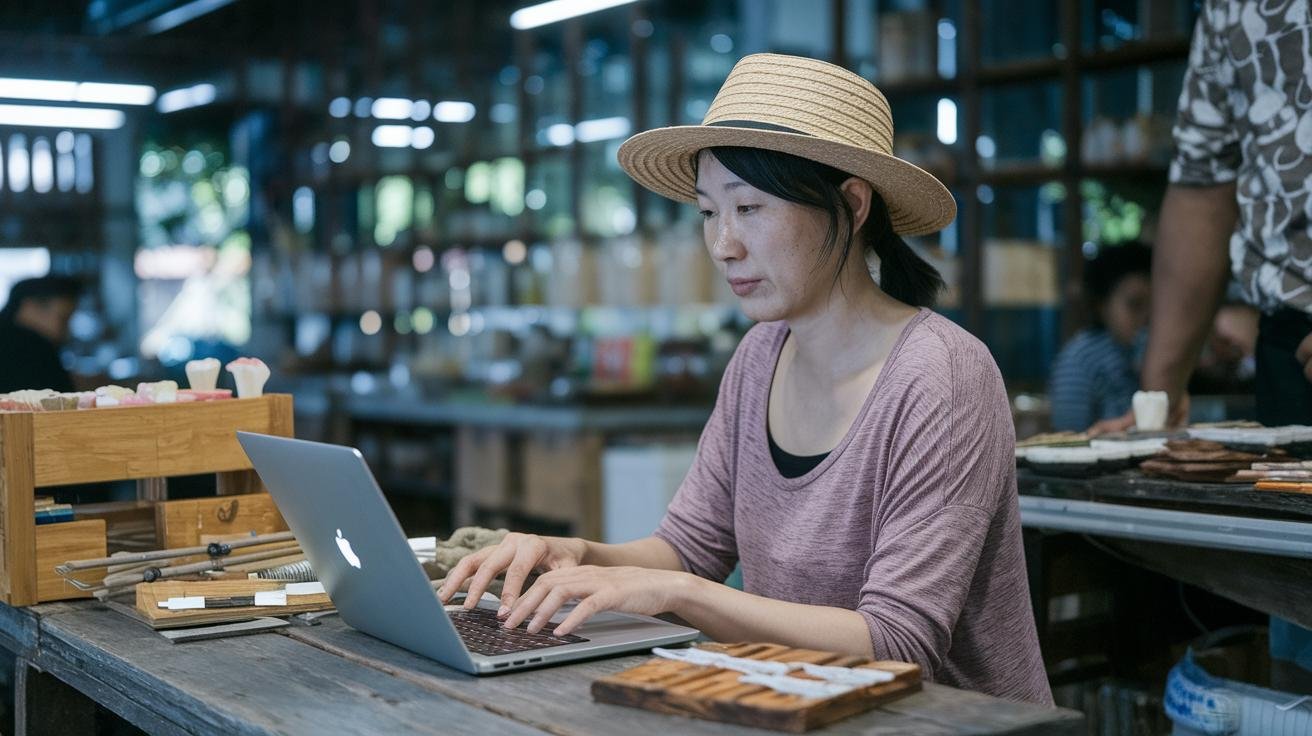
Co-ops usually sell where people gather, like studio shops in craft villages, weekend market stalls, and the annual craft festivals that pull in both locals and tourists. You can feel a shawl’s weave, hold a teacup’s cool rim, or hear a potter’s wheel spin, those little moments help things sell, you know? Pop-up stores and shared retail booths are great when you’ve got small batches, and local wholesale deals can put ceramics, textiles, and jewelry into gift shops and specialty stores across the island.
Online sales range from simple coop websites to larger marketplaces like Pinkoi and Shopee, which help co-ops reach buyers far away. Good photos, clear shipping options, and honest product measurements matter more than a flashy site. Add a short story about the maker and the product, people buy the story as much as the object. For a practical step-by-step on digital and export strategies, see how taiwan artisan cooperatives market crafts internationally.
For selling overseas, co-ops lean on trade fairs, buyer visits, and tidy export-ready branding packs that include product sheets and sample sets. Wholesale partnerships can place goods with specialty retailers across the Asia-Pacific, and simple SEO and content work help products show up in searches abroad. Logistics support, small-batch packing tips, customs forms, and clear lead times, keeps orders smooth, so makers can stay focused on crafting while new markets open up.
Community Development Impact of Taiwan Artisan Cooperatives
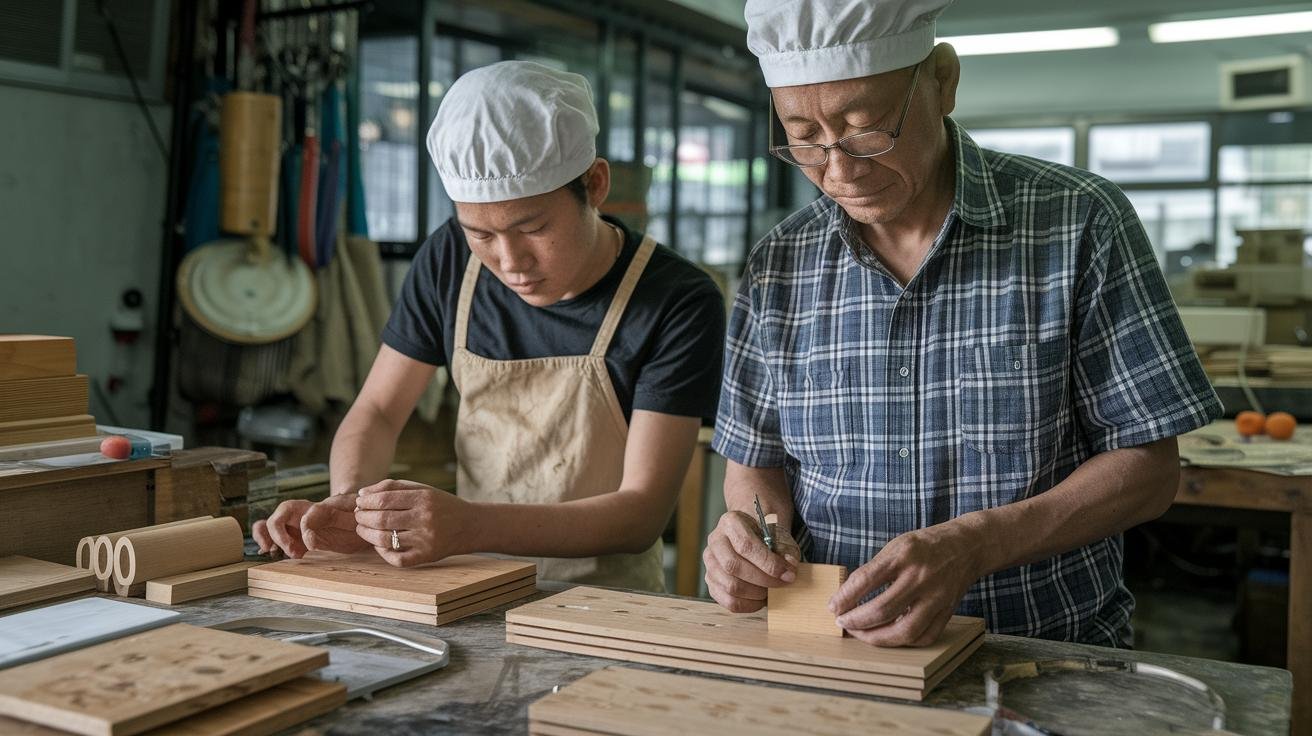
When artisans join forces in cooperatives (co-ops), money starts moving in ways that stick around. In places with active co-ops, household incomes go up about 15–30% because makers can sell small-batch goods at fairer prices, share studio time, and reach markets that pay extra for handwork. Think of a handmade tea set priced better than a one-off street sale, or a row of stalls under the neon glow of Taipei’s night market that suddenly gets noticed online.
Shared tools, pooled shipping, and tiny loans let makers take on orders they’d never handle alone. So the scary swings of seasonality feel smaller. One member can borrow a kiln for a big run, another can split freight costs, and everyone earns steadier pay. It’s practical, and it’s comforting too, like passing a warm cup of tea.
Co-ops do more than move money; they rebuild everyday life. Studios become places where elders teach knotting or glazing to curious teens, and those apprenticeships keep techniques alive while giving youngsters a reason to stick around. Have you ever strolled under lanterns at Jiufen? It’s the same feeling when a studio hums with shared stories and clay dust.
Sustainable sourcing and low-waste production are a big draw for eco-minded buyers. Co-ops often track simple metrics, sales growth, trainee numbers, waste reduction, so donors and partners can actually see progress. NGOs and federations pitch in with training, small export trials, and basic impact reports, which helps turn good intentions into real results.
The result is quiet but tangible: tighter social ties, traditional skills that don’t fade away, and neighborhoods that feel healthier and more connected. I once watched a sleepy lane turn into a lively workshop cluster, people chatting, tools clacking, kids learning a craft, and it felt like community coming back to life.
Resources and Further Learning on Taiwan Artisan Cooperatives
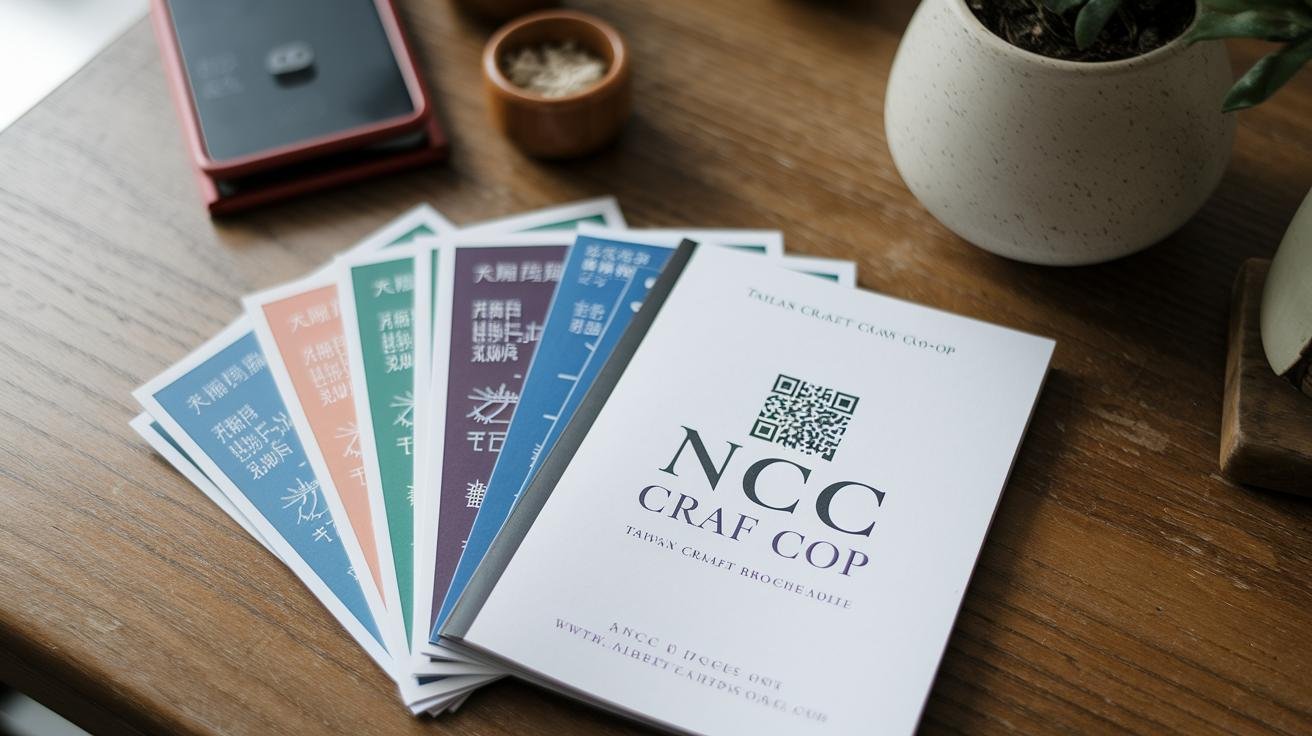
Here’s a friendly, simple list of places and tools that can help artisan co-ops in Taiwan. Short, useful, and ready to try , you know? Imagine testing a new tote at a night market with the neon glow and the smell of grilled snacks. That feeling matters when you sell.
- National Craft Council (Ministry of Culture), the national office that handles craft certification, quality training, and product standards for export-ready goods. Good for formal certification and export rules, and grant pointers.
- Cooperative Federation (local cooperative hubs), where groups can do bulk buying, share warehouse space, and get basic legal and export advice. Great if your co-op wants to lower costs and share tools.
- City or county Cultural Affairs Offices, where you can apply for microgrants and incubator pilot funding through your local cultural bureau (think small seed money to try new products).
- Impact Hub Taipei, an incubator offering mentorship, workshops, and e-commerce help for makers trying to grow online. They’re helpful if you want basic business coaching.
- Regional commerce export desks, your local export office that can introduce buyers and give trade-fair briefings so you don’t walk into a fair unprepared.
- Microloan and social loan programs (local credit cooperatives, social enterprise funds), small loans for tools or pilot orders when you need a short cash bridge.
Quick checklist of places to check first:
| Resource | Why check it |
|---|---|
| Government craft council guidance | Certification rules, export standards, training |
| Cooperative federation resources | Bulk buying, shared warehousing, legal basics |
| Marketplaces: Pinkoi, Shopee | Where Taiwanese makers sell online and learn pricing |
| Common microloan programs & local credit co-ops | Small loans for equipment or pilot production |
Downloadable items (ready to adapt):
- Simple MOU / pilot partnership template (editable), use this to test a 3-month collaboration with a partner.
- Onboarding checklist for partners , documents suppliers should provide, sample order steps, and clear payment terms so everyone’s on the same page.
Email subject example you can copy: "Pilot partnership: [Brand] x [Co-op] – 3-month test"
If you want, I can tweak the MOU or the onboarding checklist to fit your co-op’s vibe , more rustic? More modern? I’ll help you make it feel real.
Final Words
We jumped right into how Taiwan’s artisan cooperatives keep craft skills alive: membership rules, democratic governance, and signature products like pottery, bamboo weaving, textiles, and tea.
You saw real case numbers from Nantou to Kaohsiung, plus training, fair-trade moves, and sales channels online and in markets. It’s clear these efforts raise incomes and build local pride. If you want to support makers, look for taiwan artisan cooperatives. There’s warmth and care in every piece, and it feels hopeful, you know?
FAQ
Frequently Asked Questions
What is an artisan cooperative?
An artisan cooperative is a member-run group where local makers pool skills, share sales channels, and keep traditional crafts alive, often selling textiles, ceramics, jewelry, and indigenous art.
What is a craft or artists’ cooperative?
A craft or artists’ cooperative is a community of creators who share tools, workshop space, marketing, and decision-making under democratic rules to protect quality and cultural practices.
What is Taiwan best known for producing?
Taiwan is best known for producing advanced electronics and semiconductors, along with cultural goods like ceramics, bamboo weaving, handwoven textiles, and specialty oolong teas.
What companies manufacture in Taiwan?
Companies that manufacture in Taiwan include chip foundry TSMC, electronics firms like Foxconn, plus numerous small-scale makers, cooperatives, and specialty workshops producing crafts and food products.
What products do Taiwan artisan cooperatives offer?
Taiwan artisan cooperatives offer handmade textiles, ceramics, jewelry, baskets, wood carvings, and specialty teas made with local materials and traditional techniques from Nantou, Hualien, Taitung, and Alishan.
How can I buy from or partner with a Taiwan artisan cooperative?
You can buy from or partner with a Taiwan artisan cooperative through coop-run shops, markets, online platforms like Pinkoi and Shopee, trade fairs, or by contacting co-op leaders for co-branded products and workshops.

Grab a Free Taiwan Sticker!
Drop your email and we’ll send you a limited-edition Taiwan sticker — plus insider access to new merch drops and island vibes.
No spam. Unsubscribe anytime.