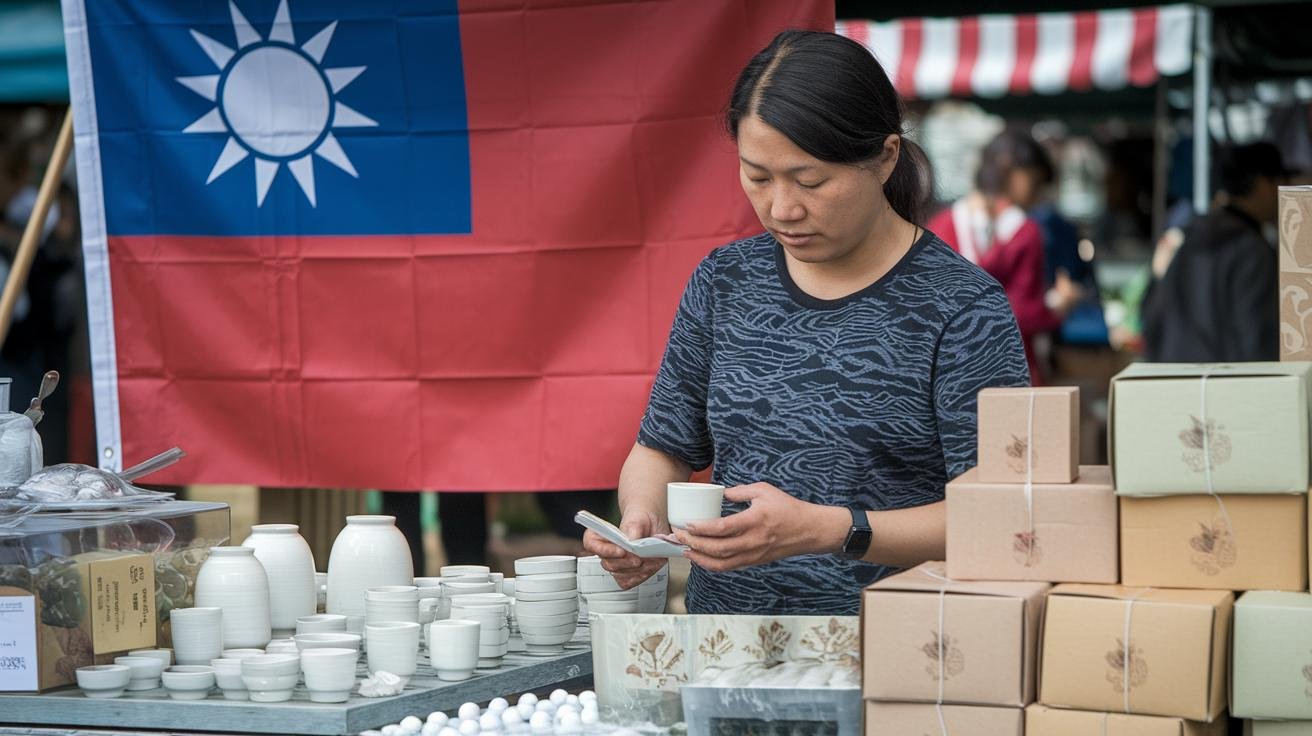
How Taiwan Artisan Cooperatives Market Crafts Internationally!
What if tiny craft co-ops from Taiwan are quietly outsmarting big brands at selling tradition overseas?
Have you ever thought about that while walking under Taipei’s neon glow?
They don’t just open a shop and wait.
They jump on social feeds, set up stalls at global fairs, work with trade offices, and pool shipping, like neighbors sharing a truck to save money.
Think of a night market stall vibe with a polished Etsy page.
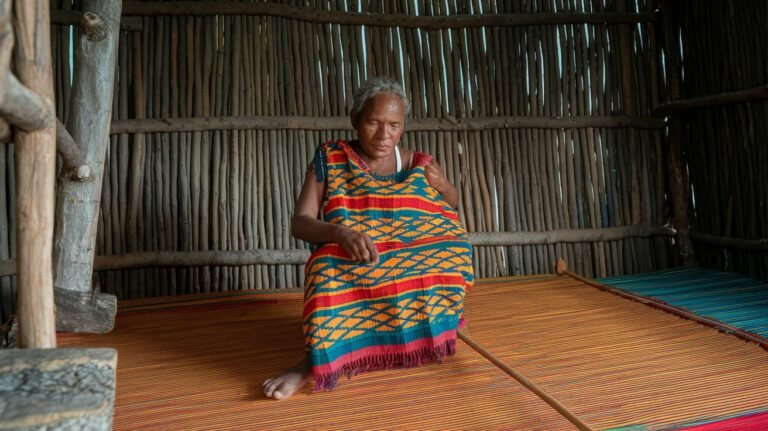
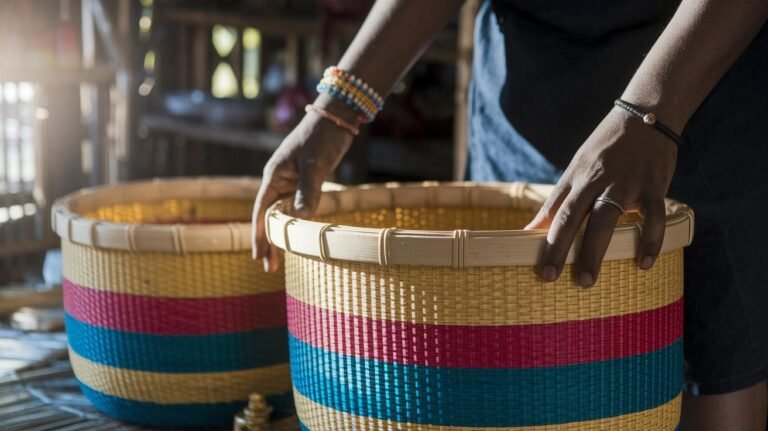
They post hands-on videos of weaving, carving, or glazing so you see how things’re made. They share logistics so a small team can pack big orders fast. Local trade offices and government programs help with training and market links. And they still sell face-to-face, where you can feel a mug’s warm glaze or the silky hold of a handwoven tote.
The result is simple: small teams that can handle sudden orders, pay makers fairly, and keep making things you’ll want to touch.
It’s tradition, turned into a global bestseller, by people who know how to mix the digital with the very human.
Core Strategies Taiwan Artisan Cooperatives Use to Market Crafts Internationally
Taiwan artisan cooperatives can’t rely on just one shop window anymore. Overseas buyers find crafts on social feeds, at fairs, through buyer networks, and via trade offices, so cooperatives spread their presence across channels, like a night market stall under Taipei’s neon glow working with a polished Etsy page.
Keeping lots of touchpoints also helps small teams handle sudden orders. One group might land a big fair sale, then follow up with an email campaign and updated product pages to keep momentum going. It’s practical, and kind of like hustling between stalls after night market rush, fast and hands-on, you know?
-
Digital marketing tactics: active Facebook and Instagram pages, short videos that show hands shaping, stitching, or carving, and email newsletters that turn one-time buyers into regulars. Close-up shots of textures and process make people feel the craft.
-
E-commerce platforms: optimized Etsy and Amazon Handmade listings with crisp photos, multilingual descriptions, and keyword-focused titles so international buyers can find and trust the products.
-
Trade fair marketing: showing up at Taipei International Handmade Show and markets like the Santa Fe International Folk Art Market to meet buyers, test pricing, and close bulk deals. Face-to-face still matters, real smiles, real catalogs.
-
Government export incentives: using TAITRA (Taiwan External Trade Development Council) and MEA (Ministry of Economic Affairs) workshops, subsidies, and certification help cooperatives meet foreign standards and cut export costs.
-
Cooperative business model: pooling orders, negotiating shipping rates, and sharing marketing expenses gives groups better bargaining power. See business models of taiwan artisan cooperatives for how groups organize finances and sales.
-
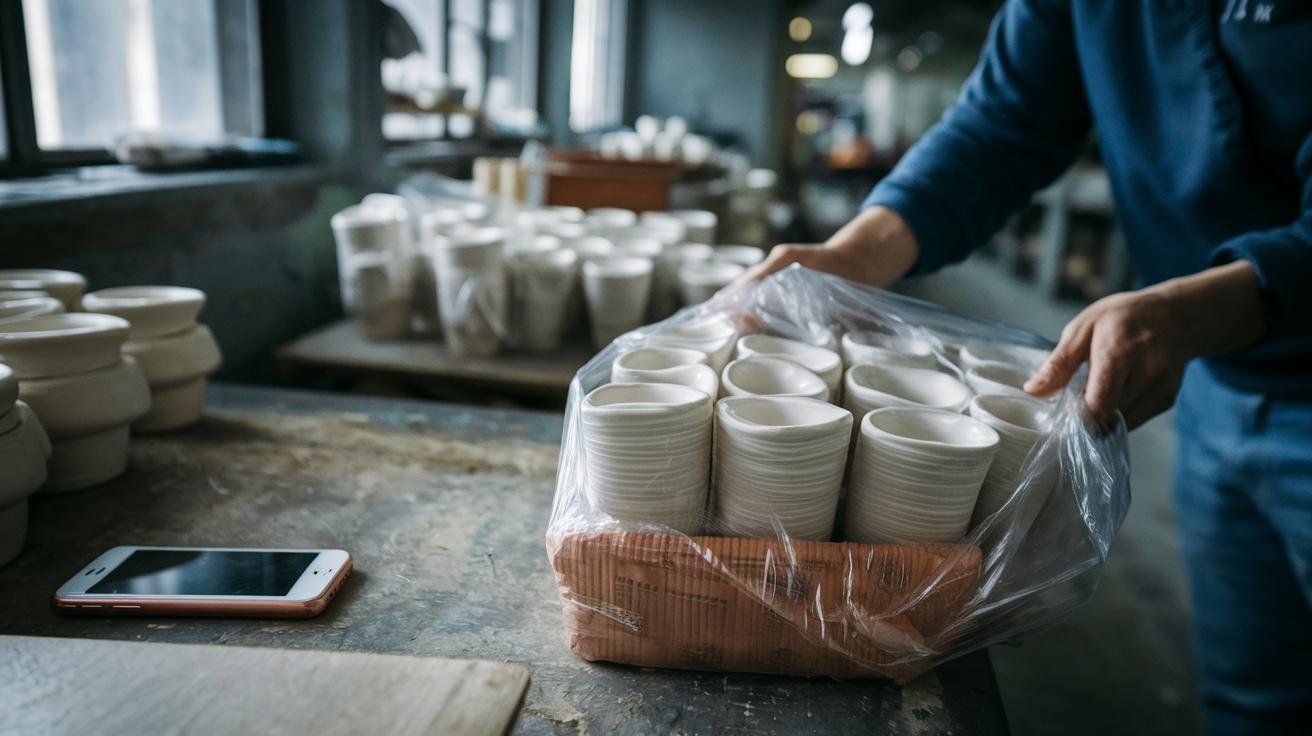
Logistics partnerships: teaming with freight forwarders who know how to pack fragile handmade goods, and consolidating shipments to lower per-item costs. Think careful wrapping for ceramics so they arrive safe, not cracked.
-
Cultural adaptation and storytelling: adjusting colors, packaging, and product copy to match local tastes while telling a clear origin story, who made it, how, and why it matters. A short origin note can turn a mug into a morning ritual from Tainan.
Cooperatives that mix these tactics usually see steady gains. By combining online shops, social storytelling, trade-show contacts, and government help, many groups report 20-30% growth per year, better wholesale deals, and stronger relationships with overseas buyers, real wins for artisans keeping traditional crafts alive. It’s like sending a little piece of Taiwan to living rooms around the world.
Digital Marketing & E‑Commerce

Co-ops sell more when they tell a simple, honest product story and make buying from overseas painless. Think of this as a hands-on playbook that mixes social media moves with listing-level e-commerce fixes. Cozy, practical, and ready to try.
Social Media Engagement
-
Community management: reply fast, save common replies as templates, and pin a translation thread to each product post so overseas buyers find the English (or other) text quickly.
Example pinned translation thread: "EN: Hand-thrown cup, 220ml. Fired in Tainan (Tainan is a city known for traditional ceramics). Ships worldwide." -
Short videos: use Reels and Stories for quick process clips, product demos, and limited-time deals. Add captions and a clear call to action so people know what to do next.
Reel caption example: "30s: wheel + glaze to finish. Tap to view size and buy." -
Live sales and micro-influencers: do small studio livestreams or partner with micro-influencers who actually use the product. Track sales and follower bumps after each event.
Influencer caption example: "Trying on the Paiwan bead bracelet from @CoopName, light, comfy, handmade."
Note: Paiwan refers to an indigenous Taiwanese group, known for beadwork. -
Hashtag and location strategy: pick 3–6 focused tags that mix product, origin, and craft. Keep it specific so you reach buyers who care.
Example tags: "#TaiwanMade #IndigoDye #PaiwanBeads" -
Multilingual captions: lead with the local language, then add a short English line or pin the full translation in comments. It’s friendlier and reduces buyer friction.
Caption example: "手工染布茶巾,100% 棉。EN: Hand-dyed indigo tea towel, 100% cotton."
Little note: indigo dye has that deep, soft blue you can almost smell, like the dye pits in a small studio.
E‑Commerce Optimization
-
Photos that sell: mix crisp studio shots with lifestyle photos that show scale and use. Always include one close-up for texture so buyers can almost feel the fabric.
Photo set example: "1) studio front, 2) lifestyle on a kitchen table, 3) texture close-up." -
SEO and keywords: use long-tail phrases that match what buyers search for and test a few versions. Think like a buyer, what would you type?
Long-tail examples: "hand-dyed indigo tea towel", "Paiwan bead bracelet adjustable", "Tainan porcelain sake cup 220ml" -
Shipping policy: spell out estimated delivery ranges, customs notes, and return basics up front. Clear answers cut checkout anxiety.
Shipping snippet example: "Estimated delivery: 10–18 business days; customs may add 3–5 days. Returns accepted within 14 days." -
Payments and checkout: offer PayPal plus at least one local mobile-pay option. Keep the checkout short and mobile-first so people don’t drop off.
Checkout CTA example: "Buy now – secure checkout (PayPal / local mobile)." -
Mobile-first UX: big buttons, saved addresses, and a one-page checkout lower abandonment. Make buying feel as easy as tapping a bubble tea order.
-
A/B testing: run small tests on title wording, main image, and price badges to see what actually moves the needle.
A/B test example: "Title A: Handmade Indigo Towel | Title B: Hand-dyed Indigo Tea Towel , 100% Cotton" -
Customer service language: offer local language plus English for order questions and use short templated replies to speed up responses. Friendly, quick, useful.
Support reply example: "Hi Anna , thanks for asking! This is hand-dyed and ships in 5–7 days."
Quick tip: Treat product pages like a little story. Start with a sensory line, how it smells, looks, or feels, then give the facts. Buyers connect with the story, and then they click buy.
Trade Fair Marketing by Taiwan Artisan Cooperatives Abroad
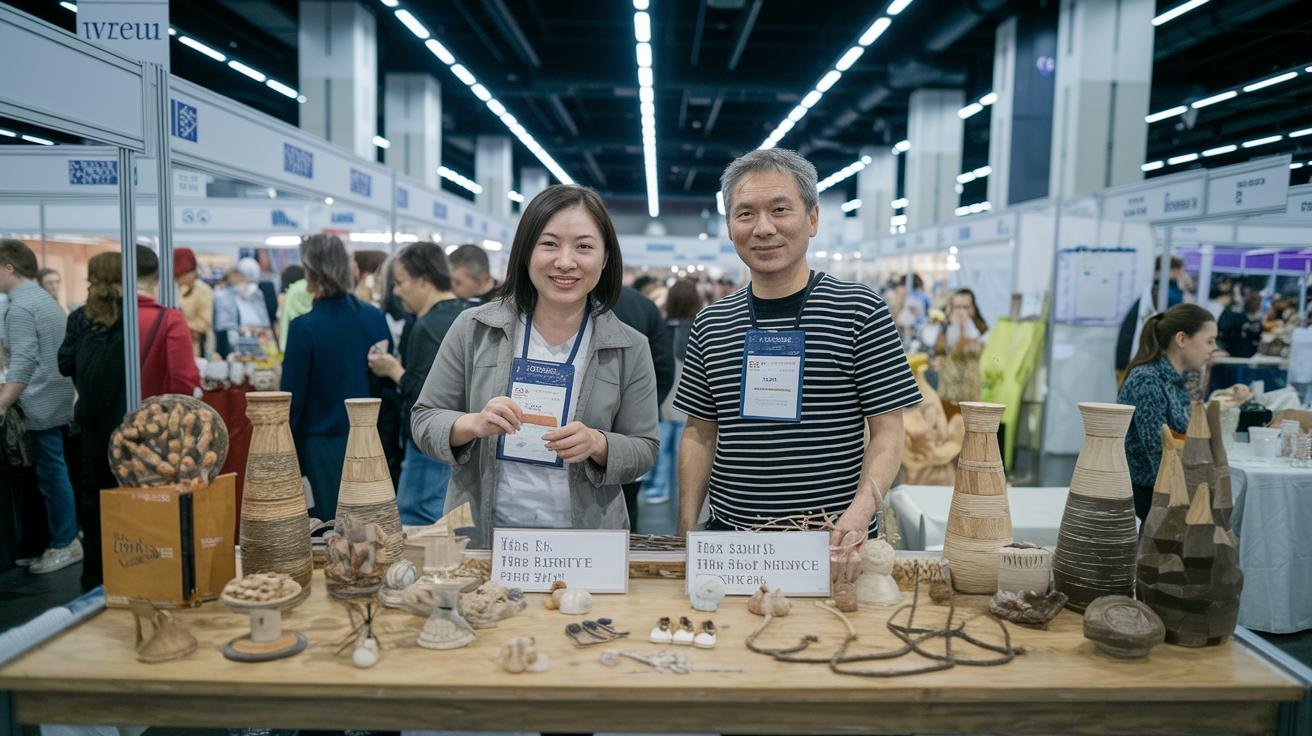
Trade fairs still do the heavy lifting when cooperatives want bulk orders and steady partners. Teams bring real samples you can touch , glazed cups that catch the light, indigo cloth you can feel , and talk face to face with buyers who like to test things before they commit. Live shows in Taiwan and overseas pair really well with online follow-up, and virtual booths help keep conversations going with people who couldn’t make it in person.
Have you ever watched a buyer turn a cup in their hands, catch the glaze, and nod? That moment tells you more than a thousand photos.
- Direct buyer negotiation: close wholesale deals on the spot, set MOQs (minimum order quantities), and agree on delivery timelines after a hands-on demo.
- Distributor outreach: meet retailers and importers who can place recurring orders and open new sales channels.
- Market feedback and price testing: watch reactions to materials, colors, and labels, then tweak product listings or packaging for specific regions.
- Booth best design: use clear bilingual signage (Chinese and English), a small demo area, and lots of tactile samples to invite conversation and reduce friction for international buyers.
- Hybrid reach: combine a physical booth with virtual trade shows and scheduled online meetings to catch buyers who can’t travel, then convert those contacts into cross-border online sales.
Treat a fair like a mini sales campaign. Pre-contact promising buyers, bring polished samples, and follow up fast with digital catalogs and shipping quotes. Wait, here’s the tip: teams that mix trade-show hustle with quick virtual follow-through usually see the best ROI, turning curious leads into real orders and growing overseas sales year after year.
And hey, if you can, add a little local flavor to the booth , a hint of night market neon or the warm feel of a tea shop cup. It makes people remember you.
Government Support and Cooperative Models for International Craft Marketing
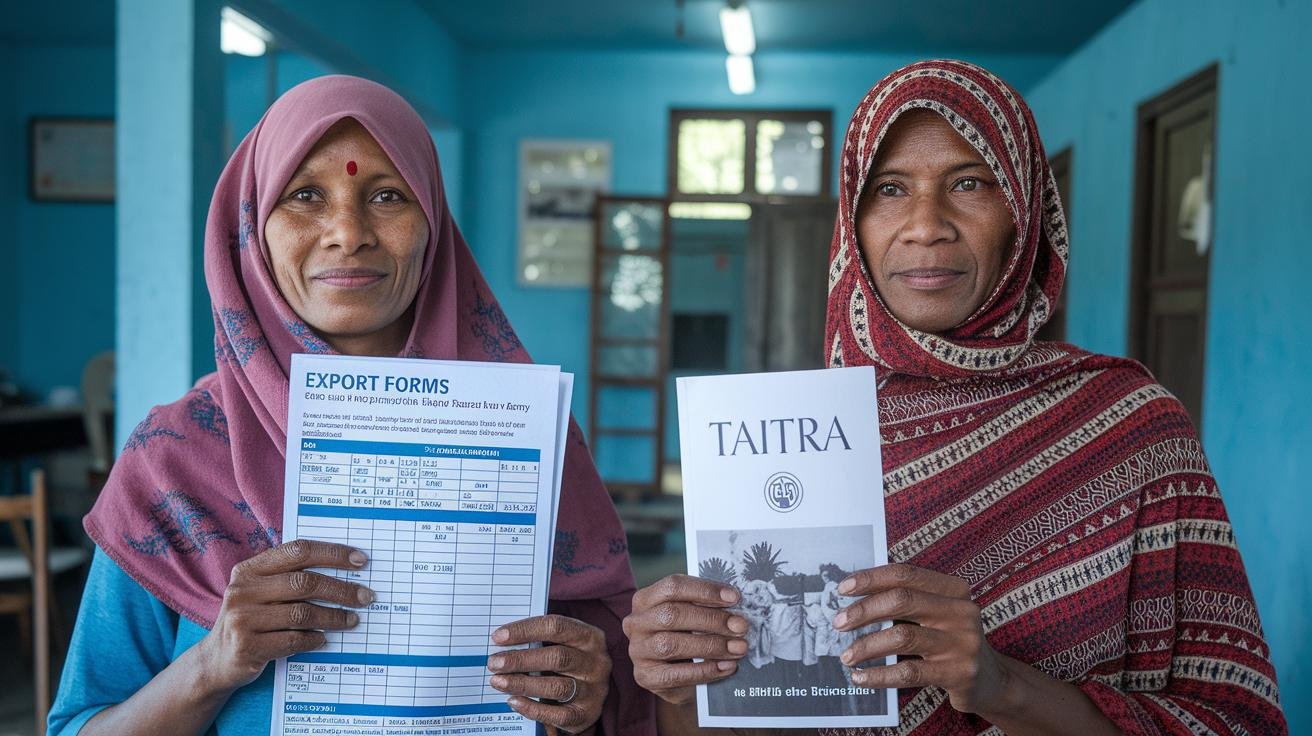
Taiwan’s public programs make the paperwork part of exporting feel a lot less scary, honestly. TAITRA (Taiwan External Trade Development Council, the trade promotion arm) and MEA (Ministry of Economic Affairs, the agency that handles trade rules and support) run small grant rounds, subsidized travel to buyer meetings, and hands-on classes about export compliance and product testing. They’re practical , not just theory.
They’ll help you get the certificates buyers ask for, and they hand out a clear export documentation checklist so you don’t have to guess what customs wants. Think: commercial invoice, packing list, HS codes, certificates of origin, and any local lab reports your product needs. They also match co-ops with trade missions and real buyer introductions , actual meetings, not just back-and-forth emails.
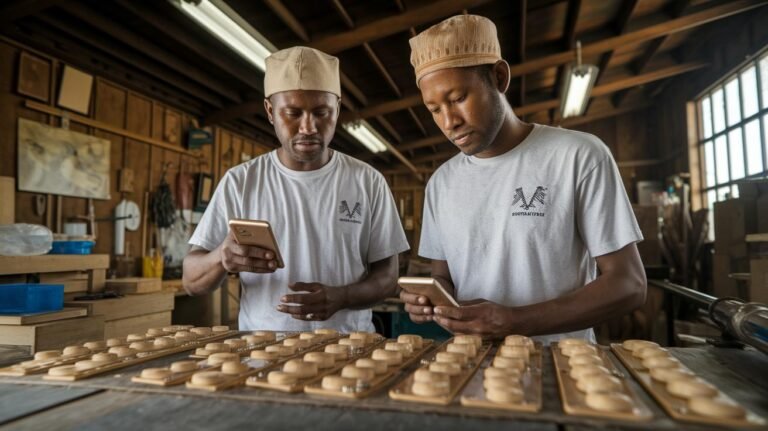
Co-ops take those public resources and stretch them further. Members pool marketing dollars for pro photos and multilingual listings, share a central packing area to consolidate shipments, and hire one customs broker instead of ten. It’s like teaming up at a busy night market stall , everyone benefits from shared effort and energy, you know?
That shared approach cuts per-item shipping costs, smooths quality checks with one standard protocol, and helps meet minimum order sizes without burning out a single maker. Co-ops keep a shared export-doc checklist and template invoices ready, so when a wholesale lead comes in the reply is fast and tidy. Less time wrestling forms and freight quotes. More time making beautiful things.
Seriously. It helps small studios grow steadier.
Shipping Logistics and Cultural Adaptation for Taiwan Artisan Cooperative Crafts
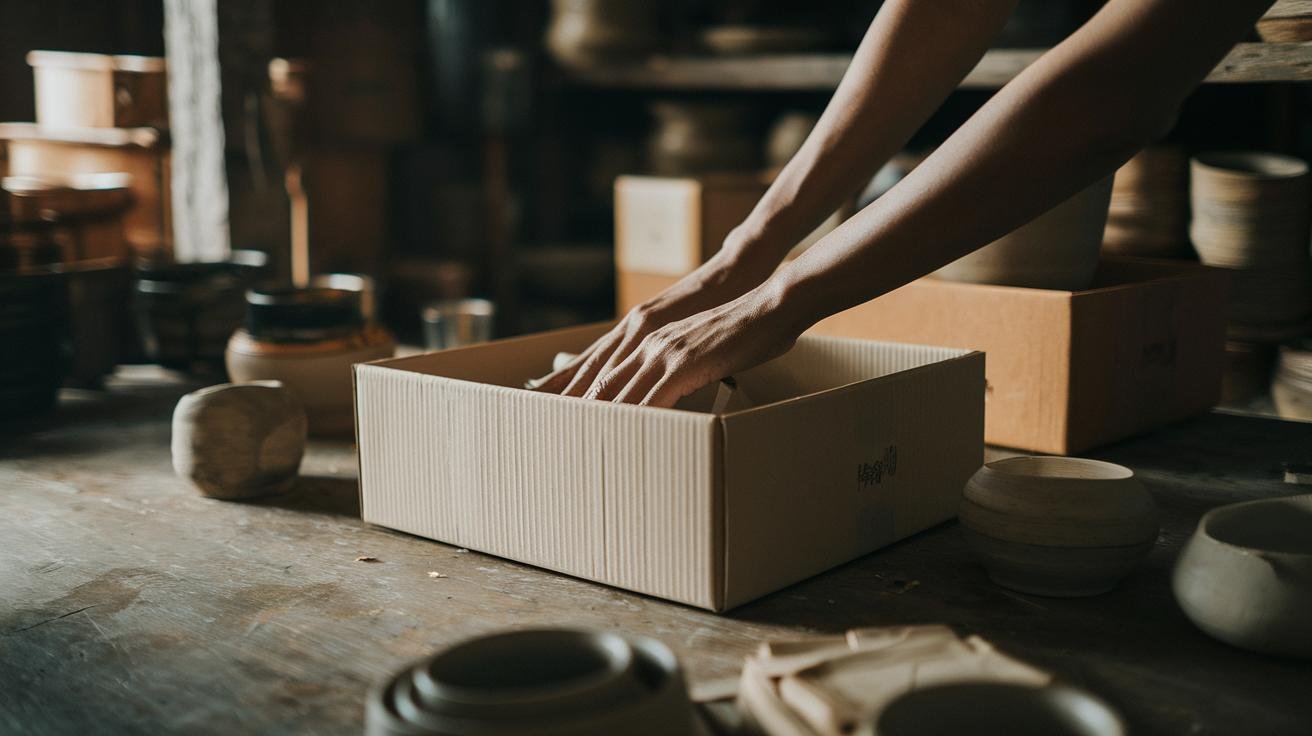
Keeping fragile ceramics safe is the top job. Cooperatives usually work with freight forwarders (that’s a company that arranges shipping, customs, and paperwork) who know how to handle small-batch handmade pieces. They offer specialized handling, bonded warehousing (storage that waits until customs clears), and help with tariff codes and export forms.
Co-ops bundle orders to cut freight costs and make shipping simpler. Consolidating shipments helps you get bulk rates, fewer documents, and less time wasted. Forwarders who understand small-run schedules can also advise on insurance and tracking so you’re not guessing where a box is mid-ocean.
Packaging matters as much as the pottery itself. Use recycled kraft boxes, honeycomb paper, molded pulp trays, and water-based tape to cushion pieces and keep things eco-friendly. Think of the box like a Taiwanese night market stall wrapping a fragile find, careful, cozy, and a little proud. Little touches like lid padding and a clear care card that shows how to clean and handle the piece cut down on breakage claims and build buyer trust.
Labeling rules change by country, so include accurate HS codes (Harmonized System codes used for customs), material lists, and translated care instructions. Add any safety marks the destination requires. If a retailer needs fiber content or lead-free test results, put that on the paperwork and the label so customs won’t hold the shipment up.
Design packaging for the market you’re selling to. Swap colors subtly for local taste, use smaller text blocks if a region prefers minimalism, or include a short origin note in the buyer’s language that explains the craft’s meaning. A little story about the maker goes a long way, like a tiny postcard that smells like a morning tea shop in Tainan when you open it. Next, offer packing options for retailers: gift-ready boxes with foam inserts for shops, or plain bulk cartons for restocking.
Run a sample shipment before you scale. Send one package to check transit times, customs holds, and if labels stay legible after handling. Watch how long customs takes, note any extra charges, and tweak the packing and paperwork based on what you learn. Then adjust, test again if needed, and only then ramp up.
Keep communication tight with your forwarder in Taiwan. Ask about cut-off dates, peak-season surcharges, and how long the whole process really takes, you don’t want a festival rush to ruin a delivery. Timing matters, especially around Lunar New Year and other local holidays.
In short: protect the pieces, pick partners who know small-batch shipping, adapt labels and design to each market, test with a sample, and check timing. Do that, and your handmade ceramics will travel safe and tell their story when they land.
International Success Stories of Taiwan Artisan Cooperatives Marketing
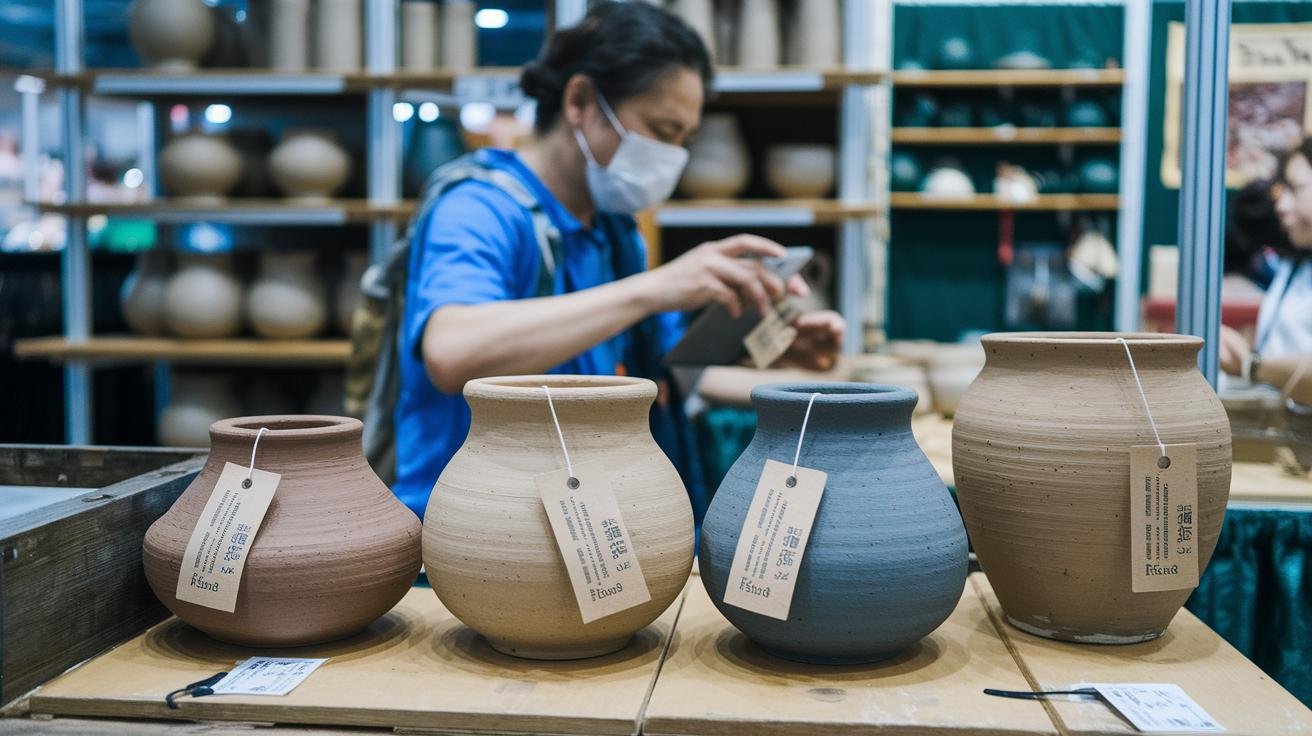
Pottery co-op – about 25% annual growth from U.S. e-commerce and trade fairs.
Imagine the clink of ceramics, fresh glaze catching the light at a booth, then that same piece turning up on a buyer’s webshop. A bilingual order desk and bundled shipping helped turn fair quick chats into repeat wholesale accounts, you know? It made follow-ups easy and orders steady.
Headline example – "Pottery co-op grew about 25% a year after pairing online listings with fair visits."
Textile group – about 30% higher retail prices after eco-labeling and a multilingual catalog.
Think soft eco-linen you can feel, breathable, light, a little sun-warm in your hands. When shops in Europe could read clear care notes and see trusted eco labels, they were willing to pay a premium. The catalog in several languages made the materials and washing tips feel honest and simple to trust.
Product blurb example – "Eco-linen that sold about 30% above similar pieces because the label and catalog spoke the buyers' language."
Read more – case studies of taiwan artisan cooperatives
Final Words
Cooperatives mix hands-on craft stories with digital shops, trade-show booths, and government export help. They pool funds, hire pro photos, tweak packaging for local tastes, and work with forwarders so fragile pots arrive safe, like wrapping a tea cup for a friend under mist rolling off Sun Moon Lake.
When all those pieces click, sales climb and makers' stories reach new people. This is how taiwan artisan cooperatives market crafts internationally, with care, creativity, and steady momentum. Pretty great, right?
FAQ
Why is Taiwan an important player in the global economy?
Taiwan supplies critical semiconductors (think TSMC), high-value electronics, and export-driven manufacturing that keep global supply chains running and attract trade and investment.
What is an artisan cooperative?
An artisan cooperative is a group of craftspeople who pool money, skills, and marketing to sell together, negotiate shipping discounts, and support each other while keeping local craft traditions alive.
Does Taiwan have a free market economy?
Taiwan has a market-based economy: mostly private enterprise and open trade, plus active government programs and incentives that support exporters, industry clusters, and cooperative growth.
Grab a Free Taiwan Sticker!
Drop your email and we’ll send you a limited-edition Taiwan sticker — plus insider access to new merch drops and island vibes.
No spam. Unsubscribe anytime.