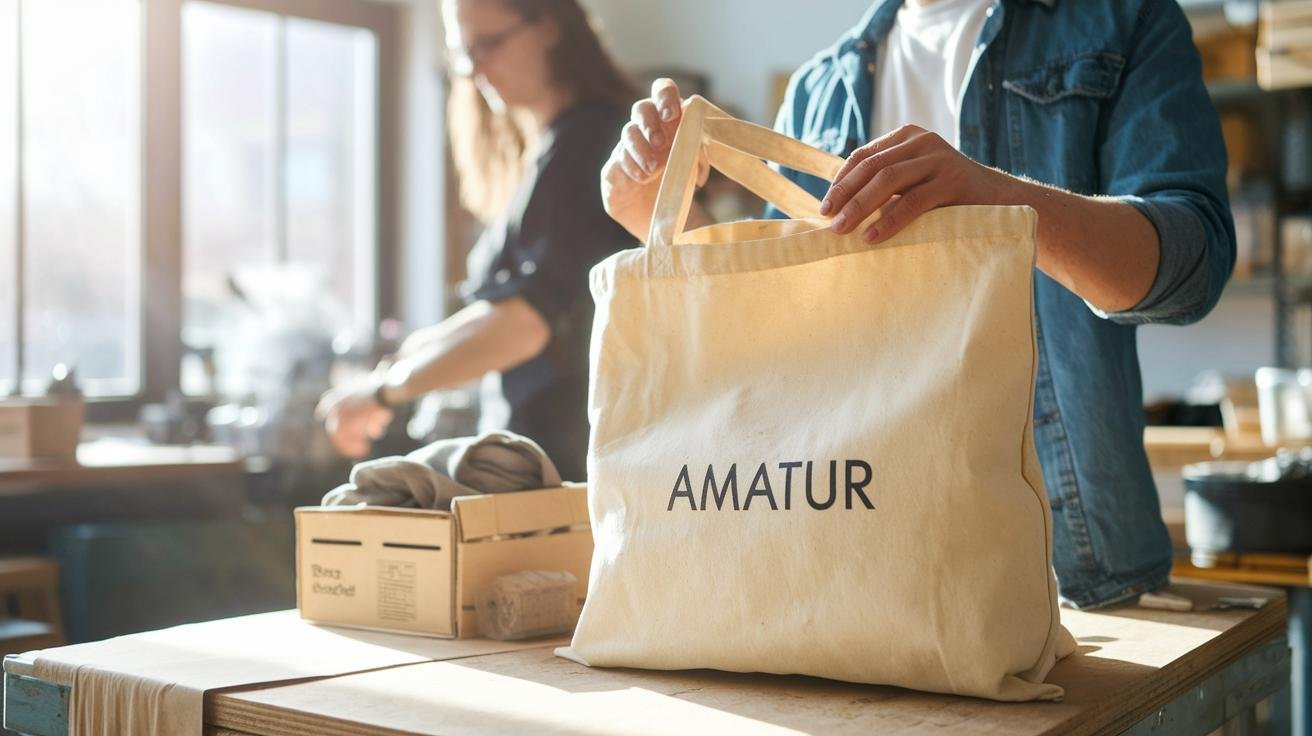
Ethical Co-Branded Merchandise With Artisans Builds Trust
Ever looked at an "artisan" tag and felt something was off?
You touch the soft weave, you love the print, but who actually made it? You wonder where the money went. Um, it stings when the label hides the real story.
Too often brands slap an artisan label on things while squeezing out the makers. The tag covers who stitched it and how little they earned, and that feels wrong, you know?
Ethical co-branded merch flips that whole thing. You team up directly with artisan communities, agree on fair pay and who keeps what rights, and show a plain cost breakdown, materials, maker pay, brand share, so everyone can see who benefits.
The payoff is simple: people trust the product, makers get steady income, and the item carries a real story you can feel in the fabric. It’s like spotting hand-dyed indigo under the neon glow of a night market, authentic, warm, and honest.
Launching Ethical Co-Branded Merchandise with Artisan Partners
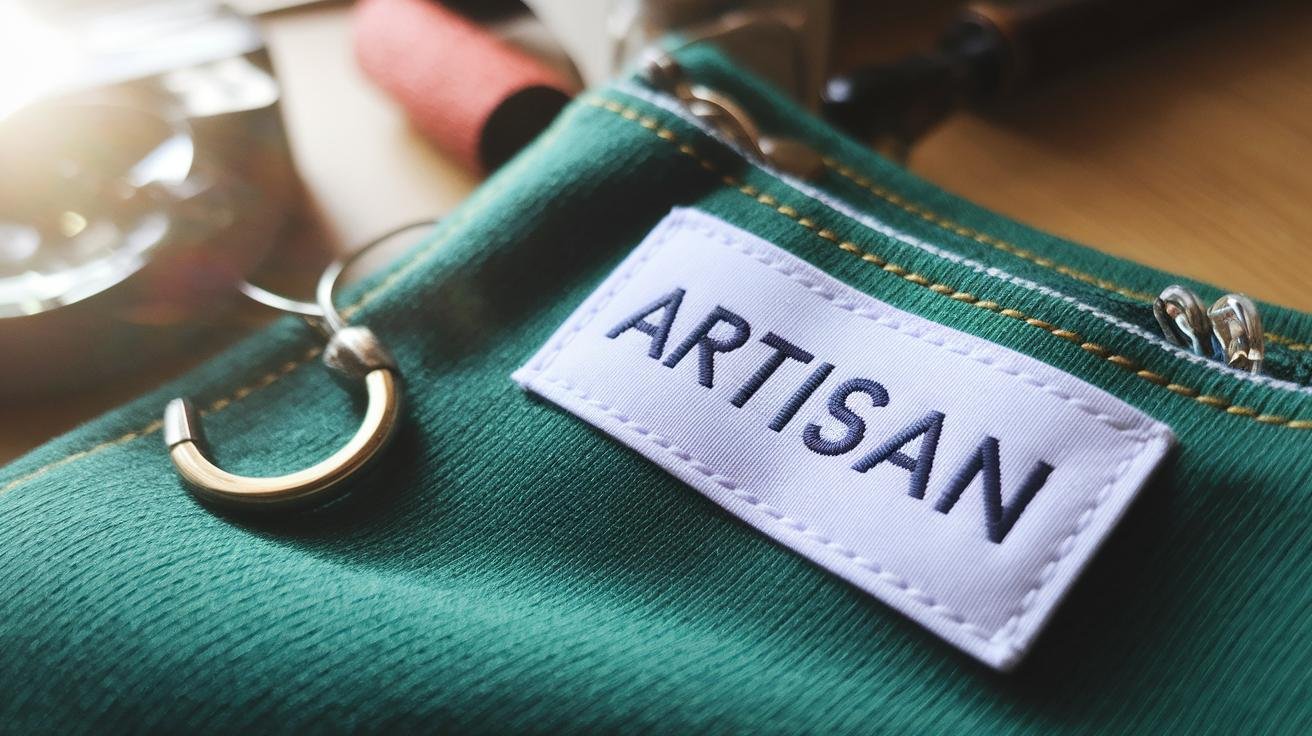
Ethical co-branded merchandise is when a brand and an artisan community make products together, and everybody agrees on pay, rights, and how the story gets told. Think hand-stitched bags with the maker’s name on the tag and a clear cost breakdown you can actually read. It’s quality, not churn, and you can feel that in the fabric, the stitch, even the faint smell of hand-dye vats.
Start by finding partners who share your values. Go visit workshops, watch local techniques up close, and ask simple questions about materials, hours, and safety. You’ll learn faster in person than you will in an email, trust me.
Pick eco-friendly fibers next: organic cotton, linen, or Color-Spun Yarn (that’s yarn dyed so color waste and water use are lower). These choices cut chemical use and save water, which matters when you’re trying to do this the right way.
Be transparent about pricing from day one. Lay out the split so artisans see raw materials, labor, brand margin, and money that goes back into the community. It removes awkwardness and builds trust, simple as that.
Design with them, not for them. Hold co-design sessions, prototype side-by-side, and set up real feedback loops so artisan knowledge shapes patterns, finishes, and fit. This isn’t a one-off briefing, it’s a rhythm you both learn together. It takes patience, but it’s worth it.
These projects cut waste because you’re making durable pieces meant to last beyond a season. They also put income in makers’ pockets so craft can become a steady livelihood, you know, not just a hobby or gig.
And the product you sell? It has a human face. Customers can feel the texture, picture the hands that made it, maybe catch the faint scent of dye or the salt of coastal air from where it was made. That story nudges people toward mindful buying instead of throwaway trends.
I once held a co-made tote whose stitching was so tight it felt like a promise. Little things like that make ethical co-branded work not just sustainable, but soulful.
Ethical Co-Branded Merchandise With Artisans Builds Trust
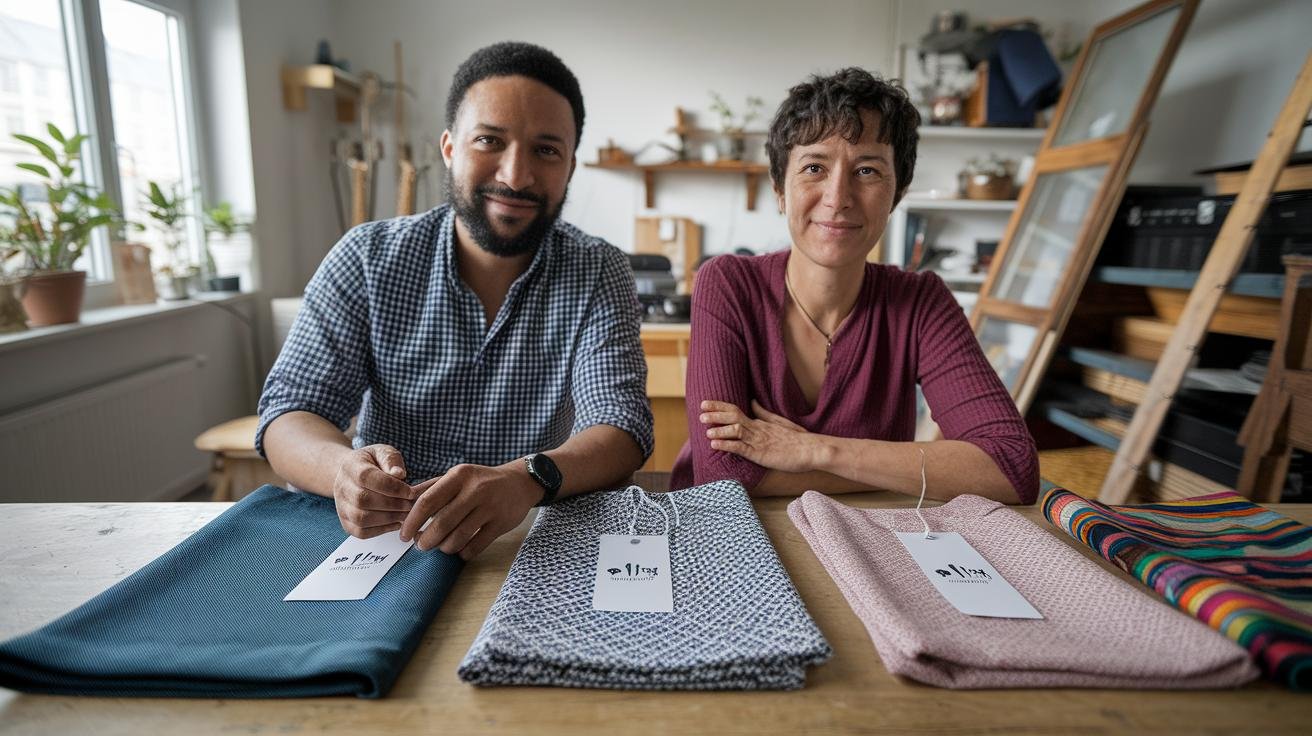
Here’s a quick, friendly rundown of practical partnership models brands use when teaming up with artisans. I’ll keep it simple, like picking a snack at a night market, you know, start with the base idea, then choose the extras.
Private-label production agreements
Brands outsource production to artisan groups, who make co-branded goods sold under the brand’s label. Think fixed orders, quality checks, and predictable timelines. This works well for cooperative setups like Hiptipico-style groups, because artisans can control pace while getting into bigger wholesale channels. It’s steady, reliable, and often easier to scale.Limited-edition co-branded drops
Short runs that focus on a region or a special technique. Great for storytelling and testing demand without getting stuck with inventory. Artisans keep their craft voice intact and usually earn premium pay for those special pieces. It’s like launching a seasonal flavor, risky, but exciting.Direct-trade merchandise partnerships
Brands buy straight from makers, paying fairer margins and tracking materials back to the source. For example, Kullvi Whims sources wool directly from community shepherds to keep materials traceable and ethical. If you want practical steps on setting up direct-trade or licensing frameworks, see How to partner with Taiwan Merch for co-branded collections. This model builds trust and transparency, you know?Licensed artisan design collaborations
Artisans license designs or motifs to a brand and share royalties, while the brand handles production and distribution. That protects cultural heritage and creates ongoing income for the maker. It’s a good choice when artisans want recognition and passive earnings without the headaches of manufacturing. See the same guide for details: How to partner with Taiwan Merch for co-branded collections.
Pick the model that fits your values, matches the artisan’s needs, and lines up with the pace both sides can keep. Choosing feels a bit like deciding on a bubble tea order, start with the base you both like, then pick the toppings that make it sing.
Certification & Ethical Sourcing Standards for Co-Branded Merchandise
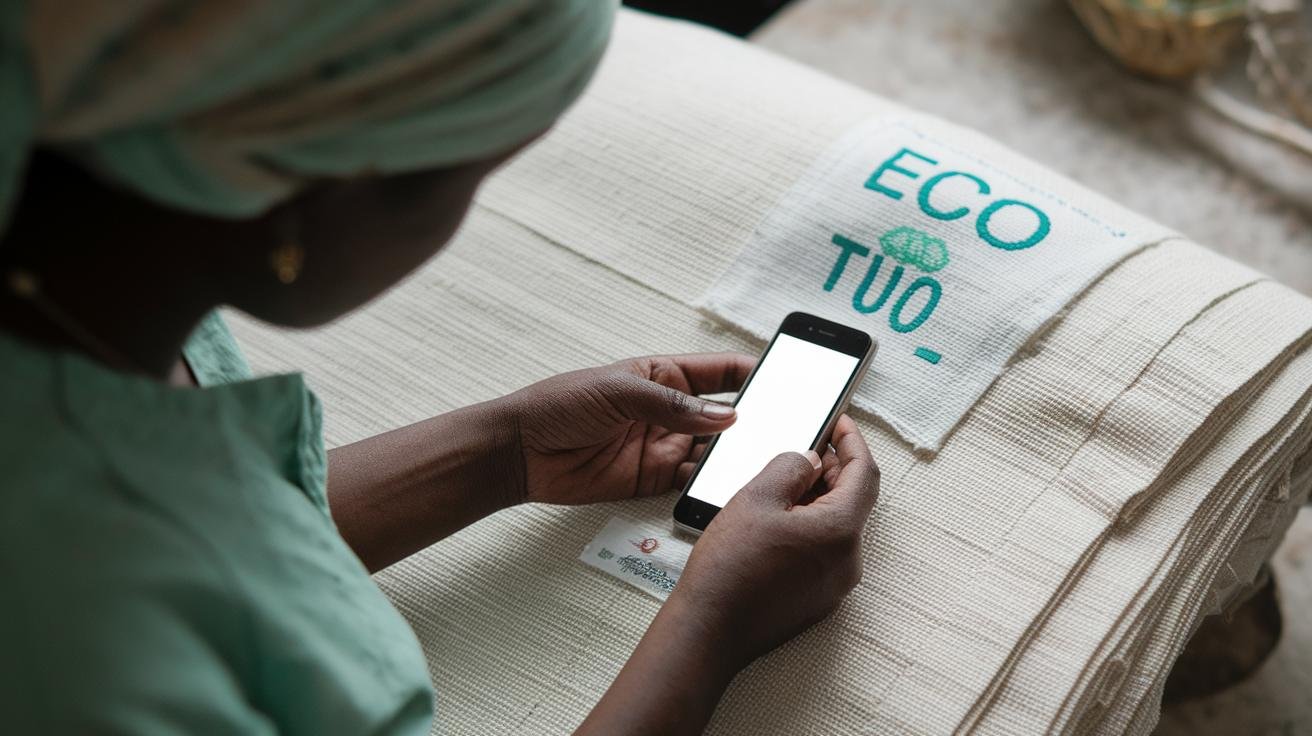
Certifications are the receipts for your promises. They make it simple to show customers you mean what you say, and they help makers prove their materials and processes are traceable without a legal novel. Think of them as shared paperwork that keeps makers, brands, and shoppers honest. You know? Useful, clear, no guesswork.
| Standard | Key Criteria | Certifying Body |
|---|---|---|
| GOTS (Global Organic Textile Standard) | Minimum organic fiber content, restricted chemicals, social criteria, chain of custody from farm to finished product (traceability from fiber to garment) | Accredited GOTS certifiers (third-party auditors) |
| Fair-Trade Certified | Fair wages, safe working conditions, community premiums, independent audits of suppliers | Fairtrade International and national Fair Trade certifying organizations |
| EU Green Claims Directive | Rules for verifiable sustainability claims, requirement for evidence and transparency, protections for small producers against vague greenwash | European Commission and regulatory enforcement bodies |
Pick what matters most for your project. If you care about eco-friendly fibers and yarn-to-garment traceability, GOTS or an equivalent organic standard is your friend. If the brief is about worker income and community reinvestment, Fair-Trade style criteria should lead the way.
Use the EU Green Claims Directive as your checklist when you write product copy. It nudges brands toward verified claims and helps keep small artisan partners from getting squeezed by vague marketing language. So when you say something like organic or low-impact, make sure you can back it up with paperwork and audits. No fog, no guesswork.
Budget and artisan capacity matter. Third-party audits cost time and money, and not every small studio can handle a heavyweight certification right away. So pick standards that fit your storytelling and the maker’s ability to meet audits. You can phase things in. Start with one clear claim, show the receipts, then expand.
Quick checklist you can use:
- Lead with what customers will feel or touch, like an organic cotton tee that feels soft after a few washes.
- Match the certification to your story: traceability for materials, Fair Trade for worker benefits.
- Be transparent about audit limits and timelines with artisan partners. They’ll thank you for it.
In the end, certifications are tools to help you tell a true, tactile story, one that shoppers can trust and artisans can stand behind. Keep ethical sourcing front and center, and your co-branded pieces will carry that honesty from loom to doorstep.
Ethical Co-Branded Merchandise With Artisans Builds Trust

Good co-design starts with a few clear goals: protect artisan skills, make sure maker knowledge actually shapes product choices, and set plain rules for pay, credit, and how cultural motifs get used. Put artisan voices next to brand ideas, equal space at the table, and you end up with products that feel right in the hands that made them and in the market they’re made for. Think of it as brand-artisan co-creation where craft, fit, and story all matter.
Here’s a simple, four-step process that keeps things fair and practical.
Initial briefing
Bring real samples, mood boards, and a plain-language brief. Pay a small stipend so makers aren’t planning for free. Agree up front who signs off on what before you stitch a single seam. That saves confusion later.Prototype co-development
Make low-risk samples together. Try finishes on real looms or in artisans’ hands, and swap notes while the cloth is still warm from the dye pot. Keep a shared notebook or photo log so every change is tracked and no detail vanishes.Artisan feedback loops
Schedule short, regular check-ins so makers can tweak construction, fit, or pattern placement. Pay for this time and treat feedback like design work, not an afterthought. You’ll get better results and fewer surprises.Final adjustments
Lock specs, note quantities, and set timelines that match artisan pacing. Build in a buffer for handcrafted variability and agree on quality checks that respect traditional techniques. It’s fine if things aren’t machine-perfect; that’s the point.
Common pitfalls and quick fixes
- Designers dominating decisions turns co-creation into tokenism. Use a decision matrix that spells out who owns which choices so power is clear.
- Skipping payment for sampling steals time. Always budget maker hours.
- Relying only on email ignores low-bandwidth workshops. Try phone calls, photo updates, or in-person visits instead.
- Using motifs without asking can cause harm. When designs carry cultural meaning, get explicit consent and a written usage agreement so cultural rights are respected and the market hears a truthful story.
A few final notes, you know? Pay attention to pacing. Handwork follows different rhythms than factories. And when a piece carries a real story, say a temple motif or a family stitch, let the maker’s voice tell it. That’s how trust gets made.
Pricing Transparency & Artisan Revenue-Share in Ethical Co-Branded Merchandise

Transparency matters. When you show clear splits, makers trust you and can plan ahead. That steady predictability turns craft from a side hustle into real, reliable work, you know?
Pick a payment model that guarantees predictable pay and fair wages so artisans can treat their craft like a job, not a gamble. Below are simple models that actually work in the real world.
Fixed fee + royalty
Pay a guaranteed amount per piece plus a small percent of sales. Good when makers need steady cash and you want to share upside. Example: "We pay $10 per bag + 3% of each sale so you get a steady check and a share if it takes off."Cost-plus pricing
Show the real material and labor costs, then add a fair brand margin so every penny is visible. Works great for trust and accountability. Example: "Materials $8 • Labor $12 • Brand margin $10 = Retail $40."Sliding scale by volume
Increase artisan pay as order volume rises so communities share in success instead of staying stuck at low rates. Helps long-term growth. Example: "0–100 units: $5 each; 101–500: $7 each; 501+: $10 each."
Case study: Hiptipico keeps steady payment cycles and posts real-time cost breakdowns so makers can see how retail price maps to their wage, materials, and the brand share. That kind of openness makes budgeting easier, and people sleep better.
Make the numbers public where shoppers will actually see them: hangtags, QR codes on packaging, or a short line on the product page. Even a tiny breakdown builds trust and tells the product’s story, the hum of the sewing machine, the texture of the fabric, the hands that made it.
Example product line note: "Materials $8 • Labor $12 • Brand $10 • Community Fund $2"
Simple. Honest. Fair. And that’s how partnerships grow.
Showcasing Co-Branded Artisan Collections: Case Studies
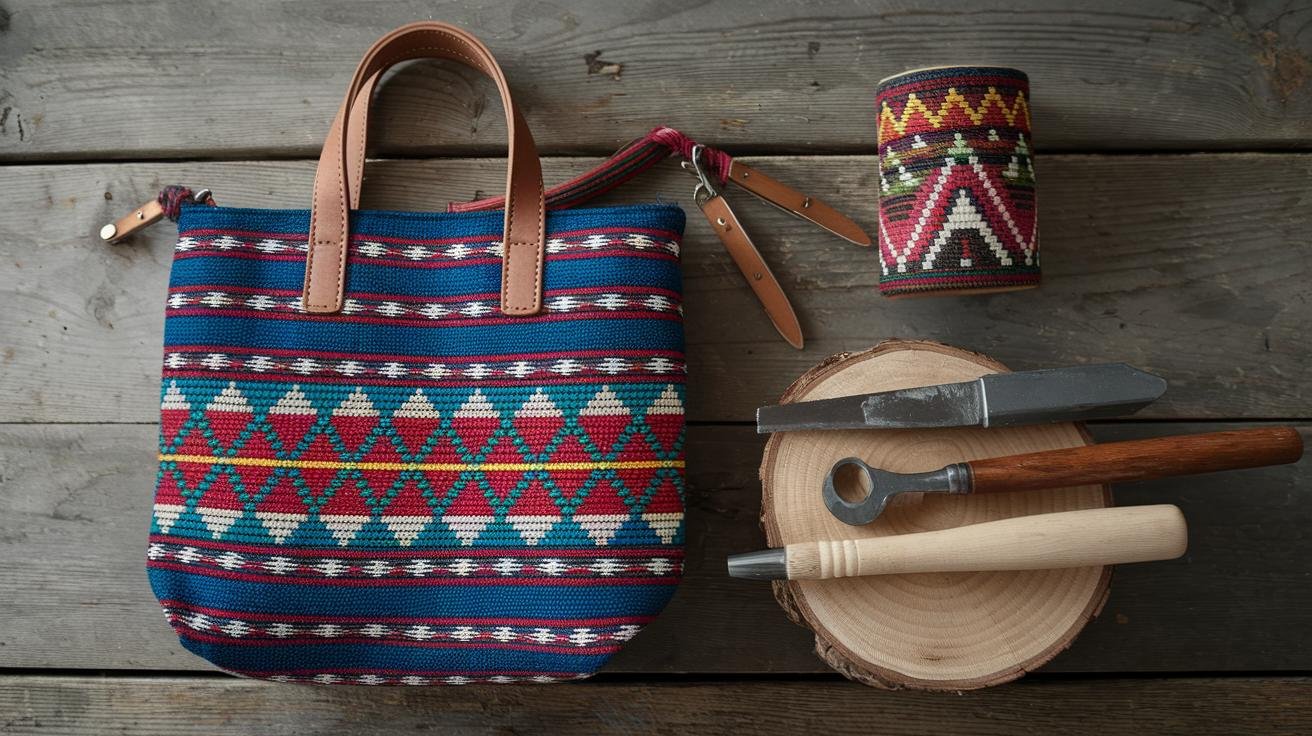
Here are two co-branding case studies: Case studies of Taiwan Merch collaborations.
Buno Behen feels like a bridge between Indian craftswomen and markets in the Global North. Their approach is reciprocal co-design: designers and makers sit together, swap samples, and shape silhouettes that read modern but keep traditional technique. Have you ever felt hand-loomed fabric? It’s soft in a way factory cloth rarely is.
Sustainability shows up in real ways. They cut waste with upcycling and small-batch runs, use locally sourced cloth, and create clearer income paths so craft can be more than pocket money. Design highlights include careful embroidery placement, garments that age into character instead of falling apart, and pieces that tell a maker’s story when you wear them.
Hiptipico works with female cooperatives in Guatemala and lets artisans set the pace. They make pieces like huipil (traditional Guatemalan woven blouse) convertible bags and vegan camera straps, and the artisans decide how fast things move. Their model mixes private-label and wholesale orders so makers get steady work and fair pay.
Production notes are specific: zero-waste stitching, DMC-thread embroidery, and silky Egyptian cotton for a luxe hand. The sustainability payoff is small but meaningful , less landfill, predictable wages, and items built to last. On the design side, expect sturdy straps, floral hand-embroidery you can feel under your fingers, and multipurpose bags meant for everyday use.
Building a Transparent Supply Chain for Co-Branded Artisan Merchandise
Pay artisans for the time they spend documenting their work, like photos, notes, or answering questions. It’s fair, and it keeps projects moving. Mention this in your sampling and payment terms so everyone knows up front. Sample line for an agreement: "We’ll pay NT$300 for up to 30 minutes of documentation (photos, notes, or voice messages)." (NT$300 is New Taiwan dollars, about US$9.)
Use a compact toolkit that works for small workshops and for teams that need simple records. Keep it practical and low-effort so makers aren’t burdened. Think of it like picking a bubble tea flavor: start simple, add extras only if you need them.
- Photo logs: one photo per key step, dated and named so you can trace progress. Example filename: dye-2026-03-01-batch102.jpg. You want to actually see the color soak into the fabric, right?
- Batch stickers/tags: batch number plus date stuck to rolls, boxes, or bundles. A tiny sticker on a bundle saves hours of guessing later.
- Shared folders and spreadsheets: a simple shared sheet or CSV with one row per batch and links to the photos. Clean, searchable, no fuss.
- Low-bandwidth channels: SMS or short voice notes for quick updates when internet is slow. Example voice note: "Dyed today, color code 07, batch 102."
If you need extra guarantees, immutable tracking like blockchain is an option. It’s more costly and not needed for most co-branded runs, so only pick it when you really need tamper-proof proof.
Make customer-facing proofs easy and friendly. QR hangtags that link to a short video or a compact timeline with batch photos and dates work great. Hangtag copy idea: "Scan to meet Mei-Lin and see this batch from field to finish." Cute, personal, and customers actually connect to the maker.
Measuring Impact & Empowering Communities through Ethical Co-Branded Merchandise
Measuring impact means tracking real change in people’s lives and the planet, not just neat charts and graphs. Think of it like pairing a number with a tiny, honest story , facts that make you nod and a voice that makes you feel, you know? Picture a hangtag with a stat and the creak of a loom or the smell of fresh dye , that’s the vibe.
Pick a few clear, practical KPIs and stick to them. Good ones to start with are:
- Number of artisans supported, plain and simple.
- Average wage uplift per maker, so you can show real income change.
- Hours paid for design and sampling, because unpaid labor hides impact.
- Tons of waste diverted or recycled, to measure material wins.
- Percent of fibers sourced locally, which keeps supply chains close to home.
- Count of empowerment programs or total training hours delivered, to show skills building.
Also track product-focused signals that tell you if things last. Repair requests, average garment lifespan, and return rates are small numbers that say a lot about durability and value. Those help you know if a piece is actually being loved and kept.
Follow the money so it’s not a mystery. Log community fund contributions and any sliding-scale pay changes so customers can see how checkout dollars flow back to makers. Transparency builds trust, plain and simple.
Turn numbers into short, human moments across your channels. Put one metric on a product page, a QR video on a hangtag, a social post showing a weaver at work, and an email that pairs a stat with a maker’s two-sentence note. For example: "35 artisans supported" next to Mei-Lin’s note about how fair pay let her keep her kids in school , Mei-Lin, a weaver in Tainan (Tainan is a southern city known for historic temples and tasty street snacks). Little stories make stats breathe.
Marketers can be activists here: report the metrics, show the faces, and push for policies that make craft a real, steady career for future generations. You can nudge buyers, partners, and even lawmakers by making impact vivid and easy to understand.
Start small. Pick three KPIs, tell one maker’s short story, and watch how numbers turn into something people care about.
Final Words
In the action, we sketched a clear path: what ethical co-branded merchandise means, handmade, eco-friendly, fair-pay pieces, and why it beats fast-fashion by lasting longer and cutting waste.
Next, we ran through core steps: choose artisan partners, pick eco fibers, set transparent pricing, co-design prototypes, map certifications, and share supply-chain details so customers can trust the story.
Keep it simple and support craft. Choose ethical co-branded merchandise with artisans and feel good about what you wear and share, you know?
FAQ
Frequently Asked Questions
Do you offer ethical co-branded merchandise for women and men with artisans?
Yes. We offer ethical co-branded merchandise for women and men made with artisans. Designs are gender-inclusive, contracts ensure fair pay, and handcrafted details prioritize quality, longevity, and cultural respect.
How can I tell if ethical co-branded merchandise with artisans is legit?
Look for transparent pricing, third-party certifications, artisan stories and traceable supply-chain information (photos or audits), and clear wage or revenue-share statements.
How can I find ethical co-branded merchandise with artisans near me?
Search local craft cooperatives, fair-trade shops, makers markets, and online platforms that list artisan partners, local pickup, or pop-up events.
What is Ethical Trade Co?
A company model that centers fair pay, transparent sourcing, and artisan partnerships, matching brand design goals with craft skills while sharing profits and production knowledge respectfully.
Are artisan home goods ethical?
They are ethical when makers receive fair wages, materials are eco-friendly, production is low-waste, and brands share sourcing details and artisan stories.
Are ethical slippers made by artisans durable and eco-friendly?
Often yes: when crafted from quality natural fibers, with sturdy stitching and local materials, and designed for longevity instead of fast fashion.

Grab a Free Taiwan Sticker!
Drop your email and we’ll send you a limited-edition Taiwan sticker — plus insider access to new merch drops and island vibes.
No spam. Unsubscribe anytime.