How To Partner With Taiwan Merch For Co-Branded Collections
Think co-branded collections always mean slow launches, big risks, and tiny margins? I thought that too, until I saw how we do it.
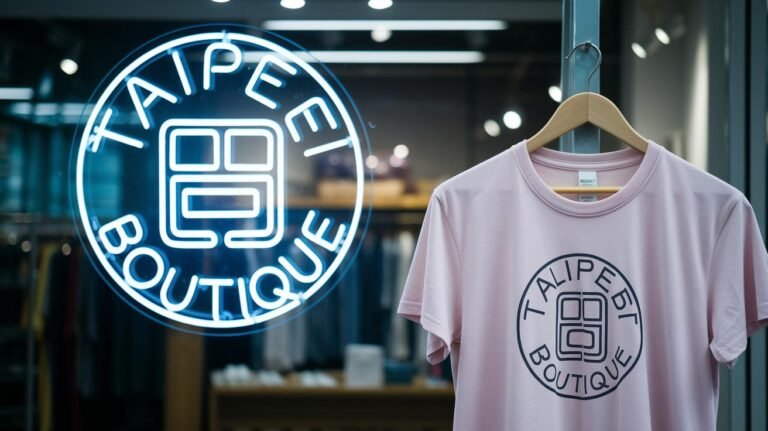
We’re Taiwan Merch. For 15 years we’ve been making apparel, accessories, and home pieces across Asia. We handle everything from sketch to shipment, so you don’t have to juggle suppliers, and we move product fast. Picture the neon glow of Taipei night markets (those busy street-food and shopping hubs), or a mug that warms your hands like a morning tea shop in Tainan (Tainan is famous for its tea and food scene).
Here’s the real deal: our typical launch timeline is 4 to 6 months. Minimum orders run about 1,000 units. Partners usually keep 60 to 70 percent of the revenue, so this is practical, not guesswork. We price and plan with real numbers, not hope.
I’ll walk you through a clear, step-by-step blueprint: research, outreach, design workshops, contracts, and production. You’ll know what to expect at every stage, and how to get products into stores and markets that feel as alive as a Taipei night market. Ready to team up?
Partnership Blueprint: Co-Branded Collections with Taiwan Merch
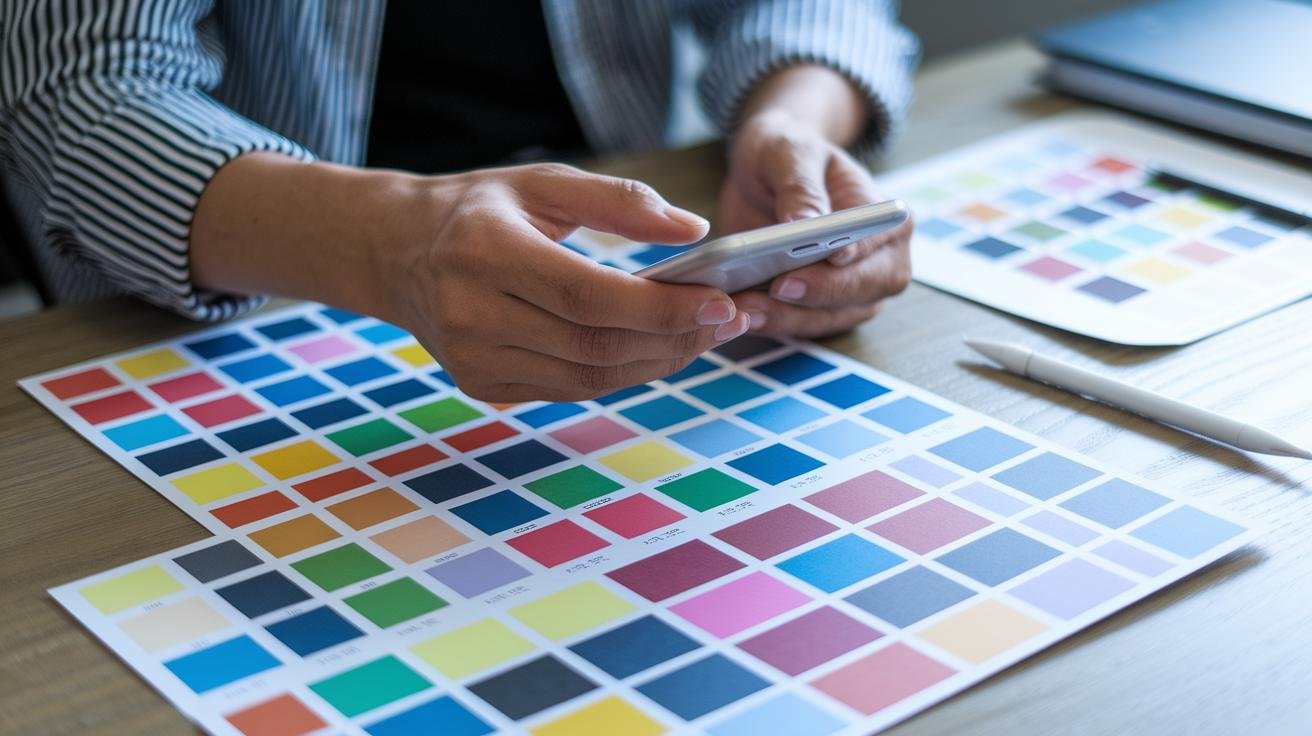
Taiwan Merch has more than 15 years making co-branded apparel, accessories, and home pieces across Asia, so you get real design, production, and distribution know-how. We handle everything from sketch to shipment, and we’re used to working with brands that want quality and speed. Think of us as the partner who knows how to get products out the door and into stores fast.
Ideal partners usually report $500,000 or more in annual revenue so both sides can put real resources and marketing muscle behind a launch. Typical minimum orders start at 1,000 units. Outreach-to-launch usually runs about 4–6 months. Revenue splits commonly give partners 60–70% while Taiwan Merch keeps 30–40%. You’ll also get our regional distribution network and in-house design support, which helps with retail rollouts and local marketing that actually lands, think neon glow of Taipei night markets, not just a press release.
Here’s the quick step-by-step blueprint we follow:
- Research Taiwan Merch expertise and track record
- Define partner fit and audience alignment
- Formal outreach using contact templates
- Proposal submission with market data and product ideas
- Negotiation on MOQ, pricing tiers, IP rights, revenue share
- Contract drafting covering exclusivity, production schedule, QA
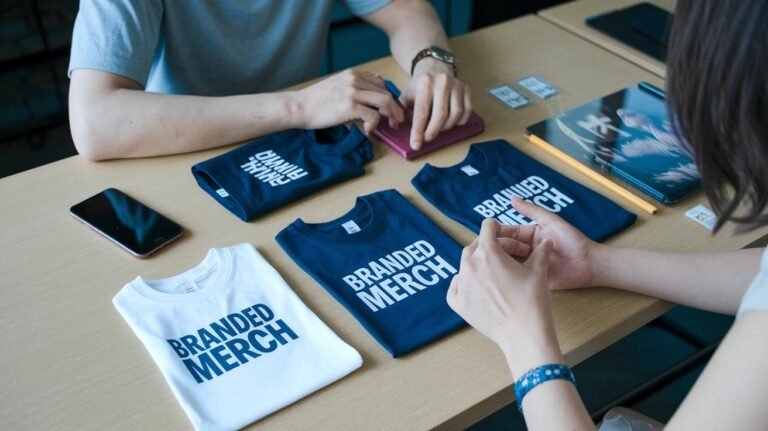
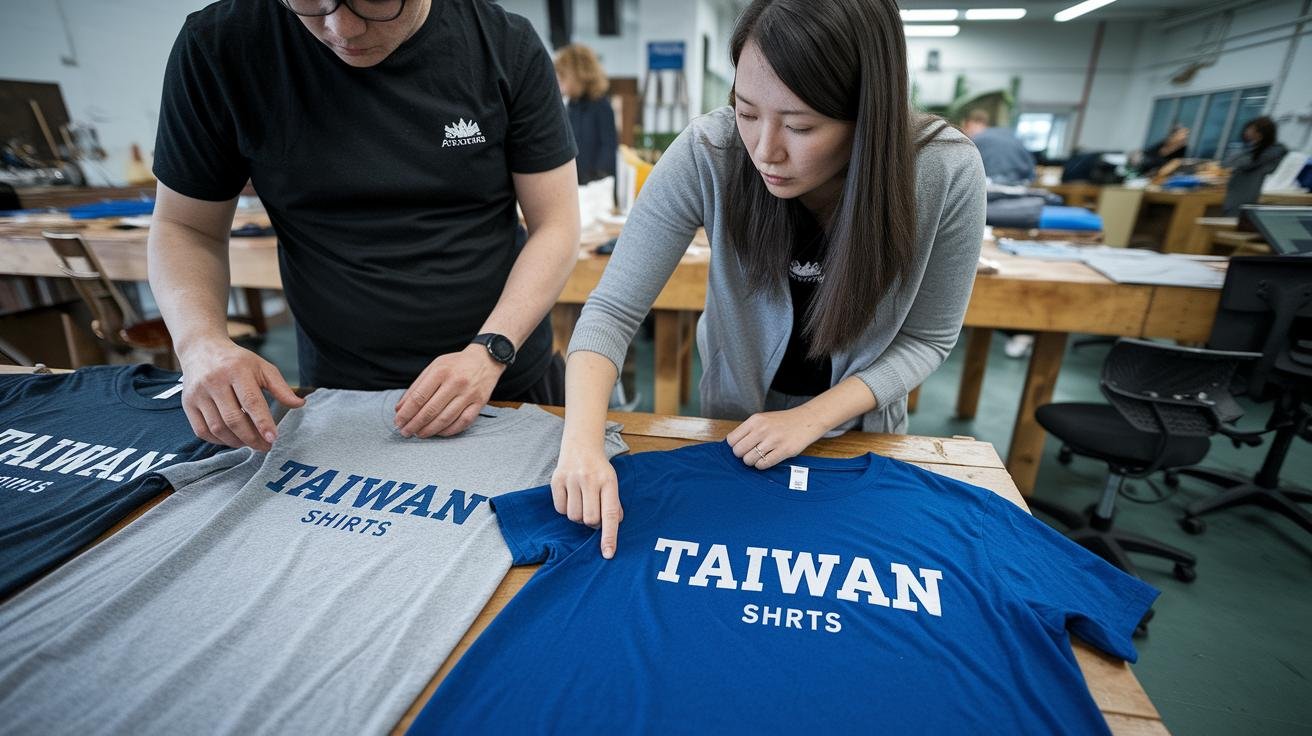
- Joint design workshops and sample approvals
- Production run, quality inspections, marketing prep
These steps keep the collaboration clear and manageable. Early proposal work and firm negotiations cut down on late changes and extra costs. Tight sample timelines help approvals and shipments stay on schedule, so you’re not losing sleep over delays.
Bottom line: this blueprint highlights the perks of a co-branded collection, shared audiences, faster market entry, and a practical roadmap for getting products made without the usual headaches. It’s all about making the process feel simple and friendly, like swapping ideas over bubble tea, you know?
Assessing Brand Fit for Taiwan Merch Co-Branded Collections
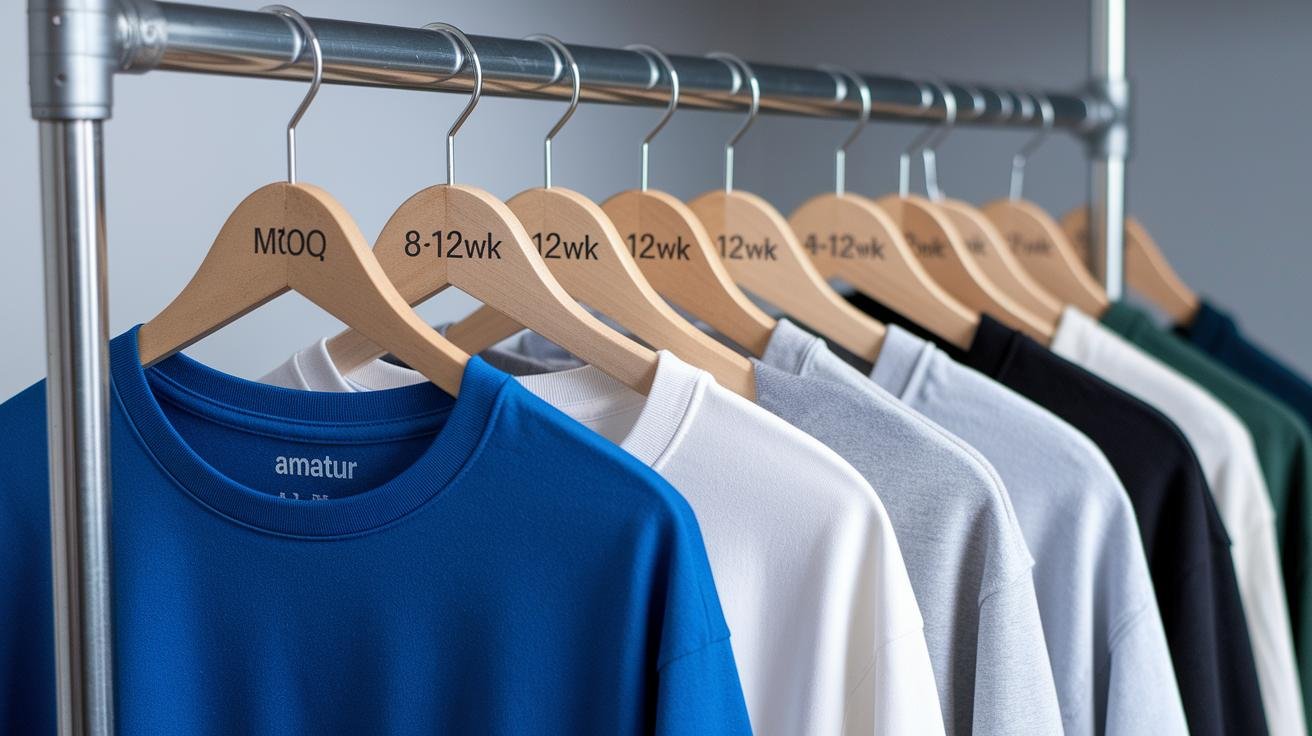
We boiled the guidance down into the Partnership Blueprint. It’s a short, easy playbook you can scan quickly, the kind of thing you’d pull out over a cup of bubble tea, you know?
Inside you’ll find a compact manufacturer-evaluation checklist:
- Production capacity , can they hit your volumes and timelines.
- Past co-brands , who they’ve worked with and how those collabs performed.
- Quality certifications , the basics you need to trust their output.
There’s also a guideline-alignment reminder covering logos, color codes, and hang-tags you can actually feel when the sample arrives. And we added a suggested sales-uplift expectation , roughly a 20 to 30 percent bump in Q1 , placed right under the steps for Define partner fit and Negotiation / Contract drafting. Wait, let me share that again… those items live under those two steps so they’re easy to find during contract talks.
For real-world results, see the limited-edition co-branded apparel Taiwan case study: limited-edition co-branded apparel Taiwan. It shows how the checklist maps to actual outcomes, though results will vary by partner and product mix.
If you want the checklist as a downloadable file or want to walk through a partner fit together, say the word. Um, happy to help.
Crafting Outreach & Proposals for a Taiwan Merch Partnership

First impressions matter, and a crisp, focused outreach saves everyone time. Start by saying who you are, who your audience is, and one clear collab idea so the person on the other end knows why this is worth a quick chat.
Email Outreach Template
Use a short, specific subject line like “Co-branded collection idea with [Your Brand] , quick chat?” Open with a friendly hello, one-sentence company overview, and a tight value prop: who you reach and why your fans will buy. Give 1–2 concrete product ideas (think hero SKU and one on-brand variation), attach a stakeholder briefing template, then close with a clear next step: suggest two meeting times and ask who the best contact is for design or operations.
Keep the email tidy, like a neat takeout box from a night market , easy to scan, satisfying to open. Don’t bury the ask. Make it simple for them to say yes.
Phone Script & Follow-Up Message
Start the call by naming the person and giving your one-line reason for calling. Then say what you bring: audience size, key channels, past drops and results. Use negotiation moves that aim for a win-win , price ranges, sample timelines, and IP permissions , and ask for the preferred next step: a design workshop, an NDA, or a proposal review.
After the call, send a follow-up that recaps the conversation, lists agreed actions, and attaches a creative direction outline. Short, visual notes work best. Think of it like sketching a design on a napkin and then emailing the photo.
What to include in your brief
- Brand synergy statement (who overlaps and why)
- Market data snapshot (audience metrics, projected sales)
- Sample product line (hero SKU, sizes, materials)
Keep follow-ups timely and tidy. Set deadlines for feedback, use shared docs for version control, and send a gentle reminder if you don’t hear back in 3–5 business days. That rhythm keeps negotiations moving and helps lock in production windows instead of panicking at the last minute.
A few small, practical tips
- Offer two clear meeting slots so scheduling is fast.
- Attach visuals or mockups , people buy what they can picture.
- Suggest a short design workshop (30–60 minutes) to speed decisions.
- Use simple file names and a shared folder for samples and specs.
Think of outreach like inviting someone for bubble tea: warm, direct, and easy to say yes to. You want them picturing the final product in their hands , the soft cotton, the vivid print, the way it feels on a morning market stroll. Keep it friendly, specific, and actionable, and you’ll move from email to production much faster.
Negotiation & Contract Essentials with Taiwan Merch
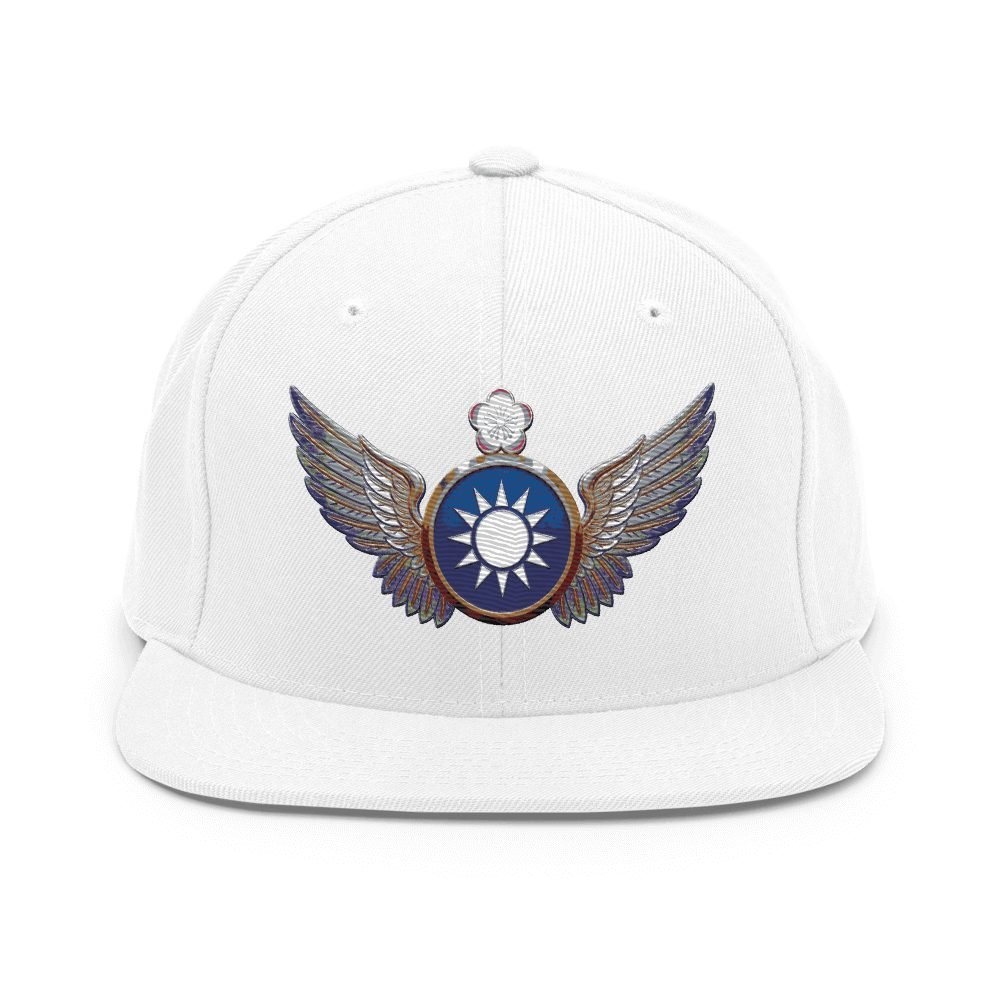

Kick off talks by saying what you absolutely need and what you can flex on. Lay out your must-haves, your soft spots, and the deal-breakers so conversations don’t drift. Say how many units you want, what price bands you expect as volume grows, and who owns the designs and trademarks. That keeps things practical, you know?
Bring target timelines too. Think about 8 to 12 weeks for full production as a ballpark, and share a preferred revenue-split range and payment terms so everyone’s looking at the same facts. Jot notes during meetings, confirm the big points in writing, and set simple milestone dates for samples, approvals, and first shipment so deadlines don’t blur.
A few concrete checkpoints help a lot. Spell out what happens if a deadline slips, how quality issues get fixed, and who pays for rework or returns. Add audit rights, sample-hold milestones, and payment staging tied to approved samples so cash flow and quality move together. It’s like holding a sample up to the night-market lights before you buy , check it before you commit.
Keep termination and compliance clauses , they’re your safety net. Say how you’ll handle disputes: email first, then a call, then mediation if you need it. And set clear sign-off points for design, pre-production, and final shipment so everyone knows when a phase is really done.
| Contract Element | Key Details |
|---|---|
| MOQ & Pricing Tiers | 1,000 units min; volume discounts start at 5,000 units |
| Exclusivity & Territory | Define product categories and geographic rights |
| IP Ownership | Partner keeps brand IP; Taiwan Merch given a production license |
| Revenue Share & Payment Terms | 60-70% to partner; payment terms net 30 to 45 days |
Tip: use plain milestone dates instead of vague phrases like "soon" or "ASAP." Say "sample by May 15," "approval by June 1," or "first shipment July 10" so nobody guesses. Small clarity wins.
Want to protect cash flow? Stage payments to approved samples and agreed milestones. Want quality guarantees? Hold a sample before final payment and lock in who covers returns and rework. Simple rules, less drama.
And hey, don’t forget the little things that keep partnerships smooth: regular check-ins, a shared folder for specs and photos, and a short weekly status email. Keeps everyone aligned, like following the same recipe for bubble tea.
Collaborative Design & Production Workflow with Taiwan Merch

Start with a short, scheduled virtual design workshop, 30-60 minutes is perfect, where your creative lead, Taiwan Merch’s design rep, and the production manager focus on mood boards, hero SKUs, and must-have constraints like materials or label placement. Think of it like sketching ideas over a quick cup of bubble tea , fast, focused, and friendly. Use that time to get immediate feasibility feedback from our in-house design team and our list of vetted manufacturers.
Keep everything in a shared project space for mockups, tech packs (detailed specs and measurements), and versioned files so nothing gets lost and everyone’s looking at the latest art, specs, and notes. It saves confusion later, trust me. You’ll thank yourself when someone asks which file is the final one.
Set clear prototyping windows so things move fast. Review virtual prototypes first, usually 3-7 days, to spot layout or fit issues. Then request a physical first sample, typically 2-4 weeks depending on trims and fabrics.
Give a fixed approval deadline , five business days is a good rule. That way the production clock starts the day everyone signs off. Production usually runs about 8-12 weeks after final design sign-off, so tight prototype reviews shrink the whole schedule and cut down on rush fees, you know?
Treat samples and quality checks like safety stops, not optional extras. Start with pre-production checks: fabrics, color matches, and a signed tech pack. Those first checks catch the big stuff early.
During the run, do in-line inspections to catch sewing or seam problems as they happen. Do batch inspections before packing so any outliers get pulled. Agree on AQL sampling levels and hold-point sign-offs for each milestone ahead of time.
If a batch fails, spell out rework steps, timelines, and who covers costs right away. No surprises. Regular photo reports, short video walk-throughs of the line, and a final QC checklist help everyone sleep better before shipment. Um, even a quick clip of the sewing line goes a long way.
Co-Branding & Brand Guidelines
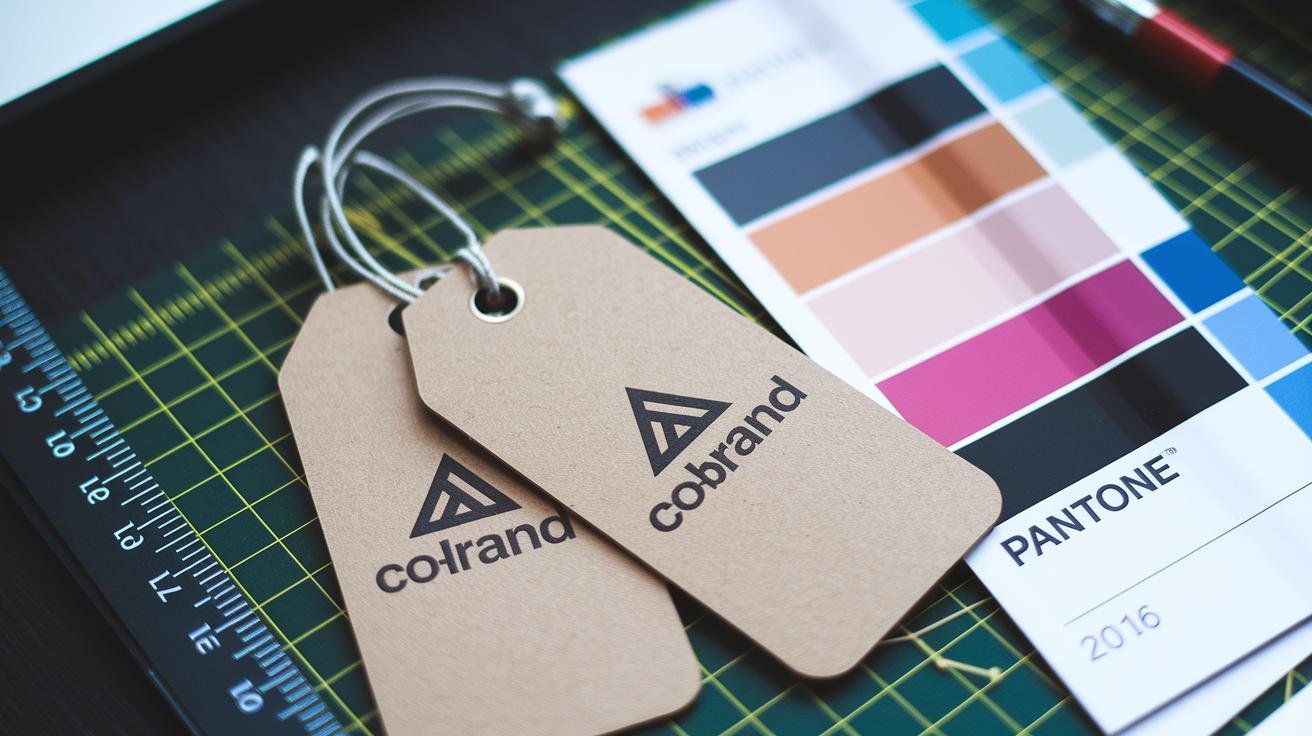
Tight brand rules keep co-branded collections feeling like one thoughtful piece, not two stickered-on logos. They save you from last-minute surprises when the first sample shows up. Think of it like choosing the perfect bubble tea (the sweet tea drink with chewy tapioca pearls) cup, one neat design that holds everything together, you know?
Logo Clear Space & Sizing
Follow the placement guide so the logo has breathing room. We measure clear space as X = the height of the logo mark, and that space stays free on all sides so seams and text don’t crowd it. Keep minimum print sizes to make sure tags and embroidery stay readable.
Don’t stretch, rotate, or add drop shadows to the logo. Placement options usually include left chest, back yoke, and sleeve cuff, with different rules for woven labels and digital mockups. Small note: embroideries need a little extra size and simpler detail to read well.
Approved Color Palettes & Codes
We list exact Pantone and hex codes for primary colors and accents, and when to switch to a monochrome version. Use high-contrast pairings so text pops on fabric and embroidery, legibility first, style next.
Call out thread or print color matches in the tech pack so samples hit the right tone on the first try. If you need conversions between Pantone and thread codes, add that in the spec sheet.
Hang-Tag Design & Asset Usage
Hang-tag specs cover layout, material choices like recycled cardstock or coated paper, and where to put co-brand logos, size charts, and care icons. Include barcode and small-batch codes when required, and choose finishes that match the collection’s vibe, matte for casual, slight sheen for premium. Little things matter: a soft-touch tag feels like a warm morning at a tea shop, and a glossy spot can read premium.
QA Checks & Approvals
We run periodic QA audits during sample and pre-production checks. That means photo reports, spot checks on logo placement and color matches, and hold-point approvals before full production runs. If a sample needs a fix, we pause, adjust, and re-check so the final run looks right on the first full batch.
Really. It’s worth the extra snapshot before you print a thousand pieces.
Marketing & Launch Tactics for Taiwan Merch Co-Branded Drops
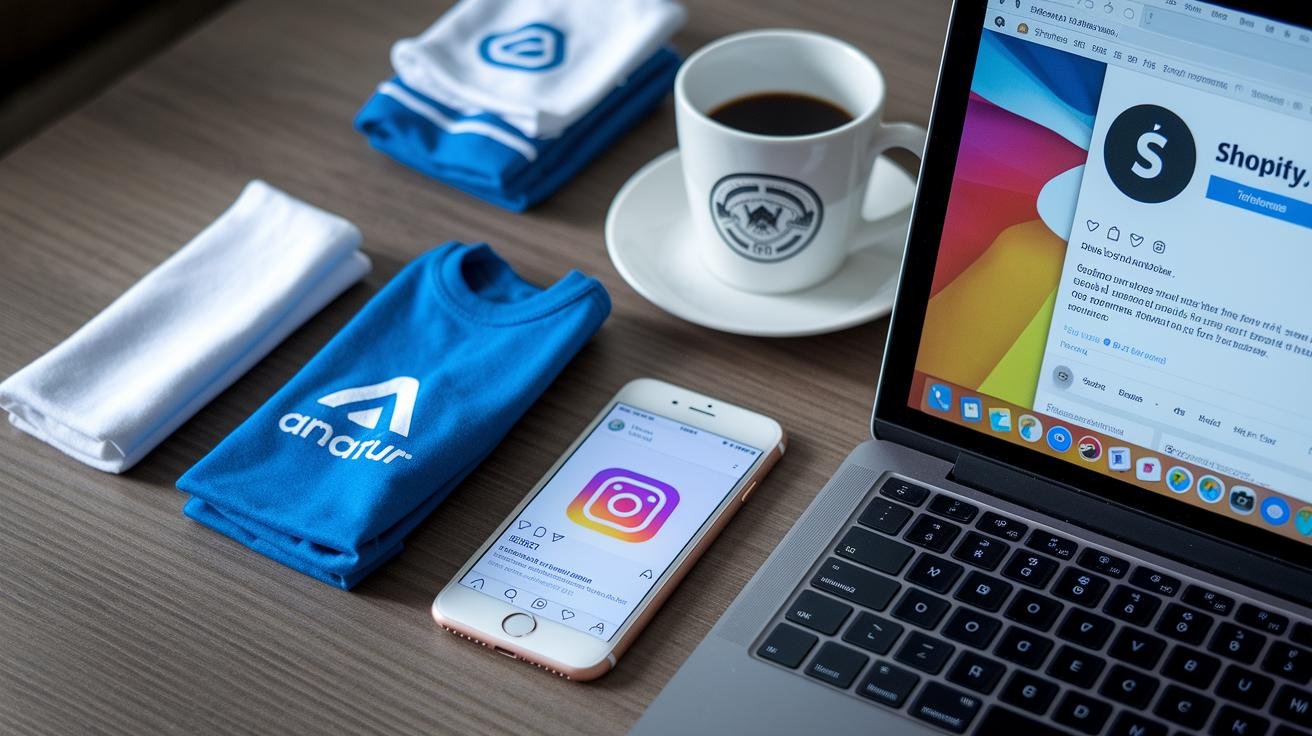
Treat a phased launch calendar like your north star. Start small and build momentum. I like a soft-tease week first , think short social clips, VIP email previews, a little mystery. Then open pre-orders and seed product with creators. Push hard on launch day, then give a short “last chance” window so folks don’t sleep on it.
Pick 2 or 3 main channels and stick to them. Email, your own socials, and one paid channel usually cover the bases. Map content and KPIs to calendar dates so everyone knows when to post, ship, and report. That way your ops team isn’t guessing, and your social team isn’t scrambling.
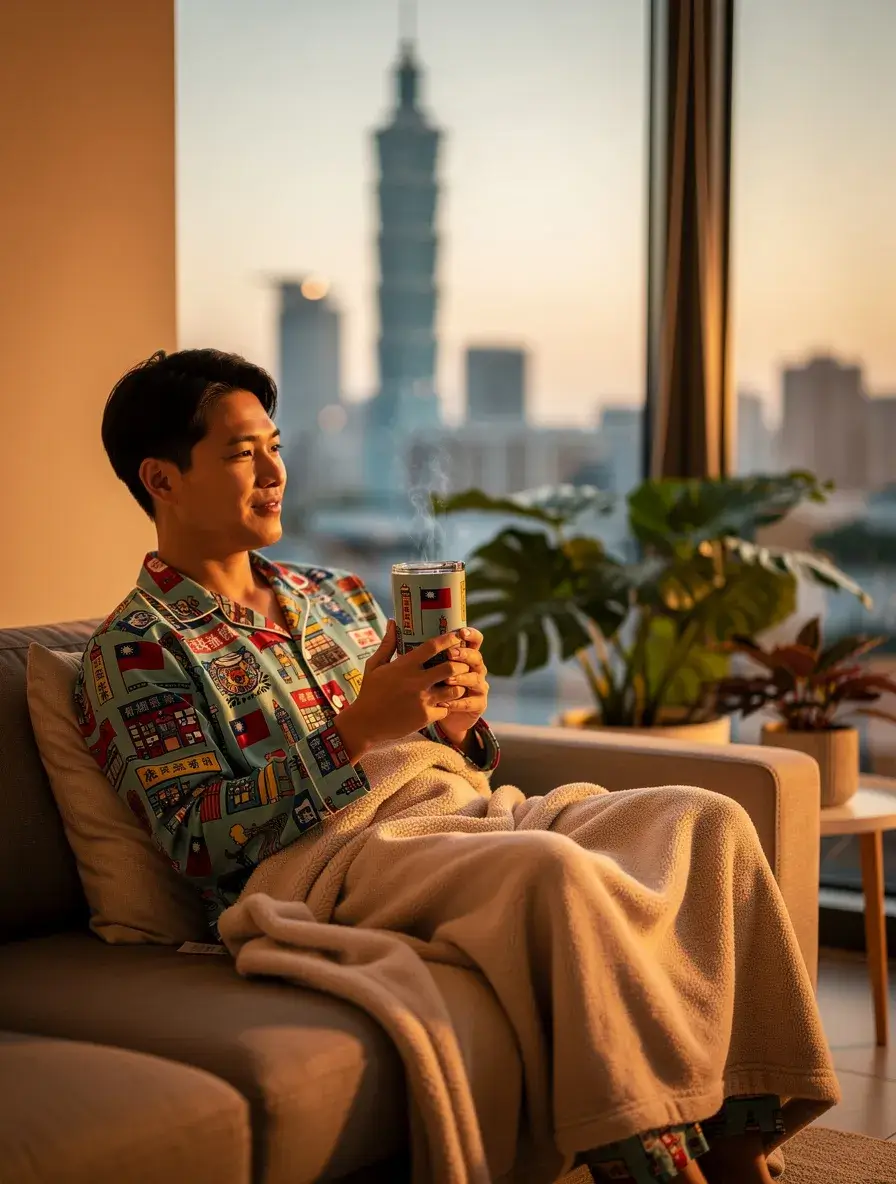
For social, lead with short video. Quick clips show fit, fabric, and vibe , like a hoodie catching Taipei 101 at sunset or a tote cradling a warm milk tea. Then layer in stills and Stories for product details and sizing. Use both paid boosts and organic posts together, and run a timed UGC contest: ask buyers to show how they wear the hoodie or use the tote for a chance to win a set. UGC feels real, and it converts.
Turn your best UGC and top retailer pages into paid ads. Promote what’s already working and watch which creative gets clicks and sales. Keep testing. Swap one creative at a time and track lift.
When you work with creators, seed product early and give clear posting windows. Seeded partners often drive 15 to 25 percent of early-week sales, so don’t wing it. Be specific about timing, captions, and swipe-up links. Small ask, big payoff.
Automate your emails. Set up a short sequence: VIP preview, launch open, cart reminder, restock alert. Keep subject lines simple and friendly. One quick note: VIPs love early access, so make that email feel exclusive , like a friend telling you about a hidden night market stall.
Lock down your e-commerce integrations with Shopify or WooCommerce for real-time inventory sync and cart rules. Test the flow at least twice. I mean actually buy something from pre-order to delivery. And build a second integration plan for wholesale or pop-up inventory so you don’t oversell in that first rush.
One more tip: calendar + clarity beats panic every time. If everyone knows the when and why, the launch feels smooth, like a perfect night market run , organized, a little chaotic, and totally fun.
Performance Evaluation & Scaling Your Taiwan Merch Partnership
Start with a few sharp metrics, like you’re checking the weather before a market day. Track sell-through rate (units sold / units shipped), margin per SKU (net margin by product), and a simple ROI formula: ROI (%) = (net profit / total project cost) × 100. These three tell you fast if a design is fizzing or flat.
Use real-time sales tracking, inventory management, and campaign analytics so you can see which SKUs land and which just sit. Weekly dashboards that break sell-through by channel and show return rates save you from guessing at reorder time. Nice and clear, like reading a night-market stall list.
Quick case study: a lifestyle brand launched a co-branded hoodie and tote with Taiwan Merch and saw a 20 to 30 percent bump in Q1 sales. They watched live-sales dashboards, spotted the hoodie as the clear winner, shifted stock from slow channels to top stores, and used the launch bonus to add two new colorways. That fast feedback loop cut the usual reorder guesswork and made lead times predictable, like the steady rhythm of a night market you can count on.
Want to scale without chaos? Follow repeatable steps, one small move at a time.
- Tighten sample timelines so approvals don’t stall production. Waits kill momentum.
- Renegotiate MOQs (minimum order quantities) as you move from test runs (say 1,000 units) to bigger batches. You’ll want pricing that flexes with volume.
- Set reorder points in your inventory system and keep a safety buffer for lead-time changes. It’s like carrying an extra umbrella when the forecast looks iffy.
- Reinvest early profits into deeper SKU depth , more sizes or colors that sell , instead of splurging on unproven designs.
- Run A/B creative tests on product pages, and use customer feedback to tweak fit or trim before the next sample round.
Small, steady moves keep costs down and growth steady, you know? Think of it like choosing bubble tea: pick your base, then add one or two trusted toppings. That’s how you scale Taiwan Merch partnerships without the drama.
Final Words
We covered Taiwan Merch’s 15+ years, the 1,000-unit MOQ, a 4–6 month timeline, and the usual revenue split that gives partners about 60–70%.
We listed eight phases: research, fit, outreach, proposal, negotiation, contract, joint design, and production. So you’ve got a clear step-by-step. Picking a partner is like choosing a bubble tea: start with the base, then add toppings.
If you want guidance on how to partner with Taiwan Merch for co-branded collections, use this post to prep your pitch and timeline, then reach out. It’s a friendly, low-risk way to bring Taiwan stories to life.
FAQ
FAQ
How to collab with a clothing brand?
To collab with a clothing brand, research fit and audience, send a clear outreach with product ideas and sales projections, agree on MOQ (often 1,000 units), and plan a 4-6 month design-to-launch timeline.
What are examples of fashion and social media collaborations?
Examples include capsule collections with shared branding, influencer product drops, co-branded pop-up shops, sponsored content series, and joint giveaways that drive awareness and early sales.
Which brands and products is Taiwan famous for?
Taiwan is known for brands like ASUS and Giant, and products such as pineapple cake (a popular sweet pastry), bicycles, scooters, and consumer electronics enjoyed across Asia and beyond.
Grab a Free Taiwan Sticker!
Drop your email and we’ll send you a limited-edition Taiwan sticker — plus insider access to new merch drops and island vibes.
No spam. Unsubscribe anytime.