輕鬆掌握台灣陶藝技巧
What if learning Taiwanese pottery felt as easy as ordering bubble tea?
Picture this: you, a little table, and a twenty-minute window. Simple, right?
Grab a pinch of clay, set a small workspace, and get ready to feel the cool, silky slip under your thumbs as the clay steadies into a bowl. It’s tactile, a little messy, and oddly calming, like the quiet after the neon glow of a Taipei night market, you know?
We’ll move step by step. First, picking your clay. Red earthenware is cozy and forgiving, great for rustic bowls and low-fire pieces (it’s porous and fired at lower temps). Porcelain is smoother and more translucent, perfect if you want a fine, white finish.
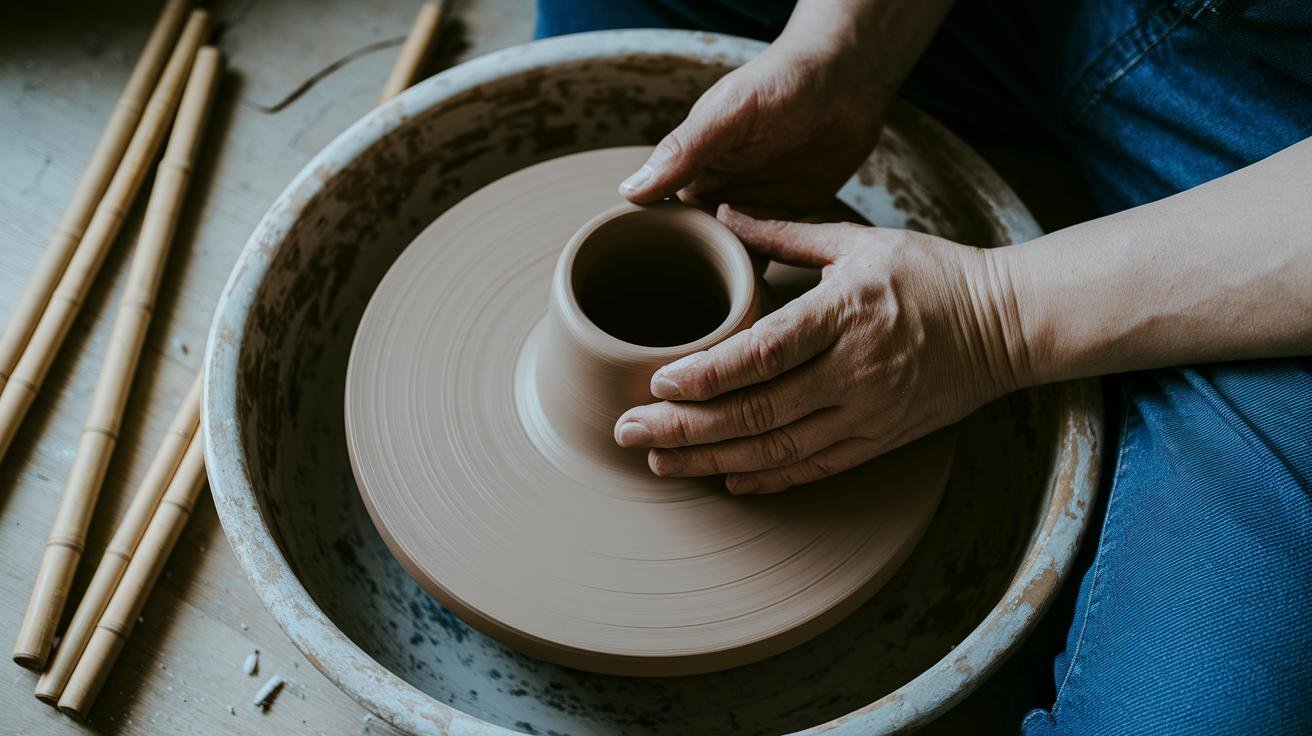
Next, shaping. Try the coil method if you like slow, hands-on building, stacking ropes of clay and smoothing them together. Or hop on the wheel if you want that centered, rounded look, think of it like learning to ride a bike, a little wobble at first, then magic.
Then we’ll mix slip and test glazes. Slip is just watered clay you use to join or decorate. Celadon glaze is a pale green glaze common in East Asian pottery, giving that soft jade look, test a tiny piece first to see how the color shifts in the kiln.
Firing comes last. Safety first: ventilate, wear a mask when needed, and follow kiln instructions closely. Keep notes on temperatures and times so you can get the same results again. Repeatability is the trick, like dialing your favorite bubble tea order.
By the end you’ll have clear, hands-on steps to try today. Start small, enjoy the feel of the clay, and who knows, maybe you’ll leave with a little bowl and a warm story about your first try.
Practical Overview Of Taiwanese Pottery Techniques
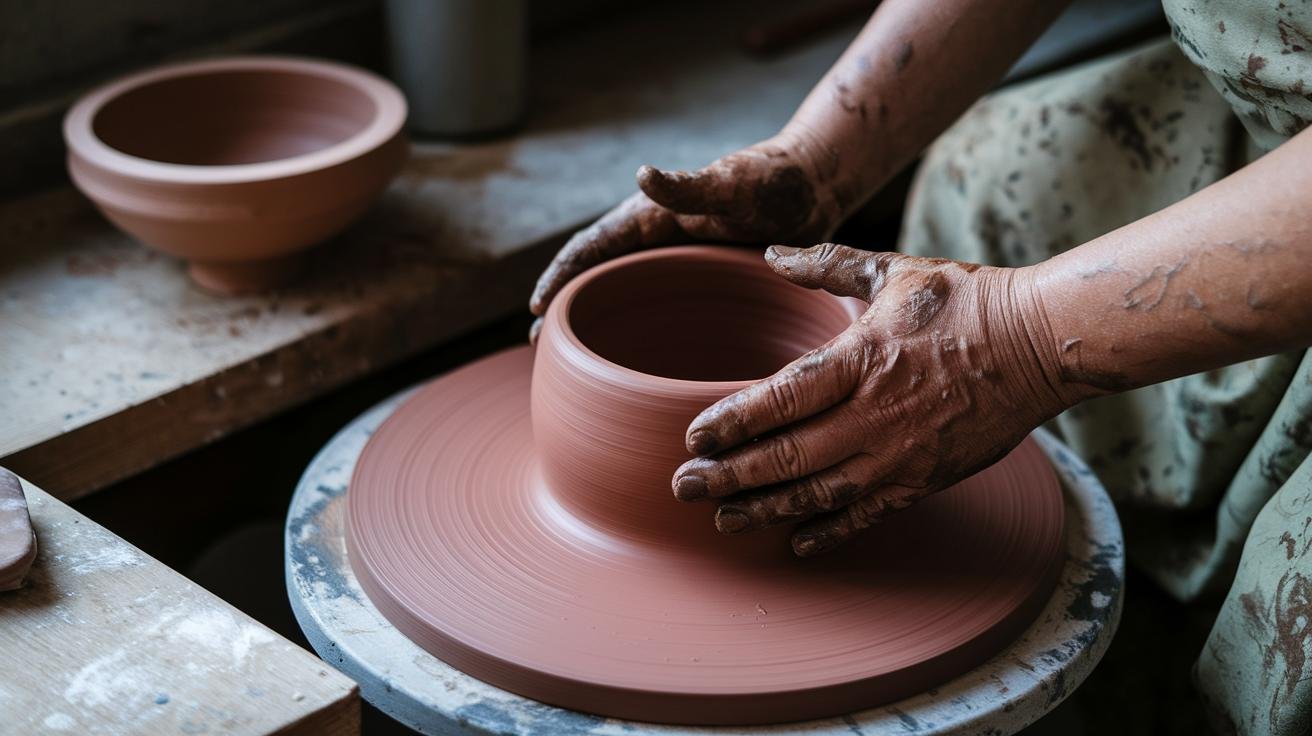
Want a quick, hands-on way to dive into Taiwanese pottery? Here’s a simple roadmap you can follow at a small studio or even at your kitchen table. For a bit of cultural background, peek at traditional Taiwanese crafts , it helps you feel the roots as you shape clay, you know?
-
Choose your clay. In Taiwan you’ll often see red earthenware (a common local clay that’s warm and slightly porous) and porcelain, which is thin, white, and a bit translucent. Think about how the finished piece will be used , a planter loves earthenware, a teacup usually wants porcelain.
-
Pick one hand-building method and stick with it at first: coil, slab, or pinch. Practice making even walls and smooth joins. Score and slip (scratch the surfaces and add liquid clay) so the parts bond and don’t crack.
-
Try wheel-throwing a simple bowl. Start with spiral wedging to push out air bubbles, center the clay, open it, then pull the walls up and shape a clean rim. It’s rhythmic , you’ll feel the clay steady under your palms as the form appears.
-
Play with slip and glaze. Mix a decorative slip, or try a basic celadon glaze (celadon is a pale green glaze popular in East Asia). Always test on a small bisque piece first , bisque means the clay’s been fired once and is ready to absorb glaze.
-
Fire in an electric kiln at about 1200 °C (about 2192 °F). A controlled oxidation firing gives consistent color and results. Keep a kiln log: note the pyrometric cone (a little temperature indicator), ramp speeds, and soak times so you can repeat what worked.
From Neolithic sand-filled wares to Ming and Qing glazes, to the arrival of the electric wheel and today’s contemporary studio pieces, each step links to Taiwan’s long clay story. Try one technique, get messy, and let the clay teach you a bit of history as you go.
Traditional Hand-Building Methods In Taiwanese Pottery Techniques
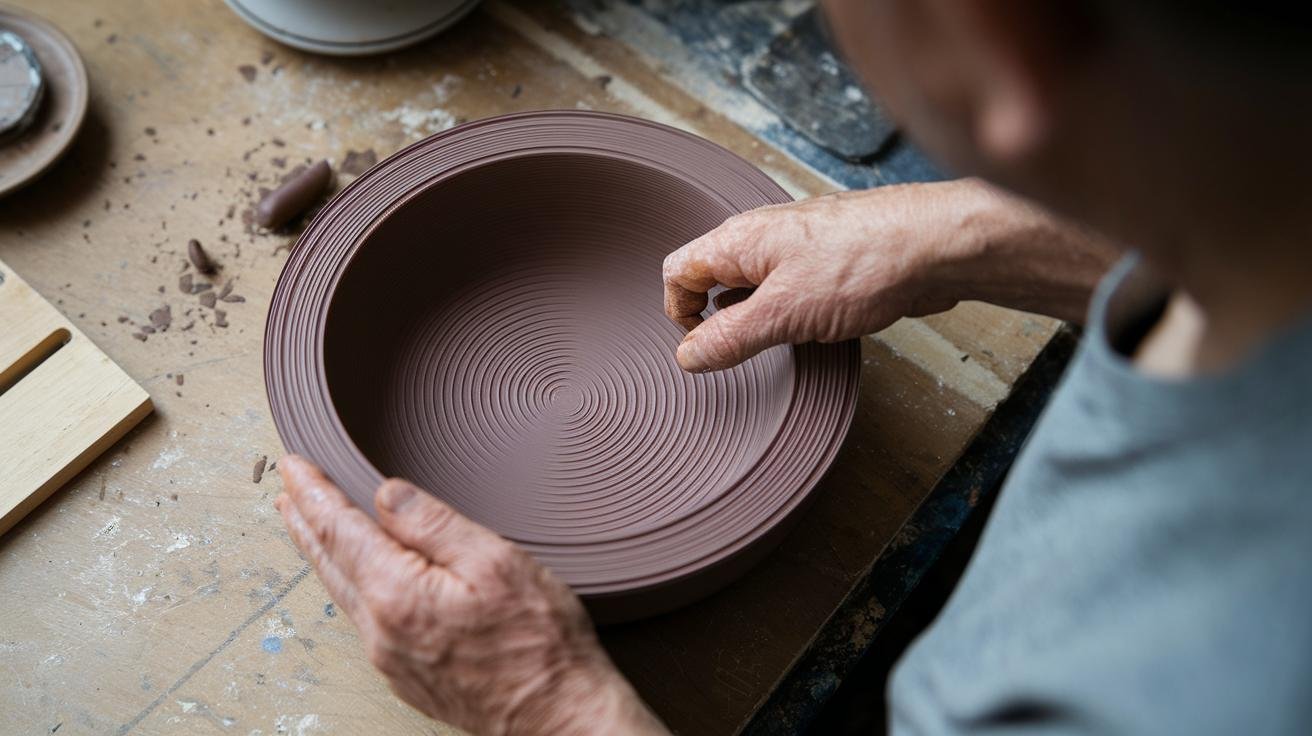
Long before potter's wheels and studio kilns, Dapenkeng potters shaped clay with their hands (Dapenkeng is an early Taiwanese pottery culture known for hand-formed work). It’s a very direct, almost primal way to make pots, you feel the earthy scent of wet clay and the warm press of your palms as you work.
Start by prepping the clay. Wedge it until it’s smooth and even, screen out any gritty bits if the batch feels sandy, and keep the body slightly soft so it stays workable. If you’re using earthenware clay (Taiwan studio mixes often use this type), the piece will stay warm and a little porous, perfect for coil and pinch techniques.
Coil building is rhythm more than precision. Roll even ropes of clay, stack them like gentle rings, then compress and blend each joint until the wall reads as one surface. Use a wooden or metal rib to smooth as you go. Great for tall vases, think of it as building up a story, layer by layer.
Pinch work is simple and honest. Start with a ball, press your thumb into the center, then pinch and rotate to thin the walls. Keep checking thickness with your fingers so it stays even. It’s perfect for small cups and bowls, there’s something lovely about the way a little cup fits in your palm.
For wider shapes, slab construction shines. Roll a flat slab, cut shapes with templates, then score both edges, add slip, and press the seams together. Slip is just thinned clay, sticky and forgiving when you need it to be.
Good joins come from careful scoring and slipping. Crosshatch both surfaces, apply a tacky layer of slip, press and rub the seam until it feels like one skin. Practice on scraps so you learn the right bite and bond, then sponge-smooth and let pieces reach leather-hard (partly dried but still workable) before trimming.
Dry slowly and evenly; cover pieces to avoid fast drying and cracks. Patience really pays, you know? I once left a piece uncovered and it split, lesson learned.
Taiwanese Wheel-Throwing Pottery Techniques Explained
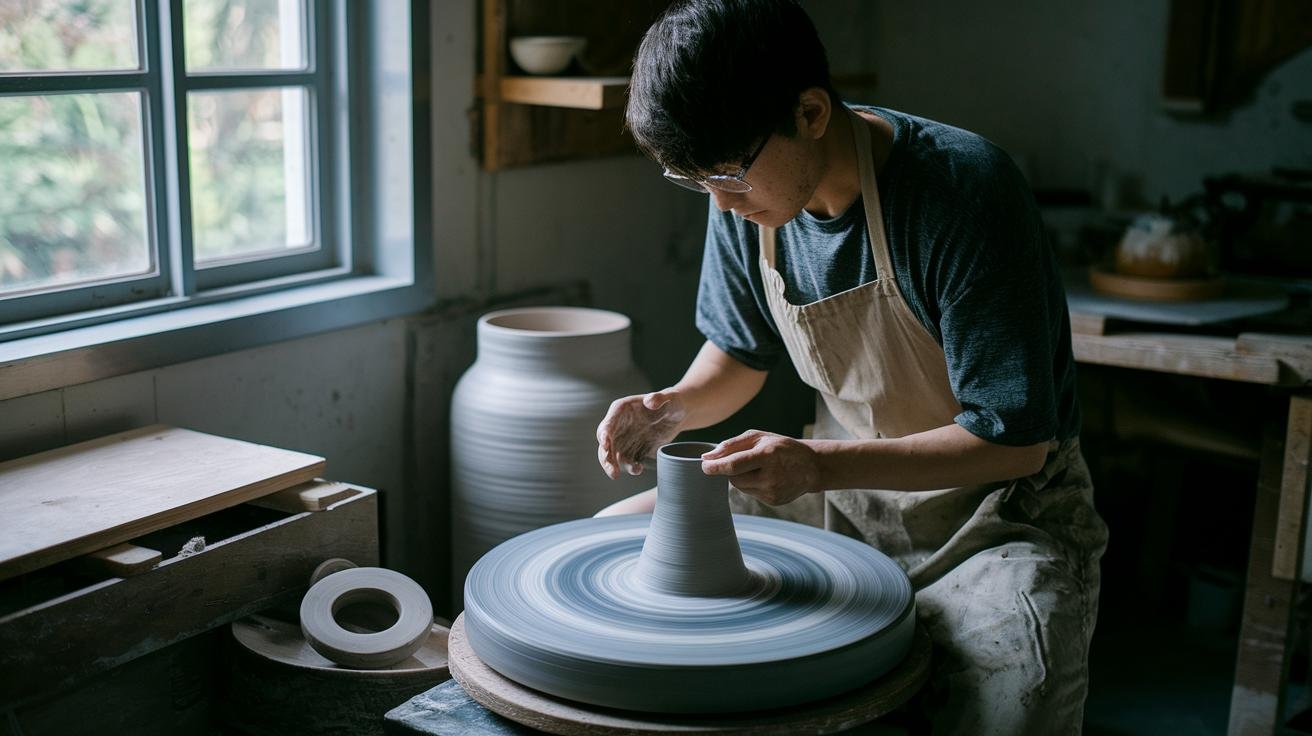
When electric wheels and plaster bats arrived with Japanese studio gear, they quietly changed how people learn on the wheel here. You could say they made the studio a bit more predictable, a little easier to teach, and honestly more fun to play with.
A common Taiwanese stoneware mix is forgiving and reads nicely under your hands. It’s not too slick, not too stiff, kind of like clay that lets you learn mistakes without punishing you. That makes it a great place to start if you’re still finding your rhythm.
There’s a low hum from the wheel and a cool slip on your palm, and together they remind you to move with the clay, not fight it. It’s a little like the steady buzz of a night market generator, calming once you get used to it, you know?
For full, step-by-step sequences see the Practical Overview. Two quick, practical notes worth keeping in your pocket: trimming really finishes a form, and an old hacksaw blade bent into a small loop makes a nimble trimming tool many teachers swear by. Try saying this in class: "I bent an old hacksaw blade into a small loop to trim the foot, surprisingly neat."
- Wedging, centering, opening, pulling, trimming (see Practical Overview for details)
On teaching and practice: teacher Hsin Chuen Lin often asks students to alter their thrown forms after pulling, cutting, pressing, or pinching the walls to give bowls a human, imperfect edge. It’s a tiny prompt that pushes people away from the perfect wheel-thrown look and toward something more personal and alive.
Key Glazing Approaches In Taiwanese Pottery Techniques
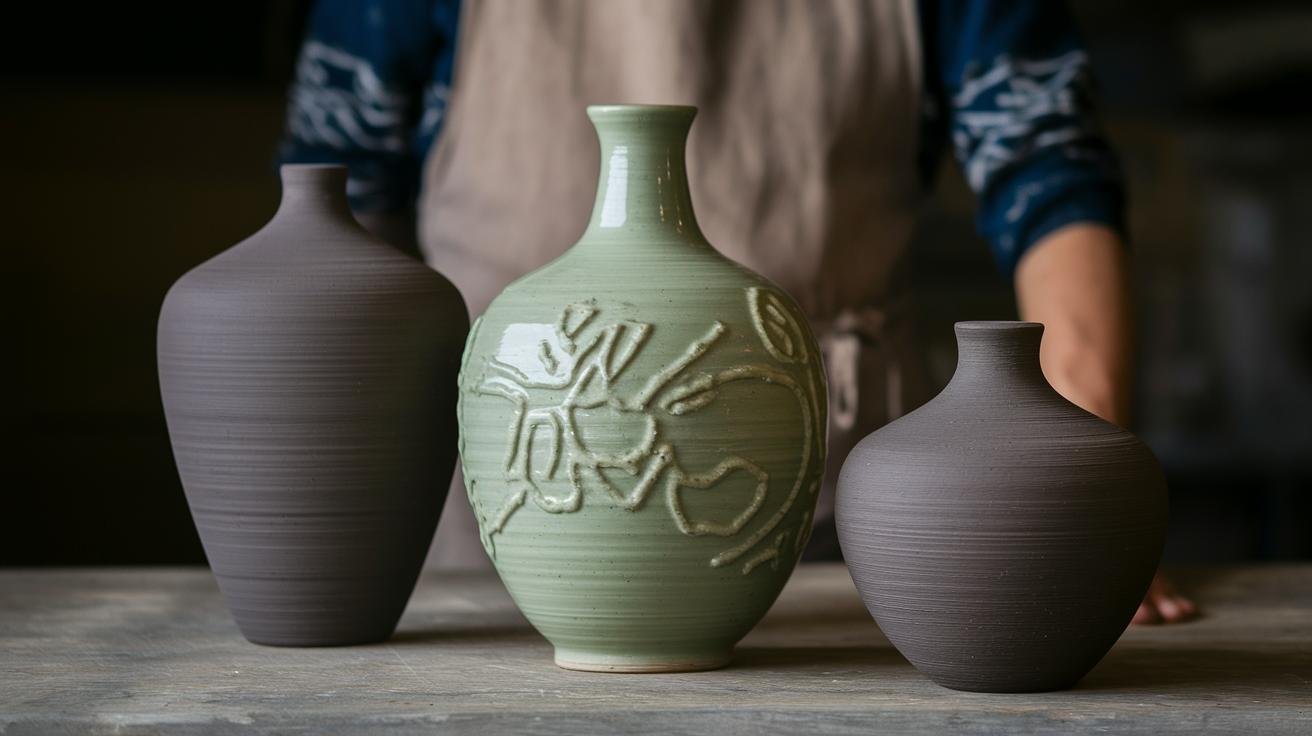
Start with the classics: celadon and ash-based finishes. Celadon is that pale green, silky glass that sits on porcelain or light stoneware and usually fires at about 1200 to 1300 °C. Many potters tune recipes with feldspar, clay, and just a touch of iron to coax that jade tone, soft and calm, like mist rolling off Sun Moon Lake, you know?
If you want warmer, cozier surfaces, go iron-rich. A little extra iron gives tiny dark freckles and a rustic, earthy warmth, like a hand-thrown teacup you grab at a night market. Those speckles make a piece feel worn-in and familiar.
Bring folk patterns to life with slip and painted surfaces. Slip is liquid clay used for decoration; trailing and slip-painting let you draw lines that melt slightly into the glaze during firing. Practice on tiles so you learn how the colors spread. Cobalt underglaze painting gives those crisp blue florals everyone loves, do the painting first, then finish with a clear or celadon coat to keep the lines sharp.
Sgraffito is great for contrast. Apply a colored slip, then scratch through with a fine tool so the base clay peeks out. It’s perfect when you want bold graphic lines or to show off two different clays. Try carving delicate motifs, or go bold and scratch wide, confident lines.
Tiny experiments speed up learning. Keep a test tile rack for every glaze or recipe and jot firing curves beside each sample, glazes behave differently with each clay body and kiln. Try layering slip decoration under a thin celadon, then wash a little iron-rich glaze near the rim for an antique, lived-in depth. Practice sgraffito and underglaze painting together; the results can be both homey and surprising, really.
Kiln-Firing Processes In Taiwanese Pottery Techniques
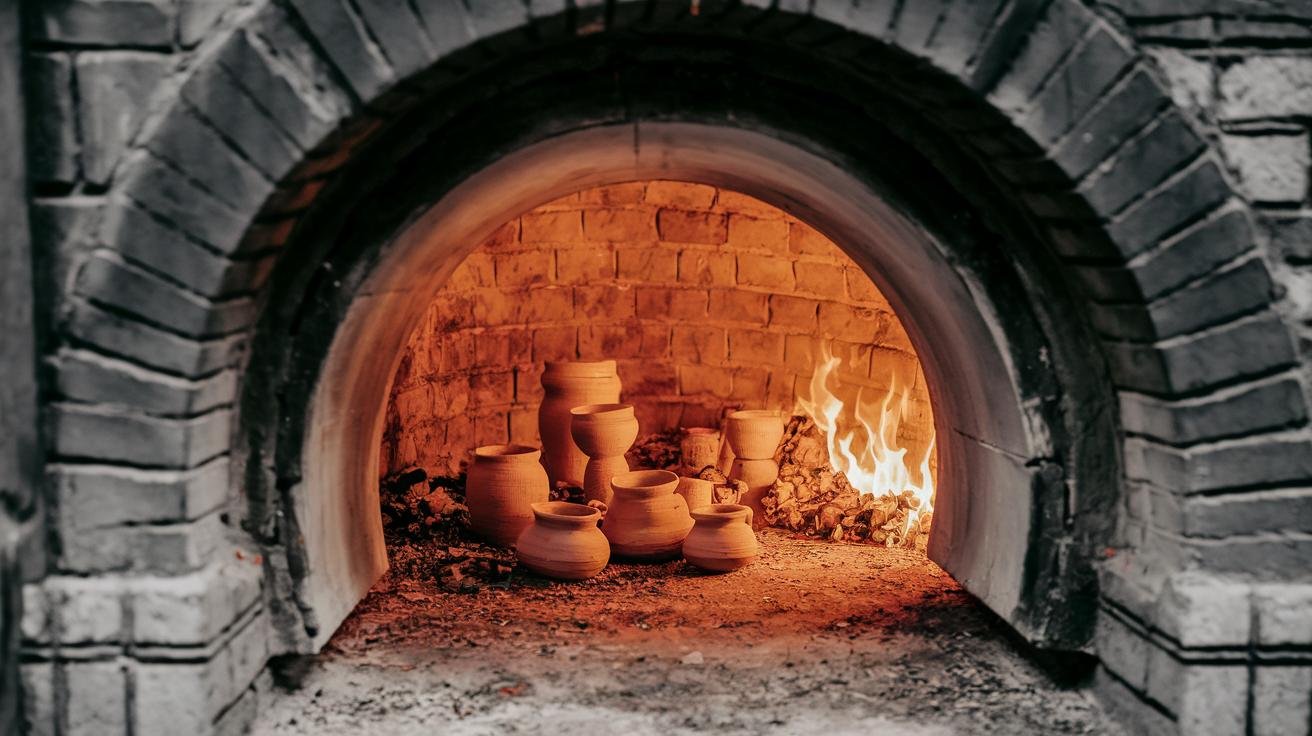
Way back, Neolithic potters hardened clay in open fires at low heat. The pieces came out porous and smoky, and when you hold one you can almost smell the fire. They tell a story you can touch.
Later, Chinese-style kilns got hot, about 800–1200°C (1,470–2,190°F). Potters learned to choose oxidation firing or reduction firing to shape color and surface. Oxidation firing means plenty of oxygen and brighter colors. Reduction firing cuts oxygen and pulls out richer, deeper tones, think of it like turning the kiln mood from sunny to moody.
Electric kilns arrived and changed the game for studios. They let you control ramps and soak times, hold steady heat, and repeat a run with confidence. So you can chase a particular glaze and actually hit it more than once.
In Taiwan today, most studios favor electric kiln firing for that predictability, controlled ramps, steady holds, repeatable results. It’s like picking a bubble tea base first, then adding your toppings. But the old wood-fired kilns still sing, you know? Dragon kilns (long, sloped tunnels fired with wood) and other wood-fired types drop ash, flash colors, and give rough, smoky skins no electric kiln can copy. Wood firing also makes little pockets of reduction while other zones stay bright with oxidation, so every piece is a surprise.
Specialty methods add drama and texture. Raku classes here show quick crackle and smoky surfaces on low-fired clay, pulled hot and buried in sawdust for that instant smoky kiss. Salt glazing at higher temperatures can etch a glassy, orange-peel texture that feels great to run your thumb over. Keep a kiln log and note cones, ramp speeds, and soak times, cones measure heat work, kind of like a kiln’s thermometer. Then you can mix the predictable runs of an electric kiln with a wild wood-fired session and watch oxidation and reduction play across the same piece. It’s beautiful, messy, and totally worth it.
Regional Styles And Materials In Taiwanese Pottery Techniques
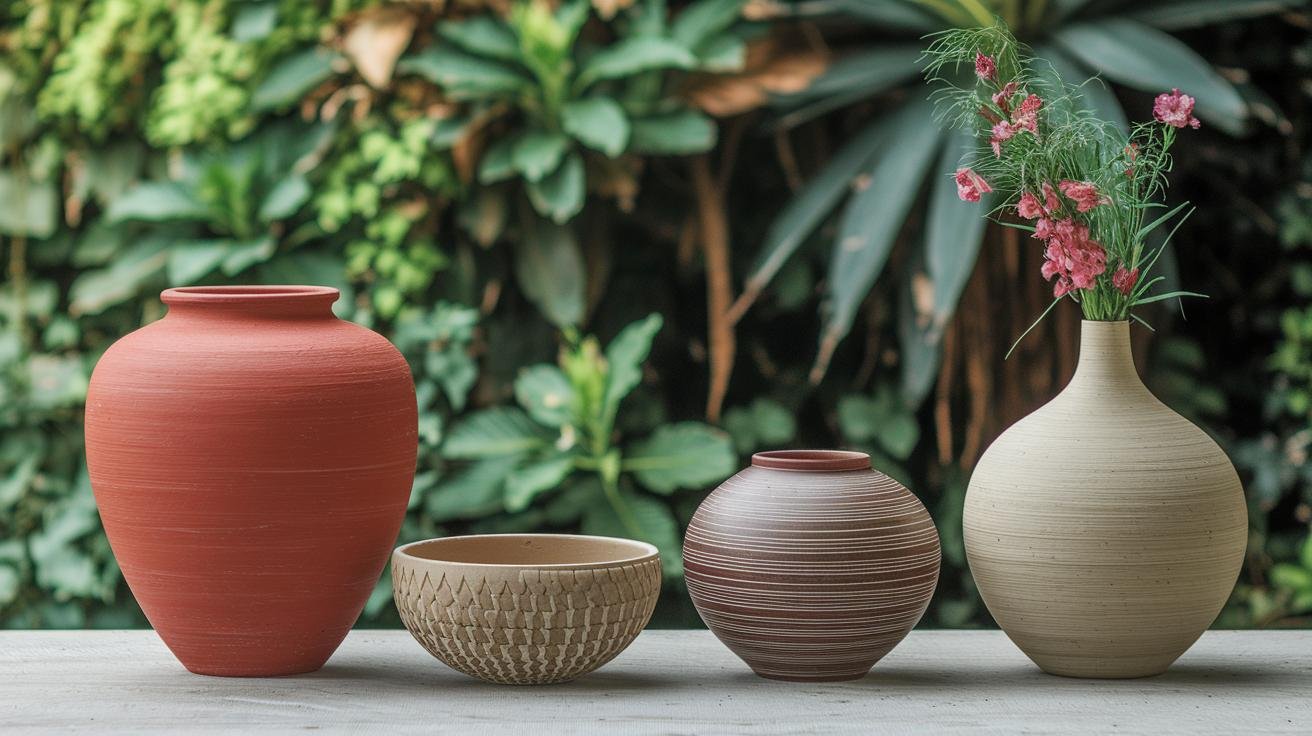
Yingge sits at the heart of Taiwan’s studio scene. Yingge (a town north of Taipei known for ceramics) smells like fresh-cut clay and sounds like pottery wheels humming, and the whole place has a hands-on, practical vibe. The Yingge Ceramics Museum keeps those old techniques alive for people learning to throw or glaze, so if you want reliable lessons in porcelain (fine, white clay used for delicate pieces) or sturdy stoneware, the workshops here are where many potters begin. You’ll feel it in your palms when you pull a cup on the wheel, you know?
Sanxia Faxi grew out of temple decoration and became its own red-clay tradition. Sanxia Faxi (from the Sanxia area, famous for temple roof and panel art) keeps those bright roof motifs but shrank them down into smaller, hand-painted pieces during the Japanese era. The clay has a warm, earthy look and the painted details pop like lanterns against dusk , very theatrical, very tactile.
Nearby you’ll also find Hakka and Tao pottery traditions that read totally different. Hakka pottery (made by the Hakka people, known for simple, practical forms) tends toward muted glazes and clean shapes, quiet, useful, honest. Tao folk ceramics (from the Tao indigenous people, often linked to ritual life) feel organic and raw, like objects that were meant to be used in ceremony or everyday life.
Pick material by the story you want the piece to tell. Porcelain is great for delicate tea cups and translucent glazes. Red clay suits painted Faxi pieces and bold, decorative work. Earthenware gives you that homey, lived-in pot that darkens and softens with use. Think of choosing clay like picking a bubble tea base: start with mood, delicate, bold, or cozy, then add the finishes you love.
If you get a chance, wander a studio and watch a potter at work. There’s nothing like the cool drag of clay under your thumb or the soft clack of a finished piece coming off the wheel. Trust me, it sticks with you.
Tools & Equipment For Taiwanese Pottery Techniques
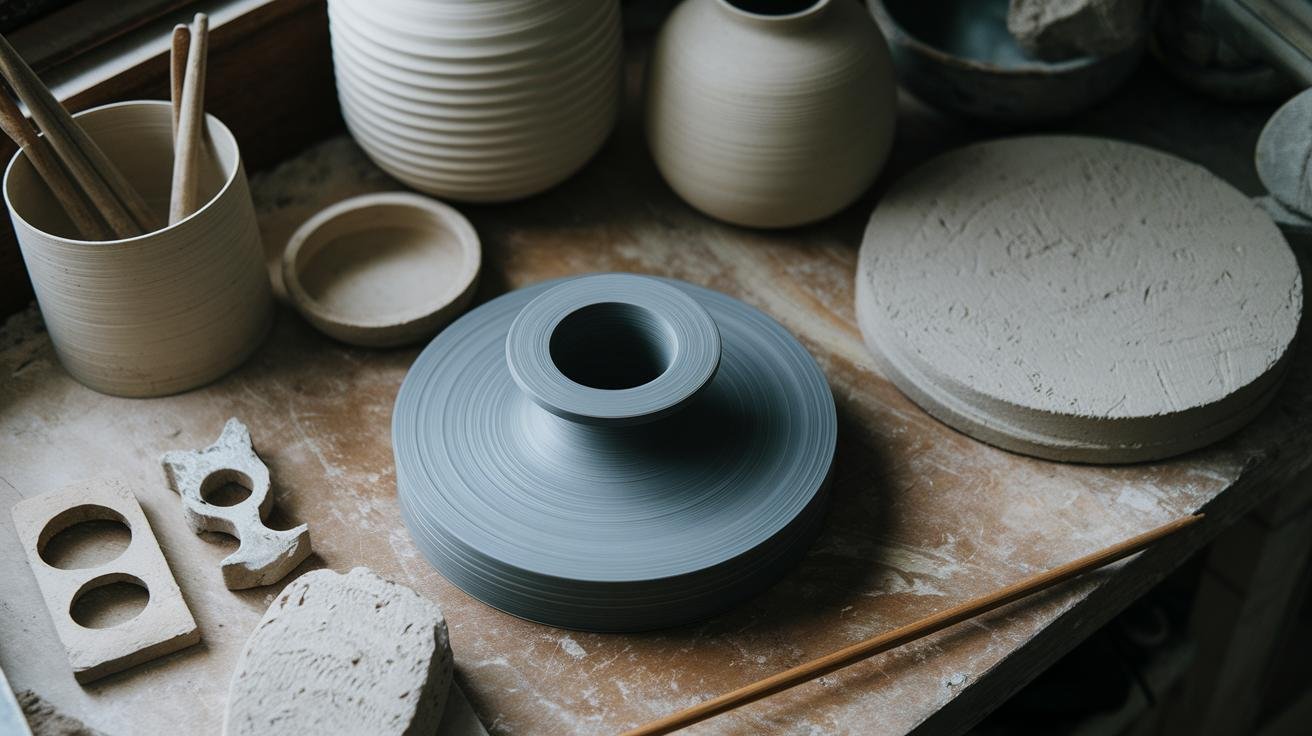
If you’re setting up a small Taiwanese pottery studio, think cozy and practical, the hum of an electric wheel, the cool drag of a rib across wet clay, the warm, earthy smell that fills the room. Have you ever stood in a studio when a fresh batch of clay is wedged? It’s a little magic.
Japanese imports changed a lot of local shops, bringing electric wheels, plaster bats, and tabletop clay mixers and clay mills (machines that make clay batches uniform and take the air out). Studios in Taiwan liked them because prep got faster and results got more consistent. So start simple and useful.
Keep a core list in mind: a reliable electric kiln for repeatable firings, a sturdy wheel for throwing, plaster bats for easier removal, a mixer or mill to make even clay, a clay extruder for steady coils and handles, and the basic hand tools, ribs, loop cutters, trimming knives, and sponges. Those hand tools are the small things that turn a rough pot into something you’d actually want to use.
Traditional kiln styles still matter here. Wood-fired dragon kilns (long, sloping wood-fired kilns used in Taiwan and nearby regions) give ash texture and wild, layered color you just can’t copy with electricity. If you want that smoky, rustic look, try to have access to both controlled electric firings and a wood-fired option. I once watched a pot change color as ash landed on it, wow.
Start with the essentials, then add tools as you find your rhythm. It’s like picking a bubble tea flavor: pick the base first, then add your favorites.
| Tool | Purpose |
|---|---|
| Electric wheel | Throw bowls and vessels with steady speed control so your shapes stay consistent |
| Electric kiln | Controlled oxidation firing for repeatable glaze results and predictable outcomes |
| Plaster bat molds | Plaster bats (flat discs that pull moisture) give a quick-setting surface and make removing delicate work easy |
| Tabletop clay mixer / clay mills (popular in Taiwan) | Blend and de-air clay bodies so each batch is uniform and easier to work with |
| Hand tools (ribs, loop cutters, trimming knives, sponges) | Shape, smooth, trim feet, and finish surfaces, those little tools change the whole look |
| Clay extruder & dies | Make consistent coils, handles, and profile sections for repeatable shapes |
Final Words
Jumping straight in, you practiced five Quickstart steps: picking local clay, hand-building, wheel-throwing, glazing, and firing, so you can get messy and learn fast.
Then we dug into hand-building tips, wheel-throwing stages, glaze choices, kiln types, regional styles like Yingge and Faxi, and the tools you'll need, you know?
Hints of history tie each step from Neolithic fires to Ming and Qing glazes to modern electric wheels.
Now you're ready to shape a first bowl, play with celadon, and feel clay under your palms, it's a warm, proud start to exploring taiwanese pottery techniques.
FAQ
常見問題解答
- What is the Kurinuki method?
- The Kurinuki method is a hand-carving approach where a potter hollows a solid clay block into a vessel, creating thin, organic walls and a raw, tactile surface often used by some Taiwanese and Japanese makers.
<dt>What are the five techniques in pottery making? What are the three basic pottery techniques?</dt>
<dd>The main pottery techniques are hand-building (coil, slab, pinch), wheel-throwing, and glazing. Quick five-step start: pick local clay, master one hand-build method, throw a bowl, apply simple glaze, fire at 1200 °C.</dd>

<dt>What is the pottery capital of Taiwan?</dt>
<dd>The pottery capital of Taiwan is Yingge, a New Taipei town known for its Ceramics Museum, hands-on workshops, rows of kilns and shops where you can smell wet clay and learn from local makers.</dd>

Join the Taiwan Tribe
Get exclusive drops, Taiwan culture stories, and subscriber-only deals delivered to your inbox. No spam, just good vibes from the island.