台灣茶品種指南,帶您品味美味茶飲
Think a cup of tea is just a warm habit? Think again, you know?
In Taiwan one tea plant can turn into six very different teas by changing when it’s picked and how much the leaves are oxidized. There’s green, yellow, white, oolong, black, and dark post-fermented tea (aged, earthy tea). Each style brings its own vibe.
So your sip might be grassy, chestnut, orchid-sweet, malty, or deep and earthy. Sometimes you get a little of each, like a surprise in the cup.
This guide shows how regions and processing shape those flavors. From Alishan oolong (Alishan is a misty mountain range in Taiwan) to Sun Moon Lake black tea (Sun Moon Lake is a scenic lake in central Taiwan), we’ll point out what makes each one sing.
Picking a tea is like choosing a bubble tea flavor, start with the base, then pick the notes you love: floral, toasty, or bold. Next, I’ll help you find the brews that match your taste, and maybe one that feels like home.
台灣茶品種指南,帶您品味美味茶飲
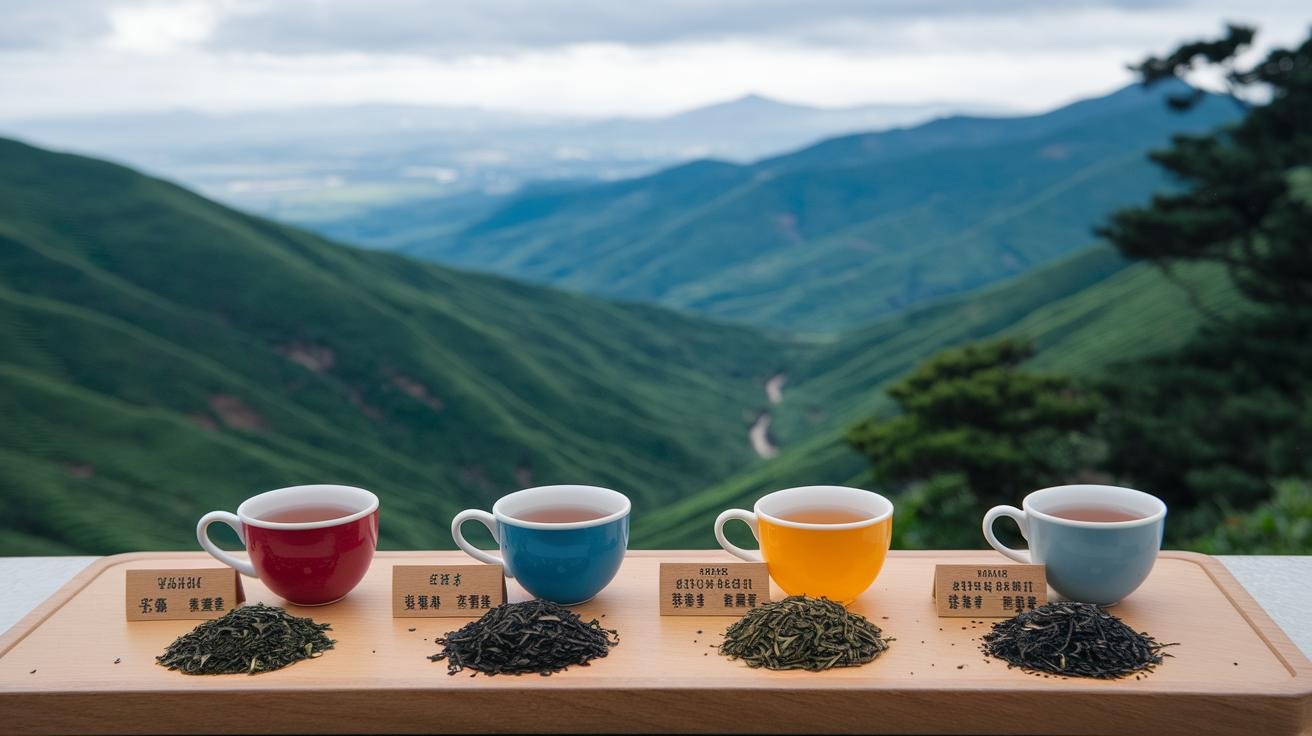
Taiwan teas fall into six broad groups based on how much they ferment: green, yellow, white, oolong, black, and dark or post-fermented. Think of it like a flavor wheel where oxidation shapes aroma and body, and the mountain where the tea grows adds its own fingerprint.
Picture the island as a patchwork of microclimates: Miaoli greens are grassy and crisp (Miaoli is a northern county known for its hills), Alishan oolongs bloom with orchid-like sweetness and a lingering fruit note (Alishan is a misty mountain range), Nantou yellow teas lean mellow with chestnut tones (Nantou sits in central Taiwan), Sun Moon Lake black teas are rich and malty (Sun Moon Lake is a big, scenic lake), Hualien whites whisper light florals and honey (Hualien is on the eastern coast), and Yuchi dark teas taste deep and aged, almost savory (Yuchi is a township near Sun Moon Lake known for post-fermented teas).
Any tea plant can become any type of tea. It’s all in the timing of harvest, how much you oxidize the leaves, and whether you kiln, bake, or cellar-age them. So one cultivar might taste floral as a green and buttery as an oolong. That’s the short version, so you get why the same plant can wear many flavors.
| Tea Category | Fermentation Level | Region of Origin | Signature Taiwan Examples | Flavor Highlights |
|---|---|---|---|---|
| Green tea | 0% (unfermented) | Miaoli and northern hills (cool, higher-elevation farms) | Sanxia Biluochun, Longjing-style Taiwan greens | Grassy, fresh, clean finish |
| Yellow tea | 10%–20% (light) | Central Nantou (gentle slopes and warm days) | Small-batch yellow-steamed teas | Mellow, chestnut notes, subtle sweetness |
| White tea | 20%–30% (low natural) | Hualien and eastern valleys (cool mornings, ocean breeze) | White Peony, green-heart oolong whites | Delicate florals, soft honey undertones |
| Oolong tea | 30%–60% (partial) | Alishan, Lishan, Dong Ding, Wenshan (high mountain regions) | Alishan, Lishan, Dong Ding, Baozhong, Oriental Beauty | Floral, creamy, fruity, sometimes toasty |
| Black tea | 80%–90% (full) | Sun Moon Lake and central highlands (warmer valleys) | Ruby 18 (Hong Yu), Honey Black | Malty, fruity, smooth body |
| Dark (post-fermented) | 100% (aged, cellar-fermented) | Yuchi and storage-aged cellars (dry cellaring spots) | Aged post-fermented cakes | Earthy, deep umami, mellow with age |
Fermentation level gives you the baseline chemistry – more oxidation usually means more body and malty or honeyed notes, less keeps that bright green freshness. But terroir and craftsmanship finish the story. Mountain mist slows leaf growth, which boosts amino acids and makes oolongs silkier and sweeter. Summer picks and even tiny leafhopper nips can bring a honeyed, muscatel lift to Oriental Beauty (leafhoppers are tiny insects that sometimes bite the leaves).
Skilled processing – withering, gentle tossing, light baking, or long cellar aging – tunes those raw elements into a cup that can smell like sun on a mountainside or like warm toast in your hands. Try a few styles side by side. It’s like tasting bubble tea flavors back-to-back – each base gives you a whole new story. Um, you might find a new favorite.
Key Oolong Varieties in Taiwan
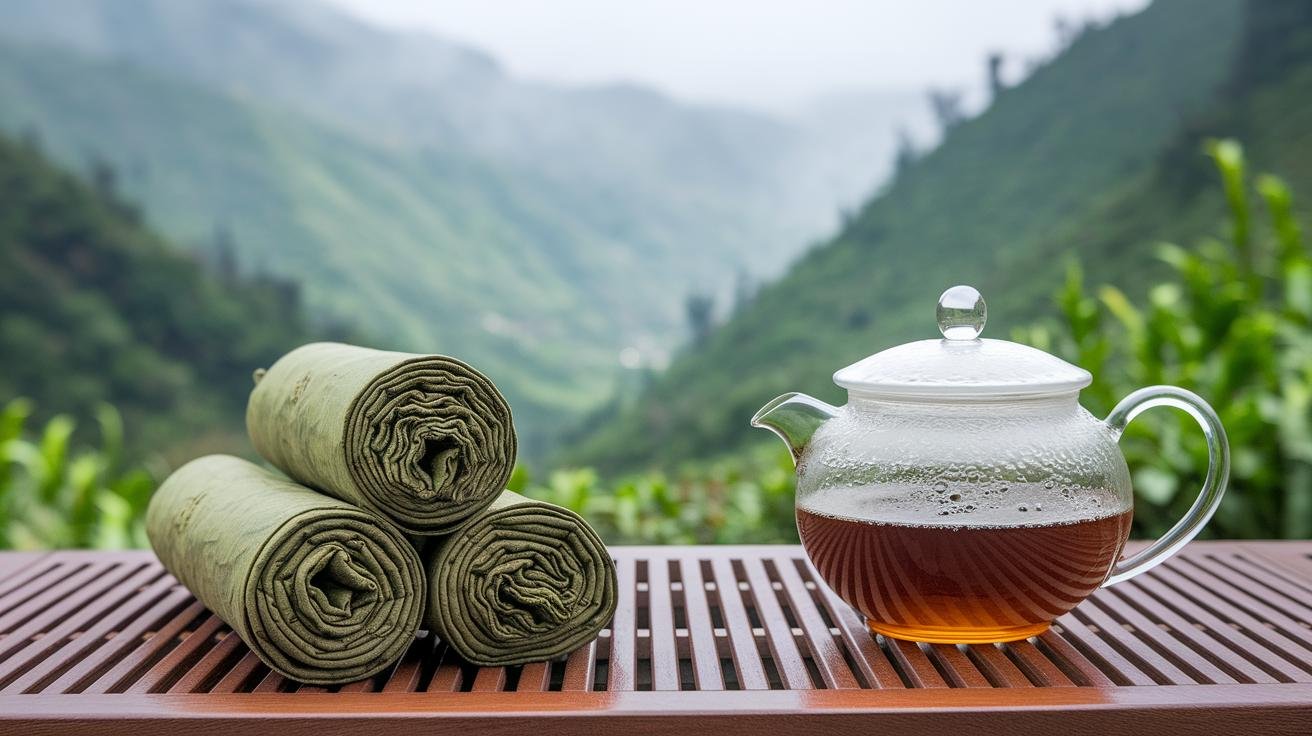
Oolong basically runs the tea world here, and most farms favor partial oxidation because it teases out floral sweetness and a silky body. Picture mist rolling off high-elevation tea gardens, leaves that feel thick and plush in your fingers, then open up in the cup. Have you ever taken a sip and thought, hmm, that’s mountain air? That’s the vibe.
-
Alishan Oolong (Alishan, a high mountain range in central Taiwan). Grows around 800 to 1,200 m (about 2,600 to 3,900 ft). Medium oxidation, roughly 30% to 40%. Tasting notes: orchid-like florals, creamy sweetness, and a gentle lingering fruit. Brewing tip: start with a light steep and watch the leaves bloom. It’s like cool mountain air in a teacup.
-
Lishan Oolong (Lishan peak, another high mountain area). Usually found at 1,000 to 1,400 m (3,300 to 4,600 ft). Low to medium oxidation. Expect delicate creaminess, an orchid perfume, and a hint of pumpkin-seed nuttiness. For contrast, Lishan picked for green tea keeps that same floral perfume but with crisper green notes and less butteriness.
-
Dong Ding Oolong (Dong Ding plateau in Nantou county). Grows around 600 to 800 m (2,000 to 2,600 ft). Low to medium oxidation and often given a light roast if the maker wants more depth. Tasting notes: toasty, nutty, warm oatmeal-cookie comfort. The leaves are large and tightly rolled, so you get both fresh garden notes and roasted weight in the cup.
-
Baozhong, a.k.a. Pouchong (from Wenshan and Pinglin, tea districts near Taipei). Grown on lower hills and very lightly oxidized. Tasting notes: soft florals, refreshing brightness, and a touch of vegetal crispness. The aroma is all spring blossoms. Brewing tip: try a cool, long steep or a quick gongfu session to keep it bright and lively.
-
Oriental Beauty, or Dong Fang Mei Ren (Hsinchu hills in northern Taiwan). Often picked mid-elevation in summer and oxidized more than most oolongs. Tasting notes are complex: juicy fruit, honeyed muscatel sweetness, and raisin-like layers thanks to tiny leafhopper nips. It’s richly sweet and lingers on the finish.
Want to choose the right oolong? Look at the leaf roll first , whole, tight pearls are usually a good sign. Check for even color across the leaves to judge oxidation, and sniff the dry and wet aroma. A lively floral top note means careful handling; a warm toasty scent points to intentional roasting. Follow your nose, then your cup. Picking a print is like choosing a bubble tea flavor , start with the base, then pick your sweet add-ins.
Brewing Techniques and Vessel Selection for Taiwan Teas
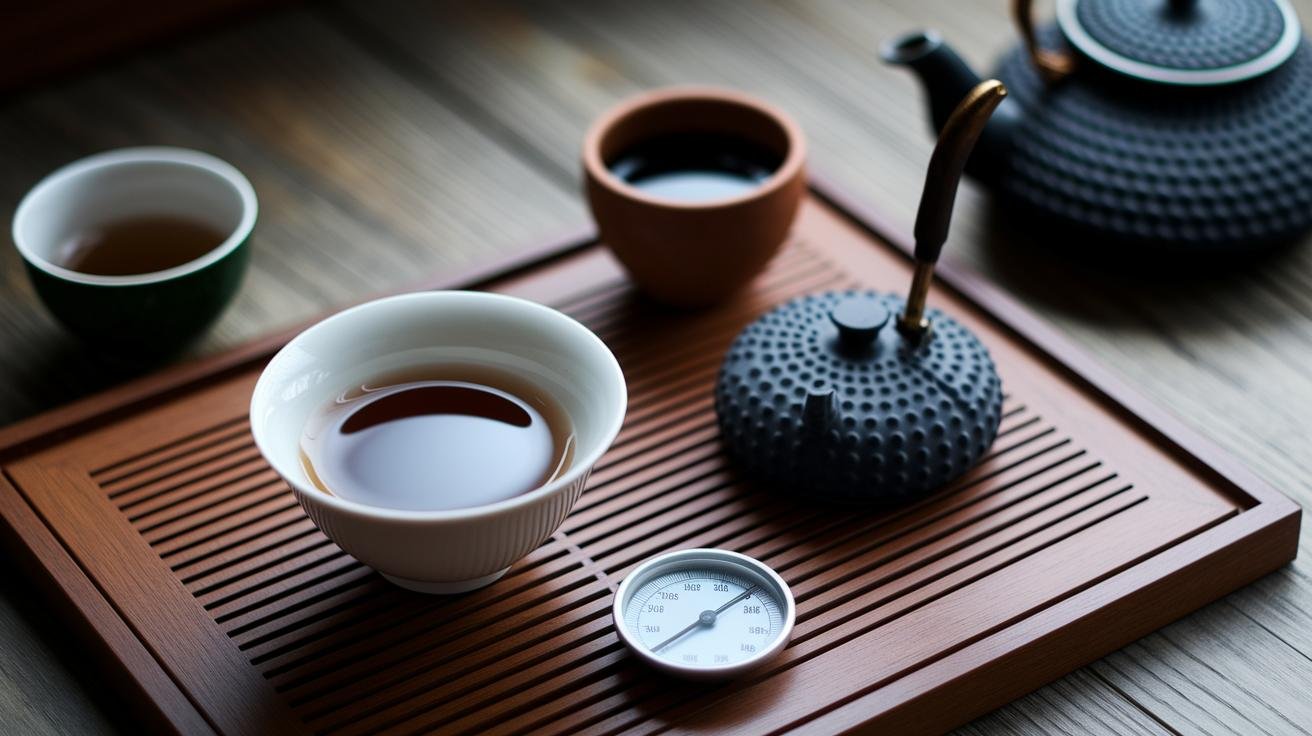
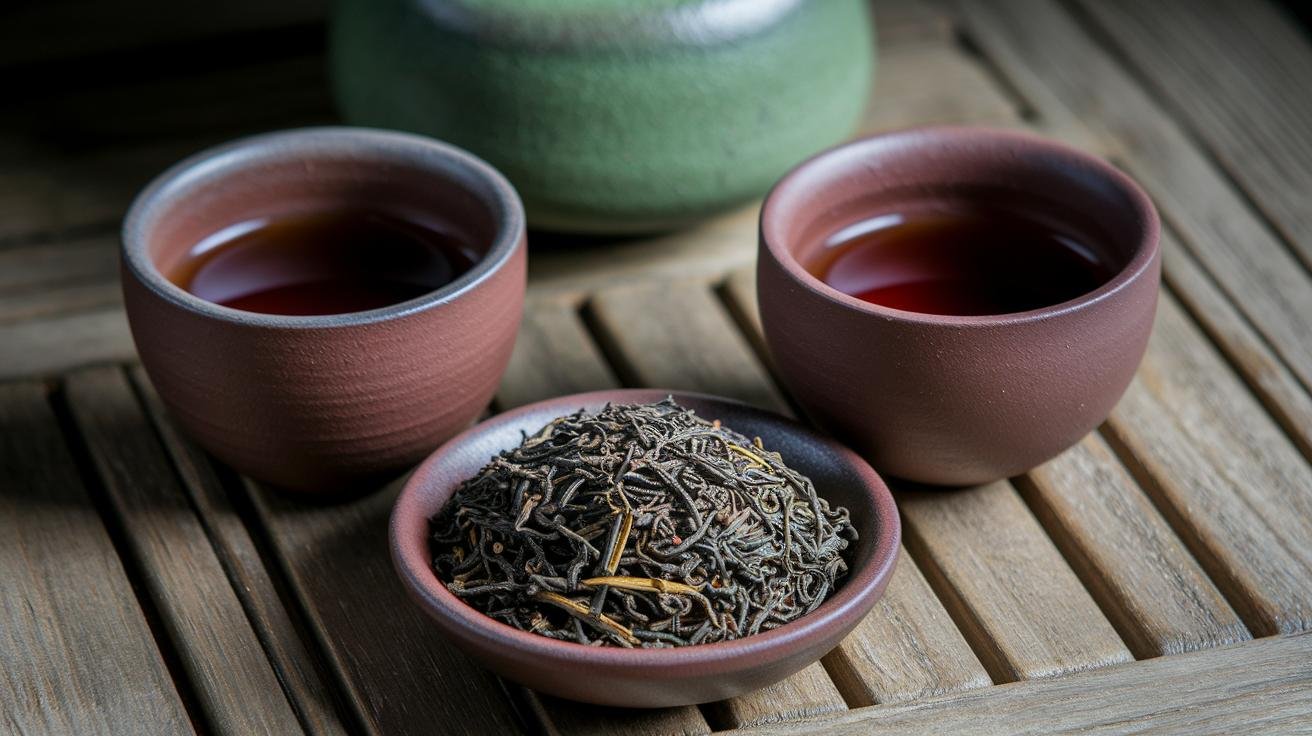
Choose your teaware based on what you want from the cup: aroma, heat retention, or taking tea on the go. A gaiwan (a small lidded brewing bowl) really shows the leaves moving and sends the first floral scents to your nose, perfect for high-mountain oolongs and Baozhong (a lightly oxidized oolong known for its floral notes), when you want bright, fragrant cups.
A 170 ml aged clay houhin (a small handled clay pot) paired with a 50 ml cup rounds out sweetness and softens sharp edges, so it’s lovely for roasted Dong Ding or richer oolongs. Porcelain sets with a silver lining keep the water gentle and highlight delicate sweetness, while clear glass is just fun if you like watching leaves unfurl under the neon glow of a Taipei night market. If you travel, portable Dehua clay gaiwan sets tuck neatly into a pouch for steeping on the move, you know? And if you love deeper, roasted flavors, Yixing-style clay is great because it seasons over time and adds its own mellow character.
Gongfu cha is simple once you find the rhythm. Warm and rinse your vessel first, then measure about 5 grams of leaves per 100 ml of water. Heat the water to the right temperature: green teas and Baozhong around 80 °C (176 °F); high-mountain oolongs and most oolongs 90 to 95 °C (194 to 203 °F); and black teas near boiling, about 100 °C (212 °F). Give a quick rinse infusion to wake the leaves, smell that first burst of aroma, then start the short steeps. You’ll do lots of quick infusions, each one revealing a new note.
Start with very short steeps: 10 to 15 seconds for the first infusion, then add 5 to 10 seconds each time. Green teas usually live around 10 to 25 seconds at lower temps. Oolongs sit roughly 10 to 30 seconds depending on roast and leaf size. Black teas want a fuller body, so 20 to 45 seconds works well. Dark, post-fermented teas can handle longer steeps, about 30 to 60 seconds, especially as they age.
For cold-brew, room temperature steeping for 6 to 8 hours gives a silky, floral cup, think soft and smooth like morning mist rolling off Sun Moon Lake. Use about 8 to 12 grams per liter for cold-brewed oolong or Baozhong; sweeter green teas can use a little less. For iced tea, brew hot and a bit stronger, then pour over plenty of ice so it chills fast without getting watered down. Keep chilled brews up to 24 hours for the best flavor, and try to sip them within that day for peak freshness.
Sourcing and Storage Strategies for Taiwan Teas
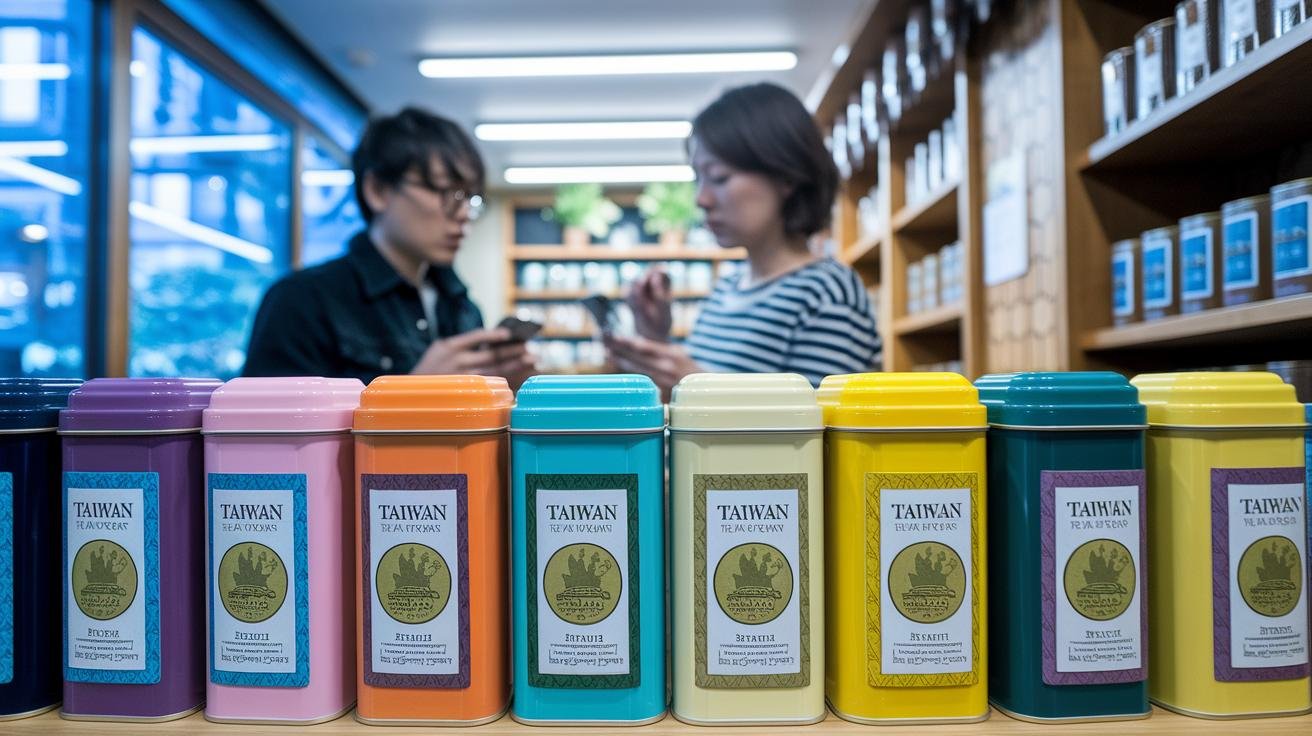
Start with the shop. Look for vendors or estates that list harvest dates, mountain of origin, and the farmer or mill name. Ask if they lab-tested for authenticity or pesticide residues, and if you can smell and sip a sample. Good shops let you do both, you know? Clear tasting notes and close-up photos of the dry leaf are a great sign, too.
If you can’t visit in person, use online comparisons. Favor sellers with lots of honest reviews, photos of each lot, and clear refund or authenticity policies. For Ruby 18 black tea labeled "Sun Moon Lake" make sure to ask which cultivar it really is, some blends use other varietals but still carry the region name. Ruby 18 (Hong Yu, a Taiwan red tea cultivar with floral and fruity notes) is different from a generic Sun Moon Lake blend. Sun Moon Lake (a famous Taiwan lake and tea region) has its own profile, so details matter.
Choose the right containers. Airtight, opaque canisters or sealed foil-lined bags keep light, air, and smells out. Metal tins with tight lids, vacuum-sealed packs, or resealable foil pouches all work well. Avoid clear jars on a sunny shelf. Store tea away from strong aromas, spices, coffee beans, or scented candles will sneak in and change the leaves.
Temperature and humidity matter. Aim for a cool spot around 5 to 10 °C and under 60% humidity if you can swing it. If not, a consistently cool, dark cupboard beats a warm countertop. Use food-grade desiccants for longer storage, and rotate stock so older lots get used first. Treat high-mountain oolongs like fresh pastries, best within 6 to 12 months for peak aroma. Well-sealed black teas can stay lively for 2 to 3 years. Post-fermented cakes, like some pu-erh styles, actually develop more character with age if you keep them dry and stable.
Little tip: every time I open a good high-mountain oolong it smells like mist rolling off a ridge. Small pleasures, right?
Cultural and Regional Terroir Insights on Taiwan Tea Varieties
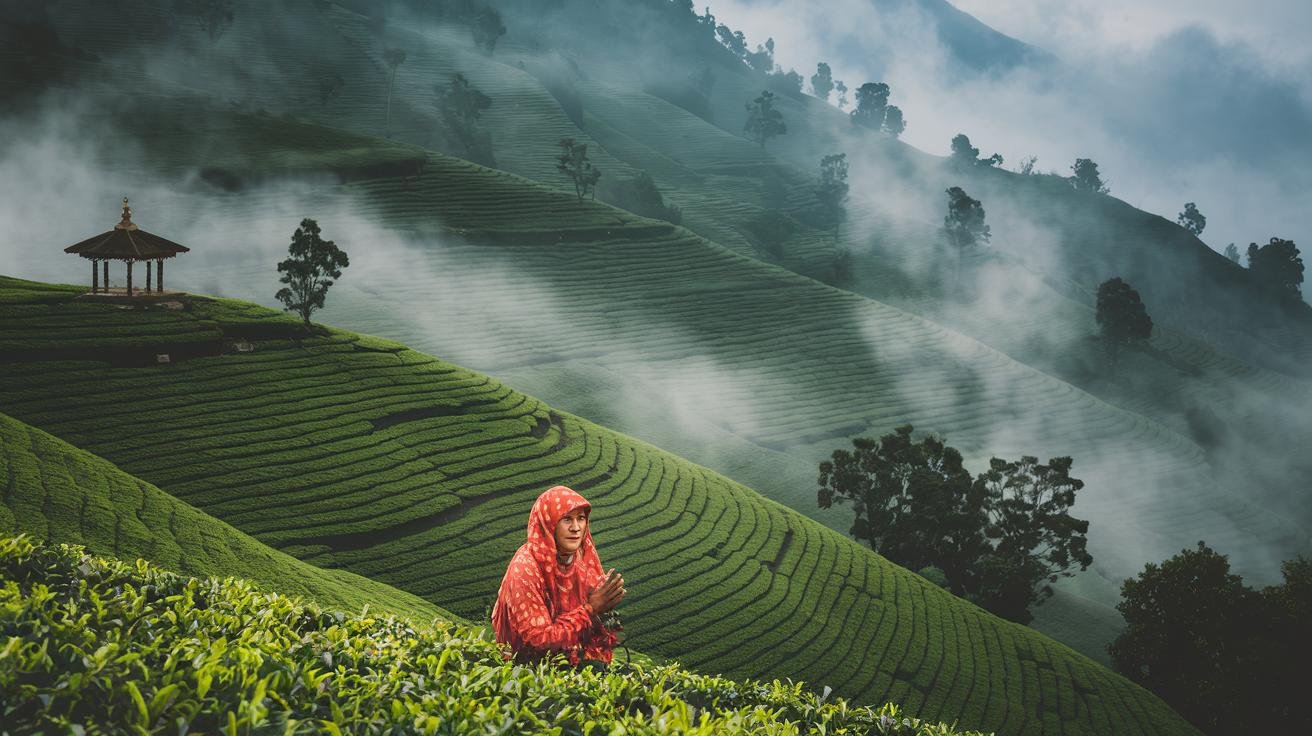
Taiwan’s high ridges sit around 800 to 1,400 meters (about 2,600 to 4,600 feet), and that misty, cool air changes everything. Slow growth at these heights concentrates amino acids and polyphenols in the leaves, so high-mountain oolongs often taste like creamy sweetness, floral lifts, or a soft buttery finish. Love that texture, you know?
Key names to remember are Alishan (a famous mountain area in central-southern Taiwan), Lishan (highland farms in the island’s heart), Yushan (near Taiwan’s tallest peak), and Shan Lin Xi (a lush, foggy tea region). Each place gives the cup a different mood, bright and floral, deep and honeyed, or quietly mineral.
Tea here isn’t just a product, it’s everyday life. Kids learn about tea in elementary school, towns hold seasonal contests to pick the best harvest, and Pinglin (a tea town near Taipei) throws a festival that fills streets with steam and laughter. Villages still do temple rituals to thank local tea deities before a harvest, and elders pass down picking patterns and tiny processing tricks like they’re secret recipes.
Harvest timing and little, weird things in the fields matter. In summer, tiny insect bites on some bushes trigger sugar and terpene changes that make Oriental Beauty (Dongfang Meiren, a partially oxidized oolong known for muscatel sweetness) sing. It’s wild, one bite and the tea’s flavor flips into something floral and jammy.
Taiwan’s tea story is both hands-on craft and careful science. Japanese-era mills introduced modern processing steps, and later research stations helped breed cultivars like Ruby 18 and Jinxuan (Jinxuan is sometimes called “milk oolong” for its creamy notes). Small farms still do a lot by hand, while semi-automated lines step in where labor gets heavy, so your cup shows history and human care.
So when you sip a Taiwanese oolong, you’re tasting altitude, mist, seasonal quirks, family know-how, and a little lab work all mixed together. Wait, let me share that again, every cup carries a tiny landscape and a story.
Health Benefits and Flavor Pairings of Taiwan Tea Varieties
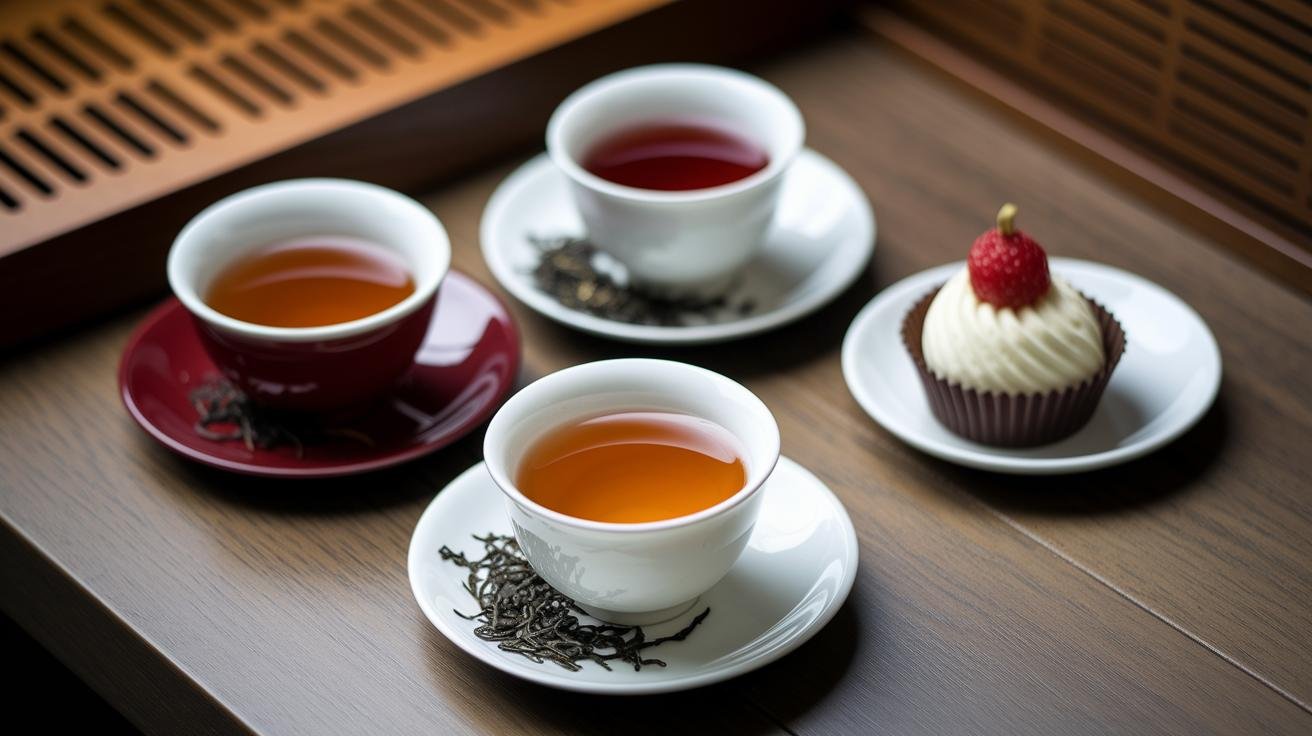
Taiwan teas do more than taste amazing, you know? They’re rich in theanine (an amino acid that soothes the mind and smooths bitter edges) and polyphenols (plant compounds that act like gentle antioxidants). That combo can make a cup feel like a quiet minute, and some clinical studies link these compounds to modest metabolism support, better heart markers, and lower stress. Oriental Beauty (a honeyed, partially oxidized Taiwanese oolong) and high-mountain oolongs (grown on misty peaks in Taiwan) tend to be especially high in those good stuff.
Antioxidant levels change by tea style. High-mountain oolongs and Oriental Beauty usually score high because slow growth and careful processing concentrate those compounds. Green and yellow teas keep bright catechins too, so they taste fresher and give a snappy antioxidant bite. Black teas, like Ruby 18 (a Taiwanese black variety), usually have more caffeine and a fuller body, so they wake you up and stand up to richer foods.
Match tea strength to the food’s heft. Light, floral teas pair with fresh fruit and delicate pastries. Fuller oolongs can handle nutty cakes and mildly spiced treats. Bold black teas balance creamy cheeses and dark chocolate. Pay attention to steep temperature and time. Hotter water and longer steeps pull more body and bitterness, so start gentle if you’re unsure. Think of choosing a tea like choosing a bubble tea base, start simple and then layer flavors.
Pairing ideas to try:
Baozhong (a light, floral Taiwanese oolong) goes great with fresh fruit, lemon tarts, or a buttery croissant. Love that light floral lift.
Dong Ding (a roasted oolong from central Taiwan) and Lishan (a high-mountain oolong from Lishan, known for bright floral notes) love almond cookies, madeleines, or sesame shortbreads. Crunchy, toasty snacks match their roasted or mountain character.
Oriental Beauty sings with honey cake, ripe figs, or a fruit tart that mirrors its jammy, sweet notes. It’s almost dessert in a cup.
Ruby 18 and other Taiwan black teas pair well with aged cheddar, nutty Gruyère, or squares of 70% dark chocolate. Think coffee-like warmth with tea’s lift.
Sip slowly. Really. Enjoy the texture, the warmth on your palms, the aroma, it's like a little mountain visit, for real.
Final Words
We dove right into the six tea series, green, yellow, white, oolong, black, dark, covering fermentation levels, region notes like Alishan’s orchid-like oolong and Sun Moon Lake’s malty black, and how harvest and oxidation shape each cup.
We sketched signature oolongs, walked through gongfu and cold-brew tips, and shared sourcing and storage advice so leaves stay fresh.
We touched on terroir, festivals, health notes, and food pairings, Baozhong with fruit, black tea with cheese, yum, you know?
Keep this guide to Taiwan tea varieties close; sip slowly and enjoy the warmth.
FAQ
FAQ — Taiwan Tea
What are the best or most famous Taiwan tea brands?
The most famous Taiwan tea brands are Ten Ren and estate labels from Alishan and Sun Moon Lake, plus small artisan farms offering single-estate oolongs. Look for harvest year and origin.
Where can I buy tea in Taiwan or find famous Taiwan tea brands online?
You can buy Taiwan tea at night markets, specialty tea shops, estate storefronts in tea regions, and from estate websites or reputable online retailers. Always check origin and harvest date.
What are Taiwan Tea Crafts and Taiwanese tea culture?
Taiwan Tea Crafts and Taiwanese tea culture are hands-on traditions of leaf processing, gongfu brewing, seasonal festivals like Pinglin, and local temple rituals, rooted in mountain harvests and artisan techniques.
What makes a good Taiwan tea souvenir?
A good Taiwan tea souvenir is a vacuum-sealed sampler of Baozhong, Jin Xuan, or Oriental Beauty — light and fragrant, easy to pack, and paired with simple brewing notes for home enjoyment.
What are the key Taiwan tea varieties like Dong Ding, Baozhong, Tieguanyin, Jin Xuan, Dongfang Meiren, and oolong?
Key Taiwan varieties include Dong Ding (nutty, light roast), Baozhong/Pouchong (floral, lightly oxidized), Tieguanyin (floral oolong), Jin Xuan (creamy milk oolong), and Oriental Beauty (fruity, honeyed).
How are Taiwan teas classified by fermentation or oxidation level?
Taiwan teas are classified by fermentation/oxidation: green 0%, yellow 10–20%, white 20–30%, oolong 30–60%, black 80–90%, and dark tea is post-fermented. Processing shapes the final flavor.

Join the Taiwan Tribe
Get exclusive drops, Taiwan culture stories, and subscriber-only deals delivered to your inbox. No spam, just good vibes from the island.