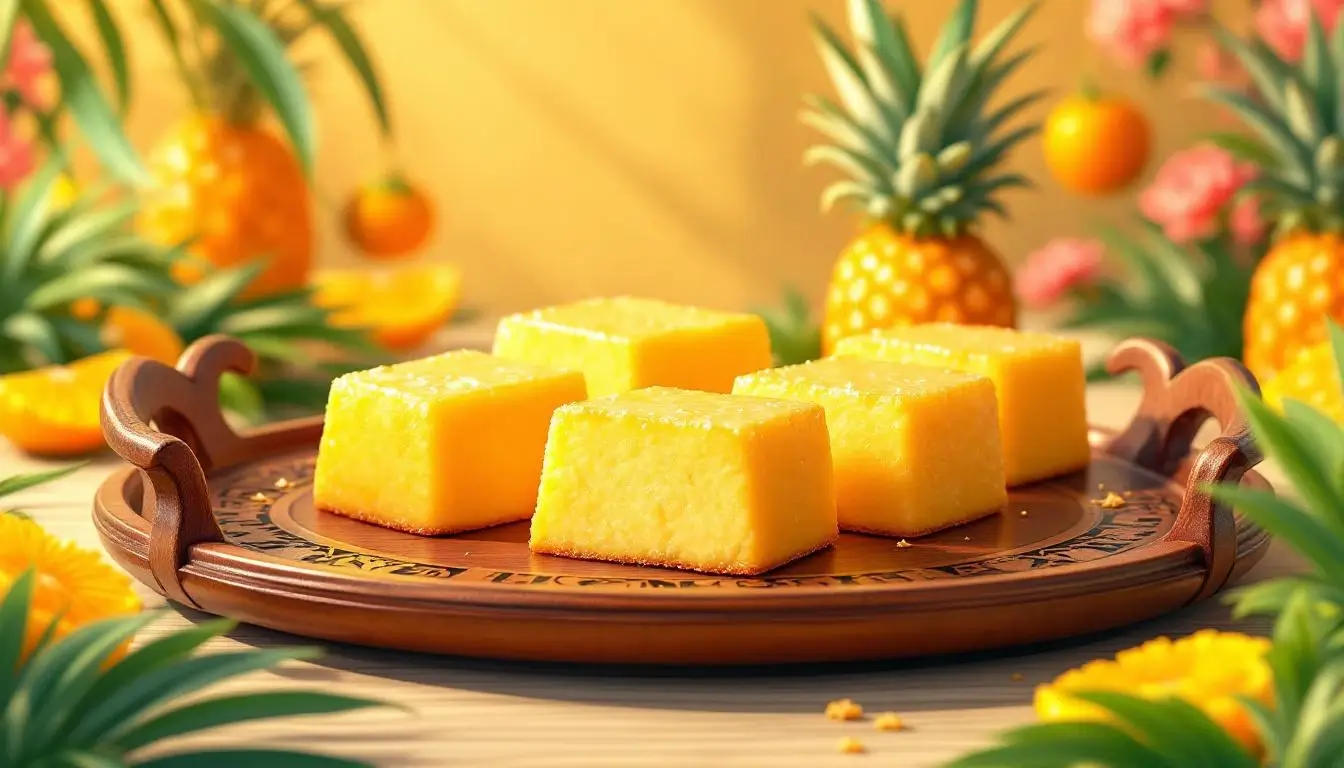
台灣鳳梨酥食譜:如何在家中製作島上最著名的糕點
If you’ve ever bitten into a perfectly golden 台灣鳳梨酥 — that buttery, crumbly shell giving way to sweet, tangy pineapple jam — you know exactly why this tiny pastry is Taiwan’s most iconic souvenir. But here’s the secret most people don’t realize: you can absolutely make these at home. This taiwan pineapple cake recipe walks you through every step, from simmering your own pineapple filling to shaping the perfect golden rectangles, so you can bring a taste of Taiwan into your kitchen no matter where you are in the world.
Known as fènglí sū (鳳梨酥) in Mandarin, pineapple cakes are more than just a snack — they’re a cultural institution. In Taiwanese Hokkien, the word for pineapple sounds like “prosperity is coming,” which is why these cakes show up at weddings, Lunar New Year celebrations, and as the go-to gift for visitors leaving the island. Whether you’re a Taiwan expat craving a taste of home, a traveler who fell in love with these treats at Taipei Main Station, or a baking enthusiast looking for your next project, this recipe has you covered.
What Is Taiwan Pineapple Cake and Why Is It So Famous?
Taiwan pineapple cake isn’t actually a cake at all — it’s closer to a filled shortbread cookie. Each piece features a rich, buttery pastry shell wrapped around a dense pineapple jam filling. The result is a palm-sized rectangle (or sometimes a round disc) that’s simultaneously crumbly, chewy, and intensely fruity.
The fame of fènglí sū dates back to the early 20th century, but the pastry didn’t become a national icon until the 1990s and 2000s, when Taiwanese bakeries started competing fiercely over who could make the best version. Brands like Chia Te (佳德), Sunny Hills (微熱山丘), and Li Ji (犁記) turned pineapple cake into a multi-billion-dollar industry. Today, Taiwan produces an estimated 400 million pineapple cakes per year, and they’re consistently the most popular souvenir tourists buy before heading to the airport.
What makes Taiwan pineapple cake different from pineapple pastries elsewhere? Three things: the quality of Taiwan’s pineapple (varieties like Golden Diamond and Cayenne are intensely sweet and aromatic), the pastry technique (a Japanese-influenced butter cookie dough), and the cultural significance that drives bakeries to obsess over every detail. If you’ve ever wondered why a box of pineapple cakes from Chia Te in Taipei has an hour-long queue — now you know.
Traditional vs. Modern Taiwan Pineapple Cake Filling
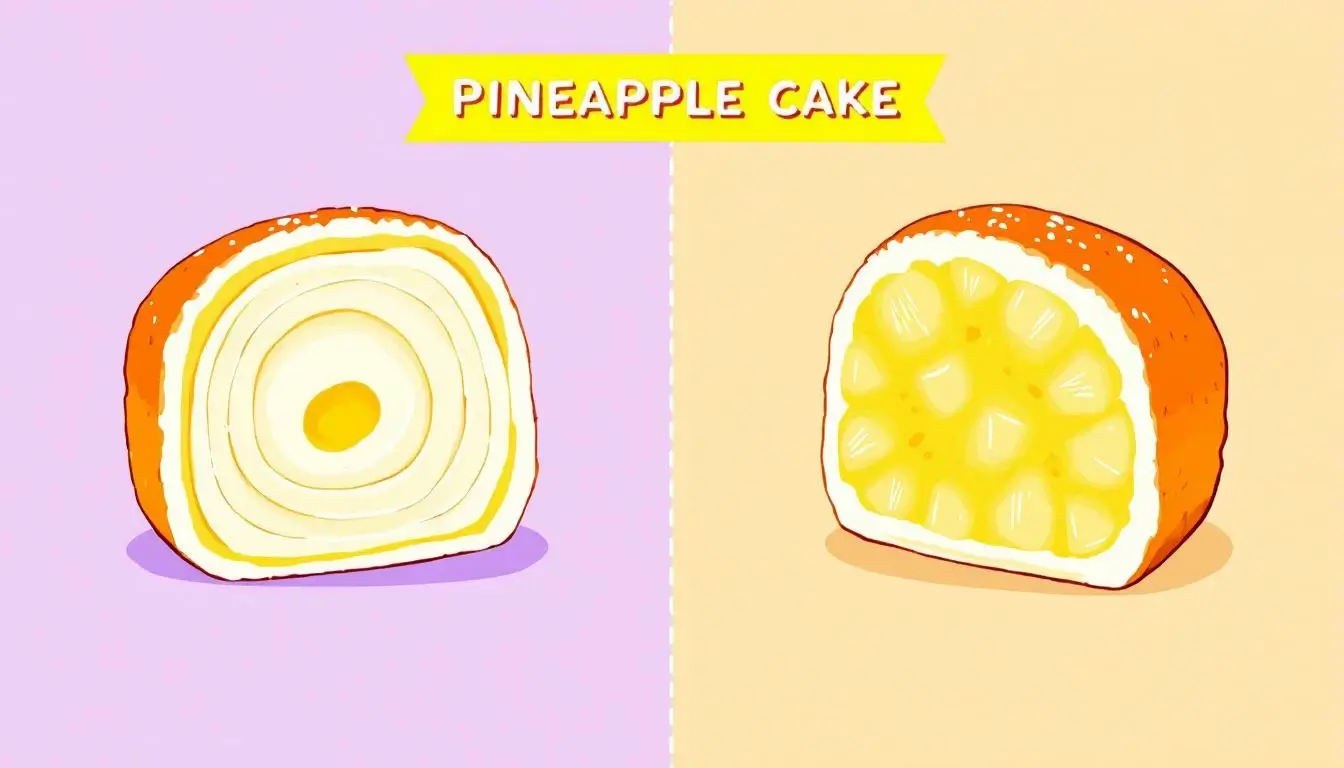
Before you start your taiwan pineapple cake recipe, you need to make an important decision: traditional filling or modern filling?
The Traditional Filling (Winter Melon Blend)
For decades, most commercial pineapple cakes used a filling that blended pineapple with winter melon (冬瓜). Winter melon is a mild, inexpensive gourd that creates a smoother, softer texture and stretches the more expensive pineapple. This was the standard throughout the 1980s and 1990s. Many beloved heritage brands still use this blend, and if you grew up eating pineapple cake in Taiwan, this is probably the flavor you remember — sweet, subtle, and melt-in-your-mouth smooth.
The Modern Filling (100% Pineapple)
In 2008, Sunny Hills bakery disrupted the industry by launching a pineapple cake with tǔ fènglí (土鳳梨) — a 100% native pineapple filling with zero winter melon. The result was tangier, more fibrous, and intensely fruity. This sparked a revolution. Today, premium bakeries market “100% pineapple” as a badge of quality, and many younger Taiwanese consumers now view winter melon filling as a cost-cutting shortcut.
Which Should You Choose?
For this recipe, we’ll use 100% fresh pineapple filling — it’s more flavorful, more authentic to the modern standard, and frankly more impressive when you tell people you made it from scratch. If you prefer the smoother traditional texture, you can substitute up to 30% of the pineapple with cooked, mashed winter melon.
Essential Ingredients for Taiwan Pineapple Cake Recipe
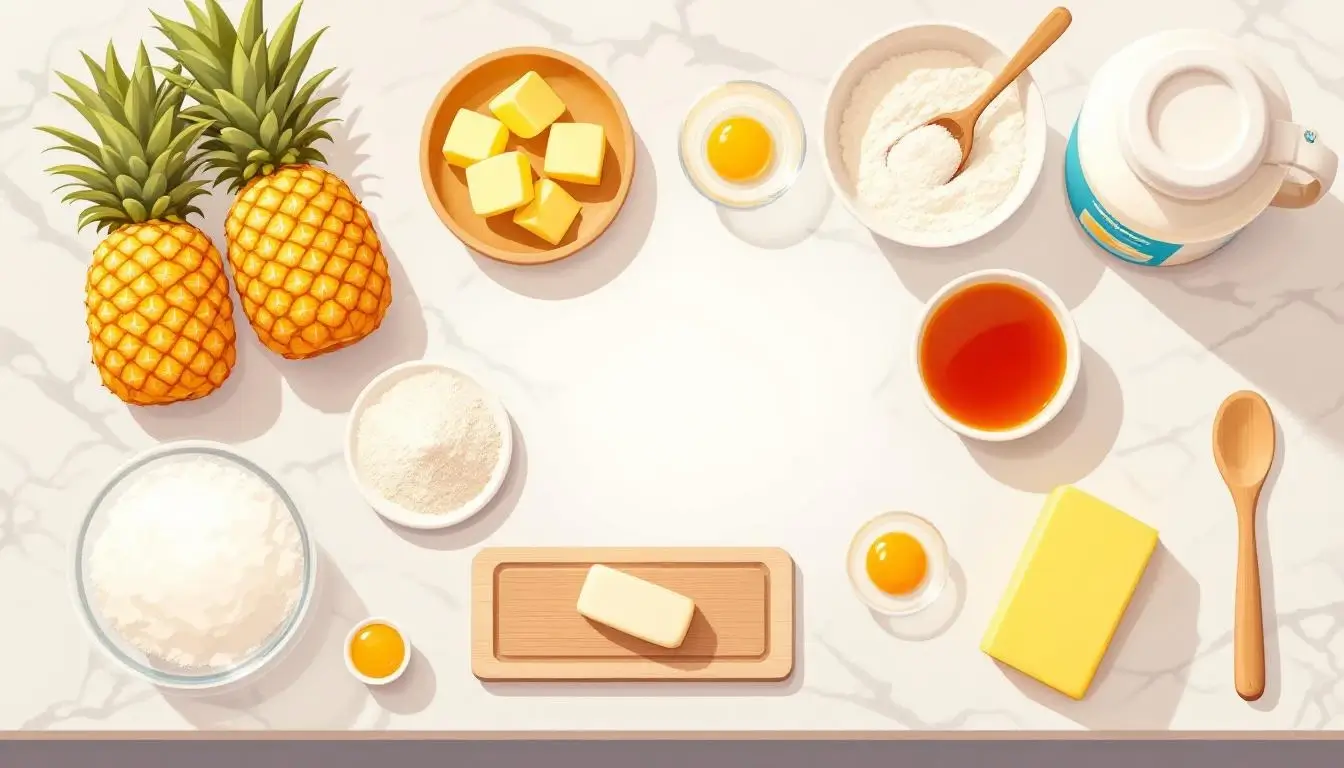
One reason this taiwan pineapple cake recipe works so well at home is that the ingredients are surprisingly accessible. Here’s everything you need:
For the Pineapple Filling
- 2 fresh pineapples (about 1.5 kg / 3.3 lbs of peeled, cored fruit) — use the ripest, sweetest pineapples you can find
- 150g (3/4 cup) granulated sugar — adjust based on pineapple sweetness
- 30g (1.5 tbsp) maltose — this traditional Taiwanese ingredient adds body and a glossy sheen (honey works as a substitute)
- 1 tbsp lemon juice — brightens the flavor and balances sweetness
For the Pastry Dough
- 250g (2 cups) cake flour — low-protein flour ensures a tender, crumbly texture
- 30g (1/4 cup) milk powder — adds richness and that distinctive Taiwanese bakery flavor
- 20g (3 tbsp) almond flour — optional but adds a subtle nuttiness
- 170g (3/4 cup) unsalted butter — cold, cubed (or use lard for ultra-traditional flavor)
- 50g (1/4 cup) powdered sugar
- 1 large egg yolk
- 1/4 tsp salt
- 1/2 tsp vanilla extract
Equipment You’ll Need
- Pineapple cake molds (rectangular, about 5cm x 3cm x 2cm) — available online for a few dollars
- Food processor or box grater
- Heavy-bottomed saucepan or wok
- Digital kitchen scale (essential for precise ratios)
- Baking sheet lined with parchment paper
專業提示: The milk powder is non-negotiable. It’s what gives Taiwan pineapple cake that distinctive “bakery” flavor that sets it apart from generic pineapple pastries. You can find it at any Asian grocery store or online.
How to Make Pineapple Cake Filling from Scratch
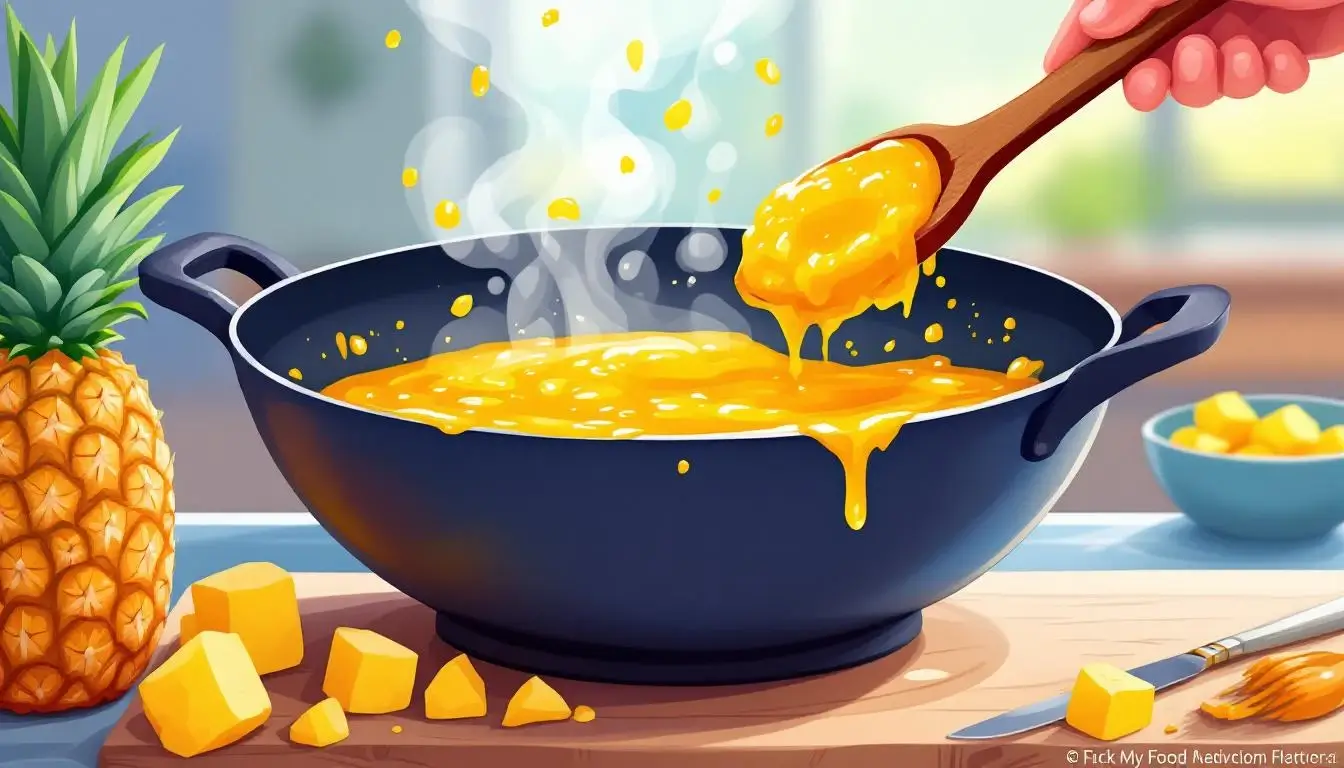
The filling is the soul of the pineapple cake, and it needs to be made at least one day before you assemble the cakes. This isn’t a shortcut you can skip — the filling needs time to cool completely and firm up, or it’ll be too wet to shape.
Step 1: Prepare the Pineapple
Peel and core your pineapples, removing all the eyes. Cut the flesh into chunks and pulse in a food processor until you get a coarse, fibrous pulp — not a smooth puree. You want texture. Alternatively, grate it on the large holes of a box grater for an even more rustic result.
Step 2: Cook Down the Jam
Transfer the pineapple pulp to a heavy-bottomed saucepan or wok (a wok’s wide surface area speeds up evaporation). Add the sugar and cook over medium heat, stirring frequently. This is the step that requires patience — you’ll cook the mixture for 45 minutes to 1 hour, stirring every few minutes to prevent burning.
As the mixture cooks, it will go through several stages:
- Watery and bubbly (0-15 minutes) — the pineapple releases juice
- Thick and jammy (15-35 minutes) — it starts to darken and thicken
- Dense and paste-like (35-60 minutes) — this is your target
Step 3: Add Maltose and Finish
When the mixture is thick enough that a spoon dragged across the bottom of the pan leaves a trail that doesn’t immediately fill back in, stir in the maltose and lemon juice. Cook for 2-3 more minutes until the maltose is fully incorporated. The filling should be a deep golden-amber color and hold its shape when you scoop a spoonful.
Transfer to a bowl, press plastic wrap directly onto the surface, and refrigerate overnight. The cooled filling should be firm enough to roll into balls. If it’s still too sticky, you can cook it down a bit more the next day.
The Perfect Pineapple Cake Pastry Dough
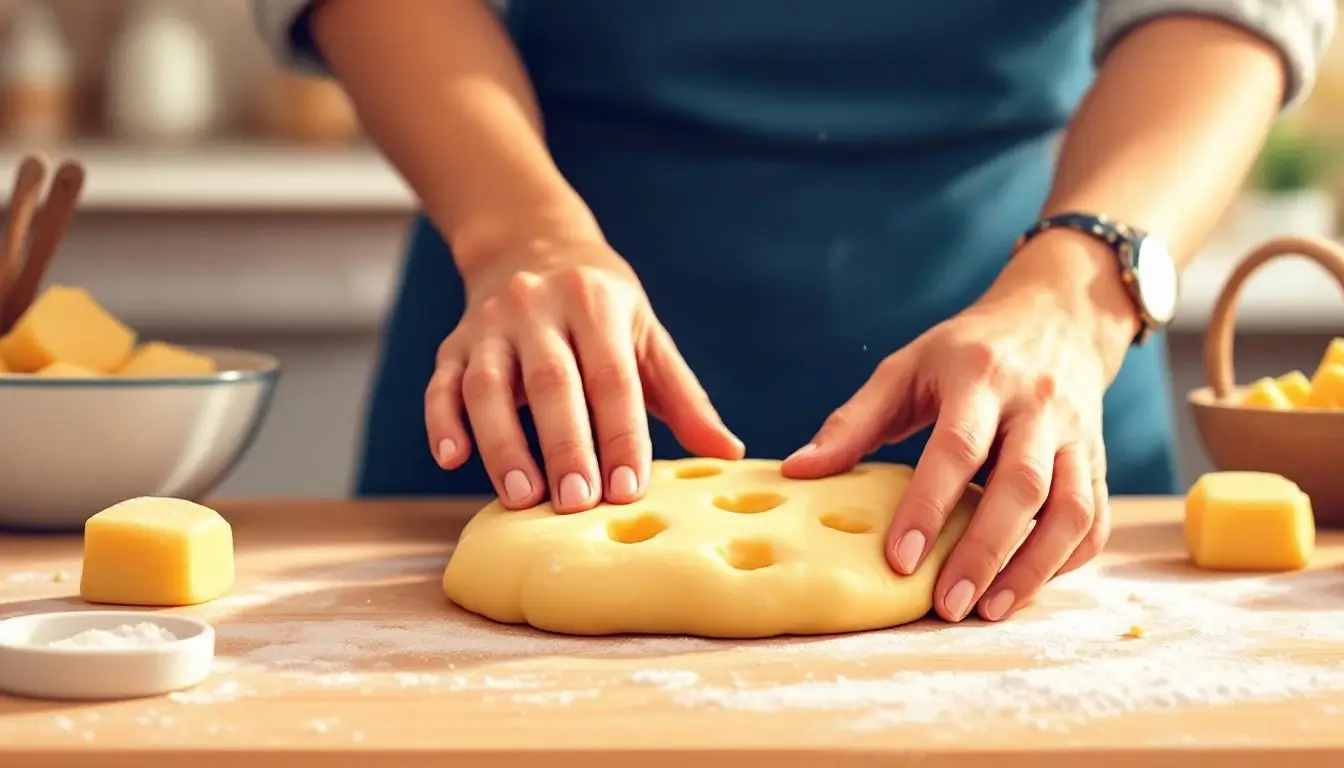
The dough is where Japanese baking technique meets Taiwanese innovation. The goal is a pastry that’s rich and buttery but also structurally sound enough to hold the filling without cracking. It’s somewhere between shortbread and sugar cookie — tender but not fragile.
Step 1: Cream the Butter
Beat the cold butter and powdered sugar with an electric mixer until pale and fluffy, about 3-4 minutes. Add the egg yolk, salt, and vanilla, and beat until combined. Don’t overmix once the egg is in — you want everything just incorporated.
Step 2: Add the Dry Ingredients
Sift together the cake flour, milk powder, and almond flour. Add this to the butter mixture in two additions, mixing on low speed just until the dough comes together. It should be soft, smooth, and slightly tacky but not sticky. If it feels too soft, wrap it in plastic and refrigerate for 20 minutes.
Step 3: Rest the Dough
Wrap the dough in plastic wrap and refrigerate for at least 30 minutes. This firms up the butter and makes the dough much easier to work with. You can make the dough up to 2 days ahead and refrigerate it — just let it sit at room temperature for 10 minutes before shaping.
Speaking of Taiwanese food traditions, if you’re curious about what else the island’s culinary scene has to offer, our guide to Taiwan night market food covers the street eats that pair perfectly with a box of homemade pineapple cakes for dessert.
Step-by-Step Assembly and Baking
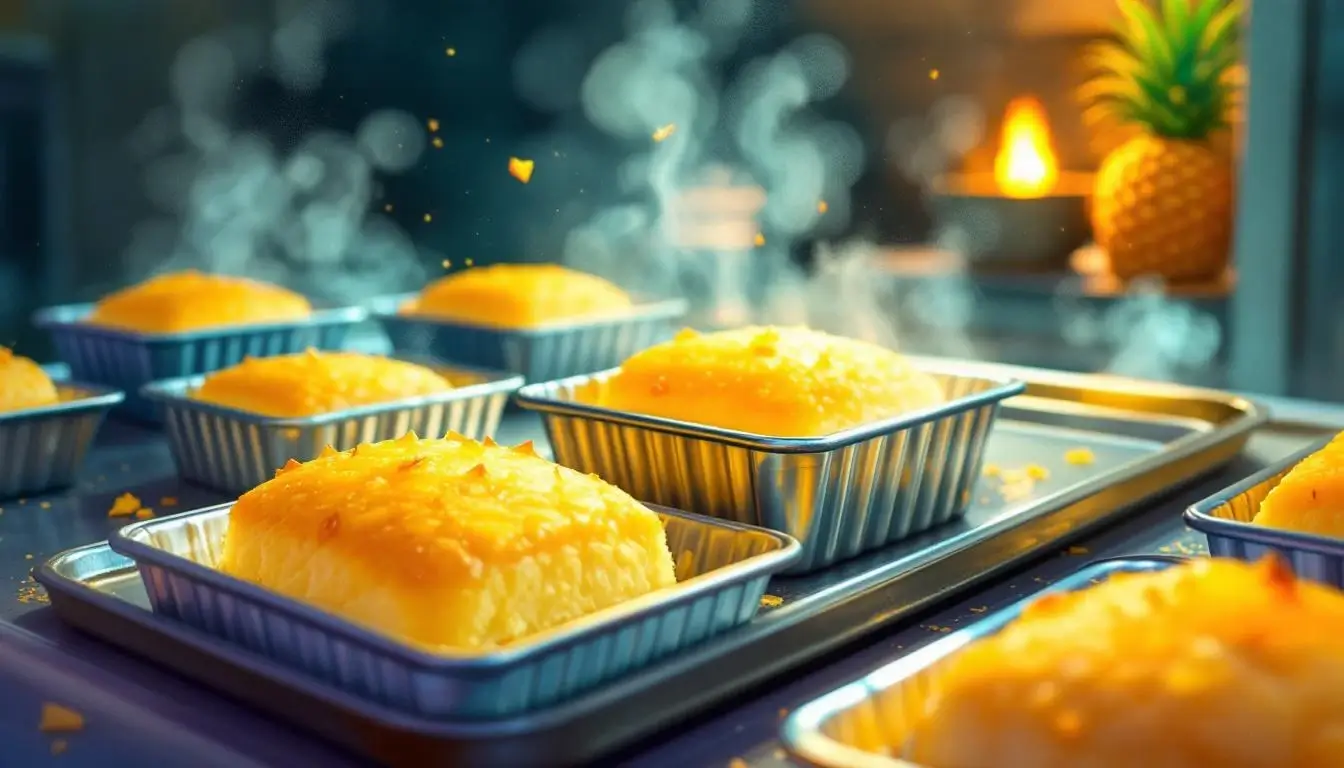
This is where your taiwan pineapple cake recipe comes together. The assembly is meditative and satisfying — think of it as edible origami.
Prepare Your Portions
Divide the chilled filling into 20g (0.7 oz) balls — you should get about 20-24 depending on how much your pineapple reduced. Divide the dough into 30g (1 oz) portions. The ideal ratio is roughly 60% dough to 40% filling by weight. This ensures the pastry shell is thick enough to hold its shape but thin enough that the filling is the star.
Shape Each Cake
- Flatten one dough portion into a disc about 7-8cm (3 inches) wide
- Place one filling ball in the center
- Gently wrap the dough around the filling, pinching the seams closed at the top
- Roll the ball gently between your palms to smooth out the seams
- Press the ball into a greased pineapple cake mold, using your thumb to push the dough evenly into the corners
- The top should be level with the mold — if there’s excess dough, trim it off
Bake to Golden Perfection
Preheat your oven to 170°C (340°F). Place the filled molds on a baking sheet and bake for 10 minutes. Remove from the oven, carefully unmold each cake, flip it upside down, press it back into the mold, and return to the oven for another 10 minutes. This flipping step ensures both sides bake evenly and develop that gorgeous golden color.
The cakes are done when they’re uniformly golden with very slightly darker edges. They’ll feel soft when warm but will firm up as they cool. Let them cool in the molds for 5 minutes, then unmold onto a wire rack.
The flavor improves with time. Freshly baked pineapple cakes are good, but they’re actually better after 24-48 hours. The filling moisture distributes into the pastry, creating that signature melt-in-your-mouth texture. Store in an airtight container at room temperature for up to 5 days, or refrigerate for up to 2 weeks.
If you’re planning to bring homemade pineapple cakes as gifts — an incredibly thoughtful move — check out our 送給台灣親朋好友的禮物指南 for more ideas that’ll earn you serious brownie points.
And speaking of celebrating Taiwan’s amazing food culture, our 台灣街頭美食指南T卹 features a beautiful vintage-style poster design showcasing the island’s most iconic eats — the perfect way to wear your love for Taiwanese cuisine on your sleeve (literally).
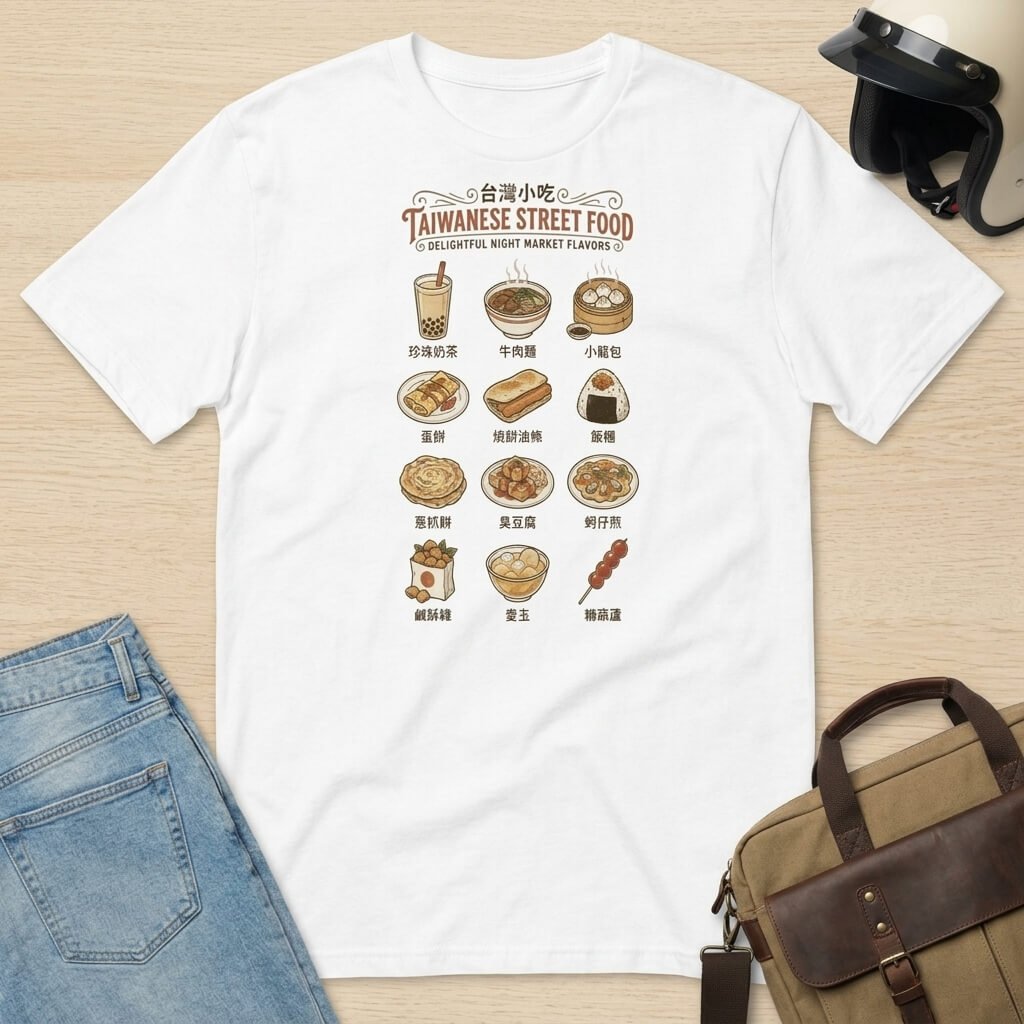
穿出你對台灣美食的熱愛
From pineapple cake to stinky tofu, Taiwan’s food scene is legendary. Our vintage-style Street Food Guide tee celebrates every iconic bite.
Pro Tips and Common Mistakes to Avoid
After years of perfecting this taiwan pineapple cake recipe, here are the tips that make the difference between “pretty good” and “Chia Te bakery-level”:
Filling Tips
- Don’t rush the cook-down. Under-reduced filling is the #1 reason homemade pineapple cakes fail. If your filling can’t hold a ball shape when rolled, it needs more time on the stove.
- Use ripe pineapple. Under-ripe pineapple is too acidic and fibrous. Look for pineapples that smell sweet at the base and have golden-yellow skin.
- Maltose matters. It creates a chewy, glossy texture that sugar alone can’t replicate. You can find it at any Asian grocery store in the sweetener aisle.
- Make extra filling. It freezes beautifully for up to 3 months and you’ll thank yourself next time the pineapple cake craving hits.
Dough Tips
- Keep everything cold. If the dough gets too warm, the butter melts and the pastry becomes greasy and hard to work with. If it starts sticking to your hands, pop it back in the fridge for 10 minutes.
- Don’t overmix. Overmixed dough develops gluten, making the pastry tough instead of tender and crumbly.
- Milk powder is the secret weapon. It’s what gives Taiwanese bakery pastries that distinctive rich, almost caramelized flavor. Don’t substitute with liquid milk — the chemistry is completely different.
Assembly Tips
- Invest in proper molds. You can find rectangular pineapple cake molds online for under $10. They make a huge difference in achieving that professional look.
- Don’t overfill. If the filling-to-dough ratio is too high, the cakes will crack during baking. Stick to the 40% filling / 60% dough ratio.
- The flip is essential. Flipping the cakes halfway through baking prevents a pale, doughy bottom and ensures even browning on all sides.
For a deeper dive into the history and cultural significance of this pastry, including why it became Taiwan’s most famous edible souvenir, check out our complete guide to Taiwan pineapple cake.
Frequently Asked Questions About Taiwan Pineapple Cake
Can I use canned pineapple instead of fresh?
You can in a pinch, but the results won’t be as good. Canned pineapple has already been cooked and sweetened, so you’ll end up with a one-dimensional sweetness instead of the complex tang-sweet-aromatic profile of fresh pineapple. If you must use canned, drain it thoroughly, reduce the sugar by half, and be prepared for a softer filling that may need extra cooking time.
Why are my pineapple cakes cracking?
Cracking usually means one of three things: the dough is too thin (use more dough per portion), the filling is too wet (cook it down more), or the oven temperature is too high. Try reducing the temperature by 10°C and extending the bake time slightly.
Can I make these without molds?
Yes! Shape the wrapped balls into rectangles or discs by hand, or use a small cookie cutter as a guide. They won’t be as uniform, but they’ll taste exactly the same. Some Taiwanese home bakers also use small muffin tins or silicone molds as alternatives.
What’s the shelf life of homemade pineapple cake?
At room temperature in an airtight container: 5-7 days. Refrigerated: up to 2 weeks. Frozen: up to 2 months. Bring to room temperature before eating for the best texture. The cakes actually taste better on day 2-3 than fresh out of the oven, as the filling moisture softens the pastry to that perfect crumbly-melt texture.
How is pineapple cake different from pineapple tart?
Pineapple tarts (popular in Singapore and Malaysia for Chinese New Year) typically use an open-topped tart shape with a visible jam ball or lattice on top. Taiwanese pineapple cakes fully enclose the filling in pastry, like a filled cookie. The pastry dough itself is also different — Taiwanese versions use milk powder and a Japanese-influenced technique that creates a more delicate, sandy texture.
Where can I buy pineapple cake molds?
Amazon, Asian baking supply stores, or specialty kitchen shops carry them. Search for “pineapple cake mold” or “鳳梨酥模具.” A set of 10-12 molds typically costs $8-15. You can also use small rectangular cookie cutters as a guide if you prefer freeform shaping.
Bring Taiwan’s Most Famous Pastry Into Your Kitchen
Making Taiwan pineapple cake from scratch is one of those kitchen projects that looks impressively complex but is actually quite forgiving once you understand the two core components: a well-reduced filling and a properly cold dough. The most time-consuming part — cooking down the pineapple jam — is mostly hands-off, and the assembly process becomes almost meditative once you find your rhythm.
What makes this recipe special isn’t just the taste (though that golden, buttery, pineapple-packed bite is absolutely worth the effort). It’s the connection to Taiwan’s rich culture — a culture that turns a humble pineapple pastry into a symbol of prosperity, family, and the sweetness of coming home. Whether you’re making these for a Lunar New Year celebration, a dinner party, or just because you’re craving that Taipei bakery magic, every bite carries a little piece of Taiwan with it.
So clear your counter, crank up some Taiwanese pop music, and get baking. Your friends are going to lose their minds when you hand them a box of homemade fènglí sū.

免費領取台灣貼紙!
留下您的郵箱,我們將向您發送限量版台灣貼紙——以及搶先了解最新商品發售信息和感受海島風情的機會。.
絕不發送垃圾郵件。隨時可以取消訂閱。.