Exploring the Rich Tapestry of Taiwanese Funeral Traditions
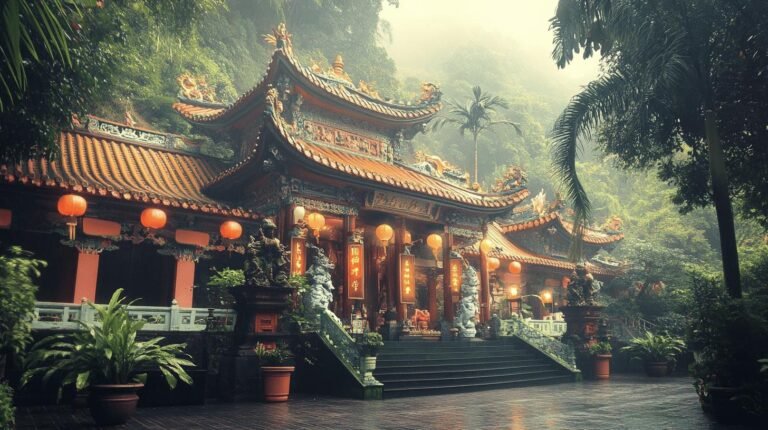
Taiwanese funeral traditions are a rich tapestry woven from a blend of religious and cultural influences that span generations. Central to these customs is the integration of Buddhist, Taoist, and folk beliefs, each contributing unique elements to the ceremonies. These multifaceted practices aim to honor the deceased and ensure a safe passage to the afterworld. The preparation of the body, a deeply symbolic act, sets the stage for offering rituals intended to honor ancestors and reflect the interconnectedness of family ties. Furthermore, regional and familial variations add distinct layers, reflecting Taiwan's diverse cultural landscape. With such intricate customs, understanding Taiwanese funeral traditions provides a deeper appreciation of the ways in which life, death, and heritage are celebrated and remembered.
Traditional Elements of Taiwanese Funerals
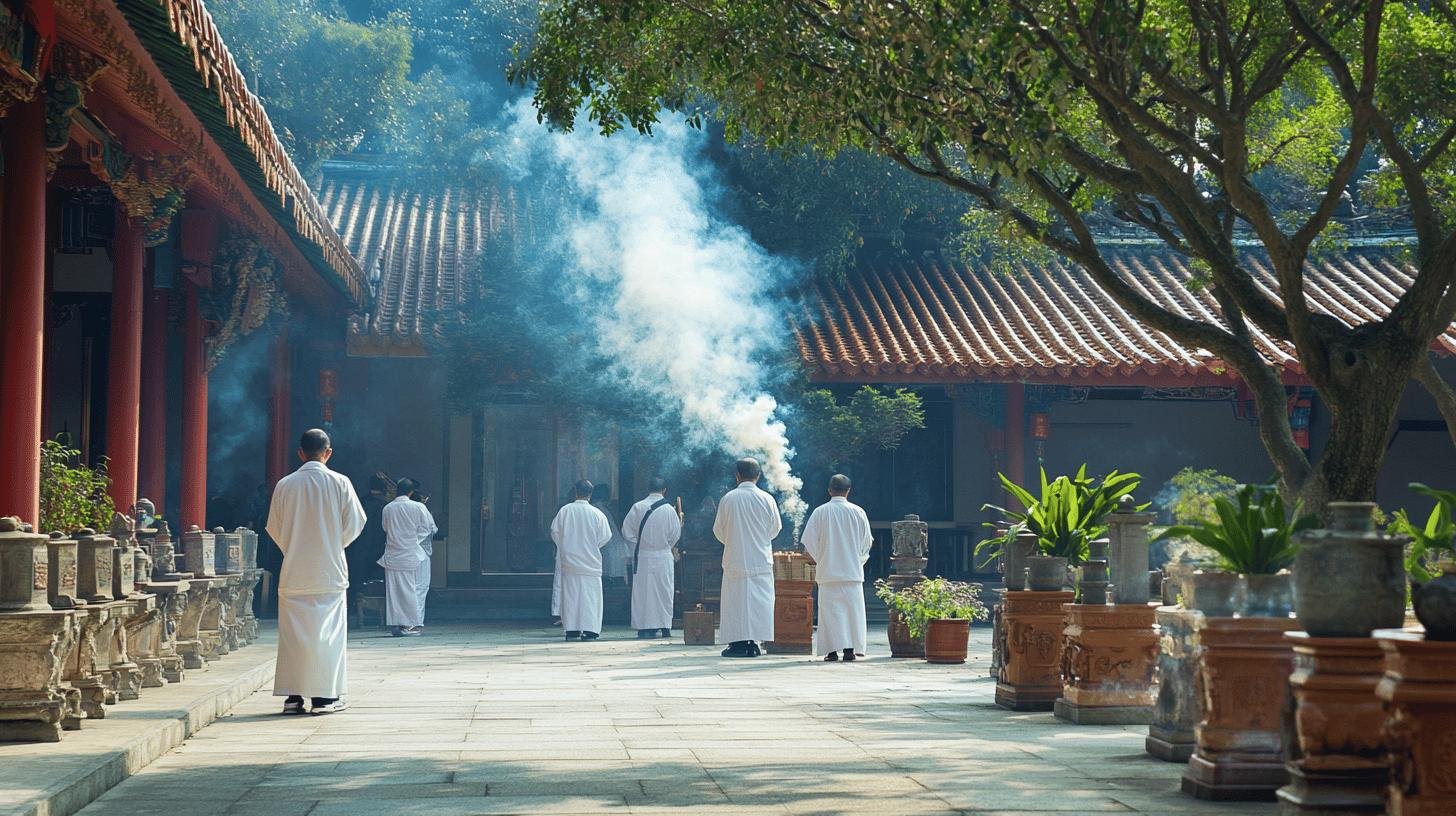
Taiwanese funeral traditions are a rich tapestry woven from Buddhist, Taoist, and folk religious practices. These diverse influences create ceremonies that are both deeply spiritual and culturally significant. Buddhism contributes a focus on the afterlife and rituals that guide the deceased's spirit, while Taoism emphasizes harmony and purification. Folk beliefs add personalized elements, reflecting local customs and ancestral veneration. This blend ensures that each funeral is uniquely tailored to honor the deceased's beliefs and the family's traditions. Common rituals in Taiwanese funerals include the meticulous preparation of the body, which is bathed and dressed in specific garments to signify purity and readiness for the afterlife. Ancestor offerings are a crucial component, involving the presentation of food, incense, and paper money to ensure comfort and prosperity for the deceased in the spiritual realm. These ceremonies are designed to foster a smooth transition for the departed, emphasizing respect and care for their journey beyond life.
- Body preparation
- Ancestor offerings
- Funeral processions
- Rituals for safe passage
- Variations by region Regional and familial variations further enrich Taiwanese funeral customs. In some areas, indigenous practices are incorporated, reflecting the island's diverse cultural landscape. Families may choose distinctive rituals to honor their heritage or adapt ceremonies to suit contemporary urban lifestyles. These differences highlight the flexibility within Taiwanese funeral traditions, allowing for a personalized approach that respects both historical roots and modern influences.
Influence of Buddhist and Taoist Beliefs
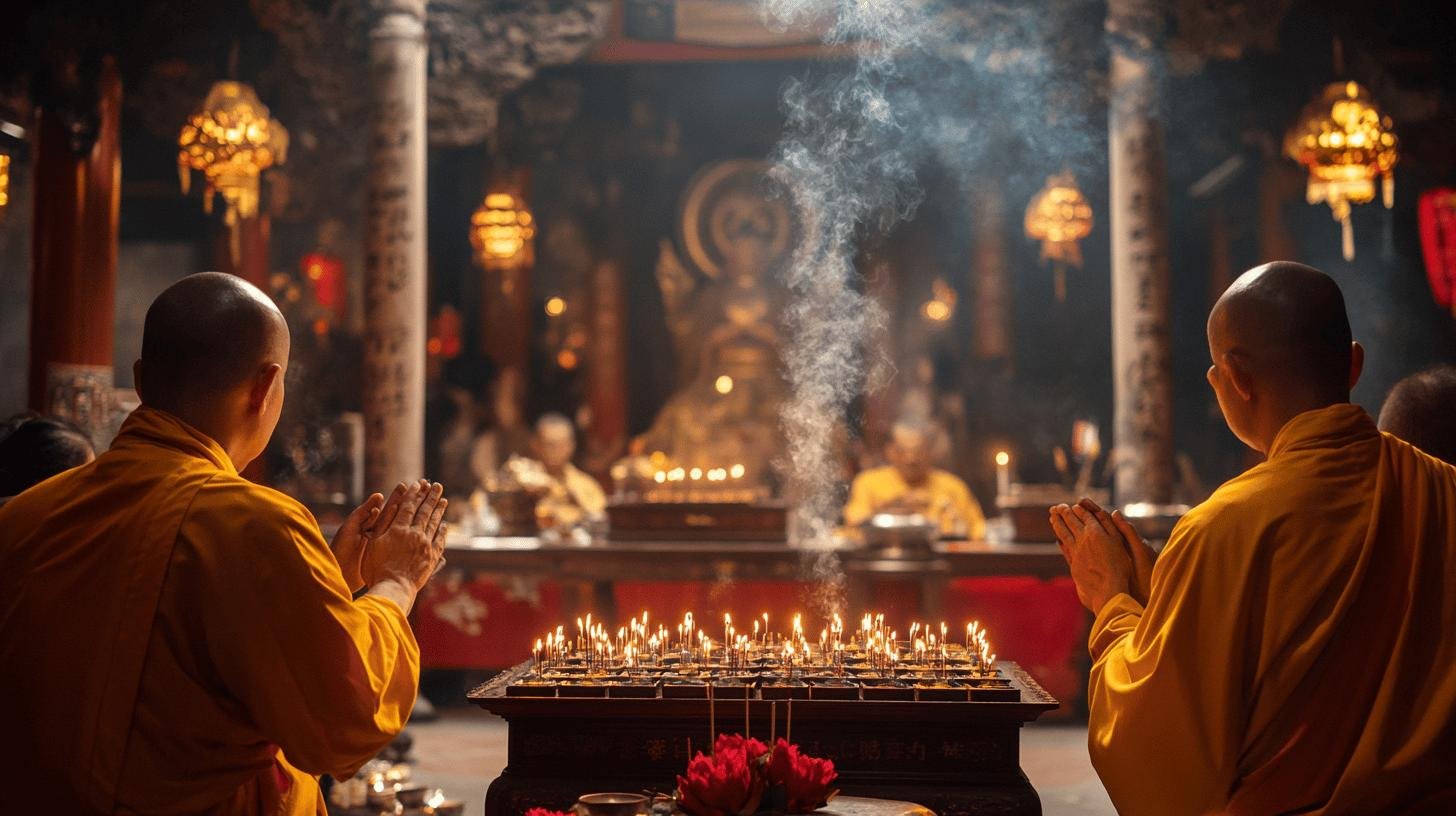
Buddhist customs are integral to Taiwanese funerals, emphasizing the journey of the spirit and the importance of posthumous rituals. A central aspect of Buddhist funeral customs in Taiwan includes the 49-day ritual period, known as the "intermediate state" or "bardo." During this period, families perform daily prayers and offerings to aid the deceased's transition through various stages of existence towards a favorable rebirth. The practice underscores the belief in reincarnation and the significance of karma, where the actions and prayers of the living can positively influence the deceased's future life. These extended rituals reflect a profound commitment to ensuring the well-being of the departed in their spiritual journey. Taoist funeral rituals in Taiwan focus on purification and the safe passage of the soul into the afterlife. Taoist ceremonies often include purification rites that cleanse the spirit and environment, removing negative energies and preparing the deceased for their journey. Spirit guidance rituals are another key element, where Taoist priests perform chants and lead prayers to guide the soul safely through spiritual realms. These practices embody the Taoist principles of harmony and balance, ensuring that the spirit is protected and supported as it transitions beyond the physical world. The integration of both Buddhist and Taoist elements allows for a comprehensive approach to honoring the deceased, reflecting the interwoven spiritual beliefs prevalent in Taiwanese culture.
- Buddhist post-funeral rituals
- Taoist purification ceremonies
- Spirit guidance rituals
- Combined Buddhist-Taoist practices
Attire and Symbols in Taiwanese Funerals
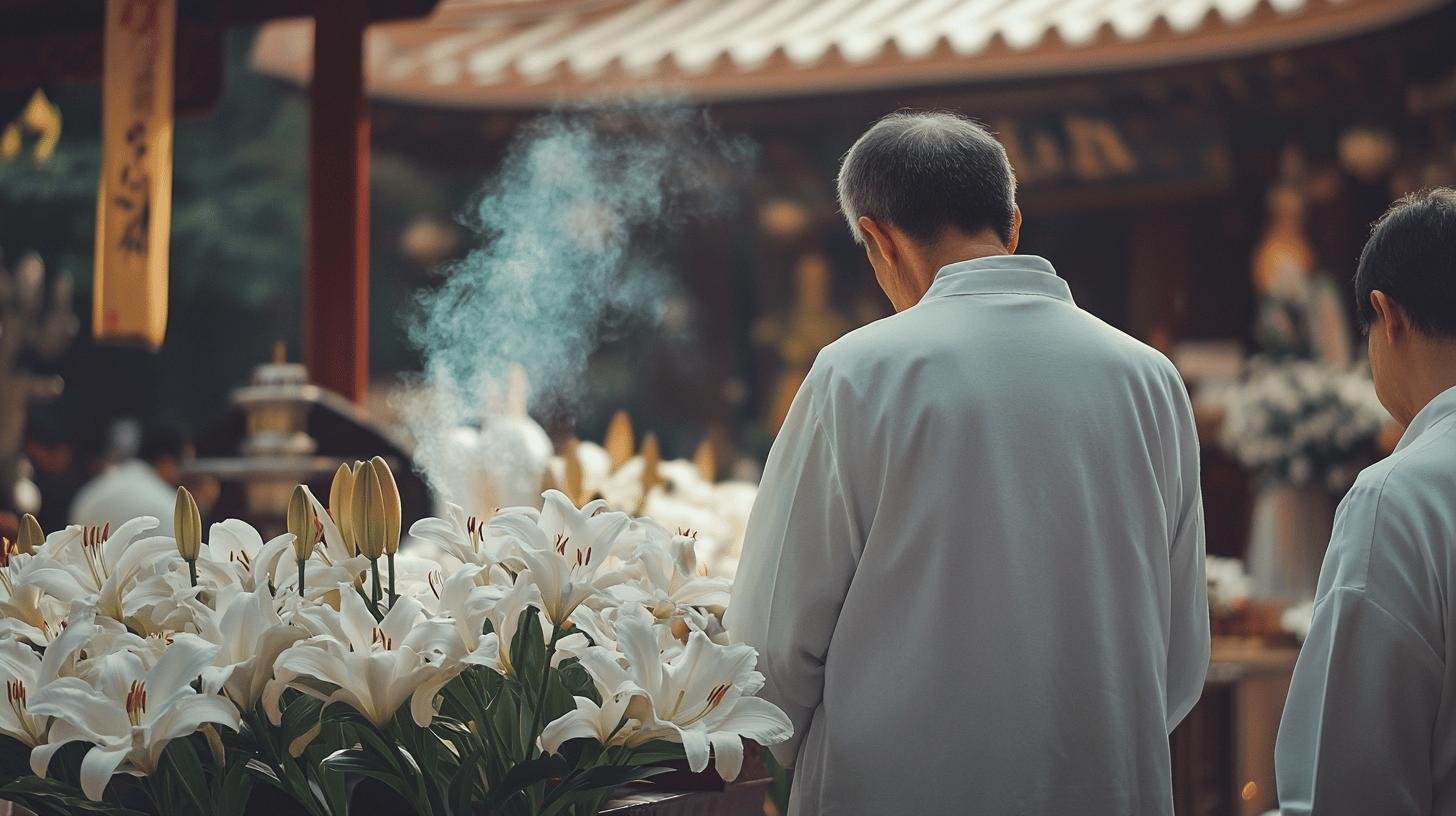
In Taiwanese funerals, attire serves as a profound expression of mourning and respect. The color white is predominantly used, contrasting with Western traditions where black is more common. White symbolizes purity and the departure from this world. Mourning garments often include sackcloth, a rough-textured fabric worn by family members as a visible sign of their grief. This attire reflects the family's commitment to honoring the deceased and the emotional weight of their loss. The choice of materials and colors is deeply rooted in cultural beliefs, emphasizing the importance of tradition in these solemn ceremonies. Symbols play a vital role in Taiwanese funerals, with flowers and other elements carrying significant meanings. Funeral flowers, such as chrysanthemums, are commonly used to convey respect and mourning. These flowers are chosen for their associations with death and the afterlife, providing a sense of peace and serenity. Additionally, other symbols like incense and paper offerings are integral to the rituals, representing the connection between the living and the spiritual world. These elements collectively enhance the ceremonial atmosphere, ensuring the deceased is honored with dignity and grace. |Symbol |Meaning | |——————|—————————| |White attire |Purity and mourning | |Chrysanthemums |Respect and peace | |Incense |Connection to the spiritual|
Modern Adaptations in Taiwanese Funerals

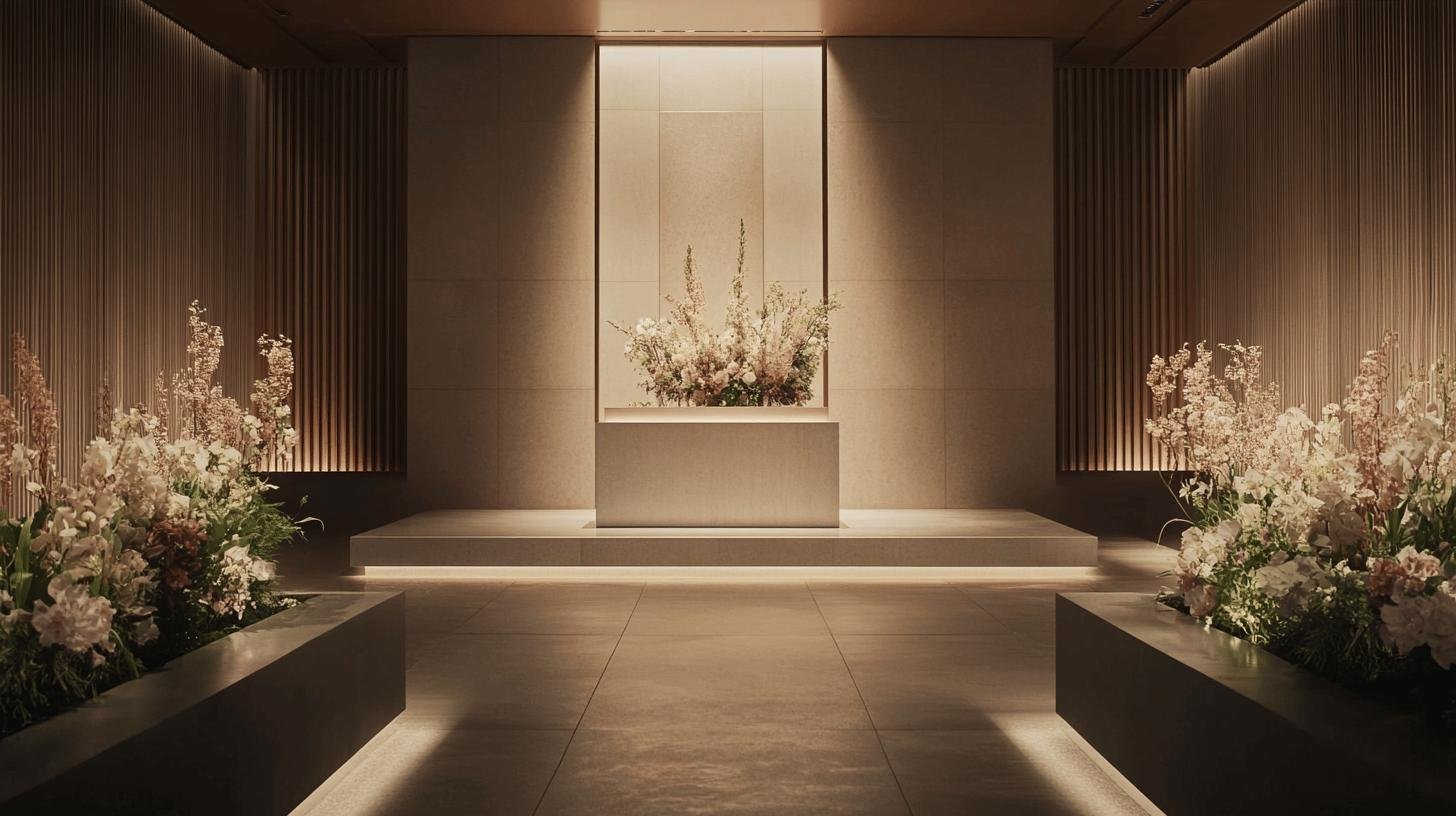
Urbanization has significantly influenced modern funeral practices in Taiwan, leading to adaptations that reflect the changing landscape of urban life. Due to limited space in densely populated cities, there has been a noticeable shift towards cremation as a preferred option over traditional burials. This change not only addresses space constraints but also aligns with contemporary environmental concerns. Simplified ceremonies have become more common, providing a practical solution for families who live fast-paced urban lives. These adaptations ensure that the essence of Taiwanese funeral traditions is preserved while accommodating the necessities of modern living. The Taiwanese funeral industry has responded to these changes by offering a diverse array of services that cater to both traditional and contemporary preferences. Funeral homes now provide options ranging from elaborate traditional ceremonies to minimalist contemporary memorials. The integration of Western elements into services is becoming more prevalent, reflecting the global influences on Taiwanese culture. Additionally, technology plays a significant role in modern funerals, with services such as live streaming allowing family members who are unable to attend in person to participate virtually. This blend of tradition and modernity ensures that all needs and preferences are met, upholding the cultural significance of honoring the deceased while embracing the realities of modern life.
- Simplified ceremonies
- Increased cremation
- Contemporary memorials
- Integration of Western elements
- Use of technology in services
Unique Aspects of Taiwanese Funerals
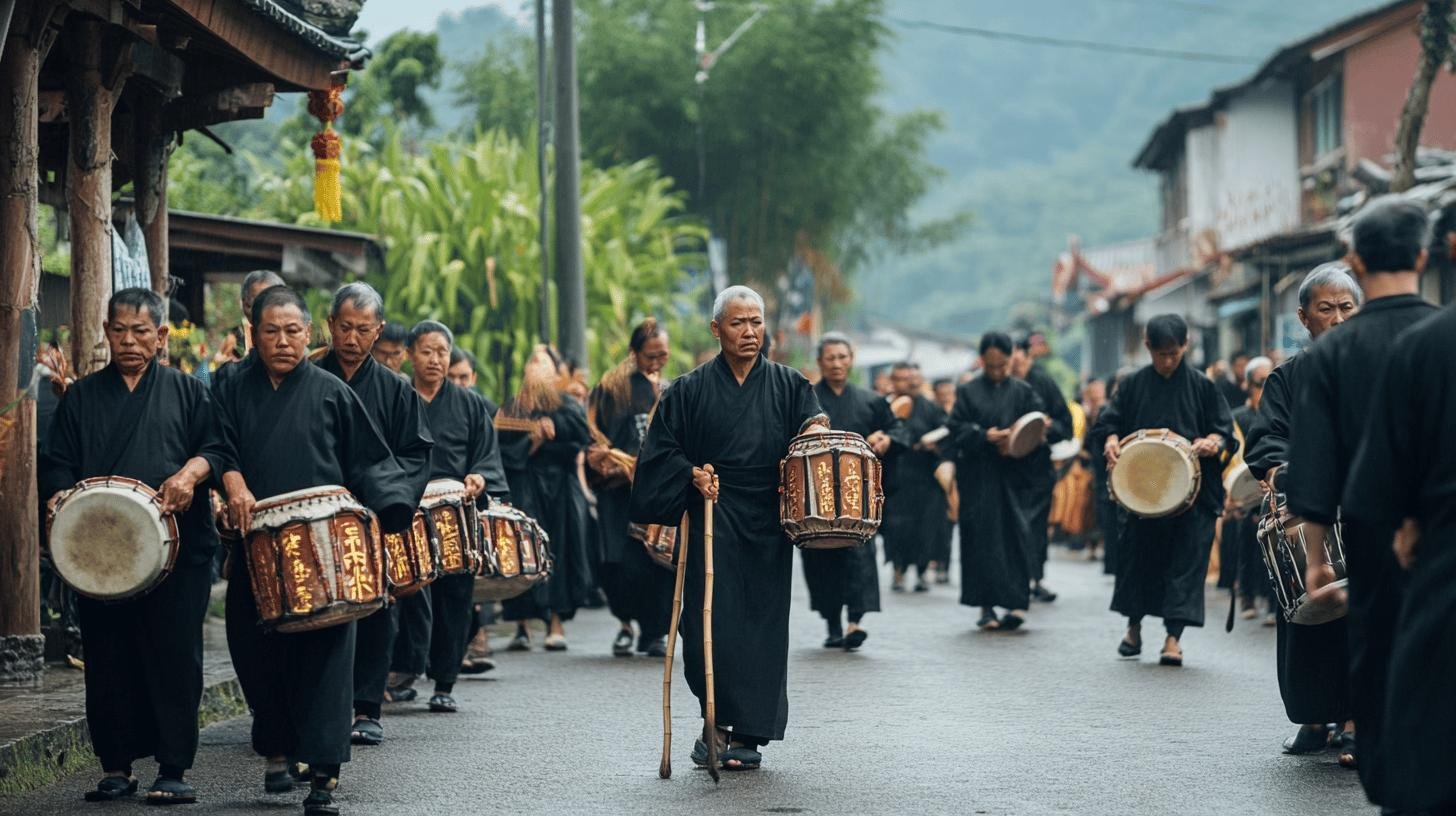
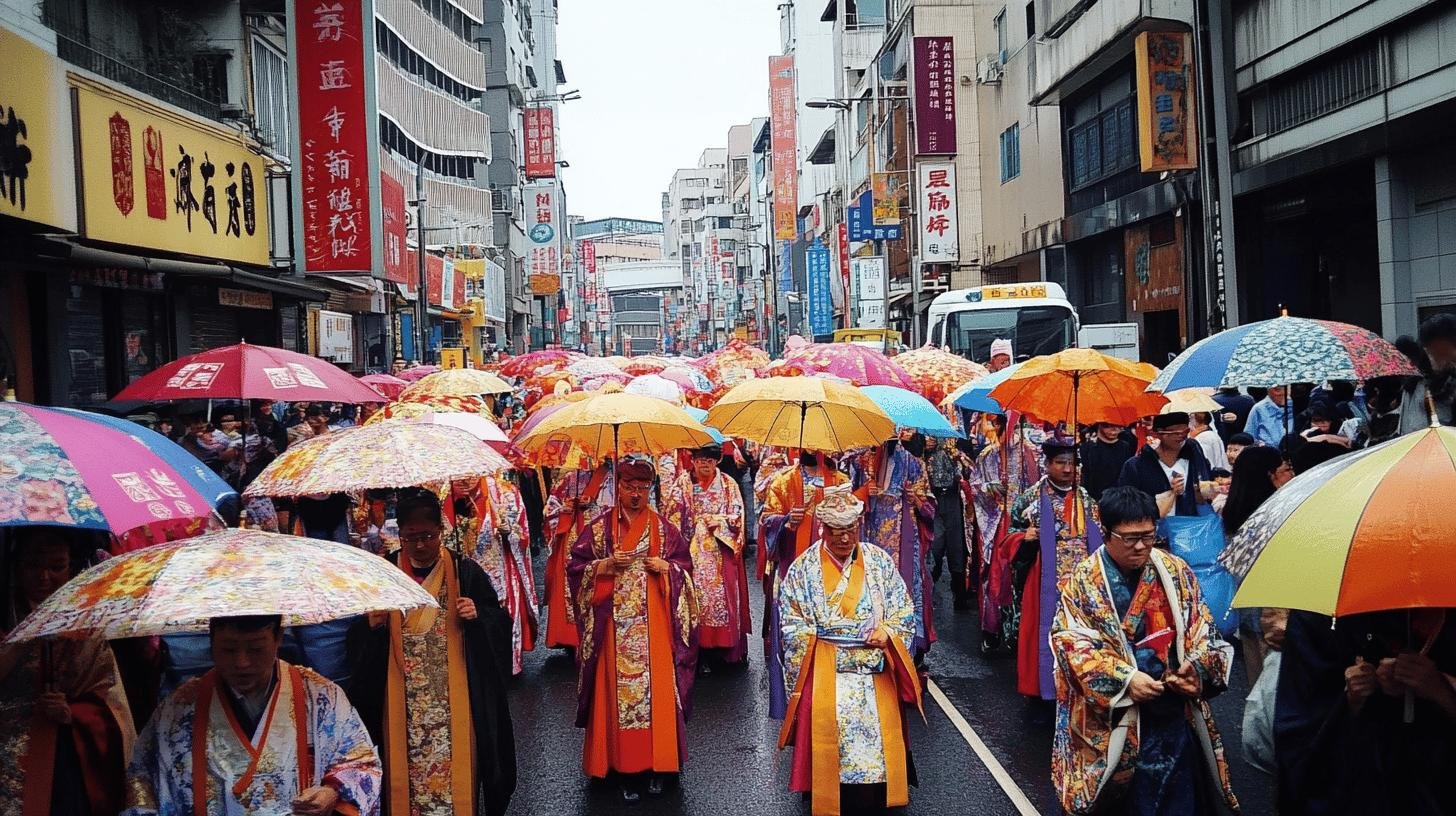
In some regions of Taiwan, pole dancers are incorporated into funeral ceremonies, adding a unique cultural element that might surprise outsiders. The presence of pole dancers serves as a form of entertainment intended to honor the deceased in a lively and celebratory manner. This practice is rooted in the belief that providing a festive atmosphere can help ease the journey of the deceased into the afterlife. It is a way of drawing a crowd, showing respect by ensuring a well-attended send-off, and demonstrating the family's status and ability to provide an elaborate farewell. While unconventional in the context of somber funerals, this practice reflects the diversity and adaptability of Taiwanese customs. Elaborate funeral processions are another distinct characteristic of Taiwanese funerals, often featuring music and professional mourners. These processions can include marching bands and musicians playing traditional instruments to create an atmosphere that balances both mourning and celebration. Professional mourners, known as "crying ladies," are sometimes hired to express grief and articulate the sorrow of the family, adding a theatrical element to the proceedings. These processions are meticulously organized, ensuring that the deceased is honored with a grand and memorable farewell, reflective of the community's respect and the family's devotion.
- Pole dancers at funerals
- Musical processions
- Professional mourners
In conclusion, Taiwan funeral traditions represent a profound blend of religious, cultural, and regional influences that reflect the rich heritage of the island. These customs, deeply rooted in Buddhist, Taoist, and folk beliefs, offer a diverse and meaningful approach to honoring the deceased. As Taiwanese society evolves, so do these traditions, with modern adaptations making ceremonies more accessible while preserving essential elements. The uniqueness of practices, from colorful processions to the symbolism of attire, highlights the balance between tradition and change. Understanding these customs provides insight into how Taiwanese people celebrate, remember, and connect with their ancestors, underscoring the enduring significance of funerals in Taiwan’s cultural landscape.
FAQ
How long is a Taiwanese funeral?
A Taiwanese funeral typically lasts several days, with the main ceremony taking 2-3 days. Additional rituals may extend for weeks, involving prayers and offerings to guide the deceased's spirit.
What color do you wear for mourning in Taiwan?
In Taiwan, white is traditionally worn for mourning. This color symbolizes purity and respect for the deceased. Family members might also wear sackcloth as a more intense expression of grief.
What are the 13-day rituals after death?
The 13-day rituals in Taiwanese cultures involve various ceremonies to honor the deceased and support their spirit's journey. These may include offerings and prayers held at specific intervals, contributing to spiritual peace.
What is the tradition of 9 days after death?
Nine days after a person's death, additional prayers or ceremonies may occur in Taiwan, focusing on the deceased's safe passage to the afterlife. These rituals often blend Buddhist and Taoist customs.
What are Taoist funeral rituals in Taiwan?
Taoist funeral rituals in Taiwan emphasize purification and guiding the spirit after death. Precision in these rituals ensures the deceased's safe transit to the afterlife, with ceremonies often personalized to family traditions.
What flowers are used in Taiwanese funerals?
White lilies and chrysanthemums are commonly used in Taiwanese funerals, symbolizing mourning and respect. These flowers are integral to the funeral setting, conveying solemnity and remembrance.
Grab a Free Taiwan Sticker!
Drop your email and we’ll send you a limited-edition Taiwan sticker — plus insider access to new merch drops and island vibes.
No spam. Unsubscribe anytime.