Top World Landmarks in Taiwan You Must Visit
Taiwan offers a captivating mix of modern marvels, cultural depth, and breathtaking natural beauty, making it a must-visit destination for travelers from all walks of life. From the towering heights of Taipei 101 to the tranquil allure of Sun Moon Lake, Taiwan is home to some of the world's most renowned landmarks. These iconic sites not only showcase Taiwan's rich history and vibrant culture but also highlight its incredible natural landscapes. Each landmark provides visitors with unique experiences, whether it's exploring ancient artifacts at the National Palace Museum or marveling at the geological wonders of Yehliu Geopark. In this article, we'll guide you through the top landmarks in Taiwan that you simply can't miss, offering insights and tips to make the most of your visit. Whether you are drawn to the bustling urban attractions or the serene natural escapes, Taiwan has something to enchant every traveler. Dive in to discover the unparalleled charm of Taiwan's most famous world landmarks.
Exploring the Iconic Landmark: Taipei 101
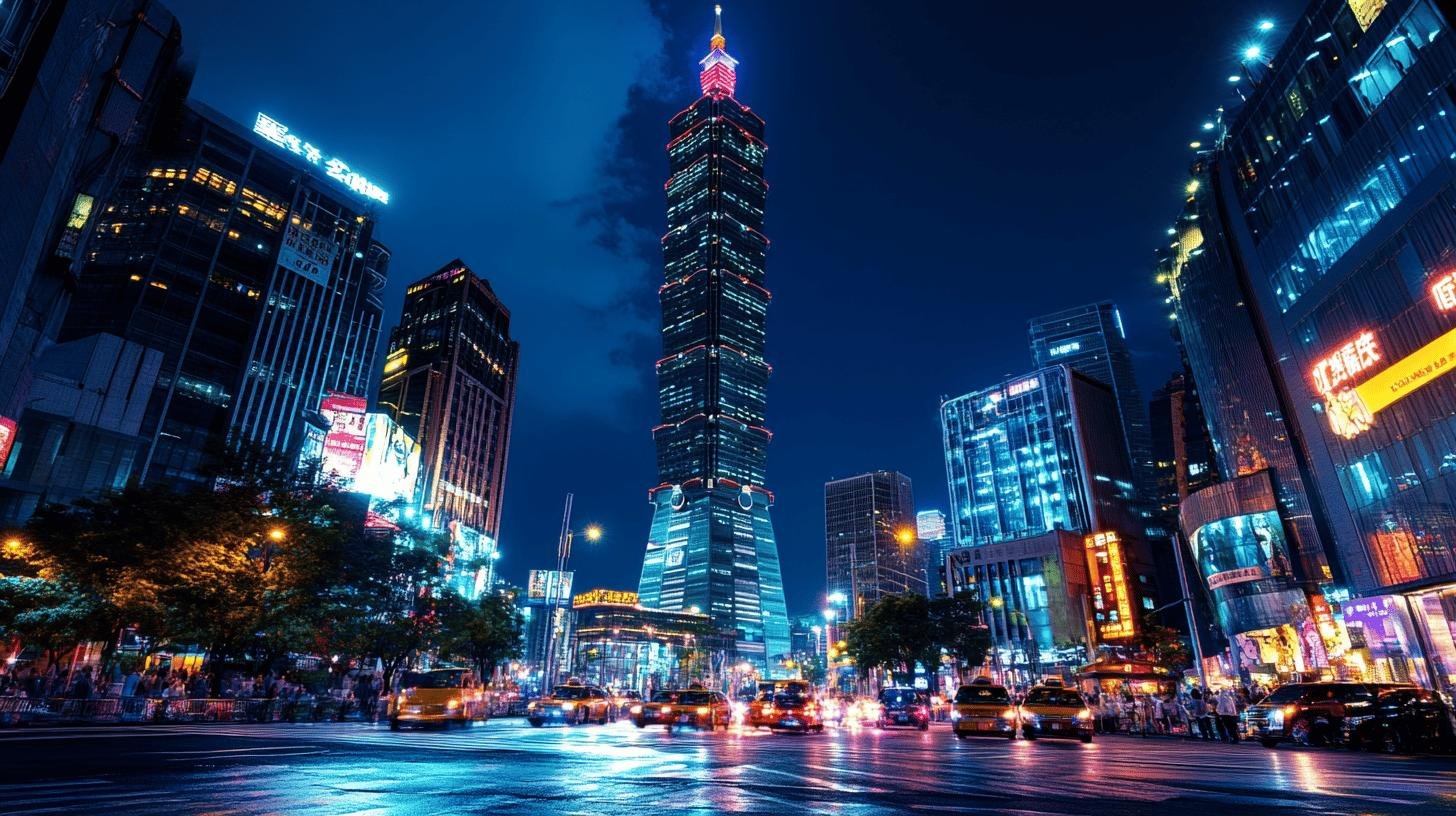
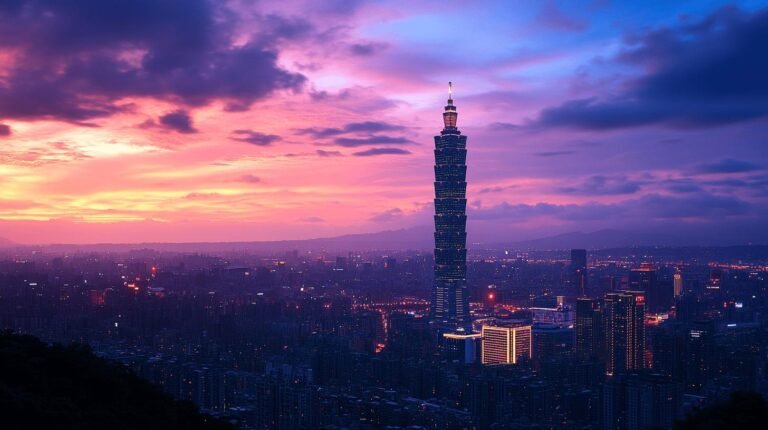
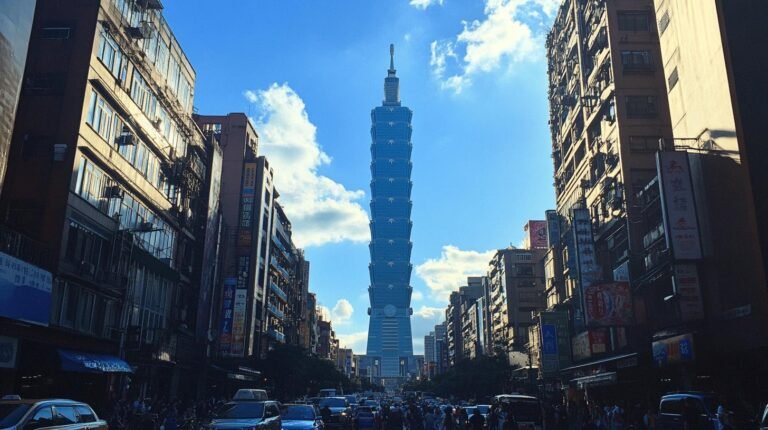
Towering at 508 meters, Taipei 101 once held the title of the world's tallest building. This architectural marvel is not just a symbol of Taiwan's urban prowess but also an icon of modern engineering. Its design is inspired by traditional Asian pagodas and bamboo stalks, which are emblematic of strength and resilience. Completed in 2004, Taipei 101 has since been a beacon of Taiwan's economic and technological advancements, drawing visitors from across the globe to marvel at its grandeur.
- Observatory: Located on the 89th floor, it offers breathtaking panoramic views of Taipei.
- High-speed Elevators: Among the world's fastest, these elevators whisk visitors to the observatory in just 37 seconds.
- Eco-friendly Design: Taipei 101 has a LEED Platinum certification, showcasing sustainable architectural practices.
- New Year's Eve Fireworks: An annual spectacle, the building's fireworks display is a major attraction.
- Shopping Mall: The lower floors house a luxury shopping mall, featuring global brands and exquisite dining options. When planning a visit to Taipei 101, consider its operating hours, typically from 9 AM to 10 PM. For the best experience, visit during clear weather to enjoy unobstructed views from the observatory. Sunset and evening visits offer stunning cityscapes, and if possible, align your visit with New Year's Eve to witness the iconic fireworks display.
Discovering the Rich Heritage of the National Palace Museum
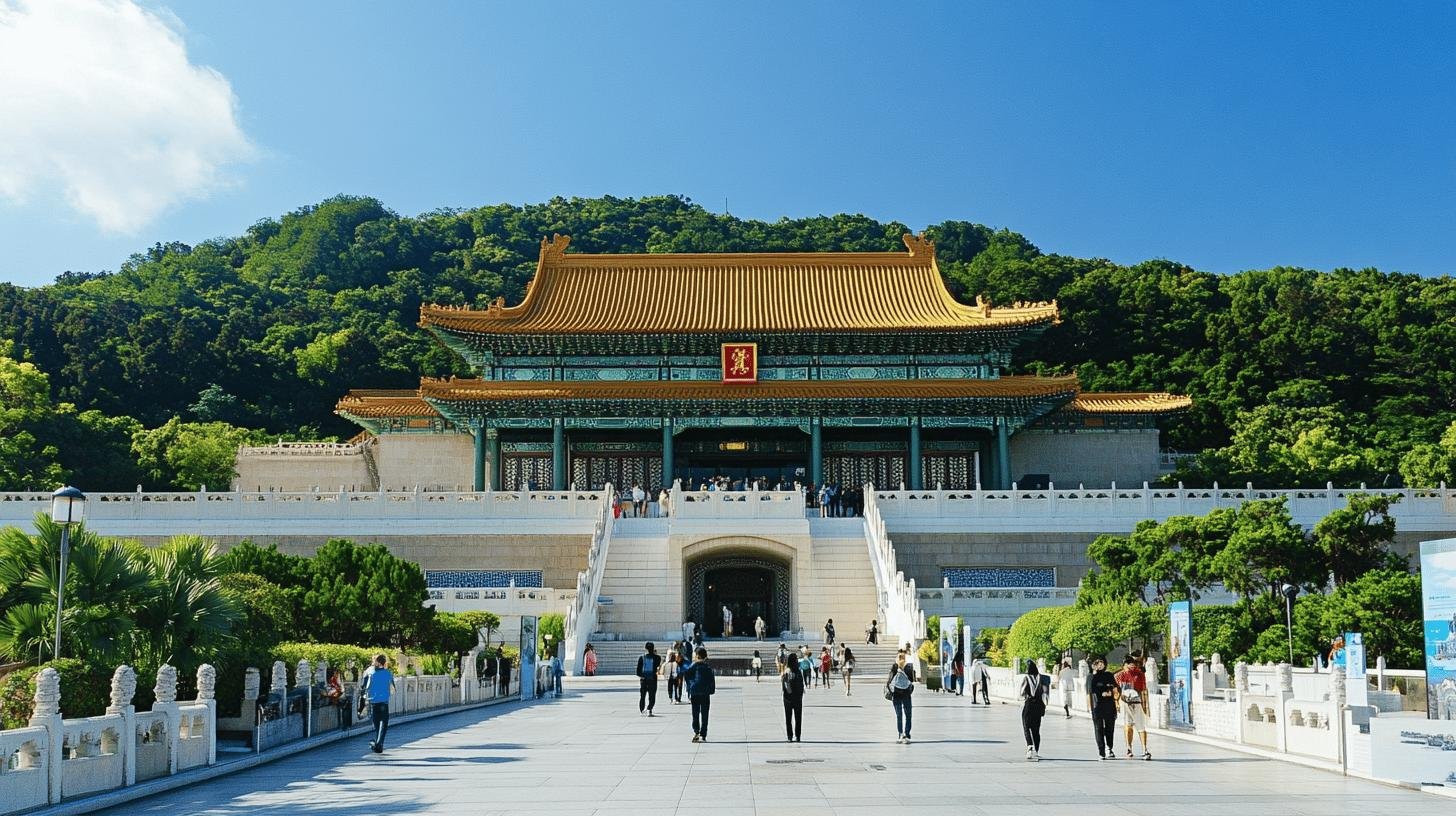
The National Palace Museum in Taipei is a treasure trove of Chinese cultural heritage, housing over 700,000 ancient imperial artifacts and artworks. This impressive collection spans 8,000 years of history, offering a comprehensive glimpse into China's rich past. As one of the largest museums of its kind globally, it plays a crucial role in preserving and showcasing Chinese history. Visitors can explore a wide array of items, from intricate jade carvings to exquisite porcelain, each telling a unique story of the civilization's evolution. One of the museum's standout exhibits is the "Jadeite Cabbage," a stunning example of Qing dynasty craftsmanship. Another significant piece is the "Meat-shaped Stone," which resembles a piece of braised pork belly, showcasing the artisans' skill in mimicking nature. The museum's calligraphy and painting collections are equally noteworthy, featuring works by renowned artists such as Wang Xizhi. These exhibits not only highlight artistic excellence but also provide insight into the cultural and historical contexts in which they were created. To make the most of your visit, plan to spend several hours exploring the extensive galleries. The museum is open daily from 8:30 AM to 6:30 PM, with tickets available for purchase on-site or online. Located in the Shilin District of Taipei, it’s easily accessible by public transportation. Visitors are encouraged to take advantage of guided tours and audio guides for a more enriching experience. | Exhibit Name | Description | |——————–|—————————————————————————–| | Jadeite Cabbage | A masterful jade carving from the Qing dynasty resembling a cabbage. | | Meat-shaped Stone | A striking piece of jasper carved to look like a piece of pork belly. | | Wang Xizhi's Works | Calligraphy by one of the most celebrated calligraphers in Chinese history. | | Blue-and-White Porcelain | Exquisite porcelain pieces from the Ming dynasty. |
The Natural Beauty of Taroko Gorge
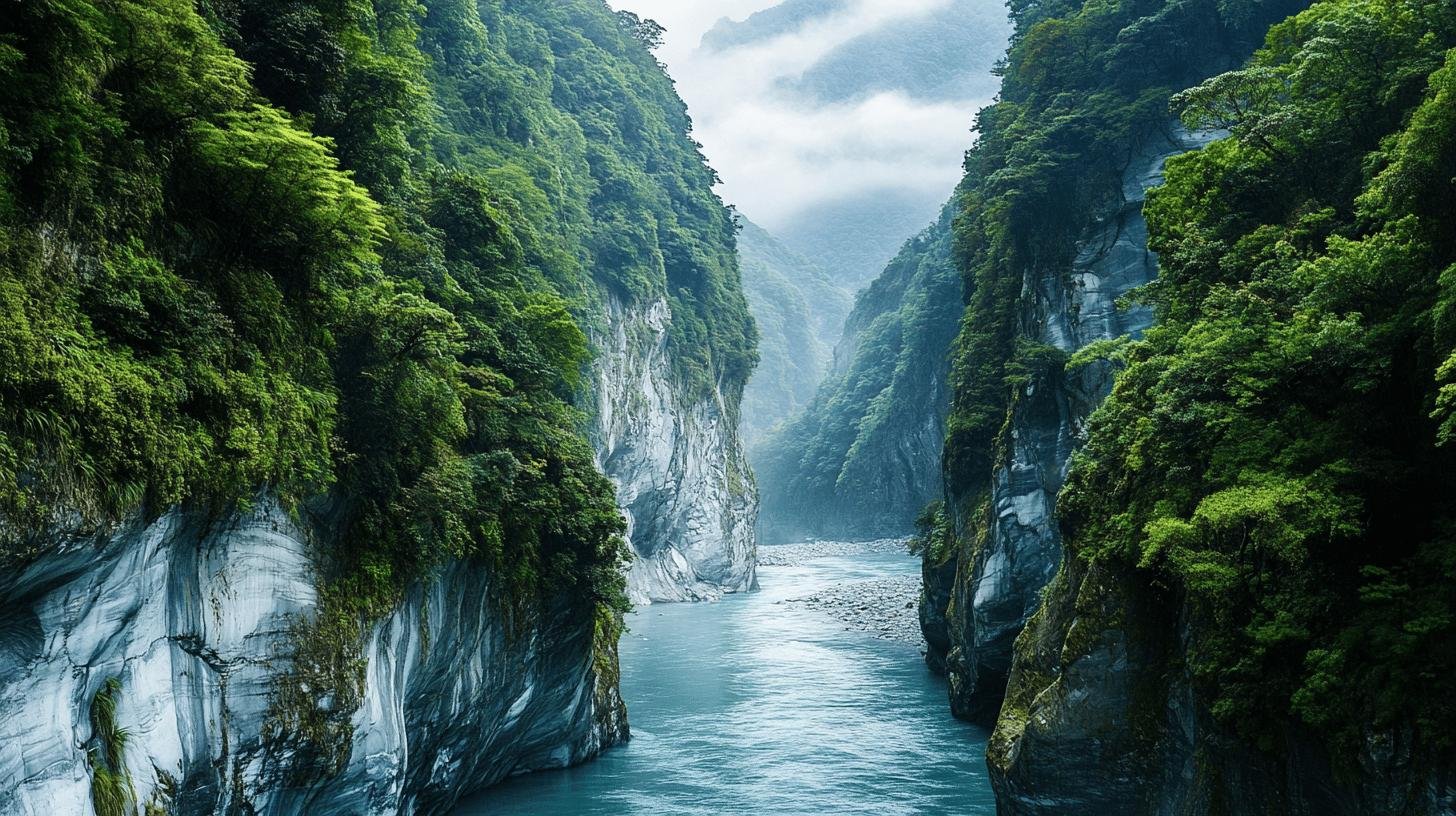
Taroko Gorge, nestled within Taroko National Park, is a natural marvel renowned for its breathtaking landscapes. This incredible site features towering marble cliffs, deep canyons, and the serene flow of the Liwu River cutting through its heart. The gorge's geological formations create a stunning panorama that captivates visitors with every turn. As one of Taiwan's most scenic landscapes, Taroko Gorge offers a unique blend of rugged beauty and tranquil vistas, making it a must-see destination for nature lovers and adventurers alike.
- Shakadang Trail: Known for its crystal-clear river views and vibrant rock formations, this trail offers a gentle introduction to the gorge.
- Swallow Grotto (Yanzikou): Famous for its narrow canyons and birdwatching opportunities, this area provides a close-up view of the marble cliffs.
- Baiyang Trail: Featuring tunnels and a stunning waterfall at its end, Baiyang Trail is perfect for those seeking a sense of adventure.
- Eternal Spring Shrine: This iconic landmark is set against a picturesque waterfall, offering both cultural insights and scenic beauty.
- Zhuilu Old Trail: For the more intrepid, this trail offers a thrilling experience along a cliffside path with panoramic gorge views. When planning a visit to Taroko Gorge, the best time is during spring or autumn when the weather is mild, and the colors of the landscape are at their most vibrant. It's important to check for any necessary permits, especially for trails like Zhuilu Old Trail, which require advance booking. Visitors should also come prepared with comfortable walking shoes and sufficient water, as some trails can be strenuous. Access to the park is convenient, with buses and taxis available from nearby Hualien City, making it an accessible yet unforgettable journey into Taiwan's natural splendor.
Serenity at Sun Moon Lake
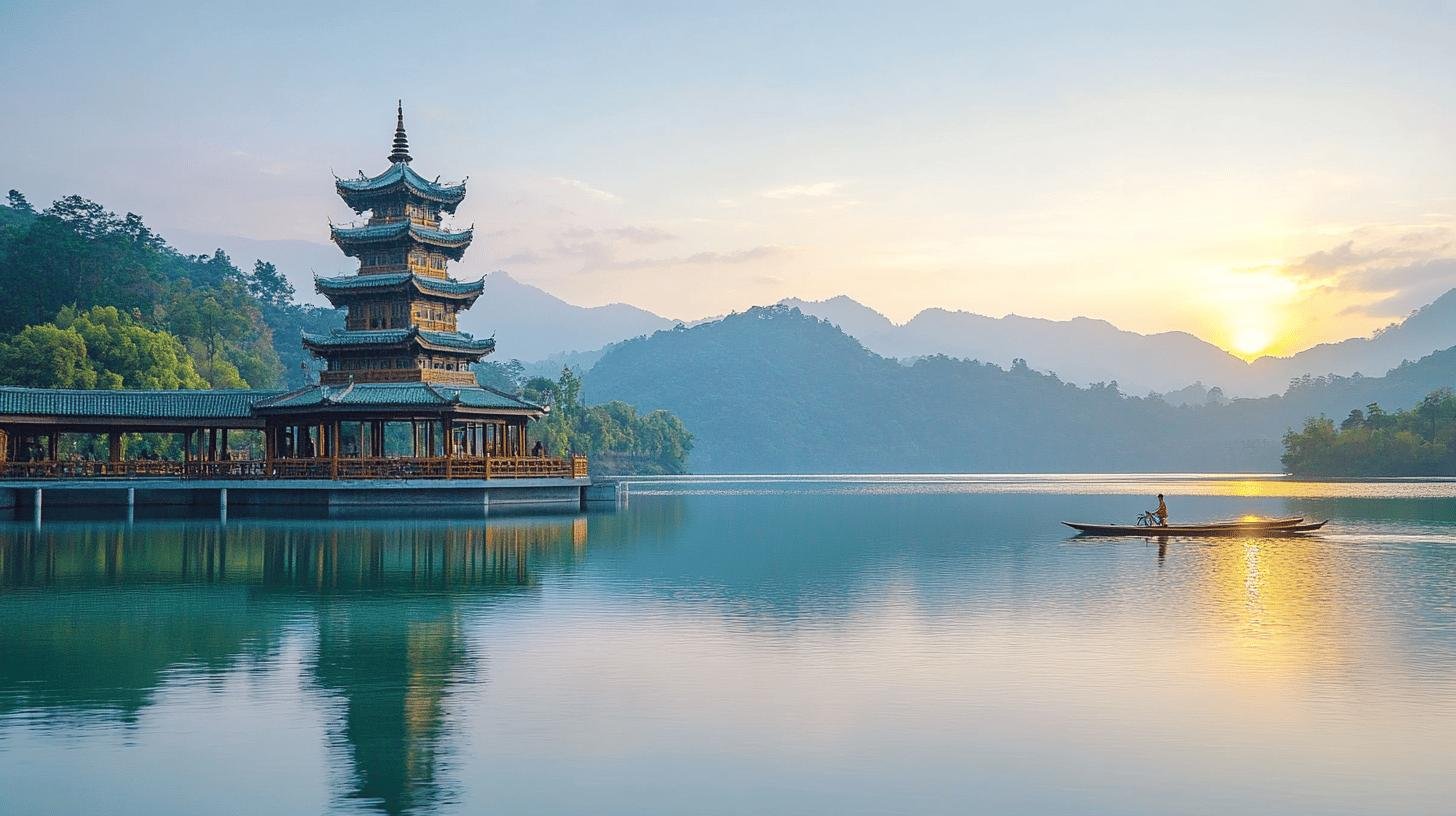
Sun Moon Lake, the largest body of water in Taiwan, is celebrated for its breathtaking natural beauty and cultural significance. Nestled in the heart of Nantou County, this enchanting lake is surrounded by lush mountains that provide a tranquil backdrop, making it a popular destination for both locals and tourists. The lake's name originates from its unique shape, resembling a sun on one side and a crescent moon on the other. This picturesque setting is not only a visual delight but also a place deeply rooted in local indigenous culture, with the Thao tribe calling the area home. Visitors to Sun Moon Lake can indulge in a variety of activities that enhance the experience of its serene landscapes. Cycling is a favored pastime, with a scenic bike trail encircling the lake, offering riders stunning views along the way. Boating is another popular activity, allowing visitors to glide across the tranquil waters and take in the panoramic vistas from a different perspective. Additionally, the lake is dotted with temples and cultural sites, providing a blend of adventure and spiritual exploration. For those planning a visit to Sun Moon Lake, accommodation options range from luxury resorts to cozy bed and breakfasts, ensuring a comfortable stay. The best time to visit is during the spring or autumn when the weather is pleasant, and the natural scenery is at its most vibrant. To fully enjoy the lake's tranquility, consider visiting during weekdays or early mornings to avoid the crowds, allowing for a more intimate connection with this serene haven.
Cultural Insights at Chiang Kai-shek Memorial Hall

Chiang Kai-shek Memorial Hall stands as a prominent cultural and historical landmark in Taipei, commemorating the former President of the Republic of China. The monument's grand design reflects traditional Chinese architecture, with its striking blue octagonal roof symbolizing the number eight, which is considered auspicious in Chinese culture. The white marble edifice sits within Liberty Square, flanked by the National Theater and Concert Hall, forming an architectural ensemble that honors Taiwan's heritage while serving as a venue for cultural events and civic gatherings.
- Grand Hall: The centerpiece of the memorial, housing a large statue of Chiang Kai-shek.
- Changing of the Guard: A ceremonial event held hourly, drawing visitors with its precision and pageantry.
- Exhibition Halls: Featuring exhibits on Chiang's life and Taiwan's history, providing educational insights.
- Liberty Square Gardens: Expansive gardens offering a serene environment for reflection and leisure. When visiting Chiang Kai-shek Memorial Hall, it's best to arrive early in the day to enjoy fewer crowds and cooler weather. The site is open to the public daily, and the gardens provide a peaceful retreat amid the bustling city. For an enriching experience, time your visit to coincide with the changing of the guard ceremony, which adds a dynamic aspect to the historical exploration. Whether for a cultural immersion or a leisurely walk, the memorial hall offers a glimpse into Taiwan's past and present.
Adventure Awaits in Kenting National Park
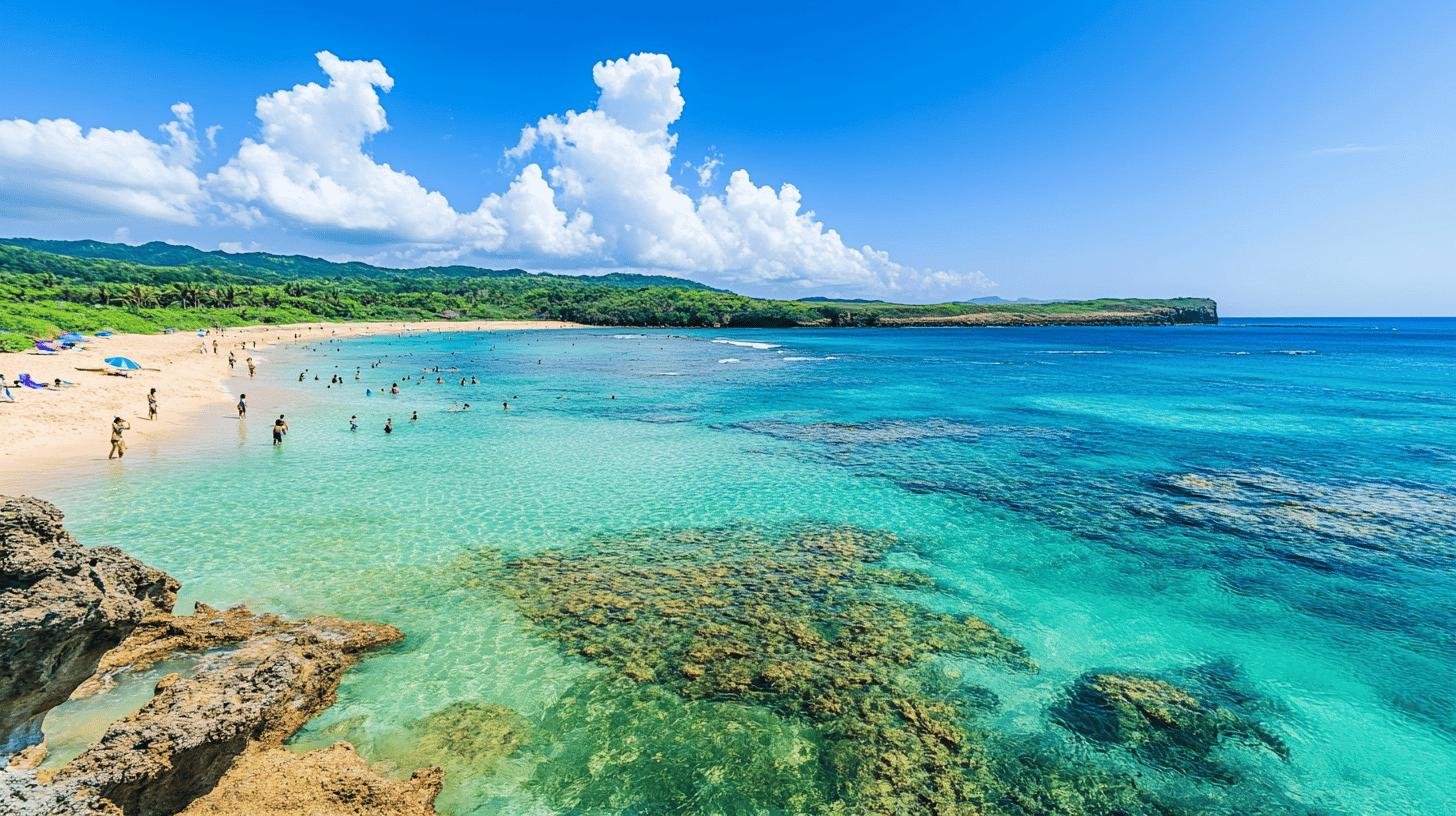
Kenting National Park, Taiwan's first national park, is a paradise for adventure seekers and leisure travelers alike. Located at the southern tip of the island, it is renowned for its stunning beaches, vibrant coral reefs, and rich biodiversity. Visitors are drawn to its picturesque landscapes, ranging from verdant forests to rugged coastlines, making it a premier travel destination in Taiwan. The park's diverse ecosystems offer a unique blend of land and sea exploration, appealing to nature enthusiasts and adventure travelers. Outdoor enthusiasts will find a myriad of activities to indulge in at Kenting National Park. The crystal-clear waters are perfect for snorkeling and diving, revealing a vivid underwater world teeming with marine life. For those who prefer land-based adventures, hiking trails wind through lush greenery and offer breathtaking views of the coastline. Surfing is another popular activity, with consistent waves providing a thrill for both beginners and experienced surfers. The park's natural beauty also makes it an ideal spot for birdwatching, with numerous species inhabiting the area. When the sun sets, Kenting transforms into a lively hub of entertainment and nightlife. Visitors can explore bustling night markets offering local delicacies and unique souvenirs. Beachfront bars and clubs offer a vibrant atmosphere, with live music and performances adding to the festive vibe. For a more relaxed evening, coastal restaurants provide a serene setting to enjoy fresh seafood while taking in the ocean views. Kenting's dynamic nightlife ensures that the adventure continues long after dark, offering something for everyone.
- Baisha Beach: Known for its white sands and clear waters, perfect for swimming and sunbathing.
- Eluanbi Lighthouse: A historic lighthouse offering panoramic views of the ocean.
- Longpan Park: A scenic area with expansive grasslands and cliffs, ideal for photography.
- Maobitou Park: A popular spot for viewing coral reefs and rock formations.
- Kenting Street Night Market: A lively market with food stalls and entertainment options.
Alishan Forest Railway: A Journey Through Time
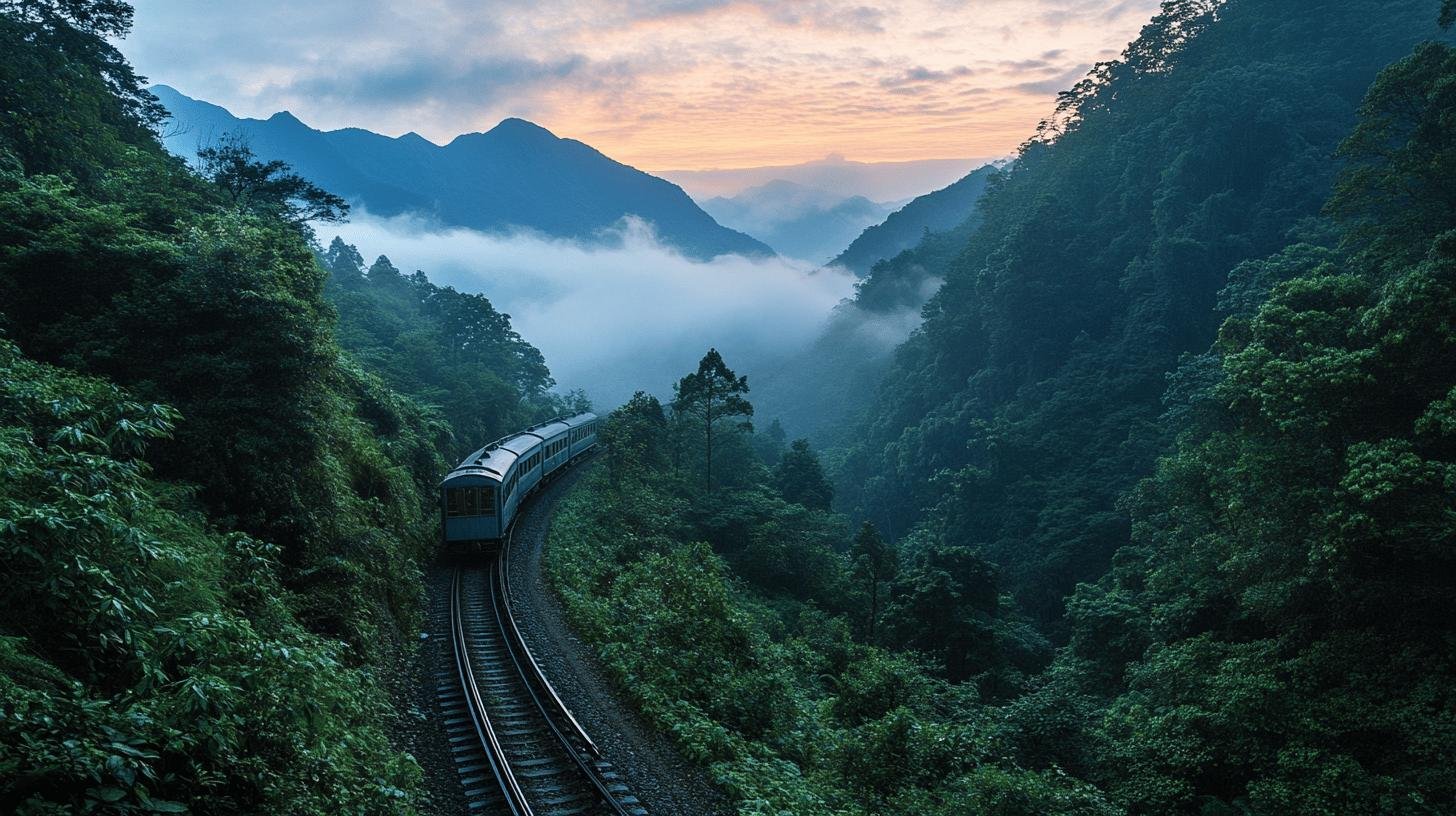
The Alishan Forest Railway is not just a mode of transport; it is a historical journey through Taiwan's lush landscapes. Originally built by the Japanese in 1912 for logging, this narrow-gauge railway now serves as a scenic passage attracting tourists from around the world. Winding through the Alishan National Scenic Area, the railway offers breathtaking views of mist-covered mountains and dense forests. The route traverses a series of switchbacks and tunnels, climbing to an elevation of over 2,200 meters, providing passengers with a unique perspective of Taiwan's natural beauty and a step back in time to its early 20th-century colonial history.
- Sunrise Views: Witness the stunning sunrise over Alishan from designated viewing platforms.
- Tea Plantations: The journey passes through lush tea fields, offering glimpses of local agriculture.
- Sacred Tree Station: Stop to explore the ancient cypress trees that have stood for centuries.
- Zhaoping Park: A popular stop for viewing cherry blossoms in spring and vibrant foliage in autumn. When planning a trip on the Alishan Forest Railway, it is advisable to purchase tickets in advance, especially during peak tourist seasons like spring and autumn. The best time to visit is either early in the morning or late afternoon to capture the breathtaking sunrise or sunset views. The railway operates daily, but schedules can vary, so checking in advance is recommended. Comfortable clothing and a camera are essential to fully enjoy and document this unforgettable experience.
Spiritual Splendor at Longshan Temple

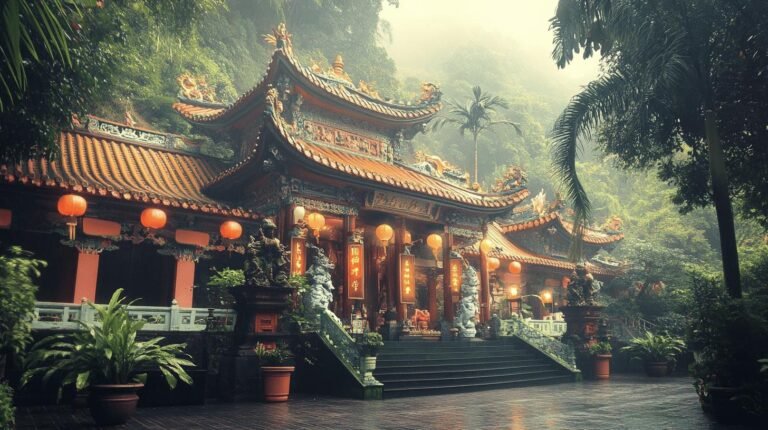
Longshan Temple, located in Taipei, stands as one of Taiwan's oldest and most revered temples. Established in 1738, it has long been a cornerstone of cultural heritage, serving as a hub for worship and community gatherings. The temple's architecture is a testament to traditional Chinese craftsmanship, featuring intricate carvings, imposing dragon-adorned columns, and ornate roofs that showcase the skill of artisans from centuries past. Despite suffering damage from earthquakes and wartime bombings, it has been meticulously restored, preserving its historical significance and architectural grandeur for future generations.
- Guanyin Worship: Devotees frequently visit to honor Guanyin, the Goddess of Mercy, seeking her blessings.
- Lunar New Year Celebrations: The temple hosts vibrant festivities during Lunar New Year, drawing large crowds.
- Ghost Festival: Observed with rituals and offerings to appease wandering spirits.
- Mid-Autumn Festival: Celebrated with lanterns and traditional mooncakes, adding to the temple's enchanting atmosphere. When visiting Longshan Temple, respect for local customs and etiquette is essential. Dress modestly, and remember to maintain a respectful demeanor within the sacred space. The temple is open daily, but visiting during early morning or late afternoon allows for a more peaceful experience, avoiding peak tourist hours. Participating in religious ceremonies or festivals offers a deeper understanding of Taiwanese culture and spiritual practices, providing a memorable experience for all who enter its hallowed halls.
Yehliu Geopark: Marvels of Nature
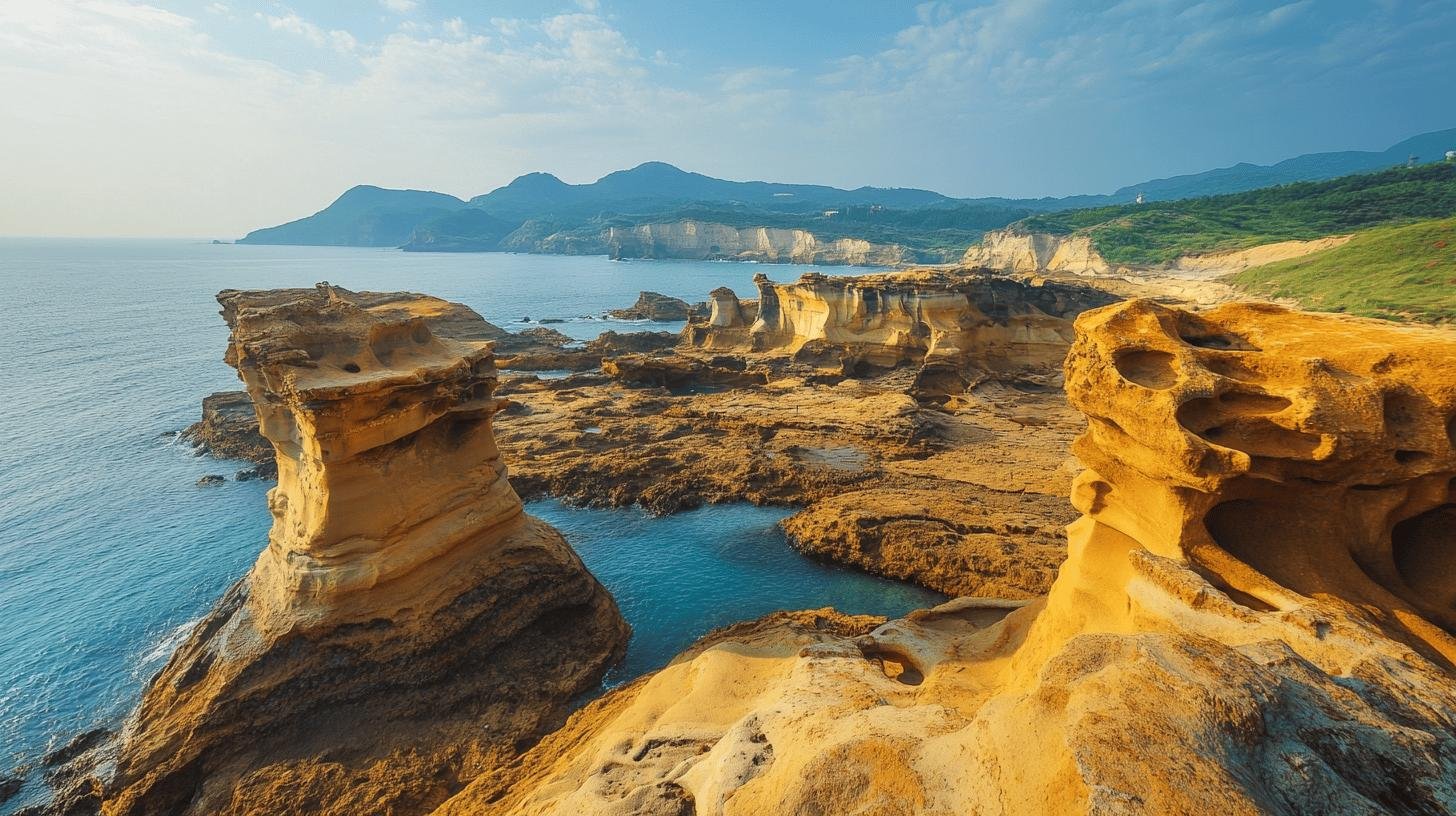
Yehliu Geopark is a geological wonderland located along Taiwan's northern coast, renowned for its array of natural rock formations sculpted by the forces of the sea and wind. Among these formations, the Queen's Head Rock stands as the park's most iconic symbol, resembling the profile of a regal queen. The unique shapes within the park, including mushroom rocks, honeycomb formations, and sea caves, offer a glimpse into the dynamic processes of erosion and weathering over thousands of years. This natural artistry makes Yehliu Geopark a must-visit destination for anyone interested in the marvels of geology and nature.
- Fairy's Shoe: A rock formation resembling a high-heeled shoe, capturing the imagination of visitors.
- Sea Candles: Towering rock spires that mimic the appearance of candles.
- Ginger Rocks: Distinctive formations resembling ginger roots, showcasing intricate patterns.
- Elephant Rock: A large rock formation that closely resembles the head of an elephant. Visitors to Yehliu Geopark will find it easily accessible from Taipei via public transportation, with buses running regularly from the city. To capture the best photographs, visiting during early morning or late afternoon is recommended, as the light conditions highlight the intricate details of the rock formations. The park is open year-round, but the mild weather of spring and autumn provides the most comfortable experience for exploring this remarkable coastal landscape.
Captivating Colors of Rainbow Village
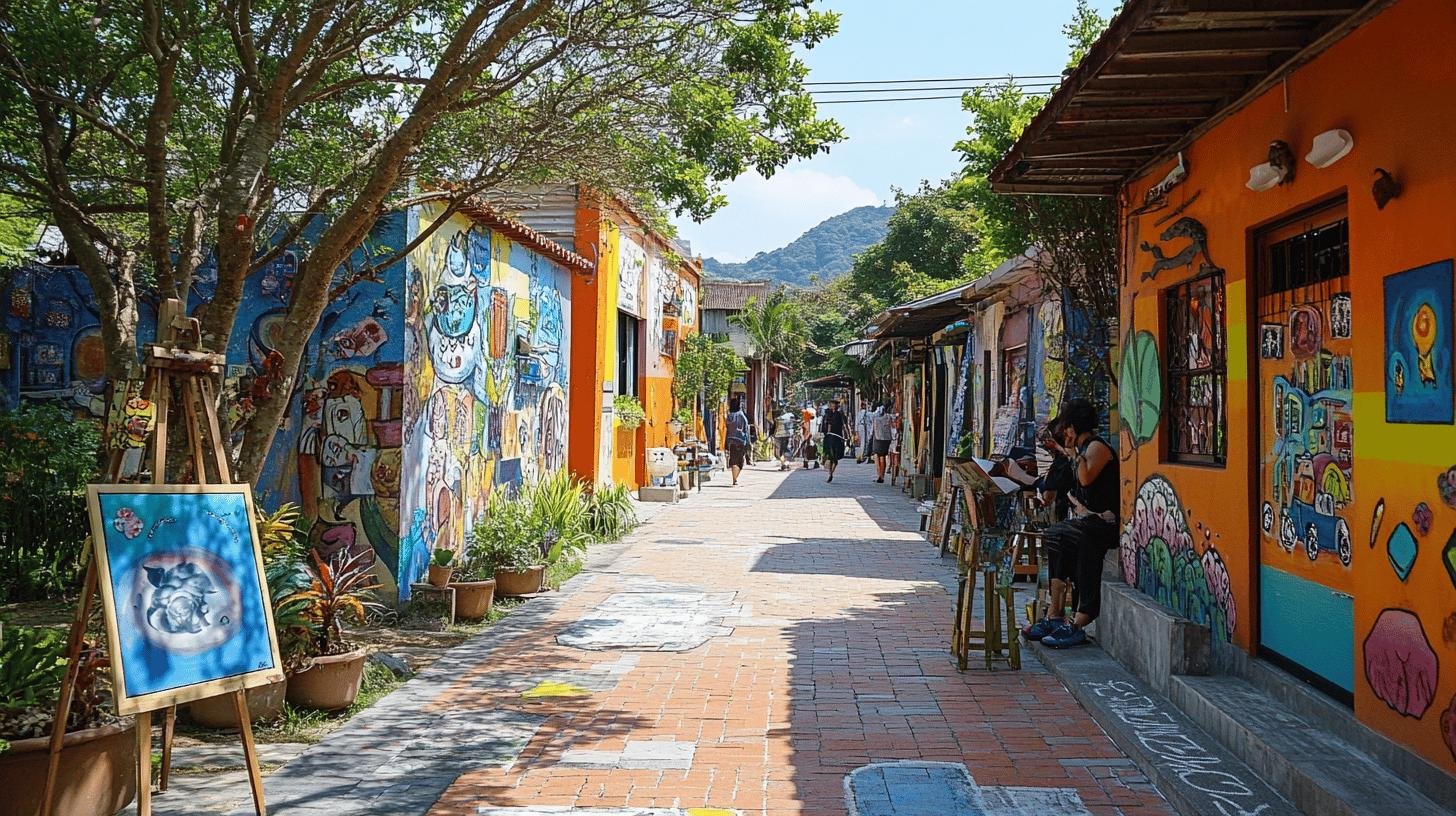
Rainbow Village in Taichung stands as a testament to the power of art in revitalizing communities. Originally a military dependents' village, it faced the threat of demolition until a local artist, known as Grandpa Rainbow, began painting the walls with vibrant murals. His colorful creations transformed the area into an immersive art installation, drawing attention and ultimately saving the village. This explosion of color not only preserved a piece of Taiwan's history but also turned it into a must-see cultural attraction, celebrated for its unique blend of art and community spirit.
- Rainbow Grandpa's Portrait: A mural depicting the artist himself, capturing the essence of his dedication.
- Vibrant Pathways: Colorfully painted walkways guiding visitors through the village's artistic journey.
- Whimsical Creatures: Playful depictions of animals and characters that bring the walls to life. For those planning to visit Rainbow Village, it is conveniently located in Nantun District, Taichung, and is accessible via public transportation. The best time for photography is during the early morning or late afternoon when the natural light enhances the vivid colors of the murals. Visitors are encouraged to explore the entire area to fully appreciate the range of artistic expressions and the village's charm.
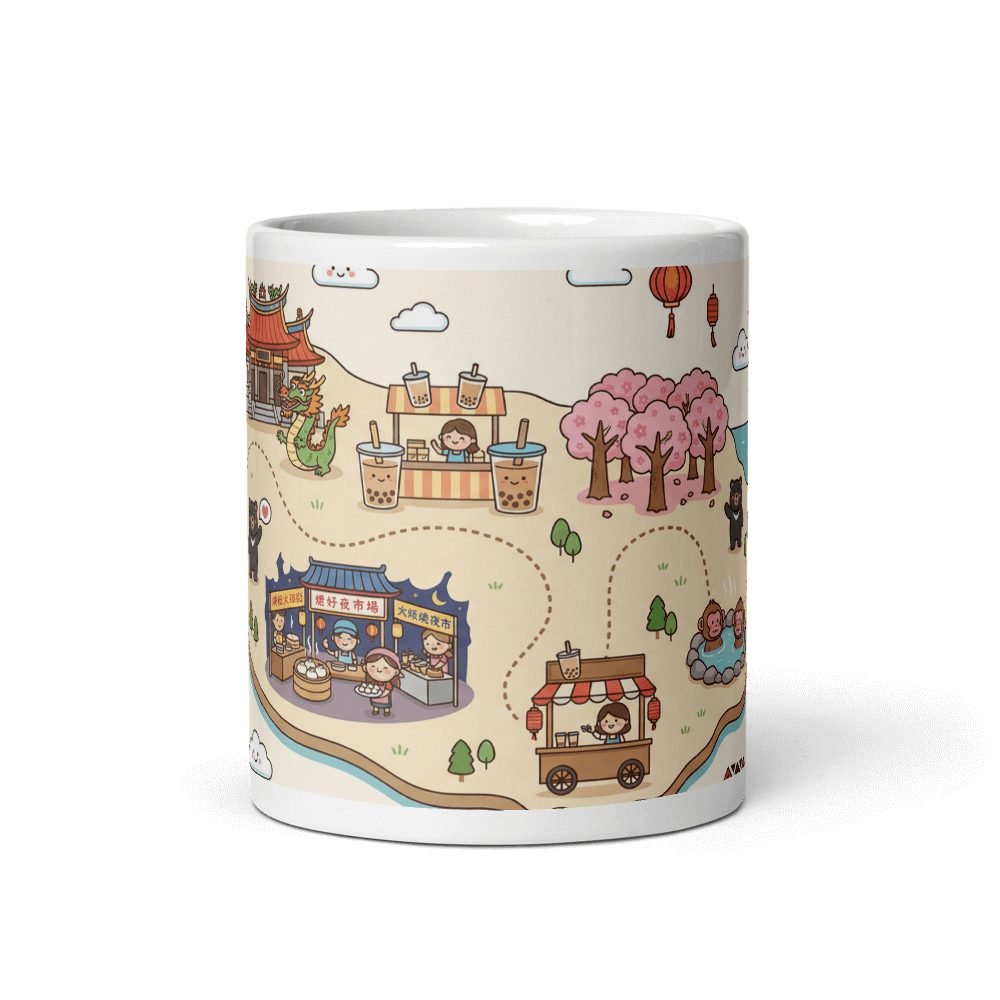
Shopping and Street Food at Shilin Night Market
Shilin Night Market, located in Taipei, is a bustling hub teeming with energy and excitement, known for its vibrant atmosphere and an array of culinary delights. As one of Taiwan's most famous night markets, it attracts both locals and tourists who come to indulge in its diverse street food offerings and explore a wide range of shopping options. The market's lively environment is perfect for those looking to experience the local culture and flavors, making it a must-visit for food enthusiasts and shopaholics alike. Stalls line the streets, offering everything from traditional Taiwanese snacks to trendy fashion items, ensuring there's something for everyone.
- Stinky Tofu: A pungent yet popular Taiwanese delicacy that adventurous foodies must try.
- Oyster Omelet: A savory dish combining fresh oysters with a flavorful omelet base.
- Bubble Tea: Taiwan's iconic drink, available in numerous flavors to quench your thirst.
- Fashion Boutiques: Discover unique clothing and accessories that reflect the latest trends.
Exploring Taiwan's landmarks, from the architectural marvel of Taipei 101 to the spiritual sanctuary of Longshan Temple, reveals a diverse and vibrant history. Each site encapsulates a unique aspect of Taiwanese culture and natural beauty. Taiwan's landmarks, from the rich heritage of the National Palace Museum to the natural beauty of Taroko Gorge, offer visitors a full spectrum of experiences. Most famous world landmarks in Taiwan like Sun Moon Lake and the iconic Taipei 101 highlight Taiwan's unparalleled blend of history, nature, and modernity, affirming its place as a noteworthy travel destination.
FAQ
Q: What is the most famous landmark in Taiwan?
A: The most famous landmark in Taiwan is Taipei 101. Standing at 508 meters, it was once the tallest building in the world and features an observatory on the 89th floor.
Q: What are the top 3 most interesting landmarks in Taiwan?
A: In Taiwan, Taipei 101, the National Palace Museum, and Taroko Gorge are the top three interesting landmarks. Each offers unique experiences, from modern architecture to cultural heritage and natural beauty.
Q: What is the most famous thing in Taiwan?
A: The most famous thing in Taiwan is its diverse attractions, including Taipei 101, its vibrant night markets, and rich cultural heritage like the National Palace Museum.
Q: Are there any world heritage sites in Taiwan?
A: While Taiwan does not have UNESCO World Heritage Sites, it boasts significant cultural and natural landmarks like the Alishan National Scenic Area and Taroko Gorge that draw global interest.

Grab a Free Taiwan Sticker!
Drop your email and we’ll send you a limited-edition Taiwan sticker — plus insider access to new merch drops and island vibes.
No spam. Unsubscribe anytime.