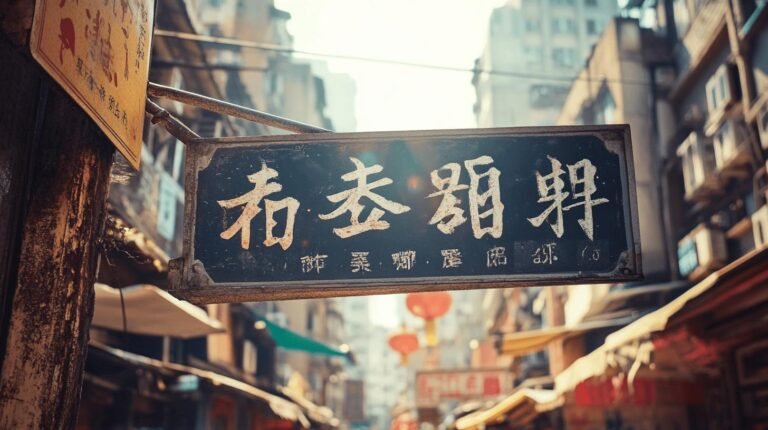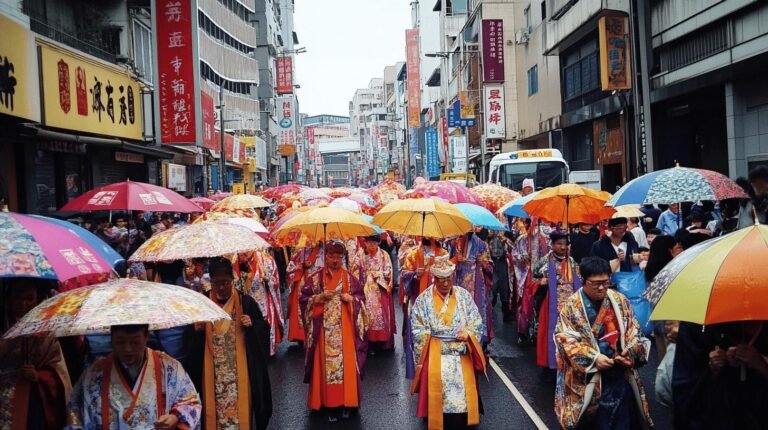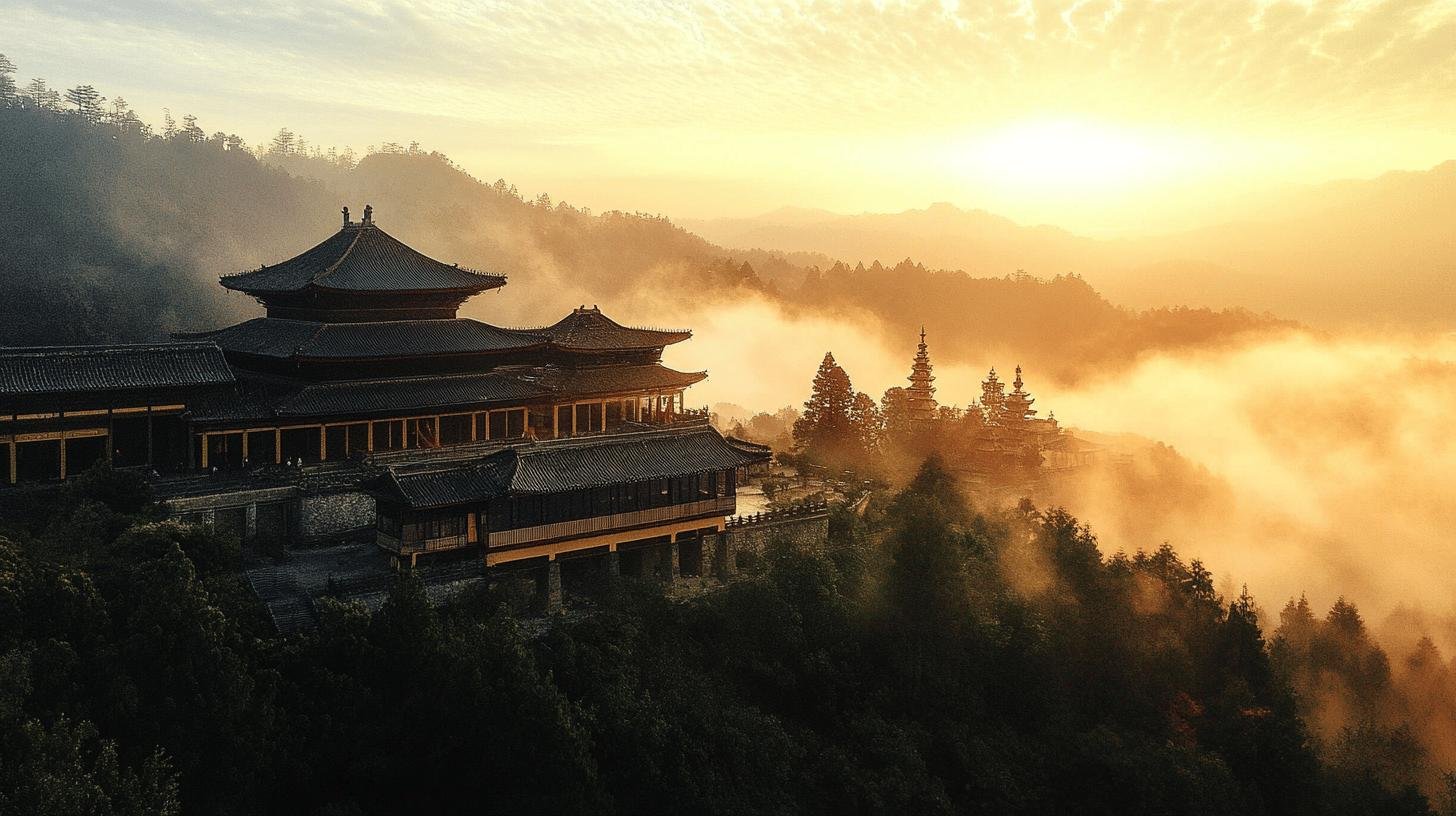
Discover Taiwan’s Rich Heritage: Iconic Buddhist Temples to Explore
Embark on a journey through the heart of Taipei, as we unveil the city's most iconic Buddhist temples. These breathtaking sanctuaries not only highlight Taiwan's storied past but also offer a serene escape from the metropolis. Delve into the mystical aura of Longshan Temple, where ancient architecture converges with vibrant rituals, making it a must-see cultural hub. Just a short distance away, Xingtian Temple draws a multitude of visitors daily, captivating them with its elaborate carvings and lively spiritual atmosphere. Whether you're a history aficionado or a spiritual seeker, these temples provide an exquisite blend of culture and tradition. Ready to dive deeper into Taiwan's rich heritage? Join us as we explore these sacred spaces, unravel their stories, and provide you with visitor tips for an unforgettable experience. Consider extending your cultural discoveries with unique Taiwan-inspired souvenirs available at taiwanmerch.co.
Exploring Iconic Buddhist Temples in Taipei

Longshan Temple, nestled in the Wanhua District, stands as a beacon of cultural and historical significance in Taipei. Established in 1738, it is one of the oldest and most revered temples in the city, known for its exquisite architecture that combines traditional Buddhist, Taoist, and Confucian elements. The temple serves as a vibrant cultural hub, drawing both locals and tourists who partake in its lively worship ceremonies and appreciate its artistic carvings and sculptures. Beyond its religious functions, Longshan Temple is a testament to Taipei's commitment to preserving its rich cultural heritage, making it a must-visit for those seeking a deeper understanding of the city's historical tapestry. In contrast, Xingtian Temple is a relatively modern marvel in Taipei. Constructed just over 50 years ago, it has quickly become one of the city's most popular temples, attracting approximately 10,000 visitors daily. This temple is renowned for its intricate carvings and colorful paintwork, which captivate visitors with their detailed artistry and vibrant hues. Despite its brief history, Xingtian Temple holds a significant place in Taipei’s cultural landscape, offering a unique blend of traditional religious practices and contemporary temple design. Its popularity is a testament to the dynamic nature of religious expression in Taiwan, where new traditions seamlessly integrate with the old.
- Longshan Temple
- Xingtian Temple
- Bao-An Temple
- Xia-Hai City God Temple
- Bangka Qingshui Temple Visiting these temples is made convenient by Taipei's comprehensive public transportation network, with many temples accessible via buses and the MRT. Visitors are encouraged to dress modestly and respect temple customs, such as removing shoes before entering certain areas. While entry to these temples is generally free, donations are often welcomed to support their maintenance and activities. For those interested in commemorating their temple visits, taiwanmerch.co offers a range of Taiwan-inspired souvenirs, allowing visitors to take a piece of this rich cultural experience home.
Must-Visit Buddhist Temples in Other Regions of Taiwan
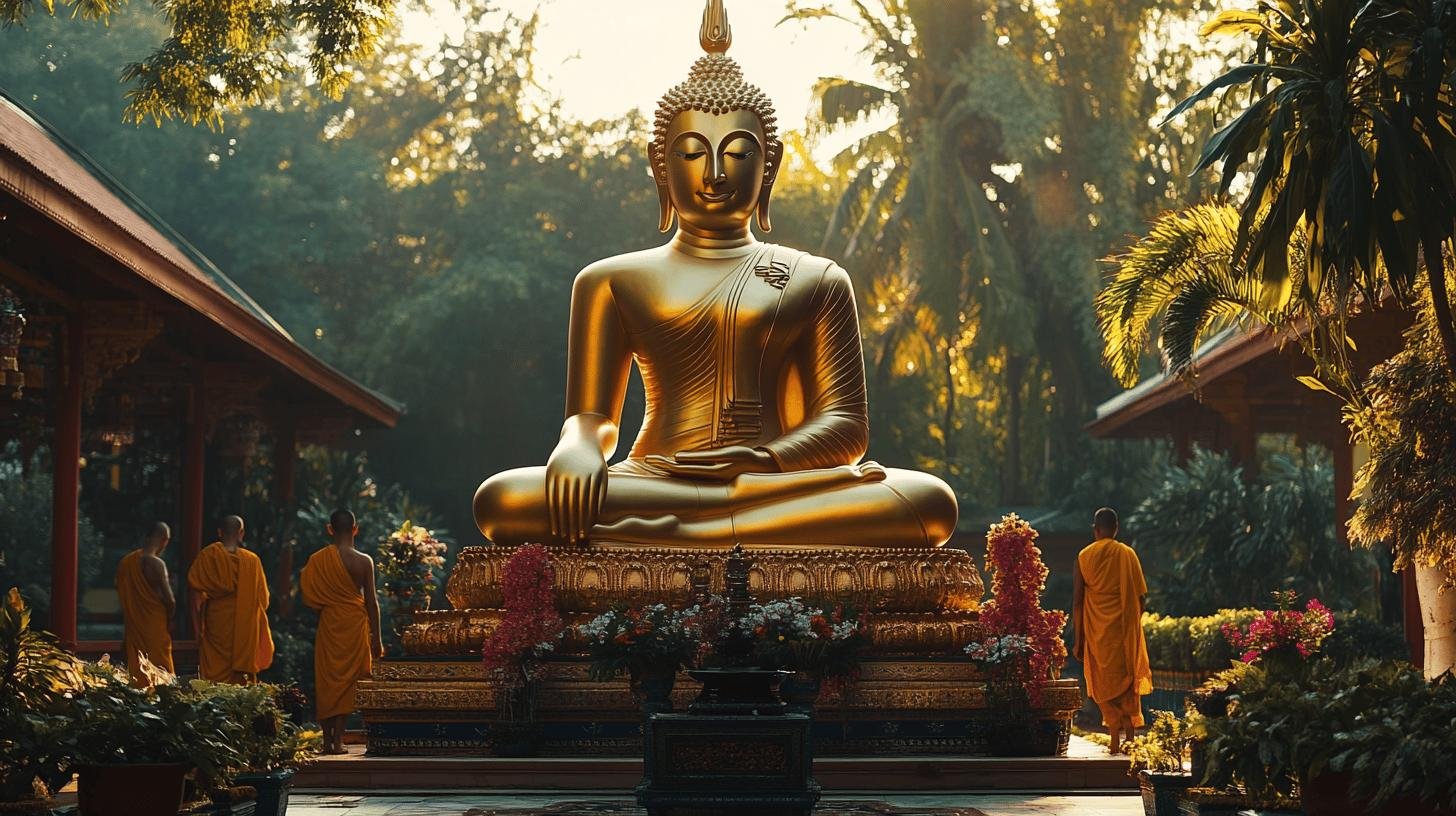
Fo Guang Shan Monastery, located in Kaohsiung, stands as one of the largest Buddhist complexes in Taiwan. What is unique about Fo Guang Shan Monastery? It features a colossal Buddha statue that draws visitors from around the globe. The monastery offers a variety of meditation retreats and educational programs, allowing visitors to immerse themselves in Buddhist teachings and practices. As a hub for spiritual learning and cultural exchange, Fo Guang Shan Monastery plays a pivotal role in promoting Buddhism's values and principles. Its expansive grounds include numerous shrines, gardens, and a museum, making it a comprehensive destination for those interested in exploring Taiwan's religious heritage. Chung Tai Chan Monastery in Nantou is celebrated for its distinctive architecture, which seamlessly blends traditional Buddhist design with contemporary elements. What makes Chung Tai Chan Monastery's setting unique? It is renowned for its serene environment, providing a tranquil retreat from the bustling urban life. The monastery's art museum showcases a vast collection of Buddhist artifacts and artworks, offering insights into the religion's rich history and cultural significance. Visitors to Chung Tai Chan Monastery can enjoy the peaceful surroundings while appreciating the intricate architectural details and artistic treasures housed within its walls.
- Zushi Temple in Sanxia
- Tzu Chi Foundation in Hualien
- Puji Temple in Beitou
- Zhinan Temple in Maokong For those looking to commemorate their journey through Taiwan's spiritual landscapes, taiwanmerch.co offers a range of unique gifts inspired by these regions, allowing travelers to bring a piece of Taiwan's cultural richness home with them.
Understanding the Cultural and Historical Significance of Taiwanese Buddhist Temples
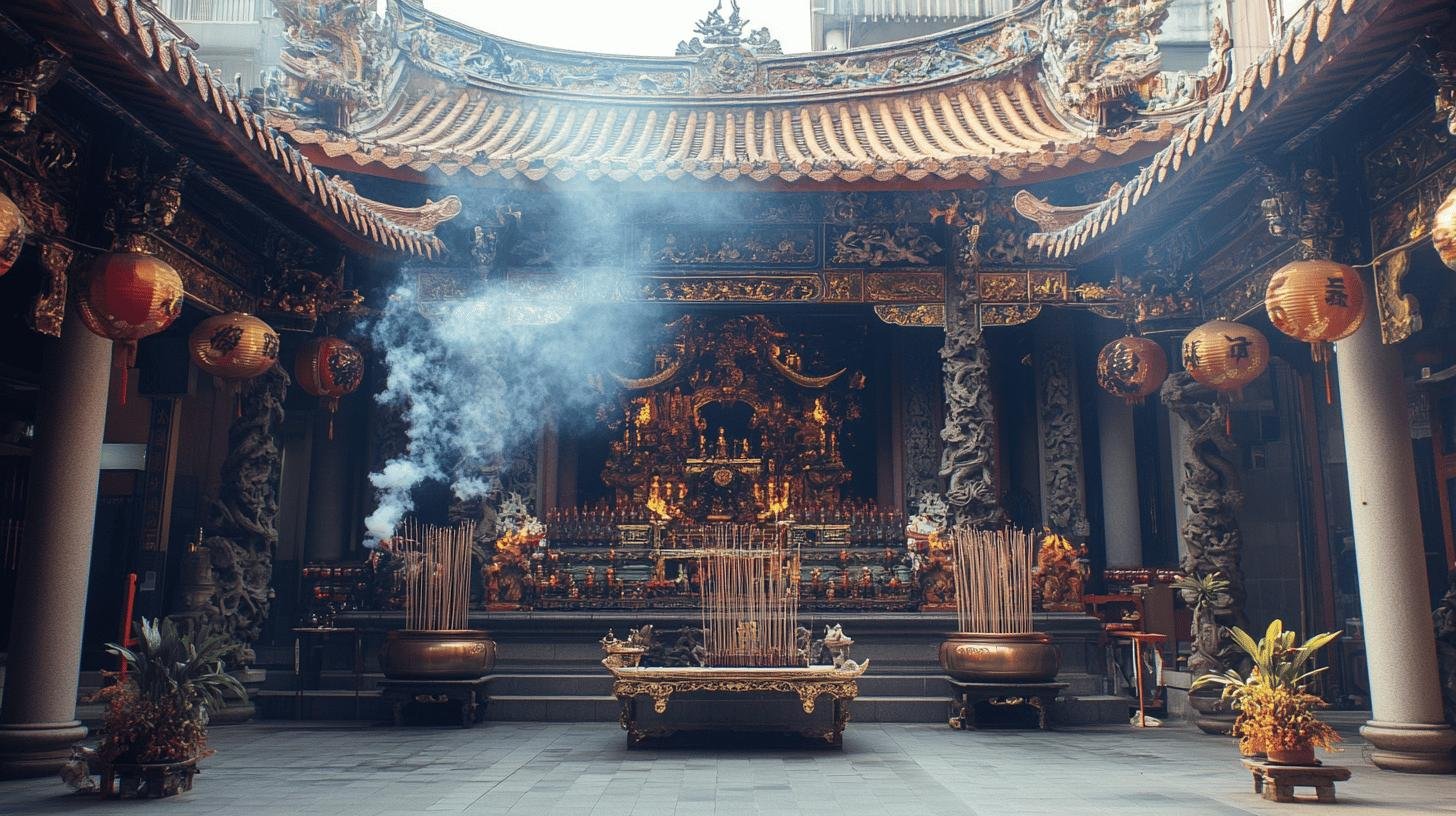
Buddhism in Taiwan is not just a religion; it is a cornerstone of the island's cultural heritage. The pervasive presence of Buddhist temples throughout Taiwan highlights the profound influence of Buddhism on the nation's cultural landscape. These temples serve as sanctuaries of peace and spiritual reflection, often tucked away as hidden gems amidst the bustling urban environments. This juxtaposition offers a serene escape from city life, inviting both locals and tourists to reconnect with the island's spiritual roots. Over the centuries, these temples have evolved into centers of community life, hosting festivals, educational programs, and cultural activities that celebrate Taiwan's rich heritage. As stewards of tradition, Buddhist temples in Taiwan preserve ancient architectural styles and artistic expressions, making them vital repositories of cultural history. In Taiwanese temples, the deities Matsu and Guan Di hold particular significance. Matsu, revered as the Goddess of the Sea, is a symbol of protection and compassion, widely worshipped by those who live by and rely on the ocean for their livelihoods. Meanwhile, Guan Di, the God of War, represents loyalty and righteousness, embodying values that resonate deeply within Taiwanese society. Their images are prominently displayed in shrines and temples, serving as focal points for worship and devotion. The veneration of these deities underscores the fusion of religious belief and cultural identity, reflecting the unique spiritual tapestry that characterizes Taiwan's Buddhist practices. Through rituals and offerings, worshippers engage in a dialogue with these deities, seeking guidance and blessings in their daily lives. | Temple Name | Cultural Significance | |————————-|—————————————————————————————| | Longshan Temple | A hub of cultural heritage in Taipei with a rich history and artistic architecture. | | Fo Guang Shan Monastery | One of Taiwan's largest complexes, promoting Buddhist education and cultural exchange.| | Chung Tai Chan Monastery| Known for its modern architecture and serene environment, offering insight into Buddhist art.| | Zushi Temple | Famous for its elaborate wood carvings and cultural festivals, celebrating local traditions.| For those inspired to delve deeper into Taiwan's cultural offerings, taiwanmerch.co provides an array of cultural tips and itineraries, helping visitors navigate and appreciate the island's spiritual and historical richness.
Navigating the Etiquette and Customs of Buddhist Temples in Taiwan
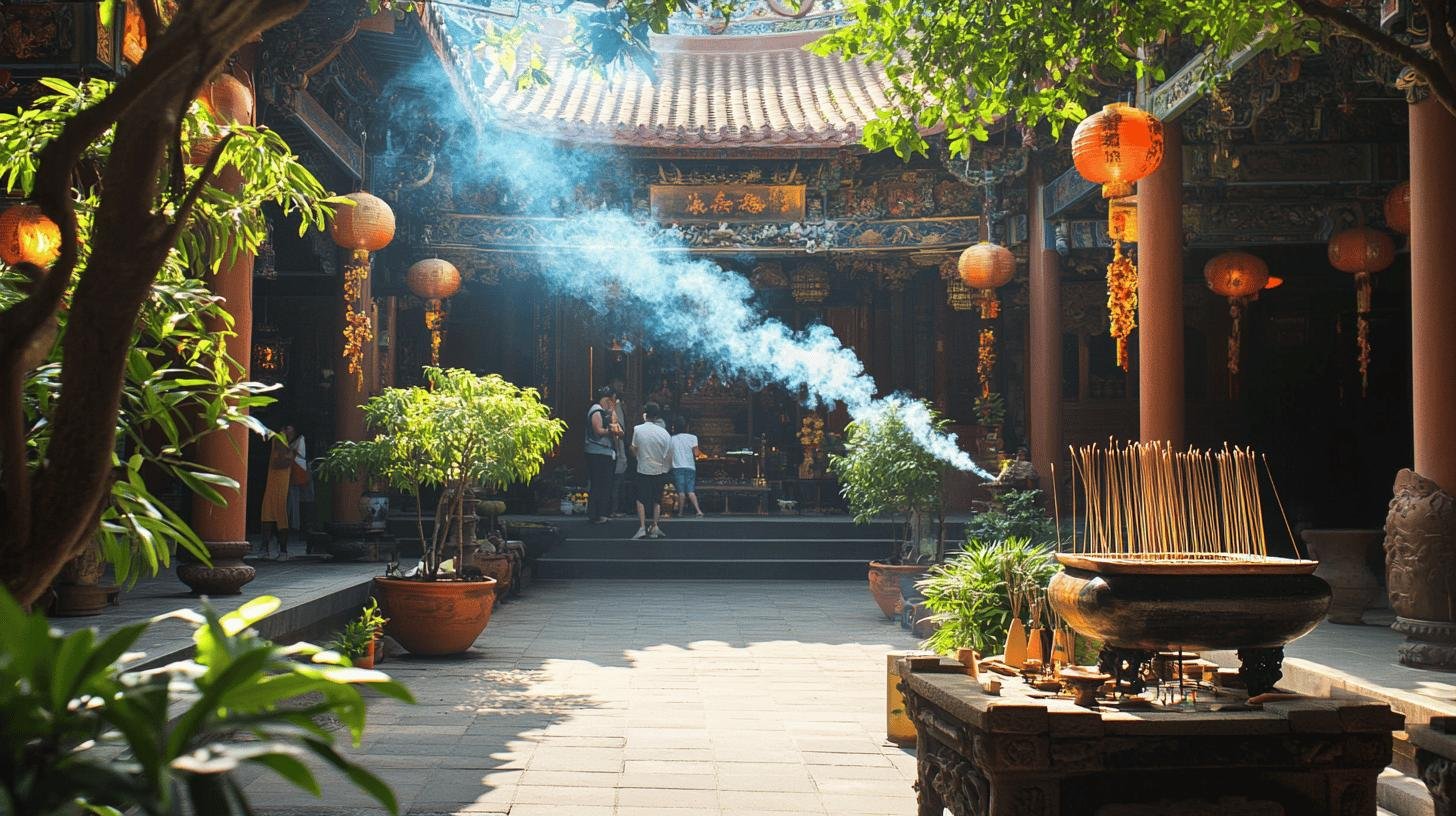
When visiting Buddhist temples in Taiwan, it is essential to adhere to specific etiquette and customs to show respect for the sacred spaces. Visitors are encouraged to dress modestly; this generally means covering shoulders and knees to maintain a respectful appearance. Upon entering a temple, it is customary to remove shoes, particularly in areas designated for prayer and meditation. This practice reflects a gesture of humility and reverence. Temples are usually open daily, offering an opportunity for visitors to explore at their convenience, though hours may extend during special festivals and events. While inside, participating in prayer rituals and incense offerings can enhance the spiritual experience, but it is important to follow the lead of local worshippers to ensure the rituals are performed correctly.
- Dress modestly, covering shoulders and knees.
- Remove shoes before entering designated areas.
- Avoid loud conversations to maintain a serene atmosphere.
- Follow local worshippers during prayer and incense rituals.
- Refrain from taking photos in holy areas unless permitted. For those seeking to deepen their understanding of temple customs or to find related souvenirs, taiwanmerch.co offers detailed etiquette guides and a selection of merchandise inspired by Taiwan's rich religious heritage.
Accessing and Traveling Between Buddhist Temples in Taiwan
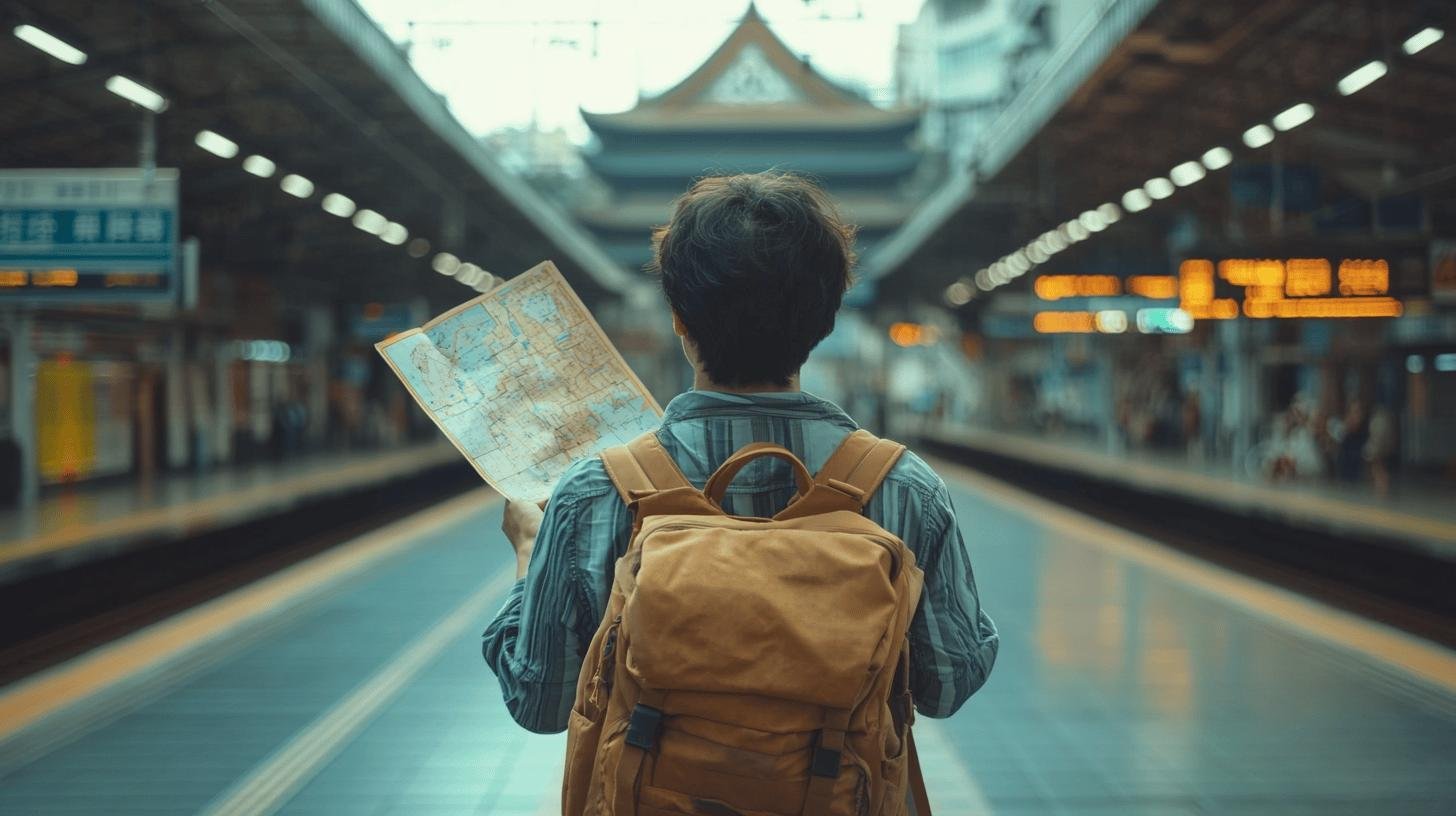
Traveling between Buddhist temples in Taiwan is made remarkably convenient by the country's well-developed public transportation system. What makes temple visits in Taiwan so accessible? The extensive network of buses and trains ensures that most temples are easily reachable, providing a stress-free travel experience for both locals and tourists. For temples located in more remote areas, visitors may need to rely on taxis or private vehicles to complete their journeys. This accessibility enables travelers to explore Taiwan's rich spiritual heritage without the hassle of complicated logistics. In addition to public transportation, guided temple tours are available, offering structured itineraries and insightful commentary on the historical and cultural significance of each site. When planning a temple visit, it's important to consider the entry fees and visitor expectations. Do most Buddhist temples in Taiwan charge entry fees? Generally, entry to these temples is free, although some may request donations to support maintenance and community activities. Visitors can expect a welcoming atmosphere, but it is crucial to respect temple customs, such as dressing modestly and observing silence in sacred areas. Many temples also offer informational brochures and guided tours to enhance the visitor experience, providing context and history that enrich the understanding of Taiwan's spiritual landscape.
- Utilize public transportation options like buses and trains for convenient temple access.
- Consider hiring a taxi or renting a car for temples in remote areas.
- Check for guided tour availability to gain deeper insights.
- Carry small change for optional donations and souvenir purchases. For additional travel guides and temple-related souvenirs, taiwanmerch.co offers a curated selection to enhance your exploration of Taiwan's iconic Buddhist temples.
Exploring the numerous Buddhist temples in Taiwan offers a profound insight into the island's rich cultural tapestry. From the historic Longshan Temple in Taipei to the expansive Fo Guang Shan Monastery in Kaohsiung, each site embodies unique architectural beauty and spiritual heritage. These temples not only serve as places of worship but also as cultural hubs, offering indoor peace amid urban landscapes.
When visiting these sacred sites, travelers should respect local customs and dress modestly. Opting for public transportation can make accessing these sites more convenient, although some may require additional transport. Entry is often free, though visitors are encouraged to contribute donations to support the upkeep of these historic sites.
For those wishing to bring home a piece of Taiwanese culture, taiwanmerch.co provides an array of Taiwan-inspired merchandise. These souvenirs allow visitors to carry the essence of their temple experiences back with them, ensuring the memories of their journey endure.
FAQ
Are there Buddhist temples in Taiwan?
Yes, Taiwan boasts numerous Buddhist temples, with notable ones like Longshan Temple and Xingtian Temple in Taipei, known for their rich history and architectural beauty.
Is there a dress code for the Buddhist temple in Taiwan?
Visitors should dress modestly, covering shoulders and knees, and may need to remove shoes in certain areas, respecting local customs and traditions.
What is the largest monastery in Taiwan?
Fo Guang Shan Monastery in Kaohsiung is the largest Buddhist complex in Taiwan, featuring a massive Buddha statue and diverse educational programs.
Is Buddhism big in Taiwan?
Buddhism plays a significant role in Taiwan's cultural heritage, with many temples dedicated to Buddhist deities and rituals integral to local traditions.
What is the biggest temple in Taiwan?
Fo Guang Shan Monastery in Kaohsiung stands out as the largest temple complex, known for its extensive grounds and educational offerings.
What are some famous temples in Taipei?
Famous temples in Taipei include Longshan Temple, Xingtian Temple, and Bao’an Temple, each attracting numerous visitors for their historical and religious significance.
What is the cultural significance of Buddhist temples in Taiwan?
Buddhist temples in Taiwan are vital cultural heritage sites, often serving as community hubs and featuring deities like Matsu and Guan Di.
Can you list some notable temples in different regions of Taiwan?
Notable temples include Fo Guang Shan in Kaohsiung, Chung Tai Chan Monastery in Nantou, Tien Kung Temple in Chiayi, and Zhaoming Temple in Tainan.
What etiquette should one follow when visiting Buddhist temples in Taiwan?
When visiting Buddhist temples, observe modest dress, respect rituals like incense offerings, and remain silent in prayer areas.

Grab a Free Taiwan Sticker!
Drop your email and we’ll send you a limited-edition Taiwan sticker — plus insider access to new merch drops and island vibes.
No spam. Unsubscribe anytime.