Exploring the History and Influence of Buddhism in Taiwan
Buddhism has woven a rich tapestry in the cultural and spiritual fabric of Taiwan, leaving its mark across centuries. Introduced during the Dutch colonial period (1624-1662) by settlers from Fujian and Guangdong provinces, it has evolved into a significant cultural influence. The story of Buddhism in Taiwan is vivid, with pivotal moments during Japanese rule from 1895 to 1945. During this time, Japanese Buddhists established numerous temples, fostering a deeper engagement with Buddhist thought. The post-1949 period marked a transformative era as Buddhism flourished with an influx of Chinese Buddhists fleeing the Chinese Civil War, leading to the birth of influential Buddhist organizations. Understanding the history of Buddhism in Taiwan not only paints a picture of its spiritual evolution but also highlights its enduring influence on Taiwanese life today.
The Historical Development of Buddhism in Taiwan
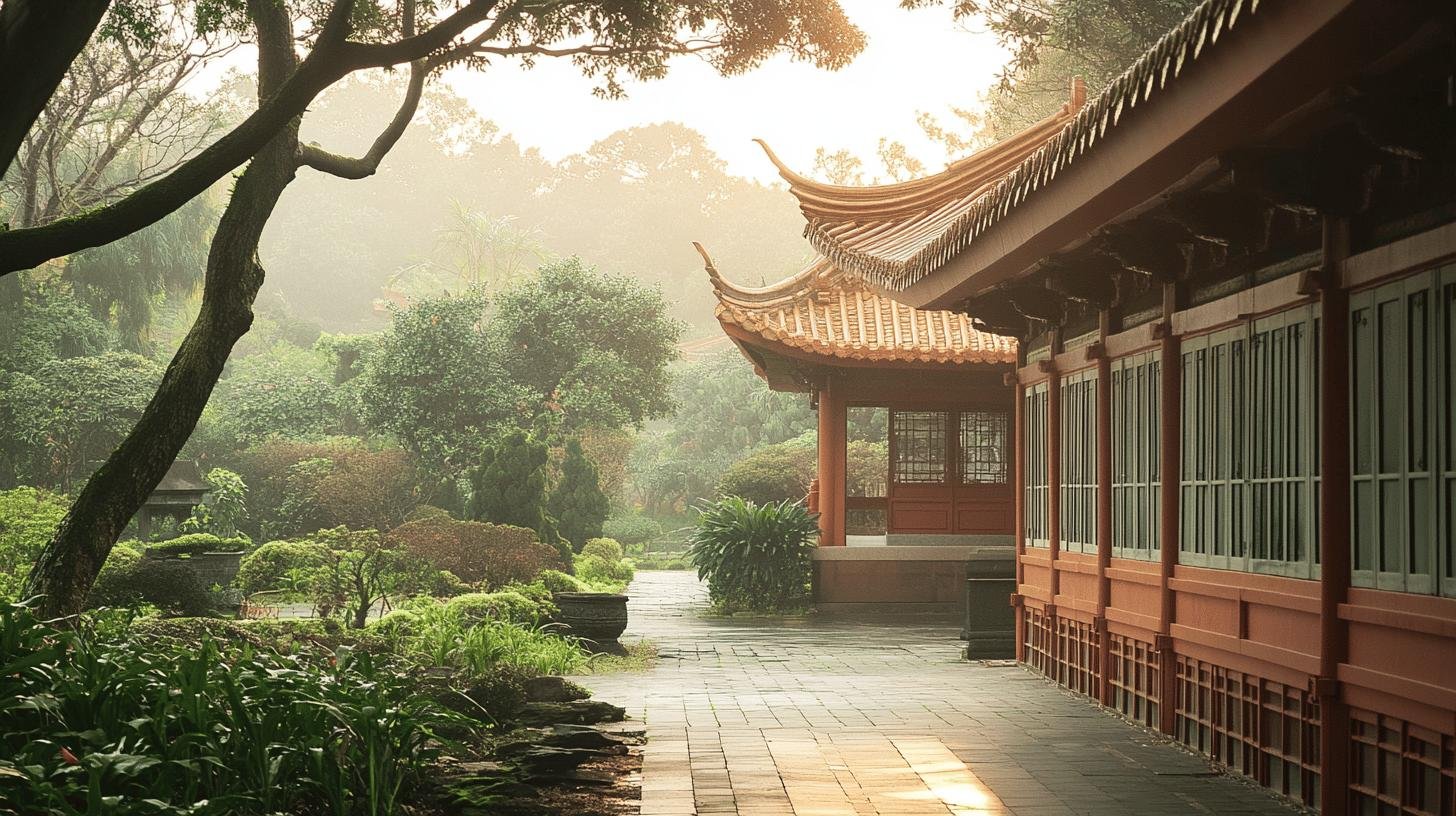
Buddhism's journey in Taiwan began during the Dutch colonial period from 1624 to 1662. Settlers from the Fujian and Guangdong provinces of China introduced the religion, bringing with them the Mahayana traditions that would lay the foundation for Buddhism on the island. During this time, the influx of Chinese settlers played a crucial role in establishing the initial Buddhist practices, which were integrated into the local cultural and spiritual landscape, setting the stage for future developments. The Japanese colonial period from 1895 to 1945 marked a significant era for Buddhism in Taiwan. Japanese authorities actively promoted Buddhism by establishing temples and introducing various Japanese Buddhist schools such as Kegon, Tendai, and Nichiren. This period saw the proliferation of Buddhist teachings and practices, which were encouraged and supported by the colonial government. The influence of Japanese Buddhism was profound, as it not only expanded the presence of the religion but also diversified the types of Buddhist practices available to the Taiwanese people. Following the end of World War II and the subsequent Chinese Civil War, Taiwan experienced another wave of Buddhist growth. After 1949, many Chinese Buddhists fled to Taiwan, escaping the political upheaval in mainland China. This influx led to the establishment of numerous Buddhist organizations and further solidified the religion's presence on the island. Prominent figures and institutions emerged during this period, helping to shape Buddhism into a significant cultural and spiritual force in Taiwan.
- Introduction of Buddhism during Dutch colonial period (1624-1662)
- Establishment of Japanese Buddhist schools during colonial rule (1895-1945)
- Influx of Chinese Buddhists post-1949
- Growth of Buddhist organizations after Chinese Civil War
- Emergence of prominent Buddhist figures and institutions
Major Buddhist Sites and Temples in Taiwan
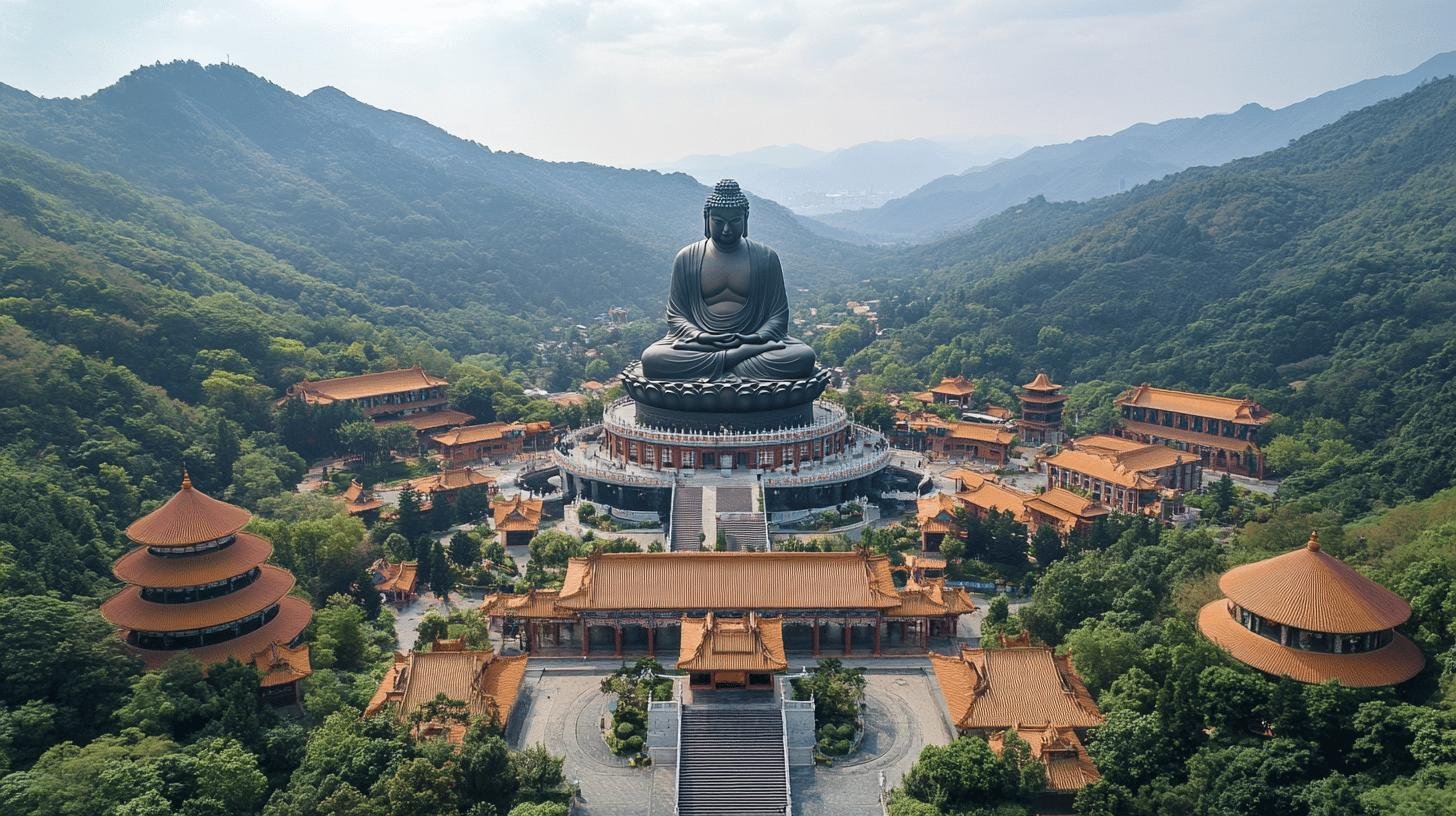
Fo Guang Shan Monastery stands as one of the most significant Buddhist sites in Taiwan. Founded by Master Hsing Yun, this monastery is located in Kaohsiung and is renowned for its cultural and spiritual significance. It serves as a major center for Buddhist education and cultural exchange, attracting visitors and devotees from around the world. The monastery is not only a place of worship but also a hub for humanitarian efforts and cultural activities, reflecting its founder's vision of promoting Humanistic Buddhism. Chung Tai Chan Monastery, situated in Nantou, is another prominent Buddhist site known for its architectural marvel. The monastery's design uniquely blends traditional Chinese and modern architectural elements, symbolizing the harmony between the old and the new. This impressive structure houses a vast collection of Buddhist scriptures and serves as a center for meditation and spiritual practice. The monastery's serene environment and innovative design make it a popular destination for both practitioners and those interested in architecture. Longshan Temple, located in Taipei, holds a place of historical and cultural value in Taiwan's Buddhist landscape. Established in 1738, it serves as a testament to the enduring presence of Buddhism on the island. The temple is a vibrant center of religious activity, where traditional rituals and ceremonies are regularly performed. Its intricate carvings and historical artifacts offer insights into the rich cultural heritage and religious traditions of Taiwan. Beyond these major sites, Taiwan is home to several other notable temples, each contributing to the island's diverse Buddhist heritage. These include the Bao'an Temple in Taipei and the Nung Chan Monastery, which offer unique cultural and spiritual experiences. Each temple showcases different aspects of Buddhist practice and architecture, enriching the religious tapestry of Taiwan. |Temple Name |Location |Significance | |———————|——————-|————————————–| |Fo Guang Shan Monastery|Kaohsiung |Cultural and spiritual significance | |Chung Tai Chan Monastery|Nantou |Architectural marvel | |Longshan Temple |Taipei |Historical and cultural value |
Buddhism's Cultural Influence and Modern Role in Taiwan
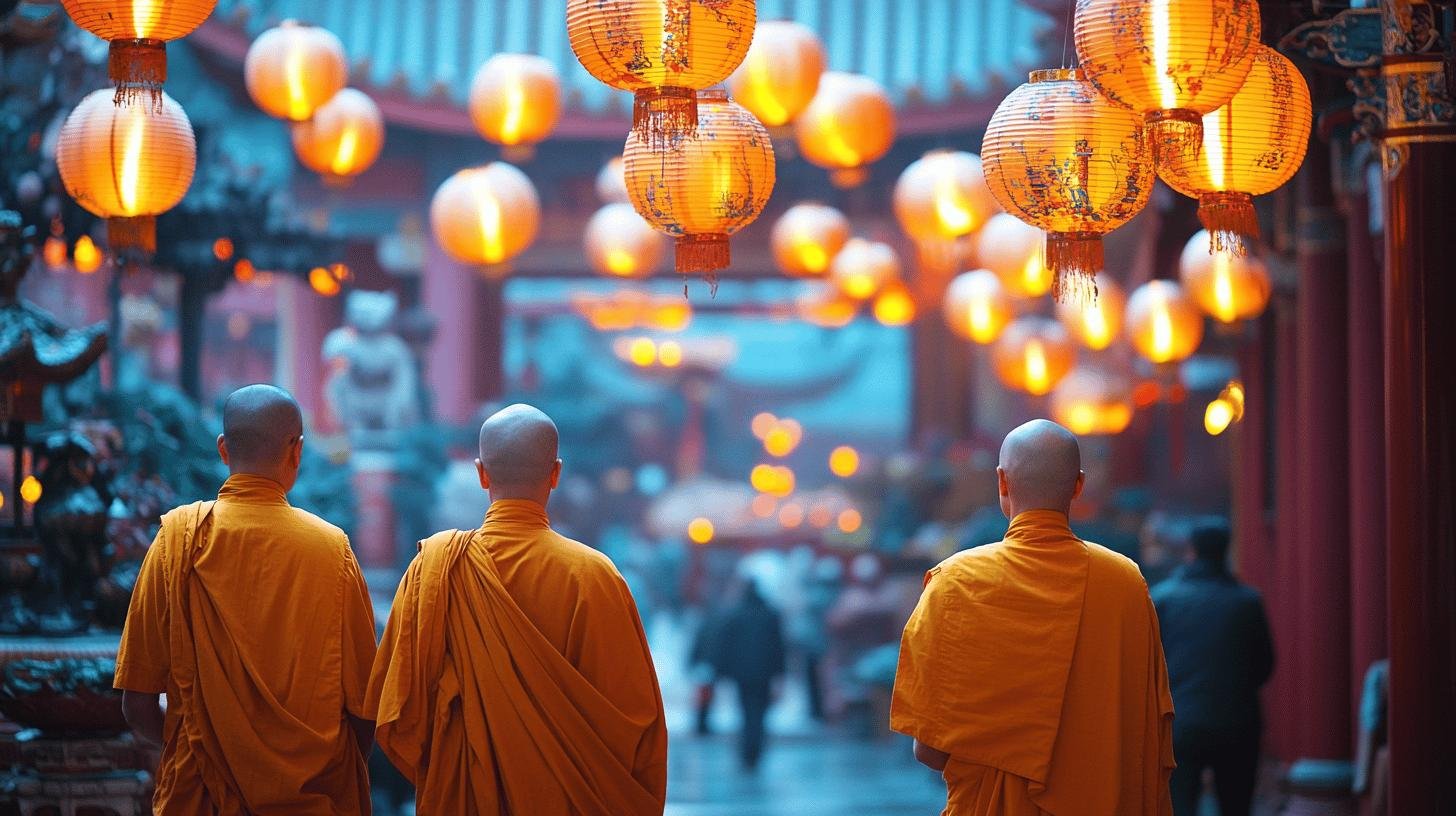
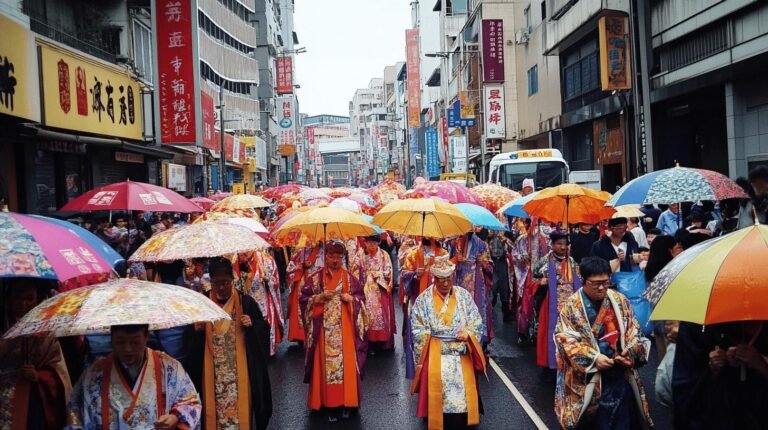
How does Buddhism integrate into daily life and ethics in Taiwan? Buddhism in Taiwan significantly shapes daily life and ethical practices by promoting principles such as compassion, mindfulness, and the pursuit of harmony. These values are deeply embedded in the social fabric, influencing personal behavior and community interactions. Many Taiwanese individuals incorporate Buddhist teachings into their everyday decisions, fostering a society that values kindness, respect, and altruism. This integration is evident in how people approach relationships, work, and personal growth, creating a culture of mindfulness and ethical living. What impact does Buddhism have on education and social services in Taiwan? Buddhism's impact on education and social services in Taiwan is profound, with numerous institutions incorporating Buddhist philosophies into their curricula and service models. Educational programs often emphasize moral development alongside academic achievement, encouraging students to cultivate virtues such as empathy and integrity. In the realm of social services, Buddhist organizations play a crucial role in providing care and support to those in need, offering programs that address issues like poverty, healthcare, and elder care. By doing so, Buddhism contributes to a holistic approach to education and social welfare, underpinned by compassion and service to others. What are the major humanitarian efforts and environmental initiatives led by Taiwanese Buddhist organizations? Taiwanese Buddhist organizations lead numerous humanitarian efforts and environmental initiatives, demonstrating their commitment to service and sustainability. These efforts include disaster relief, poverty alleviation, and healthcare services, often provided by volunteers inspired by Buddhist teachings. Environmental conservation is also a priority, with initiatives aimed at promoting sustainable living, reducing waste, and protecting natural resources. Through these actions, Buddhist organizations in Taiwan embody the principles of compassion and stewardship, making a tangible impact on both local communities and the environment. What role do Buddhist festivals and cultural celebrations play in Taiwanese society? Buddhist festivals and cultural celebrations are integral to Taiwanese society, offering opportunities for communal worship, reflection, and cultural expression. Events such as Buddha's Birthday are widely celebrated, bringing communities together to honor Buddhist teachings and traditions. These festivals often include ceremonies, charitable activities, and cultural performances, enhancing social cohesion and cultural continuity. By participating in these celebrations, individuals and communities reinforce their connection to Buddhist heritage, while also celebrating the rich cultural diversity of Taiwan.
- Promotion of ethical living and mindfulness
- Influence on educational and social service models
- Leadership in humanitarian and environmental efforts
- Celebration and preservation of cultural heritage
- Enhancement of community and social cohesion
Prominent Figures and Institutions in Taiwanese Buddhism


Who is Master Hsing Yun, and what are his contributions to Taiwanese Buddhism? Master Hsing Yun is a key figure in Taiwanese Buddhism, best known for founding Fo Guang Shan Monastery. His contributions are immense, focusing on the promotion of Humanistic Buddhism, which emphasizes integrating Buddhist teachings into daily life to promote peace and understanding. Hsing Yun's work in establishing Fo Guang Shan has turned it into a cultural and educational hub, attracting both local and international visitors. His efforts have significantly expanded the reach of Buddhism, fostering a community committed to spiritual growth and humanitarian efforts. What role does Master Cheng Yen play in Taiwanese Buddhism through the Tzu Chi Foundation? Master Cheng Yen is a prominent Buddhist leader in Taiwan, recognized for founding the Tzu Chi Foundation. This organization plays a crucial role in Taiwanese Buddhism by focusing on charity, medicine, education, and humanitarian work. Cheng Yen's philosophy centers on compassion and selfless service, which has led Tzu Chi to become one of the largest and most influential Buddhist organizations in Taiwan. Under her guidance, the foundation has provided aid in disaster-stricken areas worldwide and has made significant contributions to social welfare and environmental conservation. What is Shifu Shen Yen's contribution to the educational aspect of Buddhism in Taiwan? Shifu Shen Yen made substantial contributions to the educational landscape of Taiwanese Buddhism through the establishment of a temple at Dharmadra Mountain in New Taipei City. This temple serves as both a monastery and a university, offering higher education in Buddhist literature and philosophy. Shen Yen's vision was to create a space where monks and nuns could engage in advanced studies, combining monastic discipline with academic learning. His work has been pivotal in nurturing a new generation of informed and educated Buddhist practitioners.
- Founding of Fo Guang Shan Monastery by Master Hsing Yun
- Establishment of the Tzu Chi Foundation by Master Cheng Yen
- Educational advancements by Shifu Shen Yen at Dharmadra Mountain
Practices and Rituals in Taiwanese Buddhism
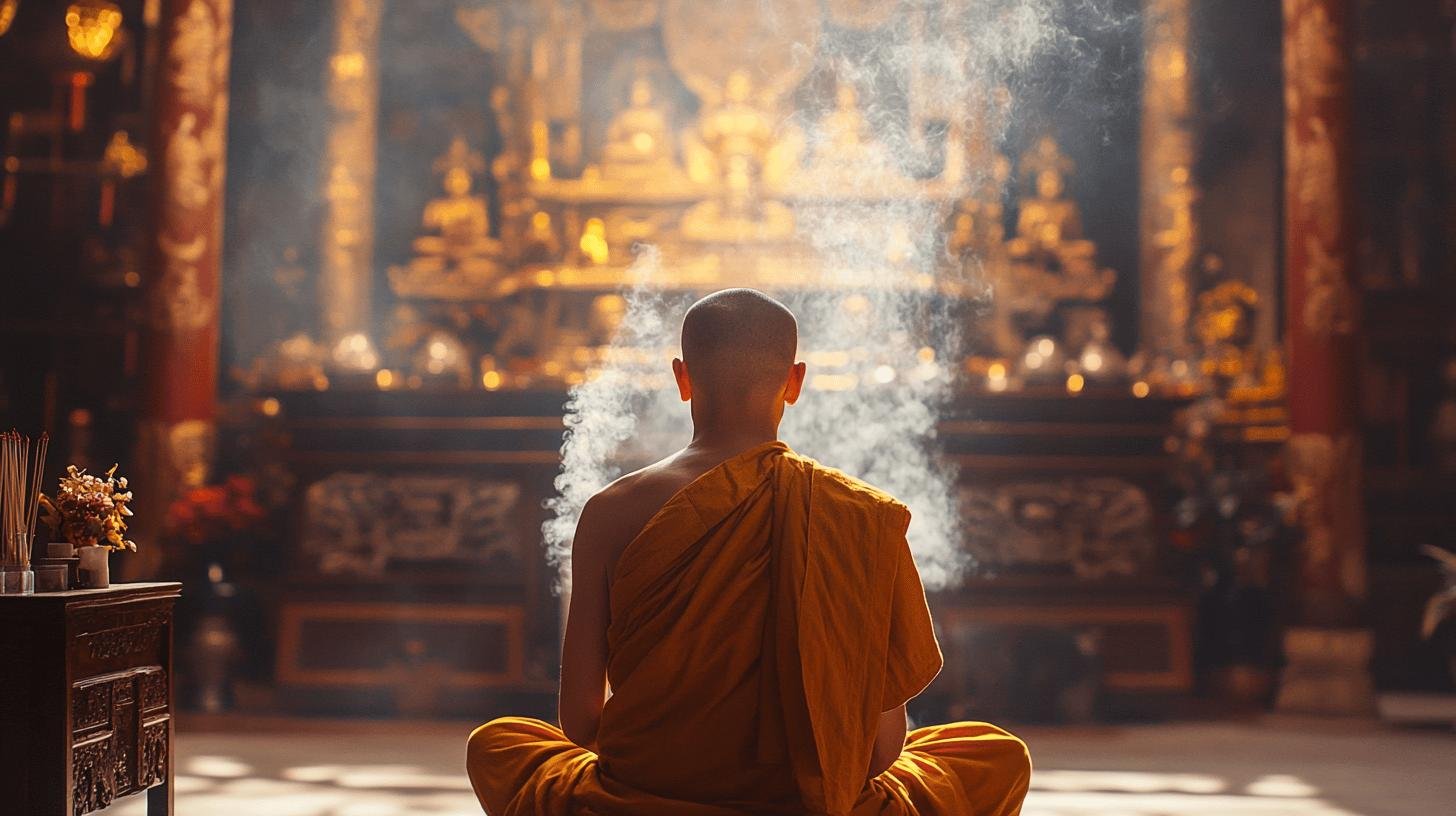
What are the common meditation and mindfulness practices in Taiwanese Buddhism? In Taiwanese Buddhism, meditation and mindfulness are foundational practices that help individuals cultivate awareness and tranquility. These practices encourage practitioners to maintain silence and engage in focused meditation, allowing them to experience a mindset free from desires and aversions. Mindfulness is emphasized as a way to live in the present moment, embracing the impermanence of life and finding peace within oneself. This approach to meditation helps individuals develop a deeper understanding of their thoughts and emotions, leading to personal transformation and spiritual growth. What are the important rituals and ceremonies observed in Taiwanese Buddhism? Key rituals and ceremonies in Taiwanese Buddhism include offerings, chanting, and Dharma talks. These practices are integral to the spiritual life of practitioners, providing opportunities for communal worship and reflection. Offerings, such as food and incense, are made to honor the Buddha and bodhisattvas, symbolizing gratitude and devotion. Chanting sacred texts helps focus the mind and reinforce Buddhist teachings, while Dharma talks offer guidance and insight into the path of enlightenment. These rituals foster a sense of community and spiritual connection among participants. How significant are these practices in the daily life of Taiwanese Buddhists? The significance of Buddhist practices in Taiwanese daily life is profound, as they provide a framework for ethical and mindful living. Engaging in meditation, rituals, and ceremonies helps individuals cultivate virtues such as compassion, patience, and wisdom. These practices encourage a lifestyle that prioritizes inner peace and harmony with others, influencing personal relationships and societal interactions. By integrating these principles into their daily lives, Taiwanese Buddhists strive to create a more compassionate and balanced society.
- Meditation and mindfulness
- Offerings
- Chanting
- Dharma talks
Buddhism in Taiwan weaves a rich tapestry of historical significance and contemporary relevance. From its Dutch colonial beginnings to its influential growth under Japanese rule, the tradition has profoundly shaped Taiwan's cultural landscape. Post-1949 developments further solidified its presence, reflecting a diverse and dynamic evolution. Today, the practice remains integral to Taiwanese society, influencing ethics, education, and community welfare. As practitioners honor the past, they also innovate and adapt, ensuring Buddhism continues to thrive. This enduring tradition not only preserves spiritual heritage but also enriches the broader cultural narrative of Taiwan.
FAQ
What is the percentage of Buddhism followers in Taiwan?
Buddhism is practiced by approximately 35% of Taiwan's population, making it one of the most prevalent religions in the country.
What is the percentage of different religions in Taiwan?
In Taiwan, major religions include Buddhism, Taoism, and Christianity, with significant representation of folk and other religious beliefs.
Is Buddhism practiced in Taiwan?
Yes, Buddhism is widely practiced in Taiwan, influencing various aspects of culture and daily life.
Is Taiwan predominantly Buddhist or Taoist?
Taiwan's religious landscape is a blend, with significant adherence to both Buddhism and Taoism.
What is forbidden in Theravada Buddhism?
In Theravada Buddhism, actions that cause harm and unwholesome thoughts are generally discouraged, emphasizing non-violence and moral conduct.
Can you wear shorts in a temple in Taiwan?
Visitors should dress modestly when entering temples in Taiwan. Wearing shorts is often discouraged to show respect for the sacred space.
What are the major Buddhist temples in Taiwan?
Key Buddhist temples in Taiwan include Fo Guang Shan Monastery, Chung Tai Chan Monastery, and Longshan Temple, known for their cultural, spiritual, and architectural significance.
What role does Buddhism play in modern Taiwanese society?
Buddhism in Taiwan influences ethics, education, and social services, with a focus on humanitarian and environmental efforts.
Who are some prominent figures in Taiwanese Buddhism?
Prominent figures include Master Hsing Yun of Fo Guang Shan and Master Cheng Yen of the Tzu Chi Foundation, known for their significant contributions to Buddhism in Taiwan.
What are common practices in Taiwanese Buddhism?
Common practices include meditation and mindfulness, along with important rituals and ceremonies that emphasize present-moment awareness and inner peace.

Grab a Free Taiwan Sticker!
Drop your email and we’ll send you a limited-edition Taiwan sticker — plus insider access to new merch drops and island vibes.
No spam. Unsubscribe anytime.