The National Flower of Taiwan: Discovering the Plum Blossom’s Cultural Significance
Taiwan’s national flower is the plum blossom, known locally as mei (梅) in Mandarin Chinese. This delicate yet resilient bloom carries profound cultural meaning that extends far beyond its botanical beauty. For centuries, the plum blossom has symbolized the spirit of Taiwan itself—enduring, elegant, and deeply rooted in East Asian heritage. Whether you’re a Taiwan enthusiast, a culture lover, or simply curious about this island nation’s symbols, understanding the national flower of Taiwan opens a window into the soul of this remarkable place.
A Bloom With Ancient Roots
The plum blossom isn’t unique to Taiwan—it holds significance across East Asia, particularly in China, Japan, and Korea. However, Taiwan adopted the plum blossom as its national flower to represent the nation’s character and values. The flower earned this honor because it embodies qualities deeply admired in Taiwanese culture: strength, purity, and the ability to flourish even in harsh conditions.
Historically, the plum blossom appears in ancient Chinese poetry and art dating back thousands of years. It’s one of the “Four Gentlemen” in traditional Chinese painting, alongside the orchid, bamboo, and chrysanthemum. Each represents virtues—the plum symbolizes resilience and perseverance. When Taiwan selected the plum blossom as its national flower, it was embracing a legacy that connects the island to broader East Asian artistic and philosophical traditions.
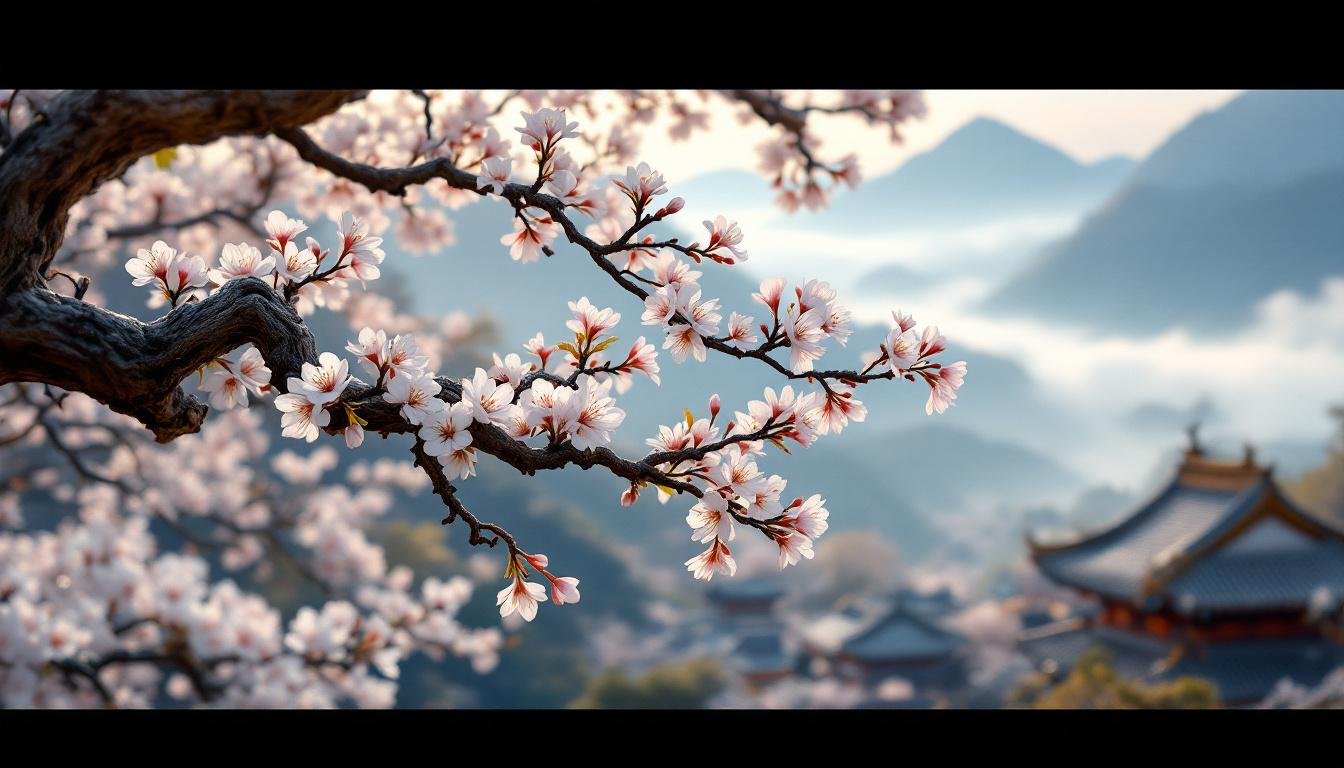
The botanical name for Taiwan’s national flower is Prunus mume. These trees typically bloom in winter or early spring, producing five-petaled flowers that range from white to soft pink. The timing of their bloom—when most other flowers are dormant—adds to their symbolic power. They represent hope and renewal, emerging when the world seems frozen.
Symbolism and Cultural Meaning
Understanding the national flower of Taiwan requires appreciating the symbolism woven into Taiwanese identity. The plum blossom represents several interconnected values that resonate with the Taiwanese people:
- Resilience: The plum tree thrives in cold, difficult conditions. It blooms when other plants cannot, symbolizing the ability to persist through hardship—a quality many associate with Taiwan’s history and spirit.
- Purity: The pristine white or pale pink petals represent innocence, integrity, and moral clarity.
- Elegance: The flower’s refined, understated beauty reflects a preference for subtlety and grace over ostentation.
- Longevity: Plum trees can live for hundreds of years, representing endurance and timeless beauty.
- Hope: As a winter bloomer, the plum blossom signals that spring will return, embodying optimism for the future.
These meanings aren’t arbitrary—they’re deeply embedded in Taiwanese art, literature, and daily life. You’ll find plum blossom imagery on government seals, in traditional paintings, and celebrated during festivals. For many Taiwanese people and those with cultural connections to Taiwan, the national flower of Taiwan is more than a botanical symbol; it’s a representation of collective identity and values.
When and Where Plum Blossoms Bloom in Taiwan
If you’re planning to experience Taiwan’s national flower firsthand, timing and location matter. Plum blossoms typically bloom from December through February, with the peak bloom occurring in January and early February. This makes winter the ideal season for plum blossom viewing in Taiwan.
Several regions throughout Taiwan are famous for their plum blossom displays. The central mountain areas, including locations in Nantou and Chiayi counties, host spectacular blooms. Alishan, renowned for its natural beauty, transforms into a sea of delicate white and pink flowers during peak season. The Plum Blossom Festival is celebrated annually in various locations, drawing locals and tourists eager to witness this natural spectacle.
The experience of viewing plum blossoms in Taiwan is deeply meditative. Many visitors find themselves drawn to the quiet contemplation these flowers inspire. The cool mountain air, the subtle fragrance of the blooms, and the surrounding landscape create an almost spiritual atmosphere. It’s easy to understand why this flower captivated artists and poets for centuries.
The National Flower of Taiwan in Art and Literature
Throughout history, the plum blossom has inspired countless artists and writers across East Asia. In Taiwan specifically, the national flower of Taiwan appears frequently in contemporary and traditional art. Taiwanese painters continue the ancient tradition of depicting plum blossoms with ink and brush, capturing both their physical form and their spiritual essence.
Modern Taiwanese literature and poetry often reference the plum blossom as a metaphor for personal or national resilience. Writers use the flower to explore themes of survival, beauty amid adversity, and cultural continuity. This literary tradition connects present-day Taiwan to its historical and cultural roots, keeping the symbolism alive and relevant.
In popular culture, the plum blossom appears on everything from traditional crafts to contemporary design. Taiwanese artists incorporate the motif into textiles, ceramics, and decorative arts. This widespread presence ensures that the national flower of Taiwan remains visible and meaningful in everyday life, not confined to history books or formal ceremonies.
Comparing Taiwan’s National Flower to Other East Asian Nations
While the plum blossom holds significance across East Asia, each nation has adopted it or other flowers as national symbols with their own specific meanings. Japan’s national flower is the cherry blossom (sakura), which shares some symbolic territory with the plum but carries distinct Japanese cultural associations. South Korea recognizes the Hibiscus as its national flower, while China has also historically celebrated the plum blossom.
What makes Taiwan’s choice of the national flower of Taiwan particularly interesting is how it reflects the island’s position within East Asian culture. The plum blossom connects Taiwan to ancient Chinese artistic and philosophical traditions while allowing the island to express its own unique identity. It’s a symbol that honors heritage while affirming Taiwan’s distinctive place in the world.
The shared reverence for the plum blossom across East Asian cultures also speaks to the interconnected nature of the region’s artistic and spiritual traditions. When Taiwanese people celebrate their national flower, they’re participating in a cultural conversation that spans centuries and crosses borders.
Growing and Appreciating Plum Blossoms Today
For those inspired by Taiwan’s national flower of Taiwan, cultivating plum blossoms is increasingly accessible, even outside of Taiwan. Gardeners in temperate climates can grow plum trees, though they require specific conditions—adequate winter chill hours, well-draining soil, and patience. The reward is extraordinary: your own connection to Taiwanese and East Asian cultural heritage through the simple act of nurturing a living symbol.
Many Taiwanese diaspora communities maintain this connection by growing plum trees in their gardens or participating in plum blossom viewing events. These practices keep cultural traditions alive and create spaces where people can reflect on their heritage and identity. The national flower of Taiwan becomes a bridge between past and present, between Taiwan and the wider world.
Whether you’re visiting Taiwan during plum blossom season, growing these flowers in your own garden, or simply appreciating their symbolism from afar, engaging with the national flower of Taiwan offers a meaningful way to connect with this island nation’s rich culture and enduring spirit.
Celebrating Taiwan’s Floral Symbol
The national flower of Taiwan represents far more than botanical beauty—it embodies the values, history, and aspirations of the Taiwanese people. From its ancient roots in East Asian artistic tradition to its contemporary presence in Taiwanese culture, the plum blossom tells a story of resilience, elegance, and hope. Understanding this symbol deepens appreciation for Taiwan itself, revealing how a single flower can carry the weight of cultural identity and collective memory. The next time you encounter the plum blossom, whether in art, nature, or cultural celebration, you’ll recognize it not just as a flower, but as a living representation of Taiwan’s enduring spirit.

Grab a Free Taiwan Sticker!
Drop your email and we’ll send you a limited-edition Taiwan sticker — plus insider access to new merch drops and island vibes.
No spam. Unsubscribe anytime.