Indigenous Taiwanese Textiles Celebrate Cultural Roots
What if the cloth on your back could tell the story of an entire people? Close your eyes and picture the steady thump of a backstrap loom, beads clicking, and the rough-smooth feel of hemp under your fingers, you can almost hear the loom's heartbeat, you know?
These textiles come from tribes like Atayal (northern highlands people), Amis (eastern plains people), Paiwan (southern indigenous people), Rukai (southern indigenous people), Saisiyat (northwestern group), Puyuma (southeast group), Tsou (central mountain people), and Seediq (central highland people). Their patterns mark coming-of-age, marriages, and ritual. They carry meaning in every stitch.
They’ve kept those stories alive through beadwork, hemp weaving, and the backstrap loom (a simple loom tied around the weaver’s body). Today elders, community workshops, and young makers are reworking those motifs into everyday wear, festival shawls, T-shirts, tote bags, so heritage is worn, not just stored.
Have you ever seen a pattern and felt it pull at something you couldn’t name? That’s what these pieces do. They’re living links to memory and place, like a family story you can fold up and wear.
Heritage and Evolution of Taiwan’s Indigenous Textiles
Taiwan’s Indigenous tribes, Atayal (northern highlands people), Amis (eastern plains people), Paiwan (southern group), Rukai (southern group), Saisiyat (northwest community), Puyuma (southeast people), Tsou (central mountain people), and Seediq (central highland community), have woven cloth that holds identity, ritual, and daily life. These names carry whole worlds of pattern and practice, you know? Each group has its own colors, stitches, and stories.
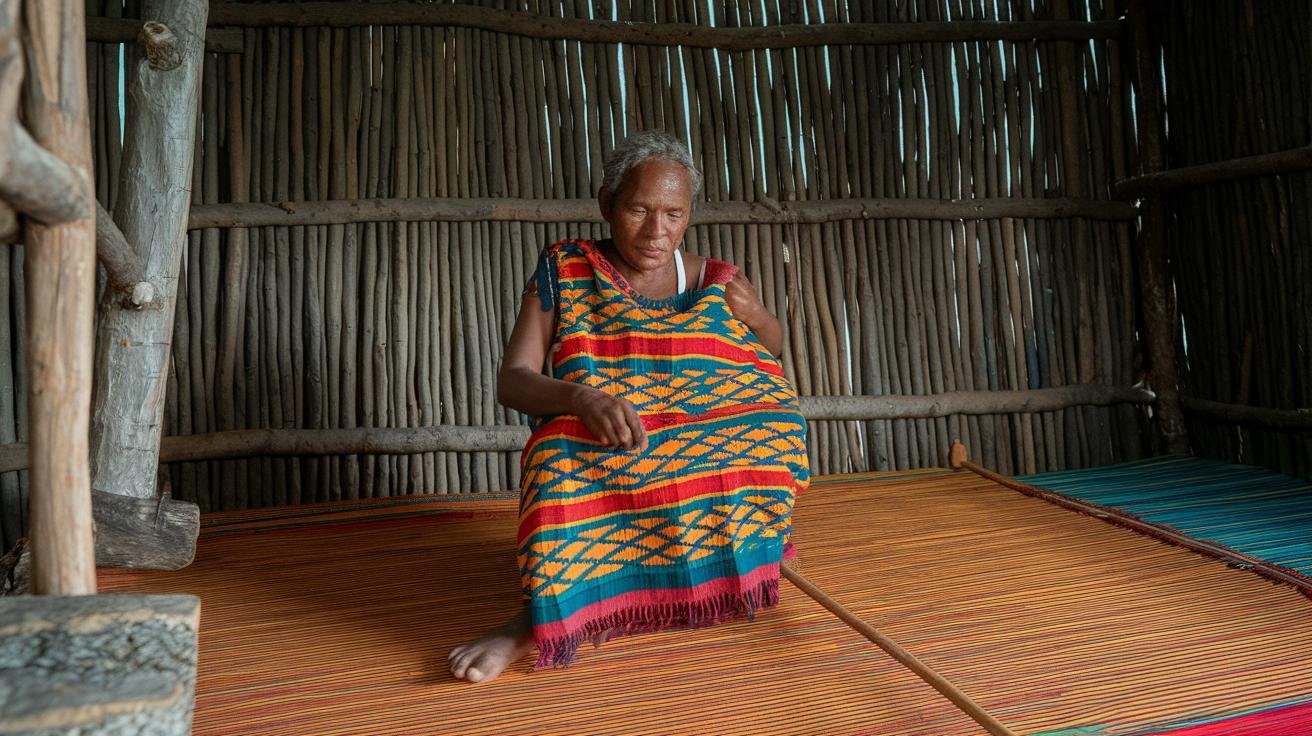
Weaving used to be everyday work: hemp and ramie fibers under nimble fingers, the steady breath of a backstrap loom, and the soft scrape of thread. Imagine the warm pull of yarn, sunlight on the warp, the rhythm like a heartbeat. Patterns weren’t just decoration , they marked coming-of-age, marriages, ceremonies. Looms were social places as much as they were tools.
History put pressure on those practices. Under Japanese rule from 1895 to 1945 many traditions were banned, and later the KMT era tightened cultural expression even more, pushing some knowledge out of sight. Elders became the secret keepers, stitching motifs from memory and tucking tools away in attics or temple boxes. Museums overseas hold beautiful pieces, and those collections helped researchers piece together patterns that risked being lost.
In recent decades a quiet revival has grown. Local programs, community workshops, and university projects started documenting techniques and materials. Apprenticeships popped up thanks to grants and volunteers, and younger folks began learning from the elders again. Wait, let me share that again , it wasn’t flashy, just steady work by small groups who cared.
Preservation shifted from saving objects to keeping skills alive. Digital pattern archives and field research mapped regional styles so schools could teach with accurate references. Non-indigenous students and men joined classes, widening the pool of tutors while still following tribal protocols. That mix helped keep traditions living, not locked in display cases.
The revival also met a market need. Makers began producing everyday goods that carry traditional marks , think tote bags or scarves that feel like the silky hold of morning tea in a Tainan shop , so weavers could earn steady income and keep looms humming. International interest, including talks about UNESCO recognition, helped people see these textiles as cultural assets instead of just souvenirs.
Today indigenous Taiwanese textiles sit between memory and modern life. You might spot an Atayal pattern on a tote at a Taipei night market, or a Paiwan motif reimagined on a hoodie. Elders, new teachers, and the steady rhythm of the loom are all carrying the craft forward, thread by patient thread.
Weaving Techniques and Materials in Indigenous Taiwanese Textiles
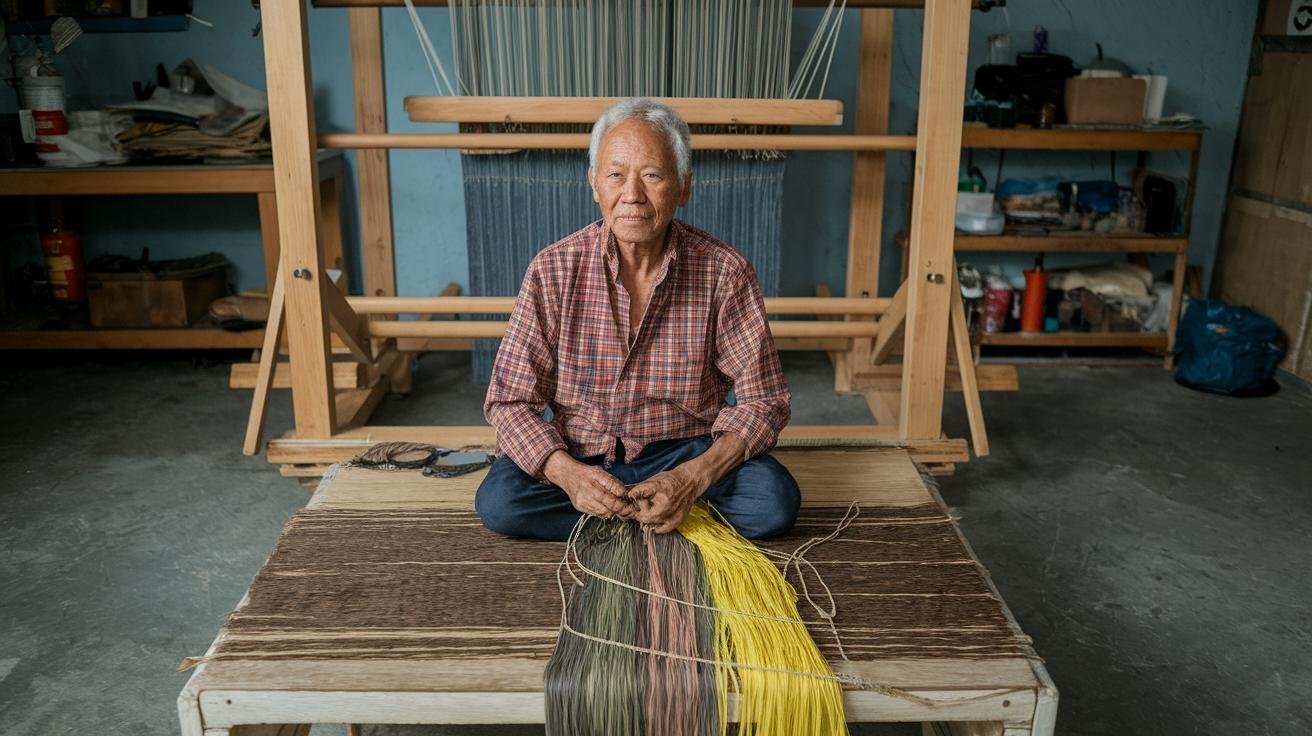
Raw fibers start the whole story. Hemp and ramie still show up in lots of pieces, cotton was taken up centuries ago, and banana silk made from Kavalan (an indigenous group in Hualien) bark gives a glossy, springy yarn you can almost hear when it moves. Picture the neon glow of a night market and that same lively snap in the thread, you know?
Preparing those fibers is hands-on and a little ritual. Ramie gets scraped and retted, which means soaking the stalks so the fibers loosen. Hemp is hand-beaten or carded to tease out the strands, and banana bark is stripped into long filaments before they’re twisted into thread. Spinners then work the yarn to one steady thickness so the warp will sit even on the loom.
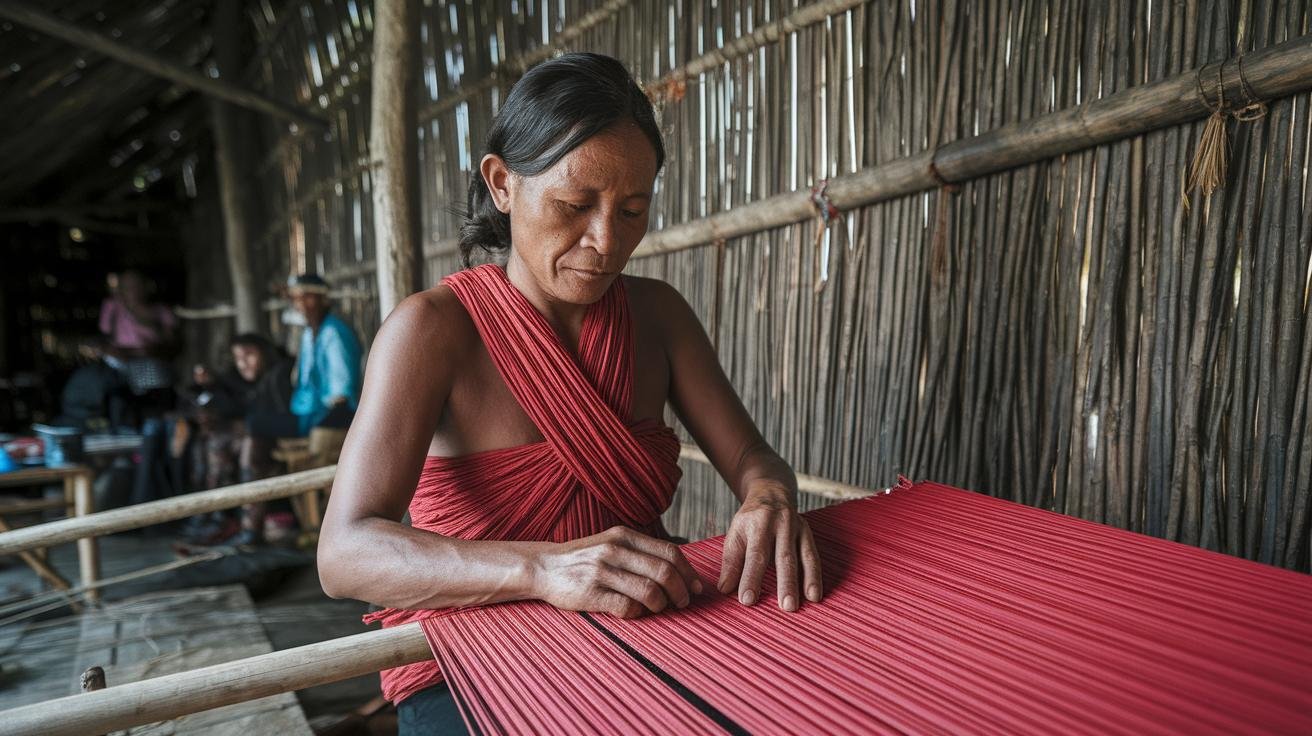
Looms show up in different sizes depending on the project. The backstrap loom is body-tensioned: one end ties to a post or tree, the other strap goes around the weaver’s waist, so the weaver’s body becomes the tensioner. Bigger pieces live on horizontal floor looms or beam looms, where a fixed warp beam keeps steady tension for long runs of cloth. Both kinds use lease rods, heddles, and a beater blade often carved from local wood.
Tension is everything, honestly. On a backstrap loom you tighten with your hips and shoulders, shifting your posture to change the warp tension, while on a floor loom you tweak the warp beam or brake and fine-tune spacing with the reed. Warping something large can take an hour or two of steady focus, because any slack or unevenness can ruin the whole cloth. Many weavers keep a continuous rhythm until the piece is done, like a heartbeat.
Techniques range from simple to brilliantly intricate. You’ll see plain weaves, warp-faced band weaving, supplementary-weft brocades, and pick-up methods that build narrow patterned bands. Tools are basic but exact: heddles to control the shed, a shuttle or weft bobbin to carry the weft, and a wooden beater to pack the threads tight.
Finishing rounds out the craft in a soft, careful way. Woven cloth is soaked and gently washed, treated with natural mordants like alum or tannins to lock in color, then stretched while damp to set the size before trimming and binding the edges. Lots of makers still carve their own tension boxes and beater blades, so every tool carries the maker’s hand , and that hand-made touch shows up in the cloth’s feel, the cool drip of mountain mist you can almost imagine on a morning walk by Sun Moon Lake.
Regional Styles of Indigenous Taiwanese Textiles
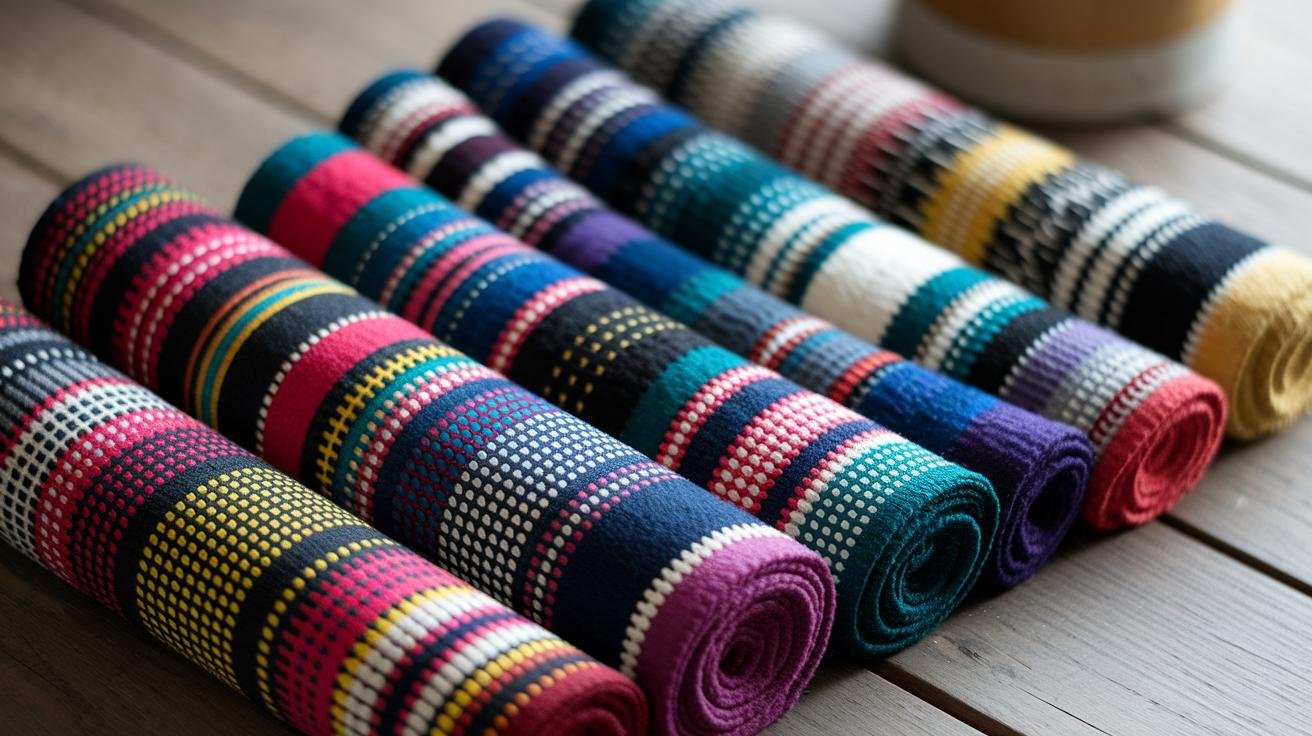
Atayal weaving (Atayal are an indigenous people from northern Taiwan) often lines up narrow, wavy geometric bands along long cloth. You’ll notice a steady rhythm in each repeating stripe, like a quiet drumbeat. The pick-up techniques and tight warps give those waves a crisp snap when you lift the fabric, and it kind of hums with the skill of a weaver at a market stall.
Seediq embroidery (Seediq live in central Taiwan, known for ceremonial clothes) piles dense stitching along shawls and shoulder cloths. Tiny satin stitches and close couching make the borders read like strings of stitched beads. Up close, the edges feel slightly raised and very deliberate, like someone took extra care to finish every step.
Paiwan textiles (Paiwan people are from southern Taiwan and favor bold, sculpted forms) use band weaving that borrows rounded shapes you might remember from pottery rims. They add beads and layered cords, so the strips feel a little sculpted in your hands. That supplementary weft work builds form as you go, making the bands sturdy and tactile.
Amis festival attire (Amis are Taiwan’s largest indigenous group; their clothes shine in harvest celebrations) leans into bold lines and broad bands made to move. The stripes are placed so the cloth swings when people dance, and tailors cut with simple seams so garments can be worn or changed quickly. You can almost hear the music when you see one of these pieces.
Tsou bark cloth (Tsou people live in mountain areas; they traditionally use tree bark to make cloth) starts with bark turned into fibrous yarns, so the finished fabric feels raw and textured. The process tames tough bark into a supple weave you can fold without shredding. It’s rustic, earthy, and you can imagine the mountain mist clinging to it.
Rukai mosaic bands (Rukai come from southeastern Taiwan and often use geometric motifs) stitch alternating colored squares into long bands that look like tiny tiles marching along the warp. The pick-up method needs exact spacing and a steady hand, and the pattern reads pixel by pixel. It’s precise work, almost like laying down a tiny mosaic.
Saisiyat weaving (Saisiyat are a smaller group from northwestern Taiwan) favors high-contrast stripes where sharp edges and tight settlement make the bands pop. They often use narrow-band formats for sashes and belts, so every stripe has to be on point. The look is bold and clean, like a graphic print you can wrap around your waist.
Puyuma beadwork (Puyuma live in Taitung, on Taiwan’s east coast) builds complex sashes and necklaces by sewing tiny beads on top of woven bases. The bead rows sit proud of the fabric and flash when light hits them, so pieces sparkle with movement. It’s slow, detailed work, and you can almost hear the tiny clicks as each bead is threaded.
Each style carries hands-on techniques and a local story. Hold a band up to the light, run your fingers along the edge, or wear a sash for a minute and you’ll feel the craft and the place it came from. Have you ever stalled under lanterns in Jiufen and wished you could take one of these pieces home? Me too.
Traditional Materials and Dyeing Techniques in Indigenous Taiwanese Textiles
If you already saw the Weaving Techniques and Materials section above, that’s where fiber prep lives , things like hemp, ramie, cotton, and banana silk (banana silk is a plant-based fiber made from banana stems). That part also covers loom types, basic tools, and finishing routines. Here I’ll focus only on the dyeing and color traditions that weren’t covered there.
Dyeing and color are slow, hands-on things. The smells, the light, the touch matter , the earthy wetness of mud, the green tang of fermenting leaves, the warm spice scent of turmeric. Have you ever watched indigo bloom on yarn? It’s almost like watching color wake up.
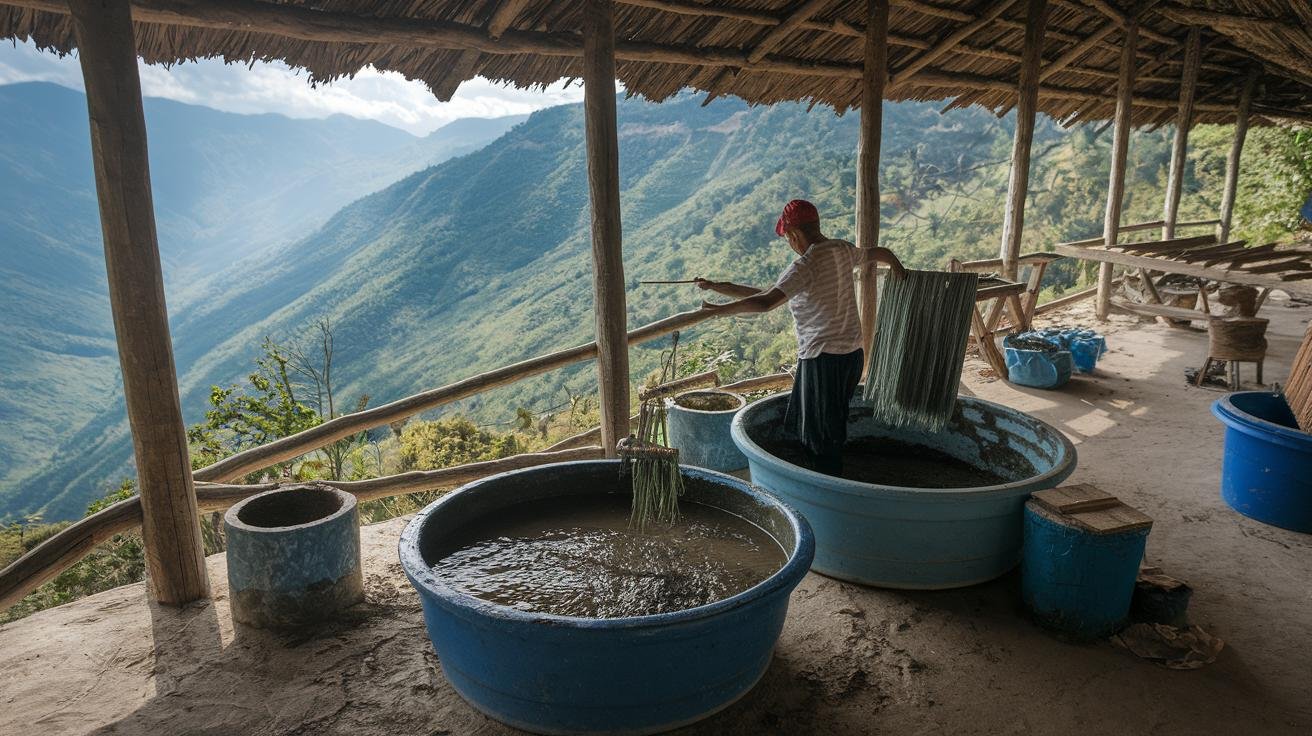
Mountain indigo starts with packed, fermented leaves. Dyers soak leaves until the vat reduces, then they introduce air so the blue can form on the yarn. It’s a step-by-step rhythm: dip the skein, lift it out, let it meet the air, and the blue blooms. Dip, oxidize, repeat , each pass deepens the shade, like layering tea for more color.
Taroko turmeric bark (Taroko is an indigenous group in eastern Taiwan) gives those warm ochres you see on many traditional pieces. The bark is simmered or steeped to pull out color, then the yarns are mordanted and dipped so the golden tones stick. It smells like cinnamon and earth, and the color settles in gradually.
Mud-dyeing uses iron-rich mud or ferruginous clay for deep, earthy tones. Yarn or cloth is buried or worked in the mud so iron reacts with tannins and turns grays into near-black. Mordants like alum and plant tannins are used to bind the dye to the fiber, so colors wash and wear better. Think of mordants as the glue that helps color stay where it belongs.
Common dye sources and key steps:
- Mountain plant indigo: ferment leaves, aerate the vat, repeat dip and oxidize cycles.
- Taroko turmeric bark: simmer or steep the bark, mordant the fiber, dip for warm ochre.
- Mud-dyeing with iron-rich soils: work yarn or cloth into ferruginous clays so iron and tannins react.
- Mordants: alum and plant tannins used to fix pigments and improve colorfastness.
A practical note: dyers rarely force color in one go. They build it up slowly , soaking, skimming the vat, careful aeration, then another dip. It’s like picking a bubble tea flavor , start with the base, then add sweet spots until it feels right. Leaves steeped overnight, a slow skim of the vat, and one more dip for that quiet, steady shade.
Patience wins, you know? The colors mellow with time and touch, and that’s part of the charm.
Symbolism and Motifs in Indigenous Taiwanese Textile Designs
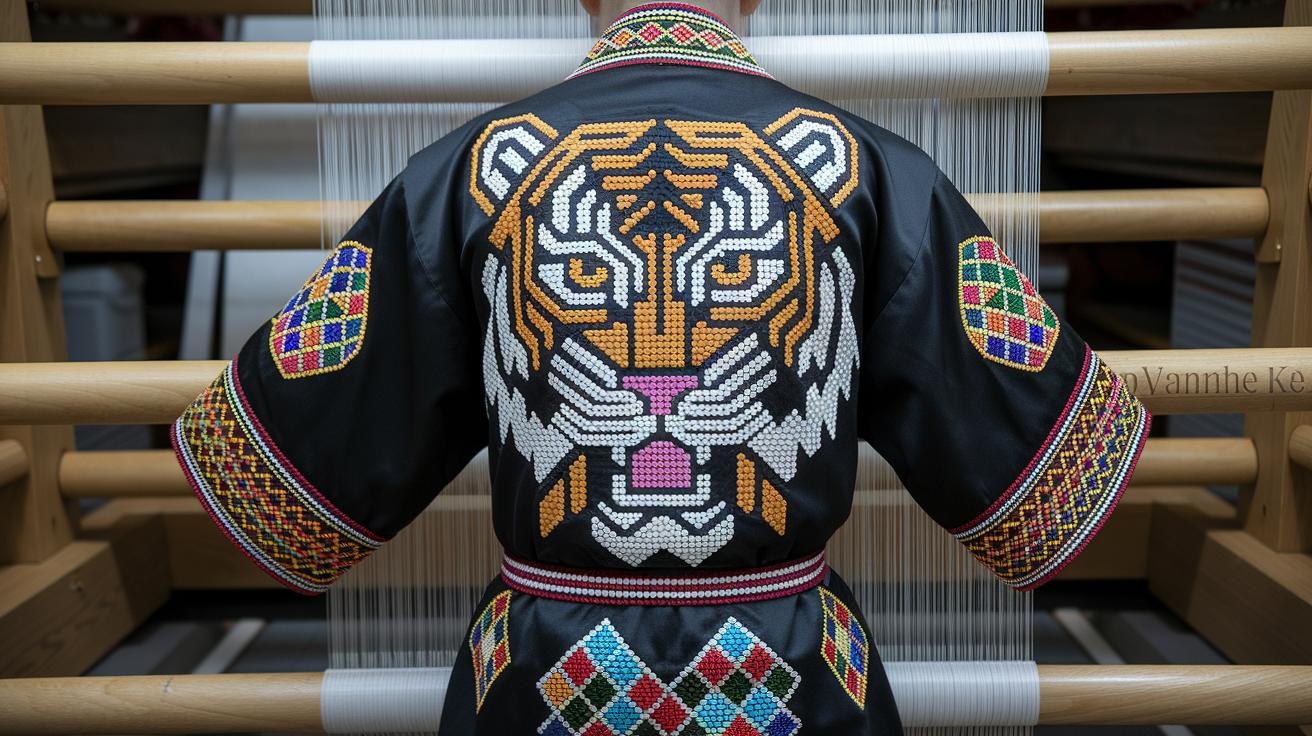
Pattern work is storytelling woven into cloth. Each stripe, diamond, or row of beads holds a memory, passed down stitch by stitch.
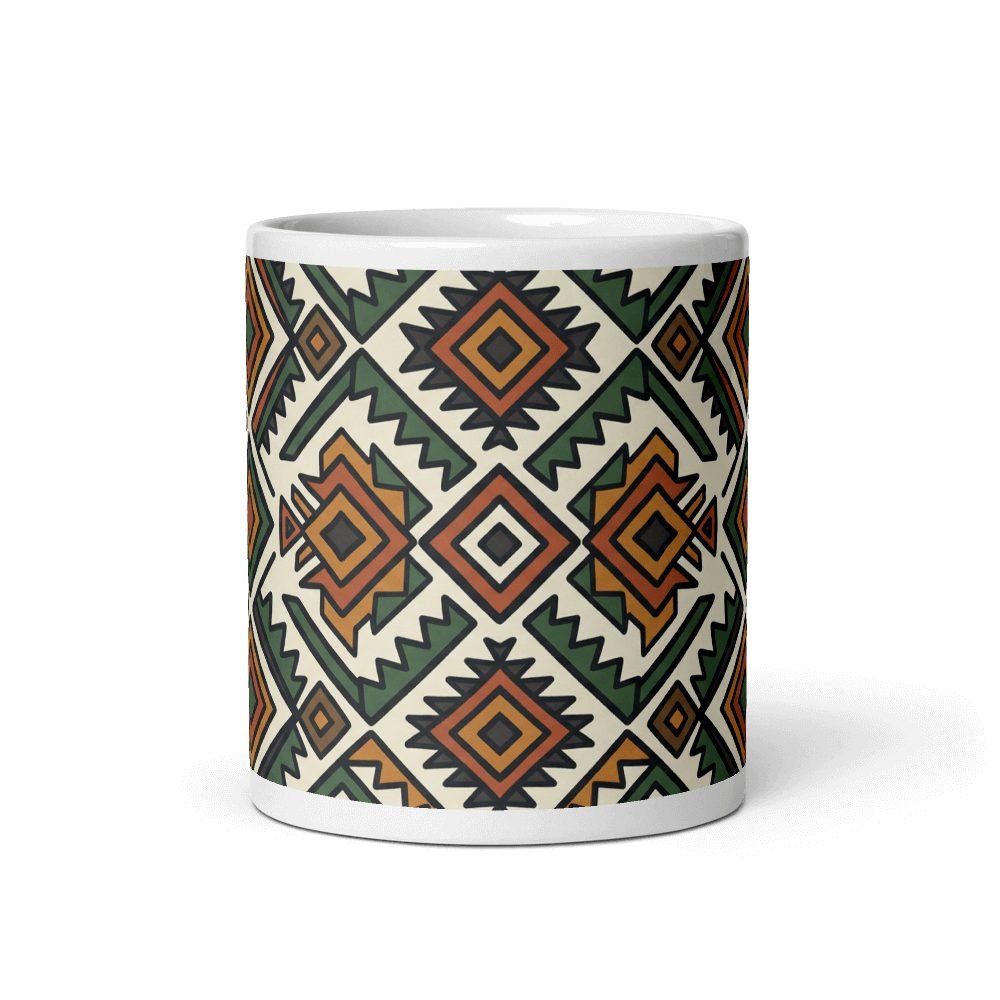
Atayal (a northern highlands people) diamond motifs are said to hold the gaze of ancestors, and red and black threads often stand for protection and vitality, like warm tea warming your hands. You can almost feel that meaning when you trace the weave.
Look closer and you’ll see different tribes telling their own stories. Seediq (a central mountain people) uses tight geometric borders that read like community unity. Paiwan (a southern indigenous group) borrows shapes from pottery, folding clan totems into beadwork. Amis (an eastern coastal people) strap on festival bands that shout the seasons with bold harvest designs. Rukai (a southern tribe) lays out mosaic bands that look like tiny creation myths tiled across a sash. They’re maps of place and time, sewn row by row.
Textiles mark life’s big moments. Warrior regalia names bravery with certain cuts and motifs. Ceremonial robes show rank with clan insignia. Wedding garments tuck fertility symbols into hems, while funeral shrouds lean on ochre tones meant to guide souls home. Cloth holds both ceremony and care.
There’s a quiet ritual logic behind all this. Motifs are a language elders teach, woven into daily life so a sash can carry family, law, and memory all at once. Hold one up to the light and you’ll feel that conversation, soft and steady. Um, it’s like hearing an old story while the kettle hums in the next room.
These textiles keep stories the way mist rolls off Sun Moon Lake and the neon glow of a night market keeps a memory alive. They’re beautiful, yes, but they’re also living history you can touch.
Contemporary Indigenous Taiwanese Textile Fashion and Collaborations
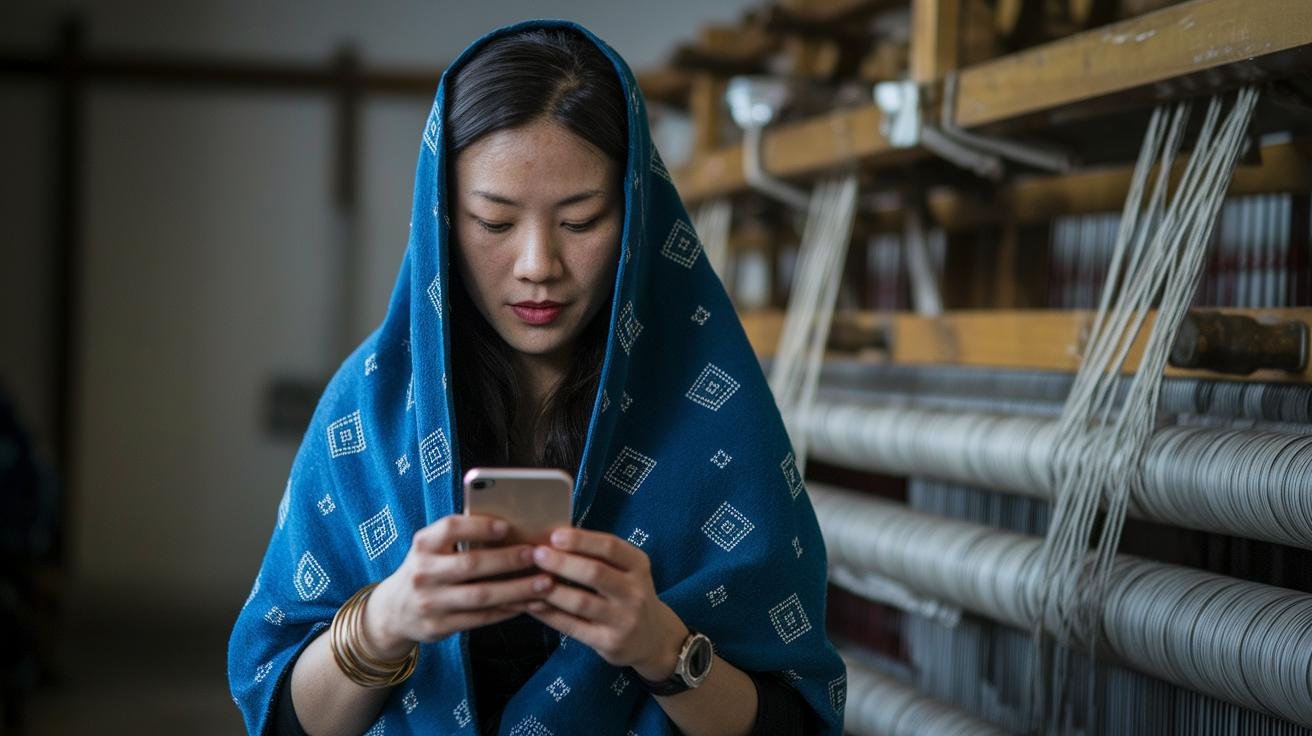
Contemporary Indigenous Taiwanese textile fashion (Indigenous meaning Taiwan's Aboriginal peoples) is bringing old skills into everyday clothes, and it feels warm and familiar, you know? Designers and maker cooperatives are teaming up so pattern traditions keep being used and paid for. Chang Fan-weih works directly with tribal artisans on wearable collections, and cooperatives like Lihang Studio run shared workshops, bulk orders, and community sales so more hands can make a living while passing skills along.
Designer collaborations show how tradition and modern style can meet. Diamond-pattern bands that used to belong on ceremonial cloth now appear on cropped jackets and tidy urban silhouettes. Check out collaborations with Taiwanese designers for good examples. Eco-dye pop-ups stage botanical indigo scarves next to streetwear stalls, the scent of the vat (dye bath) curling through the air, and the soft indigo folding into city style. Those pop-ups help storytellers sell whole sets, scarves, totes, tees, so motifs live beyond the museum case.
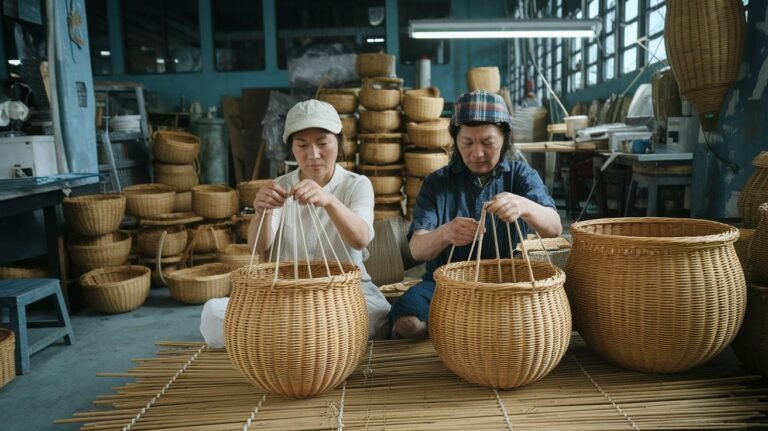
Artisan co-op models give makers shared space for looms, dye vats, and pattern archives. Elders teach pick-up techniques (a weaving method that lifts threads to form patterns), while younger makers handle sampling, pattern grading, and online photos. That split keeps elder knowledge central and adds steady orders that pay for materials like ramie (a strong plant fiber), hemp, cotton, or banana silk (fiber from the banana plant).
Designers and weavers are careful about cultural protocol. Patterns get permission, proportions get adjusted for modern cuts, and materials are chosen so pieces wear well. The result is clothes and accessories that feel lived-in. They’re soft like a tea-shop scarf, loud enough to catch attention on a tram, and gentle reminders that tradition can walk with you into everyday life.
Preservation and Revitalization Initiatives for Indigenous Taiwanese Textiles
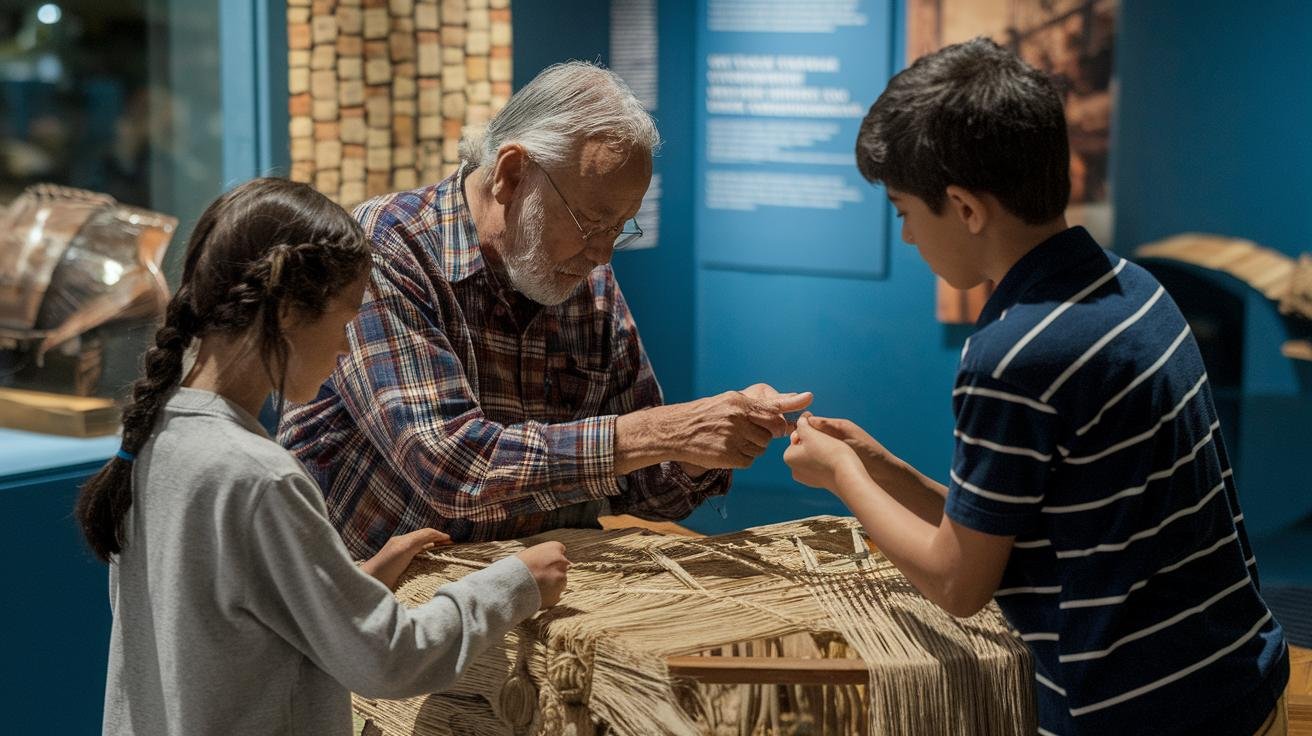
Small workshops, community schools, cross-region exchanges, and markets with provenance labels are starting to link skills, materials, and sales across different towns and tribes. It’s a slow braid of efforts, but you can see the threads coming together, literally and, um, lovingly.
S’uraw Education School (a community-run textile school) runs teacher training, a ramie garden, and a materials shop so apprentices learn the whole process, from seed to skein. Ramie (a strong natural fiber used in Taiwanese textiles) has a coarse, silvery feel and a faint plant-y scent when it’s drying in the sun. Watching someone strip and spin it is like watching music.
In December 2022, an Ifugao–Atayal exchange (Ifugao and Atayal are Indigenous groups) at the Museum of Fiber Arts in Taichung brought people together for hands-on sessions and plans for joint pieces. They dyed, wove, and sketched designs side by side, seed ideas turned into real patterns in a few days.
Tourism stalls run by community groups now sell scarves and belts with provenance tags that say who made them and where the materials came from. That kind of label matters, it helps buyers connect and makers get fair value. The Museum of Indigenous Cultures also opens its doors to researchers who want to study techniques and stories.
Apprenticeships, small grants, and digital archiving are funding and recording a lot of this work. It’s practical and hopeful. Example: "We traded ramie seedlings at dawn and dye recipes by noon."
Where to Explore and Purchase Authentic Indigenous Taiwanese Textiles
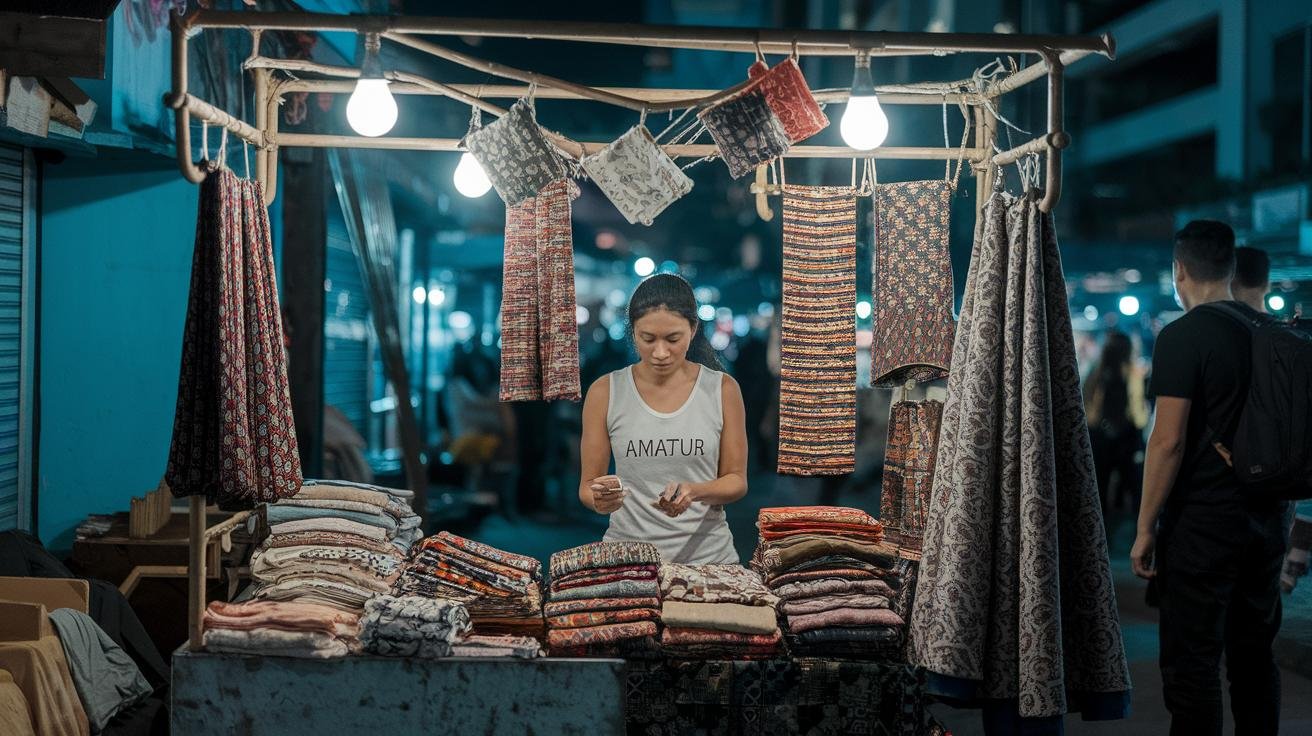
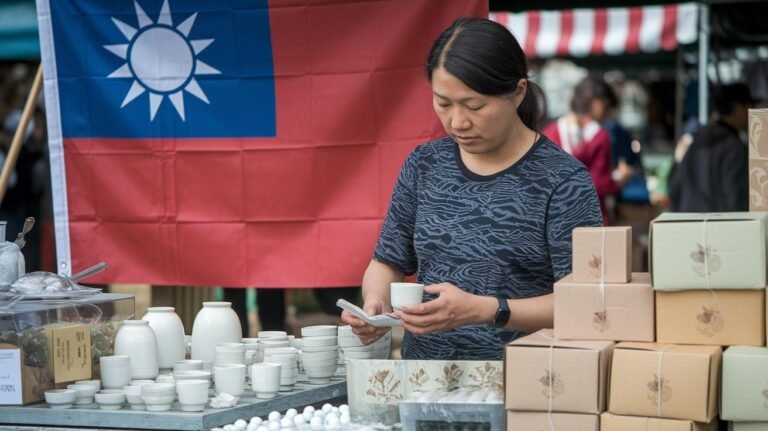
Start at the Museum of Indigenous Cultures gift shop (Taitung; a museum about Taiwan’s indigenous peoples), or wander S'ray market in Yilan (a lively local market) and the small booths at Shilin Night Market. For tips at Shilin see the shilin night market guide. You’ll find handwoven pieces that still carry the rhythm of the loom and the faint scent of natural dyes.
Night market souvenirs are often scarves, sashes, and small woven bands stamped with the maker’s name. Hold one up to the light, feel the weave, and you can almost hear the shuttle beat. These little things tell stories, you know?
Look for certified cooperatives that give authenticity certificates. Scarves are usually around NT$500 (about US$15 to US$20), while ceremonial robes can go up to NT$5,000 (roughly US$150). NT$ means New Taiwan dollar. In many artisan workshops, people share dye vats, looms, and pattern archives – that’s why pricing, sampling, and how profits get split back to weavers work the way they do.
You can buy straight from weavers or use online craft platforms that list maker stories and materials. Many of those sites follow fair trade guidelines, so you’ll see provenance tags and care notes explaining fibers and dyes. That makes it easier to know labor and dye sources were respected.
When you shop, touch the cloth, ask about the fiber and the dye, and listen to the maker’s story. Try a few markets to compare texture, colorfastness, and price. Those up-close moments teach you more than a tag ever will, and they help keep cooperatives and weavers thriving.
Final Words
We jumped straight into the heart of the cloth. Tribe names, weaving tools, dyes, and the way patterns hold stories.
You read how weaving survived bans, how elders hid techniques, and how schools and cooperatives helped bring skills back to life.
Then we looked at fibers, looms, dye pots, regional styles and motifs, plus designer collaborations that stitch tradition into modern wear. You know?
Support makers, check authenticity labels, and wear these pieces like a warm morning tea, proud and gentle. The path ahead for indigenous Taiwanese textiles feels hopeful, and that's a lovely place to be.
FAQ
Frequently Asked Questions — Indigenous Taiwanese Textiles
What is the history of indigenous Taiwanese textiles?
The history traces weaving from daily household needs through colonial bans under Japan (1895–1945) and KMT rule, secret preservation by elders, and a modern revival supported by UNESCO and community programs.
What are the famous indigenous Taiwanese textiles or regional styles?
Famous styles include Atayal backstrap weaves (northern mountains), Seediq dense embroidery (central), Paiwan band weaving with beads (south), Rukai mosaic bands (southeast), and Amis festival garments (east).
What materials and dyes are used in these textiles?
Materials include hemp, ramie, cotton and banana silk; dyes come from plant sources such as mountain indigo and turmeric bark, plus iron-rich mud. Alum is used as a mordant and repeated dye dips create deeper color.
Which weaving techniques and looms do artisans use?
Artisans use body-tensioned backstrap looms and horizontal floor looms, adjusting warp beams or body tension for thread spacing. Finishing steps include washing, stretching and edge binding.
What motifs and symbolism appear in indigenous textile designs?
Motifs include diamond patterns representing ancestral gaze, geometric borders for unity, mosaic bands, tiger-rite protection motifs, bead marks indicating social role, and the red/black palette signaling vitality and protection.
How are these textile traditions being preserved and revived?
Preservation happens through elder-led teaching, government and museum programs, artisan cooperatives (e.g., Lihang Studio), apprenticeships, digital pattern archiving and university research partnerships.
How are contemporary designers working with tribal artisans?
Designers collaborate with tribal artisans and cooperatives — for example Chang Fan-weih — blending traditional motifs (diamonds, bands) with modern silhouettes, running eco-dye pop-ups and producing wearable collections for urban markets.
Where can I explore and buy authentic indigenous Taiwanese textiles?
Places to buy include the Museum of Indigenous Cultures gift shop, S’ray market in Yilan, booths at Shilin Night Market (Taipei), and certified online cooperatives. Expect scarves from around NT$500.

Grab a Free Taiwan Sticker!
Drop your email and we’ll send you a limited-edition Taiwan sticker — plus insider access to new merch drops and island vibes.
No spam. Unsubscribe anytime.