Impact Of Taiwan Artisan Cooperatives On Local Communities
Imagine artisan cooperatives in Taiwan doing more for towns than any government program. They’re member-owned and run by the people who live there, so decisions and profits stay local instead of heading off to distant offices, you know?
Around active co-ops, household incomes often jump 15 to 30 percent. That extra cash lets families buy better tools, pay for training, and try new ideas.
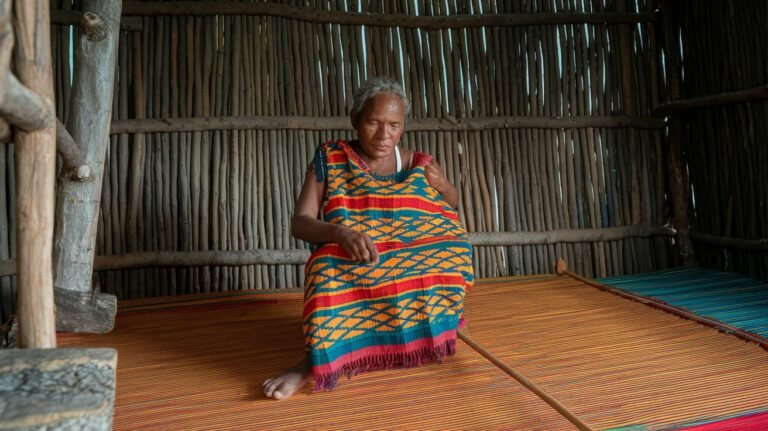
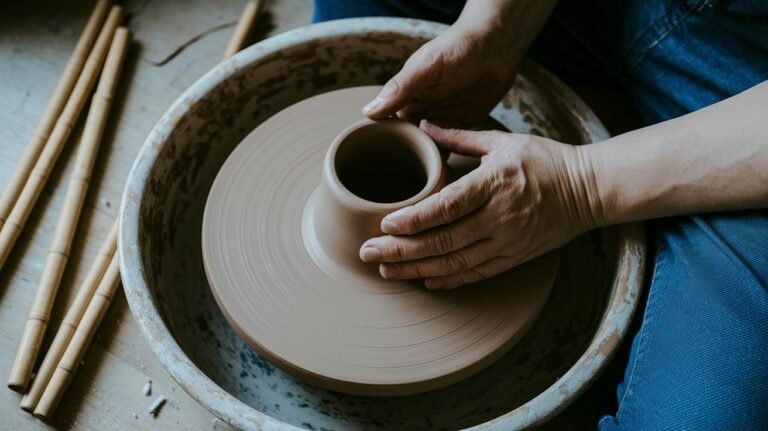
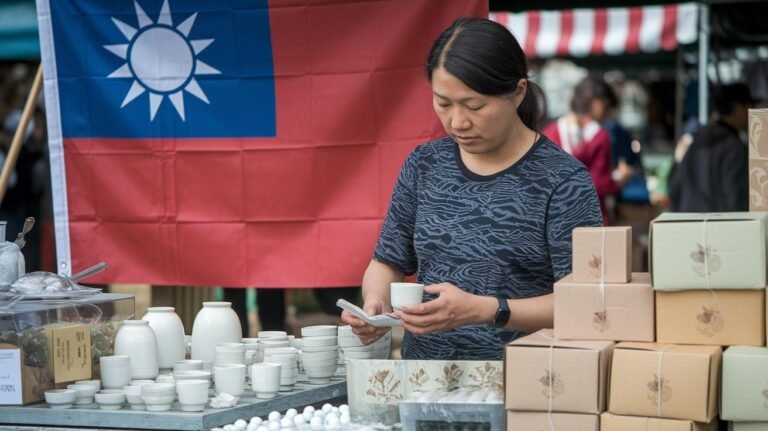
Grandparents pass down pottery and weaving, and workshops hum with the feel of clay and thread under their hands. Market stalls fill with the sizzle of stinky tofu (fermented tofu with a strong aroma) and the neon glow of Taipei’s night market (open-air food and craft stalls).
Workshops double as meeting spots where neighbors vote, swap skills, and plan together. Young makers see a future here and often choose to stay.
Put it all together, and artisan co-ops become engines of local change, boosting incomes, keeping traditions alive, and making towns feel more connected. Isn’t that something?
Impact Of Taiwan Artisan Cooperatives On Local Communities
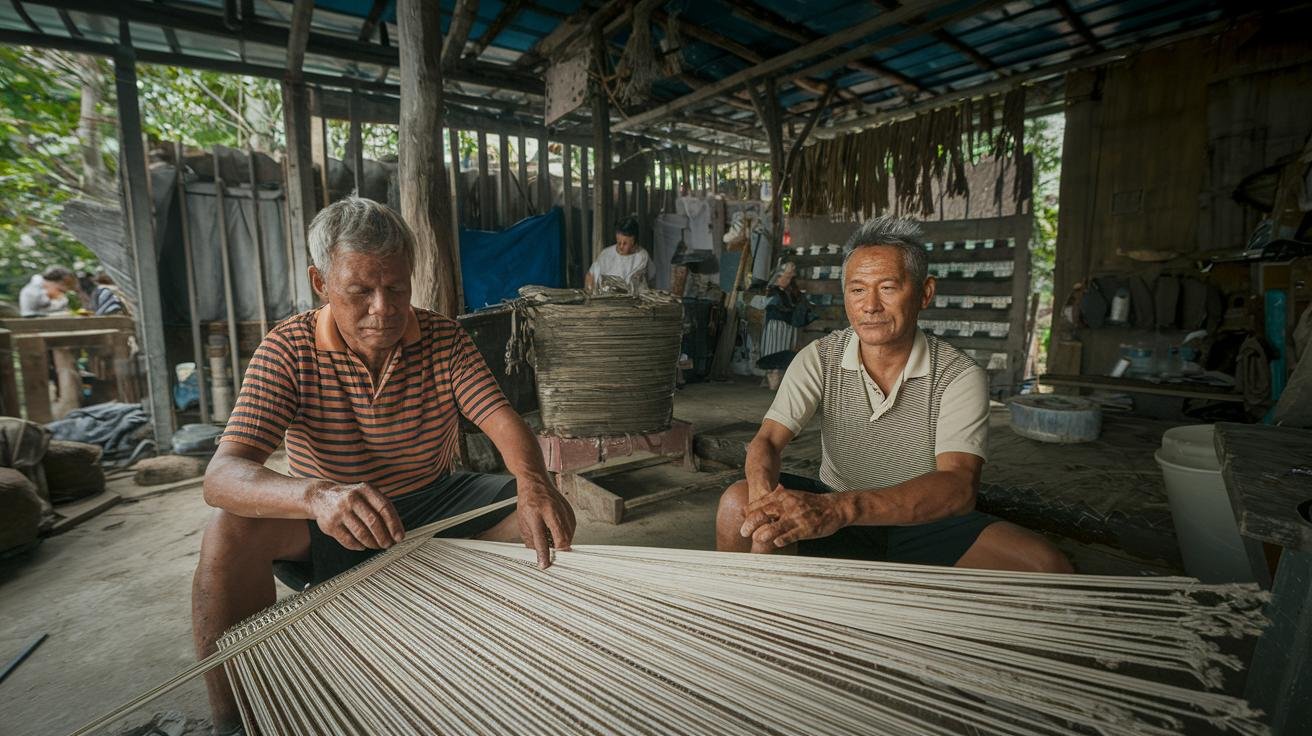
Taiwan artisan cooperatives spark real change in money, culture, social life, and the environment right where people live. They’re member-owned and run democratically, so instead of top-down profit chasing, decisions get made to help neighborhoods. That shows up in paychecks, craft revival, tighter social ties, and greener workshops, you know?
On the economic side, household incomes in areas with active cooperatives often rise 15–30%. That extra breathing room lets families buy better tools, fix up studios, and pay for training , real economic empowerment. I’ve seen makers reinvest in brighter kilns and sturdy looms, and it changes the whole rhythm of a village.
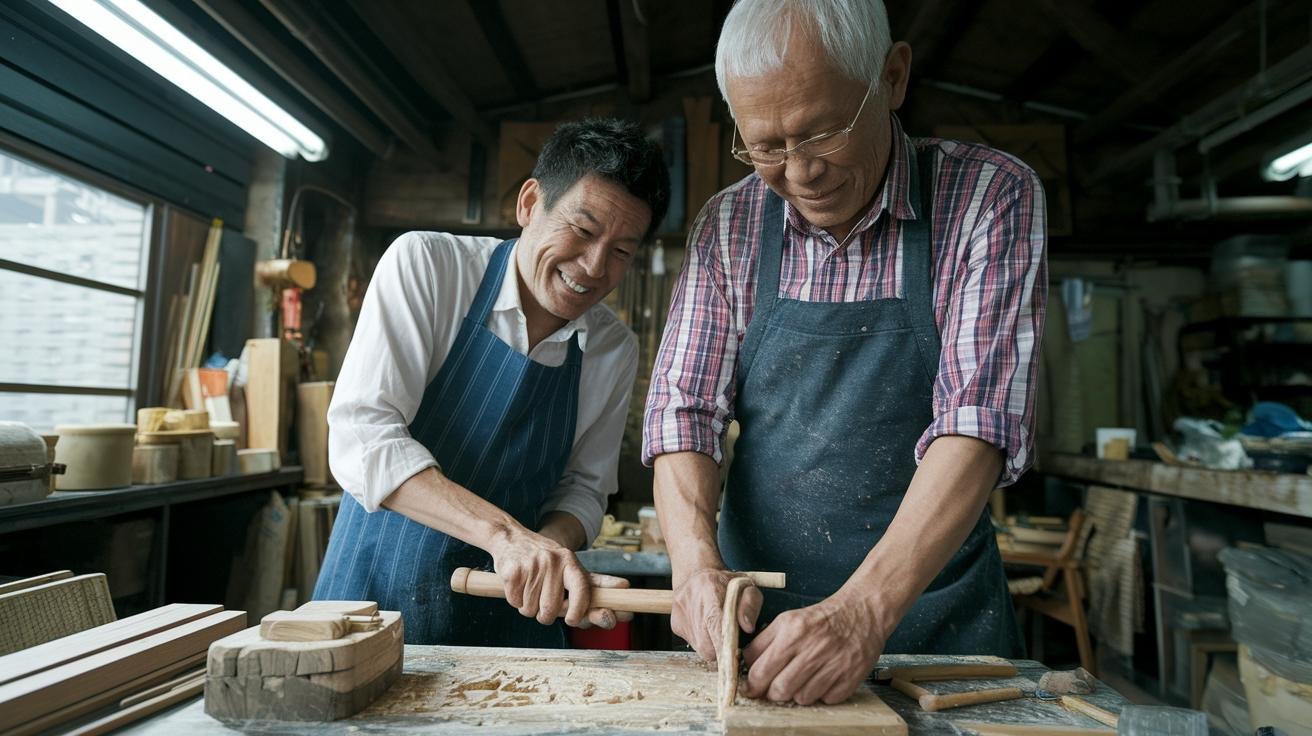
Culturally, these groups keep pottery, weaving, and wood carving alive. Elders teach weekend workshops, and markets fill with the smell of kiln smoke and fresh tea and the neon glow of Taipei’s night market (Taiwan’s bustling street markets). It’s hands-on learning and pride passed down, and people start to see their crafts as something worth keeping.
| Impact Area | Key Metrics |
|---|---|
| Economic Growth | Increased local sales; higher contribution to local GDP |
| Income Generation | Household earnings +15–30% in participating areas |
| Cultural Preservation | Number of active artisans; workshops passing on pottery, weaving, wood carving |
| Social Cohesion | Member participation rates; collective decision-making; reduced outmigration |
| Environmental Sustainability | Use of eco-friendly materials; low-waste production; smaller carbon footprint |
It all knits together. A craft studio can become a tiny hub for training, sales, and community gatherings. Regular meetings, pooled marketing funds, and mutual support help groups weather slow seasons and pivot to online shops or festival stalls.
Sustainable practices matter too. Local sourcing and low-waste production cut costs and make goods more attractive to eco-minded buyers, which then feeds back into steady income. So communities get more resilient: people keep practicing traditional crafts, launch small businesses, and feel proud of the work they sell. Really.
Historical Evolution and Policy Framework for Taiwan Artisan Cooperatives
Taiwan's social innovation work followed three big action plans: 2014, 2018–2022, and 2023–2026. They line up with the UN Sustainable Development Goals and put real policy support behind social enterprises and cooperatives. The idea was simple: move from one-off pilots to steady systems that actually back community makers and small creative businesses.
The government used a mix of tools: direct grants, hands-on training, tech support, and ecosystem building, think shared studios that smell like fresh paint, e-commerce upskilling, and market links that help artisans sell online and in stores. Cooperative laws got clearer too, so member groups can register more easily, access funding, and build trust with buyers. Cooperatives are member-run organizations (members vote on decisions), so governance centers on democratic control and sharing financial benefits.
NGOs and incubators stepped in to mentor teams, prep them for markets, and help align quality standards. These moves reflect a bigger trend in social entrepreneurship toward community benefit and circular practices, um, keeping materials and value in local loops.
Impact Hub Taipei has been a key player. They've incubated over 180 teams and reached more than 400,000 people through bootcamps, workshops, and mentorship. That gives artisans practical help to scale and to get verified by programs like People and Planet First (a verification that focuses on social and environmental impact).
If you want a detailed policy timeline and more background, see history of artisan cooperatives in taiwan.
Case Studies of Taiwan Artisan Cooperatives Driving Local Community Development
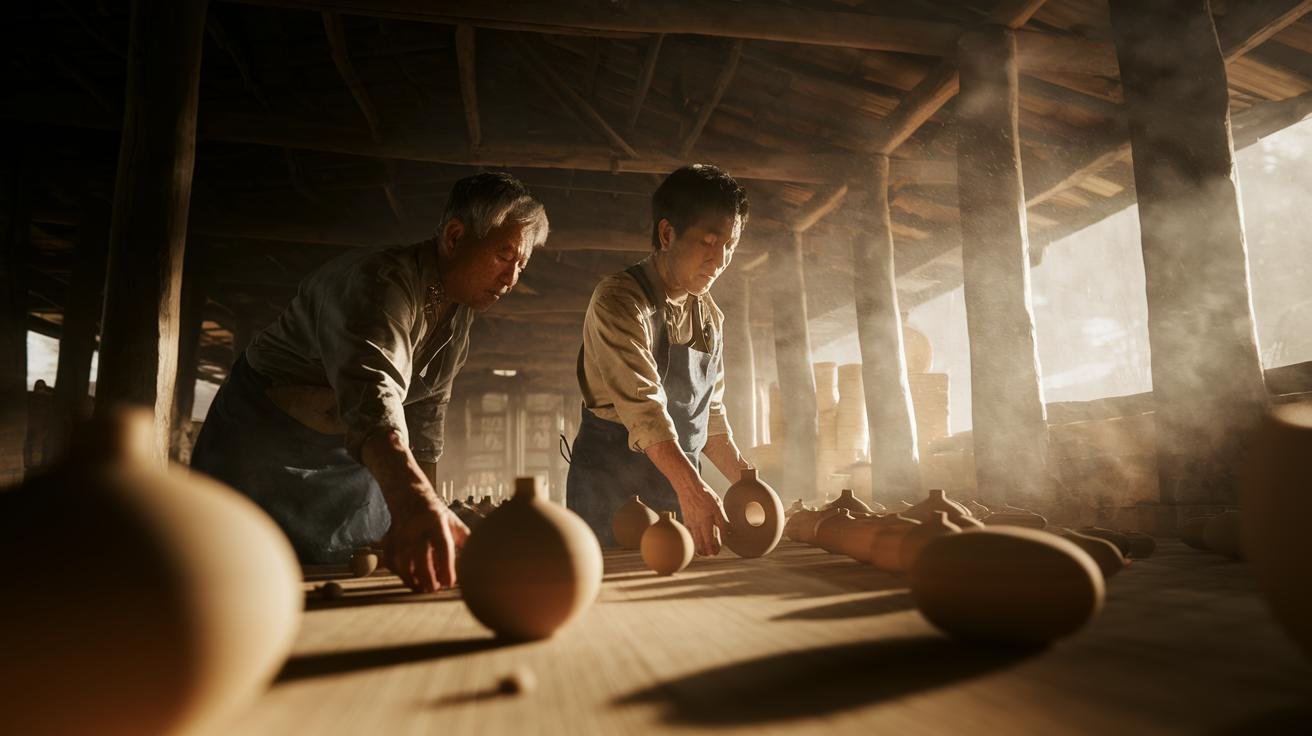
These are four Taiwan stories about how small, community-led groups turn craft skills into steady work and hometown pride. Think of weaving, clay, and zero-waste sewing all making real income, and a stronger local rhythm. I love how concrete these wins feel, like the mist rolling off Sun Moon Lake or the neon glow of a night market, you can almost touch them, you know?
Nantou Artisans grew sales about 40% over five years, selling items mostly priced NTD 500-3,000 (NTD = New Taiwan Dollar). Nantou is a central mountain county near Sun Moon Lake, and these makers blend weaving and pottery into mixed handicrafts that folks actually want to buy. Their work sells because it fits local tastes and markets, and that steady demand made the income bump possible.
Hualien Pottery Collective boosted revenue roughly 35% and helped train 120 new artisans. Hualien sits on Taiwan's east coast near Taroko Gorge, and you can almost smell the ocean breeze in their functional ceramics. The apprenticeships and peer learning there speed up skills while keeping pottery traditions alive.
Story Wear is a women-owned zero-waste fashion label in the Taipei area (the capital region). In two years they cut textile waste by 20% by reworking scraps into new pieces and rethinking production. They prove sustainability and style can go hand in hand, and that circular design can lower costs while telling a strong story.
Monster BioTech operates across various regions and handles about 50 tons of organic food waste every month. They turn that waste into compost or bio-based inputs for makers, closing the loop so materials stay local and useful. It’s the kind of circular thinking that feeds both soil and small business.
| Region | Cooperative | Key Impact Metric | Product Focus |
|---|---|---|---|
| Nantou | Nantou Artisans | Sales +40% over 5 years; prices NTD 500-3,000 | Mixed handicrafts; weaving & pottery |
| Hualien | Hualien Pottery Collective | Revenue +35% (approx); 120 new artisans trained | Pottery; functional ceramics |
| Taipei area | Story Wear | Textile waste -20% in 2 years | Zero-waste fashion |
| Various regions | Monster BioTech | Processes ~50 tons organic waste/month | Circular bio-based materials |
What ties these examples together? First, they listen to real local demand. Makers learn pricing, product display, and where people actually buy, markets, shops, online, so they’re not guessing.
Second, training and peer learning matter. Hualien’s apprenticeship vibe shows how fast skills spread when people teach each other, and how traditions stick around when young hands are learning.
Third, shared resources make things resilient. When groups pool marketing dollars, demo spaces, or waste systems, everyone lowers costs and weathers slow sales better. It’s practical and smart.
Lastly, circular thinking creates new inputs and cuts waste. Story Wear’s fabric reuse and Monster BioTech’s compost flow mean materials stay in the community instead of disappearing. That keeps money and material value local.
Put those pieces together and you get stronger rural livelihoods, healthier handicraft value chains, and communities that can plan beyond the next season. It’s simple but real, craft that pays, skills that last, and systems that close loops.
Governance and Organizational Models of Taiwan Artisan Cooperatives
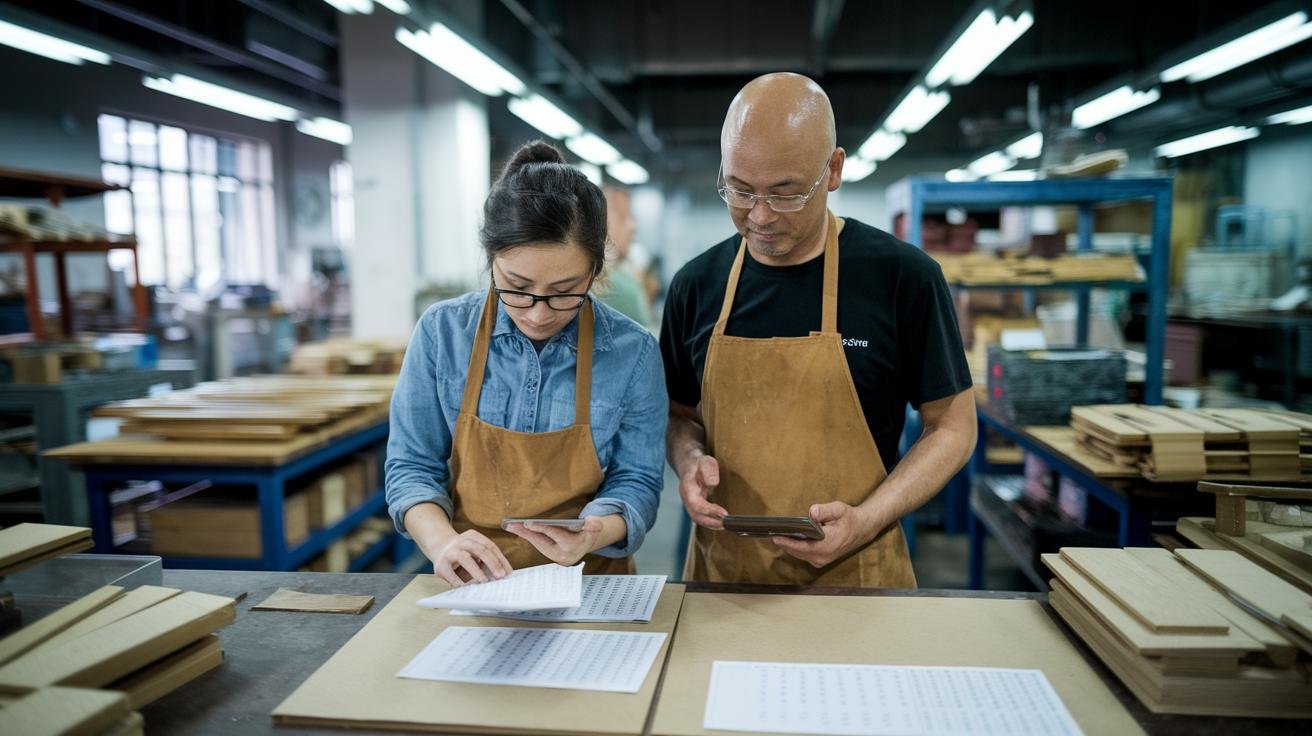
Member-owned co-ops run on simple democratic rules: one member, one vote. They elect a board and set up working committees for production, marketing, and finances. It’s hands-on and shared, people rotate leadership, pitch in on projects, and make big calls together.
Members vote on pricing, shop policies, and what to do with profits. Some get patronage refunds; others agree to reinvest earnings back into the co-op. Transparency matters, regular meetings, open books, and easy-to-follow bylaws build trust, you know? Good money habits look like pooled startup funds, a small reserve for slow months, and group decisions about spending – new kilns, digital tools, or training.
Across Taiwan, co-ops link up into federations for more reach. These networks buy materials in bulk, run joint stalls at festivals, and lobby local governments together. They also host peer exchanges so, for example, a potter from Hualien (a county on Taiwan’s east coast) can teach glazing to a weaver in Nantou (a county in central Taiwan), while someone with social-enterprise know-how shows online-marketing shortcuts, I guess. Shared services like warehouse space, legal advice, and small subsidies cut costs, and the network can jump in with cross-promotion or temporary orders when a market dips.
Clear rules, pooled finances, and active member participation build resilience. Members solve problems together, shift production when demand changes, and plan for the long term so craft and income keep going even when sales slow. Better succession planning and calmer conflict resolution follow. It feels steady, like wrapping your hands around a warm cup of tea at a night market, and knowing the next person has your back.
Market Access Challenges and Capacity Building for Taiwan Artisan Cooperatives
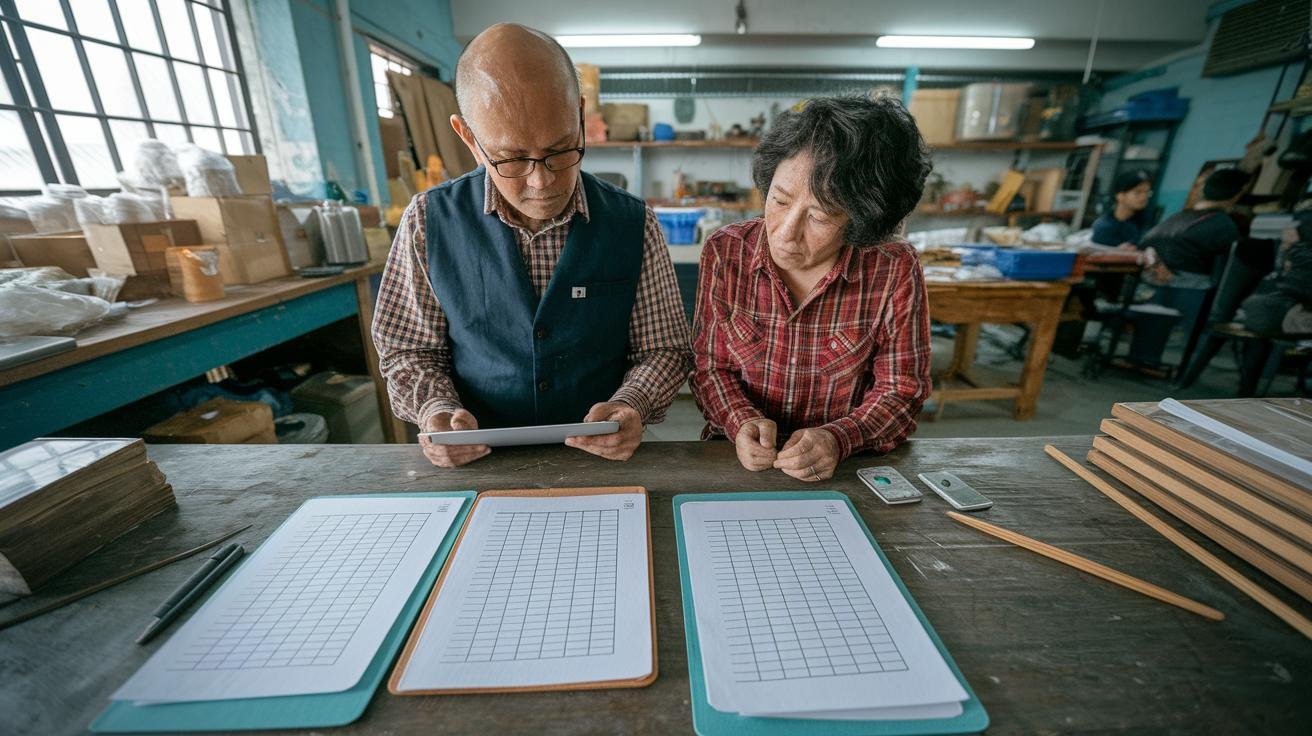
Co-op makers are brilliant at craft, but getting their goods into bigger markets is tough. Most sell at local night markets or weekend bazaars under the neon glow of Taipei’s stalls, and that’s lovely, but it doesn’t always pay the bills. Cheap, mass-produced items often undercut handmade prices, and without digital know-how, many artisans miss out on online marketplaces where steady sales live.
• Limited export channels
• Competing industrial products
• Digital literacy gaps
• Insufficient business training
• High membership buy-in costs
• Complex regulatory compliance
So what’s holding folks back? Upfront costs are a big one. Kilns, looms, and shared workspace fees can feel impossible when orders are hit-or-miss. Then there’s the paperwork and regulations, shipping rules, labeling, certifications, that trip people up. Add in a lack of simple business skills, and talented makers get stuck making beautiful things that don’t move beyond their neighborhood stalls.
Capacity-building programs are stepping in like helpful neighbors. Microfinance options offer small, low-interest loans or staggered buy-in plans so artisans can afford equipment without selling off precious time or cutting corners on their craft. These are tiny changes that make a huge difference.
Training focuses on the practical stuff you actually need. Folks learn to photograph products so the colors pop on a phone screen, write short product stories that feel human, and run basic ads on marketplace sites. It’s kind of like learning to package a memory, clean photos, a small story, and clear pricing.
Incubators host bootcamps and peer exchanges where older artisans coach younger ones on technique, and business mentors teach pricing, bookkeeping, and compliance basics. Shared e-commerce hubs and pop-up market partnerships give co-ops ready-made shopfronts without huge overhead. Think of a pop-up as a tasting table for your work, people try, then they buy.
Together, these supports help co-ops move from weekend stalls to steady online orders and healthier cash flow. Crafts keep getting made, sold, and loved. You know, I once watched a maker pack a handwoven tote, the fabric warm from the loom, and felt sure this kind of support would let that tote find a home across the ocean.
Best Practices and Strategic Recommendations for Taiwan Artisan Cooperatives’ Local Impact
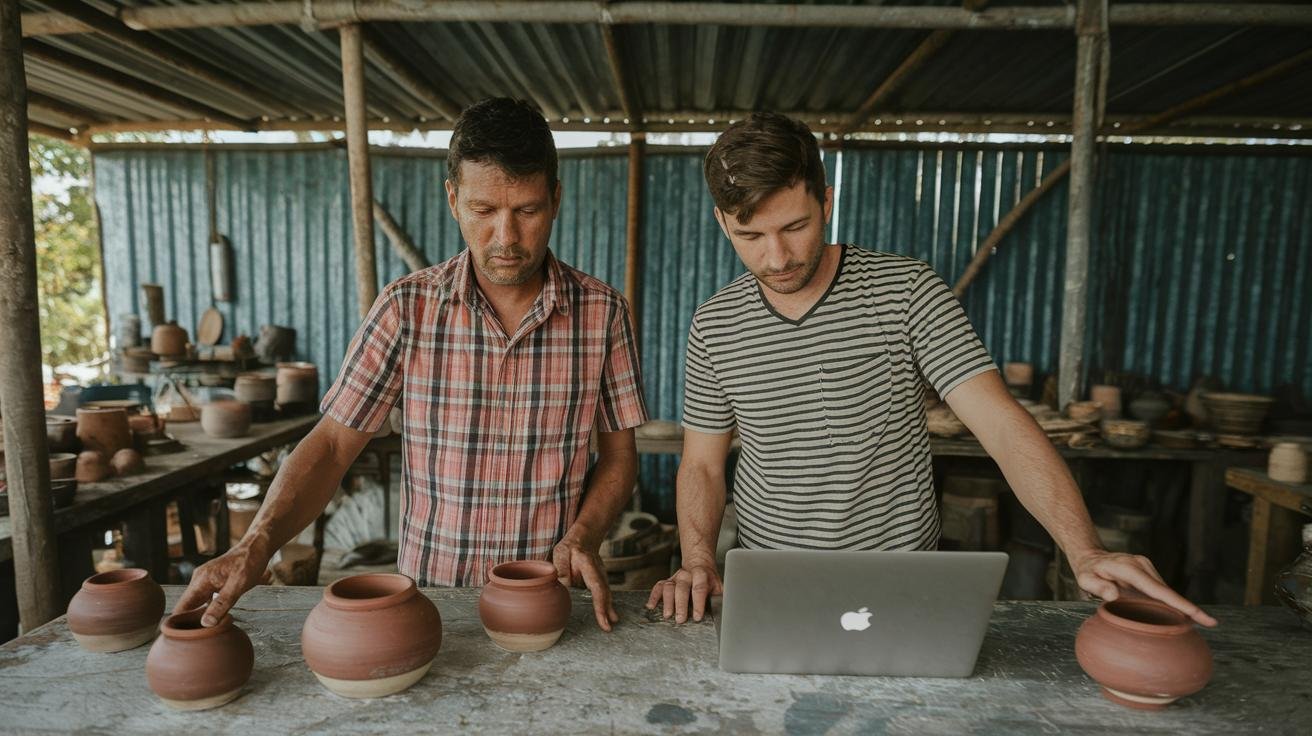
Keep the frame short and simple: tie craft skills to steady markets and useful community services, and lock in funding that lasts beyond a single festival or season. Think steady cash flow, shared tools, and training that actually sticks, so makers can breathe and grow, a little at a time. Picture the neon hum of a night market and the cool mist off Sun Moon Lake guiding a steady stream of visitors to studio doors.
Priority actions (3–5, clear and practical):
-
Secure multi-year grants with matching rules
Aim for public grants that run 2–3 years so co-ops can plan apprenticeships, buy equipment, and weather slow months without patching together short-term money. Matching rules mean everyone has skin in the game, sales, small loans, or in-kind labor can cover the match.
Example: Grant + matching revenue model , "A 3-year government grant covers 70% of startup costs; the cooperative matches 30% via sales, small loans, or in-kind labor." -
Set up shared e-commerce hubs and photo studios
One central storefront, a common product photography station, and pooled shipping cut costs and speed up listings. That way makers stay in their studios, not stuck packing orders all day.
Example: Hub governance model , "A 7-member board (2 artisans, 2 local government reps, 1 market manager, 2 community reps) sets fees, quality standards, and a rotating schedule for studio use." -
Run digital-literacy pilots for makers
Short, hands-on cohorts (8–12 weeks) focused on product photos, quick product stories, and pricing for international shipping turn curiosity into sales. Keep sessions practical and image-heavy, people remember pictures.
Quick product caption starter: "Hand-embroidered tea towel , the soft linen smells faintly of mountain mist (think Sun Moon Lake mornings) and morning markets." -
Launch small export trials with a few lead makers
Start with sample boxes for niche buyers, one regional trade fair, or a paired retailer trial. Track orders, shipping hiccups, and buyer feedback before you scale, learn fast, then grow. -
Build cultural-tourism partnerships that sell experiences
Link studio visits, hands-on workshops, and stays at guesthouses so visitors not only buy but also spend a night or two in town. That extra evening can turn a one-time buyer into a regular supporter of the craft scene.
Implementation phases and KPIs (review every six months)
| Phase | Timeline | Core actions | KPIs | 6-month review point |
|---|---|---|---|---|
| Phase 1 – Foundation | 0-6 months | Map skills and equipment; secure a pilot grant; recruit first trainees | Sales growth +5%, trainees trained = 20, listings = 50 | Is grant disbursement on track? What’s trainee retention? |
| Phase 2 – Pilots | 6-18 months | Launch e-commerce hub; run digital cohorts; start export sample trials | Sales growth +15%, export orders = 5, active hub sellers = 12 | Hub usage rate; export sample conversion |
| Phase 3 – Scale | 18-36 months | Link cultural-tourism packages; expand grant matches; formalize hub operations | Sales growth +30%, trainees cumulative = 75, export orders = 25 | Number of repeat buyers; overnight stays tied to craft experiences |
Two quick operational steps to make this actionable:
- Start a small ring-fenced fund inside the grant that covers the hub manager’s first 12 months, with performance-based top-ups. That gives the hub breathing room to find its rhythm.
- Create a simple hub operating manual: membership fees, a basic quality checklist, a booking calendar, and a quarterly community review meeting, keeps things fair, clear, and practical.
Small note: when pilots feel messy, that’s okay. You’ll tweak as you go, and the best lessons come from real orders and real visitors.
Final Words
In the action, we've shown how cooperatives lift household incomes by 15–30%, keep pottery, weaving, and wood carving alive, strengthen social bonds through shared decision-making, and shrink carbon footprints with low-waste methods.
We've traced policy support and incubators, shared Nantou and Hualien stories, and explained governance, market gaps, and clear best practices for scaling.
All these parts come together to shape the impact of taiwan artisan cooperatives on local communities, building more resilient livelihoods and proud, living traditions, bright and hopeful, you know?
FAQ
Frequently Asked Questions
What are the multi-dimensional impacts of Taiwan artisan cooperatives on local communities?
How do cooperatives boost local incomes and economic growth?
How do cooperatives help preserve traditional crafts and cultural identity?
How do cooperatives strengthen social cohesion and democratic governance?
How do cooperatives reduce environmental impact and promote sustainability?
What policy supports and institutions back Taiwan artisan cooperatives?
What governance models do successful cooperatives use?
What market access and financing challenges do cooperatives face?
What capacity building and support programs help cooperatives grow?
What best practices help Taiwan artisan cooperatives increase local impact?
How can an artisan join or start a cooperative?

Grab a Free Taiwan Sticker!
Drop your email and we’ll send you a limited-edition Taiwan sticker — plus insider access to new merch drops and island vibes.
No spam. Unsubscribe anytime.