Taiwan KTV: Why Karaoke Culture Hits Different on the Island
If you’ve never belted out a Jay Chou ballad in a neon-lit private room at 2 AM while your friends wave tambourines and order fried chicken from a touch-screen menu — you haven’t truly experienced Taiwan.
Welcome to KTV, Taiwan’s beloved karaoke culture. And trust us, it’s nothing like the awkward bar karaoke you might be picturing.
What Exactly Is KTV?
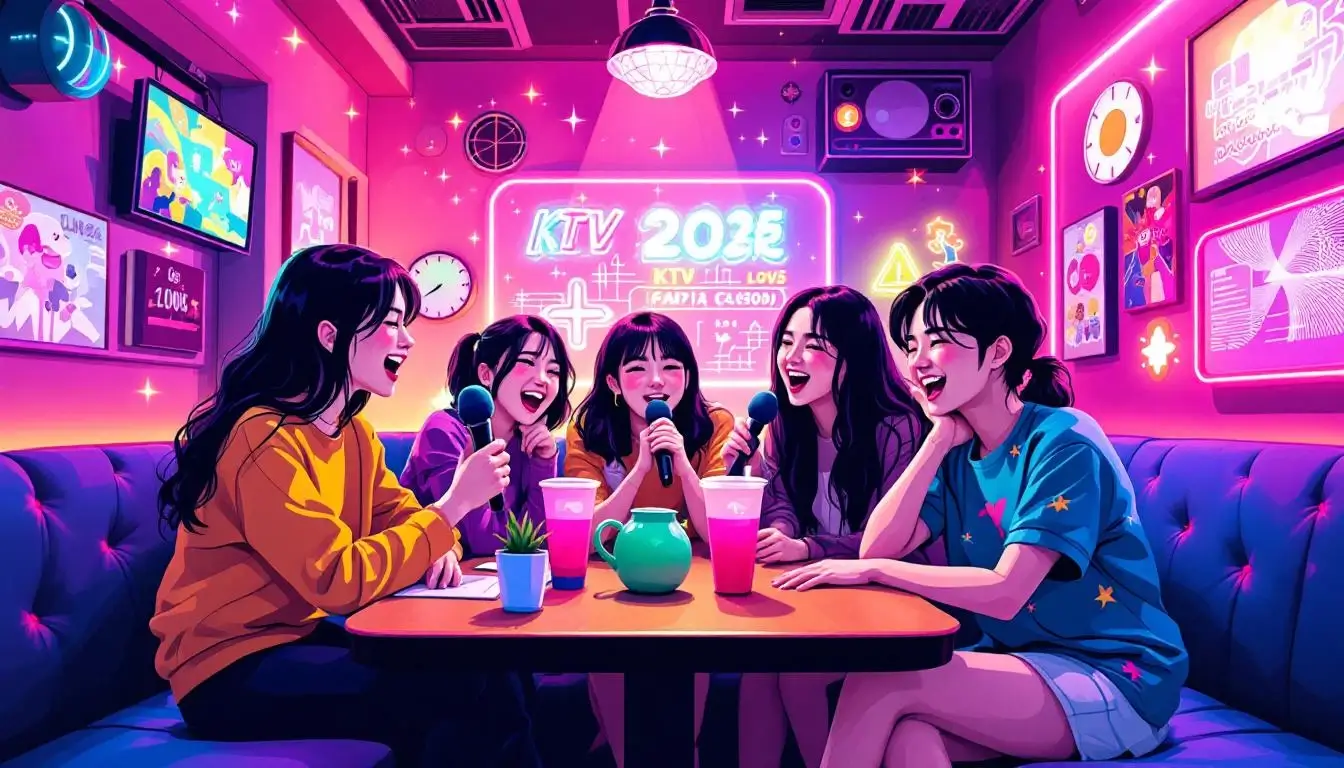
KTV stands for “Karaoke Television” — and in Taiwan, it’s practically a national pastime. Unlike Western-style karaoke bars where you sing in front of strangers (terrifying), Taiwanese KTV gives you and your crew a private room. Your own space, your own song queue, your own vibe.
The biggest KTV chains — Holiday KTV (好樂迪) and Cashbox Party World (錢櫃) — are massive multi-story complexes with rooms ranging from cozy 4-person booths to party suites that fit 30+. Most rooms come with disco lights, tambourines, maracas, and a high-tech touchscreen system with tens of thousands of songs in Mandarin, Hokkien, Japanese, Korean, and English.
It’s Not Just Singing — It’s a Full Experience
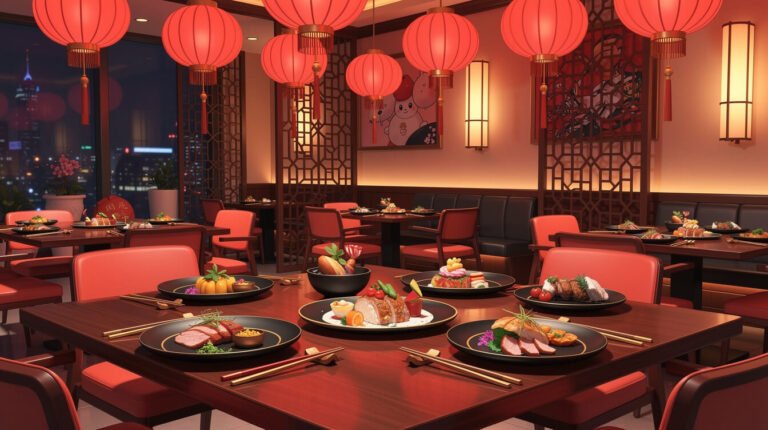
Here’s what makes Taiwan KTV special: the food. Most KTV joints offer all-you-can-eat buffets included in your hourly rate. We’re talking fried rice, dumplings, fresh fruit, soft-serve ice cream, and unlimited drinks. Some locations even have sushi bars and hot pot stations.
Prices are surprisingly reasonable too. Weekday afternoon sessions can run as low as NT$200-300 per person (about $6-10 USD) for three hours — buffet included. Weekend evenings are pricier, but still a bargain for hours of entertainment plus dinner.
The Unwritten Rules of Taiwan KTV
Every KTV regular knows the drill:
- Queue etiquette is sacred. Don’t hog the mic — add your songs to the queue and wait your turn. Cutting the line is a cardinal sin.
- Duets build friendships. Nothing bonds people faster than a dramatic rendition of “屋頂” (Rooftop) by Jay Chou and Jolin Tsai.
- The tambourine is mandatory. Even if you can’t sing, you can shake a tambourine. No one sits out at KTV.
- Late-night rates are the move. Many KTVs offer deep discounts after midnight — perfect for night owls coming from the night markets.
Why KTV Matters in Taiwanese Culture
KTV isn’t just entertainment — it’s how Taiwan socializes. Birthday parties, work celebrations, first dates, breakups, reunions — there’s a KTV session for every life event. It’s where teenagers hang out after school, where office workers blow off steam, and where grandparents sing classic Hokkien love songs on weekday mornings (yes, senior KTV sessions are a thing, and they’re wholesome).
It’s also deeply tied to Taiwan’s incredible music and pop culture scene. Mandopop legends like Jay Chou, A-Mei, and Mayday became household names partly because their songs became KTV staples. If your song isn’t fun to sing at KTV, good luck topping the charts in Taiwan.
Planning a KTV Night?
If you’re visiting Taiwan, KTV should absolutely be on your list. Most locations are open until the early morning hours, English song selections are surprisingly extensive, and the whole experience is pure joy — even if you can’t carry a tune.
Pro tip: Go on a weekday afternoon for the best rates, and don’t skip the buffet. Your throat will thank you for the warm tea between power ballads.
Grab a Free Taiwan Sticker!
Drop your email and we’ll send you a limited-edition Taiwan sticker — plus insider access to new merch drops and island vibes.
No spam. Unsubscribe anytime.