Taiwan Culture: The Complete Guide to Understanding the Heart and Soul of Formosa
Taiwan culture is one of the most fascinating, layered, and joyful cultural tapestries in all of Asia — yet it remains wildly underappreciated by much of the world. This island of 23 million people has woven together indigenous Austronesian roots, centuries of Chinese heritage, fifty years of Japanese colonial influence, and a thoroughly modern creative spirit into something that feels entirely its own.
Whether you’re planning your first visit, tracing your Taiwanese heritage, or simply curious about what makes this island tick, this guide covers everything you need to know about Taiwan culture — from the incense-filled temples and raucous night markets to the booming pop music scene and world-class tech industry. Let’s dive in.
What Makes Taiwan Culture So Unique?
To understand Taiwan culture, you have to understand its extraordinary position at the crossroads of civilizations. Unlike mainland China — where the Cultural Revolution systematically dismantled centuries of tradition — Taiwan preserved and continued evolving its cultural heritage without interruption. The result? An island that’s sometimes described as “more Chinese than China” while simultaneously being something entirely different.
Taiwan’s cultural DNA is a blend of at least four major influences:
- Indigenous Austronesian heritage — Taiwan’s 16 officially recognized indigenous peoples have roots stretching back over 6,000 years, making them among the oldest cultures in the Pacific region. Their music, weaving traditions, and harvest festivals remain vibrant today.
- Han Chinese traditions — Hoklo (Minnan) and Hakka settlers brought Buddhism, Taoism, Confucian values, and a rich food culture that forms the backbone of everyday Taiwanese life.
- Japanese colonial legacy (1895–1945) — Fifty years of Japanese rule left lasting marks on Taiwan’s architecture, education system, baseball obsession, and even its love of hot springs and convenience stores.
- Western and global influences — Postwar American influence, combined with Taiwan’s outward-looking tech economy, created a society that embraces global trends while fiercely protecting local identity.
This blending is what makes Taiwan culture feel so dynamic. You’ll find a Taoist temple next to a Japanese-era wooden house across the street from a bubble tea shop blasting K-pop — and none of it feels contradictory. It’s just Taiwan.
The island also benefits from something intangible: a deep culture of kindness. Taiwanese people consistently rank among the friendliest in Asia, and visitors routinely cite the warmth and helpfulness of locals as their strongest impression. That human warmth isn’t an accident — it’s rooted in Confucian values of hospitality and community that permeate daily life.
Religion, Temples, and the Spiritual Heart of Taiwan
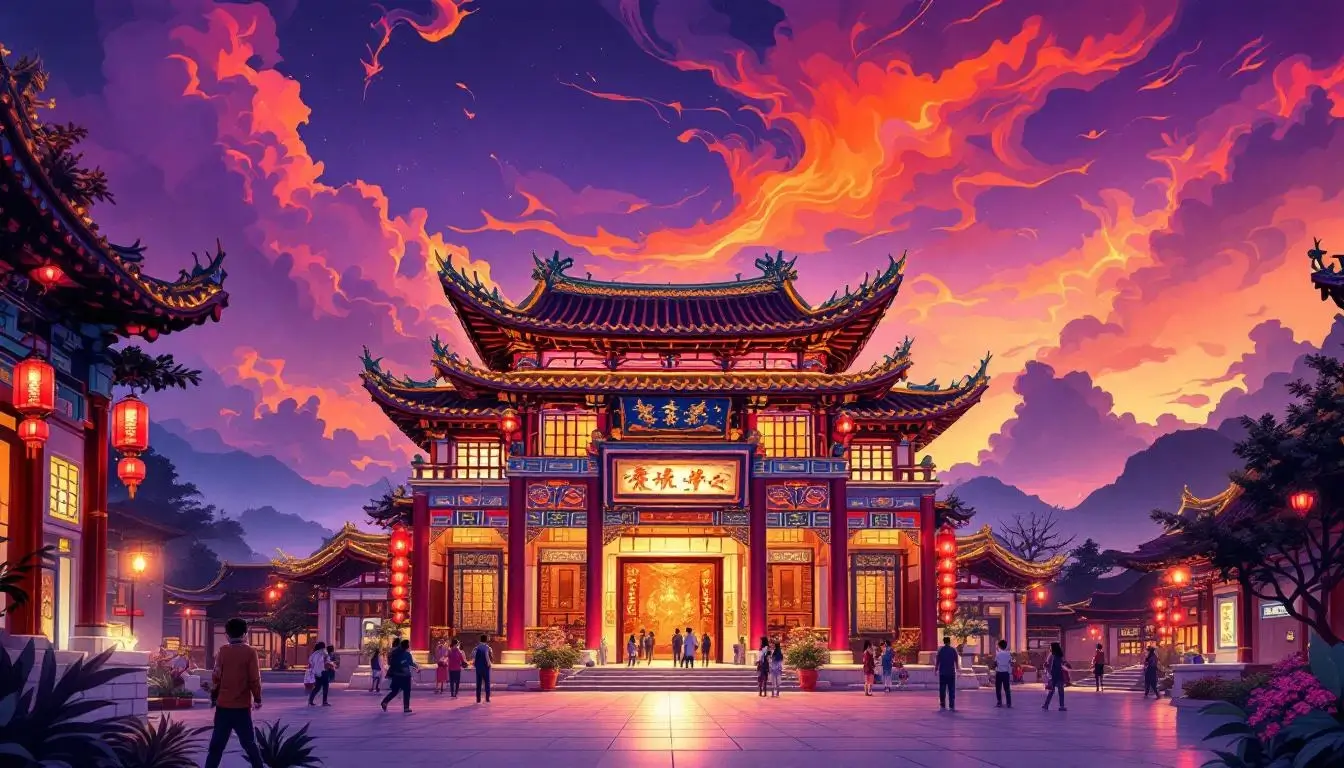
Walk through any Taiwanese city and you’ll notice something immediately: temples are everywhere. Taiwan has over 12,000 registered temples — roughly one for every 1,900 people — and they’re not dusty relics. They’re living, breathing community centers where people come to pray, socialize, celebrate festivals, and seek guidance on everything from business deals to marriage prospects.
Taiwanese spirituality is beautifully syncretic. Most people practice a fluid blend of Buddhism, Taoism, and folk religion without seeing any contradiction between them. You might see someone burn incense at a Buddhist altar, consult Taoist fortune sticks (筊杯, jiǎo bēi), and make offerings to local folk deities all in the same temple visit. For a deeper dive into this world, check out our guide to Taiwan’s temple culture.
Major Festivals That Define the Calendar
Taiwan’s festival calendar is packed with celebrations that showcase the island’s spiritual and cultural life:
- Lunar New Year (春節) — The biggest holiday of the year. Families reunite, temples overflow with worshippers, and red envelopes (紅包) filled with cash change hands. The celebrations last roughly two weeks, with fireworks, lion dances, and enough food to feed a small nation.
- Lantern Festival (元宵節) — The spectacular close to New Year festivities. The Pingxi Sky Lantern Festival, where thousands of glowing paper lanterns float into the night sky, has become one of Taiwan’s most iconic images.
- Ghost Month (鬼月) — Every seventh lunar month, Taiwanese believe the gates of the underworld open. Elaborate offerings of food, paper money, and even paper smartphones are burned to appease wandering spirits. It’s spooky, fascinating, and uniquely Taiwanese.
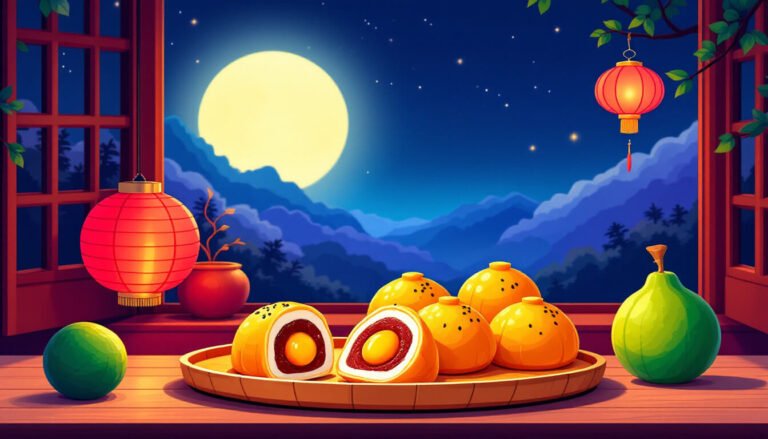
- Mid-Autumn Festival (中秋節) — Taiwan puts its own spin on this pan-Chinese holiday with massive outdoor barbecues. The entire island essentially becomes one giant cookout.
- Dragon Boat Festival (端午節) — Featuring exciting boat races and the consumption of zòngzi (sticky rice wrapped in bamboo leaves), this festival honors the ancient poet Qu Yuan.
What makes Taiwan’s festival culture special isn’t just the events themselves — it’s the accessibility. Unlike many countries where traditions have become tourist spectacles, in Taiwan you can wander into almost any temple festival and be welcomed as a participant, not just an observer.
Taiwan Food Culture: A Delicious National Identity
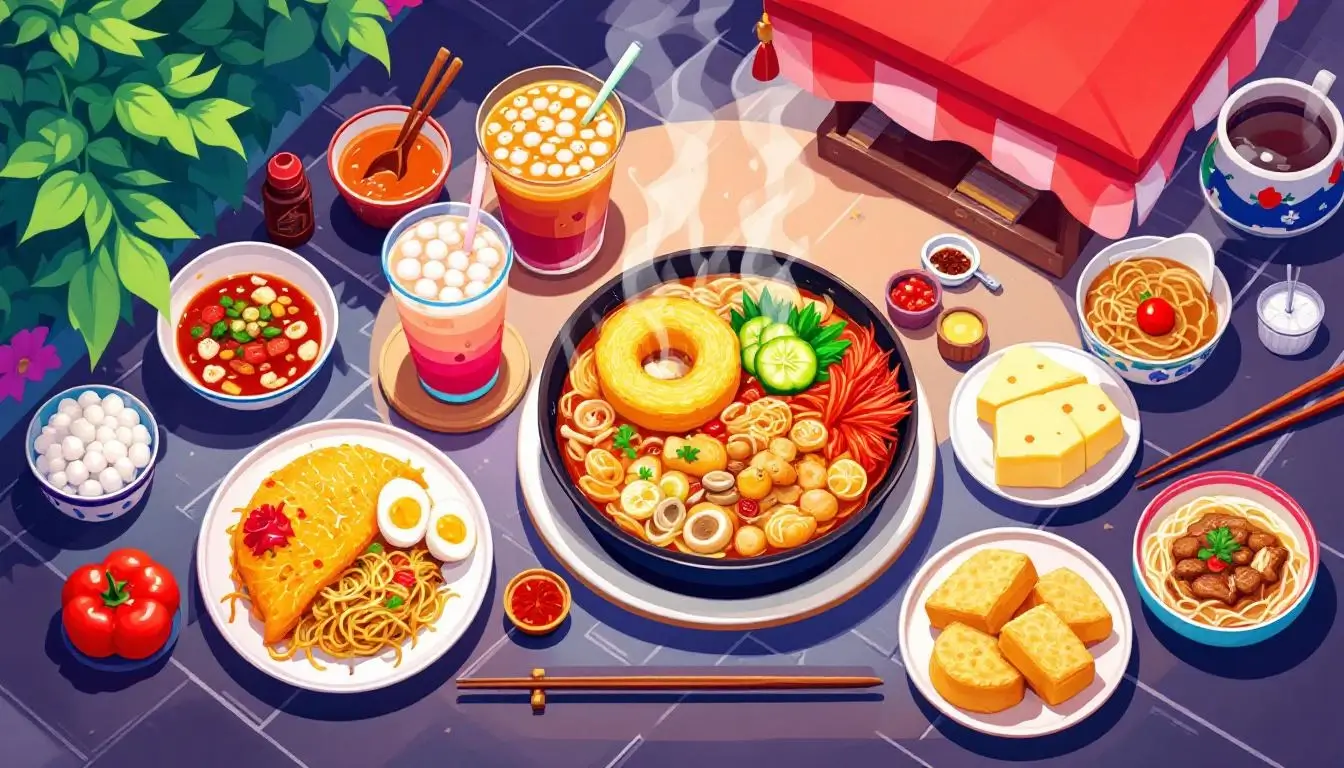
If Taiwan culture had a universal language, it would be food. Eating isn’t just sustenance here — it’s social glue, cultural expression, and national pride all rolled into one. The standard Taiwanese greeting isn’t “How are you?” but “Have you eaten?” (你吃飽了嗎?), which tells you everything about where food sits in the cultural hierarchy.
Taiwan’s food culture draws from Hokkien, Hakka, indigenous, Japanese, and mainland Chinese cuisines, then adds its own innovations. The result is a food scene that punches absurdly above its weight for a country its size.
Night Market Culture
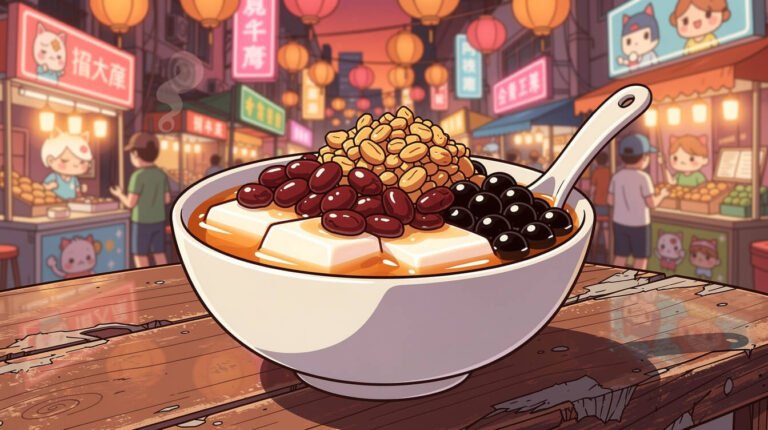
Night markets are the beating heart of Taiwanese food culture. Every city and most small towns have at least one, and they’re where Taiwan’s street food genius is on full display. From stinky tofu (臭豆腐) to oyster omelets (蚵仔煎) to pepper buns (胡椒餅), the variety is staggering. For the essential dishes you need to try, see our complete guide to Taiwan night market food.
Tea Culture
Taiwan produces some of the world’s finest oolong tea, and the tea ceremony tradition remains an important cultural practice. High-mountain oolongs from Ali Shan and Lishan are prized globally, and traditional tea houses offer a meditative counterpoint to the island’s frenetic street food scene. Our deep dive into Taiwan tea culture covers the fascinating history and regional varieties.
The Bubble Tea Revolution
Taiwan’s most famous culinary export was born in Taichung in the 1980s when someone had the genius idea of adding tapioca pearls to iced milk tea. Bubble tea (珍珠奶茶) has since conquered the planet, spawning a multi-billion-dollar global industry — but there’s nothing quite like drinking the original in the country where it all started.
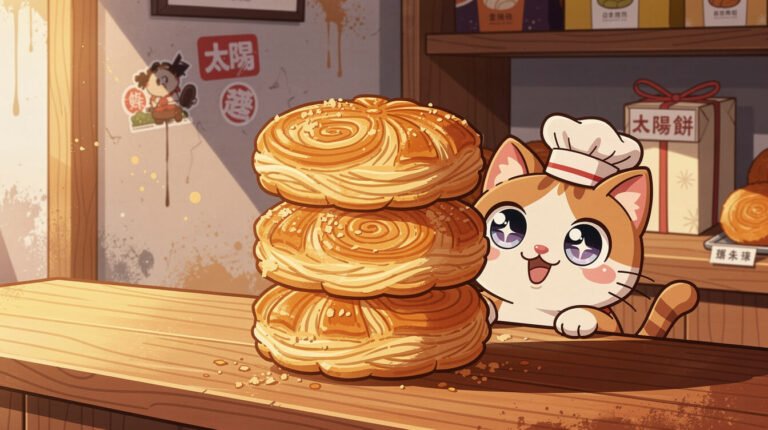
And let’s not forget Taiwan’s famous pineapple cakes — the ultimate souvenir and a pastry tradition with surprising cultural depth.
Family Values and Social Life in Taiwan
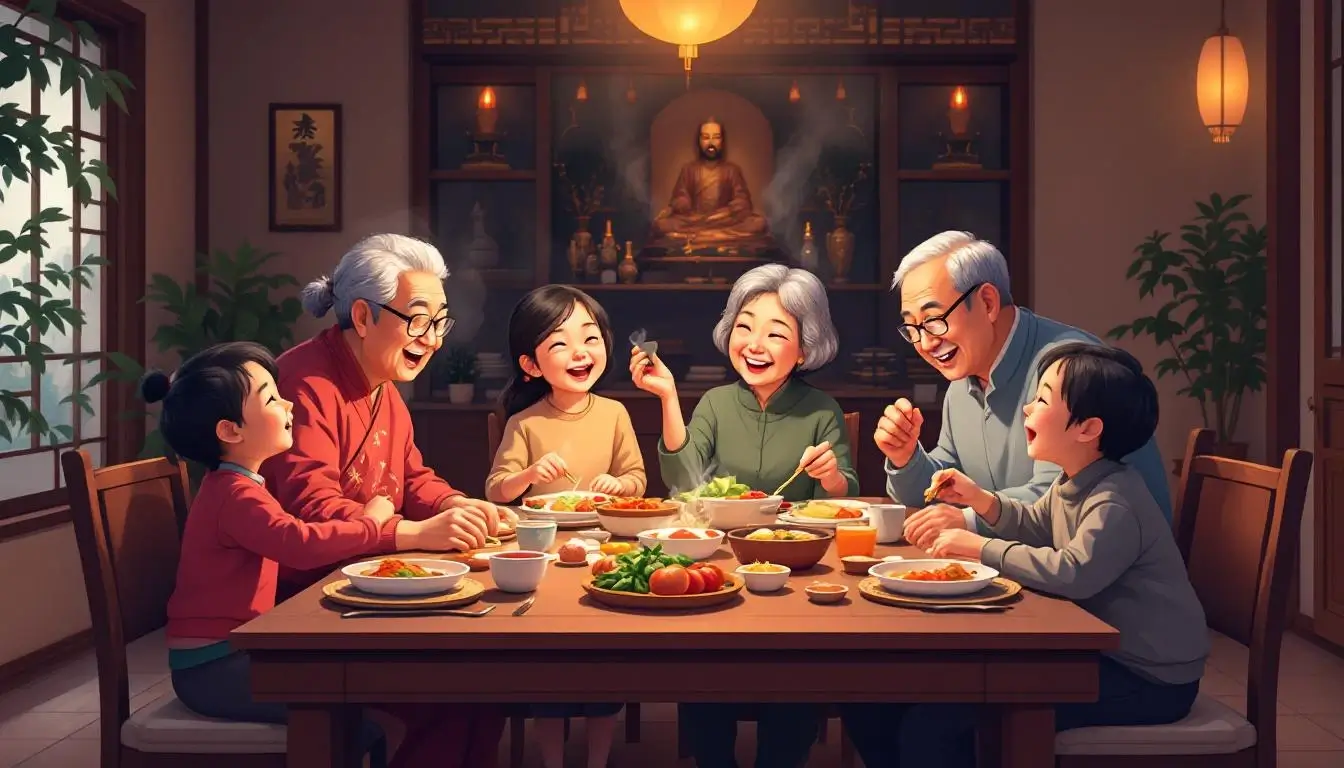
Family is the foundation of Taiwan culture. Confucian values of filial piety (孝, xiào) run deep, shaping everything from career decisions to living arrangements. It’s still common for three generations to live under one roof, especially in rural areas, and adult children maintain much closer relationships with their parents than is typical in Western cultures.
The Role of Elders
Respect for elders isn’t just polite — it’s structural. Taiwanese language has specific terms for every family relationship that encode age hierarchy. You don’t just have “cousins” — you have eight different words depending on whether they’re older or younger, maternal or paternal side. This linguistic precision reflects how seriously family structure is taken.
Ancestor worship remains a core practice for many families. Homes typically have a small altar where offerings of fruit, incense, and sometimes favorite foods of deceased relatives are placed. During Tomb Sweeping Day (清明節) in spring, entire families visit ancestral graves to clean, make offerings, and pay respects.
Modern Shifts
Taiwan is also experiencing rapid social change. Declining birth rates, rising housing costs in cities like Taipei, and shifting attitudes toward marriage mean the traditional family structure is evolving. In 2019, Taiwan became the first country in Asia to legalize same-sex marriage — a landmark moment that reflected both progressive values and the Taiwanese talent for balancing tradition with modernity.
If you’re planning to visit and want to navigate social situations gracefully, our guide to gifts for Taiwanese friends and family covers essential etiquette.
The Gift-Giving Tradition
Taiwanese culture places enormous importance on gift-giving. Bringing gifts when visiting someone’s home is expected, and the choice of gift carries meaning. Avoid clocks (associated with death), white wrapping (funerals), and sets of four (the number sounds like “death” in Chinese). Fruit, quality tea, and imported treats are always safe bets.
Traditional Arts, Crafts, and Performing Arts
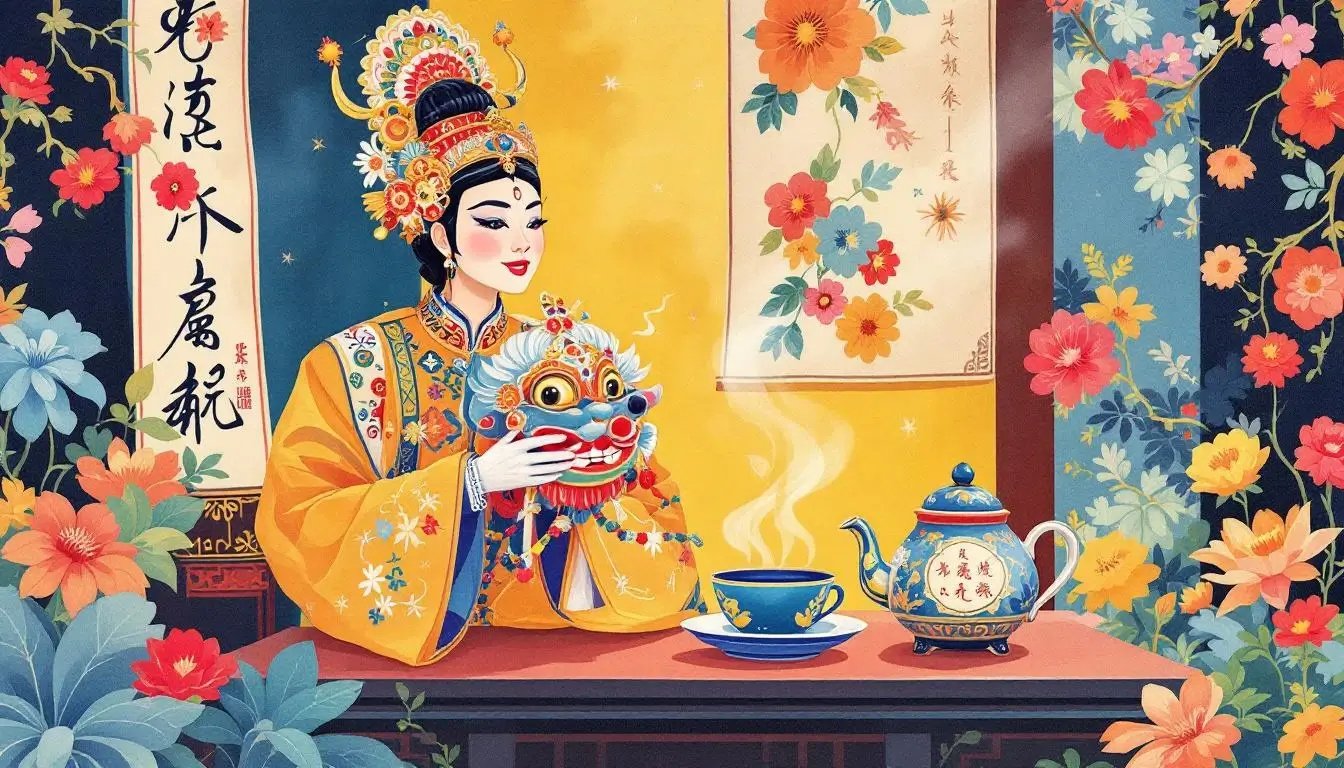
Taiwan is one of the world’s great repositories of traditional Chinese arts — many of which have faded or disappeared on the mainland. Because Taiwan never experienced the Cultural Revolution, art forms stretching back centuries continue to thrive here.
Calligraphy and Visual Arts
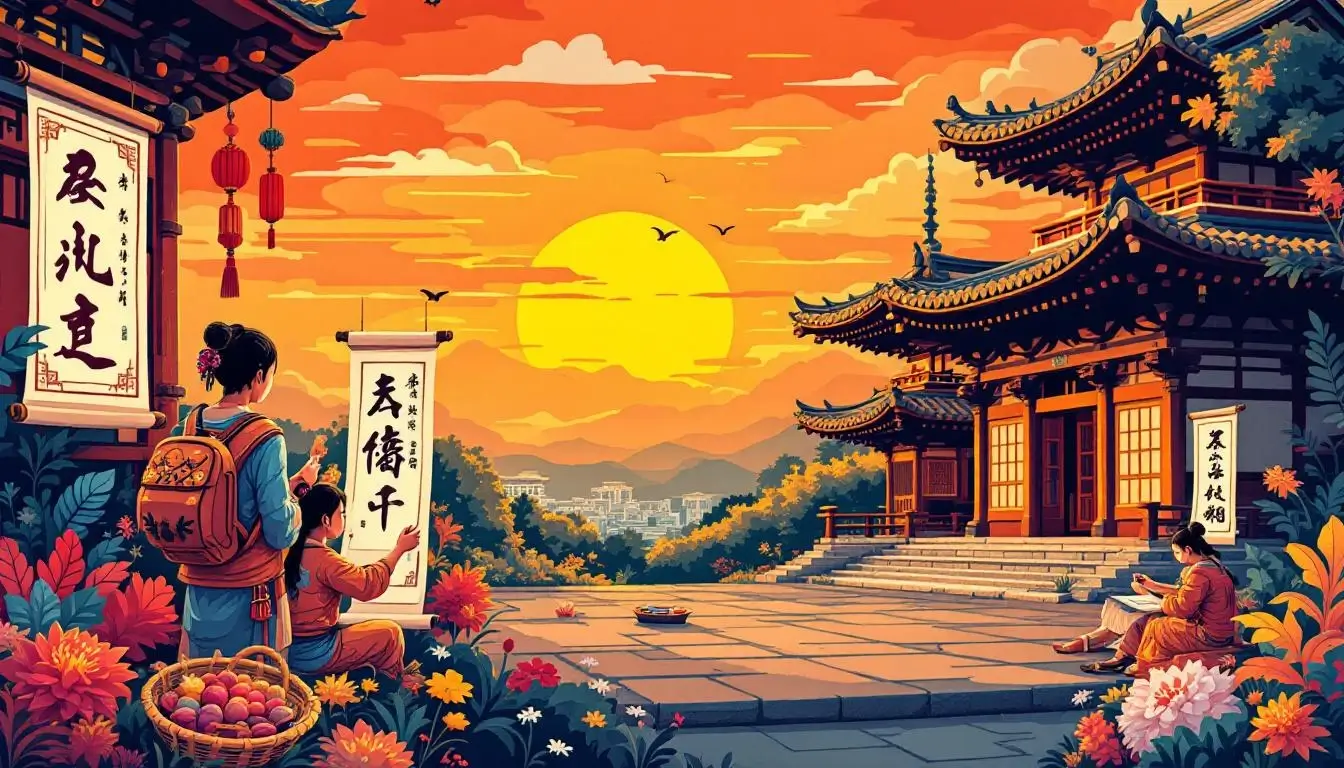
Taiwan is one of the few places still using traditional Chinese characters (繁體字), and calligraphy remains a respected art form taught in schools. The National Palace Museum in Taipei houses one of the largest collections of Chinese art and artifacts in the world — over 700,000 pieces spanning 8,000 years of history.
Taiwanese Opera and Puppetry
Taiwanese opera (歌仔戲, gēzǎixì) blends Hokkien folk songs with theatrical drama and elaborate costumes. You’ll often see performances at temple festivals. Equally captivating is budaixi (布袋戲) — glove puppetry that has evolved from traditional temple entertainment into a pop-culture phenomenon, with the Pili series commanding a massive fan following.
Textile Traditions
From indigenous weaving to the iconic Hakka floral fabric (客家花布), Taiwan’s textile traditions are alive and evolving. The bold peony patterns of Hakka cloth have become a symbol of Taiwanese identity, showing up on everything from fashion accessories to home décor. For the full story, check out our guide to Taiwan traditional clothing. If you love the Hakka aesthetic, our Taiwanese Hakka Floral Pattern Tank Top brings that centuries-old peony design into modern streetwear form.
Ceramics and Craftsmanship
The town of Yingge (鶯歌), just south of Taipei, has been Taiwan’s ceramics capital for over 200 years. Its pottery street is lined with workshops and galleries where you can watch artisans at work and purchase everything from traditional tea sets to contemporary art pieces. Indigenous communities also maintain remarkable woodcarving, beading, and glasswork traditions.
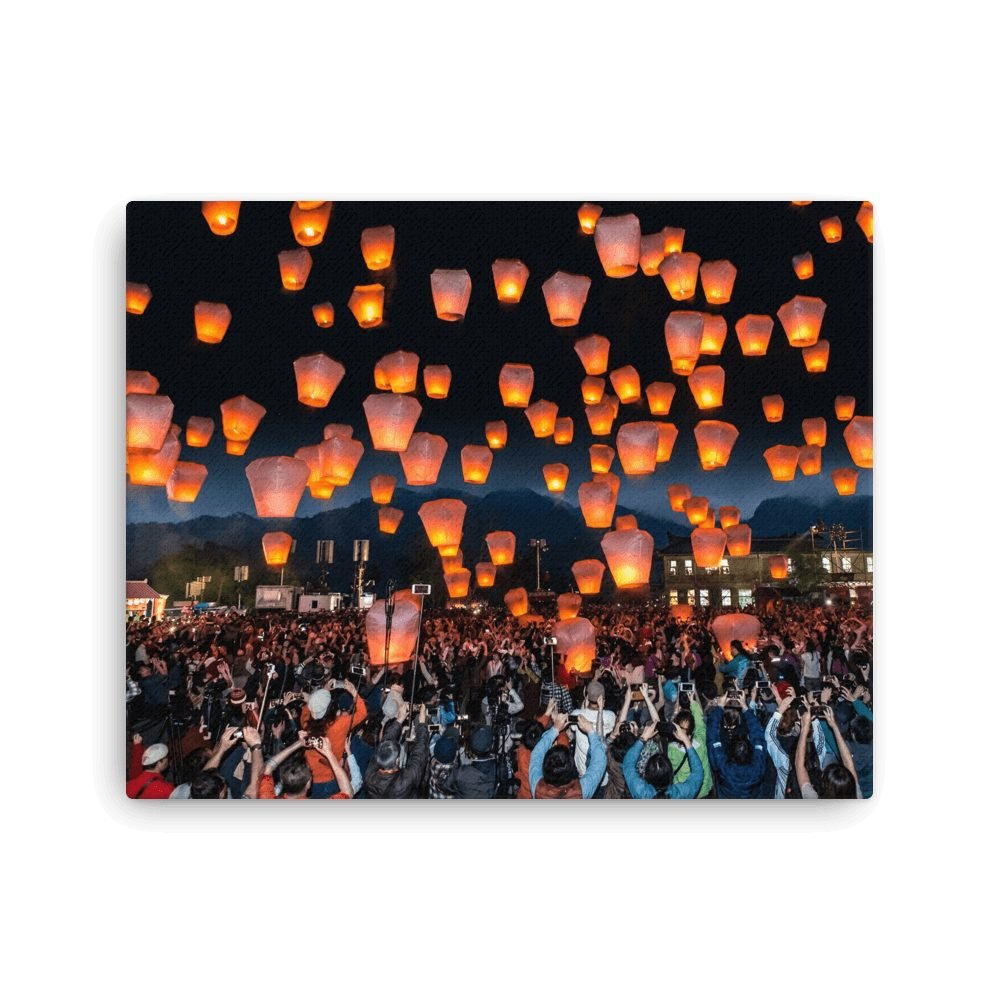
Bring Taiwan’s Magic Home
Hundreds of glowing sky lanterns rising over Pingxi — one of Taiwan’s most breathtaking cultural moments, captured in stunning wall art that transforms any room into a window to Formosa.
Modern Taiwan Culture: Pop, Tech, and Creative Energy
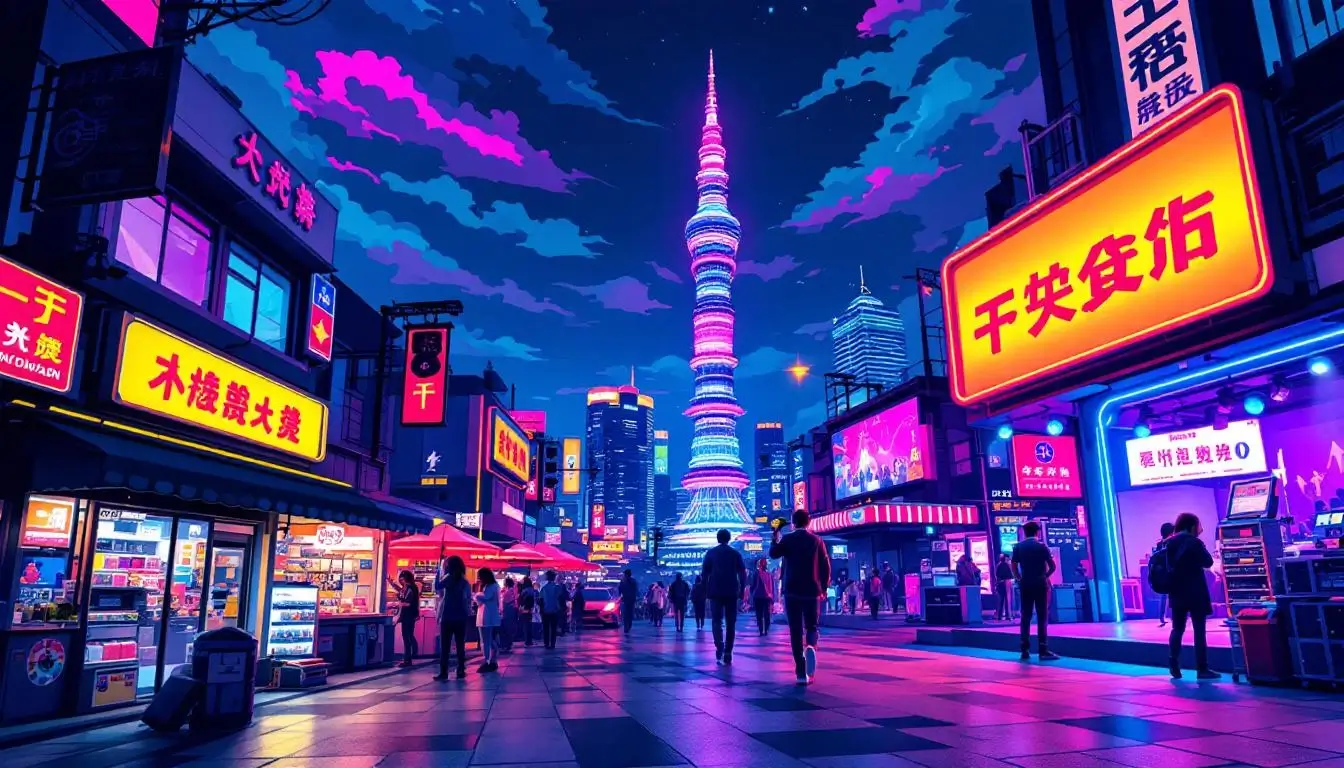
Taiwan culture isn’t all temples and traditions — the island has an electrifying modern creative scene that’s increasingly influential across Asia and beyond.
Mandopop and Entertainment
Taiwan is the historic center of Mandarin pop music (Mandopop). Artists like Jay Chou, Jolin Tsai, and A-Mei helped define the genre that dominates Chinese-language entertainment worldwide. Taiwan’s music industry continues to produce chart-toppers, and the Golden Melody Awards (金曲獎) are considered the Grammy Awards of the Chinese-speaking world.
Taiwanese cinema has also gained global recognition. Directors like Ang Lee (Life of Pi, Brokeback Mountain), Hou Hsiao-hsien, and Edward Yang have earned international acclaim, while the domestic film industry explores themes from indigenous identity to urban alienation.
Convenience Store Culture
With over 13,000 convenience stores — the highest density in the world — Taiwan has turned the humble kombini into a cultural institution. You can pay bills, pick up concert tickets, receive packages, and eat surprisingly good meals all at your local 7-Eleven or FamilyMart. It’s such a uniquely Taiwanese phenomenon that we wrote an entire guide to Taiwan convenience store culture.
Tech and Innovation
Taiwan is a global tech powerhouse. TSMC (Taiwan Semiconductor Manufacturing Company) produces the majority of the world’s advanced chips. The tech industry has created a culture of innovation that spills into everything from smart city infrastructure to creative startups. Taipei’s tech-savvy population embraces digital payment, smart transit, and the latest gadgets with an enthusiasm that rivals Silicon Valley.
The Hot Springs Tradition
A legacy of both volcanic geology and Japanese colonial influence, Taiwan’s hot spring culture is a beloved part of modern life. Beitou, just north of Taipei, offers world-class onsen experiences, while the east coast town of Jiaoxi and the southern Guanziling mud springs offer completely different soaking experiences.
Wondering when to experience all this? Our month-by-month Taiwan travel guide breaks down the best seasons for every type of cultural experience.
Taiwan Culture FAQ: Everything Visitors Want to Know
What language do people speak in Taiwan?
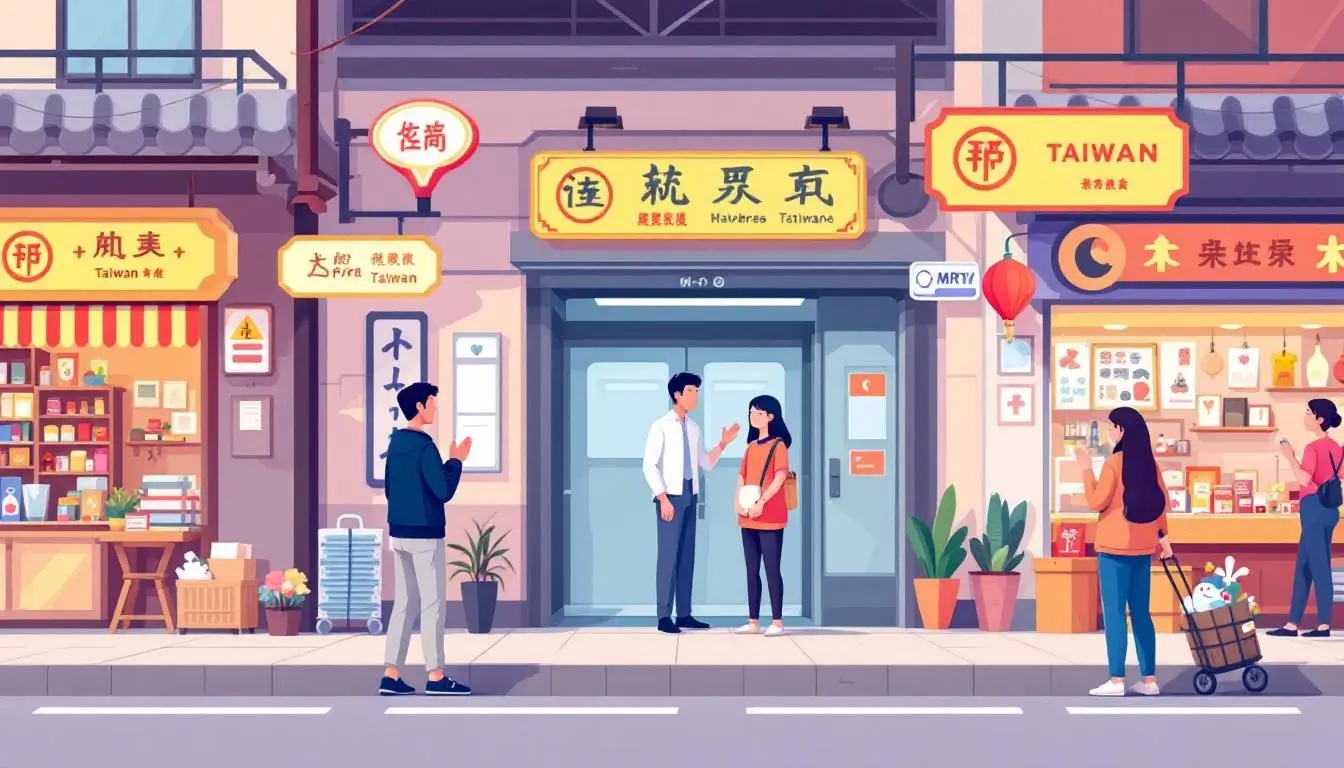
Mandarin Chinese is the official language, but you’ll also hear Taiwanese Hokkien (台語), Hakka, and various indigenous languages. Younger generations in cities often speak some English, especially in Taipei. Signs in the MRT system and major tourist areas are bilingual.
Is Taiwan culture the same as Chinese culture?
Taiwan and mainland China share historical roots, but decades of separate development have created distinct cultures. Taiwan preserved traditional practices lost during China’s Cultural Revolution, incorporated Japanese and Western influences, and developed its own democratic, open society. Most Taiwanese identify primarily as Taiwanese rather than Chinese.
What are the biggest cultural taboos in Taiwan?
Avoid sticking chopsticks upright in rice (resembles funeral incense), gifting clocks or white flowers (death associations), writing names in red ink (traditionally reserved for the deceased), and the number four (sounds like “death”). During Ghost Month (lunar July), many people avoid swimming, moving house, or getting married.
How should I greet people in Taiwan?
A slight nod or small bow is standard. Handshakes are common in business settings. Use titles (先生 for Mr., 小姐 for Ms.) until invited to use first names. The greeting “你好” (nǐ hǎo) works everywhere, and adding “請問” (qǐngwèn, “may I ask”) before questions shows politeness that locals appreciate.
Is tipping expected in Taiwan?
No. Tipping is not customary and can sometimes cause confusion. Restaurants include a 10% service charge in the bill at upscale establishments. Simply enjoy the excellent service — it’s considered part of the job, not something that requires extra payment.
What makes Taiwanese people so friendly?
Confucian values of hospitality, a culture that emphasizes “face” (面子) and social harmony, and a genuine pride in sharing their island with visitors all contribute. Don’t be surprised if a stranger helps you navigate the MRT, a shop owner offers you tea, or someone walks you to your destination instead of just pointing.
Final Thoughts: Why Taiwan Culture Deserves Your Attention
Taiwan culture is proof that a small island can contain multitudes. In a world where globalization often flattens cultural differences, Taiwan has managed to preserve ancient traditions while building one of Asia’s most progressive, creative, and welcoming societies.
Whether you’re drawn to the smoky incense of a 300-year-old temple, the electric energy of a Taipei night market at midnight, the quiet beauty of a high-mountain tea ceremony, or the cutting-edge innovations of its tech industry — Taiwan offers cultural experiences that are both deeply rooted and refreshingly modern.
The best part? Taiwan culture isn’t something you observe from behind a rope. It’s something you participate in. Every temple is open, every night market welcomes you, every local has a food recommendation, and every experience feels genuine. That’s the real magic of Formosa.
Grab a Free Taiwan Sticker!
Drop your email and we’ll send you a limited-edition Taiwan sticker — plus insider access to new merch drops and island vibes.
No spam. Unsubscribe anytime.