Taipei Map Guide: Every District, MRT Line & Hidden Gem You Need to Know
If you’re planning a trip to Taiwan’s capital, you need a solid Taipei map in your back pocket. With 12 distinct districts, a world-class MRT system, and more night markets than you can shake a chopstick at, Taipei is a city that rewards those who know how to navigate it. This guide breaks down every district, transit line, and hidden corner of the city — so you can explore Taipei like someone who’s actually lived there.
Whether you’re hunting for the best xiao long bao in Daan, soaking in Beitou’s hot springs, or navigating the neon chaos of Ximending, this Taipei map guide has you covered. Grab your EasyCard, and let’s go.
Understanding the Taipei Map: 12 Districts, One Incredible City
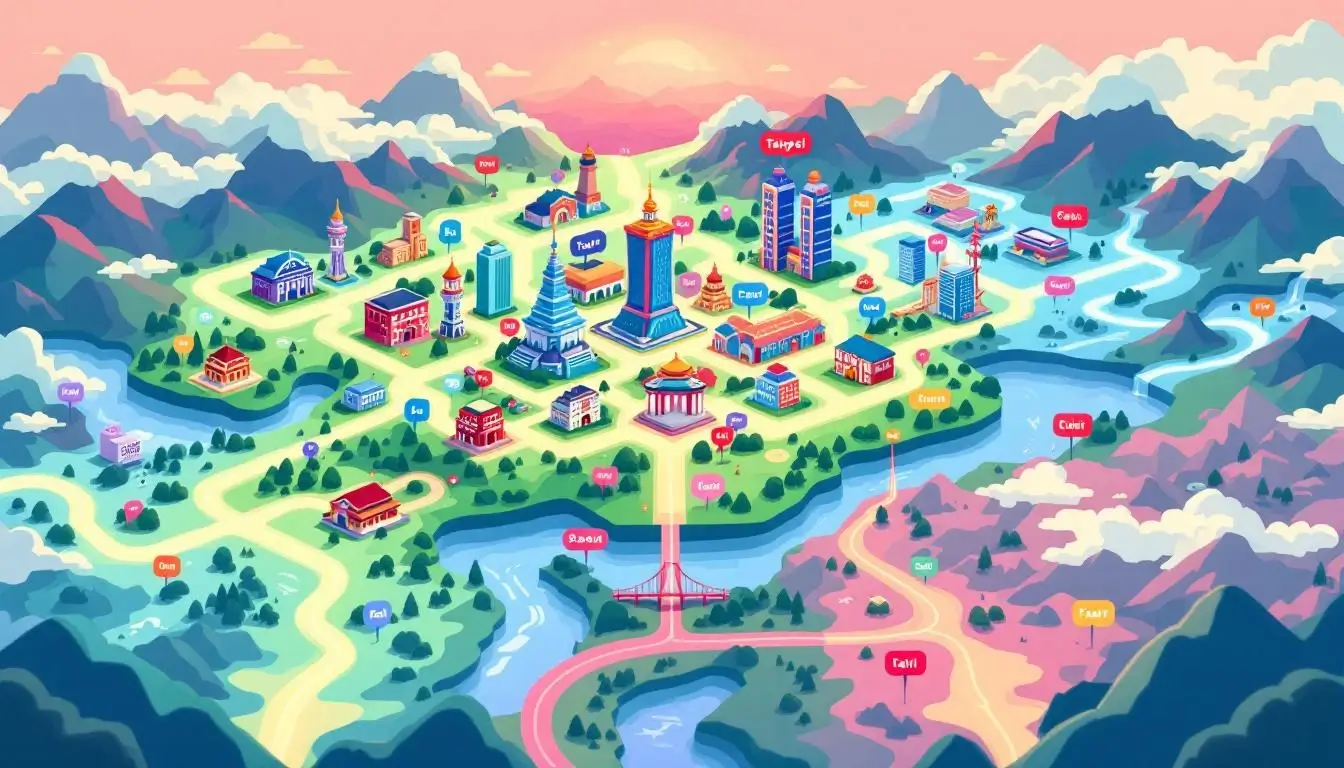
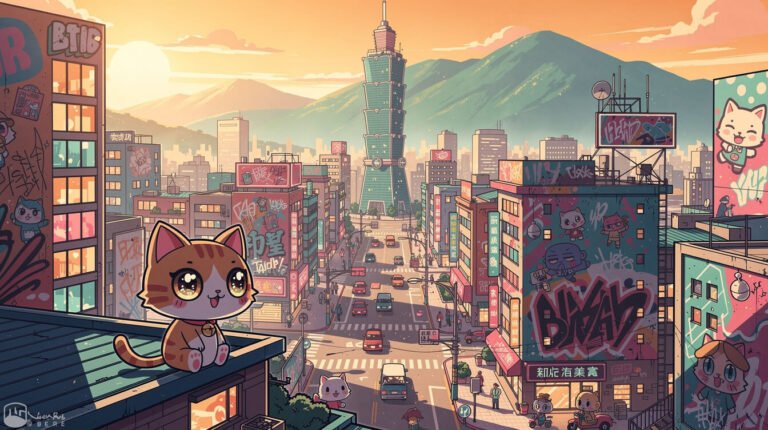
Pull up any Taipei map and you’ll see the city divided into 12 administrative districts, each with its own personality. The city sits in a basin in northern Taiwan, surrounded by mountains on three sides and the Tamsui River cutting through from south to north. New Taipei City wraps around the capital like a donut — which means Taipei itself is surprisingly compact.
Here’s the quick cheat sheet for the 12 districts:
- Xinyi (信義) — The glitzy modern core with Taipei 101 and luxury malls
- Daan (大安) — Foodie paradise with Yongkang Street and the East District
- Zhongzheng (中正) — Government hub with Taipei Main Station and CKS Memorial Hall
- Wanhua (萬華) — Taipei’s oldest district — Ximending, Longshan Temple, and history
- Zhongshan (中山) — Cool cafés, boutique shopping, and Japanese-era architecture
- Datong (大同) — Traditional arts, Dihua Street, and Ningxia Night Market
- Songshan (松山) — Raohe Night Market and Ciyou Temple
- Shilin (士林) — Shilin Night Market, National Palace Museum, and Yangmingshan access
- Beitou (北投) — Hot springs, hiking trails, and thermal valley
- Neihu (內湖) — Tech corridor and riverside parks
- Nangang (南港) — The up-and-coming eastern gateway
- Wenshan (文山) — Maokong tea plantations and the Maokong Gondola
Most visitors spend their time in the central five districts: Xinyi, Daan, Zhongzheng, Wanhua, and Zhongshan. But the outer districts — especially Shilin, Beitou, and Wenshan — hide some of Taipei’s most rewarding experiences. If you want the big picture of where Taipei fits within the island, check out our complete Taiwan map guide covering every region.
Taipei MRT Map: Your Ticket to Getting Around Like a Local

The Taipei Metro — known locally as the MRT — is the backbone of the city’s Taipei map navigation. It’s clean, efficient, affordable, and runs like clockwork. Five color-coded lines crisscross the city, plus the newer Circular Line connecting outer districts:
The Five Main MRT Lines
- Red Line (Tamsui-Xinyi) — The north-south spine. Runs from Tamsui through Shilin, Taipei Main Station, CKS Memorial Hall, and down to Taipei 101 in Xinyi. This is the line you’ll use most.
- Blue Line (Bannan) — East-west workhorse. Connects Wanhua (Ximending/Longshan Temple) through Taipei Main Station to Zhongxiao-Dunhua (the shopping strip) and out to Nangang.
- Green Line (Songshan-Xindian) — From Songshan (Raohe Night Market) south through Zhongshan, Xiaonanmen, and down to Xindian in New Taipei.
- Orange Line (Zhonghe-Xinlu) — Connects Luzhou through Zhongshan and Daan to Nanshijiao. Great for reaching Yongkang Street area.
- Brown Line (Wenhu) — The elevated line running from Taipei Zoo/Maokong area through Neihu to Songshan Airport. Your gateway to the Maokong Gondola and tea country.
Pro Tips for MRT Navigation
Get an EasyCard at any MRT station (100 NTD deposit, refundable). It works on the MRT, buses, YouBike rentals, and even at Taiwan’s ubiquitous convenience stores. Single rides range from 20-65 NTD depending on distance. The MRT runs from 6:00 AM to midnight, with trains every 2-5 minutes during peak hours.
One secret locals know: the MRT station exits are numbered, and Google Maps will tell you which exit to use. This saves you from surfacing on the wrong side of a six-lane boulevard.
Must-Visit Districts on the Taipei Map: Xinyi, Daan & Wanhua
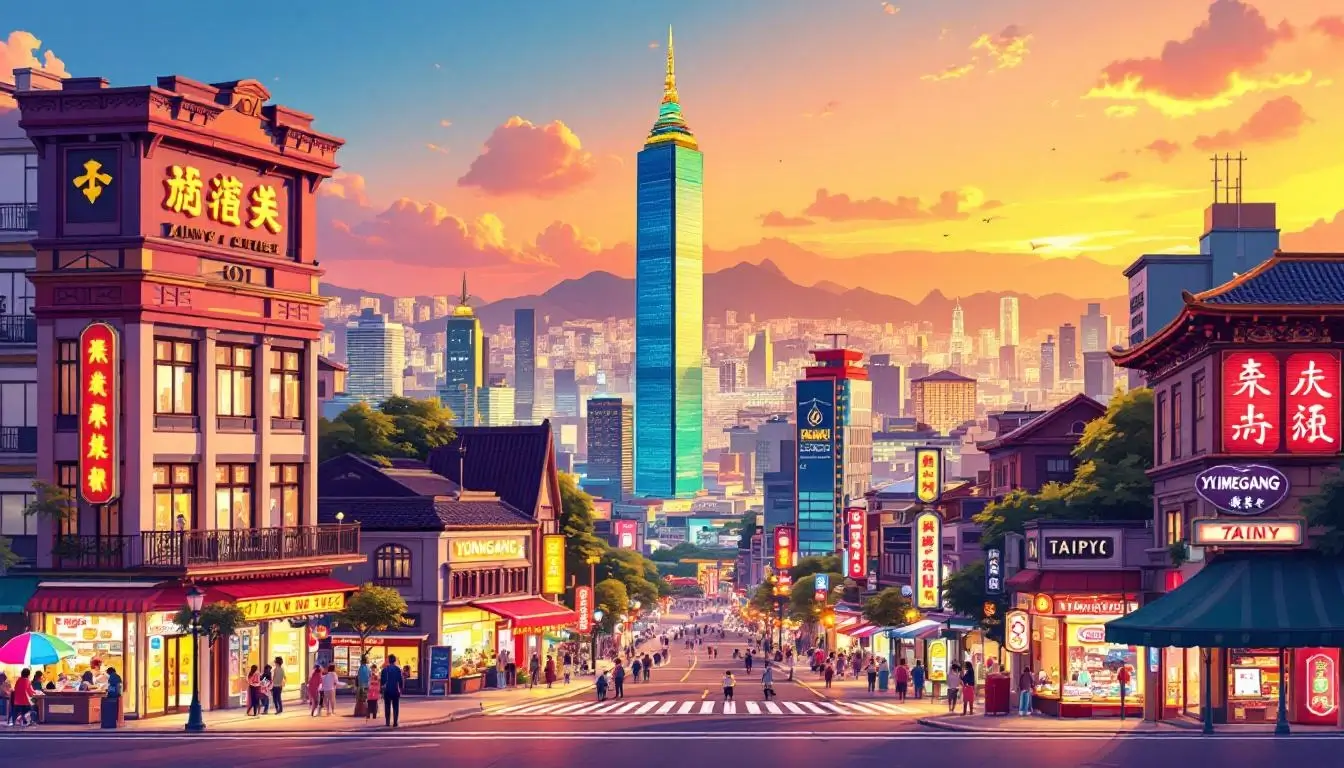
These three districts form the beating heart of Taipei. If you only have a few days, this is where you’ll spend most of your time.
Xinyi District — The Modern Showpiece
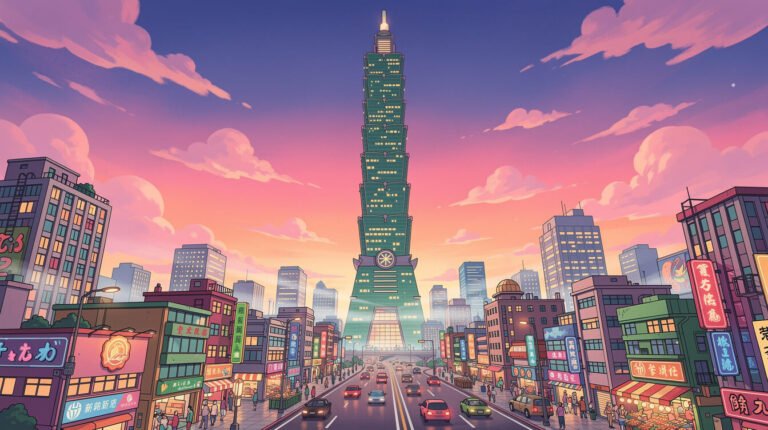
Xinyi is where Taipei flexes its 21st-century muscle. The Xinyi Shopping District is a pedestrian-friendly zone packed with 14 malls, including Taipei 101 Mall, Breeze Center, and the ATT 4 Fun complex. Head to the observation deck at Taipei 101 for panoramic views of the entire Taipei basin — on a clear day, you can see the mountains ringing the city on your Taipei map come alive in three dimensions.
Just south of the shopping zone, Elephant Mountain (Xiangshan) offers a free alternative to the Taipei 101 observation deck. The 20-minute hike rewards you with some of the most photographed views in all of Taiwan — especially at sunset when the city lights begin to flicker on.
Daan District — Where Locals Actually Eat
If Xinyi is the tourist showroom, Daan is the local living room. Yongkang Street is ground zero for foodie culture — the original Din Tai Fung sits here, along with legendary shaved ice shops, mango dessert spots, and some of the best independent cafés in the city.
The East District (Dongqu) around Zhongxiao-Dunhua station is Taipei’s answer to Soho — indie boutiques, mid-range restaurants, and a nightlife scene that doesn’t require VIP tables. And when you need a breather, Daan Forest Park is an urban oasis right in the middle of it all.
For foodies exploring Daan’s incredible restaurant scene, our Taiwan Michelin Guide covers which Taipei restaurants earned stars and Bib Gourmand recommendations.
Wanhua District — Taipei’s Historic Soul
Wanhua is where Taipei began — over 300 years of history packed into one district. Longshan Temple is the spiritual anchor, a gorgeous Qing-dynasty temple where locals still pray daily among swirling incense smoke. If you’re curious about why temples are everywhere in Taiwan, our guide to Taiwan’s 12,000+ temples dives deep into this fascinating tradition.
Just north of the temple, Ximending is Taipei’s answer to Tokyo’s Harajuku — a pedestrian shopping district exploding with street fashion, bubble tea shops, anime stores, and LGBTQ+ nightlife. The contrast between ancient Longshan and neon Ximending, just a 10-minute walk apart, perfectly captures Taipei’s split personality.
The Bopiliao Historical Block between them is a beautifully preserved Qing-era street that gives you a glimpse of what Taipei looked like before the skyscrapers arrived.
Cultural & Historic Districts on the Taipei Map: Zhongzheng, Datong & Zhongshan
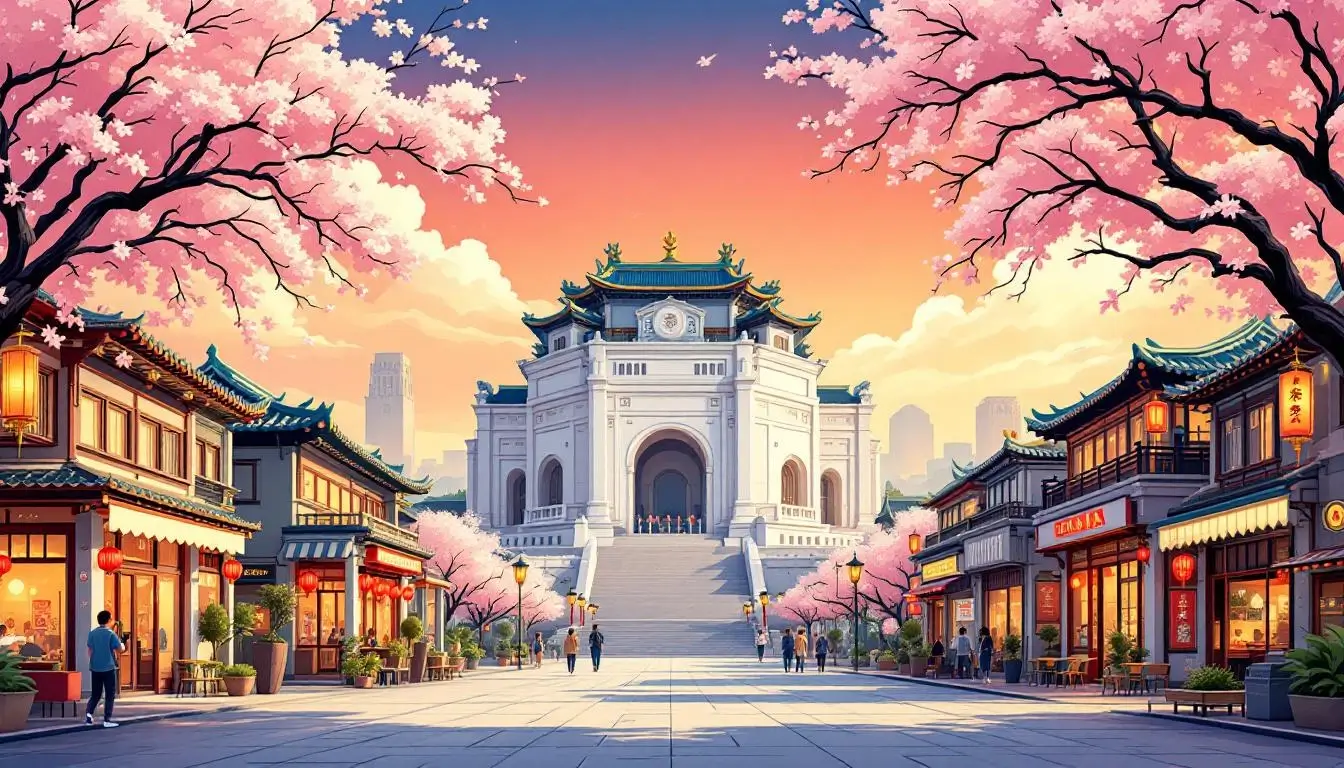
The central-west portion of the Taipei map is where culture, history, and modern creativity collide.
Zhongzheng — The Government & Transit Hub
Taipei Main Station sits in Zhongzheng, making this district the transportation nucleus of the entire city. The station is a convergence point for the MRT Red and Blue lines, Taiwan Railways, and the High Speed Rail. Beneath the station, a labyrinth of underground malls connects to Zhongshan and Beimen stations — you can walk underground for nearly a kilometer without seeing daylight.
The Chiang Kai-shek Memorial Hall is Zhongzheng’s crown jewel — a massive white monument in a sprawling plaza flanked by the National Theater and Concert Hall. The changing of the guard ceremony on the hour is one of Taipei’s most-watched spectacles.
For budget-conscious travelers stocking up on gifts before heading home, our guide to cheap things to buy in Taiwan covers the best bargains near major transit hubs.
Datong — Old Taipei at Its Finest
Datong is the heritage district. Dihua Street is a living museum of Baroque and Qing-era shophouses now filled with artisan tea shops, fabric stores, dried goods merchants, and design studios. During Chinese New Year, Dihua Street transforms into the most atmospheric market in all of Taiwan.
Ningxia Night Market is the locals’ pick for the best food-focused night market in central Taipei — smaller than Shilin, but with higher-quality stalls and zero tourist trap energy. The lu rou fan (braised pork rice) and oyster omelets here are legendary.
Zhongshan — Taipei’s Creative Quarter
Zhongshan straddles old and new with effortless cool. The tree-lined boulevards around Zhongshan MRT station are packed with indie bookshops, specialty coffee roasters, and concept stores. The old Taipei Fine Arts Museum anchors the art scene, while the Japanese-era streets around Chifeng Street have become a magnet for designers and small-batch artisans.
Tea lovers will find some of Taipei’s finest teahouses tucked into Zhongshan’s quieter lanes. If you want the full story on what makes Taiwanese tea world-class, our Taiwan tea culture guide has everything you need to know.
Nature & Hot Springs: Shilin, Beitou & the Northern Districts

The northern edge of the Taipei map is where the city dissolves into mountains, hot springs, and some of the island’s most important cultural institutions.
Shilin — Night Market Capital
Shilin Night Market is Taipei’s largest and most famous night market — a sprawling complex of above-ground stalls and an underground food court. It’s touristy, yes, but the sheer variety is unmatched. Beyond the market, Shilin is home to the National Palace Museum, which houses one of the world’s largest collections of Chinese art and artifacts — including the famous jade cabbage and meat-shaped stone.
Beitou — Steaming Hot Springs at the End of the Red Line
Take the Red Line to its northern terminus and you’ll arrive in Beitou, Taipei’s hot spring district. Thermal Valley (Beitou Hell Valley) is a steaming, sulfurous crater lake that feels like stepping onto another planet. The surrounding area is dotted with public and private hot spring baths ranging from free outdoor foot soaks to luxury resort spas.
The Beitou Hot Spring Museum — a beautifully restored Japanese-era bathhouse — tells the story of how Japan’s colonial administrators developed this area into a premier resort destination. From Beitou, you can also access Yangmingshan National Park, Taipei’s volcanic backyard with hiking trails, cherry blossoms in spring, and calla lily fields.
Wenshan — Tea Mountains in the City
Wenshan district hides one of Taipei’s best experiences: the Maokong Gondola. This cable car whisks you from the zoo up into the tea-growing hills south of the city, where traditional tea farms serve pots of oolong with views across the entire Taipei basin. On a clear evening, watching the sunset from a Maokong teahouse with Taipei 101 glittering in the distance is pure magic.
Speaking of exploring Taipei’s incredible neighborhoods, if you want to take a piece of this city home, check out our Taiwan Heartbeat Flag Love T-Shirt — designed for everyone whose pulse quickens at the mention of Taiwan.

Wear Your Love for Taipei
Explored every district on the Taipei map? Take a piece of Taiwan home with our Heartbeat Flag tee — designed for everyone whose heart beats a little faster for this incredible island.
Taipei Night Market Map: Where to Eat Your Way Through the City
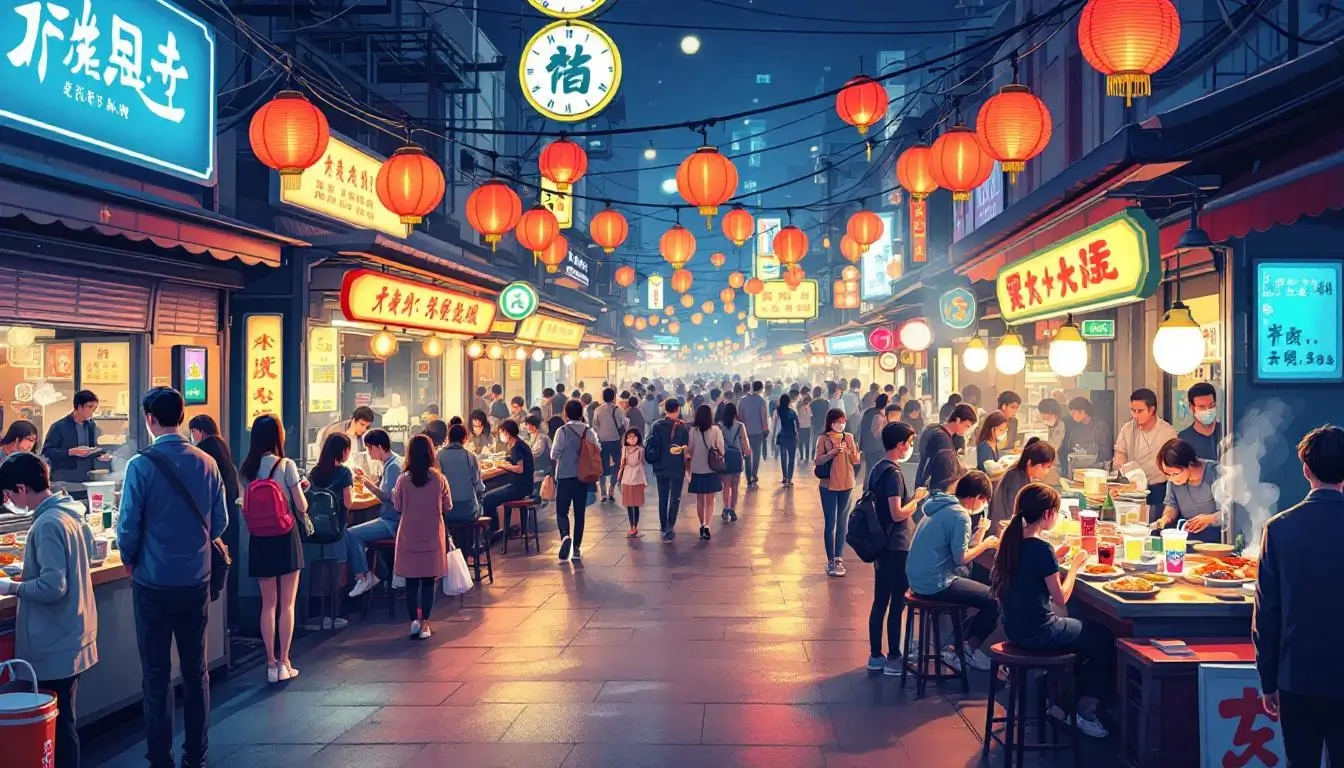
No Taipei map is complete without a night market overlay. Night markets are the soul of Taiwanese food culture, and Taipei has more than a dozen major ones scattered across the city. Here are the essential stops:
The Big Five Night Markets
- Shilin Night Market (士林夜市) — MRT Jiantan Station (Red Line). The largest and most famous. Best for: variety and the underground food court experience.
- Raohe Night Market (饒河夜市) — MRT Songshan Station (Green Line). A single straight street packed with quality. Best for: pepper buns and medicinal stewed ribs.
- Ningxia Night Market (寧夏夜市) — MRT Zhongshan or Shuanglian Station (Red Line). Compact and food-focused. Best for: local favorites without tourist crowds.
- Tonghua (Linjiang) Night Market (通化夜市) — MRT Xinyi-Anhe Station (Red Line). Daan’s neighborhood market. Best for: authentic local atmosphere and late-night snacks.
- Huaxi Street Night Market (華西街夜市) — MRT Longshan Temple Station (Blue Line). Taipei’s oldest night market. Best for: seafood and historic atmosphere.
What to Eat at Taipei Night Markets
Every night market has its specialties, but across Taipei you’ll find these essentials:
- Stinky tofu (臭豆腐) — Yes, the smell is intense. Yes, you should try it.
- Oyster omelet (蚵仔煎) — A Taiwanese classic with a gooey starch base
- Bubble tea (珍珠奶茶) — Born in Taiwan, perfected in Taipei
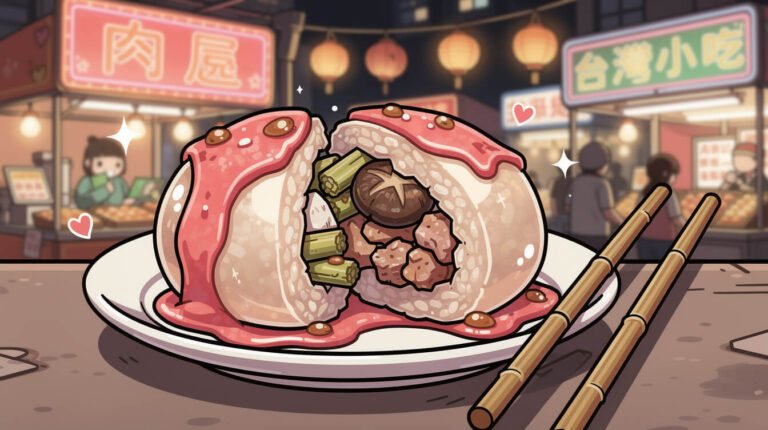
- Pepper buns (胡椒餅) — Raohe’s signature: flaky pastry filled with peppered pork
- Grilled squid (烤魷魚) — Fresh off the grill with spicy seasoning
- Mango shaved ice (芒果冰) — Summer essential, especially from Ice Monster or Smoothie House
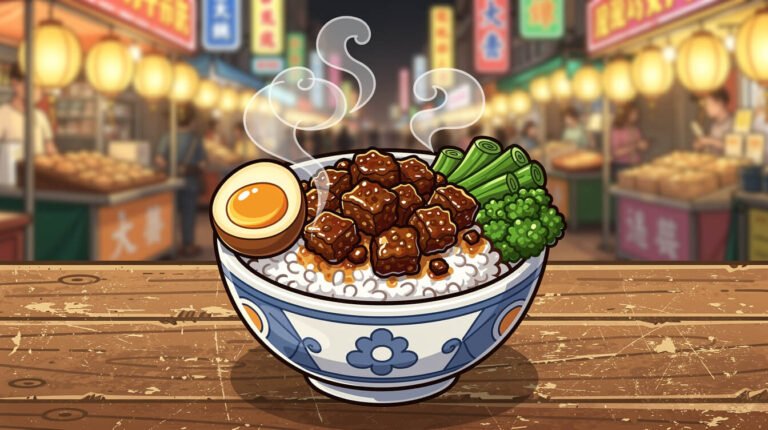
- Lu rou fan (滷肉飯) — Braised pork over rice. Taiwan’s national comfort food.
Pro tip: most night markets open around 5-6 PM and peak between 8-10 PM. Go early for shorter lines, or go late for a more relaxed vibe.
Frequently Asked Questions About the Taipei Map
How big is Taipei?
Taipei City covers 271.8 square kilometers (105 square miles) — roughly the size of Washington, D.C. But thanks to the efficient MRT system, you can cross the city in about 45 minutes. The compact size makes it incredibly walkable within districts.
What’s the difference between Taipei and New Taipei City?
New Taipei City completely surrounds Taipei City. Think of Taipei as the core and New Taipei as the metro suburbs. Popular day-trip destinations like Jiufen, Shifen, and Yehliu are technically in New Taipei City but easily accessible from central Taipei by train or bus.
Is the Taipei MRT enough to get around?
For 90% of tourist attractions, yes. The MRT covers all major districts and runs frequently until midnight. For areas the MRT doesn’t reach, Taipei’s bus system fills the gaps, and both use the same EasyCard. Taxis and ride-sharing (Uber operates in Taipei) are also affordable — a cross-city taxi ride rarely exceeds 300 NTD (about $10 USD).
Which district should I stay in?
For first-time visitors, Daan or Zhongzheng offer the best combination of central location, food options, and MRT access. Budget travelers often choose Wanhua (near Ximending) for lower hotel prices with excellent nightlife. Luxury seekers head straight for Xinyi.
When is the best time to visit Taipei?
October through December offers the best weather — warm but not sweltering, with low humidity and minimal rain. Spring (March-April) is also lovely, especially for cherry blossoms in Yangmingshan. Avoid July-August unless you enjoy 35°C heat with 90% humidity.
Can I use Google Maps in Taipei?
Yes — Google Maps works perfectly in Taipei with accurate transit directions, walking routes, and real-time MRT schedules. Apple Maps also works well. Both will show you exactly which MRT exit to use, which is incredibly helpful in large stations like Taipei Main Station.
Navigate Taipei Your Way
The beauty of the Taipei map is that no matter where you are, something incredible is never more than a few MRT stops away. Ancient temples sit next to neon-lit shopping streets. Hot springs steam at the end of a metro line. Night markets fire up their grills as the sun goes down.
Taipei doesn’t demand that you plan every minute — it rewards wandering, getting off at a random MRT stop, and following your nose to the nearest food stall. The 12 districts each have their own flavor, and the city’s compact size means you can taste several in a single day.
Save this guide, screenshot your favorite sections, and when you land at Taoyuan Airport, grab that EasyCard. The best way to understand the Taipei map is to get out there and live it.

Grab a Free Taiwan Sticker!
Drop your email and we’ll send you a limited-edition Taiwan sticker — plus insider access to new merch drops and island vibes.
No spam. Unsubscribe anytime.