Negotiating Royalties With Taiwan Fashion Designers Smartly
Think royalty talk is just numbers in a spreadsheet? Nah, it’s more like pacing through a night market under neon lights, where every choice changes the whole vibe, you know?
There are four core things to lock early: royalty base, rate, term, and territory. Royalty base (what the royalty is calculated on, like gross sales or net sales). Rate (the percent you pay, usually 5 to 15 percent as a common starting range). Term (how long the deal runs, start short so you can test things). Territory (exact regions or countries and exactly which products are covered).
So pick gross or net, gross is sales before costs, net is after costs, decide which one makes sense for both sides. Set a fair rate, 5–15 percent is a good rule of thumb. Choose a short initial term so you can tweak things if a design hits or flops. And name exact products and regions, like hoodies with a Taipei 101 print or mugs sold only in certain cities, so there’s no “but I thought” later.
Lock those pieces down early and you’ll cut surprises, move faster, and keep the designer’s voice alive, no one’s remixing the art behind your back. Trust me, you’ll thank yourself later.
Negotiating Royalties With Taiwan Fashion Designers Smartly
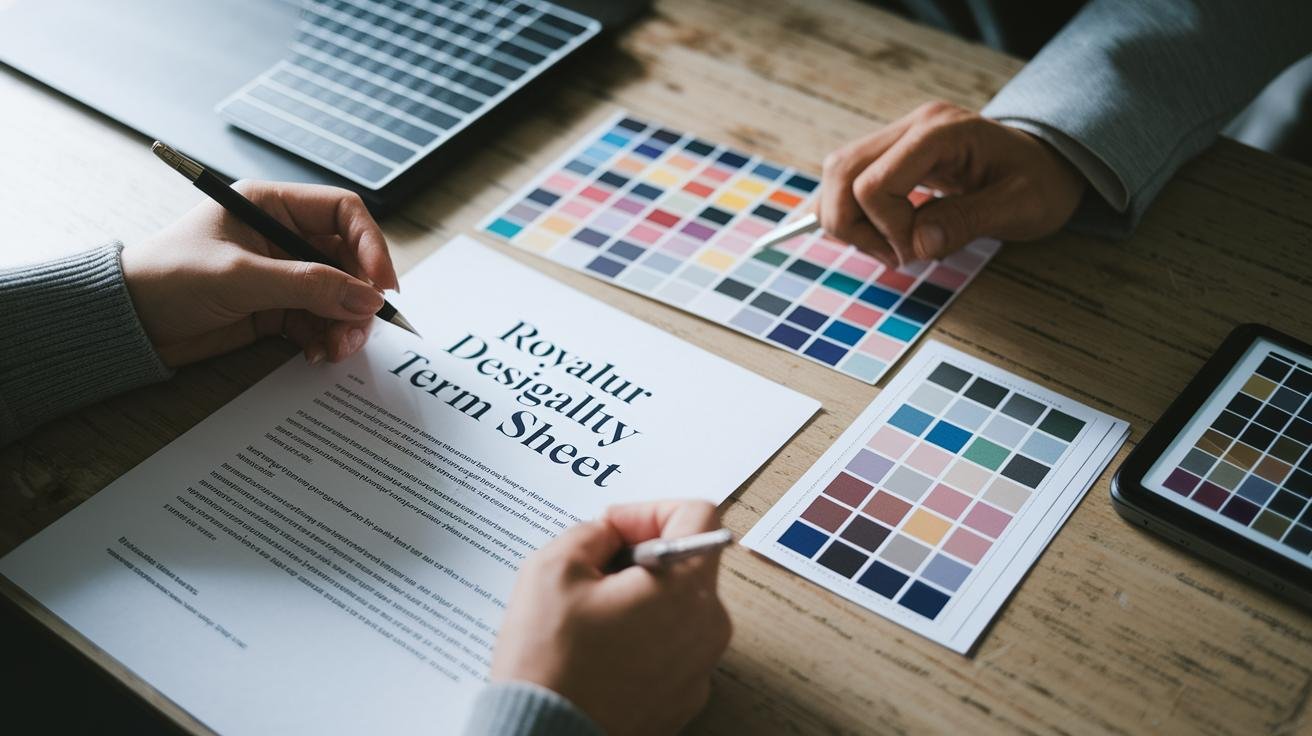
Start simple. Write down the four core pieces of the deal and keep them front and center, like your checklist while walking through a night market. Those lines will steer everything else, you know?
Core terms to define first
- Royalty base: pick gross sales or net sales. Gross is easier to track. Net needs clear definitions for deductions, so spell those out.
- Royalty rate: think 5 to 15 percent of sales as a starting point. If the designer wants exclusivity, add 2 to 3 points to that range.
- Term and renewals: aim for 3 to 5 years, with renewals tied to performance milestones. Shorter initial terms can keep both sides honest.
- Territory and scope: list exact products and regions. No vague language, or you’ll end up surprised later.
Money mechanics
- Minimum guarantee or advance: this shows commitment. For example, a $100,000 advance at a 10 percent rate signals you mean business.
- Payment schedule and currency: pick NTD or USD and say how conversions are handled. Monthly or quarterly statements keep cash flow clear.
Accountability clauses
- Audit rights: keep records for 3 to 5 years, specify notice time like 30 days, and say who pays if underreporting exceeds a threshold, for example 5 percent.
- Quality control: require sample approvals, packaging standards, and a timeline for fixes. Protect the designer’s brand and your trademarks with clear corrective steps.
Negotiation tools and tone
- Start with an NDA and a one-page term sheet with bullet points. Trust first, numbers later. Short and plain wins here.
- Be respectful and visual when you explain numbers. Picking a royalty structure is like choosing a bubble tea flavor, start with the base, then pick the extras. It makes the tradeoffs easy to see.
Quick tips while you talk
- Use plain language and short bullets so designers feel respected.
- Offer examples and ranges rather than hard numbers at first.
- Keep a friendly tone, and be ready to explain why certain protections exist, no legalese needed.
One-page term sheet checklist
| Item | What to include |
|---|---|
| Royalty base | Gross or net, with clear deduction rules |
| Royalty rate | Rate band (eg 5%–15%), exclusivity uplift if any |
| Minimum guarantee / advance | Amount, payment timing, recoupment rules |
| Term & renewals | Initial length, renewal triggers, performance thresholds |
| Territory & scope | Exact products, channels, and regions covered |
| Audit rights | Record retention, notice period, cost-shift rules |
| Quality control | Sample approvals, packaging rules, corrective timelines |
That one-pager helps you start strong, keeps the conversation focused, and gives you simple contract negotiation tactics to carry into the full draft. Have you ever stood under lanterns in Jiufen and tried to explain a complex idea? Keep it like that, visual, short, warm.
Finally, check local rules and get advice, see intellectual property laws for designer collaborations in Taiwan before you sign.
Benchmarking Taiwan Fashion Royalty Agreements
Start with the numbers designers actually trade on, not guesses. Globally, fashion royalties typically run 5% to 15% of sales, and exclusive territory deals usually start around 8% to 12%. Use those bands as your baseline when you’re building royalty offers for Taiwan-you’ll sleep better, trust me.
Map peers before you propose a rate. Pull three local deals and three international ones that match scale, channel, and product type, then average their percentages to get a realistic starting point. It’s like tasting three bubble tea shops and picking the median sweetness, you get something most people will love.
Build a tiered royalty model that rewards volume. Here’s a simple example to copy and tweak:
| Sales Band (NT$) | Royalty Rate |
|---|---|
| Up to NT$15M | 6% |
| NT$15M to NT$45M | 9% |
| Above NT$45M | 12% |
Keep escalation triggers simple and predictable, like NT$15M, NT$30M, and NT$60M. Designers should be able to see the next milestone coming, like neon signs leading you down a Taipei night market alley.
Match minimum guarantees to brand size. Emerging labels often accept US$20K to US$50K; established names usually ask for US$100K or more. Pick a guarantee that shows commitment without smothering the launch, you want buy-in, not a blocked runway.
When you sit down at the table, justify your numbers with the peer averages and international benchmarks you pulled. Short, clear charts win trust. Bring the data, bring a simple model, and be ready to tweak, negotiation is a conversation, not a math test.
Key Contract Clauses for Taiwan Fashion Royalty Deals
Let’s keep this simple and practical, like chatting over bubble tea. These are the clauses that really matter when you’re licensing a fashion brand in Taiwan. Short, clear, and built to protect the look, feel, and long-term value of your label.
Scope and scope levers
Start by naming the exact trademarks, SKUs, and product lines you’re licensing. (SKU means stock keeping unit, the specific style or item.) Don’t say just "apparel" if you mean women's ready-to-wear tops with Taiwan-only prints. Be specific.
Include a sample-approval process so you keep the brand look intact. Add a short list of forbidden alterations , for colors, trims, or logo placement. It keeps things from getting weird.
Territory and territory rights negotiation Taiwan
Split territory by market and channel: Taiwan retail, Greater China e-commerce, Southeast Asia wholesale, etc. Give rights channel-by-channel so you can sell direct in one place and let someone else handle another.
Tie expansion to sales milestones. For example, if they hit NT$X in sales (NT$ is New Taiwan Dollar), grant broader territory. It’s a clean carrot that works.
Term length negotiation fashion agreements
Pick an initial term long enough to launch properly, usually three to five years. Tie renewals to sales or quality targets so the relationship stays honest.
Add a midterm performance review clause so you can reset expectations without drama. Works like a check-in, not a courtroom.
Exclusivity clauses in designer contracts
Exclusivity should cost extra. Think a 2 to 3 point royalty uplift for giving sole rights. You can limit exclusivity by product category, channel, or time.
Try conditional exclusivity: exclusive for the first 12 months, then open it up unless sales hit a high watermark. Keeps partners motivated, and you flexible.
Minimum guarantee in fashion licensing
Use a minimum guarantee or advance that matches the brand’s scale. This is basically an upfront payment to secure the license. Be explicit about recoupment rules , what sales count, and when.
Stagger payments to lower upfront risk: part on signature, part at first production run, the rest at launch. Easier on cash flow and feels fair.
Audit rights and bookkeeping levers
Write in audit access for 3 to 5 years with 30 days’ notice and a qualified accountant. Say exactly what counts as gross or net sales. No fuzzy math.
If underreporting exceeds 5 percent, the licensee pays audit costs and interest. Clear triggers make audits less hostile and more routine.
Termination clauses and dispute resolution
Allow termination for non-payment or repeated quality breaches, with a cure period (30 to 60 days). Set inventory rules , buy-out formulas or sell-off windows , so the brand image isn’t ruined by leftover stock.
For disputes, consider ICC arbitration in Taipei or agreed local courts. Pick what both sides trust and can afford. You want a venue that’s fair and practical.
Negotiation levers to use at the table
- Limit exclusivity by channel or time so you keep options.
- Stagger minimum guarantees to lower upfront risk.
- Make renewals performance-based.
- Tie territory expansion to sales milestones.
- Add clear audit triggers and cost shifts.
Small moves like these make a big difference for long-term brand health and revenue. Think of it like choosing a bubble tea base then picking toppings , set the framework first, then let the creativity happen.
Navigating Taiwan’s IP and Legal Framework for Fashion Royalties
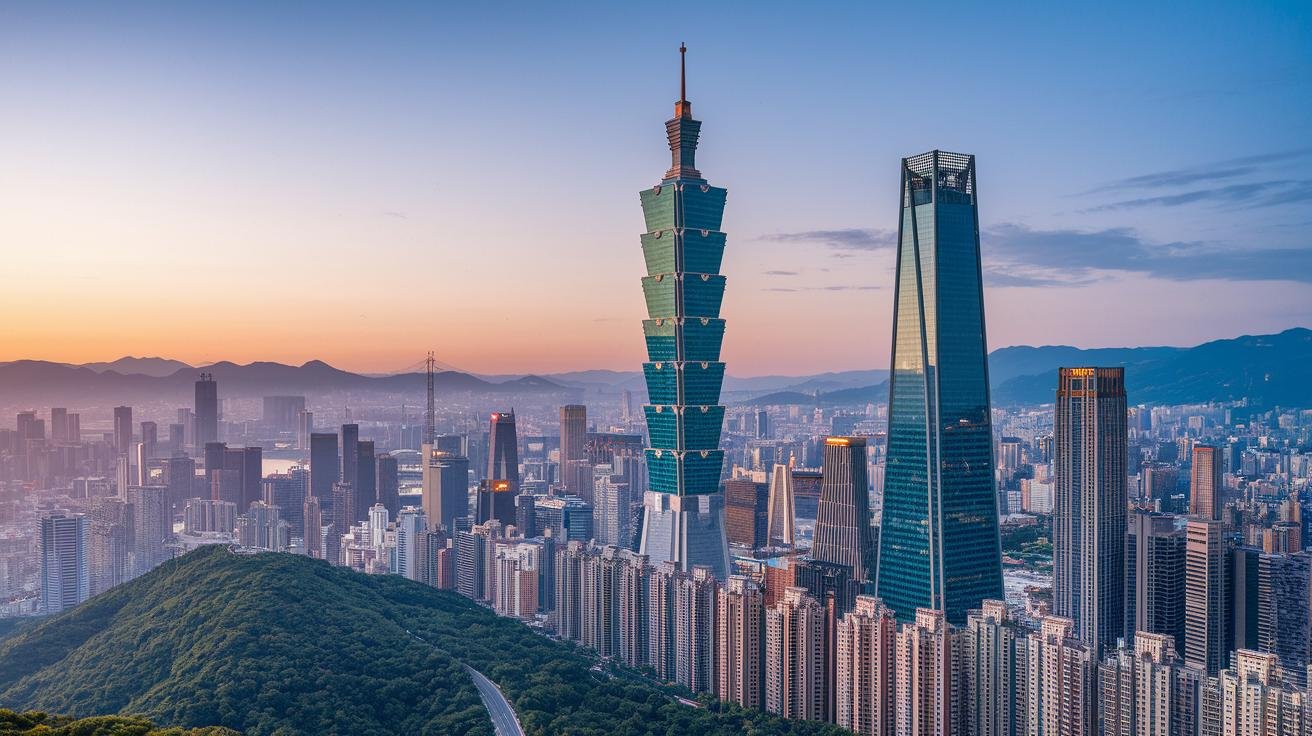
Start simple: register the things that matter in Taiwan. Registered design rights can last up to 25 years, renewed every five years, and they cover both shape and surface patterns, so it’s easier to stop someone copying a distinctive piece, like a hoodie with a Taipei 101 sunset print. Unregistered design rights help too: they protect original 3D designs for up to 10 years after the first sale, but they don’t protect flat surface art as well and are harder to prove in court.
Trademarks are your go-to for logos and brand signals. You can renew them every 10 years, but if you don’t use a mark for five years it can be canceled. So keep proof of use, photos of products, sales invoices, listings, documented and ready, you know?
Copyright is automatic for original artworks and surface decoration. That means your art is protected as soon as you create it, but dated files, working drafts, and upload records make any claim much stronger.
Guard trade secrets the usual way: confidentiality agreements and clear trade secret clauses in contracts. Manufacturing methods, supplier lists, and pricing models are worth locking down with NDAs and tight contract language that says who owns what, and when a licensee must stop using the info after the deal ends. I once saw knock-off tees being printed right near a night market stall, ugh, small safeguards can save big headaches.
Practical moves that actually help: record creation dates, register high-value marks and designs in Taiwan, send customs notifications to help stop counterfeits at the border, and require written IP assignments or licenses from manufacturers. Hire local counsel to adapt agreements to Taiwan’s Commercial Code (that’s the local law for business deals) and to translate terms so everyone’s reading the same page. Legal language loses its teeth if it’s mistranslated, you know?
For a useful guide to filing and local practice, check intellectual property laws for designer collaborations in Taiwan.
Cultural and Communication Strategies in Taiwan Royalty Talks
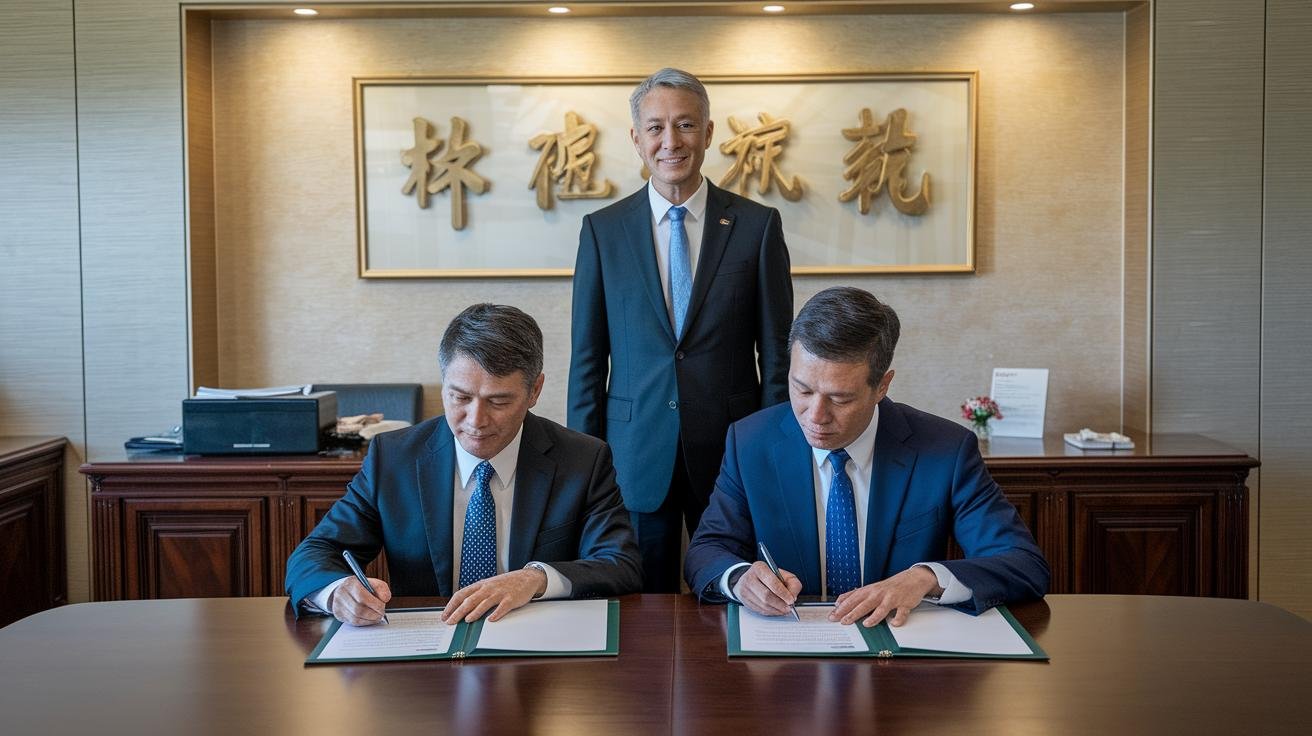
Keep cultural stuff front and center from the very first hello. Start with an NDA and a chat about creative vision before you talk numbers , designers want to feel respected and safe, not rushed straight to dollars.
Short, clear term sheets work wonders. Put the key points in bullets so everyone’s literally on the same page and you avoid weird translation gaps. Plain layout, polite tone, and room for people to check with senior colleagues is just good form in Taiwan fashion deals.
Respect hierarchy. Address the brand principal or senior designer first, then loop in their team. Invite designers to a launch or a showroom visit , shared time and small rituals build trust faster than spreadsheets. I once watched a designer loosen up after a casual tea break; steam, a laugh, and suddenly the mood changed. Real magic, you know?
Use these negotiation communication strategies:
- Open with an NDA and a creative-vision talk, then hand over a one-page term sheet.
- Speak slowly, avoid jargon, and always follow up with a short written summary.
- Offer sample approvals and clear timelines to show you respect craft and process.
- Bring in a local licensed agent if talks stall or cultural context gets tricky.
Working with Taiwanese licensing agents adds local cues and smooths expectations. Good cross-cultural negotiation means listening more than talking , respect often sells as well as a good royalty rate, I guess.
Preparing Your Royalty Negotiation Toolkit for Taiwan Designers

Bring these essentials to the meeting, and keep both digital copies and a neat printed folder. It’s a small, human touch, like offering bubble tea before you start, that designers really notice.
-
NDA and confidentiality pack
A short, plain NDA and a one-paragraph creative brief that shows you respect the artist’s work. Keep language simple so no one squints at legalese, and include contact names and dates for clarity. -
One-page term sheet template
A single page with clear options: flat fee, percentage on gross, percentage on net, minimum guarantee, and a proposed payment schedule. Use bullet points so nothing gets lost, and let the designer initial preferred options quickly. -
Design portfolio assessment
SKU list, high-res images, production costs, past sales by channel, and sample-fit notes. Add provenance dates so copyright and creation timelines are obvious , helps avoid surprise questions later. -
Valuation of fashion designs
A third-party valuation report or notes on comparable deals to show recent royalty bands. Add a brief rationale for suggested rates so your numbers don’t feel pulled from thin air. -
Projected sales forecasting pack
Three-year forecasts broken out by retail, e-commerce, and wholesale. Include best, base, and conservative scenarios and the key assumptions behind each. Think channel-specific unit economics, not just one big number. -
Royalty calculation methods and pro-forma calculator
Side-by-side examples showing 5%, 10%, and 12% on gross versus net, with clear deduction rules for returns, discounts, and fees. Bring an editable spreadsheet so you can model outcomes on the spot. -
Advance payment negotiation checklist
Suggested minimum guarantees, staging (signature, production, launch), recoupment rules, and sample staggered plans like $50,000 or $100,000 split across milestones. It’s nice to show a practical example, you know? -
Flat fee versus percentage royalties note
Short pros and cons, plus a hybrid example (small flat fee plus a lower percentage). Give guidance on when each fits , like a seasonal capsule versus a full collection. -
Currency conversion and FX guidance
Chosen settlement currency (NTD or USD), conversion timing (monthly spot or quarterly average), and simple hedging suggestions to reduce foreign exchange surprises. Keeps everyone calm when rates move. -
Audit, reporting, and IP docs
Sample royalty report format, required bookkeeping fields, audit access language, assignment-of-rights templates, and a basic quality-control checklist for samples. Practical, not scary.
Bring these files to the first meeting, and email the one-page term sheet ahead of time so the conversation focuses on creativity, not paperwork.
Sample Royalty Contract Clauses for Taiwan Fashion Licensing
-
Royalty
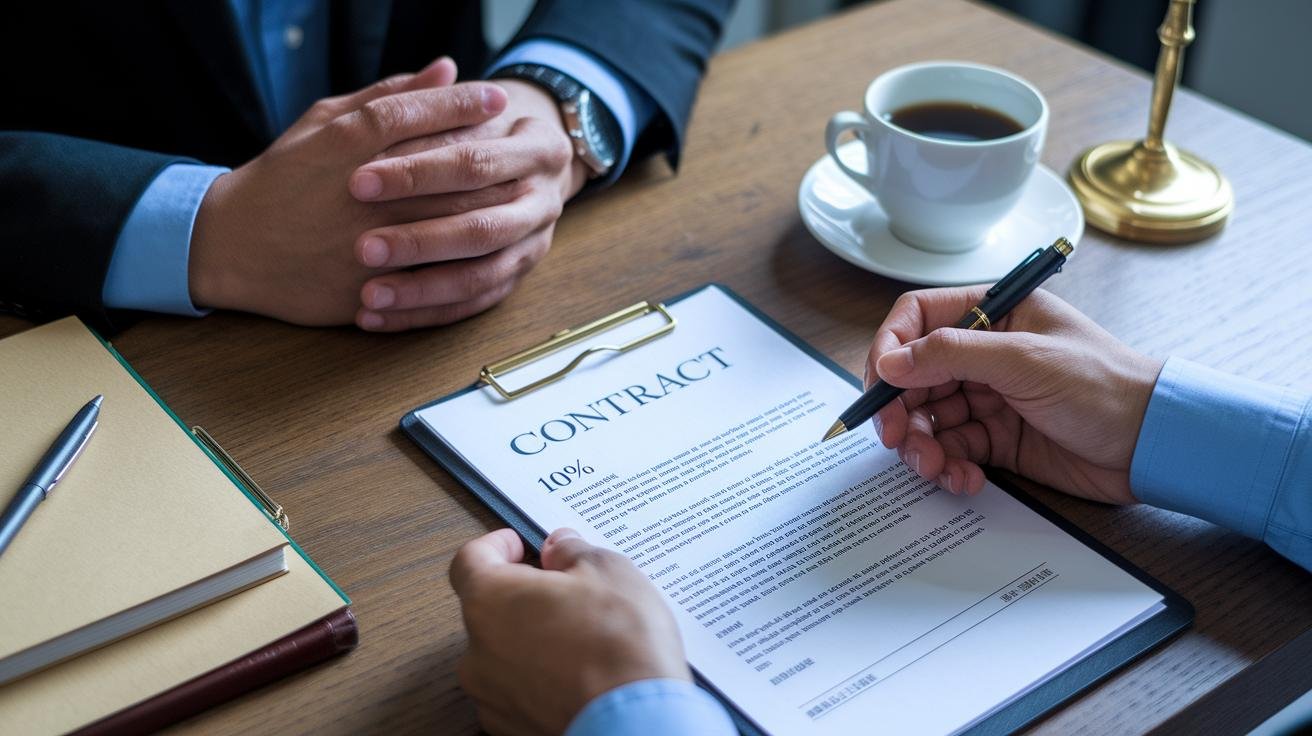
"Royalty: 10% of Net Sales (Net Sales = gross sales less returns, taxes, shipping refunds, and agreed discounts). Royalty statements and payments are due quarterly, within 45 days after the quarter ends."
Keep it simple. Think of Net Sales like the cash that actually lands in the bank after the small noise is cleaned out. -
Minimum guarantee in fashion licensing
"Minimum Guarantee: $50,000 (USD) payable within 30 days of execution. The minimum is recoupable against royalties; any unpaid balance is due at the final royalty reconciliation."
It’s basically a down payment to show commitment. Like a deposit on a limited run of tees. -
Audit rights
"Audit: Licensee must keep accounting records for five years. Licensor may audit with 30 days written notice. If an audit shows underreporting of more than 5%, the licensee pays the audit costs plus interest at 6% per year."
Short version: keep clean books. If you hide numbers, you pay for the check. -
Confidentiality and NDA clauses
"Confidentiality: All confidential materials are covered by Appendix A (NDA). Parties must return or destroy confidential materials within 30 days of termination."
Treat sketches, tech packs, and pricing worksheets like secret family recipes. Return or burn, well, securely destroy, when the deal ends. -
Design modification fees
"Design Modification Fee: 2% of production cost for each approved modification to licensed designs. No modification without prior written approval from licensor."
Want to tweak a sleeve or swap a trim? Budget a small fee and get it signed off first. -
Exclusivity clauses in designer contracts
"Exclusivity: Exclusive apparel rights in Taiwan (Taiwan = the island market and distribution channels there) for an initial 24-month period in exchange for a 2% royalty uplift. Exclusivity ends if agreed sales targets are not met."
Exclusive means you get the local spotlight, for a little extra royalty, but you’ve got to hit the numbers. -
Termination and inventory handling
"Termination: If licensee misses payments by more than 60 days, licensor may suspend rights after a 30-day cure period. Remaining inventory will be handled per Section 8 (buy-back or controlled sell-off)."
Missed payments give the licensor a safety valve. Inventory plans keep channels clean, buy-back or sell-off under rules. -
Dispute resolution clauses
"Dispute Resolution: ICC arbitration in Taipei, seat in Taipei; proceedings in English (or Chinese if both agree). Parties may seek interim injunctive relief in local courts."
Arbitration in Taipei keeps things local but neutral. You can still ask a court for quick emergency help.
Pick and tweak these lines to match your deal, and fold reporting templates and sample-approval steps into the same document so nothing gets lost.
Real-World Taiwan Fashion Royalty Case Studies
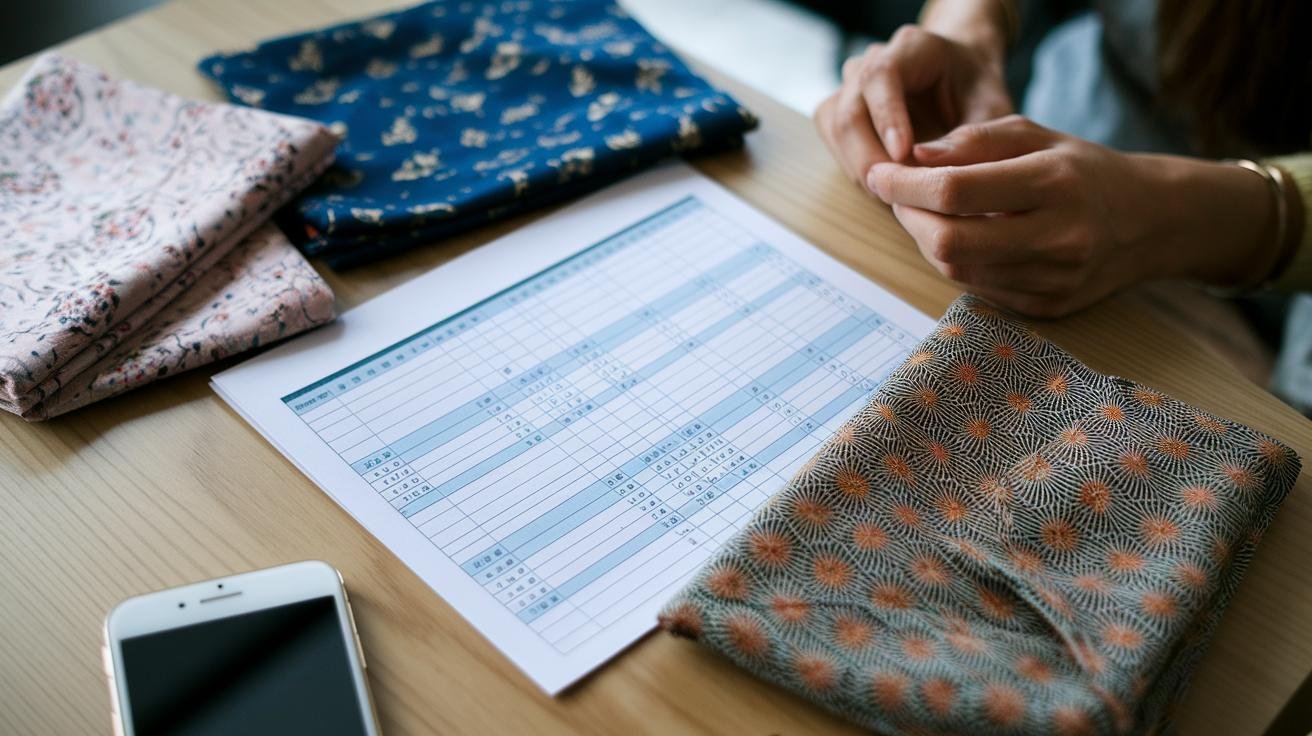
Case 1 – Emerging label (small label royalty talks)
Deal: 7% base royalty, rising to 12% once cumulative sales hit NT$30M and again at NT$60M. NT$600K minimum guarantee. Exclusive apparel rights in East Asia. One-year initial term. (NT$ = New Taiwan Dollar)
What happened: the capsule sold out fast in Taiwan and Seoul, hitting the first NT$30M milestone in 10 months. Royalties shifted into the middle band and production ramped up. The short term kept both sides nimble, so the licensee pushed for quick retail placements and the designer kept creative control. Felt like finding a perfect night-market tee under neon lights, you know?
Case 2 – Global brand (established brand royalty discussions)
Deal: flat 10% on gross sales, payments in USD, five-year term, full audit rights, and a 3% fee for design modifications.
What happened: steady wholesale and flagship store sales met conservative forecasts. An audit in year three clarified SKU categorization and avoided messy royalty math. The 3% modification fee made tweaks deliberate and covered the designer’s sign-off time, which kept the product line consistent.
Case 3 – E-commerce platform partnership
Deal: 8% of net revenue, a six-month milestone that triggers broader marketing support, and a 12-month royalty recalibration clause based on actual channel mix.
What happened: the first six months were slow while the platform tested ads. At month six, marketing support kicked in and sales rose. By month 12 the recalibration nudged the base slightly higher to reflect better margins on direct-to-consumer SKUs. Progress felt like switching from a small stall ad to a full banner on a busy street.
Key lessons from these Taiwan royalty deals
- Tiered royalties reward scaling and keep sales goals visible.
- Short or product-specific terms let emerging labels test markets without a heavy lock-in.
- Flat gross deals tend to fit big brands with predictable wholesale, while net-based models work better for e-commerce with variable returns.
- Minimum guarantees, exclusivity, term length, and audit rights all change real outcomes.
Match the deal mechanics to your partner’s scale and channel. Think of it like choosing between a night-market stall or a mall pop-up , pick the setup that fits your pace and audience.
Final Words
We jumped straight into a step-by-step plan: define royalty base and rate, pick term and territory, set a minimum guarantee, add audit and quality controls, and use a clear term sheet to start talks.
We also gave market benchmarks, sample clauses and case studies, walked through Taiwan’s IP rules, and shared cultural tips so negotiations feel fair and respectful, you know?
Take the toolkit, meet designers with clear numbers and kind intent, and go into negotiating royalties with Taiwan fashion designers with confidence and care.
FAQ
How do royalties work for designers?
Royalties for designers work as a percentage paid on sales—typically 5–15%—with terms defining the royalty base (gross or net), minimum guarantees (often $20k–$100k), audit rights, and a 3–5 year contract term.
What is the most popular brand in Taiwan?
The most popular brand in Taiwan depends on the category—tech names like ASUS and Acer, food brands such as Uni-President, and fashion labels like StayReal or local designers often top different lists.
How much do freelance fashion designers charge?
Freelance fashion designers charge widely—roughly $25–$150 per hour or $500–$10,000+ per project, based on experience, deliverables, sampling, and whether technical packs or pattern-making are required.
Who is the most famous Chinese fashion designer?
The most famous Chinese fashion designer is often cited as Guo Pei, known for dramatic couture and standout pieces like Rihanna’s embroidered Met Gala gown that drew global attention to her work.
Grab a Free Taiwan Sticker!
Drop your email and we’ll send you a limited-edition Taiwan sticker — plus insider access to new merch drops and island vibes.
No spam. Unsubscribe anytime.