Traditional Taiwanese Crafts Celebrate Handmade Beauty
Could a carved wooden panel or a hand-thrown cup tell you more about Taiwan than a guidebook? I think they can. They hold smell, sound, and little household histories you don’t get from maps.
Wood carving, pottery, bamboo weaving, textiles, and glove puppetry (hand puppets used in lively traditional shows) pop up in temples, night markets, and family rituals. You hear the clack of a chisel, smell the cool wet clay, feel the snap of bamboo and the soft weave of a cloth, and catch the electric buzz of a puppet stage. Little moments, you know?
You’ll spot Yingge ceramics (Yingge is a town famous for pottery) and Paiwan beadwork (Paiwan people are one of Taiwan’s indigenous groups) alongside street snacks and temple banners. Makers sell at night markets, small studios, and craft fairs, and many teach workshops at community centers or museums. Check Yingge’s studios and weekend markets if you want a hands-on class or a real chat with a maker.
Bring one home and it’s more than a souvenir. It’s a tiny story you can hold.
Comprehensive Overview of Traditional Taiwanese Crafts
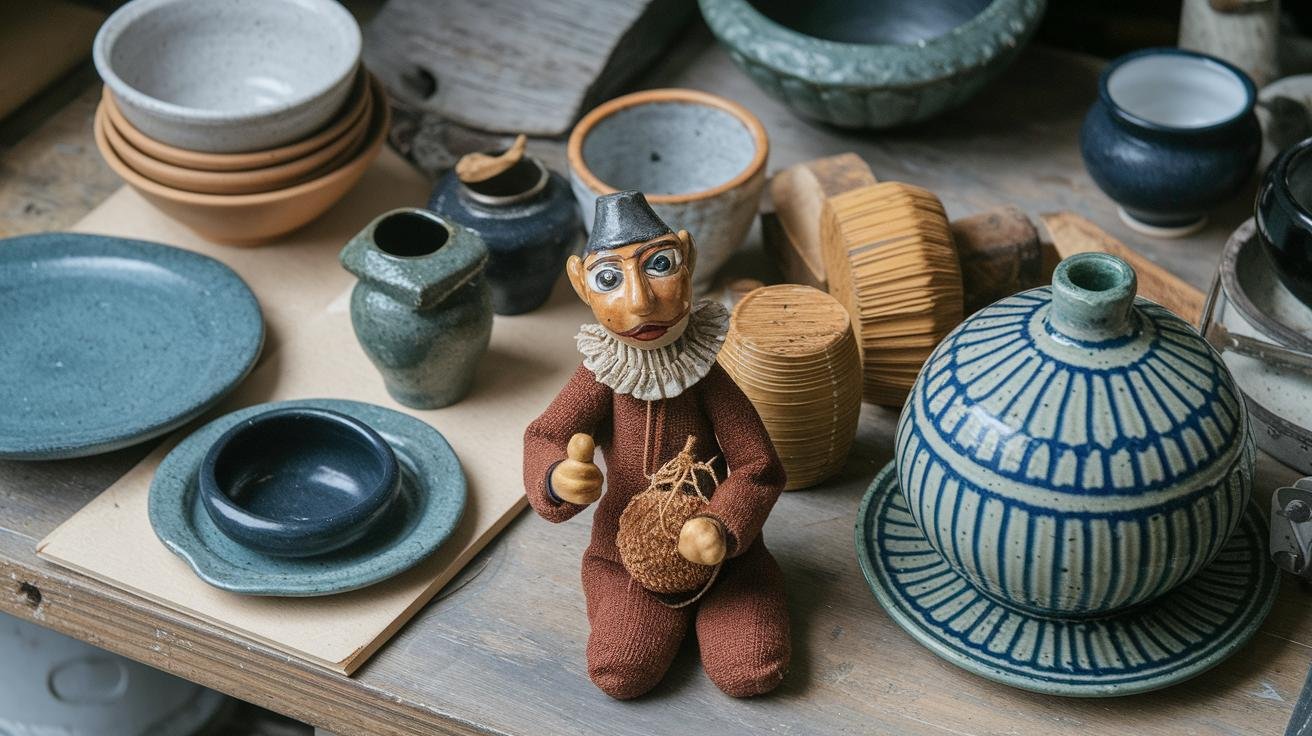
Traditional Taiwanese crafts fall into five big categories: wood carving, pottery, bamboo weaving, textiles, and glove puppetry. They grew out of a mix of indigenous practices and Han Chinese folk arts, showing up in temples, night markets, and family rituals, you know?
Each craft has its own story and feel. Think of the clack of a woodcarver’s chisel, the cool, earthy smell of wet clay, the crisp snap of bamboo as it’s woven, the soft weight of handwoven cloth, and the warm buzz of a puppet stage.
Below you’ll find short sections that let you peek at each craft’s roots, signature techniques, and where makers gather to sell and teach. Expect mentions of Yingge ceramics (Yingge is a town famous for pottery), and Paiwan beadwork (Paiwan people are one of Taiwan’s indigenous groups), so you’re not left guessing.
We’ll point out regional hubs too , towns and neighborhoods where artisans still work in small shops and studios , and give quick buying tips so you know what to look for when you’re browsing a market or a craft fair.
Want to try making something yourself? There are hands-on workshops for sugar-painting, indigo dye classes (natural indigo, with that deep blue scent), and puppet-making sessions for glove puppetry, also called budaixi. You’ll get the messy, joyful part of craft, kneading clay, tying knots, painting tiny puppet faces.
We’ll also touch on how cultural heritage crafts are being kept alive. Museums, village studios, and formal apprenticeships help preserve old techniques, and many makers are blending traditional skills with modern design. It’s a living thing, adapting but still rooted.
Have you ever strolled under paper lanterns at a temple and noticed the carved wooden panels? That’s history and craft sitting right next to your bowl of beef noodle soup. Next, we’ll break each craft into bite-size sections so you can dive in where you want.
Historical Origins and Cultural Significance of Taiwanese Craft Traditions
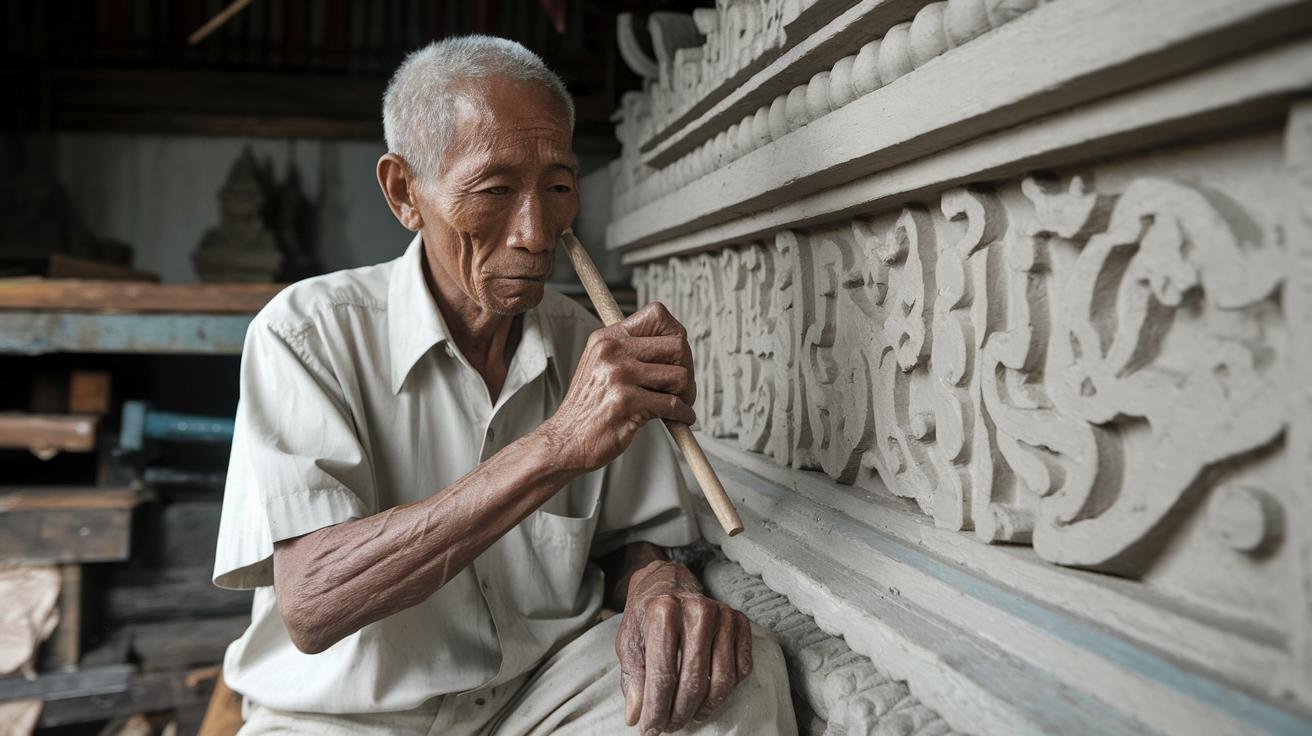
In Lukang (a historic port town known for its ornate temples) and Sanyi (a mountain town famous for wood carving), artisans have been shaping temple panels and door gods for centuries. In Lukang’s temples, carved door gods keep watch over incense smoke, their faces catching the flicker of candles. Have you ever smelled that mix of old wood and incense? It sticks with you.
Pottery goes back to Taiwan’s Neolithic villages , clay under your nails, simple bowls warmed by the sun. Then, during Japanese rule, kiln technology and styles shifted, and those changes helped build Yingge (a town famous for ceramics) into the ceramics hub it is today. The kiln smoke left its mark on glazes and shapes.
Yingge’s blue-and-white jars and simple tea bowls hold a whole era in their glaze. You can feel the cool, smooth glaze and the weight of a bowl in your hands, like a small history lesson. Those forms show how kilns and tastes evolved over time.
Kamaro’an rattan weaving (a traditional rattan pattern) taught by Pangcah weavers keeps living traditions in the weaving itself. Pangcah (also called Amis, one of Taiwan’s indigenous peoples) and Paiwan (an indigenous group from southern Taiwan) beadwork make ritual baskets, offering gear, and clan regalia that gleam with color. The rattan’s rough braid and the clack of beads , sensory stuff, you know?
A Pangcah weaver taught the Kamaro’an weave that still shapes offering baskets today.
Glove puppetry, budaixi (Taiwanese glove puppetry), is all about carved wooden heads, hand-painted faces, tiny embroidered costumes, and fast, funny slapstick in temple shows. The puppets’ carved heads and painted faces arrive onstage before the story does, stealing the room for a breath. Those little costumes hold a surprising amount of detail.
Real, everyday support keeps these crafts breathing. Festival commissions, craft residencies, school programs, and small-shop orders give makers work and pass skills on to the next hands. Examples:
- A festival commission sends a maker back to the temple to carve a new panel.
- A school program teaches kids how to string beads.
- A residency lets a potter test a new glaze while mentoring apprentices.
These projects keep traditions local and practical , not just museum pieces, but things people still use and love.
Traditional Taiwanese Crafts Celebrate Handmade Beauty
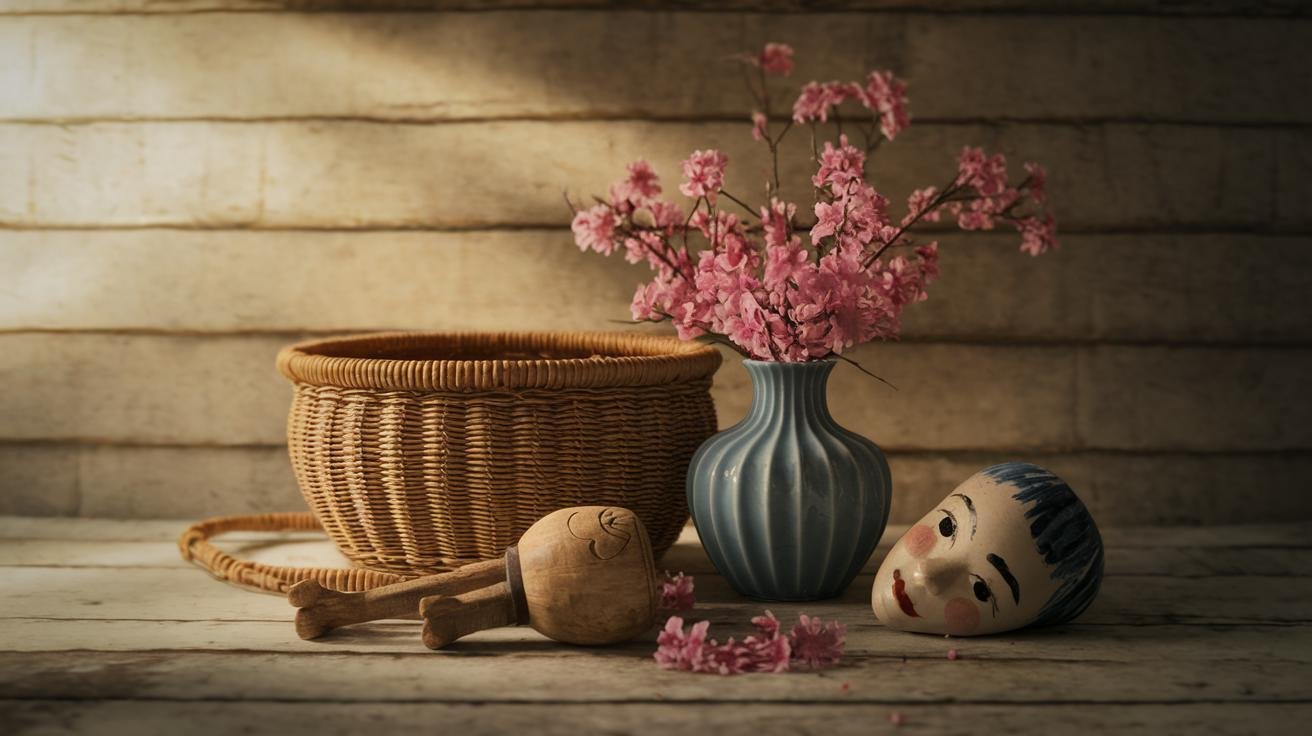
Pottery (Yingge and Ershui): Yingge (a pottery town near Taipei) and Ershui (a town in Changhua County) both have long clay stories, you know? Potters throw clay on a wheel, trim it with a wire tool, then fire pieces in small electric or wood kilns. Look for maker stamps and little firing flaws , those are the honest signs a piece was made by hand.
When a glazed cup cools you might spot a fine crackle in the glaze, a glassy, cool texture that hints at the clay body and the firing schedule. That crackle feels nice between your fingers, like a tiny map of the kiln’s heat.
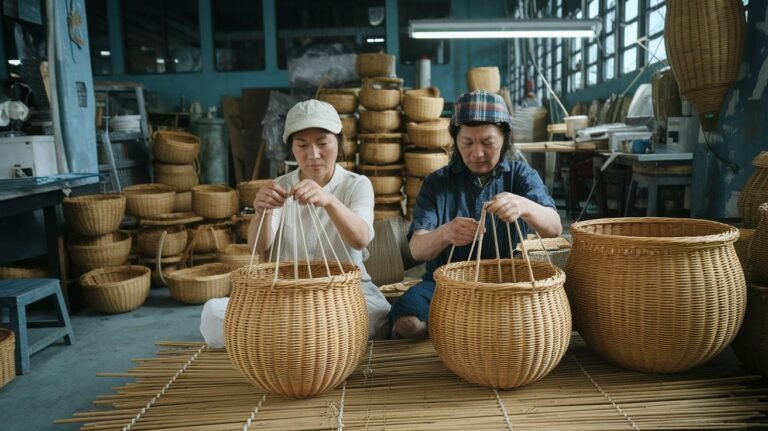
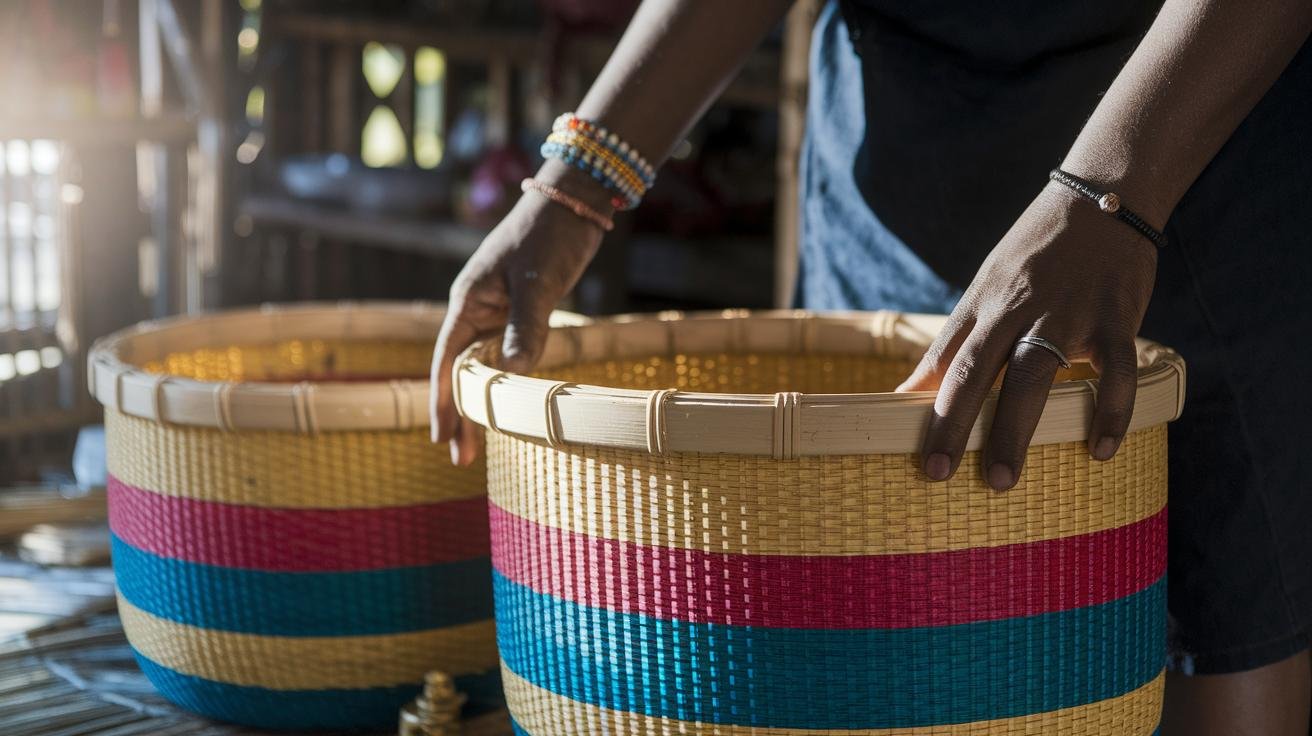
Bamboo weaving: Making a basket starts by splitting bamboo, soaking the strips, then plaiting them in plain or twill patterns. Each weave changes how the basket holds shape and breathes, so a tea leaf basket will feel different from a kettle wrapping.
You’ll see kettle wrappings, tea leaf baskets, and straw mats all born from those same steps. Want pairing tips for tea utensils? See our tea varieties guide for the right basket-and-cup matches.
Textiles (Hakka indigo and embroidery): Hakka (an ethnic group in Taiwan) makers often use plant-based or mineral mordants (that’s a fixative that helps dye stick), and hand-tied resist methods like tie-dye to build up indigo layers. The small stitches and floral panels of hand embroidery take time, and the indigo softens and mellows with wear, like a favorite shirt.
Those tiny stitches catch the light, and the blues age into warmer tones over years. It’s cozy, like the fabric remembers the hands that touched it.
Glove puppetry (budaixi): Budaixi (Taiwanese glove puppetry) uses carved wooden figures, sometimes around 60 cm tall, that puppeteers paint and dress by hand. Craftspeople use chisels for carving and fine brushes for the faces, and many puppeteers both make and perform with their own pieces.
Watching one move is almost like seeing a whole life in miniature , the painted eyes, the sewn robes, the quick gestures. It’s a skill passed down, hand to hand.
Hands-on workshops
- Traditional papermaking: Mulberry bark is beaten into pulp, scooped in shallow vats, then air-dried into thin, translucent paper (like the rice paper you see at temples). The sheet feels soft and a little cool, and it slightly crinkles when you fold it.
- Sugar painting: Hot sugar melts on a metal plate and gets drawn into animals or motifs as a thin ribbon, then cooled fast so it snaps crisp like temple candy. It’s sweet, warm, and gone before you know it , fun to watch and even better to eat.
Iconic Craft Regions and Artisan Profiles in Taiwan
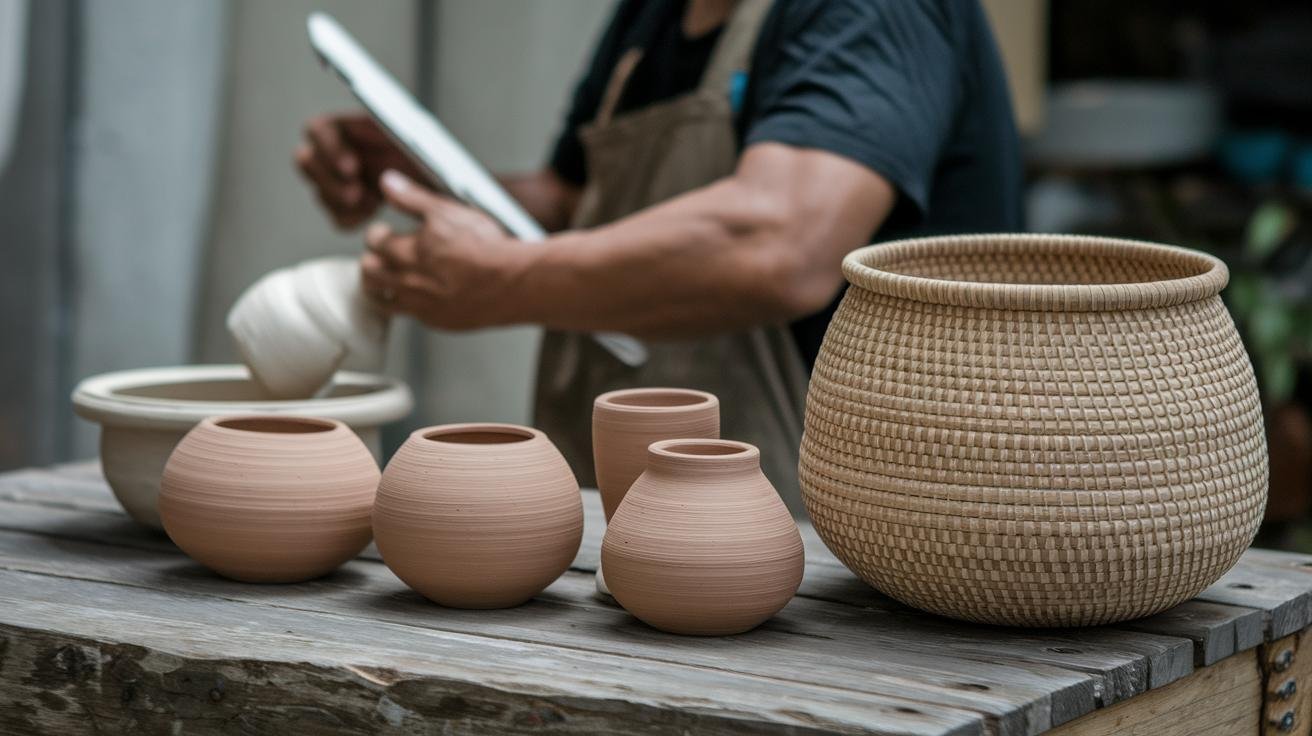
Yingge pottery center is a clay lover’s dream. Yingge (a pottery town just outside Taipei) hosts the Taiwan International Ceramics Festival and has more than a hundred studios where you can watch wheels spin, hear the scrape of trimming tools, and smell kiln smoke. Small galleries line the streets, selling cups and vases stamped with makers’ marks. Hold a fresh piece and you can still feel the warmth of the kiln, you know?
Lukang and Sanyi keep temple wood carving alive in narrow alleys. Lukang (a historic town on Taiwan’s west coast) and Sanyi (a mountain town known for wood carving) are famous for ornate temple wood reliefs and seal engraving. Think carved door gods and panels that catch the incense light, each groove catching shadow like a story.
Tainan mixes lacquerwork with delicate needlecraft. Tainan (the old capital in southern Taiwan) has lacquerware shops near quiet studios like Kuang Tsai Embroidery Shop, a master silk-embroiderer since the 1920s. Tiny stitches bloom into floral panels under a lamp, and the silk feels almost like a song against your fingertips.
In Hualien you’ll find Amis basket crafts taught in hands-on sessions. Amis (an Indigenous people of eastern Taiwan) artisans show around ten rattan techniques and plant-based dyeing methods. The rattan strips smell faintly of forest, and the baskets soften and warm with use, turning into pieces that look like they’ve lived a life.
Down south, Paiwan and Rukai wood carving bring clan motifs and shell inlay to life. Paiwan and Rukai (Indigenous groups from southern Taiwan) carve patterns that carry family stories, then polish them to a soft sheen that feels smooth in your palm.
Practical notes: most workshops run roughly 9 a.m. to 4 p.m., and hands-on classes or small pieces usually cost 1,000–5,000 TWD. Look for maker stamps, ask about materials and firing or dye methods, and try a short class if you want something made by your own hands. Many artisans welcome visitors, call ahead for demo times so you don’t miss a show.
Traditional Taiwanese Crafts Celebrate Handmade Beauty
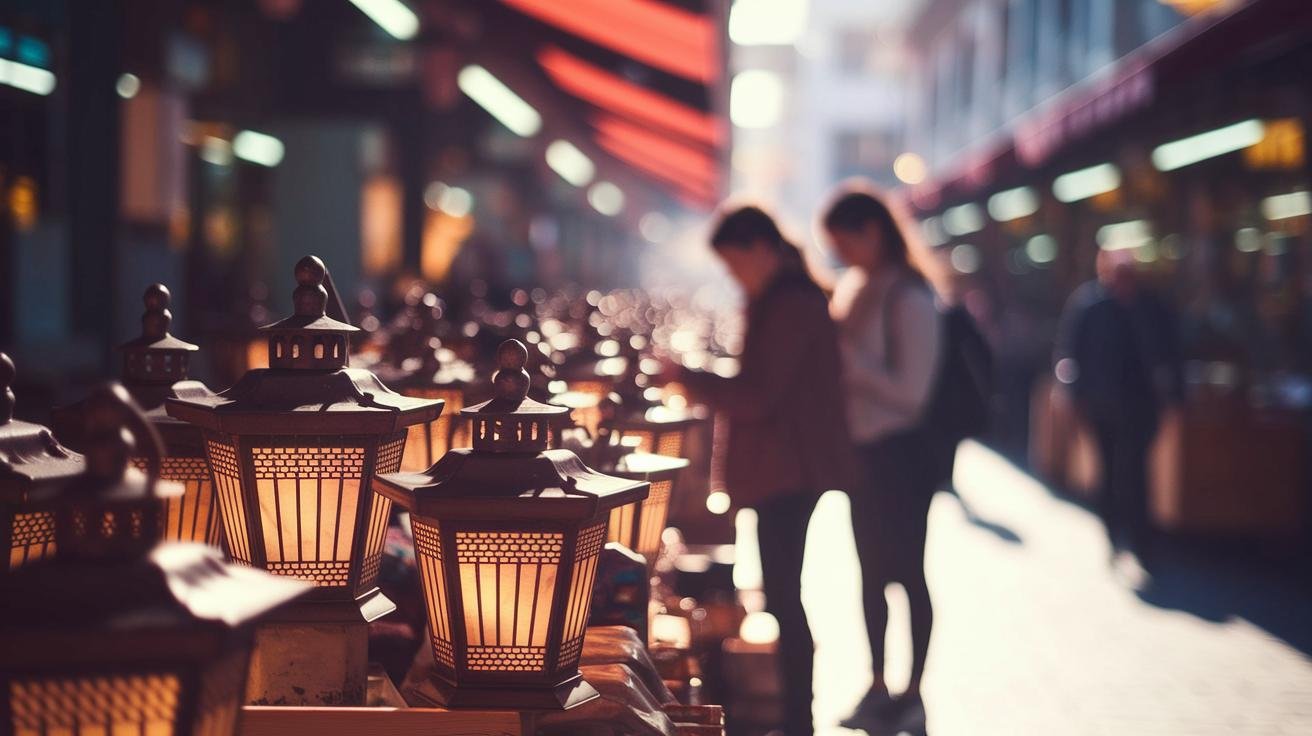
If you want the best handicraft souvenirs, start wandering old streets and night markets where makers still sell what they make. Dihua Street’s Lao Mian Cheng Lantern Shop (est. 1915) is a great first stop , Dihua Street is a historic Taipei shopping street, and Lao Mian Cheng has been making paper lanterns and Mid-Autumn supplies for generations, you know?
Shilin and Raohe Night Markets are perfect for picking up lantern frames, paper-cut decorations, and sugar paintings. Most small pieces run 200–800 TWD, so they’re easy to grab as gifts or keepsakes. If you want a quick local guide before you go, check the shilin night market guide.
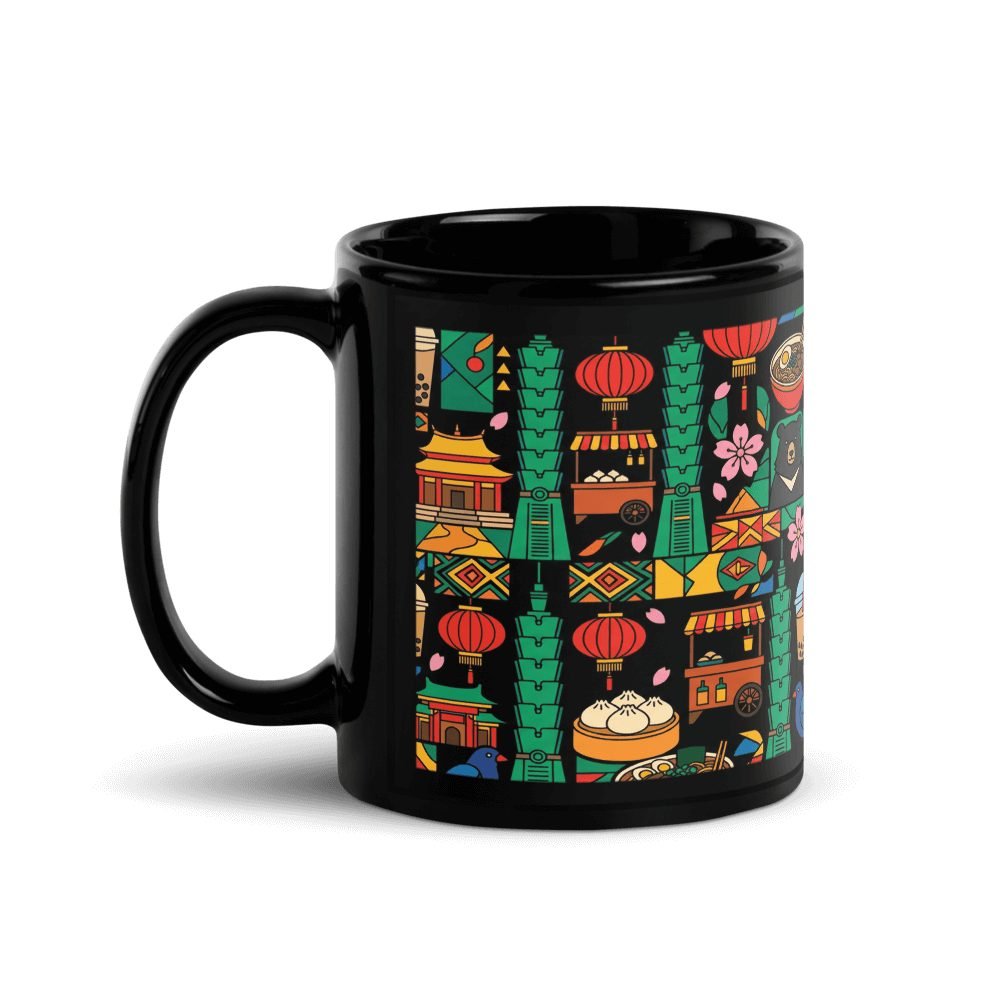
For boutique finds, peek inside Songshan Culture and Creative Park (a creative hub in Taipei) or Hayashi Department Store in Tainan (a historic mall with modern makers). Contemporary designers remix old skills into mugs, pillows, and home goods. And seasonal fairs like the Pingxi Sky Lantern Festival (where folks release lanterns into the sky) and the International Ceramics Festival bring stacks of pop-up stalls filled with festival crafts.
Look for tiny signs something was made by hand: a maker’s stamp, an uneven glaze on pottery, or the warm wear on a rattan basket that only comes from real use. You’ll also spot playful betel nut carving souvenirs at some stalls , little carved figures inspired by a quirky slice of local pop culture.
Bargain tip: chat with the seller, ask about materials and where it was made, and listen to the story behind the piece. Makers love to talk about their work, and you’ll learn the best stuff that way, um, you know?
Traditional Taiwanese Crafts Celebrate Handmade Beauty
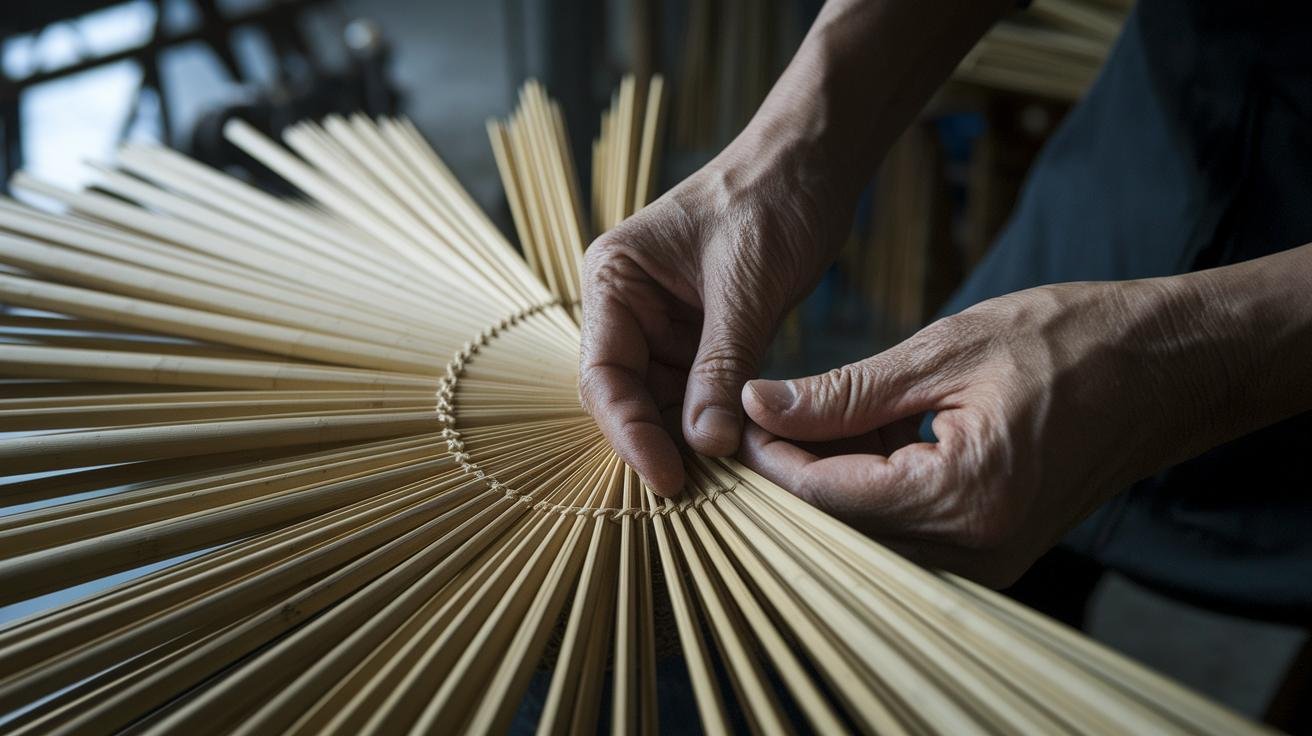
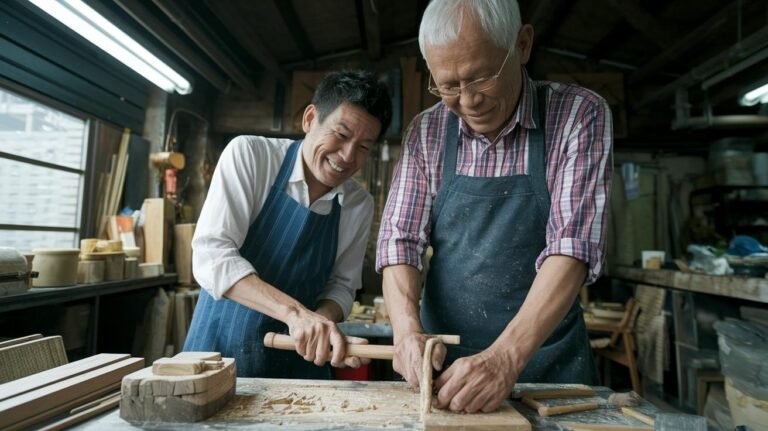
If you want to watch a master at work or try your hand, join a guided craft tour or pop into a local studio. These visits mix hands-on time with the history behind each pattern, so you get why a motif matters, not just how it looks. Picking a favorite design is a bit like choosing a bubble tea flavor, start with the base, then pick the little extras.
You’ll feel it too, the warm breath of a kiln, the shave of wood dust under a carving knife, the glossy gleam of lacquer like the finish on temple masks. Have you ever stood next to a potter while the wheel spun? Wait, let me share that again… it’s oddly calming, and it teaches you what years of practice look like.
Elders often teach apprentices right there, so you see living skills passed down in real time. Small groups take part in demos and studio sessions, rolling clay or threading bamboo, you know, actually making something with your hands.
Bring home a piece and you’ll carry its story, not just a souvenir.
Contemporary Adaptations and DIY Tutorials for Taiwanese Crafts
Lately, studios are remixing old skills into new shapes, and it’s so satisfying to see. Papermaking becomes book art, and notebooks made from handmade rice paper feel like holding a cool, thin slice of river air that soaks up ink like a memory. These tactile changes are what make modern Taiwanese crafts feel alive, rooted in touch, but open to fresh ideas.
You’ll find lots of step-by-step video series that teach bamboo weaving and puppet-making. Try a simple basket one afternoon, or make a tiny budaixi head (budaixi is Taiwanese glove puppetry) at home, easy to follow, usually with close-up shots of hands and tools. Downloadable Hakka embroidery patterns (Hakka refers to a Taiwanese ethnic group with its own needlework traditions) and lantern-frame blueprints let you work at your own pace, no pressure.
Etsy-style marketplaces and local shops sell tidy DIY kits for things like seal carving and sugar painting, so if you want a neat starter set, you’ve got options. Sugar painting feels fun because it’s basically edible art, trace a dragon, let it chill, then snap it off. Seriously satisfying.
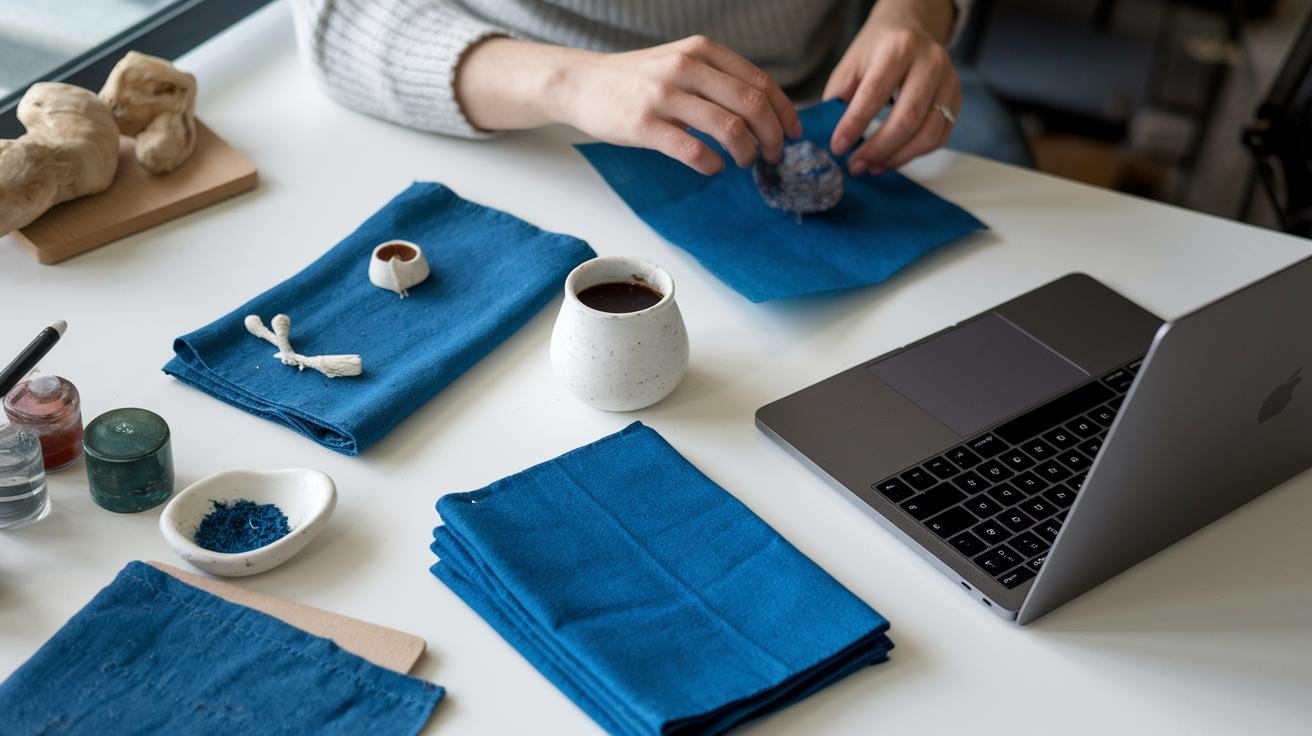
If color is your thing, home recipes for eco-dyed indigo are straightforward, think simmering leaves, watching the vat turn deep blue, and shops now stock the sustainable materials many Taiwan makers prefer: plant dyes, reclaimed wood, and natural rattan. The colors smell like the countryside sometimes, you know? The dye vats have that earthy, green scent.
Short craft documentaries do a great job of giving context while you learn techniques. Look for pieces on Paiwan and Rukai inlay methods (Paiwan and Rukai are Indigenous Taiwanese groups known for intricate wood and shell inlay). They show the patterns, the hands, and the stories behind each motif, so you learn more than just how to make something.
Start small. Pick a kit, feel the tools, make a tiny thing, then hold it. That moment when you realize someone’s hands guided the piece is nice. Really.
Have you ever strolled under lanterns at Jiufen? Speaking of lanterns, try making one simple frame first, then level up. It’s like picking a bubble tea flavor, start with a base, then choose your sweet add-ins.
So go on, try a beginner project, follow a tutorial, and let a handmade piece remind you who touched it. Um, you might get hooked.
Final Words
in the action we moved from the deep roots of wood carving and Yingge pottery to bamboo weaving, textiles, and glove puppetry, plus the little sugar-paint treats that sizzle on a stick.
You got regional stops, Yingge, Lukang, Sanyi, shop tips for night markets and festival stalls, and where to try hands-on workshops at museums or village studios. I loved the idea of a kiln’s warm glow or the clack of a potter’s wheel, you know?
Keep these traditional Taiwanese crafts close, wear, gift, or make them yourself, and support the makers who keep these stories alive. Happy collecting.
FAQ
Frequently Asked Questions
What are easy traditional Taiwanese crafts for kids?
Easy traditional Taiwanese crafts for kids include paper lanterns, simple paper cutting, bead bracelets inspired by Paiwan beadwork (Paiwan are an indigenous group), and indigo stamping kits. They are safe and hands-on.
What is traditional Taiwanese art and who are notable Taiwanese artists?
Traditional Taiwanese art includes wood carving, Yingge pottery (Yingge is a ceramics town), glove puppetry (budaixi), bamboo weaving, and Hakka embroidery. These are practiced by masters and modern artists such as Liu Kuo-sung.
What is Taiwan known for making and what products are commonly made there?
Taiwan is known for Yingge ceramics, intricate temple wood carving, bamboo goods, glove puppets, and world-class electronics and bicycles. These products are sold at markets, studios, and factories.
Is it okay to wear red in Taiwan, and what happens if a woman picks up a red envelope?
Wearing red in Taiwan is fine—red often symbolizes good luck at festivals and weddings. If a woman picks up a red envelope, it is treated as receiving the gift; she should return it if it wasn’t meant for her.

Grab a Free Taiwan Sticker!
Drop your email and we’ll send you a limited-edition Taiwan sticker — plus insider access to new merch drops and island vibes.
No spam. Unsubscribe anytime.